
























![Kingdom Hearts Collection [I-III] Review](https://gazettely.com/wp-content/uploads/2026/10/Kingdom-Hearts-Collection-I-III-1-360x180.webp "Kingdom Hearts Collection [I-III] Review: KHII Holds Steady as Newer Entries Fluctuate 37")




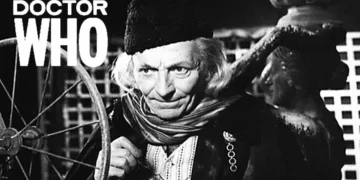
The quintessentially British science fiction series, “Doctor Who“, stands as a monolith in the annals of television history, and is fast approaching a significant milestone. Come November 2023, this illustrious show will commemorate its 60th anniversary. It’s an impressive feat that may seem rather hard to fathom, particularly when you consider that its “older cousin” from across the Atlantic, “Star Trek”, hasn’t quite reached that age.
Surprisingly, the crown for the longest-running show resides with this intriguing series. “Doctor Who” revolves around a unique protagonist who regenerates every few years, traversing the vast expanse of time and space in a police box, accompanied primarily by human allies, all the while battling nefarious forces.
Given this momentous occasion, it’s an opportune time to delve into what makes the classic “Doctor Who” such an essential watch. Why should one push past any preconceptions and engage with a series that may appear quaint and dated by modern standards? The reasons are myriad, capable of filling volumes, because the show consistently managed to reinvent itself. Each of the original seven lead actors brought their unique flavor to the series, shaping its trajectory.
Furthermore, the stylistic direction of the show was also largely influenced by the producer at the helm during any given period. With this in mind, let’s explore ten compelling reasons why the initial two years of “Doctor Who”, featuring the inaugural doctor and production team, are indeed a stellar viewing experience.
The Dynamic Verity Lambert
Against the prevalent notion that “all television creators of that era were elder white men”, Verity Lambert shattered stereotypes when, at just 27, she assumed the reins of an untried and ambitious new science fiction series. It was a time when eyebrows were being raised and hushed conversations filled the room, as her male counterparts speculated about the young woman in charge. However, instead of succumbing to the whispers, Lambert harnessed that energy to fortify her resolve.
In a matter of mere weeks, she had convincingly established herself and commanded an unparalleled level of trust and respect on set. Known for her unique ability to communicate effectively with the occasionally temperamental lead actor, William Hartnell, she soon became one of the few people capable of dealing with him. Lambert’s first venture into television marked the birth of a distinctive creative vision that had been previously unseen.
Today, her contributions are celebrated, with her name rightly etched in the annals of television history as a pathfinder. She has also been duly recognized by the British Film Institute, who appreciates her outstanding accomplishments as a producer.
The Dawn of Dalekmania!
The landscape of television in the 1960s was intriguingly peculiar in England. Only a month after the launch of the series, they made their debut on the screen – the ruthlessly killing, authoritarian, shrieking mutant beasts clothed in robot costumes, hailing from the radioactive planet of Skaro.
The production team couldn’t have anticipated that these seemingly simplistic adversaries would resonate so deeply with the viewers. However, the British audience always had a soft spot for narratives that depicted the downfall of forces that resembled Nazis, even when these forces appeared to have plungers for noses. As it turns out, this eccentric portrayal hit home.
The introduction of these creatures sparked a frenzied excitement amongst viewers. Children were simultaneously terrified and enthralled, often hiding behind their sofas during broadcasts. The series witnessed staggering viewership, with ratings soaring into the tens of millions. The chilling battle cry of “EXTERMINATE!” reverberated in living rooms across the country, heralding the arrival of the phenomenon that was Dalekmania!
A Balanced Team from the Start
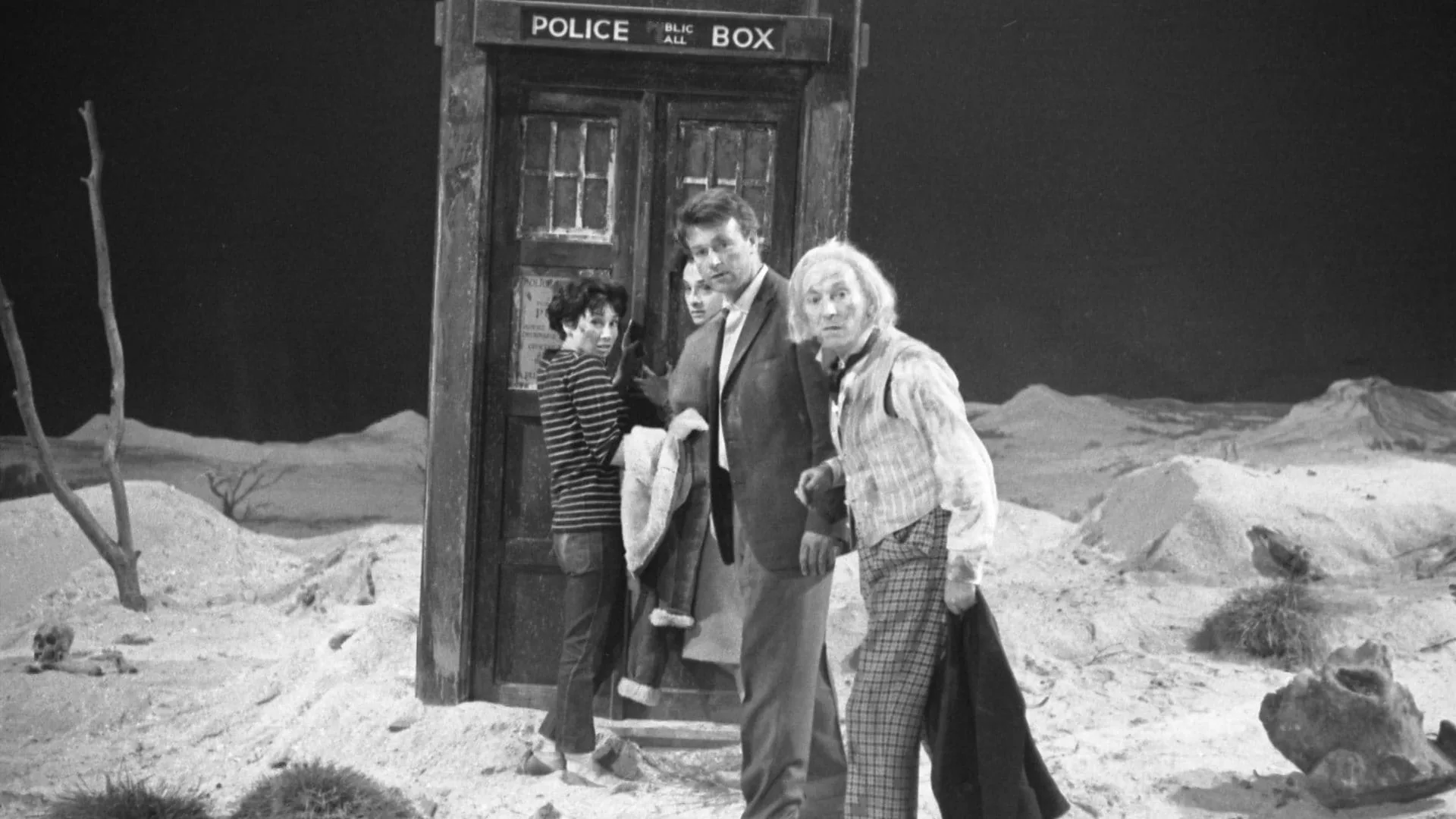
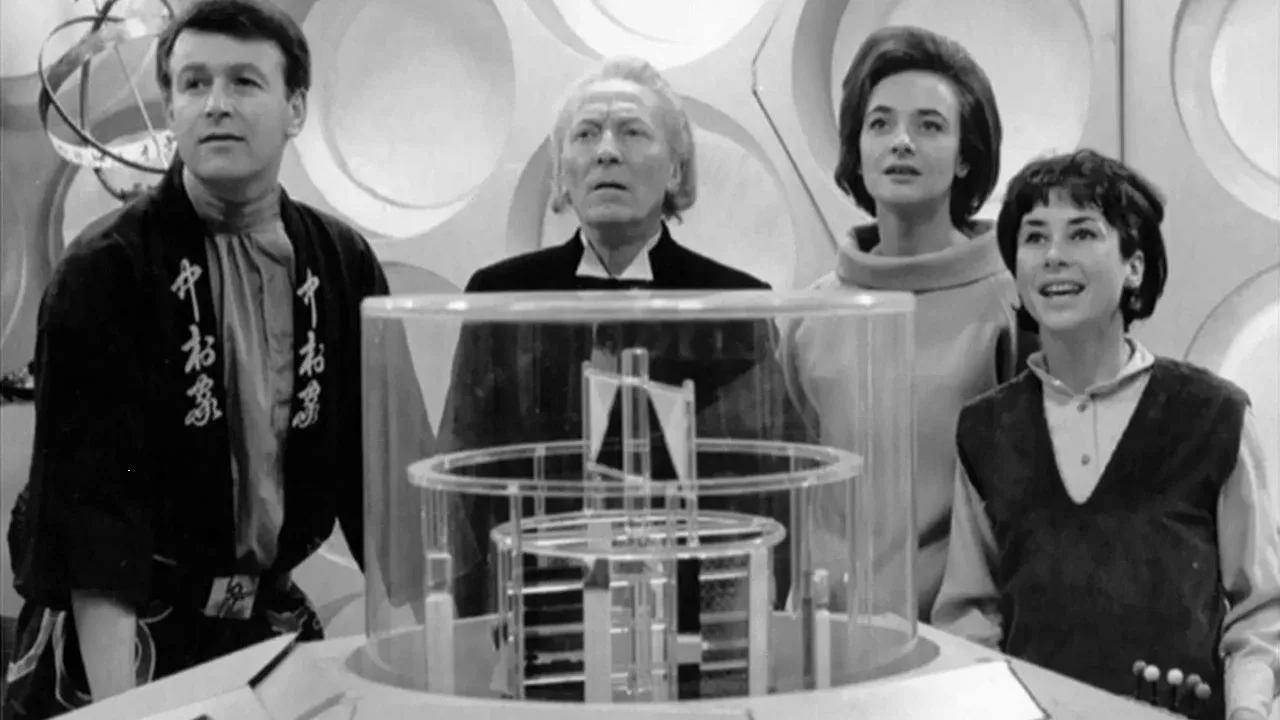
In the years that followed, the tradition was for the TARDIS, the Doctor’s spacecraft, to house just a single companion alongside the Doctor. However, in the inception, it was quite different. There were four main characters sharing the adventures through the vortex of space and time. This was indeed a refreshing divergence from the norm, establishing a balance seldom seen during that period.
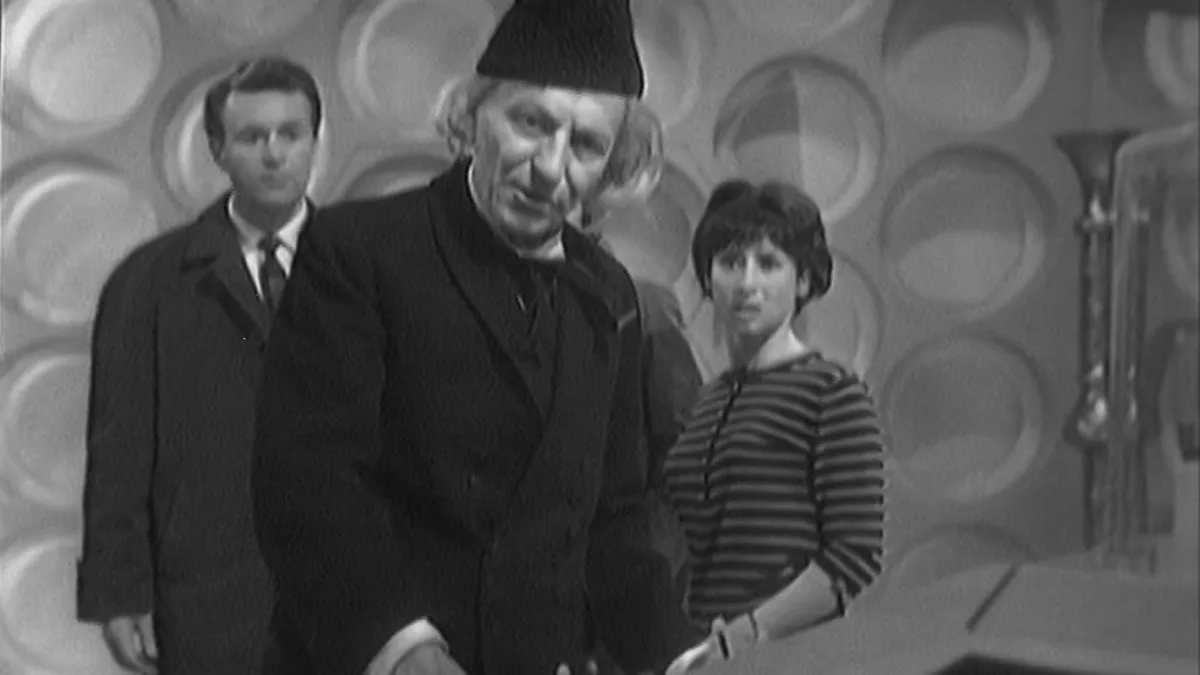
Alongside the venerable Doctor was his granddaughter Susan, portrayed by Carole Ann Ford. She was an alien character who carried an aura of enigmatic charm, serving as a relatable figure for the younger viewers. Also aboard the TARDIS were Barbara and Ian, played by Jacqueline Hill and William Russell respectively. They were Susan’s school teachers, authoritative yet with an affable touch, thereby retaining an aura of the vibrant and trendy sixties in London.
While the series bore the Doctor’s name, the spotlight wasn’t solely focused on him from the onset. The narratives and dialogues were distributed evenly among the four TARDIS inhabitants. However, an interesting exception occurred whenever one of the actors took a leave of absence. A sprained ankle was often the go-to alibi, allowing the character to recuperate in the TARDIS, an excuse that was perhaps overused to humorous effect.
Mastering the Art of the Cliffhanger
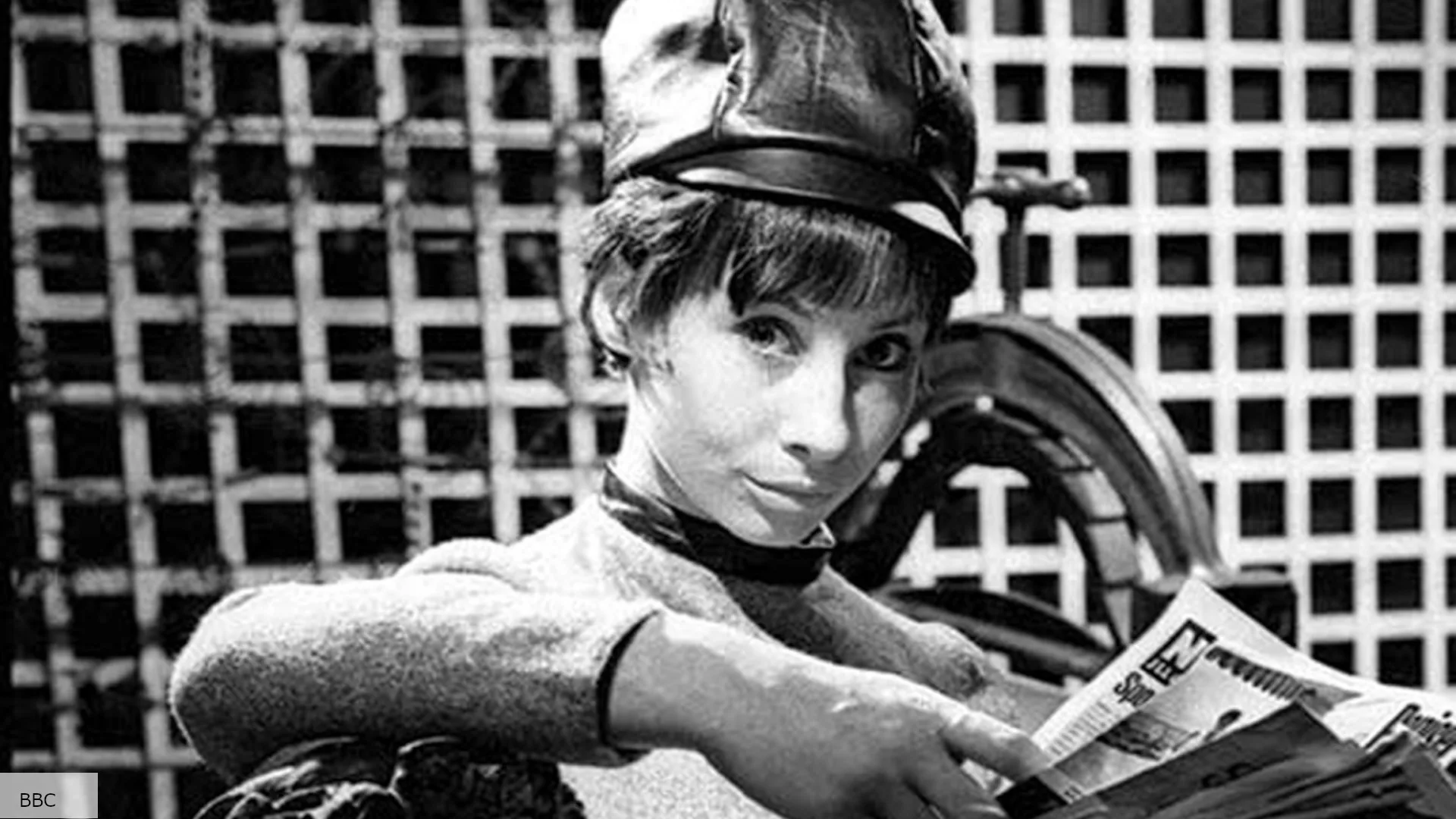
Engaging the audience week after week required skillfully building the drama to a crescendo within the confines of each 25-minute episode. It was imperative that each episode’s conclusion left viewers on the edge of their seats – a perilous situation, a menacing villain brandishing a sword, a hideous monster making its appearance just as hope seemed to be dwindling.
Each episode culminated in an artfully orchestrated climax, followed by a piercing, distinctive sound that marked the beginning of the credits. The thrilling suspense wasn’t confined to the individual episodes of a multi-part series. Instead, each long tale seamlessly transitioned into the next, creating a continuous, epic narrative.
Unlike the so-called ‘serials’ – budget filler films shown in US cinemas – the cliffhangers in Doctor Who were seldom deceptive or anticlimactic. There was no room for trickery or unjustified plot twists that provoked laughter instead of suspense. The art of the cliffhanger was treated with respect, ensuring that each episode’s conclusion would leave viewers eager for the next chapter in the Doctor’s intergalactic journey.
From a Galaxy Far, Far Away
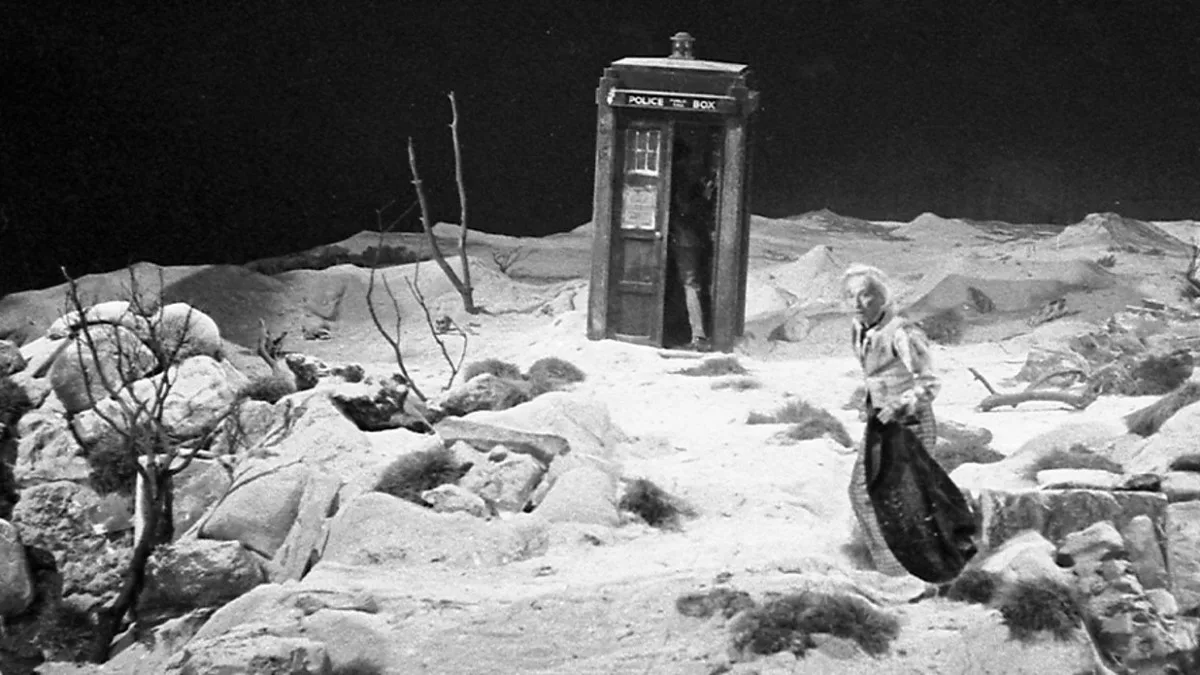
The dilapidated black-and-white image, where the vertical plane seemed to sporadically lose its stability. The mesmerizing opening credits that utilized the enthralling trick of optical feedback. The eerie, out-of-this-world sounds produced by synthesizers, coupled with the rugged dialogues that instilled a sense of ominous anticipation. And the set designs, often shrouded in obscurity, like the bug-infested planet Vortis where amusingly preposterous bee, ant, and other insect costumes were cleverly concealed with lens vaseline and a disconcerting sonic backdrop.
An experimental two-part episode titled “Edge of Destruction,” was entirely set within the TARDIS, which, in an uncanny turn of events, appeared to come alive and gradually drive its four occupants towards madness. All of this didn’t feel like it originated from a typical BBC studio; instead, it seemed as though it was being transmitted to TV screens from an alien galaxy thousands of light years away.
The Enigmatic William Hartnell
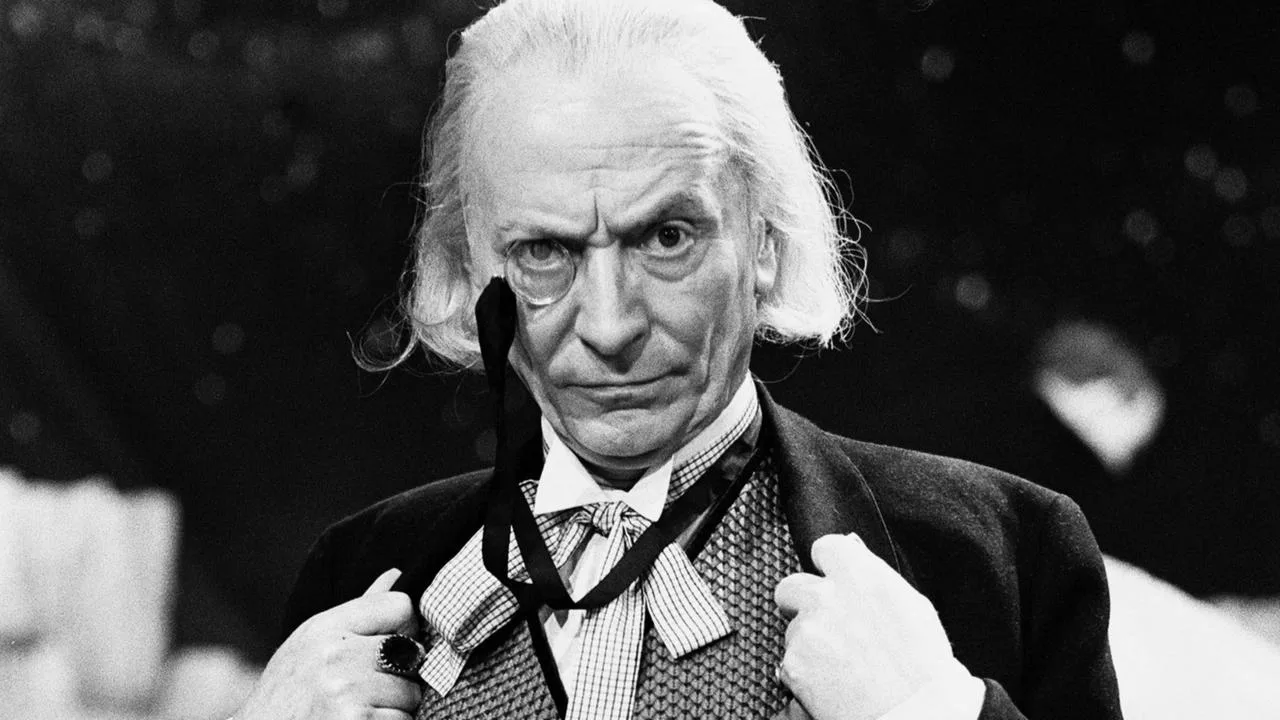
Hartnell’s portrayal of the Doctor was a masterclass in contrasts. He played the role of an elderly man, but with a youthful spirit that carried a bundle of paradoxes. One moment, he exuded a grandfatherly warmth and protectiveness; the next, he could be obstinate, headstrong, and self-absorbed. His dialogue was often delivered in mumbles and murmurs that made him sound like a mad scientist, and his nonexistent beard gave an added touch of eccentricity.
His mirth often verged on childlike glee, threatening to spill over into an almost goblin-esque giggle. Yet, he could swiftly shift gears, turning peevish, irritable, and high-handed. Particularly in the early episodes, the first Doctor allowed an undercurrent of malevolence to seep through, leaving the audience to ponder whether this mysterious time traveler might not be entirely benevolent. But then, in a flicker, he’d return to his endearing demeanor.
Such a range of contradictions made Hartnell’s Doctor a delight to watch. Although he was only 55 when the series started, a challenging childhood and adolescence had left their marks, making him appear closer to 70. Complications from progressive arteriosclerosis meant that the Doctor’s erratic personality wasn’t just scripted; it was, in part, an outcome of Hartnell’s health. Yet, despite these challenges, he remained the consummate character actor, fully committed to bringing his character to life.
Story at the Forefront
In today’s world, it often appears as though storytelling in major blockbusters or streaming platforms like Netflix is superseded by the brute force of budget. The strategy seems to be: when the story is lacking, throw money at it and compensate with extravagant special effects. However, the classic “Doctor Who” took a different approach. While handcrafted special effects and monster costumes can be found here and there, the production team operated on a tight budget. Each story was stretched over an average of four to six episodes in a bid to maximize the investment.
So, how does one fill such an expanse of time? The answer lay in intricately penned stories and compelling dialogue, unaided by the crutch of CGI wizardry. Indeed, such limited resources led to an overflow of creativity! Granted, there were times when an episode appeared to go around in circles, possibly as a way to fill time, yet even these instances added to the charm of the series. The sheer effort and dedication that went into each scene were palpable, making even these moments fascinating to watch.
Restoration & Chronicles
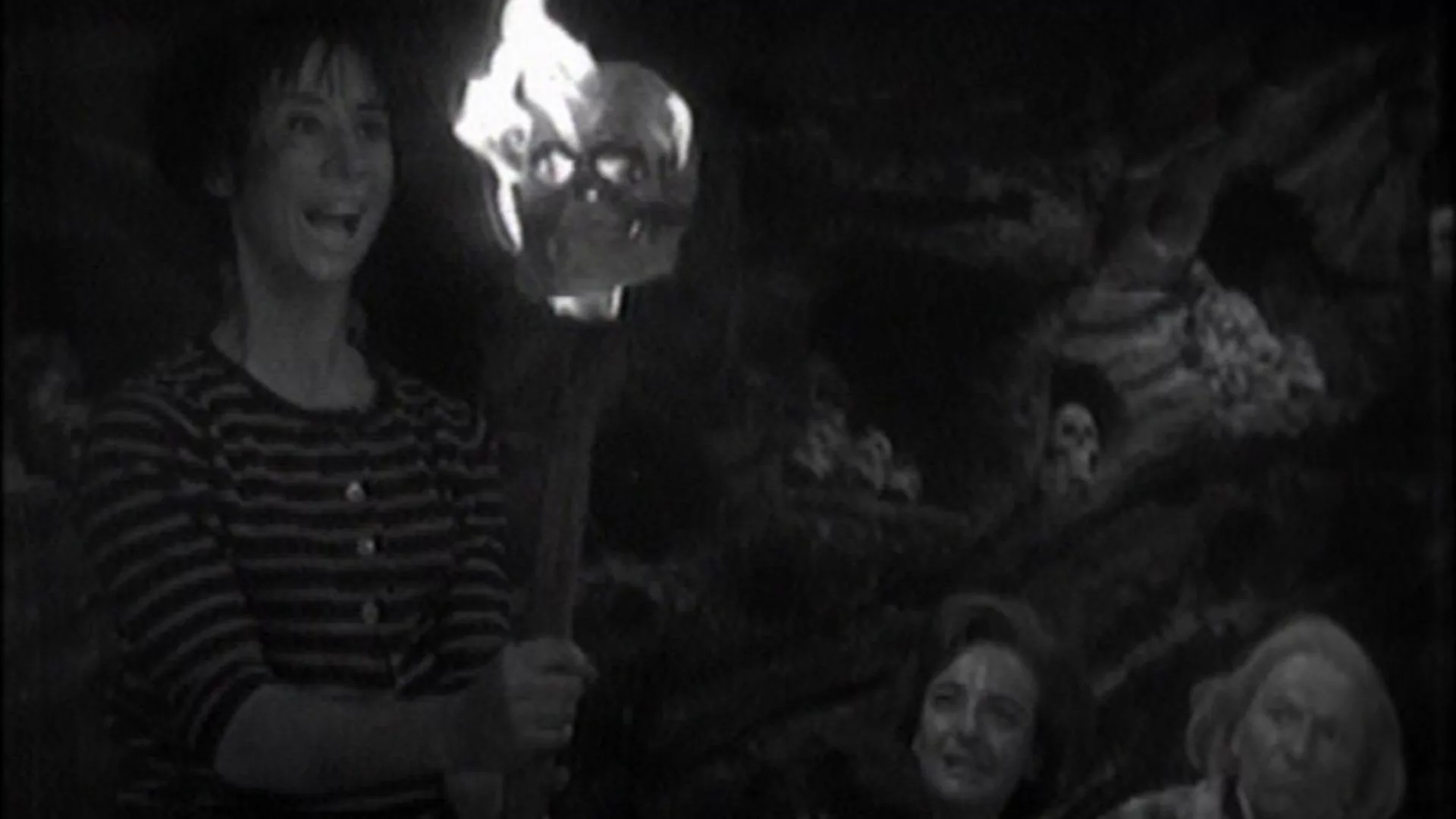
Few series can boast of a dedicated restoration team that has, for decades, worked tirelessly to keep the old image and sound material up-to-date with the latest technological advancements. These heartfelt endeavors lend the series a museum-like quality. Despite the limits of the original “Doctor Who” studio video technology, the quality is continually enhanced with each new release.
Each official release comes adorned with a wealth of bonus material. Audio commentaries, behind-the-scenes documentaries, and interviews all provide further insight into the making of the series. There are even investigative essays that attempt to glean the life stories of missing or deceased contributors to the series from their relatives.
For those seeking a science fiction series that provides thousands of hours of additional material along with the main story, which unfolds and reconstructs a production history more thrilling than most crime dramas, “Doctor Who” is a treasure trove. As a hobby historian, I find this one of the most captivating aspects of the series. It’s a rabbit hole I find myself enthusiastically descending into time and again. Polyband released the very first three stories – “The Child from the Stars,” “The Daleks,” and “Edge of Destruction” in 2018. And while they regularly feature releases from the classic Doctor Who era, the First Doctor’s era certainly merits another visit.
However, releases in the country of origin, the UK, are far more extensive. For several years now, all the season boxes of the “old doctors” have been released in random order as “The Collection”, with 12 of the 26 seasons already out. This splendid collection, complete with restoration work and bonus material, stands as the most definitive and comprehensive compilation of Doctor Who to date.
Embrace the Theater
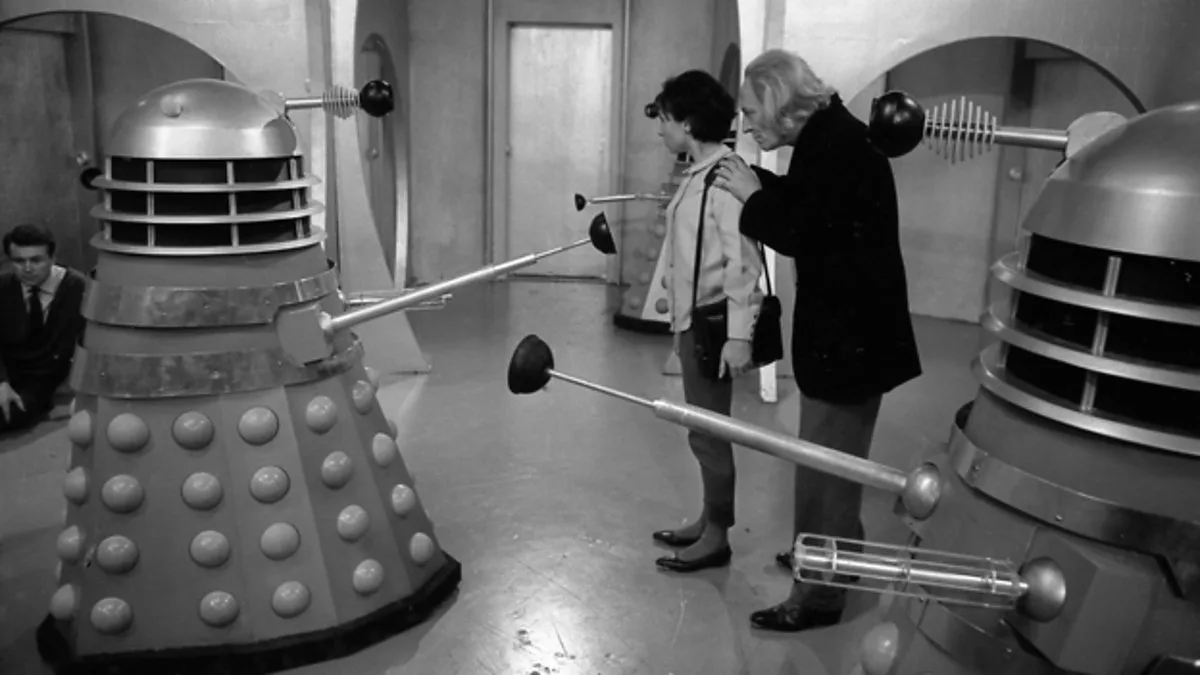
A typical contemporary TV episode is filmed in a manner akin to a movie. Each day involves a few scenes shot out of sequence and it’s only towards the end, at the editing stage with the addition of music and effects, that a cohesive show is produced. However, the classic “Doctor Who” was a different ball game altogether. The luxury of time was scarce.
The cast and production crew gathered on Mondays to familiarize themselves with the week’s script and rehearse, resembling the routine of a theater troupe. Fast-forward five days, and a Saturday afternoon was carved out exclusively for the filming of “Doctor Who”. Sets were hastily erected and swiftly dismantled to make space for other productions.
Consequently, episodes were shot in their narrative sequence, and with the clock ticking relentlessly, each line and action needed to be perfect. More intricate, short effect scenes were the exceptions. These were pre-produced on film and inserted at relevant points during the sequence. This gives the classic “Doctor Who” its theatrical feel.
The process also led to an element of spontaneity that’s rare in today’s productions. For instance, if William Hartnell, whose health was deteriorating, made one of his famed verbal gaffes, the scene could not be reshot. These bloopers have become an integral part of many classic episodes, and viewers often approach the episodes as if they were live sci-fi performances.
A Commitment to Educate
If one assumes that the early years of “Doctor Who” were solely reliant on monsters and sci-fi spectacle, they are mistaken. Being a quasi-public broadcaster, the BBC was bound by an educational mandate. This led to every alternate story being a “historical” one, wherein the Tardis crew would find themselves in a historical setting. The plot would twist and turn to ensure they were stuck there for several episodes – perhaps the Tardis had been stolen, or its keys lost. Except for the main characters being time-travelers, these episodes featured no science fiction elements whatsoever.
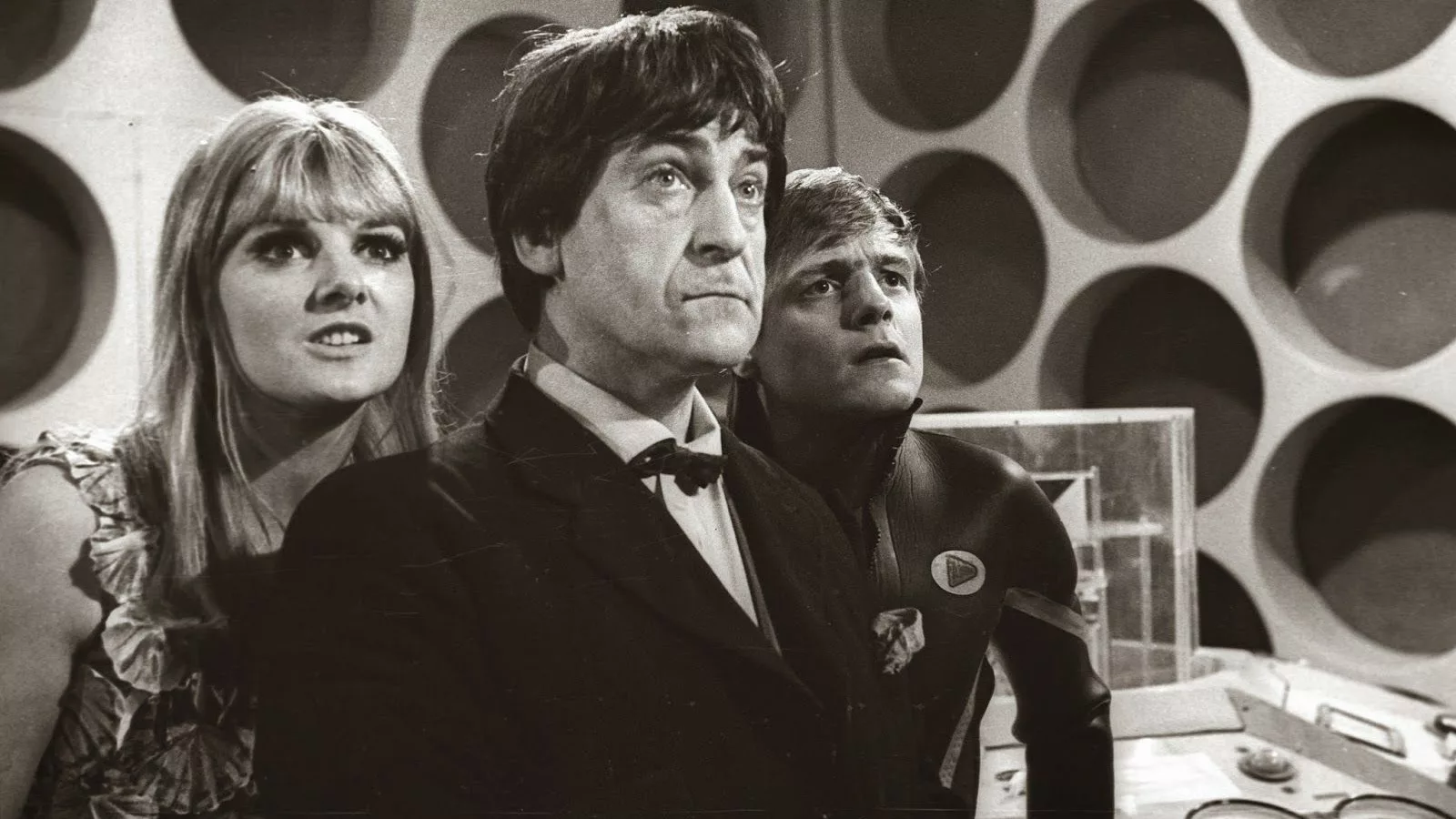
While this might sound dull to some, the wealth of costumes and sets at the BBC’s disposal often resulted in surprisingly grand productions. An episode set amongst the Aztecs presented a brutal, unrelenting darkness, while the seven-part Marco Polo series offered an exhilarating journey through the Himalayas to China. As the Second Doctor’s era commenced, these historical lessons were gradually phased out in favor of more monster-centric stories. This was somewhat regrettable as the early Doctor Who episodes had ingeniously mixed historical education with sci-fi entertainment.







