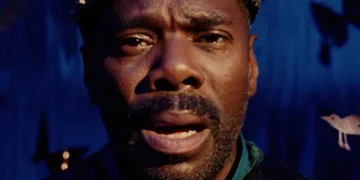





























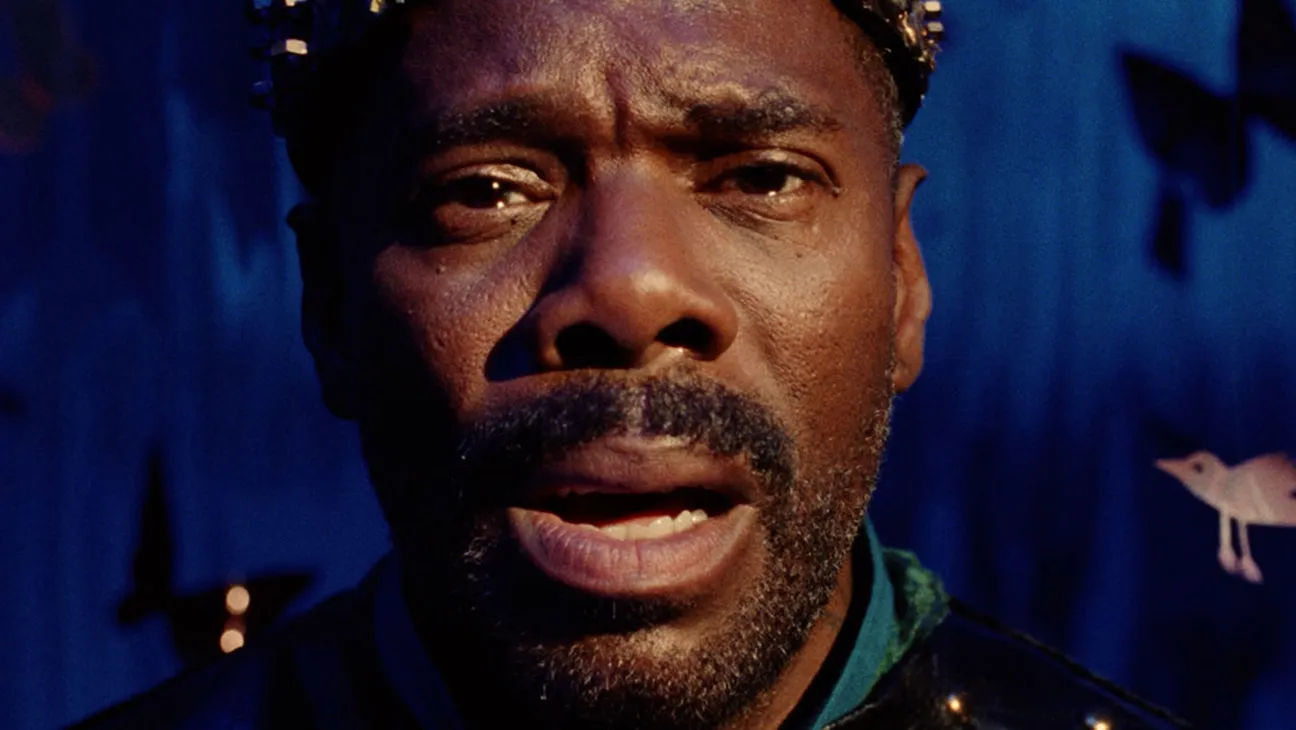

We are introduced to a group of men at Sing Sing prison, taking part in a unique program known as Rehabilitation Through the Arts, or RTA. Through RTA, inmates have the opportunity to express themselves creatively by participating in workshops for dance, music, writing, and theater. Two of the men involved are Divine G and Divine Eye, played convincingly by Colman Domingo and newcomer Clarence Maclin.
Divine G is a pillar of the program, devoting himself fully to helping his fellow inmates. He sees the potential in Divine Eye, who has a tough exterior but a soft spot for Shakespeare. Despite initial concerns from others, Divine G recruits Divine Eye for the theater troupe. Their uneasy alliance slowly evolves into a bond as each learns more about the other.
Director Greg Kwedar oversees the production with sensitivity. He draws on the prisoners’ real experiences within RTA, blurring the line between drama and documentary. We witness the challenges of staging an original play from start to finish, with improvisation scenes that feel authentic.
Throughout, Kwedar maintains respect for his subjects, prioritizing their humanity above sensationalism. The friendships formed become the heart of the film, showing how artistic expression can rehabilitate and bring people together in unexpected ways.
Communal Creativity
This film explores the friendship between two very different men brought together by art. Divine G is a longtime leader in the Rehabilitation Through the Arts program at Sing Sing Prison. He believes deeply in using theater to rehabilitate and build connections. When newcomer Divine Eye joins, his aggressive nature worries others.
Divine Eye finds himself drawn to the program after Divine G approaches him. Despite his tough exterior, he reveals a passion for Shakespeare during tryouts. Divine G sees Divine Eye’s talent and wants to nurture it, hoping the program can help reform this fiery young man. Their bond grows as Divine G mentors Divine Eye, but tensions emerge when Divine Eye questions traditions and lands a role Divine G coveted.
They don’t perform established plays; instead, inmates choose their own creative path. This time, disagreements arise over the selection. Theatre director Brent writes an unconventional script featuring multiple genres to involve everyone. Though Divine G hopes for his own play, he eventually accepts that this unified vision will strengthen their community.
Divine G relies on the support of fellow leaders like Mike Mike, who’s been with the program for decades. But Divine Eye’s influence spreads, challenging Divine G’s authority. As the production comes together, their friendship is put to the test. Will Divine Eye fully embrace the collaborative spirit, or will past anger resurface?
Through the obstacles faced in staging this ambitious performance, deeper truths are revealed among the ensemble. Their communal creativity shows the power of art to rehabilitate and forge bonds in unlikely places. How these two pivotal characters navigate change forms the heart of this redemptive story.
Honoring Humanity
This film could so easily have exploited its subjects, yet director Greg Kwedar chose a wiser path. His sensitive work elicits profoundly authentic performances by treating the cast, drawn largely from those living this experience, not as inmates but as collaborative artists.
Kwedar brilliantly blurs the lines between drama and documentary. Scenes filmed within the prison feel piercingly real as the RTA troupe rehearses, with no distinction between acting and reliving. His actors freely draw from personal struggles, imbuing moments with raw catharsis.
Colman Domingo and Clarence Maclin are a tour de force as Divine G and Divine Eye. Domingo navigates his character’s journey with grandeur yet vulnerability. His caring mentorship of Divine Eye, as their bond evolves from a rocky start, steals our hearts. Maclin, in his first professional role, brings grit and guarded hope to his character’s transformation through art.
We feel deeply invested in these men’s lives thanks to Kwedar inviting us inside, not as spectators of inmates but as witnesses of humanity. His respect for the cast is mirrored in their dedication, recreating workshop improvisations with that gleam of rediscovery.
Cinematographer Patrick Scola captures it all with sweeping intimacy. From soaring rehearsal sequences to piercing solitude in confined cells, he finds grace in places devoid of it. That Sing Sing’s buildings themselves cooperate lends the production profound veracity.
This film honors the individuals within a system degrading human dignity. By investing ownership and creative control in the RTA alumni, Kwedar has restored a piece of what was taken. Their triumph reminds us that even in the darkest of places, hope, empathy, and the human spirit cannot fully be contained.
Transforming Lives Through Art
Sing Sing shines a light on the profound impact of the RTA program. We see how cultivating creativity greatly reduces repeat offenses. The rehab group’s productions aren’t just enjoyable; they empower former inmates to believe in life outside bars.
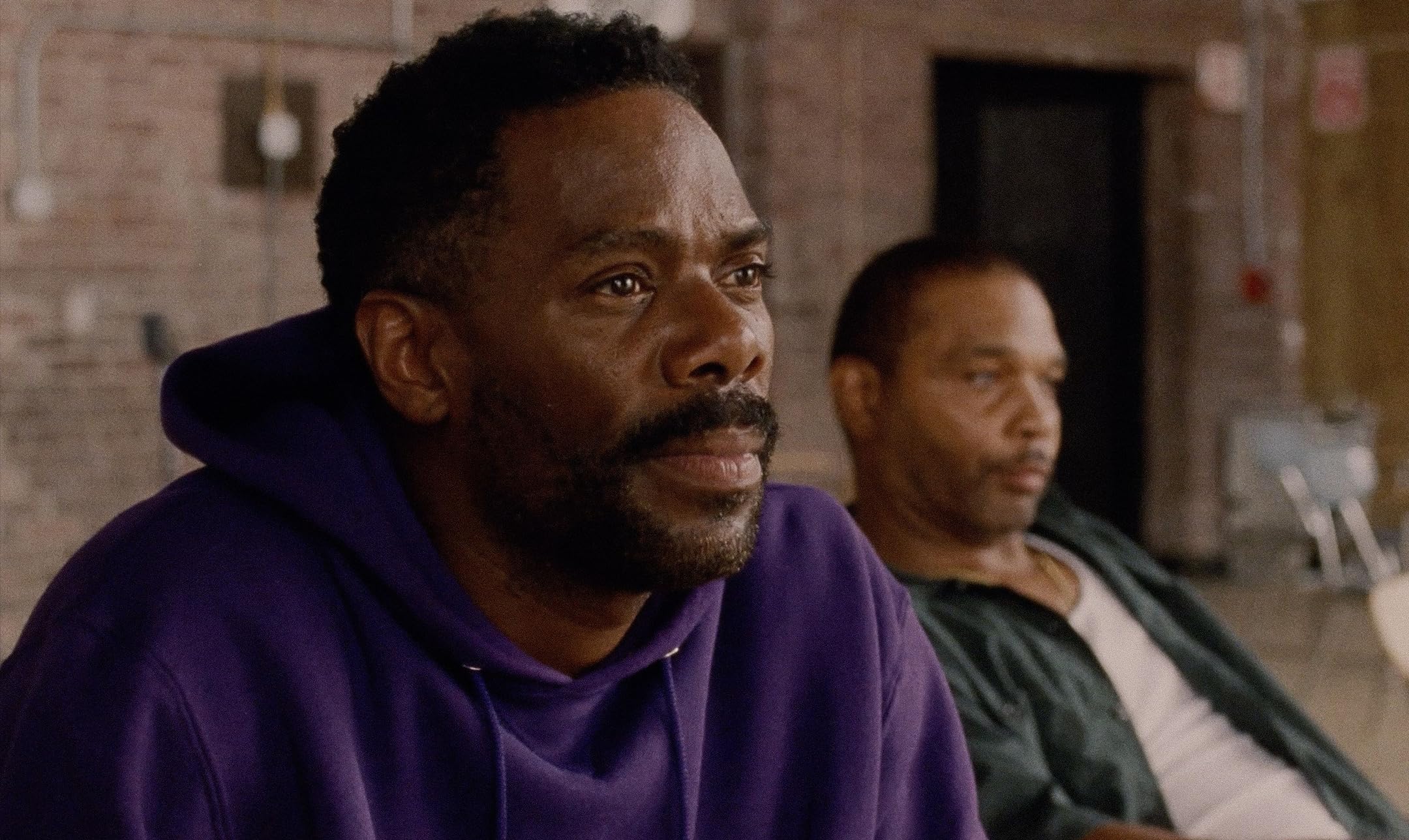
The film centers on individuals, not statistics. We experience the justice system through the hopes, talents, and friendships of those living in it. Divine G and Divine Eye teach that past crimes don’t define a person’s worth. Their bond triumph over initial distrust shows rehabilitation possible through open-mindedness.
All inmates strive to better their circumstances. But the RTA crew lifts each other up, believing their value extends beyond prisons. Their works move beyond acting—performers rediscover abilities to uplift communities and inspire change. Workshops don’t just hone skills; they heal trauma by sharing vulnerabilities.
Moments away from roles remind us how artistic expression liberates confined spirits. Freedom glimpsed onstage nourishes dreams of lives giving purpose through passion. Though cells remain, RTA proves imagined worlds can cultivate real growth when compassion is shared. The program transforms lives by fostering bonded strength to overcome society’s limitations.
Sing Sing beautifully illustrates art’s power to rehabilitate by restoring faith in our common humanity. It calls for us to support prisoners as complex souls deserving a chance to prove themselves beyond their worst choices. Most powerfully, it reveals happy endings possible when we lift each other with understanding instead of judgement.
Honoring Lived Experience
Sing Sing achieves rare authenticity through its collaborative process. With RTA alumni comprising the cast, their performances emerge from truth rather than acting. We view not fanciful portrayals but hard-won compassion blossoming from real struggles.
Director Kwedar embraced those with life experiences too often denied a voice. Alumni share writing credits and hold ownership, ensuring their stories honor the complexity unseen in most prison films. We feel intimacy where manipulative revisions could have preyed on trauma.
Scenes filmed mid-workshop capture improvisation’s raw catharsis. Real healing occurs as alumni bridge the divide between “characters” and themselves. Fiction fades, leaving us to behold bravery in sharing pains seldom understood outside prison walls.
Relics of “docudrama” dissolve under Kwedar’s respectful touch. We access lives usually glimpsed from celluloid’s cold removal rather than fellowship. The subtle blending of fact and fiction refocuses less on manufactured plots than on humanity revealed through art’s simple gift of being heard.
In permitting alumni control over representation, Kwedar inverts exploits that render prisoners passive subjects. Sing Sing suggests another mode where collaborative storytelling restores dignity too long denied. It gifts audiences rare insight nurtured by creative partnership, not appropriation of others’ experiences for commercial gain.
Beyond the Bars
As society reckons anew with justice and punishment, Sing Sing arrives profoundly timely. By humanizing those deemed irredeemable, it reignites our thinking on who deserves compassion.

Through friendships tested but nurtured in the theater’s safe space, we glimpse the defiance of walls meant to corral hope. Divine G and Divine Eye show how shared struggles birth understanding between unlikely souls. Their bond reminds us how connections formed cross-distribute labels imposed.
Though scars of cells persist in memory, scenes depicting workshop joy leave traces of sunlight still warming darkened places. Art provides a fleeting escape from rigid routines, as imagination lifts performances above prison’s sombre cause into realms of fresh possibility.
We witness how performing different roles can become practice for inhabiting our fuller selves, denied expression. Yet constantly, Kwedar ensures reality recaptures these men whose numbers confine identities that civic society denies.
Sing Sing moves discussions forward by looking back—to the healing this program has long brought. It spreads RTA’s message that in each person lives an artist, and every artist deserves a stage. By dignifying experiences oft deemed less than, this film inspires believers in rehabilitation’s power to change lives and rebuild communities with justice dismantled.
In shining compassion’s light into corners where darkness haunts, Sing Singleaves hopes that through shared stories, walls may one day fall whose shadows still entrap too many souls beyond these screens. Its gift of empathy is one to carry forward in building brighter tomorrows.
Sing Sing’s Resonant Refrain
Through their raw talent and care for their subjects, the filmmakers bring Sing Sing’s story to life. While pace wavers at moments, the film never loses its pulse on presenting life beyond bars’ emotional complexity.
Watching those confined find liberation in shared craft, we glimpse humanity that labels aim to obscure. Domingo and Raci lead breaks that are real and restorative, reminding each prisoner’s dreams to extend as far as cell walls allow. Their voices lift scenes with hard-won joy, ensuring we feel their triumphs as our own.
Kwedar invites us into his characters’ world, not as intruders but as fellow travelers on their journey. With patience and empathy, he shows redemption’s power lies not in any one success but in opportunities to rediscover ourselves, scene by scene, role by role.
Flaws are few against the rewards this resonant refrain provides. Sensitively striking truth’s delicate balance, Sing Sing resonates long after final bows, inspiring hope that other lives too might find new scripts to rewrite the past. To all with open ears and hearts, this film deserves a well-received standing ovation.
The Review
Sing Sing
In summoning our shared humanity above all else, Sing Sing proves a moving tribute to rehabilitation's varied forms. With care and conviction, it brings light to those too long defined by darkness alone.
PROS
- Powerful and authentic performances from the cast
- Nuanced exploration of the rehabilitation program's impact
- Sensitive handling of emotionally complex characters and themes
- Provides thoughtful perspectives on incarceration and redemption.
CONS
- Occasional lulls in pacing across a longer runtime
- Story mechanics are not as refined as they could be in some sections.







