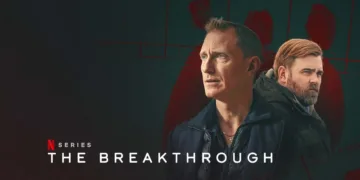

























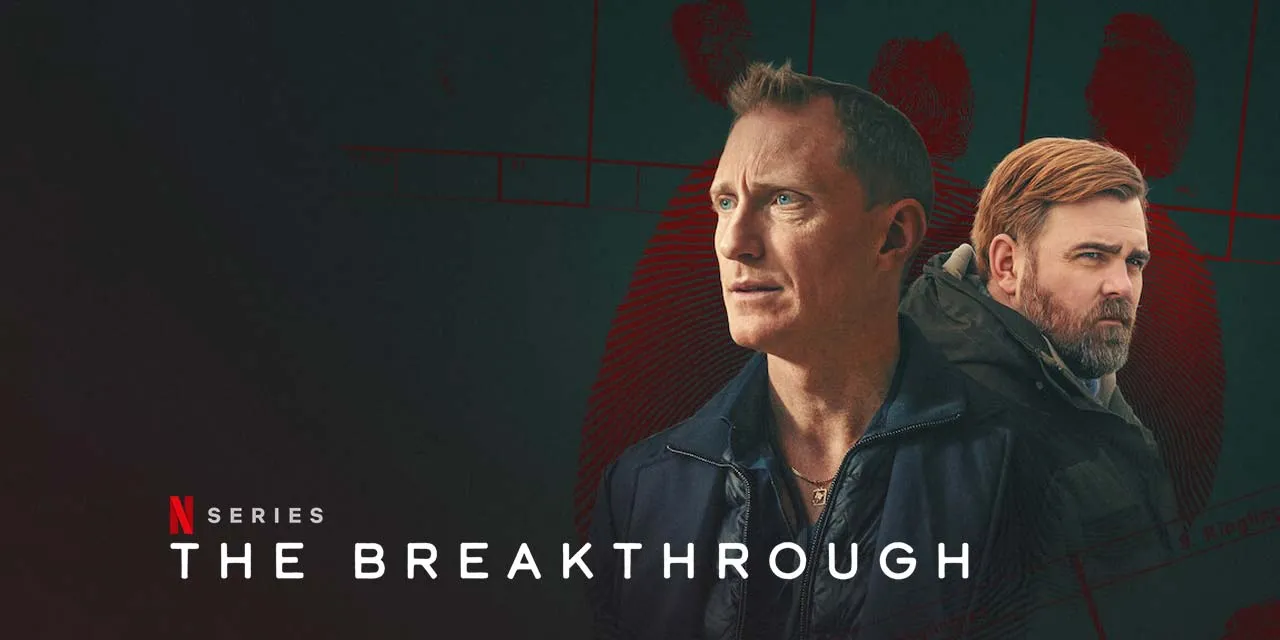

“The Breakthrough,” a Swedish true crime miniseries on Netflix, is about the terrible 2004 killing of an 8-year-old boy and a woman who tried to stop the killer. This spooky narrative takes place over 16 years and ultimately shows how DNA genealogy was key to solving the case. The series is more than just a story about a crime because it encourages viewers to reflect on societal views of violence and the complexities of justice.
With four episodes that run for just over two and a half hours, “The Breakthrough” is a great example of how short, binge-able material is becoming more popular on streaming services. However, the pacing and narrative complexity of this compact structure raise questions.
The series fits into the changing world of true crime stories using facts and artistic license. It tries to find a balance between emotional impact and moral concerns. While it humanizes the victims and their families, it also runs the risk of oversimplifying real-life narratives, reflecting the current desire for authenticity in media narratives. This tension shows how audiences today engage with larger conversations about justice and representation in addition to the story.
A Deep Dive into Trauma: The Narrative of The Breakthrough
“The Breakthrough” is based on a scary double murder that happened in 2004 in the small Swedish town of Linköping. The brutal stabbing of Adnan, who was eight years old and innocently going to school, and the subsequent death of Gunilla, a woman who tried to save him, serve as the series’ inspiration.
This terrible act of violence not only makes the families of the victims’ lives difficult, but it also spreads fear throughout the community. The series expertly depicts the emotional fallout from such a senseless tragedy, showcasing how it tore apart relationships and ingrained a sense of insecurity. The victims, in this case, are not just numbers; through their personal stories, they are made human, allowing viewers to consider the true societal implications of crime and violence.
The investigation has been ongoing for an amazing 16 years, highlighting the difficulties and complexities of solving such a case. The narrative gradually reveals the emotional toll on Detective John Sudin and his family as the weeks and years go by without any breakthroughs. The series uses a slow-burn pacing that mirrors the investigation’s stagnation, which may irritate viewers who are used to popular crime dramas’ quick resolutions.
The use of more advanced forensic methods, especially DNA genealogy, which is ultimately the key to solving the case, marks important turning points. This reflects a larger societal shift toward using technology in criminal justice, which raises ethical questions about privacy and the implications of such methods. The juxtaposition of John’s personal problems with the larger investigative narrative highlights a critical commentary on the nature of obsession and the lengths to which one might go for justice.
As the narrative progresses, it goes against the usual way of telling stories by mixing technical parts with deep emotional ones, showing how the passage of time can both heal and haunt. “The Breakthrough” tells the story of an investigation and reflects societal concerns about safety, justice, and how well law enforcement can serve the face of trauma.
Character Analysis: The Human Cost of Obsession in The Breakthrough
At the center of “The Breakthrough” is Detective John Sudin. Peter Eggers plays with a mix of drive and weariness. John’s character arc is very complicated; he embodies the never-ending search for justice but is increasingly consumed by his obsession. At first, his confidence is contagious, but as the years go by without an answer, we see how much his dedication has cost him personally.
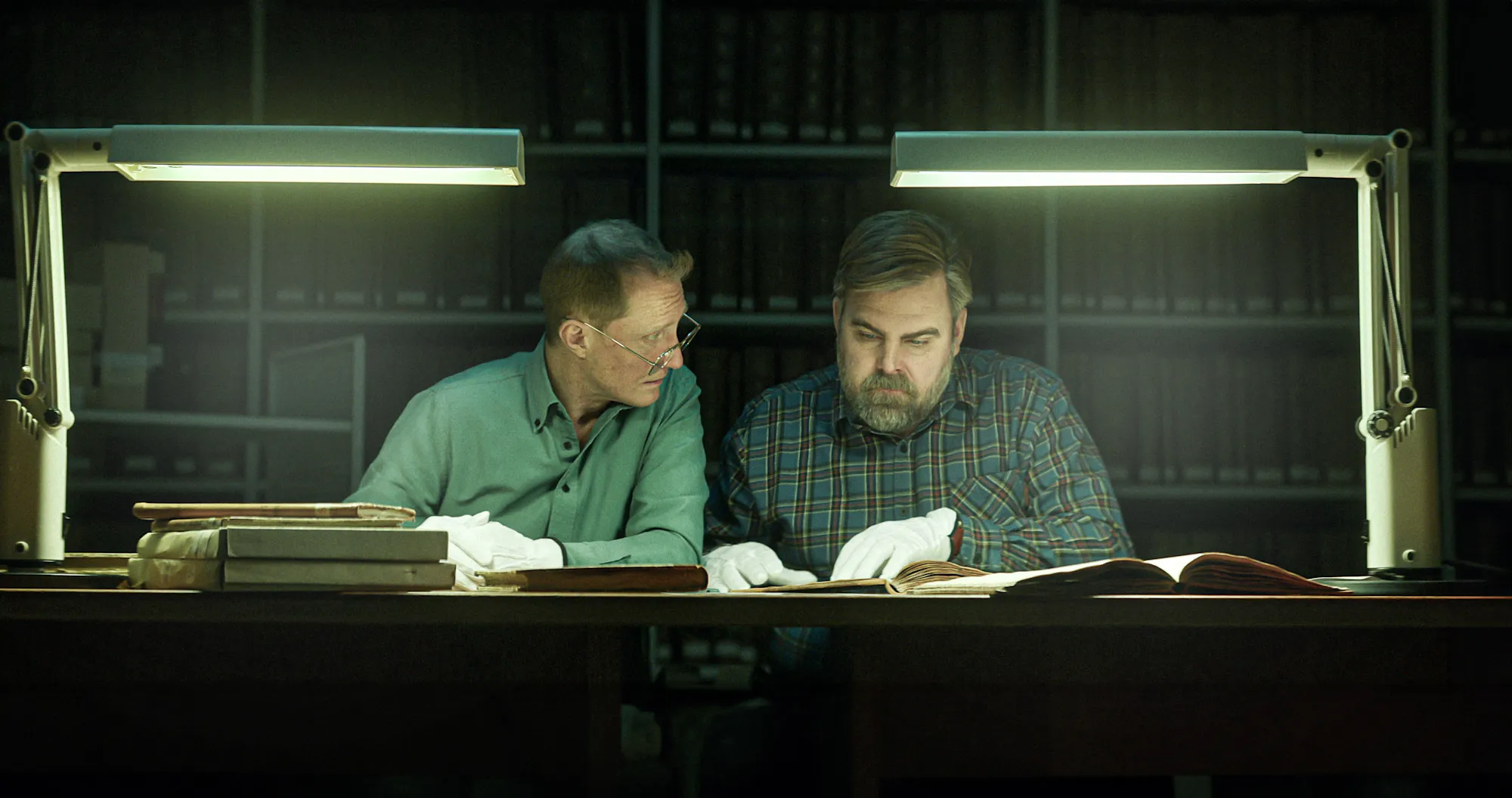
The weight of unresolved trauma can seep into personal lives, as evidenced by his strained relationship with his pregnant wife, Anna. In a culture that values the lone detective hero, this dynamic serves as a sobering statement on the emotional toll of protracted investigations.
Per, the genealogist, played by Mattias Nordkvist, is very different. His methodical and scientific approach is a shift from the way cops used to work to how they do things now. The figure of Per brings a new point of view by focusing on teamwork over individual bravery. Their different approaches to crime solving are part of a larger cultural conversation about the intersection of traditional detective work and cutting-edge technology. John is motivated by a sense of duty and a personal connection to the victims. On the other hand, Per is professional and disinterested, showcasing how different approaches can add to the quest for justice.
The supporting characters in “The Breakthrough” add to the narrative by addressing the main themes of grief, community, and the quest for closure. Adnan’s family, especially his mother Elena, serves as a powerful reminder of the personal stakes involved in the investigation. Their emotional problems reflect the trauma experienced by the whole community, showing that violence affects more than just the victims.
Karin, the witness played by Annika Hallin, embodies the psychological complexities of trauma as she struggles with her memories while attempting to help the investigation. Her inability to remember the murderer’s face serves as a critique of how societal expectations frequently put too much pressure on witnesses to give clear information in chaotic situations, in addition to highlighting the psychological scars left by violence.
Throughout the series, the interaction between family and community relationships draws attention to how societies work. As a subtle critique of the loneliness that often comes with tragedy, the series suggests that real healing needs help and understanding from the community. “The Breakthrough” encourages viewers to think about the value of group grief and solidarity in the face of shared trauma in a world that is becoming increasingly individualistic.
Ultimately, the relationships between the characters in “The Breakthrough” reflect a big trend in modern TV: the portrayal of complicated, flawed people encourages more in-depth conversations about societal problems. The series signals a shift in how crime and trauma stories are told by humanizing its characters, moving away from simple archetypes and toward more complex portrayals. It also engages with themes of justice and trauma.
Themes and Motifs: The Intersection of Technology and Emotion in The Breakthrough
“The Breakthrough” explores the difficult terrain of contemporary crime-solving, especially through the lens of DNA genealogy. This game-changing tool ultimately solves a case with investigators stumped for over ten years.
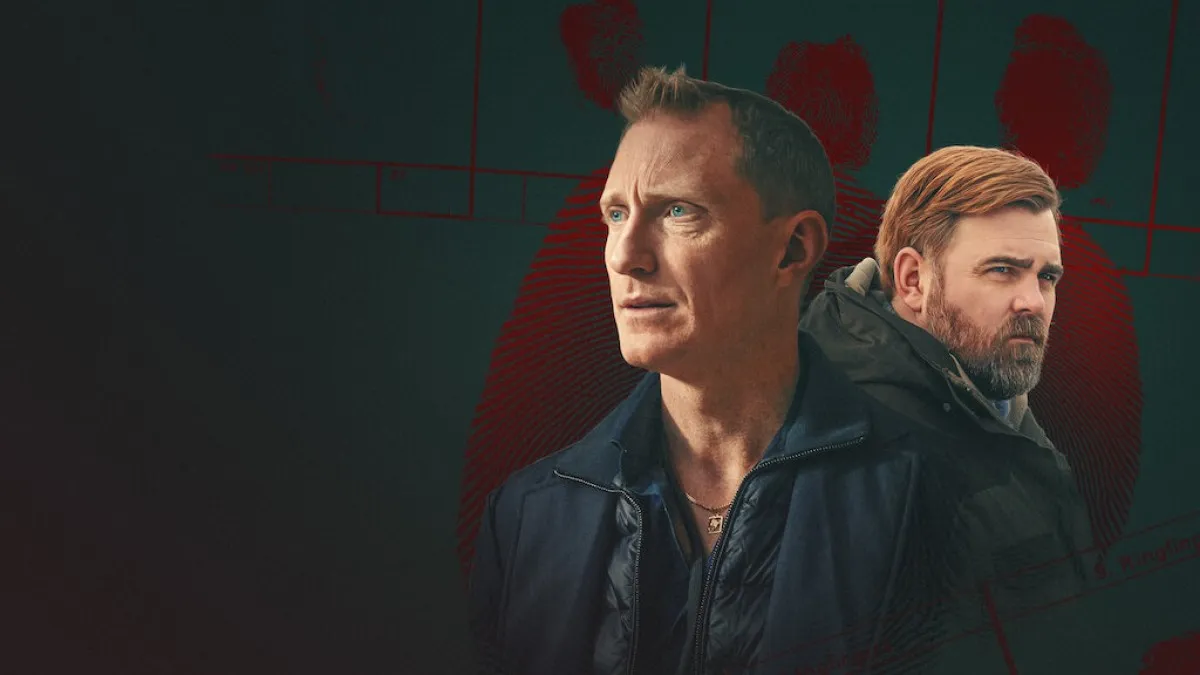
This technological development serves as a plot device and reflects a larger societal shift toward embracing science in areas that were once ruled by intuition and traditional methods. The series shows how this kind of technology changes the way investigations work, highlighting how the lines between privacy and the search for justice are becoming less clear.
However, this reliance on technology also raises moral questions that stay with the narrative. Viewers are forced to think about the societal implications of such practices as the characters struggle with the implications of using genetic data to identify suspects. What are the limits of an honest investigation?
When solving horrible crimes, does the goal justify the means? By including these questions in the narrative, “The Breakthrough” encourages viewers to reflect on the moral complexities of contemporary law enforcement. It does this by fitting into a growing conversation about the implications of surveillance and data privacy in the digital age.
Beyond the forensic developments, the series expertly depicts the emotional fallout of the double murder, delving deeply into themes of grief, trauma, and the long-term effects on families. The portrayal of Adnan’s family, especially his mother, Elena, highlights how violence breaks up communities and leaves psychic scars that last long after the tragedy. The narrative successfully drives home the point that unresolved grief can fester, negatively affecting relationships and mental health over time.
How the community reacts to the mystery crime is just as important. The series explores the psychological toll on the town’s residents as fear and doubt permeate the area, a topic relevant to modern societal concerns about safety and the unpredictable nature of violence. The show’s pacing mirrors this emotional landscape; its slow, deliberate rhythm lets viewers feel the characters’ pain, which helps them understand how trauma affects personal and social spheres.
“The Breakthrough” signals a shift in how such narratives are built in the age of streaming by weaving these themes together. It also reflects the current societal climate surrounding crime and justice. This series moves toward deeper storytelling, where the emotional weight of crime is treated the same as procedural parts. In doing so, it challenges viewers to engage with the complexities of human experience, challenging them to think about not only the “who” and “how” but also the deep “why” behind acts of violence.
Pacing and Structure: Navigating Time in The Breakthrough
“The Breakthrough” adopts a pacing that mirrors the lengthy nature of its real-life investigation, oscillating between stretches of intense emotional weight and stagnation of emotion. In long-term cases, where time can seem like both a friend and an enemy, this deliberate pacing frequently reflects the frustrations that come with it.
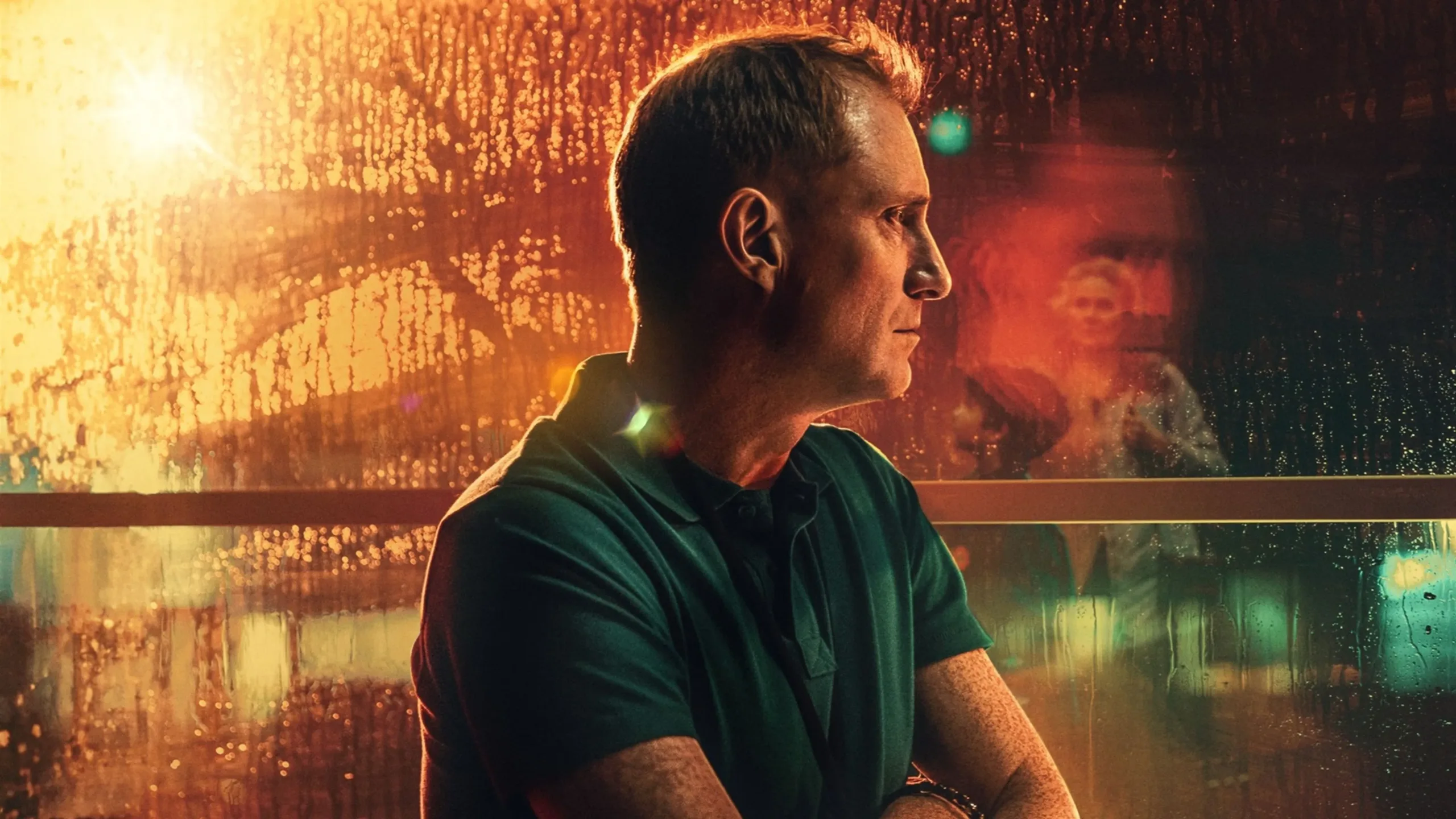
The series uses time jumps to try to cut down on the length of the narrative while still attempting to show the families and investigators’ ordeal. But these jumps can sometimes break the flow, leaving viewers to figure out how the timeline is put together. The goal is to show how the passage of time affects us over time. Still, the execution can feel uneven, oscillating between exciting and boring stretches that could lose viewers’ attention.
This pacing has a direct effect on how viewers engage, creating a tension that changes between excitement and frustration. As the series progresses toward its conclusion, the slow flow of information can raise the emotional stakes. Still, it can also test the patience of viewers who are used to more rapid narrative resolution. The buildup to the ending is satisfying, but sometimes it feels like it goes on for too long.
Viewers must care about the characters’ emotional journeys instead of counting on standard thriller tropes. This nuanced strategy reflects a larger trend in streaming narratives, emphasizing emotional resonance over quick plot progression and encouraging viewers to engage with the complexities of trauma and justice at a slower pace.
Direction and Production Quality: Crafting Atmosphere in The Breakthrough
Under the direction of Lisa Siwe, “The Breakthrough” adopts a thoughtful tone that skillfully balances the emotional weight of its subject matter with the procedural aspects of crime storytelling. Siwe’s choices as a director focus on giving characters a lot of depth, which lets viewers get inside the minds of both the victims and the investigators.

Her skill at navigating the details of grief and obsession makes the series more meaningful by showing characters not just as stereotypes but as real people dealing with deep loss. Focusing on personal moments, like a longing look or a quiet breakdown, and careful pacing show how violence hurts people, making it easy for viewers to connect with the characters’ stories.
Filmmaking and production design improve the story by creating an eye-catching background for the unfolding drama. While the editing rhythmically switches between tension-filled moments and quieter reflections, mirroring the emotional highs and lows of the narrative, the use of muted color palettes and natural lighting creates a sense of reality that complements the series’ serious themes.
These production choices improve the atmosphere and support the series’ study of trauma and justice by putting the viewer in the harsh realities the characters face. Such careful attention to detail in both direction and production design signals a shift in how crime dramas can engage with complex emotional and societal issues, challenging the genre’s norms and encouraging deeper reflection from its audience.
Emotional Impact and Conclusion: The Resonance of The Breakthrough
The raw grief and trauma experienced by its characters are expertly tapped into in “The Breakthrough,” which excels at eliciting a profound emotional reaction. The series handles the delicate subject matter with an authenticity that truly resonates with viewers, encouraging them to engage as passive observers and as empathetic participants in the developing human drama.
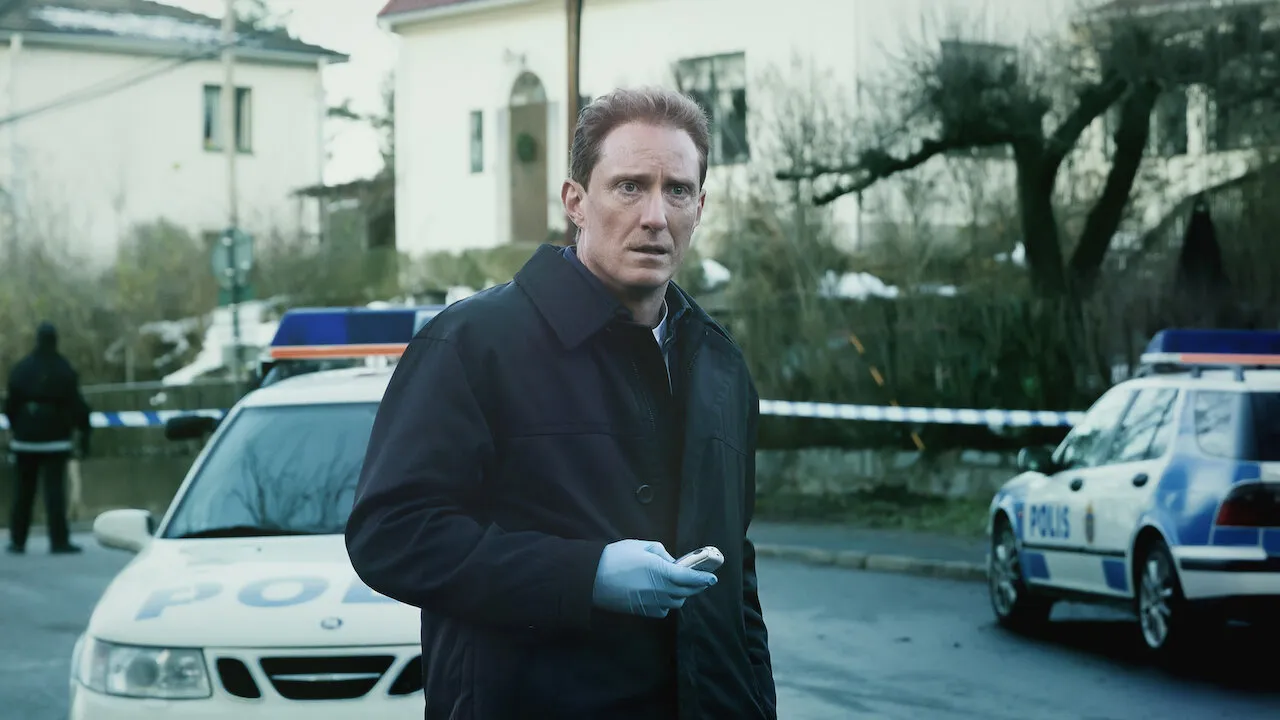
The focus on personal moments in the stories, like the quiet despair of a grieving mother or the tense conversations between detectives, makes a link that goes beyond the usual limits of the crime genre. This level of emotional depth works especially well to start conversations about the bigger societal implications of violence and justice and get people to reflect on their feelings about these issues.
The series excels at its character-driven approach and thematic study but sometimes falters under the weight of its pacing. Some viewers might not be as interested in the slow burn, especially if they are used to seeing things with fast resolutions. “The Breakthrough” has some problems, but its strengths—deep character development, moral questions, and emotional resonance—far outweigh these.
This series is a must-watch for anyone who enjoys narratives that deviate from the norm and reflect current societal problems. This sad story warns that crime dramas are more than just entertainment; they can make you think deeply about justice, representation, and community.
The Review
The Breakthrough
A ten-year investigation serves as the backdrop for "The Breakthrough," a masterful investigation into grief, trauma, and the complexities of justice. The series goes against the grain of traditional crime fiction with its complex characters, ethical reflections on technology, and pacing that encourages intense emotional involvement. Its strengths in representation and thematic depth make it a compelling watch for those looking for a thoughtful narrative, even though it occasionally struggles with pacing. This series is a significant addition to modern television, which entertains and promotes critical thought on societal issues.
PROS
- Deep character development that fosters emotional connection.
- Thought-provoking themes on grief, justice, and technology.
- Strong performances from the cast, particularly in portraying trauma.
- Engaging narrative structure that challenges traditional crime storytelling.
- High production quality with effective cinematography and direction.
CONS
- Pacing can feel slow at times, potentially losing some viewers’ interest.
- Some narrative jumps may disrupt the flow of the story.
- Occasional reliance on familiar tropes within the crime genre.