

























![Kingdom Hearts Collection [I-III] Review](https://gazettely.com/wp-content/uploads/2026/10/Kingdom-Hearts-Collection-I-III-1-360x180.webp "Kingdom Hearts Collection [I-III] Review: KHII Holds Steady as Newer Entries Fluctuate 37")




“Children of the Cult” is a compelling documentary that peels back the layers of the Rajneesh movement, focusing on the terrible experiences of people who grew up within its confines. With a premise based on the exploration of manipulation disguised as enlightenment, the film tries to reveal the darker truths behind a seemingly kind spiritual society.
Contextually, the Rajneesh movement, founded by the controversial figure Bhagwan Shree Rajneesh (Osho), has a rich historical backdrop of utopian goals that frequently devolve into chaos and abuse. This documentary seeks not only to describe those events but also to give voice to the children who suffered the brunt of their abuse.
Directors Maroesja Perizonius and Alice McShane approached this production with a palpable feeling of urgency, citing prior depictions that either trivialized or sensationalized the movement’s history. They intend to create a complex narrative that goes beyond sensationalism, trying to encourage understanding and empathy for survivors.
In an era when the complexities of cult interactions are frequently oversimplified—think of it as “spiritual reality TV”—Perizonius and McShane provide a much-needed corrective, urging viewers to confront the uncomfortable realities concealed behind the allure of community living.
Shadows of Enlightenment: The Rajneesh Movement and Its Echoes
Bhagwan Shree Rajneesh, often known as Osho, was a person who combined Eastern mysticism with Western psychology principles, creating a seductive concoction of spiritual emancipation that drew many in the 1970s and 1980s.

His ideas, which emphasized personal freedom and the pursuit of pleasure, were wrapped in enticing jargon that promised enlightenment via the radical embrace of one’s urges (after all, who wouldn’t want to hear that “free sex” was a path to spiritual awakening?). This idea resulted in communes that were as much about ideological freedom as unquestioning devotion—a deadly combination.
As the movement grew, it became a microcosm of the era’s social dynamics: a reaction to postwar America’s conservative values, a quest for identity in the counterculture, and a manifestation of the era’s disillusionment. However, a frightening reality lurked beneath the appearance of pleasant community living, which “Children of the Cult” fearlessly exposes via art. The very structures designed to nurture love and acceptance frequently served as breeding grounds for abuse, particularly against children, who were viewed as impediments to spiritual advancement.
While “Wild Wild Country” provided a glamorous, if imperfect, image of the Rajneesh movement, it avoided the critical problem of child abuse like it was a hot potato that no one wanted to touch. This omission left a big narrative gap, which “Children of the Cult” fills headfirst. The previous docuseries focused on the flamboyant excesses and scandals while ignoring the heartbreaking stories of those exploited in the name of enlightenment.
Drawing this contrast, “Children of the Cult” serves as both a corrective and a societal critique of how narratives are frequently managed to retain a specific palette of palatable truths. It invites viewers to reconsider what we accept as history and who can tell it. The film’s frank exploration of child abuse in Rajneesh communes challenges us to confront the darker aspects of communal living, asking the question: what price do we pay for our pursuit of utopia?
In a broader societal framework, this documentary speaks to current issues about accountability in spiritual and social movements. It reminds us that the allure of charismatic leaders can occasionally blind us to the corrosive realities that lurk behind the surface. As we grapple with this dissonance, “Children of the Cult” is a critical contribution to the ongoing discussion of power, exploitation, and the complexities of human interactions within ideological frameworks.
Voices from the Ashes: Survivors’ Accounts in “Children of the Cult”
The heart of “Children of the Cult” lies in the terrible personal testimonials of survivors, whose voices soar like a phoenix from the ashes of their broken childhoods. One particularly moving tale comes from a woman who recalls the startling contrast of spiritual teachings extolling love and freedom against the backdrop of horrible abuse.

Her narrative is more than just a recounting of events; it is a visceral voyage through trauma, with each syllable weighted with the weight of memories that refuse to be silenced. The emotional impact is palpable, forcing viewers to confront the profound wounds caused by an environment that promised enlightenment but delivered exploitation.
These testimonials reflect themes of perseverance and the quest for justice. Survivors grapple with the complexities of their past, alternating between anger and a wish to heal. The film beautifully captures this battle, illustrating how the process of reclaiming one’s narrative can be both uplifting and painful. It serves as a reminder that justice is frequently a tangled pursuit, especially when the entire fabric of one’s childhood is woven with falsehood and manipulation.
Equally noteworthy is the investigation of parental responsibilities within the cult, which reveals a disturbing level of complicity. Many parents abandoned their children to a system that viewed them as barriers to personal development in their zealous search for spiritual enlightenment. The film demonstrates how these “spiritual seekers” frequently put their travels before their children’s welfare, a phenomenon known as “parental, spiritual neglect.”
This neglect is a societal issue that reflects a worrying trend in which the quest for personal fulfillment can take precedence over parental responsibilities. One victim expresses shock at this awful irony: how could those who claimed to be conduits of love leave their children open to predatory behavior? This question persisted, highlighting the complexities of human interactions within cult dynamics.
The film’s exploration of these themes serves as a strong critique of how ideologies may distort familial connections, transforming parents into unsuspecting enablers of abuse. It raises the question of how far we will go in our pursuit of significance. The implications are tremendous, far beyond the confines of the Rajneesh movement. As we reflect on these stories, we are compelled to reconsider the moral obligations that accompany our quest for truth and freedom.
Unveiling the Veil: The Dynamics of Cult Life in “Children of the Cult”
In “Children of the Cult,” the filthy undercurrents of the Rajneesh movement are exposed, revealing a cult setting meant not merely to inspire but also to entrap. The depiction of communal traditions in the film is disturbing, illustrating how seemingly benign rituals evolved into methods of control. Within this utopian façade, “free love” was weaponized—a tempting word that served as a trap for both adults and children, allowing abusers to justify their predatory actions under the guise of spiritual emancipation.
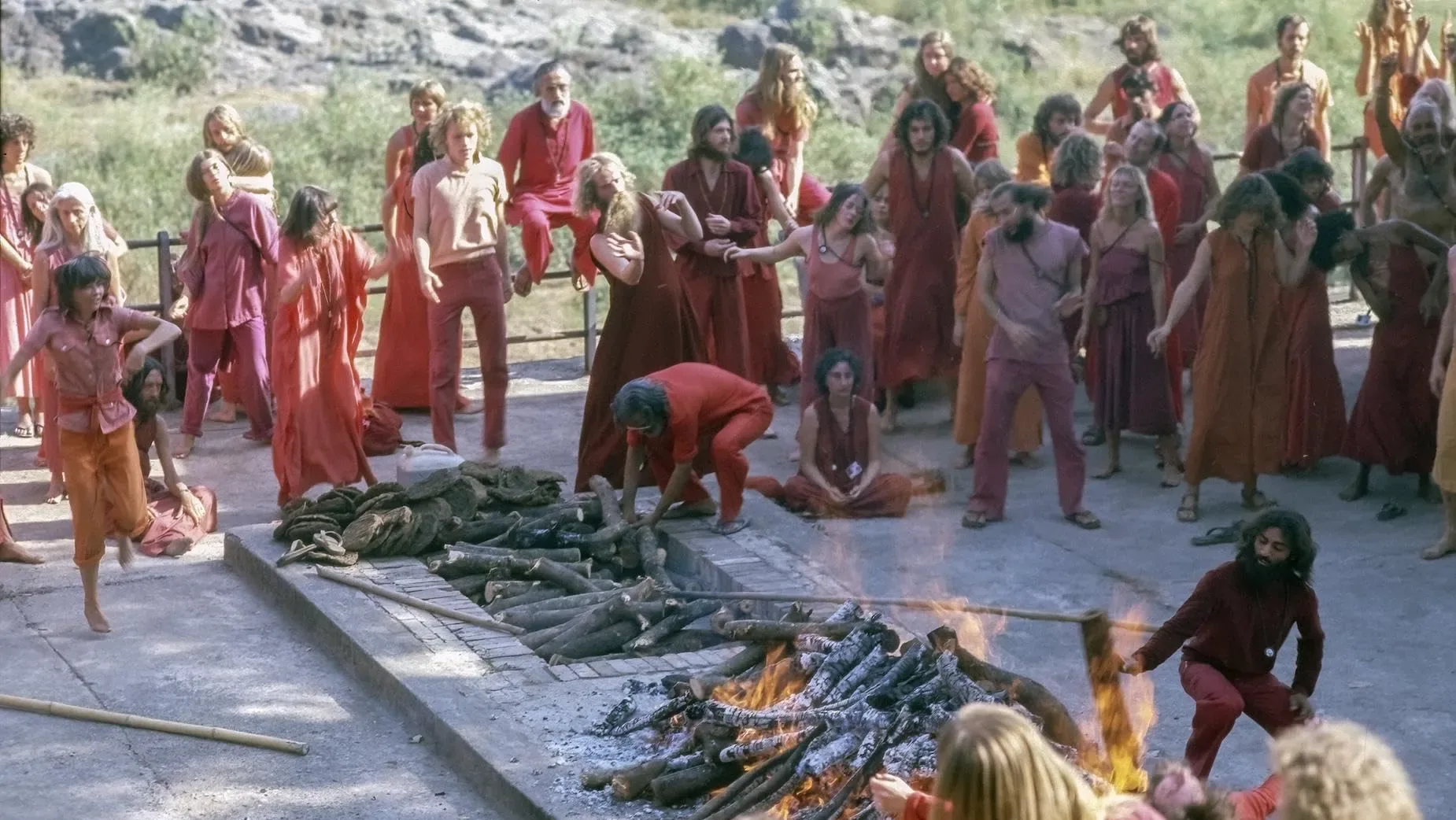
The documentary methodically describes the manipulation and grooming tactics used by adult members, which are horrific in their insidiousness. Children, who were frequently viewed as simply extensions of their parents’ spiritual journeys, were encouraged to see sexual “initiation” as a means to enlightenment. This grooming procedure, which was cloaked in euphemism, created a dangerous environment with blurred boundaries. This phenomenon could be referred to as “spiritual seduction,” a term that encapsulates the duality of appeal and exploitation inherent in cult dynamics.
The Rajneesh communes’ psychological manipulation is a complex web of compulsion and acquiescence. The film dives into both children’s and adults’ minds, illustrating how strongly held ideas can distort impressions of normalcy. Survivors reflect on their upbringing with a mix of nostalgia and horror, wrestling with the contradictory feelings that come with having previously enjoyed such a toxic atmosphere.
One survivor explains the cognitive dissonance of feeling both loved and exploited, a contradiction that speaks to larger societal abuse issues. This dichotomy highlights the complexities of cult life, in which attachment can frequently act as a prelude to manipulation. The psychological scars caused by such experiences are not only personal but also reflect a systematic failure to safeguard the vulnerable—a failure that echoes throughout a variety of societal structures, including religious groups and educational systems.
The film forces viewers to confront painful facts about human nature, such as our propensity for commitment and denial. As we see these survivor testimonies, we are forced to ponder the larger implications of how communities can nurture and destroy. This exploration of cult dynamics serves as a cautionary story about the alluring power of ideology and the fragility of moral limits, in addition to shedding light on a specific historical setting.
Echoes of Denial: Accountability in “Children of the Cult”
“Children of the Cult” does not hesitate to confront the ghosts of the Rajneesh movement, particularly through interviews with former members convicted of horrible crimes. The replies obtained from these individuals are startlingly revealing—often more so for what is left unsaid than any admission of guilt. Some interviewees appear perplexed, dismissing their past actions with a carefree attitude that borders on the ludicrous.

One especially horrifying moment involves an accused member who casually dismisses a string of abuses with a nonchalant “that was a big mistake,” as if they were talking about a missed grocery list rather than the violation of children’s lives. This lack of accountability—what one might call “the art of deflection”—represents a larger cultural phenomenon in which past transgressions are neatly swept under the proverbial rug.
Beyond the confines of the film, the implications of such mindsets are profound. They pose serious problems regarding societal conceptions of accountability, particularly when charismatic leadership and ideological fervor can create moral voids. Survivors see as their abusers, previously cloaked in the guise of spiritual guides, avoid accountability. This dynamic not only exacerbates their trauma but also develops a culture of impunity that can spread to other social systems, including religious organizations, educational environments, and political landscapes.
The film pushes viewers to reflect on the societal structures that enable such denial to persist by displaying these interviews. It is a painful reminder that accountability is a shared responsibility, not just an individual one. As we grapple with the impact of these discoveries, we must ponder: how can we, as a society, ensure that the echoes of the past do not become the quiet of the present? The film’s exploration of these themes forces us to confront painful facts about complicity and moral courage, requiring reconsidering how we perceive and respond to crimes in our communities.
The Art of Truth-Telling: Cinematic Techniques in “Children of the Cult”
“Children of the Cult” uses a basic documentary approach that foregoes dazzling gimmicks in favor of a brutally honest portrayal of its subject matter. The choice of unembellished talking-head interviews intercut with historical video makes a visceral connection between the audience and the narrative of the survivors possible.

This simple style places the tragic stories front and center, free of the distractions of cinematic flare. This approach is sometimes called “raw realism,” a term that encapsulates its devotion to authenticity over show.
The filmmakers masterfully balance emotional effect and factual accuracy, creating a narrative that is both intriguing and unsettling. The film focuses on survivors’ experiences over-dramatization, a choice that ultimately heightens the gravity of the subject matter.
The film’s emotional resonance is palpable, eliciting empathy and introspection. Each survivor’s story evolves in a heartbreaking cadence that matches the pacing of trauma—staccato bursts of suffering punctuated by long, echoing silences. This framework encourages viewers to linger in discomfort and feel the weight of their stories. It is an intentional choice that asks us to feel rather than just witness, creating an opportunity to reflect on our societal complexities.
As the film progresses, it becomes more difficult to look away. The pacing is expertly adjusted to underline the gravity of each revelation, propelling the audience into a common emotional terrain. This is more than a film about the past; it is an urgent call to confront the ongoing consequences of such abuses. In this sense, “Children of the Cult” turns personal sorrow into a bigger societal critique, encouraging viewers to ponder our communal responsibility in the face of institutional injustice.
Reflections on Trauma: The Conclusion and Impact of “Children of the Cult”
“Children of the Cult” is a complex tapestry of themes that unravel the fabric of the Rajneesh movement, revealing the stark reality of abuse that is hidden under spiritual language. The dichotomy of emancipation and exploitation is central to the film, highlighting how the quest for enlightenment may rapidly descend into a breeding ground for manipulation.
The documentary’s revelations concerning parental neglect and complicity are a disturbing reminder that the line between love and control can frequently become dangerously blurred. Furthermore, the exploration of psychological manipulation, known as “ideological gaslighting,” provides a framework for understanding how cults can distort reality, inflicting lasting wounds on both cult and community members.
The film, however, serves as a rallying cry for awareness and activism rather than simply informing viewers. The audience is compelled to reflect on their involvement within societal mechanisms that frequently ignore such abuses as survivors tell their traumatic experiences. The documentary encourages viewers to join in conversations about accountability and healing to become champions for people with no voice.
The cultural influence of “Children of the Cult” lies in its ability to modify conceptions about cult dynamics, paving the way for conversations beyond the confines of its subject matter. It asks us, quite provocatively, to confront not only the legacy of the past but also our roles in ensuring a safer future for all.
The Review
Children of the Cult
"Children of the Cult" is a dramatic and frank exploration of the Rajneesh movement, masterfully exposing the layers of trauma and manipulation that formed its perverted utopia. Through genuine survivor accounts and a stark cinematic technique, it forces viewers to confront hard truths about accountability and complicity. This documentary is more than just a recounting of history; it is also a necessary call to action, pushing society to speak up for the voiceless. Its cultural impact is profound, making it essential to watch for anybody interested in the complexities of human relationships under ideological frameworks.
PROS
- Powerful survivor testimonies that evoke empathy.
- Straightforward and impactful filmmaking style.
- Addresses important themes of accountability and manipulation.
- Encourages societal reflection on cult dynamics.
- Raises awareness for the plight of survivors.
CONS
- May be emotionally challenging for some viewers.
- Limited exploration of broader societal contexts outside the cult.
- Some interviewees display a lack of remorse, which can frustrate viewers.







