




























Jennifer Esposito’s Fresh Kills does not unfold in the bluster and bravado one might expect from a mafia narrative. Instead, it invites us to peer into the quiet, suffocating corners of a world where family ties, rather than the criminal enterprise itself, become the true source of anguish.
Set against the grim backdrop of Staten Island—a place as decayed and overcast as the lives it holds—the film traces the lives of two sisters, Connie and Rose, caught within the gravitational pull of their father’s shady empire. What seems like a film about mobsters quickly reveals itself to be something far darker: a meditation on the corrosion of the soul when familial loyalty trumps moral reckoning.
Esposito, in her directorial debut, does not give us the gritty world of Goodfellas or The Sopranos, where men do battle in an underworld of violence. She gives us a quieter tragedy—one written in the delicate strokes of human frailty, where each character’s quiet rebellion against the roles they inherit becomes a testament to the crushing weight of tradition.
As a writer, director, and actress, Esposito does not merely subvert the mafia genre; she renders it in shades of gray, asking the unspoken question: is it possible to escape the bloodlines that bind us, or are we forever haunted by the choices made before our birth?
Beneath the Surface: The Fractured Bonds of Family
Jennifer Esposito’s portrayal of Francine in Fresh Kills is as much an act of emotional survival as it is a study in resignation. A mob wife caught in a perpetual state of compromise, Francine embodies the silent toll exacted by a life of hidden violence.
Her performance, fraught with the weariness of quiet suffering, reveals the inescapable paradox of motherhood within this world—her role demands both blind loyalty and self-silencing submission. In the shadow of her husband’s empire, Esposito’s Francine sacrifices herself in the name of familial preservation, yet one can feel the faint stirrings of resentment beneath the placid surface.
In the confines of the domestic, she is a prisoner, yet an unwilling keeper of the code that shapes her existence. There is a beauty to her fragility, but also an unsettling awareness that each breath she takes is one too many, as though her existence is a quiet defiance against the irrevocable erosion of her soul.
Rose, portrayed with a fragile intensity by Emily Bader, is the film’s emotional center. Her evolution—from a mute, passive child to a young woman wrestling with the stifling weight of inherited guilt—becomes a haunting exploration of self-doubt and moral awakening. There is a tragic purity to Rose’s internal battle: the relentless yearning to escape a life preordained by blood ties, yet burdened by the weight of fear and indecision.
Bader’s performance pulses with the delicate tension of someone caught in an endless loop of silence, her quietude becoming both a weapon and a prison. The contrast between her innocence and the world around her is the lens through which the viewer is forced to confront a deeper, existential dilemma: How does one find meaning in a life when every action seems like a betrayal?
Then there is Connie, the older sister, who embodies defiance in its most raw and unapologetic form. Odessa A’zion’s portrayal of Connie crackles with the intensity of a life lived without apology—her aggression is as much a defense mechanism as it is an assertion of identity. In a family where morality is an afterthought and survival requires embracing the world’s brutality, Connie is the product of the system that raised her.
Yet, she is more than just a mere reflection of her father’s violence; her moral ambiguity runs deep, and her love for Rose, though fiercely protective, is at times suffocating in its attempt to pull her into the same world of loyalty and blind devotion. Connie is a woman at war with herself, driven by a desire to protect, but also by the ever-looming shadow of the very system that defines her. A’zion’s portrayal of this complexity adds an edge to the film, one that crackles with emotional violence.
The Weight of Blood and Silence: Confronting Legacy and Identity
Fresh Kills doesn’t simply dissect the male-dominated mafia world—it quietly, painfully exposes the wounds left in its wake, particularly for those who have no choice but to exist in its shadows. The traditional roles women occupy within this world—wives, daughters, sisters—are not so much positions of agency as they are prisons of loyalty.

Esposito’s film sharply examines how these women are forced to navigate a labyrinth of moral compromise, where love for family often bleeds into complicity with its crimes. The tension between familial duty and personal morality is not just a theme; it is the crux of the characters’ internal battles. The family may be the one constant, but what if that constant is the source of your undoing? For Francine, Connie, and Rose, this question echoes through every glance, every gesture, as they walk the thin line between devotion and destruction.
Beneath the surface of this quiet familial drama lies a more visceral, unspoken force: generational trauma. The psychological scars of the past are passed down, silently molding each character’s fate. Esposito masterfully explores how the sins of the father—metaphysical and literal—reverberate in the lives of his daughters.
The cyclical nature of violence and secrecy is not just external but ingrained in the very fabric of their psyches. For Rose, the weight of this inherited silence becomes unbearable. Can one escape the chains of a family that demands both allegiance and silence, or is such a path only paved with self-doubt and fractured identity?
And yet, within Rose’s quiet defiance lies the film’s most profound inquiry: what does it mean to claim agency in a life shaped by others? Rose’s emotional arc is the gradual unveiling of the terrifying possibility that true freedom comes with a steep cost.
Her rebellion is not loud or violent; it is quiet, like the slow erosion of a dam. Her eventual decision to defy the suffocating loyalty to her family is both a personal liberation and a confrontation with the existential void that lies beyond. For Rose, the price of choosing her own path may be losing everything—but in that loss, she finds a fragmented piece of herself.
Fragments of Time: The Unraveling of Memory and Identity
The fractured structure of Fresh Kills mirrors the fractured lives it portrays. Esposito’s use of time jumps is not merely a stylistic choice but a deliberate method of exposing the internal dissonance of its characters. The shifts between past and present are disorienting, as though we, too, are caught in the whirlwind of Rose’s emotional collapse.
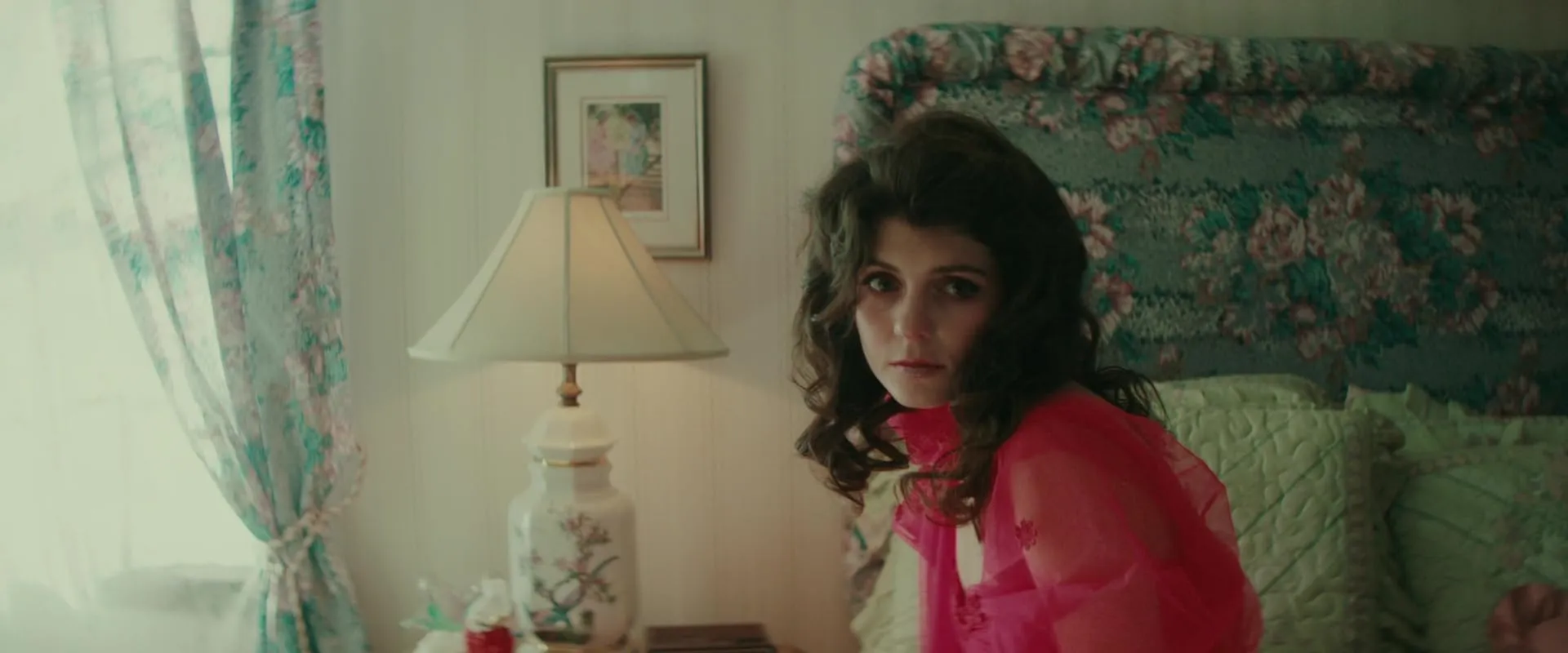
Each leap in time is like a cut in a wound that refuses to heal, and with each transition, the audience becomes more acutely aware of the accumulating weight of memory. These temporal shifts, while offering glimpses of a past that can never be fully understood or controlled, intensify the film’s emotional resonance.
They allow us to watch Rose’s quiet suffering unravel in real-time, with each moment of clarity overshadowed by the overwhelming sense of futility that clings to her existence.
At the heart of this non-linear narrative is Rose, whose silence echoes through the disjointed timeline. The film, in its shifting chronologies, follows her path not just as a linear progression of years, but as a slow, anguished revelation of her internal disintegration.
Rose is not only the emotional center but the axis around which all the familial conflict spins. Through her perspective, we witness the slow erosion of innocence, and yet, there is no clear resolution—only the persistent questioning of what it means to live a life under the weight of inherited trauma.
The Silent Decay: A Landscape of Memory and Desperation
Fresh Kills exists in a world both rooted in time and suspended by it. Staten Island, in the 1980s and 90s, is not merely a backdrop but a living, breathing character in the film, where every crumbling street and every distant silhouette speaks to a past that can never fully escape its decay.
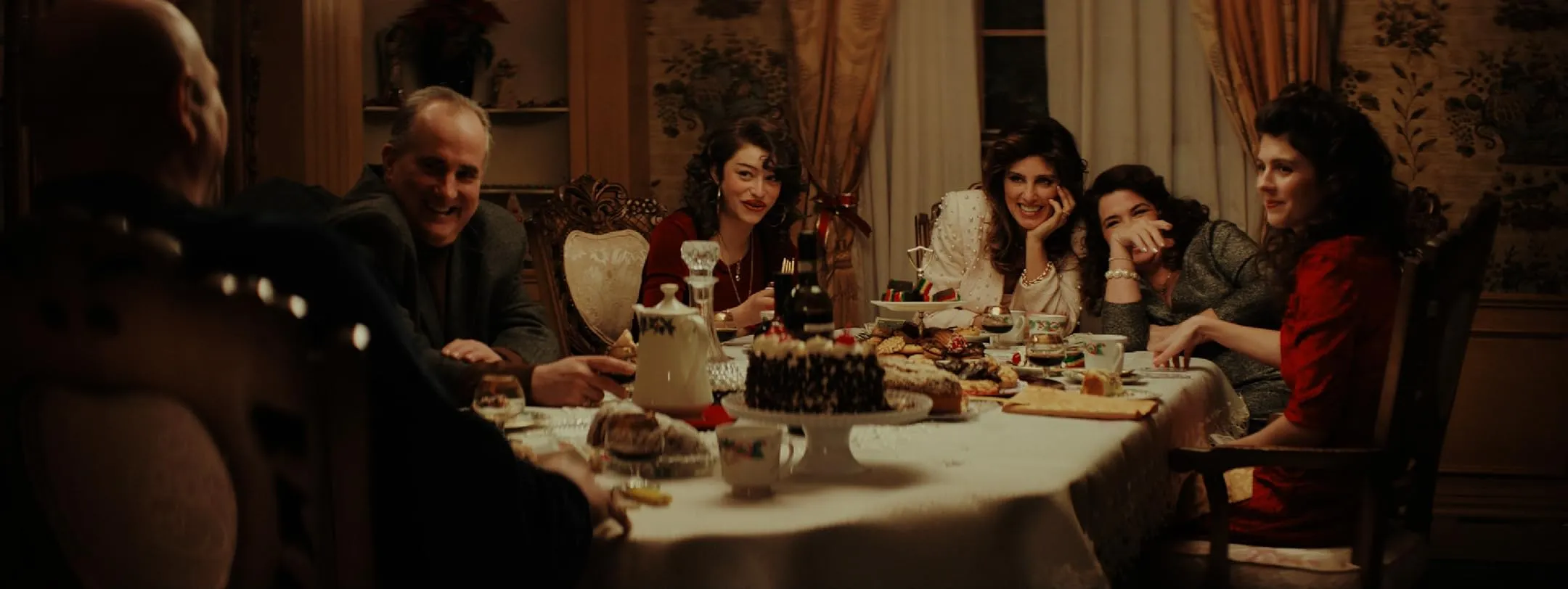
The Fresh Kills landfill—more than just a place, it becomes a symbol of the rot that clings to the Larusso family. Like the pile of refuse that towers in the distance, the family’s moral and emotional degradation is ever-present, an unavoidable stench carried by the wind. The visual landscape, often framed through a muted palette, evokes a sense of hopelessness that mirrors the characters’ internal disillusionment. There is no clean slate here, only the past, ever haunting.
In its aesthetic choices, Fresh Kills deliberately subverts the larger-than-life spectacle of typical mafia films. Esposito, drawing from her own history in crime dramas, resists the temptation for bombast, instead opting for a more restrained, intimate approach. The camera lingers in quiet corners, unearthing the profound tension in domestic spaces. It’s a study of the small moments—the shifts in posture, the fractured glances—that speak louder than any gunshot. In its quietude, the film echoes the suffocating silence of its characters, caught between the pull of family duty and the yearning for escape.
The soundtrack, too, becomes a haunting presence—its 80s and 90s pulse both a cultural anchor and an emotional reflection of the characters’ inner turmoil. Songs that once defined the era now serve as an ironic soundtrack to lives spent in stasis. It is a music that, in its familiarity, deepens the ache of longing, underscoring the dissonance between who these characters are and who they might have been in a world untainted by blood ties. Through this cultural lens, the film does not merely show a time, but imbues it with a kind of tragic resonance that hangs over everything.
Through the Lens of Silence: Capturing the Unspoken
Jennifer Esposito’s direction in Fresh Kills is an intricate dance between restraint and revelation, where each frame serves as a quiet meditation on the fragility of the human spirit. She steers the film with a measured hand, allowing the characters’ inner turmoil to surface not through overt displays, but through the subtlest of performances.
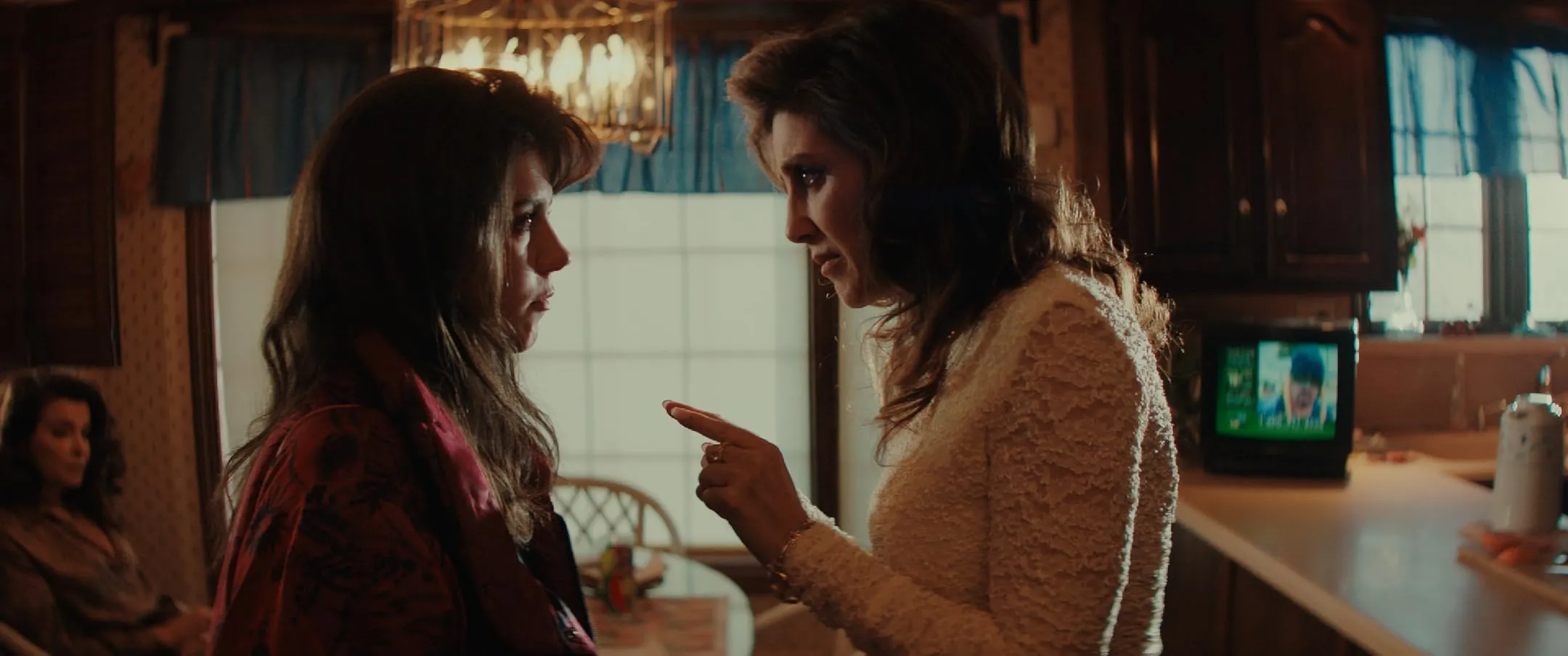
Every silence is a deliberate choice, every glance imbued with the weight of unspoken thoughts. Esposito does not rush the emotional beats; instead, she allows them to simmer, creating a slow-burn tension that lingers long after the scene has passed. The pacing of the film is deliberate, almost painfully slow at times, but it is in this very languor that the emotional rawness of the story is allowed to take root. In Fresh Kills, tension is not always felt in what is said or done, but in what is left unsaid, unexpressed.
The cinematography, too, mirrors this philosophy. The camera often isolates its characters, framing them against the vast, empty spaces of their surroundings, emphasizing their internal solitude. The use of space—both literal and emotional—creates a sense of suffocating detachment.
In these moments, the camera becomes not just a tool of observation, but a silent witness to the characters’ quiet implosions. Each shot is a reflection of the isolation that defines their lives, trapped between love and betrayal, loyalty and rebellion. The space around them grows wider, the walls more oppressive, as if the very act of trying to escape their world only pulls them deeper into its grasp.
A New Face in the Dark: Esposito’s Quiet Revolution
Jennifer Esposito’s debut as a director is not simply a reimagining of the mafia genre, but a profound meditation on the consequences of loyalty, silence, and inherited trauma.
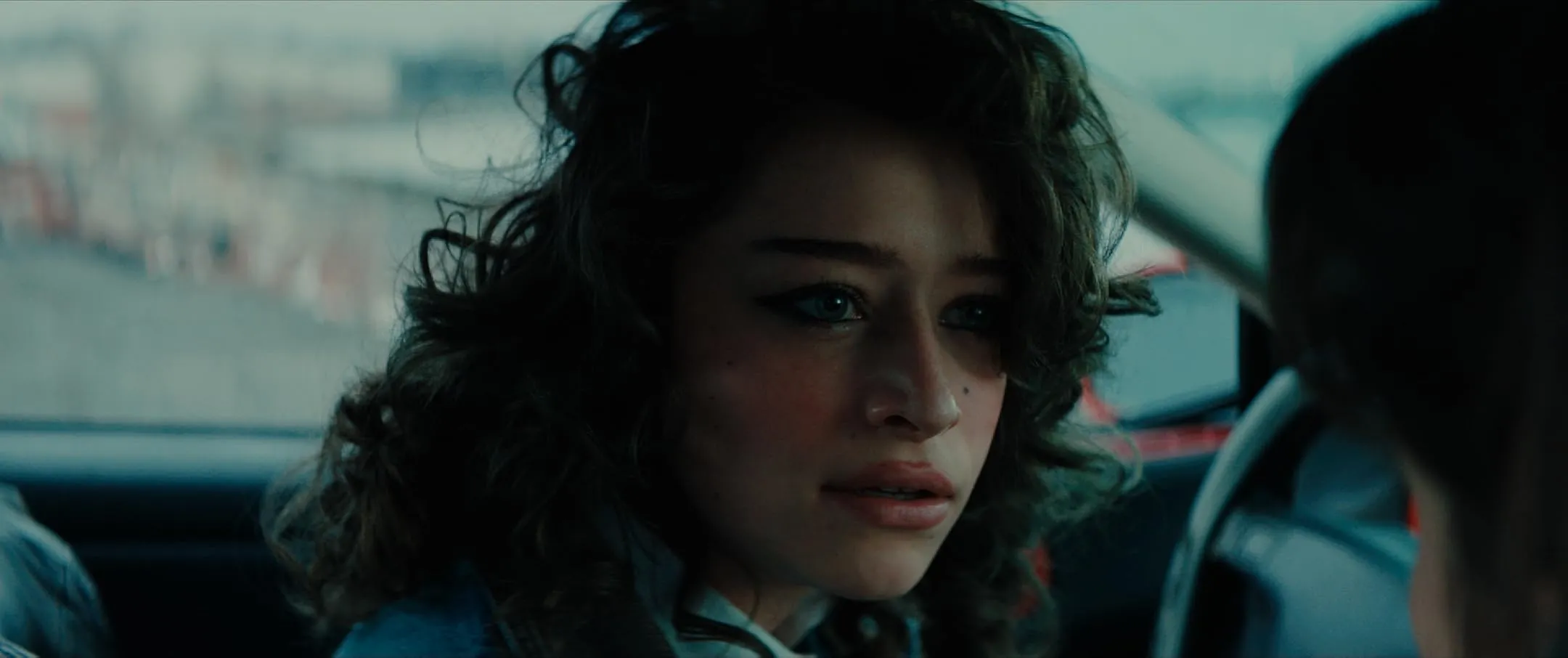
She subverts the expected—a world of loud men and violent acts—and instead turns her lens inward, exploring the quiet, suffocating prisons of familial obligation.
In doing so, she invites the viewer into a space where emotional depth trumps spectacle, and the real horror lies not in the violence that shapes the family, but in the psychological toll it exacts.
Fresh Kills is not just a film to watch; it is one to experience. Its subtlety, its meditative pacing, and its unflinching examination of human frailty make it a rare piece of cinema. This is a film that demands attention, not for its flash, but for the emotional truth it lays bare.
The Review
Fresh Kills
Fresh Kills marks a striking debut for Jennifer Esposito, who offers a subdued yet powerful take on the mafia genre. By focusing on the emotional complexity and existential struggles of its female characters, the film becomes a contemplative study of loyalty, silence, and inherited trauma. Esposito’s direction is patient and nuanced, allowing the characters’ internal battles to unfold in quiet, heartbreaking ways. A stark, thoughtful departure from traditional crime films, it’s a film of rare emotional depth.
PROS
- Poignant, emotional exploration of familial loyalty and personal agency.
- Strong, nuanced performances, especially from Emily Bader and Odessa A'zion.
- Esposito's patient, intimate direction gives the film a unique, meditative tone.
- Subverts traditional mafia film tropes by focusing on the women’s perspective.
- Thoughtful cinematography that emphasizes isolation and emotional tension.
CONS
- Pacing may feel slow or too deliberate for some viewers.
- The non-linear narrative can be disorienting, especially early on.