





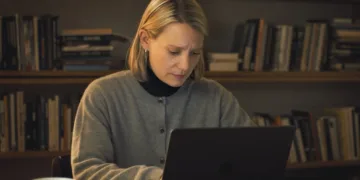

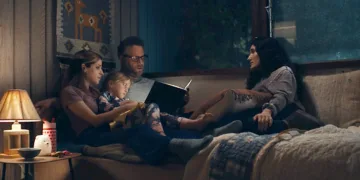
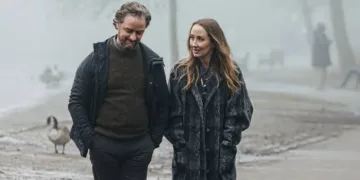
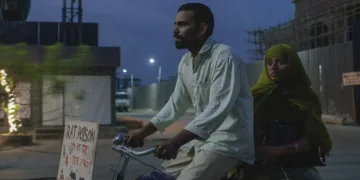
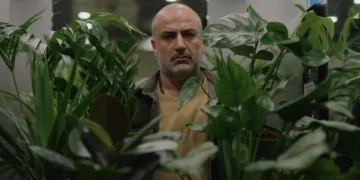


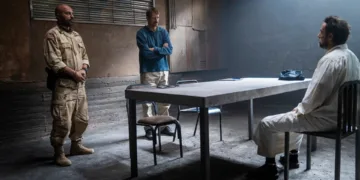

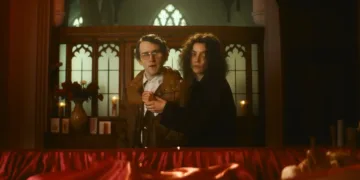








The moors have long held an ominous presence in folklore, their cold expanses hiding unknown dangers within. Director Chris Cronin ventures into this unsettling terrain with his debut feature, The Moor. In 1996, young Claire egg’s on her friend Danny during a game that goes badly wrong, leading to his disappearance.
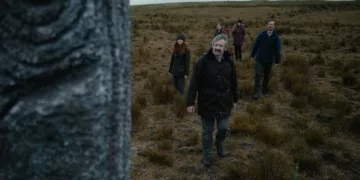
Two decades later, still haunted by her role in the events, Claire joins Danny’s father, Bill, on a search to scour the moors once more for answers. With a small team in tow using unusual means to pinpoint locations, they start combing the treacherous bogs and rocky plains.
But what evil might still linger in this misty domain, and will confronting the past only serve to swallow them further into its grip? Cronin builds an eerie atmosphere with his glimpses into the shadowy realms concealed just beyond sight within the mists of the moor.
The Eerie Realm of the Moor
There’s a reason why moorland locations have long been used to craft unsettling tales: with their cold, open expanses hiding unknown dangers beneath veils of mist, they hold an ancient and ominous presence. In The Moor, director Chris Cronin embraces the foreboding atmosphere of these lonely plains like few other horror films, employing them as the perfect stage for dark deeds long past.
From the outset, Sam Cronin’s cinematography frames the moors as a vast, desolate realm that seems to swallow whatever enters. Rolling carpets of scrub and peat stretch to the clouded horizon, punctuated by looming Neolithic stone circles bearing signs from eras past. As the characters pick their way across the treacherous landscape, zig-zagging hiking routes become lost amidst sudden fog banks. An ominous, elemental feel pervades—one can almost taste the dampness on the skin.
Natural hazards lurk all around. Deceptive bogs lay in wait to engulf the careless foot, while gullies carved through centuries hide whatever was swallowed within their blackened gulleys. Even in the clutches of daylight, the mood is melancholy, and isolation prevails. It’s little wonder that rumors of unnamed evils flourish in places where so few dare to tread.
The cinematography plays on this, often framing characters as lone silhouettes against the open wilds. An intrepid few against the emptiness of the moor. The landscape seems to shift and loom all around, its mists and changing light somehow closing in even as the terrain remains empty as far as the eye can see.
Shooting entirely on location only enhances the realism. When the characters begin placing stakes to mark trails in the peat or hacking away at sodden groundcover, one can almost feel the exhaustion in limbs and lungs from the effort. It’s a testament to the challenges these boggy plains present and how easily they could swallow the missing without a trace, as indeed seems to have occurred.
So in The Moor, director Cronin has found the perfect ominous ally for his unsettling tale. The brooding spirit of the moor seeps into every scene, becoming as much a character as those who wander its treacherous realms. Its vast and isolated nature is the ideal stage for dark deeds long obscured and the unexplained terrors that seem to linger in its shrouded plains. A location that appears almost alive in shaping the fate of all who cross into its forbidding domain.
Internal Torments Manifest
This film belongs to Claire and Bill, whose harrowing internal journeys drive the unfolding events. Sophia La Porta taps into a deep well of guilt as Claire, still blaming herself after all these years. Yet beyond the surface remorse lies deeper scars, hints of buried childhood trauma. La Porta navigates these subtleties with delicacy and care.
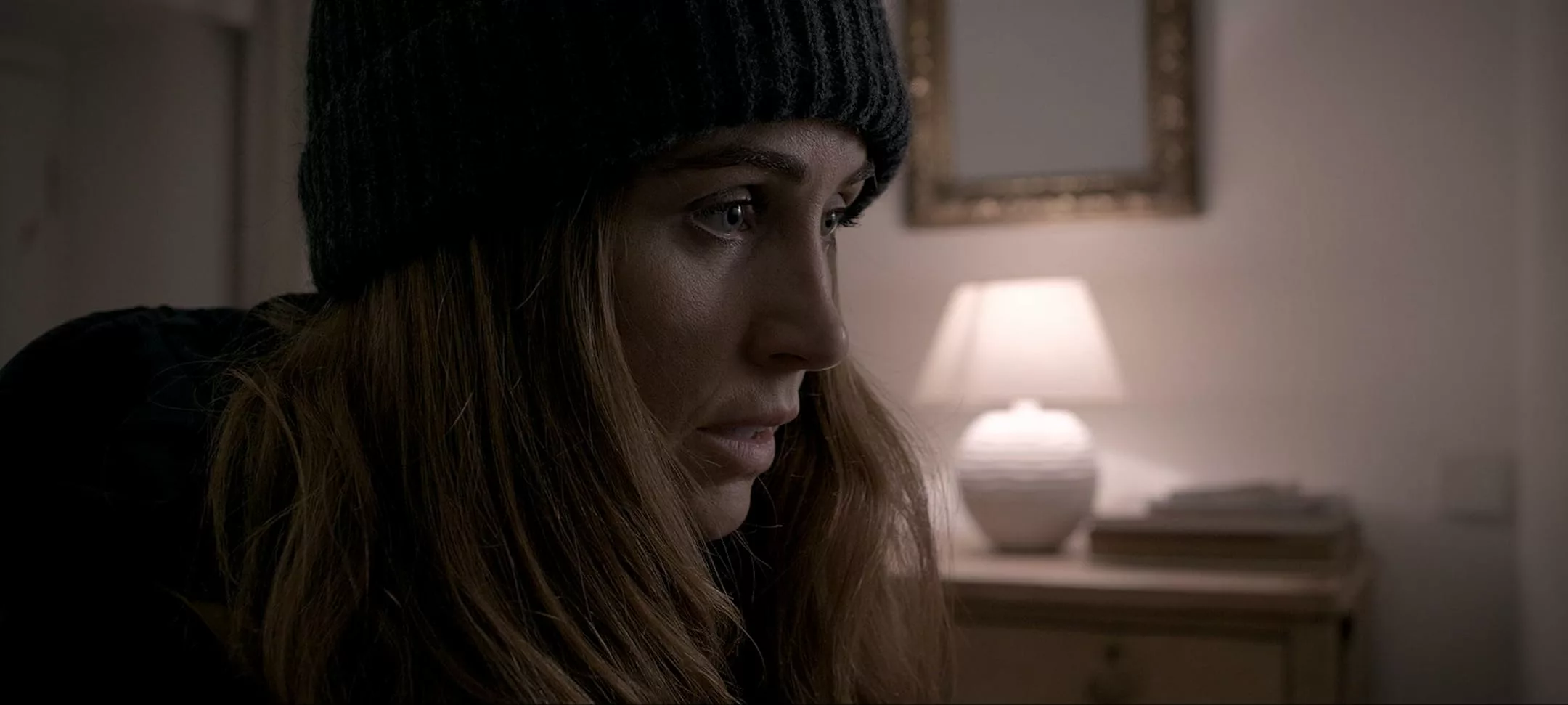
Opposite, David Edward-Robertson delivers one of the most chilling portraits of loss ever committed to screen. Grief has hollowed Bill out, leaving only obsession in its wake. Each line and creased wrinkle on his face, etc., is another reminder of all that was stolen. Edward- Robinson inhabits this tortured soul with unflinching, unsettling conviction.
Their shared history enriches the dynamic further, from the gentle forgiveness that allowed Claire closure to Bill’s hopes that rekindling her role may finally bring answers to doors long shut. These anchors in their past make their harrowing plunge into the film’s shadows all the more visceral and difficult to watch.
Bernard Hill is as potent as always in his brief scenes, the weary detective still bearing scars from his own battles with this case. Mark Peachey and Elizabeth Dormer-Phillips bring intriguing dimensions to the psychic characters; she senses unseen forces, and he serves as both a guide and an unwitting pawn in the film’s unfolding events.
As the search intensifies, so too do Claire and Bill’s obsessions. Each new discovery or dead end chips further away at shields already worn raw. Friendship and good intentions are powerless against such abysmal grief. La Porta and Edward-Robertson expose their characters’ hidden vulnerabilities with outstanding emotional acuity, dragging us ever deeper into this psychologically complex nightmare.
Few films so meticulously craft two indelible portrayals of how deep wounds manifest, like an encroaching shadow, and come to command one’s every action. Through bravura performances, The Moor makes viscerally clear that which lies beneath the surface of even our everyday lives and suggests that what haunts us is often what we carry within.
The Uncanny Uncertainties of the Moor
This film treads an eldritch line between real and unreal horror. Strange events ripple across The Moor’s sodden vistas, though the source remains unclear. Is this mere madness given form, or something more unearthly?
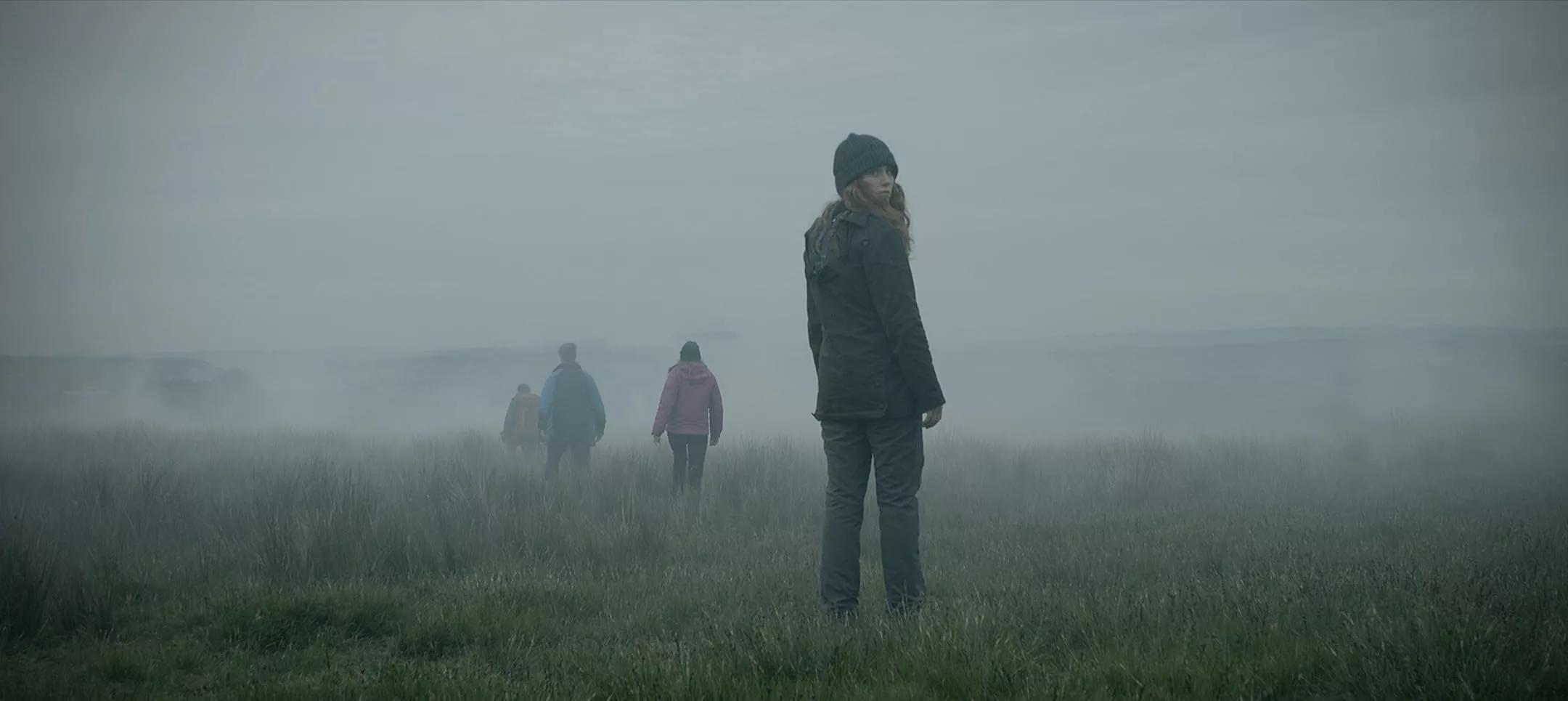
Certainly, Cronin taps into Britain’s rich folk traditions of uncanny spirits tied to the land. The moor itself seems almost a living entity, enveloping trespassers in gloom and tricking their sense of direction. Figures emerge from blankets of fog, half-seen and dubious of intent.
Even in daylight, an eerie aura clings to the setting. Standing stones dot the rolling fields like sentinels from older times. Might some vestiges of pagan power still linger where druids once gathered? The film poses such questions without answering, cultivating an mood of surreal unease.
Yet for all its otherworldly atmosphere, The Moor also mines deep psychological terrors. Claire and Bill both fled past traumas, only to be drawn back into a web of suspicion, guilt, and grief. Their fragile mental states leave them open to suggestion as the search intensifies.
As the lines between reality and delusion blur, is some supernatural force manipulating them? Or have their own inner torments manifest externally? The film maintains an unsettling ambiguity, straddling genres yet transcending them. Whether its visions stem from sane or spectral sources matters less than the raw emotional horror held within its clouded borders.
In leaving entities and outcomes unclear, The Moor taps archetypes of Britain’s dark folklore while exploring humanity’s capacity for madness. It crafts a haunting, double-layered scare that lingers in the mind like a curse cast across that damp and dreary moor.
The Unfolding Dread of The Moor
I can understand why some find The Moor too deliberate and slow-burning. The film takes its time peeling back layers of this tragic mystery endemic to the Moor. But this approach suits the eerie story Cronin aims to tell.
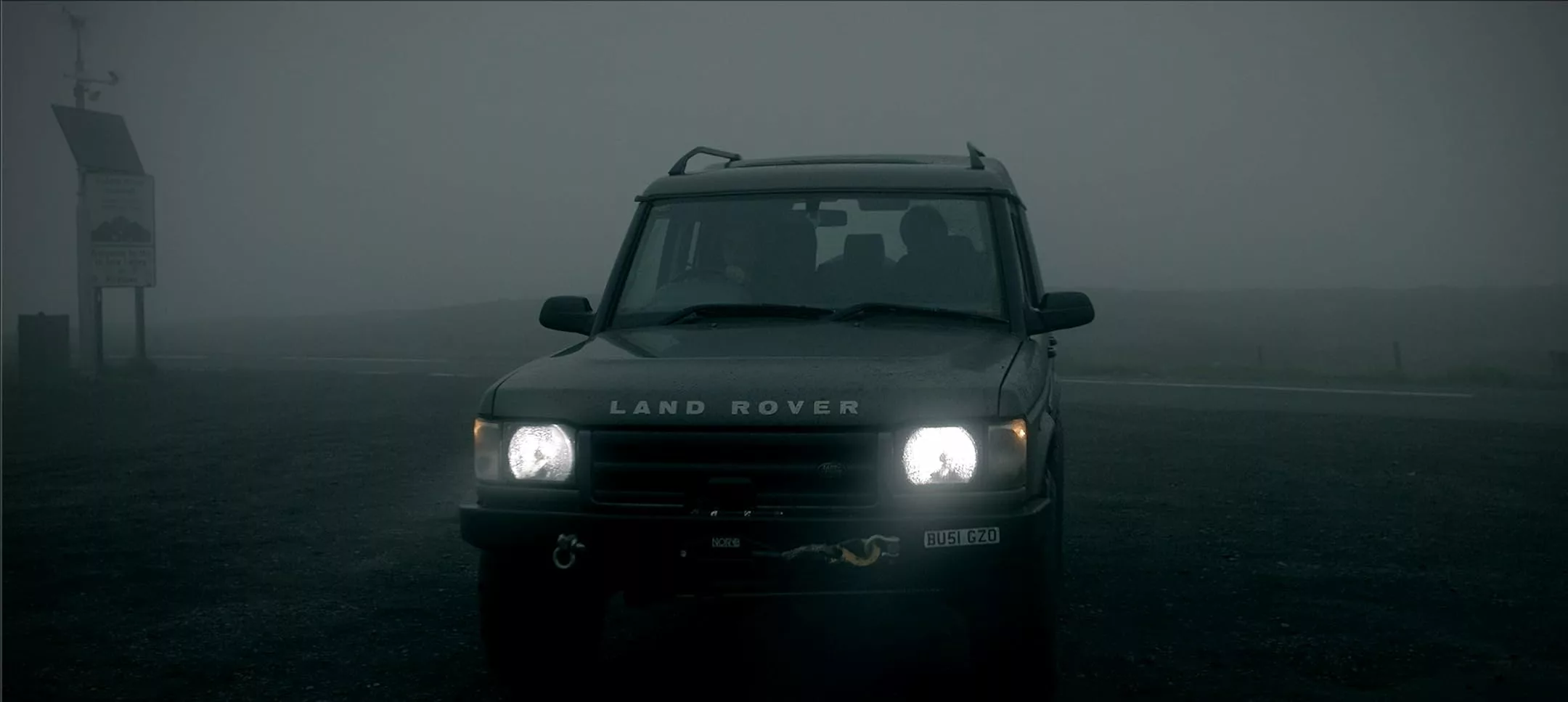
Information is doled out piece by piece. We learn of that dark summer through survivors’ harrowing accounts rather than exposition. Glimpses of the killer sow looming menace where his face should be. And the missing children’s fate remains obscure, keeping their spirits trapped between worlds.
This leaves room for the imagination to run wild, as dread grows in the gaps. You feel the weight of what’s unsaid. Cronin draws out uncertainty to maximize the Moor’s unsettling grip and the characters’ wavering grasp on reality.
The build is so gradual, it’s easy to forget how much richer the world has become until noticing new depths on repeat viewings. Every revelation lingers beneath the skin, haunting us until the climactic payoff.
That final act rewards patience with a chilling punch. All the threaded plotlines and ominous building coalesce into a memorably disturbing resolution that stays with you long after. It substantiates the long game Cronin played.
While some crave a brisker pace, I believe the suspenseful unraveling better serves this material. The Moor tells a tragedy as much as a horror story. Its souls have endured 25 years of marinating in grief. Letting that profound pain permeate each scene respects the psychological chills at their core.
The director’s restraint amplifies the raw wounds beneath and our own discomfort with lingering in them. It makes the climax’s impact landing that much harder, and the film’s unforgettable aftertaste that much more affecting. Cronin takes his time because some tales demand it.
The Echoes of Evil: How The Moor Evokes Real Tragedy
Watching The Moor, it’s easy to see the inspiration drew from the horrific Moors murders of the 1960s. Both involve the mysterious disappearances of young people in the English countryside, leaving terrified communities in their wake.
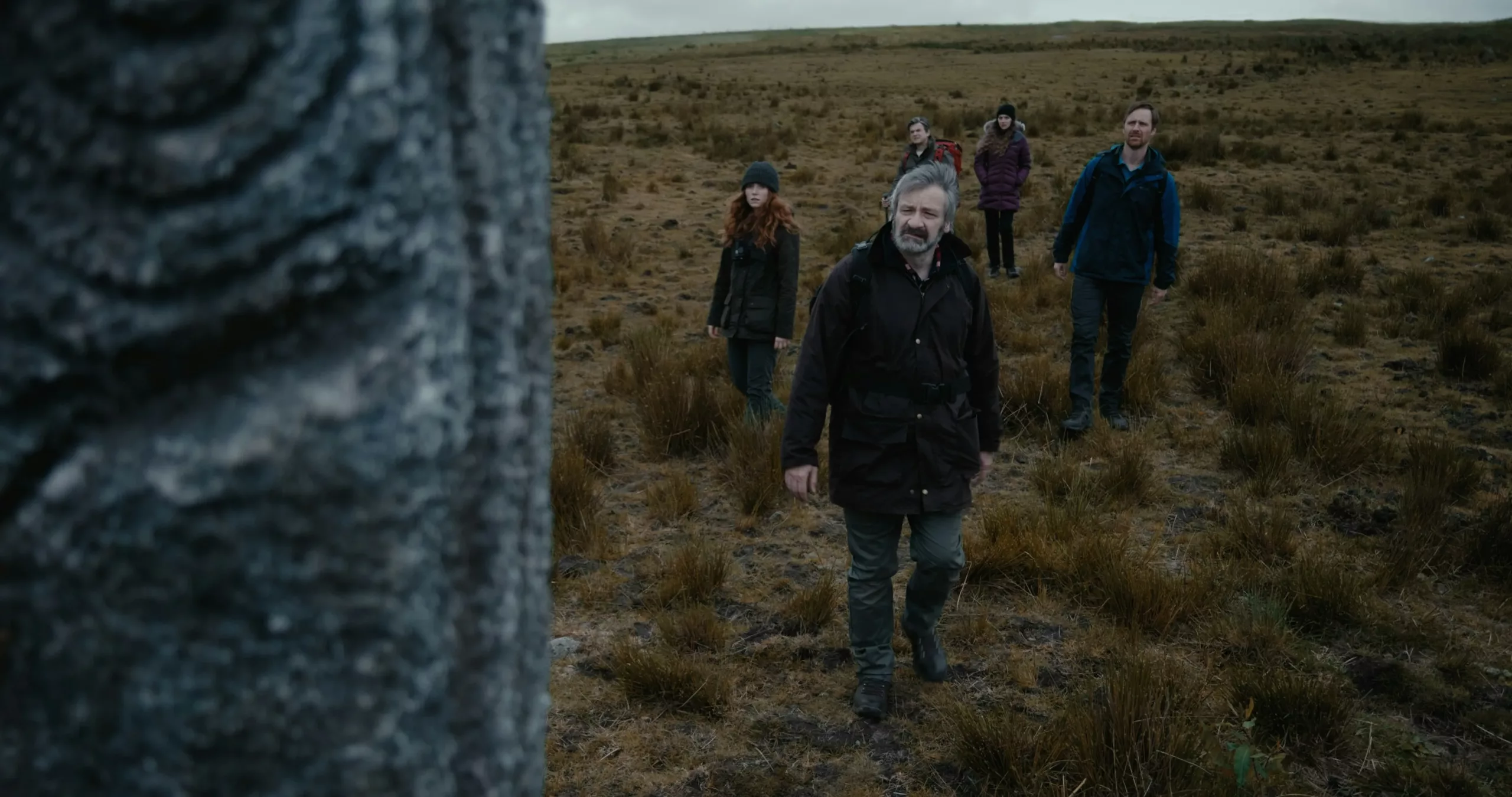
Without directly appropriating or retelling that sad story, Cronin catches its ghostly aftereffects. His fictional “Summer of Fear” establishes how fast lives can change in such a place—one moment children play, the next they vanish without trace into an unforgiving terrain.
That darkness lingers long after. Believing her actions led one boy to meet such a fate piles on the anguish for Claire. While Bill remains trapped in a night that will not end, unable to free himself from torment without answers, the moor denies him.
Cronin doesn’t sensationalize or seek to entertain with this painful real-world lens. Instead, he honors trauma’s inescapable grip through sensitive, sorrowful portrayals. The crew clearly researched such crimes and their impacts thoroughly, portraying lingering scars with care.
By transforming memory into myth, The Moor pays homage to innocent lives cut short without accusation towards their makers. It transforms evil into images that stir the soul rather than sicken it. An achievement when treading ground so tortured by horror before.
The Folkloric Terrors of Chris Cronin
Chris Cronin’s The Moor proved a remarkable directorial debut, showcasing his talents for subtle yet disturbing horror. While the plot follows a search across gloomy terrain, it’s the atmosphere Cronin cultivates that causes unease.
From the start, a brief, playful scene foreshadows deeper mysteries within this landscape. Young minds then bear scars for decades as the missing are never laid to rest. Cronin honors real tragedies in a sensitive light, finding poetry in places violence has touched.
Visually, Cronin and cinematographer Sam stir chill into each misty frame. The sprawling moor encapsulates nature’s indifference to mankind. Unseen forces lurk where bogs and stones stand silent witness to past shadows.
Sophia and David burrow beneath their skins to expose raw nerves. Their bond, though unraveling, anchors us in fleeting glimpses of humanity against the gathering mists of the mind.
While some seek explosions, Cronin treats quieter joys. His folkloric brushstrokes transform ordinary dread into extraordinary nightmares. The climax delivers an unsettling coda as fingers of fog curl within.
Though pace won’t please all, Cronin’s earned his place. Fans of subtle psychological or atmospheric horror will find shivers in his debut’s haunted hollows. With an eye for eerie detail, this director shows skill in crafting ghost stories from our earthlier fears. His career will surely yield further disturbing dreams from darkness’ fringes.
The Review
The Moor
The Moor casts a haunting spell with its unsettled souls and creeping sense of dread. While the story starts on rocky ground, director Chris Cronin steadies his vision to craft an unnerving folk horror that lingers long after the final frames. Meticulous atmosphere and nuanced performances burrow under the skin, leaving an impression of psychological terrors lurking within our own landscapes and memories. Though not without flaws, Cronin demonstrates a clear talent that will surely yield further compelling ghost stories.
PROS
- Atmospheric and unsettling folk horror tone
- Impressive directorial debut for Chris Cronin
- Excellent use of landscape and setting to cultivate dread
- Nuanced lead performances by Sophia La Porta and David Edward-Robertson
- Subtle and restrained approach keeps viewers on edge
CONS
- Slow building pace may frustrate some
- Plot execution falters in third act
- Ambiguous ending will not satisfy all viewers