
















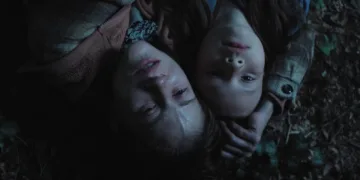


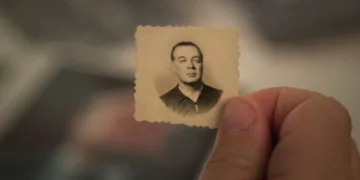









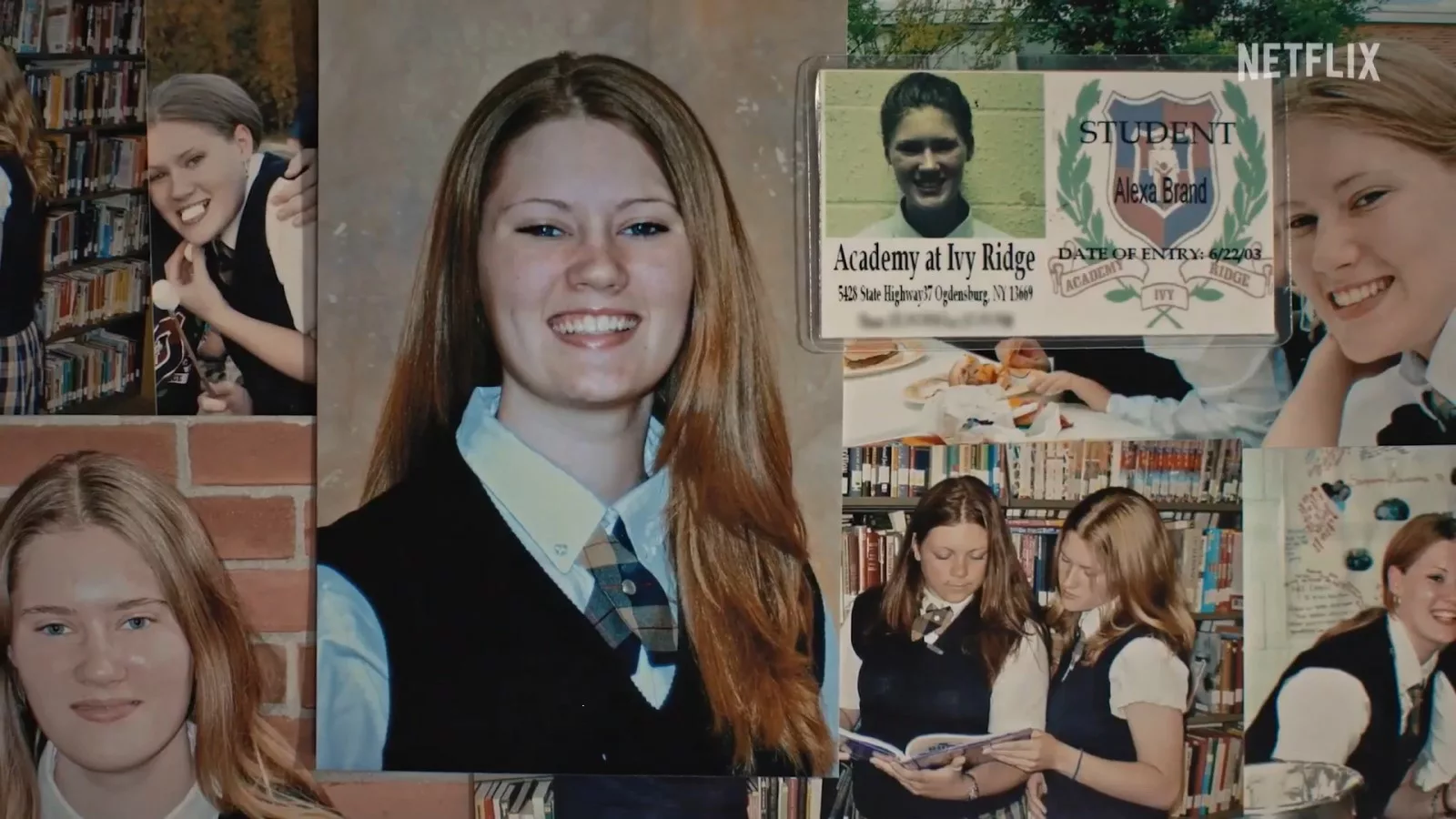

Abandon all preconceptions, for we shall venture into the deepest circles of exploitation’s inferno – the disturbing realm of the “troubled teen” industry. Netflix’s “The Program: Cons, Cults, and Kidnapping” pulls back the veil on this insidious system, its gut-wrenching trois actes chronicling one woman’s unflinching crusade to dismantle the very institution that once imprisoned her body and spirit.
Through tenacious investigation and searing testimony, director Katherine Kubler leads us into the abandoned, decrepit halls of the Academy at Ivy Ridge. What unfurls is a sickening trail of abuse, manipulation, and systematic torment masquerading as “behavioral reformation.” Brace yourselves, for the pure unvarnished truth proves more harrowing than any horror fiction.
The Survivor’s Lens: Kubler’s Cathartic Journey
At the haunting core of “The Program” beats the profound personal narrative of Katherine Kubler herself. As both director and subject, Kubler wields an uncompromising artistic vision steeped in the searing trauma of her own 15 months at Ivy Ridge. What could have been mere exploitation is rendered utterly visceral – an act of reclamation and resistance against her teenage dehumanization.
Kubler transports viewers into this house of horrors through shockingly banal details. Simple human acts like smiling, making eye contact, or even looking out a window were deemed egregious violations punishable by violent “corrections.” A byzantine web of impossible rules left students perpetually walking on eggshells, their every infraction whittling away at hard-earned “points” meant to grant minuscule privileges. The institutionalized gaslighting pulses through each survivor interview.
Yet no statistic nor testimony can prepare one for the haunting video evidence Kubler and her cohorts unearth. Grainy security footage depicts real-time savagery – burly staff men savaging terrified teenagers, slamming their slight frames into walls with sickening force. These are not actors, but victims assaulted under the guise of “discipline.” Such recordings are potent ammunition for Kubler’s j’accuse against the program.
Through it all, the director’s measured resilience inspires profound admiration. Having confronted her waking nightmares, Kubler channeled that tenacity towards dogged investigation and cinematic truth-telling. Each inhabiting shot of the derelict campus radiates her refusal to be silenced or shamed by trauma. Her physical return to this emotional haunted house is a metaphorical exorcism – a primal scream against the culture of fear that once gripped her at 16.
In lesser hands, such deeply personal material could crumble under excessive melodrama or self-indulgence. Kubler’s deft directorial guidance forges an alarming, imperative must-watch devoid of undue sentimentality. Make no mistake, “The Program’s” profound power stems from its auteur’s inability to forget, and fundamental unwillingness to forgive, her own institutionalized dehumanization.
Peddlers of Pathology: Manufacturing Capitalist Cages
While Ivy Ridge’s abhorrent practices are grotesque enough on their own, “The Program” chillingly illuminates how this brutality was systematically cultivated from the top down. In searing detail, Kubler exposes the insidious mechanisms through which opportunistic profiteers entrapped vulnerable families – all to feed an ever-growing population into their lucrative, unregulated prisons.
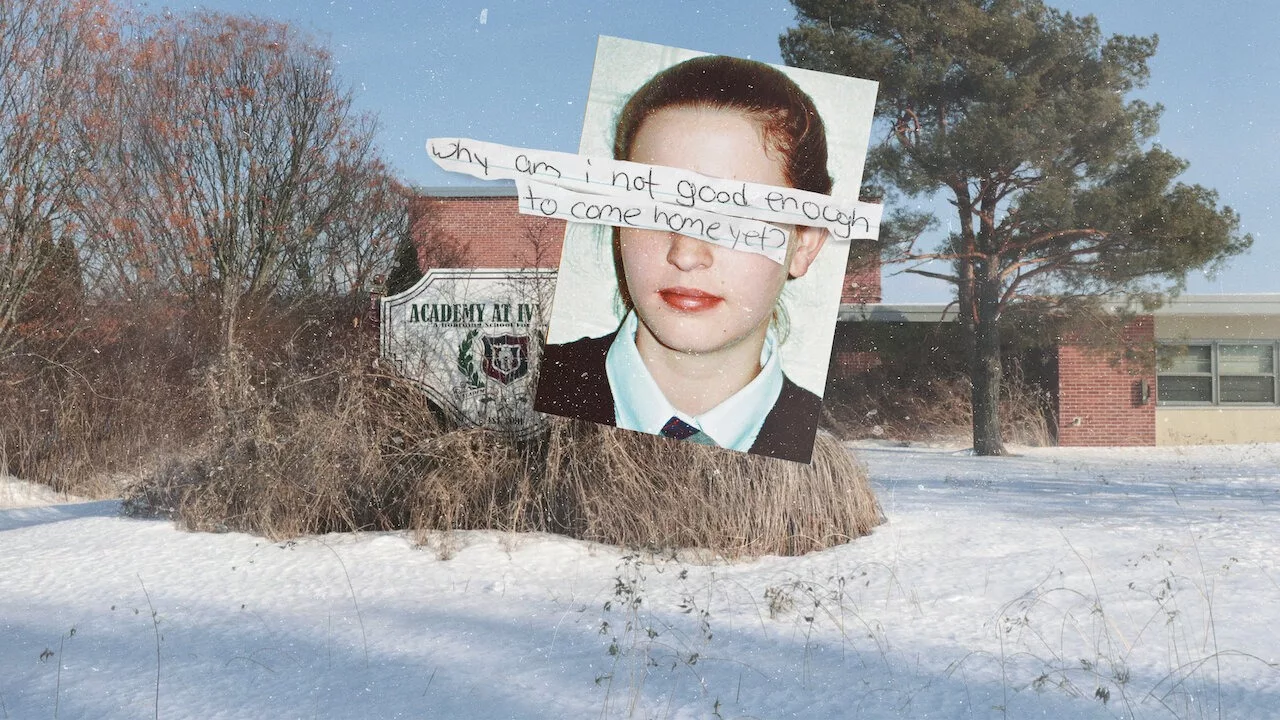
At its darkest core, the “troubled teen” industry is revealed as a pyramid scheme of manipulation. Through targeted fearmongering and deceptive marketing, wealthy entrepreneurs like Robert Lichfield and his World Wide Association of Specialty Programs and Schools preyed upon parental anxieties. Minor adolescent transgressions were pathologized, teens rebranded as defective “units” requiring harsh institutional reprogramming that only they could provide – for an exorbitant fee.
Once enrolled, the indoctrination began in earnest. The very parents who thought they were rescuing their children became indoctrinated through coercive “seminars” clearly modeled on cult deprogramming tactics. Allegations of sexual abuse, food/sleep deprivation, and physiological torture emerge as sickeningly commonplace – a perverse funnel system to break spirits and produce obedient blue-collar labor for the program’s overlords.
Drawing chilling parallels to the infamous Milgram and Stanford Prison experiments, “The Program” dissects how authoritarian control and dehumanization bred catastrophic ethical decay. Staffers who may have begun with noble intentions quickly transmogrified into remorseless enforcers, their capacity for inflicting cruelty upon the “units” heightened by a rigidly hierarchical structure obsessed with point systems and insulating jargon. The deeper one sank into Ivy Ridge’s imposed culture, the more reality warped towards normalizing the abnormal.
Throughout, Kubler’s studious direction steers us through these shadowy depths not with didactic outrage, but cultivated clarity – a nightmarish funhouse mirror reflecting the worrying malleability of human morality under systematic pressures. For those who wonder how civilized nations birth things like concentration camps, the “troubled teen” underworld provides its own miniature case study.
Unholy Roots: From Synanon’s Ashes, An Empire of Exploitation
While Ivy Ridge was the locus of Katherine Kubler’s personal hell, “The Program” makes it resoundingly clear that this rot spreads far wider and deeper than a single institution. In tracing the fungal roots of this $1 billion “troubled teen” empire, a noxious family tree is exhumed – one bearing the poisonous fruits of dehumanization and capitalist greed.
The docuseries pulls no punches in exposing Ivy Ridge’s genealogical links to the notorious Synanon cult. This ragtag 1960s collective, initially formed to combat addiction, mutated into an insular nightmare realm peddling “Attack Therapy” that psychologically flayed its members. Deploying tactics like mock births, humiliation cycles, and even enforced vasectomies, Synanon’s iron-fisted gurus operationalized brainwashing through total isolation and control.
Though Synanon withered, its monstrous DNA lived on – directly informing the merciless methologies and group “seminar” psychosis deployed at Ivy Ridge and its ilk. Punctuated by distressing survivor testimonies, Kubler forensically dissects how systematic abuse was encoded into these schools’ institutional frameworks. From indoctrination fees to years-long “therapy” pathways with no exit ramp, human souls became fiscal resources for enterprise-scale exploitation.
And overseeing this all was WWASP – the shadowy $100+ million World Wide Association of Specialty Programs syndicate controlled by kingpin Robert Lichfield and his rapacious inner circle. By Kubler’s sobering estimate, over 50,000 American youths cycled through this network of glorified rehabilitation camps, subject to the same draconian regimens more akin to totalitarian reeducation gulags than scholastic environments.
From its cult-hewn roots to the staggering scale of affected lives, “The Program” paints an uncompromising portrait of industrialized exploitation on a sickening scale. Even those familiar with similar exposes will be chilled by the unvarnished ubiquity and depravity of an industry that continues metastasizing globally. This is not mere muckraking, but a clarion call to dismantle an endemic societal malignancy that festers unseen in our very midst.
Crucibles of Torment: Survivors’ Searing Truths Unveiled
For every statistic or academic analysis unpacked in “The Program,” nothing wields more visceral impact than the searing firsthand testimonies from Ivy Ridge’s own survivors. Through their candor and fortitude, we bear witness to the full, unvarnished anguish of a torturous adolescent crucible – one which has indelibly shaped their psyches into adulthood.
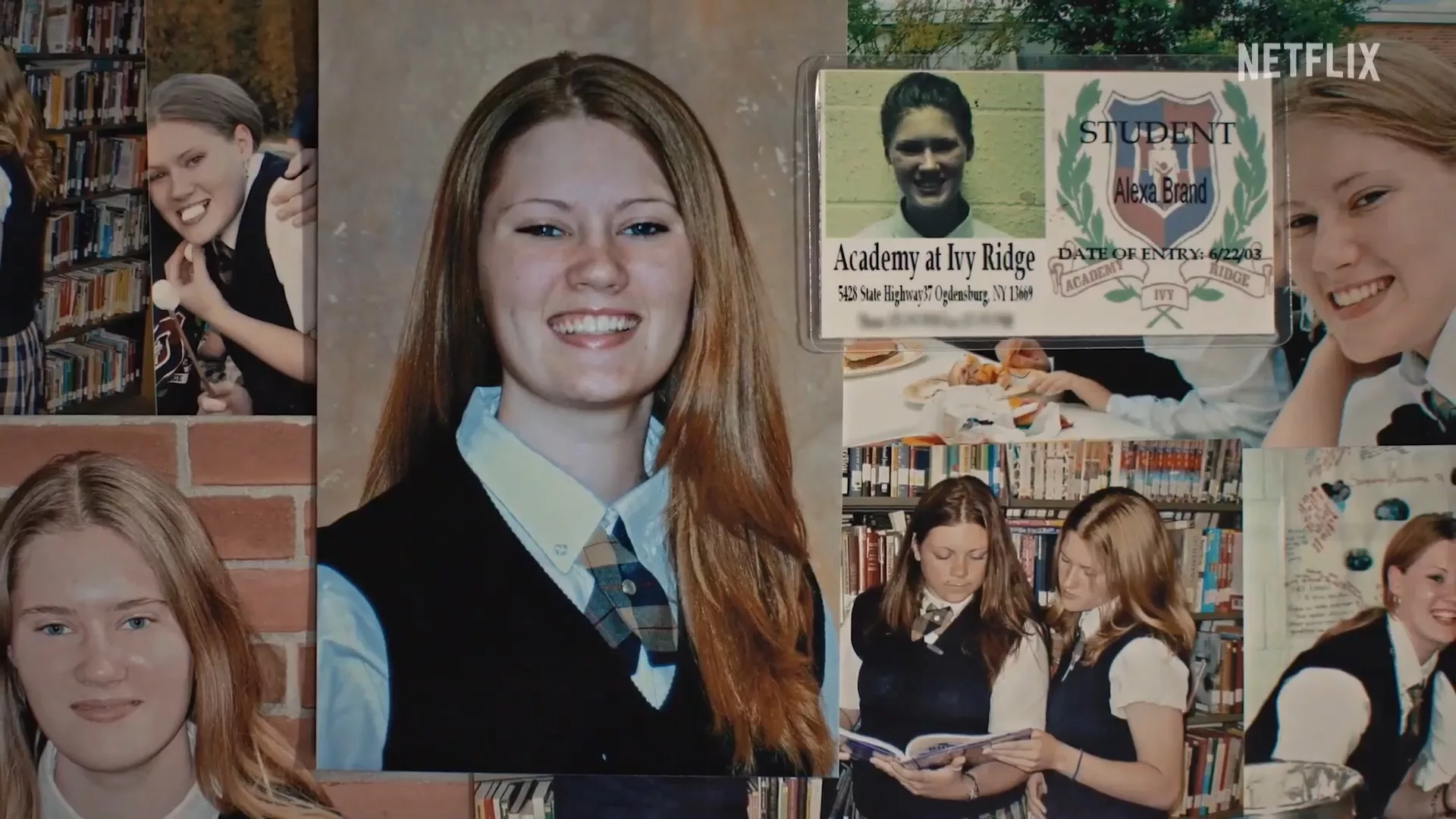
When Alexa unfurls the haunting timeline of her sexual exploitation by staff seeking to “earn her trust,” it’s a gut-punch of profound dehumanization. The sense of total powerlessness consumed by Diana, trapped within the program’s malicious machinations for an appalling three-and-a-half-years, radiates from the screen. Each interviewee’s agonizing recall of deprivation, solitary confinement, and ritualized degradation forms a blazing bonfire of outrage.
Yet what elevates these segments beyond mere recitations of trauma is their raw, unvarnished authenticity. There are no polished platitudes or carefully prepared demeanors, only raw nerves and fragile voices struggling to convey the unimaginable. When composure cracks, releasing anguished sobs or wry, darkly comic gallows humor, we witness humanity’s most primal essence – the innate drive to persist beyond unfathomable mistreatment.
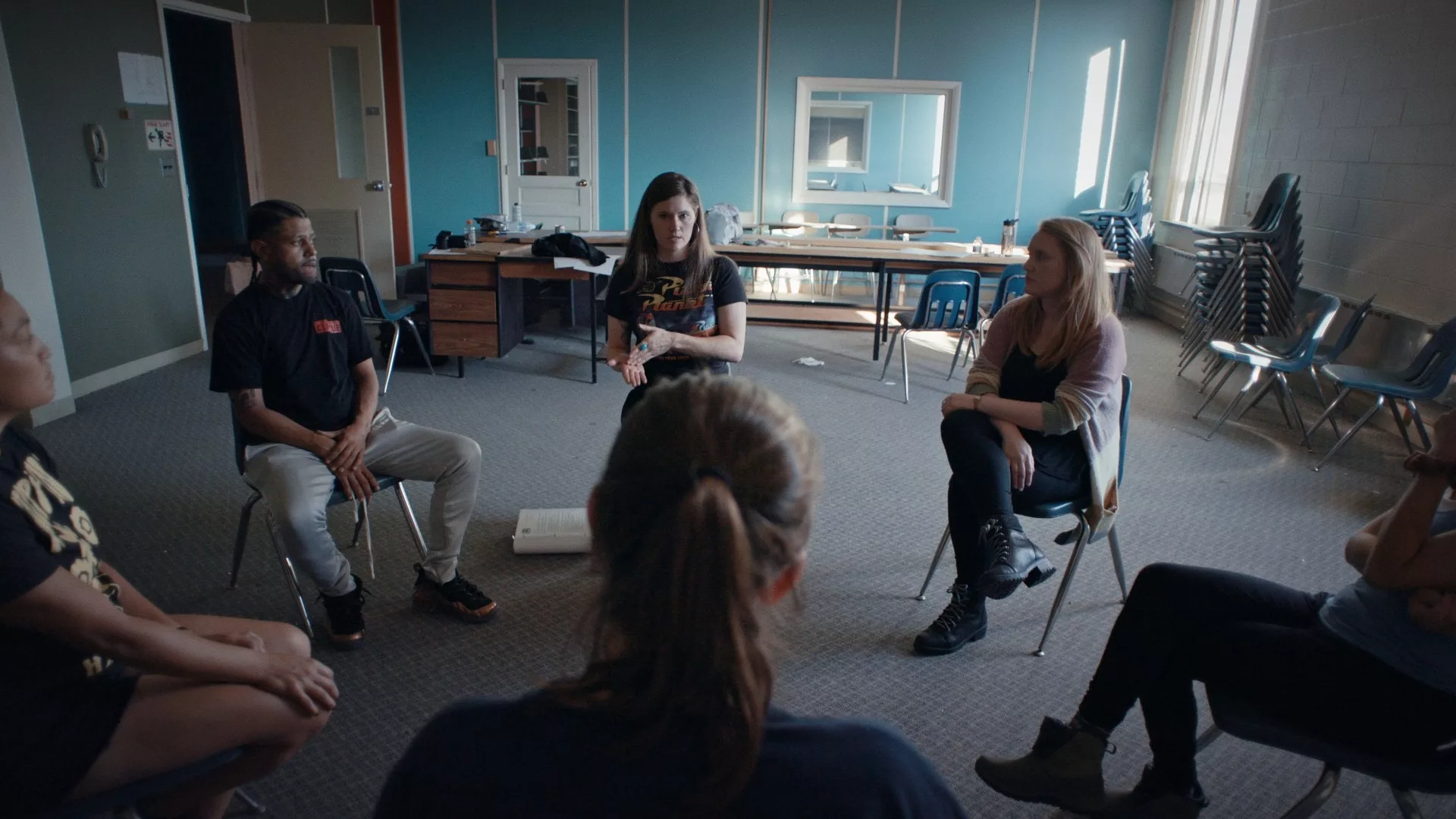
This organic intimacy is compounded by Kubler’s unorthodox verité directorial approach. Rather than the staid formalities of a traditional talking-head documentary format, survivors recount their experiences seated amongst fellow alumni in group discussions. The camera captures not just their tales, but their body language, private asides, and unconscious therapeutic bonds that lend every statement profound gravitas. We are pulled directly into their reportage as experiences, not just passive audience members.
Which makes the moments where survivors directly address former Ivy Ridge staff all the more searing. Armed with incontrovertible evidence of signed confessions and surveillance recordings, their bravery in confronting these disgraced abusers head-on commands immense respect. Though deflections and obfuscations remain the norm, we see justice’s scales inexorably tipping through sheer tenacity of will. The very act of speaking up in itself becomes a triumph of resilience.
In this manner, “The Program’s” most indelible segments let the victims’ testimonies cast an all-consuming beacon of condemnation upon their tormentors. Through voices reclaimed after lifetimes of enforced silence, the survivors stand unbroken, angry, and undeniably resolute in their quest for accountability.
Harrowing Truths, Rendered Hauntingly
While the deeply disturbing subject matter of “The Program” is powerful enough on its own, Katherine Kubler’s directorial brilliance elevates this docuseries into the cinematic stratosphere. Through deft stylistic choices and an exquisite grasp of tone, she molds searing fact into mesmerizing artistic statement.
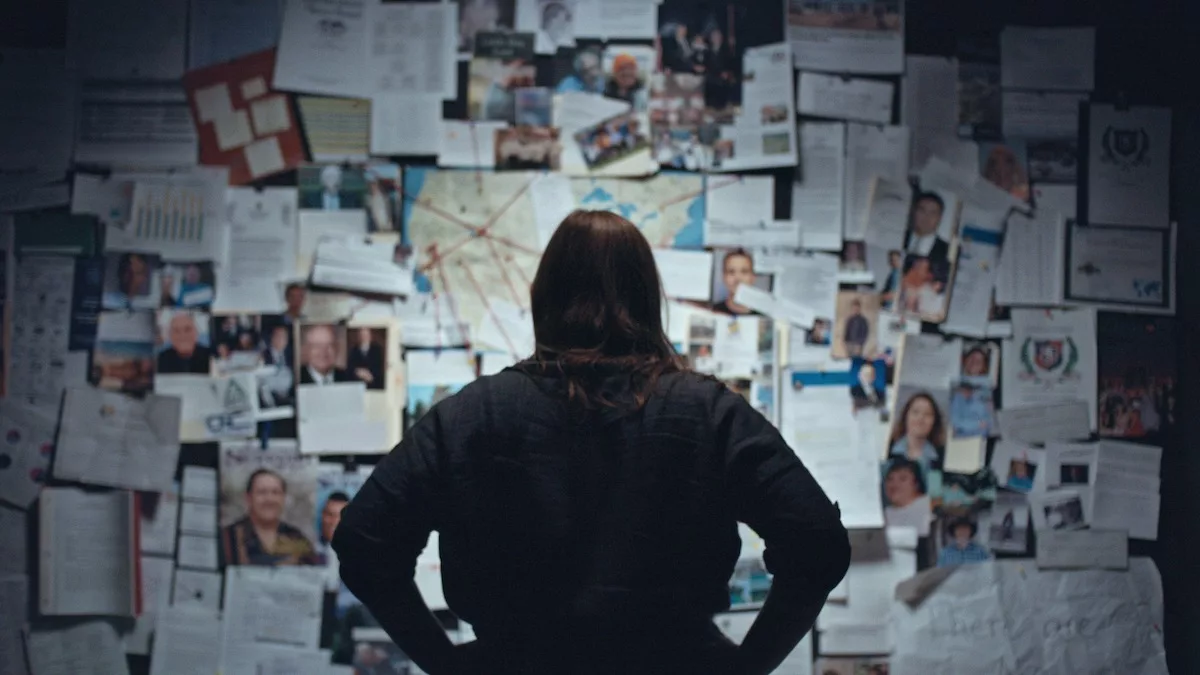
From the outset, Kubler establishes an atmosphere of dreaded anticipation. Ominous tracking shots prowl the decaying halls of the abandoned Ivy Ridge campus, hinting at uncovered secrets soon to be exhumed. This uneasy ambiance pays dividends when intercut with viscerally raw footage of real abuse – the revelation of evil’s banality made all the more chilling through measured dramatic buildup.
Yet Kubler’s masterful control of mood vacillates between the solemn and blackly comic with dexterous elegance. Survivor testimonies brimming with gallows humor about coping mechanisms and pastimes adopted to retain scraps of humanity counterbalance the gravitas of their trauma. One doesn’t undercut the other, but rather reinforces an undeniable truth – the remarkable resilience required to emerge from overwhelmingly bleak circumstances with one’s spirit intact.
This fluid tonality is accentuated by immaculately chosen visual motifs and an evocative soundtrack. Weaving between eerily pristine archival footage and the decaying present allows Kubler to illustrate a pristine facade’s full-body rejection. Her scoring favors haunting ballads like “The Sound of Silence” and “Girls Just Want to Have Fun” recontextualized as anthems of torment. Each compositional element coalesces into a deeply unsettling, impossibly immersive experience that burrows under the viewer’s skin to expose raw nerves.
Like the most chilling horror fable, “The Program’s” lingering power stems from its grounding in recognizable human truths blown to allegorical extremes. Kubler doesn’t simply recount history – she inhabits it as a scorched psychological landscape, one to be exorcised through bristling cinematic language. Her auteurist stamp is a masterclass in transforming individual anecdotes of injustice into universally compelling, acutely stylized illuminations for a watching world.
Reckoning Overdue: Shining Light Upon Depravity’s Alcoves
With every meticulously assembled frame, Katherine Kubler’s “The Program” transforms from searing docu-memoir into a furious cri de coeur demanding societal reckoning. Like a seasoned prosecutor relentlessly marshaling her evidence, the sum impact proves nothing less than a scathing moral indictment of an industry that persists in the shadows – enabled by apathy, profitization, and shameless obfuscation.

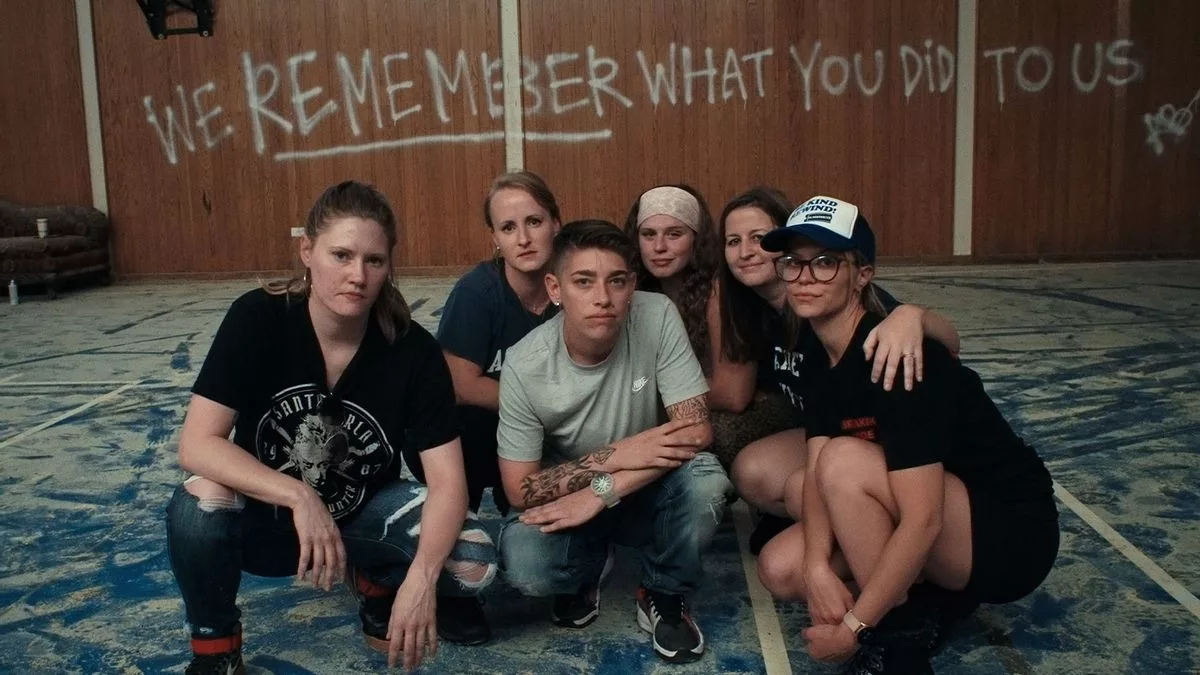
For the traumatized alumni of Ivy Ridge and its similarly nefarious counterparts, Kubler steadfastly amplifies their outrage over the continued existence of these repugnant programs across scattered states. Their hard-won, gut-wrenching testimonies illustrate human spirits systematically broken and remolded through unimaginable physical, psychological, and sexual violence. That such institutions can flourish unfettered incites incandescent fury.
Yet the director reserves her most withering condemnation for the defiant perpetrators and profiteers who remain stubbornly unrepentant – individuals like WWASP’s Lichfield clan and perverted Ivy Ridge taskmaster Nan Reinhardt. When forced to confront the savage brutality they enabled and profited from, their deflective non-apologies are infuriating. These are criminals escaping justice, their punishment a mere footnote in the history they’ve irrevocably scarred.
It is this righteous incensement that imbues “The Program” with its unmistakable essence of a primal scream against the institutional mistreatment of youths. Every revelatory archival document brandished before the camera’s unblinking gaze, every wrenching recollection of conspiracies to deceive anxious parents, builds toward a rousing clarion call for meaningful accountability. For oversight. For an end to this generational cycle of depravity festering in alcoves the public has been conditioned to ignore.
With sober persuasiveness, Kubler presents a watertight moral case that such “treatment” facilities have irrevocably violated the public trust – a heinous betrayal of ethics and the sanctity of youth they can never atone for. The only acceptable path forward is their permanent dissolution and the aggressive prosecution of all who enabled these crimes. There can be no other resolution for this systemic disgrace. “The Program” will not let us turn away until this rot has been comprehensively excised.
Ringing the Alarms of Accountability
Katherine Kubler’s “The Program: Cons, Cults, and Kidnapping” is searing exposé operating on multiple critical frequencies. At its core beats the profoundly personal odyssey of a resilient truth-teller exorcising her own traumas. But radiating outward are larger inevitabilities – a scathing condemnation of systemic depravity calculatedly hidden from public view, and a rousing call for the unequivocal dismantling of an industry that has crassly monetized the exploitation of youth.
Through her deft cinematic channeling of archival evidence, candid testimonies, and stylistic flourishes, Kubler has created an undeniable culminating masterwork. One that acidly rebukes the repugnant abuse festering within the “troubled teen” programs, yet uplifts the indefatigable resilience of the survivors who have contravened to reclaim their silenced narratives.
This expose demands – nay, commands – the widespread dissemination its harrowing illuminations deserve. For too long, alcoves of unchecked malfeasance have persisted through the passive indifference of the masses. Kubler’s profound reckoning pierces that apathy with the brilliant, unyielding luminance of hard-won justice. We would be naïve to ignore its clarion warnings any longer.
The Review
The Program: Cons, Cults, and Kidnapping
"The Program: Cons, Cults, and Kidnapping" is a harrowing yet essential exposé of the horrific "troubled teen" industry. Director Katherine Kubler's searing personal journey and masterful filmmaking coalesce to shine a light on systemic depravity that has persisted in the shadows for too long. While difficult to watch at times, it commands attention and provokes moral outrage over the lack of accountability. An important, well-crafted documentary that demands widespread viewing.
PROS
- Powerful, first-hand accounts from survivors expose horrific abuse
- Excellent directing and stylistic choices by Katherine Kubler
- Shines a much-needed light on the disturbing "troubled teen" industry
- Builds a strong moral case for accountability and reform
- Uncovers shocking evidence and signed confessions of wrongdoing
- Blends grave subject matter with dark humor seamlessly
- Evocative soundtrack heightens the haunting narrative
CONS
- Brutally disturbing content could be too much for some viewers
- Doesn't go as in-depth into why certain teens were sent away
- Confrontations with unrepentant perpetrators lack true resolution
- Could have explored the roles of specific companies/individuals more