
























![Kingdom Hearts Collection [I-III] Review](https://gazettely.com/wp-content/uploads/2026/10/Kingdom-Hearts-Collection-I-III-1-360x180.webp "Kingdom Hearts Collection [I-III] Review: KHII Holds Steady as Newer Entries Fluctuate 37")




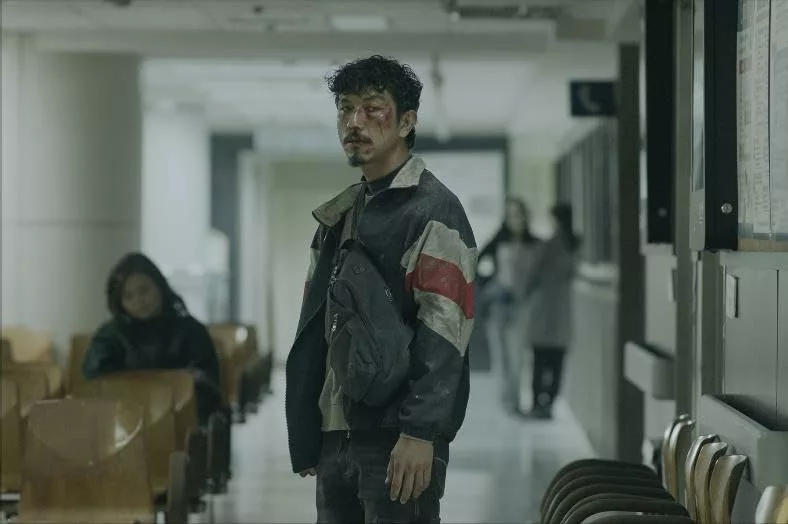
Chiang Wei Liang’s debut feature, Mongrel, had its world premiere at the 2021 Cannes Film Festival as part of the Directors’ Fortnight selection. The film tells the story of Oom, an undocumented migrant worker from Thailand who has found employment in Taiwan as a caregiver for elderly and disabled patients.
Oom does his best to carry out his duties with compassion despite facing numerous challenges. He works under a boss named Hsing, who exploits the migrant workers and gets them involved in illegal activities.
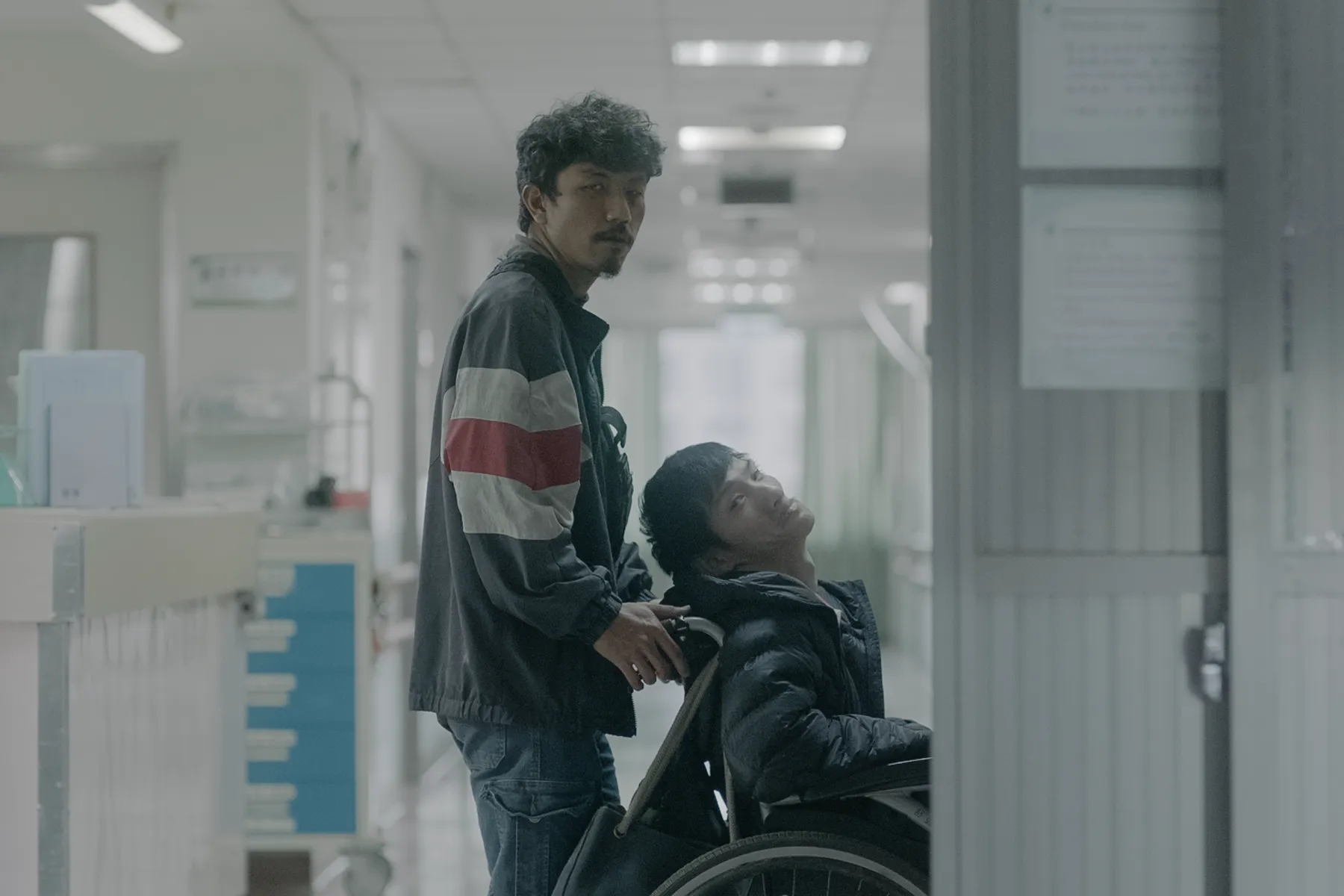
Oom develops strong bonds with some of those he cares for, such as Hui, a man with cerebral palsy, and Hui’s elderly mother, Mei. When Mei makes an unthinkable request of Oom regarding Hui’s wellbeing, it throws Oom into an intense moral dilemma. He must also contend with increasing tensions between the unpaid caregivers and their abusive boss. Through it all, Oom strives to retain his humanity in difficult circumstances beyond his control.
Chiang co-directed Mongrel with Yin-You Qiao. It stars Wanlop Rungkumjad in the lead role of Oom. The film provides a sobering look at the real issues faced by migrant workers in Taiwan and the systemic exploitation they endure. Mongrel made quite an impression with its debut at Cannes, introducing audiences to an important story brought to life by some talented new filmmaking voices.
Oom’s Story
The film introduces us to Oom, a migrant worker from Thailand who now lives illegally in Taiwan. For work, Oom has taken a job providing caregiving services to elderly and disabled people in the remote mountains. Through his role, we learn that caregiving has become a significant industry exploited by gangs like Oom’s boss Hsing to profit off the backs of vulnerable undocumented workers.
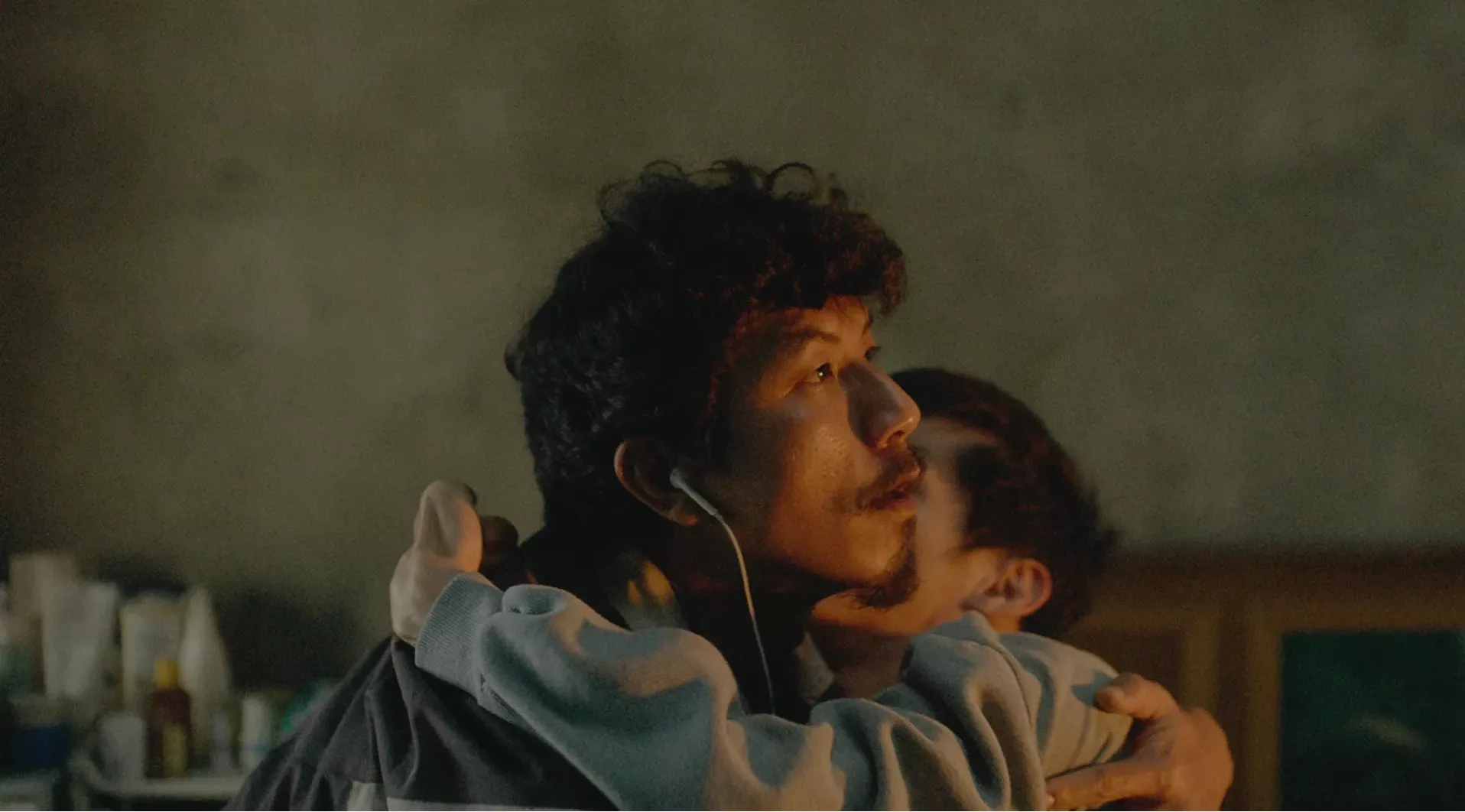
Oom himself develops strong bonds with some of his patients, such as Hui, a young man with cerebral palsy, and Hui’s mother, Mei. While Oom lacks formal training, he has a thoughtful and compassionate way about him that helps those under his care. But his job isn’t easy, as he encounters difficult situations that would challenge even a seasoned professional. This is highlighted when Mei makes an alarming plea to Oom regarding her son’s wellbeing, leaving Oom wrestling with an intense moral dilemma.
We also see that Oom must deal with the domineering Hsing, who controls many aspects of the caregivers’ lives. Not only is Oom an important worker who Hsing relies on, but Oom finds himself pulled deeper into Hsing’s illegal operations. When problems arise, like caregivers going unpaid, Oom faces pressure to smooth things over. However, as tensions rise, Oom starts to question how long he can manage the situation under Hsing’s boot.
Oom’s relationship with his boss gets further strained after an alarming cover-up Oom assists with per Hsing’s demands. Through it all, Oom tries to maintain his decency despite facing dehumanizing circumstances largely beyond his choosing or control. His story highlights both the hard work of caregivers and the complex exploitation that enslaves migrant workers in Taiwan’s underbelly.
Capturing Hardship through Style
Chiang Wei Liang adopts a very purposeful visual approach in Mongrel that aims to immerse viewers in the difficult circumstances faced by its characters. The film is shot using a boxy-academy ratio by cinematographer Michaël Capron, lending an initial feeling of confinement. Scenes set within the cramped interiors of homes or Hsing’s vehicle further this effect.
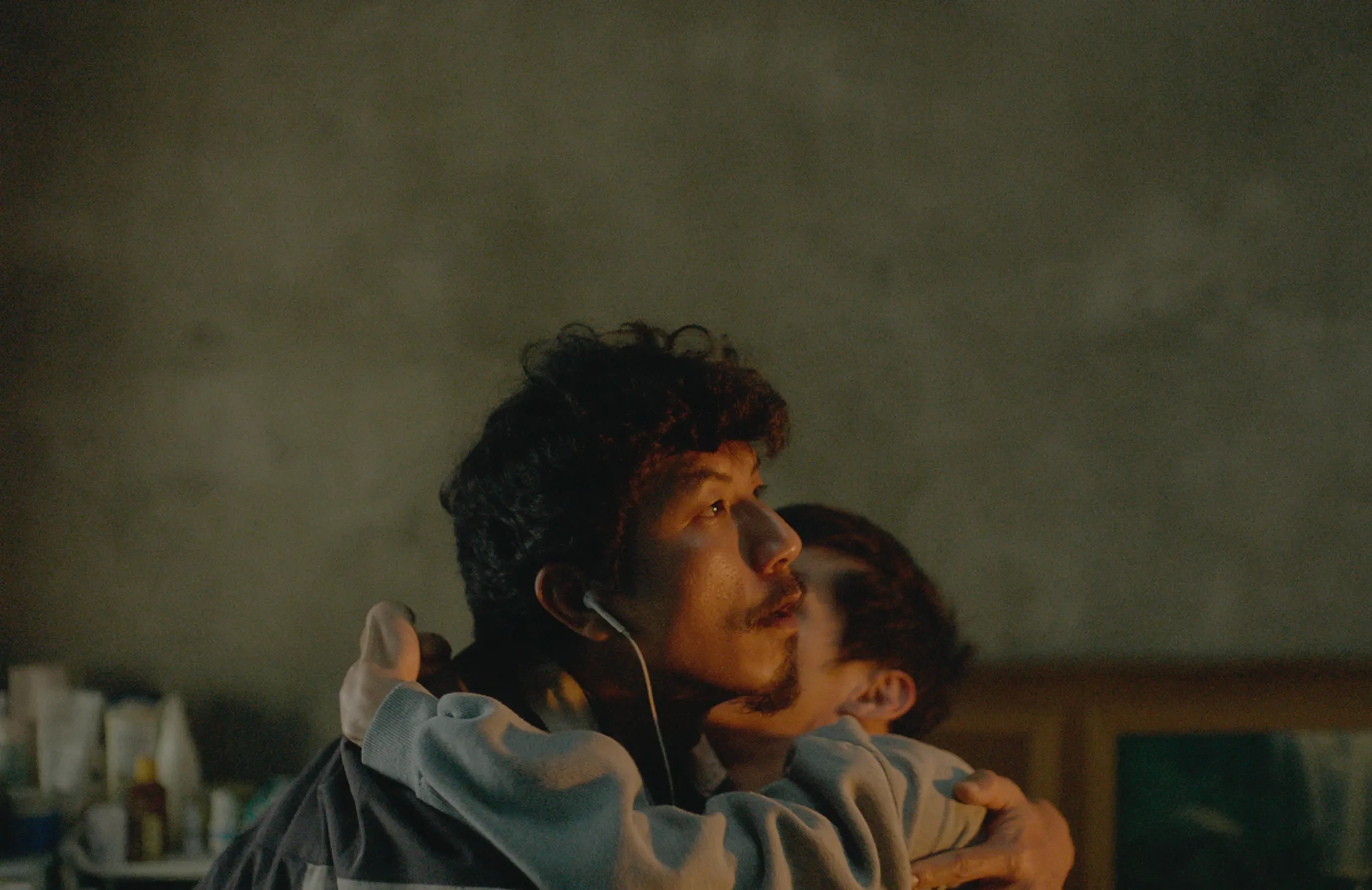
Nighttime exteriors located the audience within the feature’s world just as much as the events unfolding. Darkness and tight framing surrounded the migrant workers’ living quarters, communicating their entrapment as effectively as any dialogue could. This stylistic choice shines a light on how location and space are used to establish power dynamics between the characters.
As the story progresses and we see more of the isolating and grim mountain environment, it becomes clear there is no escape from hardship anywhere in sight. Even landscape shots offer no relief from the pervasive sense of studied severity. Through these visual storytelling decisions, Chiang presents a world as dark and unforgiving as any urban crime drama.
The film’s commitment to realism is apparent in other aspects as well. In place of a traditional musical score, Chiang and sound designers RT Kao and Lim Ting Li crafted an environment-focused design using only diegetic elements. This immerses the audience in the actual experience of Oom’s daily struggles through sound.
Together, these filmmaking techniques merge to transport viewers straight into the difficult realities faced by Oom and others like him. By prioritizing such an authentic visual and audio approach, Chiang hits with uncompromising impact.
Quiet Mastery Through Observation
The file discusses Chiang Wei Liang receiving guidance from Taiwanese cinema giant Hou Hsiao-hsien, who served as an executive producer on Mongrel. Hou’s influence is evident in Chiang’s approach.
Known for his distanced yet empathetic gaze, Hou favored allowing scenes to unfold at their own pace. Chiang embraces this observational sensibility, opting to simply let the camera linger on Oom’s caregiving duties. But where Hou’s films had a meditative pace, Mongrel has an exacting rhythm that matches its unflinching presentation of harsh realities.
While Hou’s works often felt panoramic, Chiang’s focus remains tightly bound within the constraints faced by Oom and those around him. Yet through Chiang’s guided direction, the audience understands these characters and their suffering on a deeply human level, just as in Hou’s masterpieces.
Both filmmakers tell stories through observation more than dramatic plot moves. But Chiang infuses Mongrel with its own quiet sense of mastery, reflecting how far he’s come under Hou’s tutelage while putting his own spin on the observational style. The result is a gritty, nuanced film that does justice to its difficult subject matter through restrained but deeply impactful storytelling.
Walking the Line with Subtlety
One of Mongrel’s greatest strengths is Wanlop Rungkumjad’s internally conflicted yet outwardly stoic performance as Oom. Through minimal words or overt displays of emotion, he conveys immense depths of feeling for the caregiver’s compromised situation.
Rungkumjad imbues Oom with an air of basic decency; how else could he continue caring for others in such a bleak place? But it’s a delicately balanced decency, as Oom toes the line between aiding Hsing’s schemes and advocating for his fellow workers. He clearly empathizes with those facing hardship, yet he feels obligated to remain on good terms with his employer.
So much is left unsaid, and through subtle facial expressions and gestures, Rungkumjad leaves the audience questioning Oom’s true mentality. Is he unconsciously complicit in the system that exploits him and others? Or pragmatically making the best of a bad circumstance? Rungkumjad invites us to see the humanity in Oom without clear-cut judgments.
This layered performance anchors the film and lends credit to the notion that Oom stays not out of lack of choice alone. Rungkumjad imbues the character with inner conflicts that mirror the film’s themes of moral ambiguity within oppressive systems. His restraint compels study and discussion about how even well-meaning individuals can become entwined in complex webs not of their own making. In the end, Oom, like the film itself, resolutely refuses to submit to easy definitions.
Committing to Complex Commentary
Mongrel delves into weighty subject matter through impactful consequences that hold up a mirror to society. The film portrays how systemic issues enable exploitation to take root among the most vulnerable.
Through Oom’s circumstances, we see how loose policies leave room for opportunism, with displaced people easily folded into opaque networks. When migrant workers first arrive under false pretenses, it powerfully depicts their diversion into an unseen fate. Without status or protection, all they can do is endure the “insidious mortification” of invisibility.
Oom’s predicament also underscores the human costs when essential services aren’t accessible to all. As untrained caregivers shoulder high responsibility, both the elderly they tend and overworked caregivers suffer needlessly. While their noble intentions are exploited, Oom and Mhai can only watch helplessly as those under their care deteriorate.
The dormitory scene piercingly shows displaced people’s realities. Angry workers demand pay from their detached “boss” but get no dignity, leaving them as cheap, replaceable labor. Their mistreatment stems from those even higher exploiting such vulnerable industries.
Yet Mongrel doesn’t reduce its characters to symbols. When Oom navigates gray areas, complicit yet striving for compassion, it questions easy labels. His quiet complexity mirrors how failings rarely come from individuals alone. By implicating wider systems over people, Mongrel delivers commentary in an authentic, meaningful manner.
Through restrained but vivid storytelling and lived-in performances, this film holds up an unignorable mirror to societal faults. Its thoughtful themes and sequences demand consideration long after that final image fades.
Committed Storytelling with Staying Power
In conclusion, Mongrel represents a strong directorial debut for Chiang Wei Liang that’s equally tough yet rewarding for viewers. Through painstaking aesthetic and social commitments, it shines a light on important issues in a way that demands consideration.
The film draws you deep into a bleak world through restrained but vivid storytelling. Cinematography and location help establish a sense of quiet desperation, while performances underscore the real human toll of such hardships. Rungkumjad’s leading turn as Oom lingers longest thanks to its subtle complexities.
None of this comes easily, requiring patience to take in Mangrel’s ponderous pace and unflinching depiction of suffering. But it’s all in service of deeply authentic social commentary. By portraying exploitation’s real causes and effects, the film implicates wider systems than individuals in an impactful indictment.
Even after credits roll, one remains haunted by the plight of those left with little recourse in places or situations not of their making. But perhaps Mongrel’s most lasting impression comes from extending empathy where it’s sorely lacking. It leaves you seeing shared humanity in even the most compromised of lives. For such meaningful storytelling with staying power, this marks an auspicious directorial debut that demands to be experienced.
The Review
Mongrel
Mongrel tells a bitterly bleak yet thoroughly impactful story about the all-too-real hardships of displacement and exploitation. Through understated yet admirably authentic filmmaking, it brings urgent social issues to light in a memorably unflinching yet empathetic manner. While challenging viewing, this directorial debut shines an unignorable light on societal failures that demand consideration.
PROS
- Powerful social commentary on important issues of migration, labor rights, and human trafficking.
- Strong directing debut for Chiang Wei Liang with a gritty, authentic aesthetic.
- Anchored by a subtle yet impactful lead performance from Wanlop Rungkumjad,.
- Spares no punches in unflinchingly depicting hardships faced by exploited migrant workers.
CONS
- A slow, ponderous pace may test viewer patience at times.
- The bleak tone and subject matter make it a difficult viewing experience.







