






















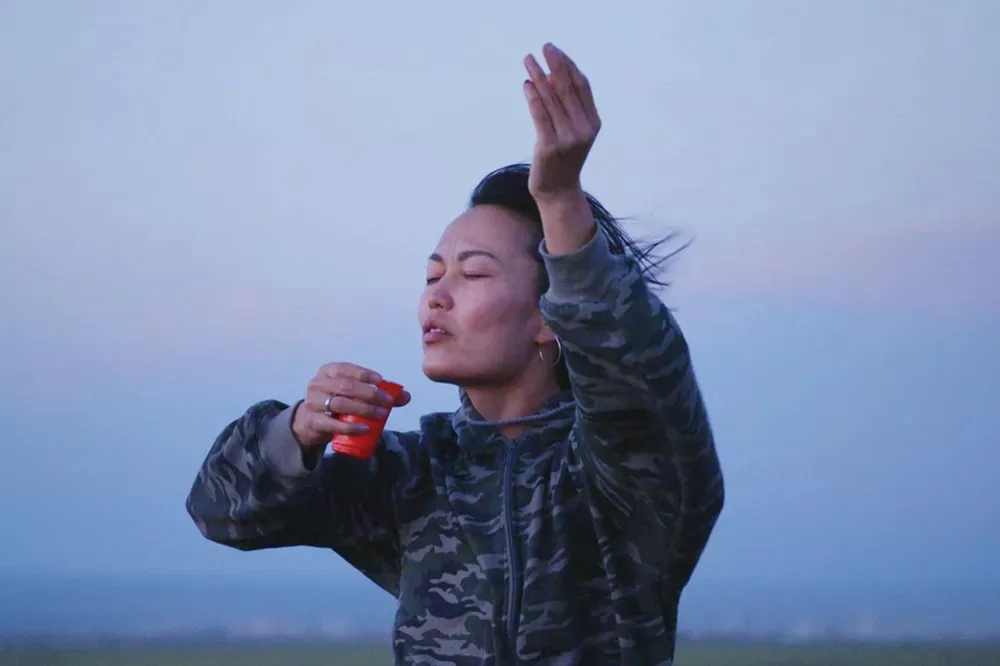

Mongolia’s vast steppes stretch across the landscape, harboring histories both grand and intimate. It is here, in this rugged realm, that we find Gerel Byamba, a woman wielding passion for her culture with the tenderness of maternal love. Through her eyes, the filmmakers guide us on a profound journey.
Directors Christian Als and Kristoffer Juel Poulsen observe Gerel over seven transformative years. Initially, we see her leading an all-female nationalist group with fervent zeal, confronting issues like prostitution. Yet as the camera lingers, layers beneath the surface emerge. Gerel’s activism stems from deep wells of grief—her family is torn by tragedy.
Most touching are the scenes between Gerel and her son, Temuulen. Though nationalism pulls her focus, her heart remains with her child. As Temuulen grows, so too does Gerel’s perspective. She begins weighing how her single-mindedness impacts their relationship.
This introspection draws us closer to Gerel’s humanity. We see her struggles as ones many face—to balance duty and devotion and overcome past pains. Temuulen’s love also guides Gerel to channel her energies constructively.
By peering inside one Mongolian mother’s world, the film illuminates universal dilemmas around identity, change, and connection. With empathy and care, Als and Poulsen craft a profound portrait that leaves us thoughtful and hopeful that understanding and compassion may help heal even the deepest of wounds.
Transforming Times in the Tuscan Grasslands
We join the story as Gerel Byamba pushes forward with nationalist zeal, determined to preserve Mongolian culture and identity. As head of an all-female group, she embraces confrontational tactics against perceived threats. Yet glimpses hint at deeper wells of sorrow driving her passion.
During these initial years, Byamba’s activities consume her. She clashes with sex workers and targets corrupting foreign influences. But while defending national pride, her personal life suffers—we often find her son Temuulen home alone. As a child, he simply yearns for his mother’s companionship.
The filmmakers wisely opt not to pass judgment, observing Byamba’s fluid journey over half a decade. Slowly, cracks in her fortified front emerge. We see her softer side—caring yet career-burdened—as any parent. Her vulnerability hints at the old wounds left to fester.
The camaraderie keeping Byamba on mission starts showing strains too. Internal doubts creep in about the toll on oneself and one’s son. Is this militant path truly best for her boy and homeland? Through tender moments between the growing Temuulen and his introspective mother, a shift’s winds blow.
By the story’s close, Byamba redirects energies from vengeance to nurturing new bonds. Her activism transforms from frenetic crusading to helping individuals heal. Where isolation and abandonment once ruled, compassion takes root, and a mother rediscovers light in life’s simple yet profound bonds of love.
The film provides an intimate look at how personal growth can reshape even the staunchest ideals. Most poignant are scenes of this lively young partnership, a gentle yet resolute duo representing rebirth from life’s harshest of lessons.
Threading the Cinematic Needle
Daughter of Genghis takes a quietly masterful approach, observing its subjects like sculptors chipping away outer layers. Through seven transformative years, Christian Als and Kristoffer Juel Poulsen patiently watched situations unfold naturalistically. Their observational lens invited viewers respectfully into Byamba’s globe, fostering authentic connections.
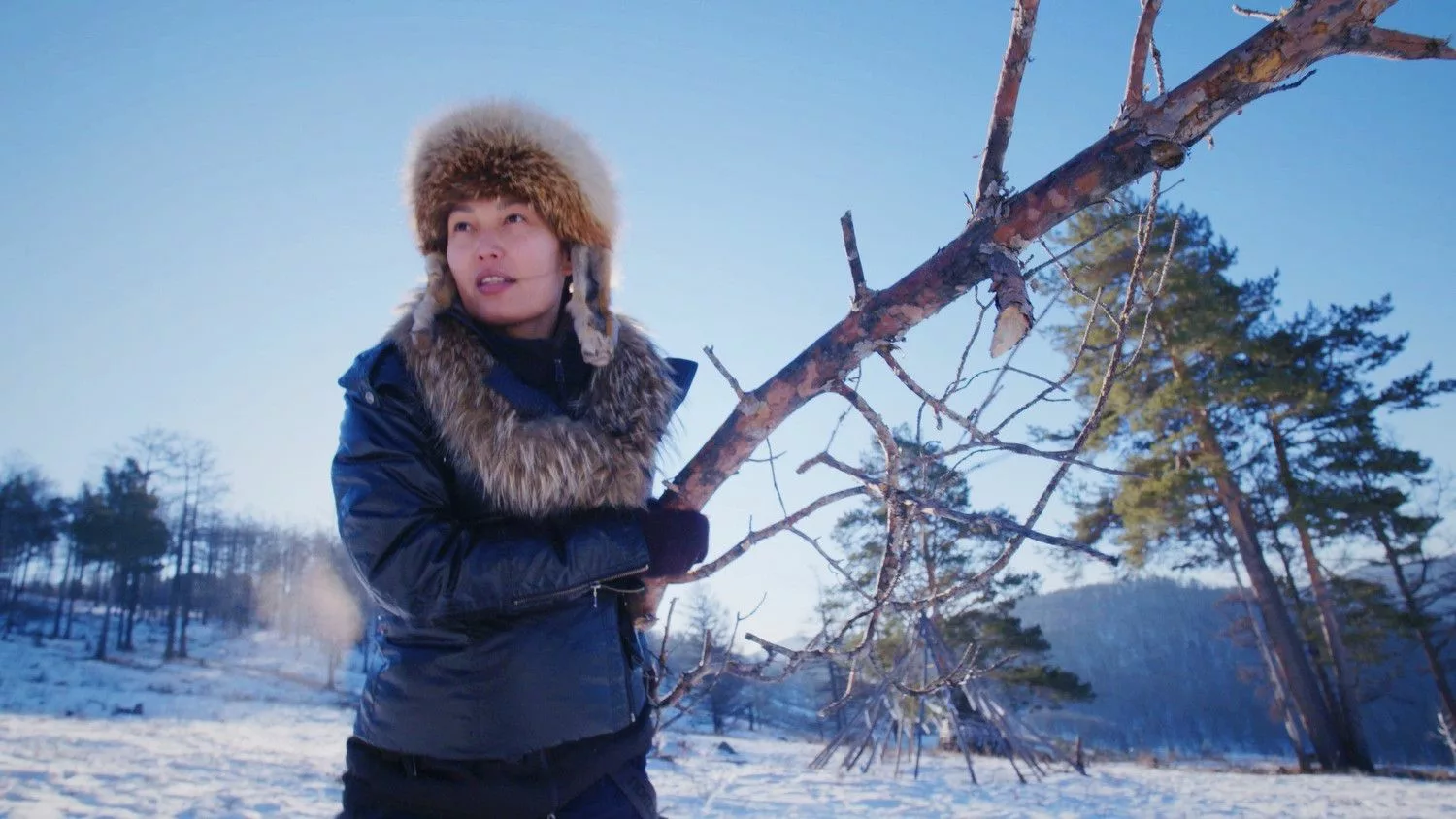
Rather than interviews, the camera simply drank in candid moments. We learn through lived experience alongside the filmmakers, absorbing everyday textures. Chronicling change over such an extended period required creative stamina and trusted access that few documentaries obtain. Yet Als and Juel Poulsen flourished within limitations, letting the passage of time shape their stories instead of vice versa.
Their restrained cinematography slipped seamlessly amid private interactions. Intimate scenes felt neither intrusive nor performative, capturing humanity through delicate filigree. Close-ups conveyed deep wells of emotion, while distant shots situated people in their environments. Balanced imaging sheds light without objectifying its illuminated figures.
Most astoundingly, the directors maneuvered their delicate narrative needle without skewering cultural complexities or prejudicing perspectives. Political nuance emerged from personal journeys, leaving interpretation open as life’s tapestry was weaved on screen. Their film stands as a humble work of portraiture, revealing hidden human depth beneath surface tensions.
Through sophisticated yet understated filmmaking, Daughter of Genghis walks the line between fly and observer with grace. It reminds us that patience and presence can, like time, transform how we see ourselves and others.
Perspectives Shifting in the Hills
At first glance, Gerel Byamba appears fiery and determined about her nationalist goals. Leading militant raids and espousing fervent rhetoric, she seems unwavering in her mission. We witness combative tactics against forces threatening Mongolian identity.
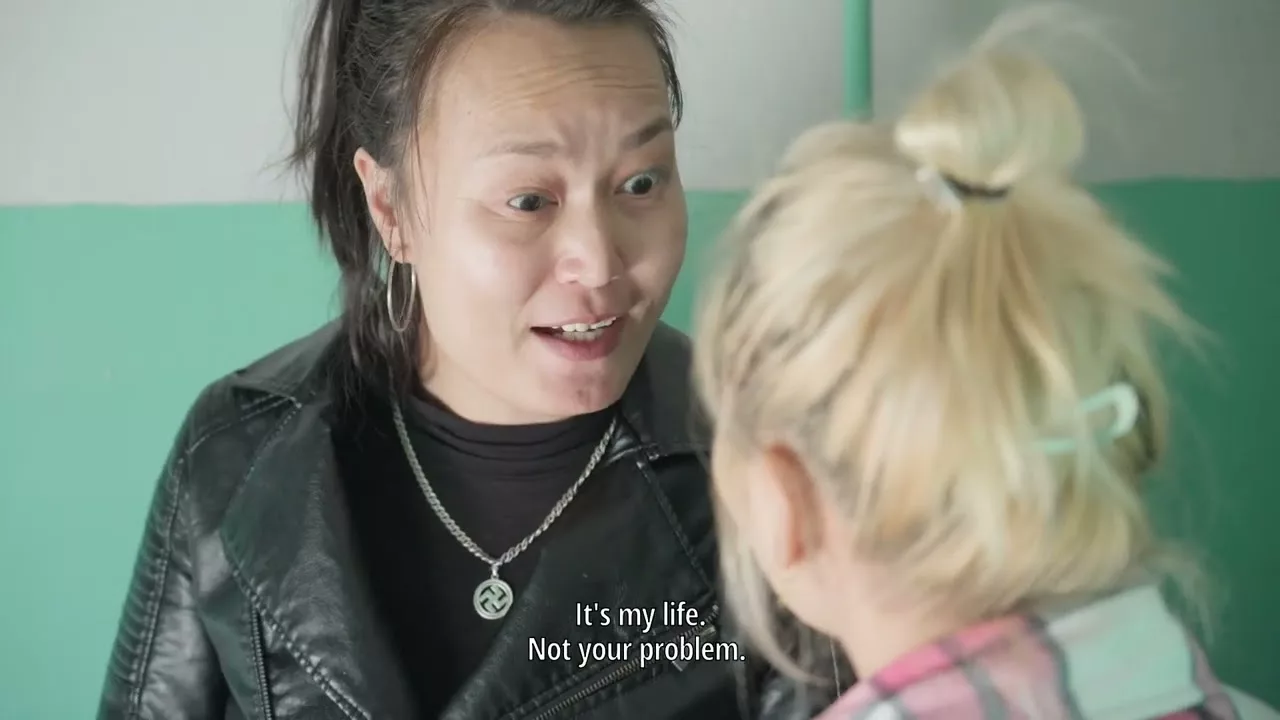
Gradually, the film reveals layers beneath this surface. Byamba opens up about her past, from early family losses to the void filled yet not healed by ultra-nationalism. We come to understand her activism as stemming from internal distress as much as external injustices. As she dedicates herself to helping rural women, motives emerge more complex than initial portrayals suggest.
Subtly, perspectives adjust to the sociopolitical circumstances too. Neighboring nations exploit Mongolia’s people and resources, stirring sentiments of vulnerability. Yet the solution remains unclear, with no easy answers in this prickly geopolitical terrain. National pride exists understandably, but tangible security seems distant still.
Most intriguingly, perspectives evolve on nationalism itself. Initially stirring strong emotions, it gets recontextualized as a response to deeper issues—belonging amid change and dignity in difficult conditions. Byamba’s disillusionment hints at such nuance, as though peeling back layers on a concept too easily reduced.
Through careful, intimate portraits without the pretense of conclusion, the films shape new understandings. In the shifting landscape mirrored by these humble revelations, perceptions transform. Both subject and context develop depth as time unveils complexity embedded within turbulent lives and lands.
Reflections of a Son
From the first moments, we see Temuulen’s youthful exuberance and longing for connection. Though only a boy, he senses his mother’s absence painfully. Byamba remains lost in her nationalist crusade; priorities are elsewhere.
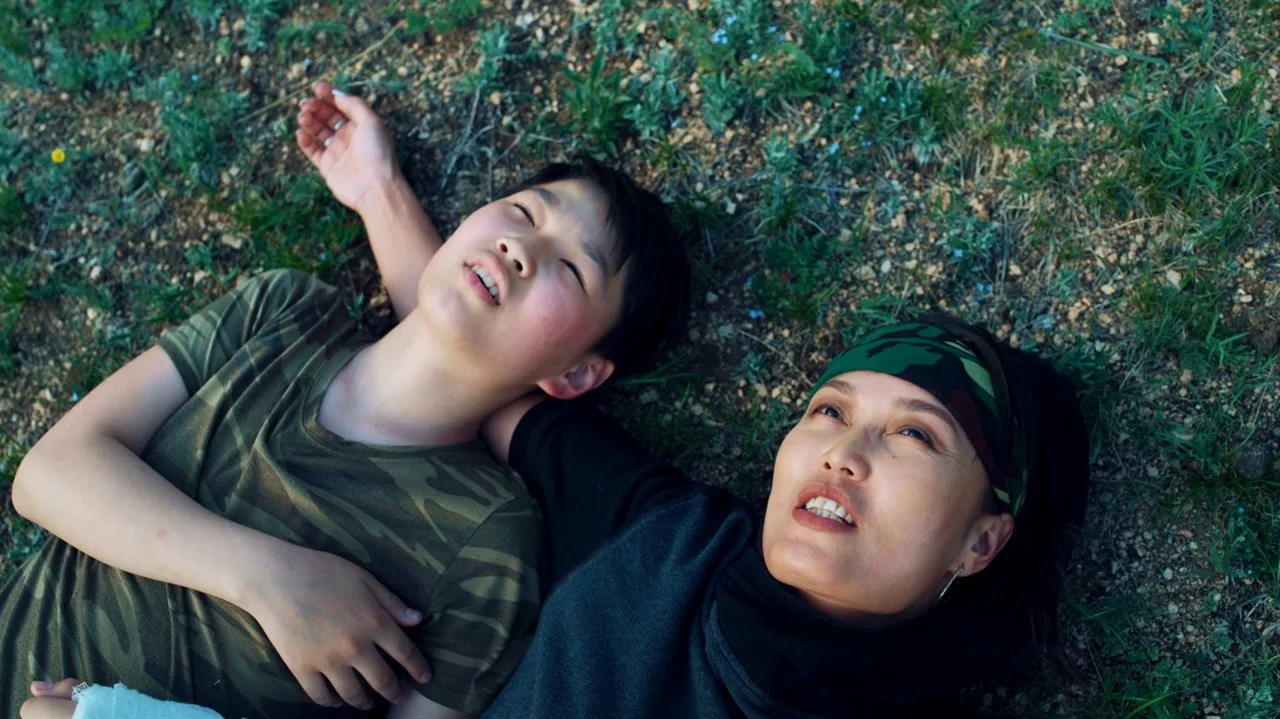
Gradually, a subtle shift brews. As the years pass, Temuulen grows. Yet still he hopes—for time, for answers, for her. His innocence and need paint Byamba’s actions in a softer light. We glimpse how another’s eyes might see beyond politics, exposing humanity beneath.
Slowly, surely, her son’s love will change. Byamba begins noticing his moods, listening to thoughts before being heard. Time once for extremes she now gives him, mending fences gently. Her tactics, once so fierce, soften at the sight of his smile.
This relationship’s rekindling stays in the film’s heart. Through years of turmoil, here blooms life’s simplicity: a mother’s unconditional love drawing her home. We witness wounds heal and trust rebuild through pure affection’s language—a joy transcending all else.
Their story becomes the true story—of one learning to see through another’s eyes. By peeling back layers of pain, it hints at reconciliation’s promise. How the future might differ if all opened their hands to redemption’s gift, a child’s embrace. The hills have much to teach when we watch and listen through innocence’s lens.
Rediscovering Roots Through Living Stories
Daughter of Genghis emerged from its featured landscape, transporting viewers to a seldom-seen world. Beyond offering rare insight into Mongolian life, it demonstrated the power of nuanced, empathetic storytelling to reshape understanding.
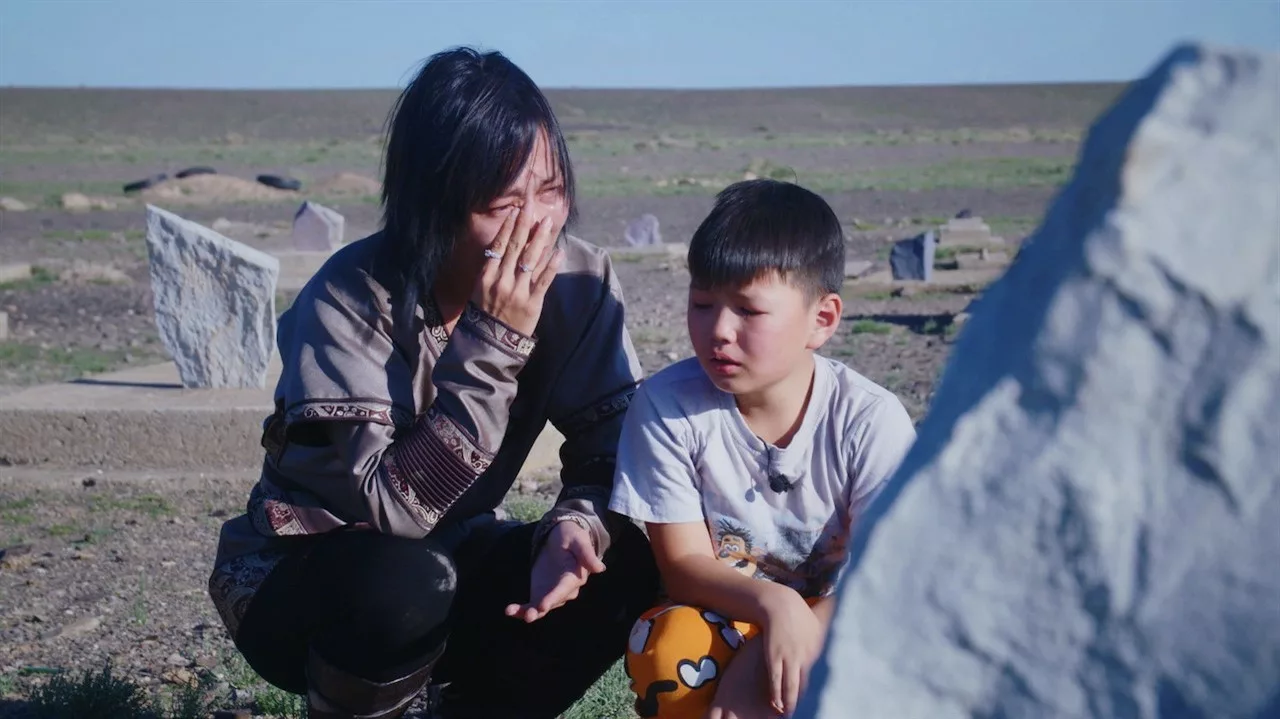
By following Byamba’s evolution over the years, directors unearthed complex truths beyond headlines. They humanized controversial debates around nationalism and cultural preservation. Through showing life’s ambiguities, not absolutes, viewers gleaned how histories rarely conform to simplified notions.
By witnessing a mother and son’s relationship blossom, audiences learned that the personal constantly intersects the political. Complex issues rarely stem from single causes; often, societal wounds mirror private pains. Viewing through compassion exposed resilience emerging from unlikely places and people reconsidering ingrained views with fresh perspectives.
This film reaffirmed that listening across perceived divides, not reacting, best reveals shared hopes. Its emphasis on lived realities transcending rhetoric inspired seeing “other” communities as composed of individual souls, each deserving dignity.
By trustingly showcasing one community’s perseverance, Daughter of Genghis gave voice to many facing marginalization. Its sensitive treatment opened minds to diverse expressions of identity and activism, setting a high bar for documentary storytelling. Ultimately, it proved that representing untold stories with care and nuance can impact social dialogues in enduring ways.
Resilience Through Change
This film presented a complex journey, from Byamba’s fiery nationalism to her evolving focus on loved ones. With care and empathy, directors illuminated how personal wounds fuelled geopolitical fights yet also healed through intimacy.
We watched Byamba harden her shell for crusades yet soften again with maternal delight, revealing humanity under perceived extremes. She demonstrated how activism stems from private pains, and demanding change outwardly often requires transforming within.
Through it all, her son’s growth reminded her that while the winds shift contexts, life’s core relies on relationships. However turbulence tosses ideologies, connections prove anchors for weathering transformation. This family’s story underlines the resilience emerging from such change.
In opening rare windows into little-seen worlds, Daughter of Genghis prompted rethinking stances through fresh context. But its greatest lesson lay in showcasing resilience, not as rigid resistance but as adaptive ability to navigate uncertain roads, guided by compassion for all traveling similarly. Its enduring achievement lies in depicting, with sympathetic artistry, how our shared humanity rises above whatever might divide.
The Review
Daughter of Genghis
The Daughter of Genghis took audiences on a profoundly moving journey. With patience and care, directors illuminated how personal struggles fuel societal fires, yet relationships can help transform all. This film was a masterful, nuanced portrayal of the human experience—our capacity for change and the brighter roads found through empathy, connection, and resilience—in the face of life’s complexities.
PROS
- Sensitive, nuanced portrayal of a complex issue and individual
- Moved beyond surface-level impressions to reveal deeper truths
- Showcased humanity and potential for growth even in extreme stances
- Strong character development of Byamba and son over many years
- Promoted understanding across perceived divisions
CONS
- Some viewers may disagree with the early portrayal of nationalist tactics
- Minimal background provided on geopolitical context at first
- Byamba remains a divisive figure, even as the film aims to humanize her