




























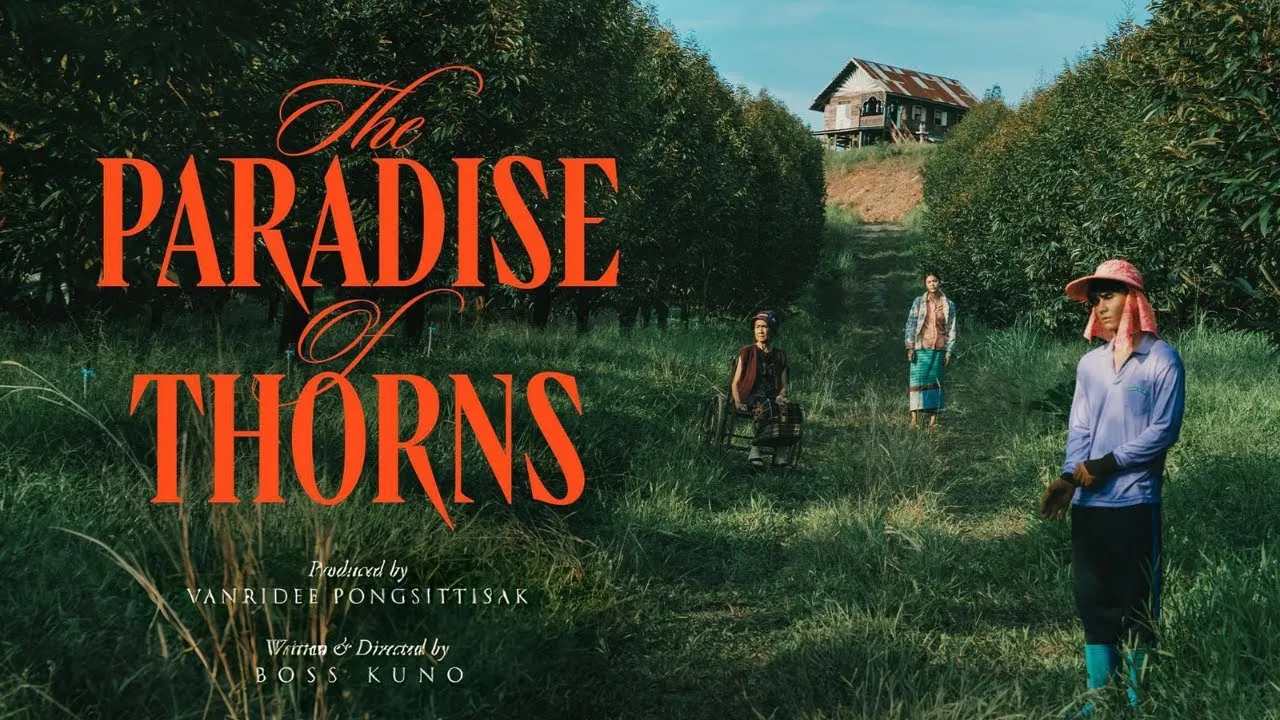

“The Paradise of Thorns” is a powerful cinematic statement about love, loss, and legal invisibility in modern Thailand. Naruebet “Boss” Kuno directed the film, which is a captivating dramatic thriller that examines the difficulties of homosexual relationships in a nation still battling legal recognition.
Set in a verdant durian orchard, the story follows Thongkam and Sek, a couple whose close world is destroyed by tragedy. When Sek dies, Thongkam is legally impotent, watching as the land they’ve worked together slips from his grip. The farm—more than just land—represents their shared ambitions, love, and future, which are now jeopardized by outdated legal structures that refuse to recognize their union.
The film arrives at a pivotal point in Thai social discourse. While Thailand is widely seen as culturally welcoming of LGBTQ+ people, legislative protections remain frustratingly limited. Kuno’s narrative is set against a stark backdrop of the Constitutional Court’s 2021 verdict, which effectively ostracized same-sex couples. The film emphasizes personal struggle and transforms a political statement into a human experience.
Kuno’s approach is subtle and avoids conventional victim tales. Instead, he creates a complicated universe in which characters are motivated by desperation, survival, and the basic human urge to be acknowledged. The durian orchard becomes a figurative battlefield—spiky, challenging, yet potentially sweet—reflecting the characters’ emotional experiences.
“The Paradise of Thorns” is both a social criticism and a dramatic inquiry. It invites viewers to observe the deep personal cost of systemic discrimination and makes visible the invisible suffering of individuals denied fundamental legal recognition.
Bitter Harvest: A Tale of Love, Loss, and Land
In the foggy hills of rural Thailand, a durian orchard is more than just agricultural land; it symbolizes love and survival. Thongkam and Sek have spent five years developing this plot of land into their paradise, producing fruit and hopes of a shared future. Their deep and passionate relationship occurs in a difficult environment where emotional connection precedes legal recognition.
Tragedy happens when Sek falls from a durian tree, shattering their carefully crafted world. Without formal marriage protection, Thongkam is instantly vulnerable. The orchard—technically in Sek’s name—becomes a war for survival when Sek’s mother, Saeng, and her adoptive daughter, Mo, arrive, determined to claim the land.
What follows is a frantic chess struggle for survival. Saeng, a crippled and deceptive individual, regards the orchard as her rightful inheritance. Mo, torn between loyalty to her mother and her complex motivations, proves a powerful opponent to Thongkam. Each character acts out of pure survival instinct, blurring the distinctions between victim and perpetrator.
Thongkam refuses to be a passive victim of his circumstances. He creates a systematic retribution plot, becoming both sympathetic and cunning simultaneously. His path evolves from mourning to a calculated goal to restore what he believes is properly his—not just land but also a memory of love.
The orchard becomes a microcosm of broader societal problems, including generational rivalries, LGBT discrimination, and the harsh economics of survival. No matter how problematic, each character’s acts spring from fundamentally human motivations such as belonging, security, and recognition.
By the end of the narrative, the durian orchard has changed into a battlefield where human histories intersect with systemic injustices.
Twisted Roots: Characters Beneath the Surface
Thongkam emerges as a captivating character—half victim, part vindictive mastermind. Initially overcome by grief, he evolves into a cunning operator unwilling to be beaten by systematic injustice.
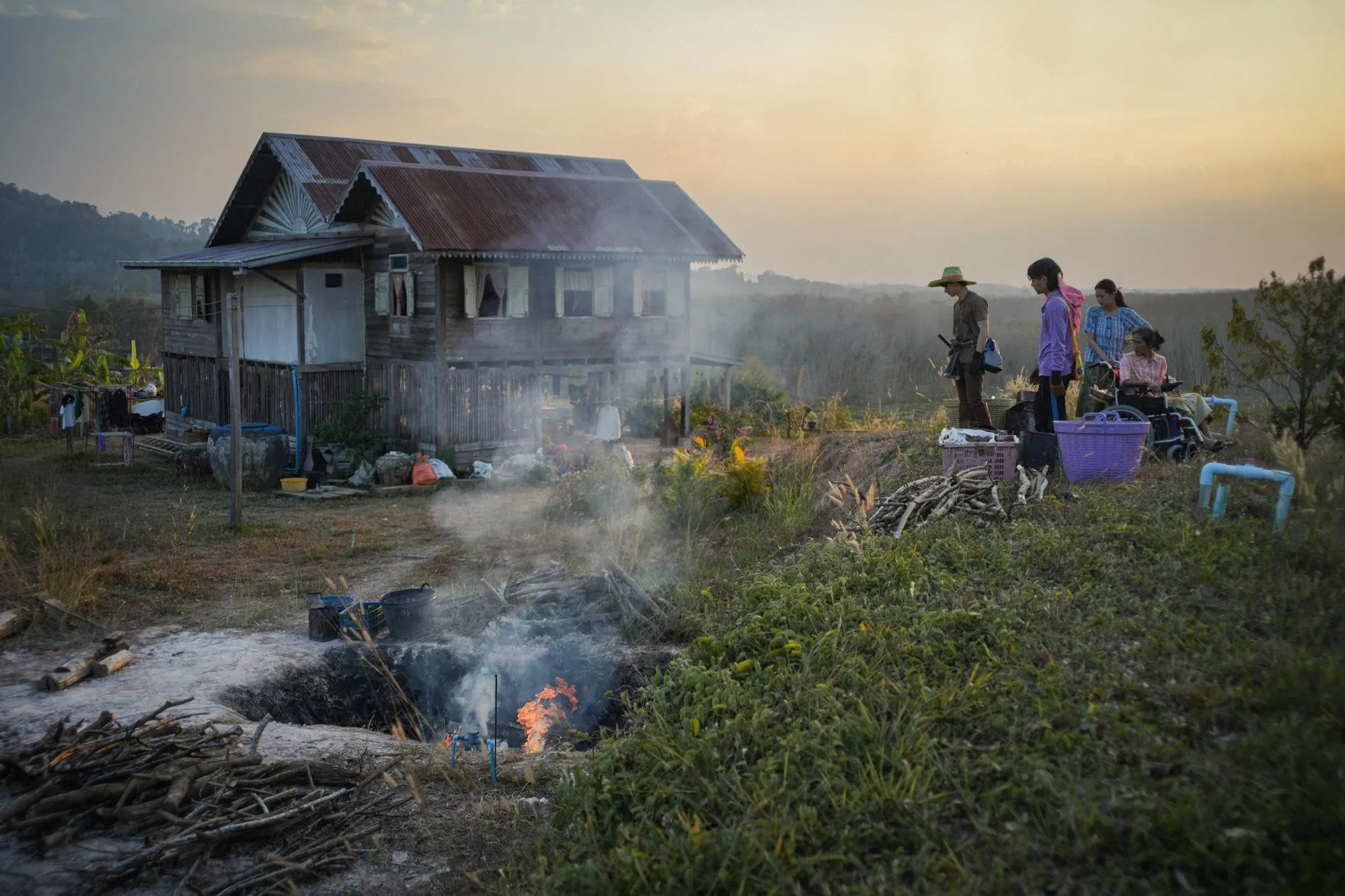
His character development is a great balance of vulnerability and manipulation, capturing the survival drive of someone who has lost everything but refuses to give up. Jeff Satur’s acting conveys this complexity by portraying Thongkam as a simultaneously sympathetic and morally problematic man.
Sek, who appears briefly, serves as the narrative’s emotional anchor. His death is more than just a story element; it is a seismic event that shakes Thongkam’s world. Their connection signifies more than passionate love; it represents a tangible and symbolic fantasy of shared ownership in a society that refuses to formally recognize their union.
Saeng embodies generational struggle. She’s not a one-dimensional villain but a complicated figure who represents conventional Thai familial expectations. Disabled and reliant on Mo, she simultaneously demands complete loyalty while providing nothing emotional in return. Her role encourages viewers to understand cultural factors that may appear exotic or oppressive from the outside.
Mo is the narrative’s most multifaceted character, a desperate chameleon. Adopted and constantly seeking maternal approval, she becomes predator and prey in the orchard’s harsh surroundings. Her actions result from a deep well of emotional neglect, making her simultaneously despicable and terribly human.
Jingna embodies hope and vulnerability, ultimately succumbing to the film’s ruthless ecosystem. His connection with Thongkam contrasts the main narrative’s darkness, implying that love may exist even in the most shattered environments.
Each character is a thorn in this “Paradise”—sharp, potentially destructive, yet intrinsically part of the same intricate organism. Their overlapping journeys demonstrate how moral compromise is frequently necessary for survival and how love can simultaneously heal and destroy.
Roots of Resistance: Metaphors of Survival
The narrative of “The Paradise of Thorns” powerfully investigates marginalization, with the durian orchard serving as a complex symbolic environment where personal and political tensions meet.
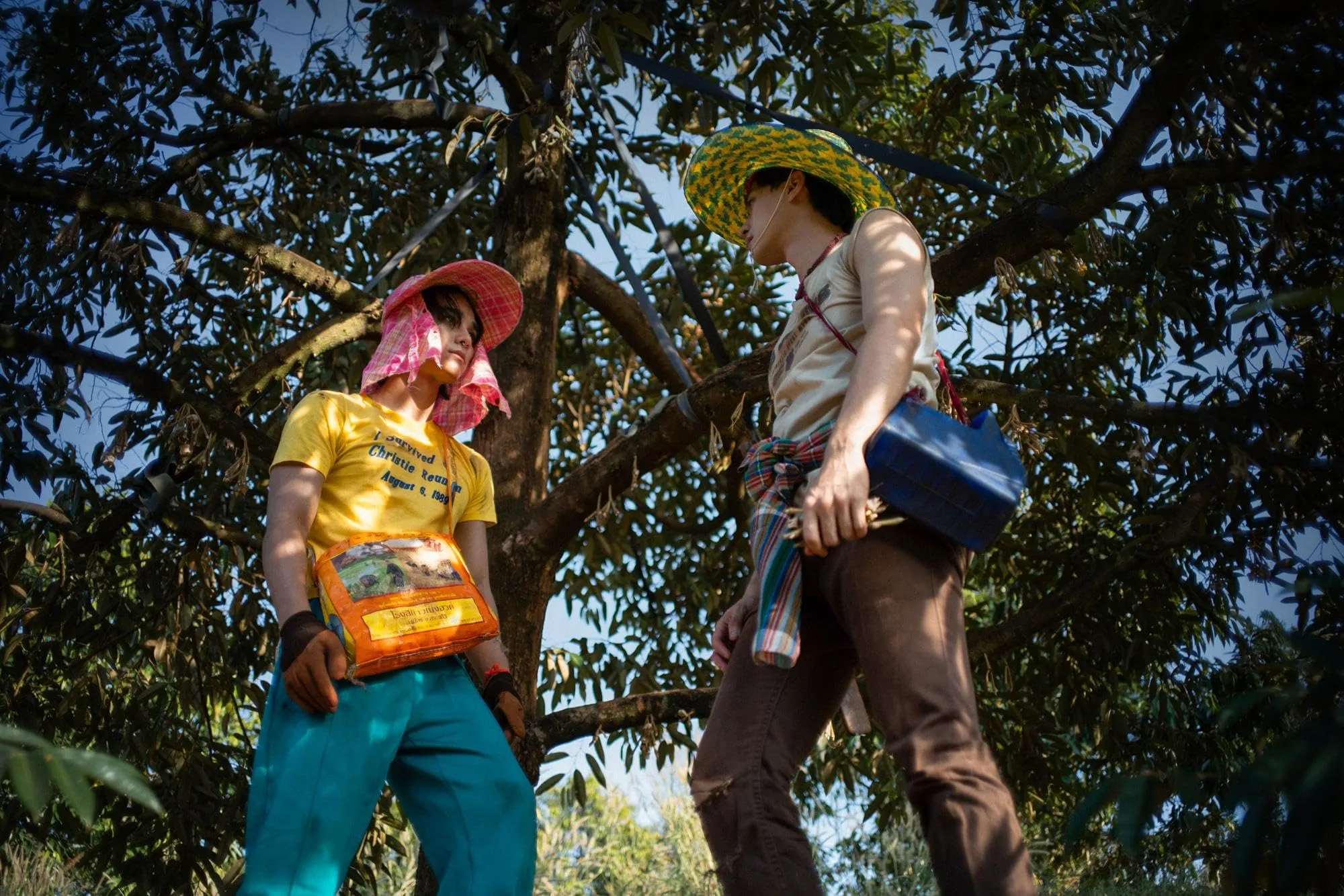
The story’s central theme is LGBTQ+ rights, which exposes the devastating effects of legal invisibility. Thongkam and Sek’s relationship is in a difficult transitional space—deeply bonded but structurally unprotected. Their love becomes a kind of resistance against institutional discrimination, with the orchard symbolizing their defiance of heteronormative legal systems.
Land ownership emerges as a potent metaphor for power and survival. The durian plantation is more than just real estate; it’s a battleground where emotional and legal boundaries are contested. The characters’ relationships with the land reflect deeper ownership, inheritance, and belonging realities.
The durian itself becomes an excellent narrative device. Spiky, challenging to handle, and demanding delicate manipulation, it reflects the characters’ emotional landscapes. The relationships in this story take careful navigation, just as the fruit does. Its significance in Thai society adds to the symbolic intricacy, making a simple agricultural commodity a sophisticated storytelling instrument.
Like underground roots, family secrets, and intergenerational trauma run across the narrative, betrayal is not just a plot device but also a survival tactic. Characters don’t just act maliciously; they respond to intricate historical and emotional influences that have shaped their worldview.
Finally, the orchard signifies hope—fragile, contentious, yet enduringly alive. It demonstrates the human ability to develop beauty even in difficult settings when love becomes a form of radical resistance.
Landscape of Emotion: Visual Poetry in Motion
Tawanwad Wanavit’s cinematography elevates “The Paradise of Thorns” from a simple narrative to a visual symphony. The Thai countryside becomes more than a backdrop; it’s a living, breathing character brimming with genuine emotional power.
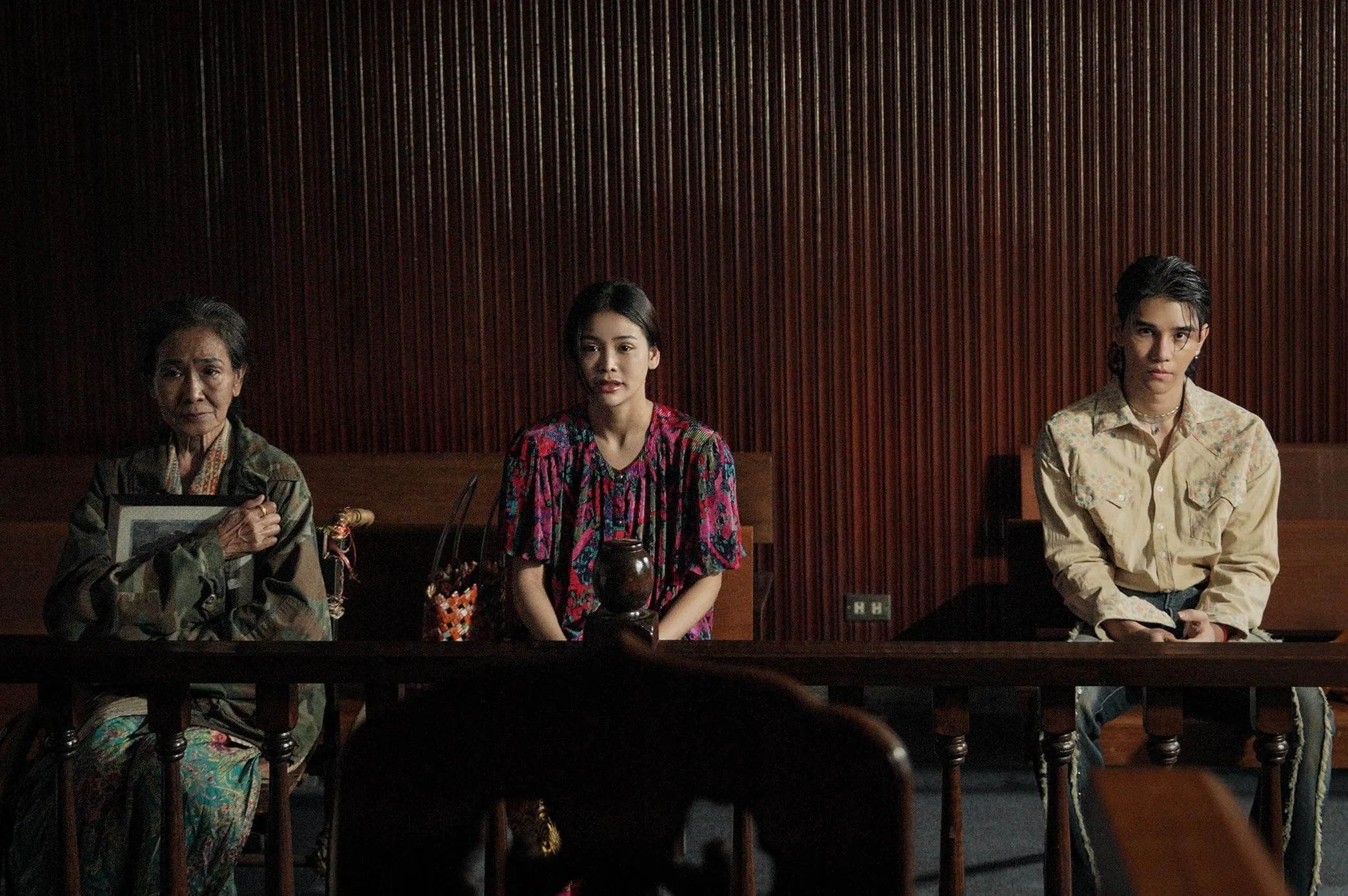
Lush green landscapes roll in waves, capturing the durian orchard’s intricate ecosystem. Each frame is painstakingly crafted, combining the raw beauty of the natural world with the character’s inner turmoil. The lush countryside parallels the film’s emotional landscape, appearing tranquil on the surface yet rife with underlying tensions.
Where dialogue fails to communicate, Wanavit’s visual language says volumes. Tight shots of spiky, complicated durian fruits that require cautious handling serve as metaphors for the characters’ emotional situations. Wider landscape shots emphasize solitude and vulnerability, making the environment a narrative component.
The cinematography resembles films like “Blink Twice” and “Poor Things,” adopting a baroque strangeness that transforms rural Thailand into a psychological landscape. Shadows play across faces, creating visual poetry that depicts interior tensions with astonishing precision.
Color becomes a storytelling tool. The oppressive atmosphere of the orchard is communicated through muted greens and earthy browns, with occasional bursts of brilliant hues hinting at emotional ruptures that are about to emerge.
More than technical brilliance, this is visual storytelling at its most intimate—with each frame whispering secrets deeper than words.
Sonic Landscapes: Whispering Thorns
The musical landscape of “The Paradise of Thorns” is a silent character—present, breathless, and always on the verge of revelation. Composer Dot Vertex creates a simultaneously personal and expansive soundscape, reflecting the orchard’s complicated emotional topography.
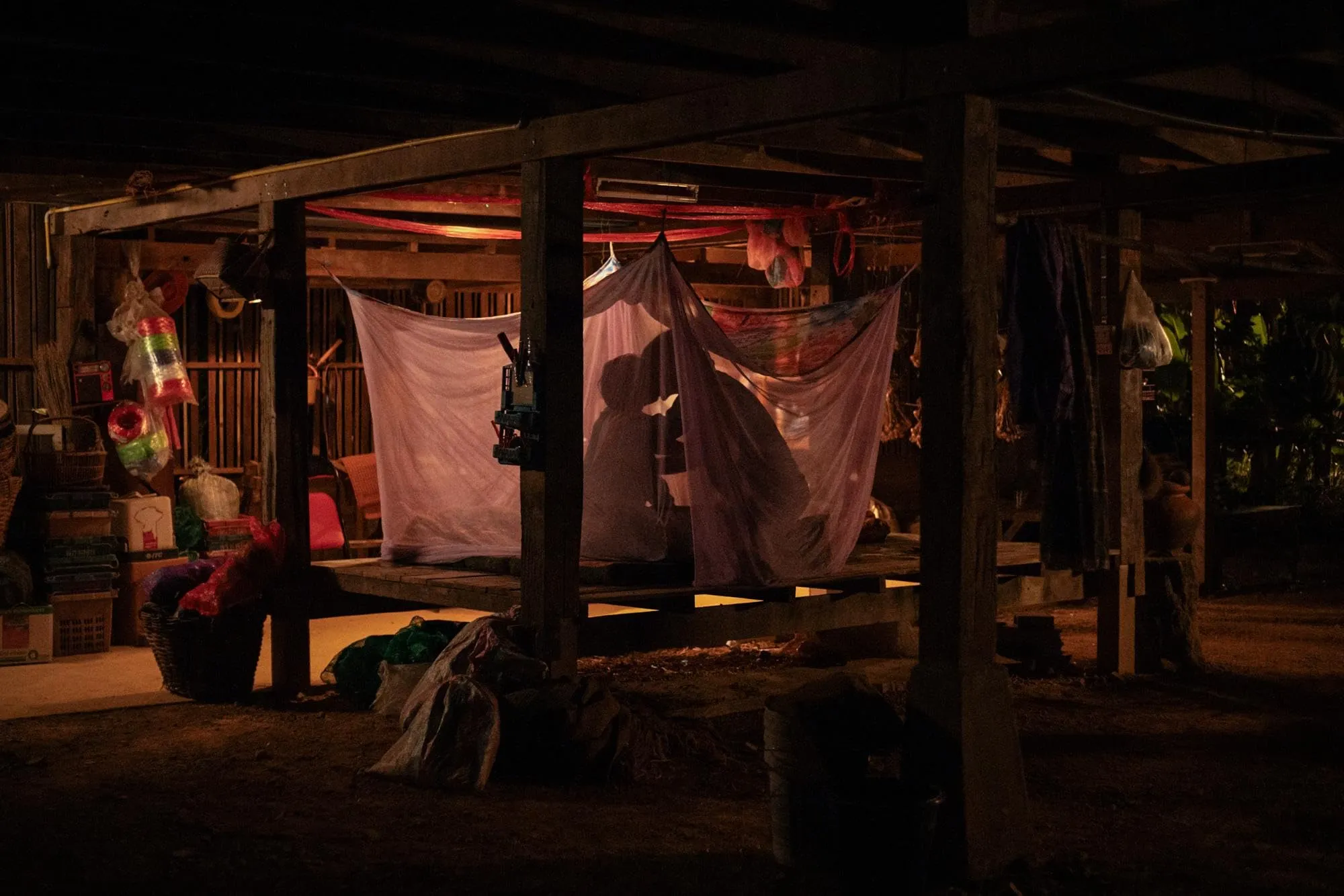
Minimalist arrangements serve as a narrative device, with scant instrumental touches that reflect the characters’ interior difficulties. Traditional Thai musical components merge with modern experimental sounds, creating a sonic tapestry that is both familiar and frightening. Strings tremble with unresolved tension, while percussion replicates the rhythmic heartbeat of emotional struggle.
Ambient sounds transform the orchard into a live, breathing organism. The rustle of durian leaves, distant bird sounds, and the gentle creaking of wooden structures all become part of the storytelling. These ambient sounds aren’t just background noise but emotional cues that emphasize moments of vulnerability, threat, and possible transformation.
Particularly magnificent are the moments when quiet is as powerful as sound. Dot Vertex realizes that the lack of sound can sometimes be the most meaningful musical statement, creating space for listener reflection.
The soundtrack does more than just support the narrative; it also uncovers emotional undertones. Each musical word feels like a whispered secret, revealing levels of anguish, hope, and perseverance that dialogue cannot convey.
More than just a backdrop, this aural poetry elevates “The Paradise of Thorns” from a film to an immersive emotional experience.
Crafting Complexity: Narrative Alchemy
Boss Kuno emerges as a directing alchemist, transforming potentially dramatic material into a subtle examination of human resilience. His approach resists easy categorization, combining societal commentary with raw emotional storytelling that refuses to be labeled.

The writing balances soap opera intensity with serious social commentary. Kuno’s narrative method involves simultaneously creating likable and morally complex characters. Thongkam, in particular, develops into a stunning character study—half Disney-esque retribution protagonist, part authentic emotional terrain.
Pacing becomes a strategic tool in Kuno’s storytelling arsenal. The narrative emerges like a slow-burning durian, with prickly skin and a revealing sweetness beneath. Tension rises gradually, with each scene meticulously designed to reveal deeper layers of character motivation.
The dialogue sparkles with subtle brilliance. Characters don’t just speak; they navigate intricate emotional terrain, their words laced with subtext about power, survival, and recognition. The script avoids conventional victim narratives, instead comprehensively examining marginalization.
Most impressively, Kuno makes a very political narrative feel intensely intimate. The film’s themes of legal recognition and LGBT rights are never preachy; rather, they develop naturally from character experience.
More than a film, this is a meticulously crafted emotional environment in which every narrative choice feels deliberate and breathtakingly human.
Echoes of Resistance: Beyond the Screen
“The Paradise of Thorns” goes beyond cinema, becoming a powerful social commentary wrapped in magnificent storytelling. It’s more than just a film; it’s an emotional explosion that detonates common cultural beliefs about love, ownership, and legal recognition.
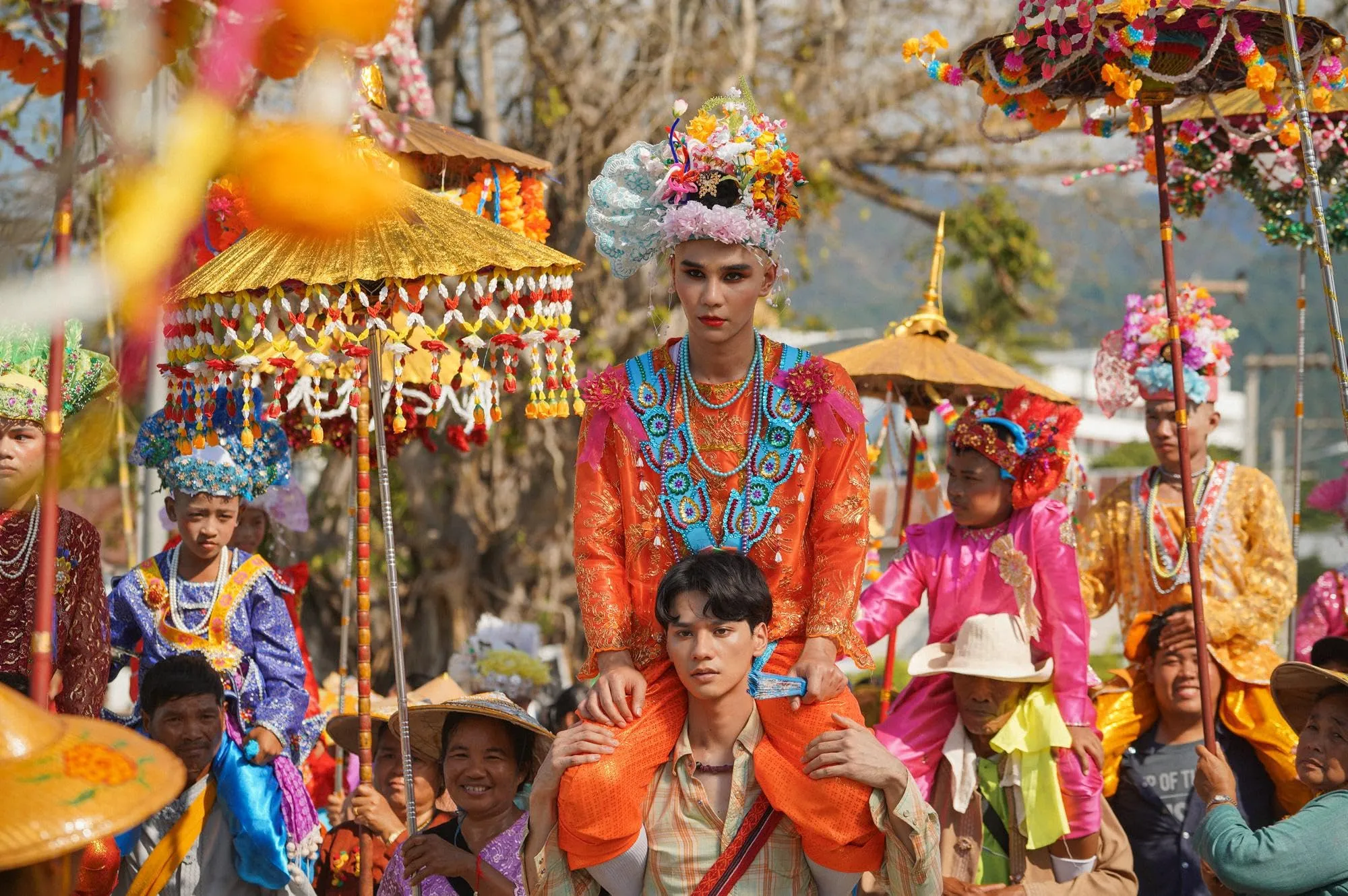
Kuno’s narrative is surgically precise, translating personal suffering into a universal plea for dignity. Each scene exudes real sincerity, refusing to allow viewers to remain passive observers. As does vulnerability and strategic survival, grief, and resistance coexist in the emotional landscape.
For Thai LGBTQ+ audiences, this film is more than just a depiction; it reflects societal problems and human strength. The narrative questions legal invisibility, transforming personal struggle into a larger discussion of human rights.
Cinematically, the film is a landmark. It combines art-house sensibilities with urgent social critique, creating a viewing experience that is simultaneously intellectually interesting and emotionally distressing.
“The Paradise of Thorns” is imperfect but powerful and demands our attention. It’s a must-see for anyone interested in understanding the complicated intersections of love, legality, and personal agency in modern Thai culture.
More than just a film, this is a revolution disguised as storytelling.
The Review
The Paradise of Thorns
"The Paradise of Thorns" is a cinematic revelation that refuses to be overlooked. Boss Kuno has crafted a masterpiece transcending traditional storytelling, weaving together personal drama and social critique with extraordinary delicacy. The film's power lies in transforming a specific narrative of love and loss into a universal exploration of human resilience. Jeff Satur's performance anchors the film, bringing depth and nuance to Thongkam's complex journey. The cinematography by Tawanwad Wanavit turns the durian orchard into a character itself—beautiful, brutal, and laden with symbolic richness. This isn't just a movie; it's a statement. It challenges societal norms, exposes legal inequities, and celebrates the human capacity to love and survive against overwhelming odds.
PROS
- Exceptional cinematography that transforms landscape into narrative
- Powerful performances, especially by Jeff Satur
- Nuanced exploration of LGBTQ+ rights in Thai society
- Innovative storytelling that blends personal drama with social critique
- Stunning visual metaphors using the durian orchard
- Minimalist yet impactful musical score
CONS
- Occasional pacing issues
- Some narrative tensions could be more refined
- Potentially challenging for audiences unfamiliar with Thai cultural contexts







