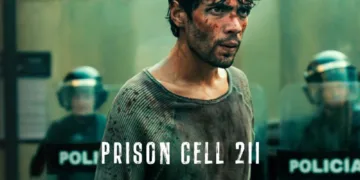























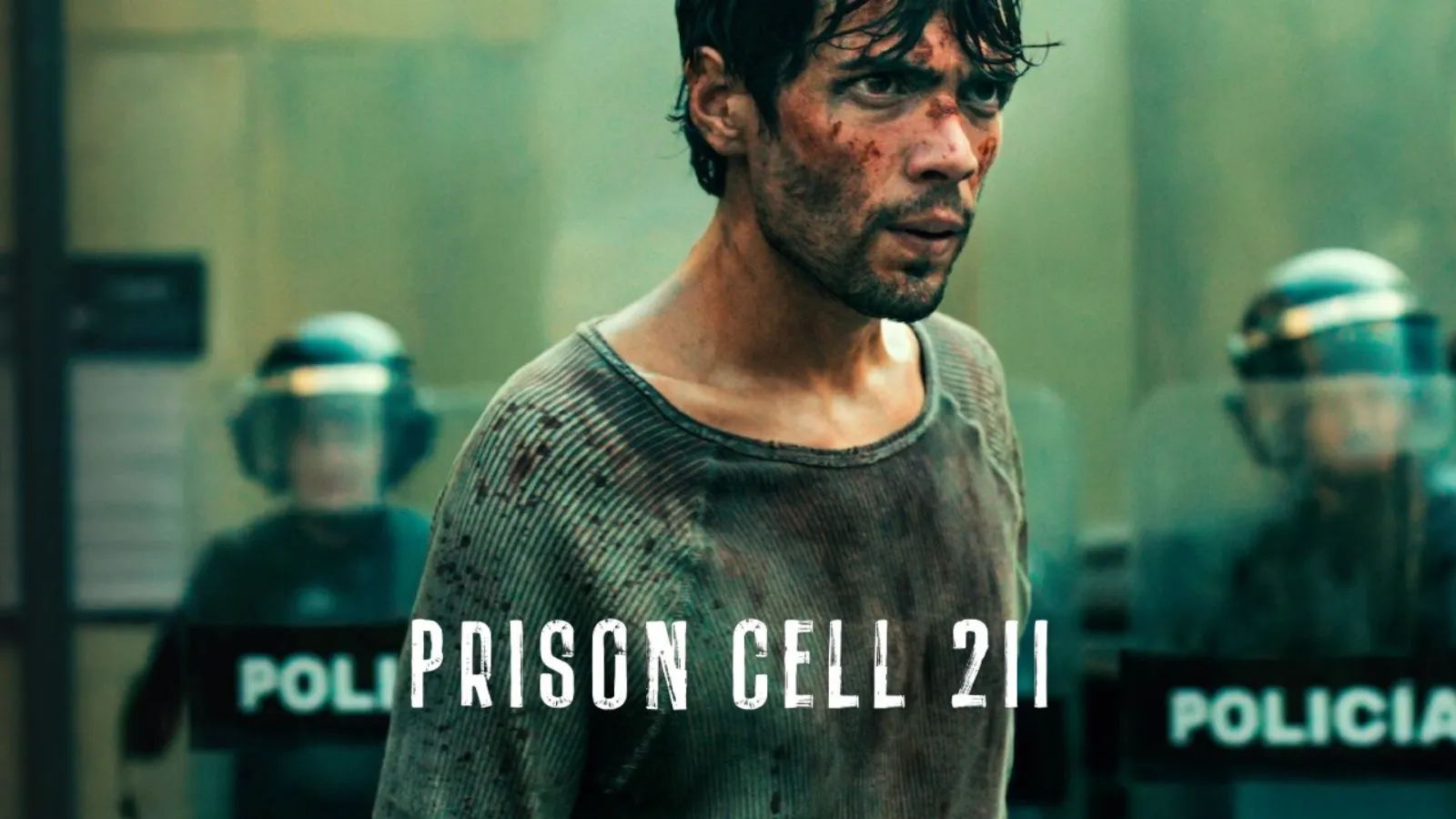

A human rights lawyer finds himself ensnared in a violent uprising at a notorious Ciudad Juárez penitentiary—a scenario that transforms routine legal work into an odyssey through chaos. The narrative opens with this unlikely protagonist, whose professional life takes a radical turn amid the clamor of a riot.
Set in a location with a long record of turbulence (a detail that adds a certain grim realism), the series paints a picture of a prison environment that mirrors the fissures in modern society. (The irony of a legal expert grappling with the very law he represents often provokes a wry smile.)
Tracing its lineage to a celebrated literary work and a previous cinematic rendering, the series refreshes its source material by integrating recent episodes of actual unrest. The real-life incident that informs part of the storyline lends a layer of gritty authenticity—one that transforms fiction into a reflection of lived experiences.
The mood established is one of unyielding intensity and unexpected twists. From its opening moments, the show questions the integrity of power structures and the vulnerabilities inherent in human institutions. Themes of societal discord and institutional neglect surface repeatedly, prompting a thoughtful reconsideration of the nature of authority and justice (a matter that occasionally invites both levity and sober reflection).
Plot Machinations Amid Prison Uprising
A human rights lawyer’s ordinary visit morphs into a cataclysmic encounter when a riot suddenly ensnares him within the stark corridors of a notorious penitentiary. Juan Olvera, whose daily routine once revolved around legal briefs and measured arguments, finds himself confronted by an eruption of violence that strips away all familiar certainties. The chaos is abrupt and merciless—a scenario that forces him into a survival mode he never sought (a situation that may evoke a dry smile from those aware of life’s capricious twists).
The narrative thrust follows a path marked by escalating conflicts among warring inmate factions. Rivalries ignite swiftly as power struggles burst forth in unexpected quarters. Olvera’s reluctant transformation—adopting a false identity to slip past the vigilant eyes of both inmates and corrupt officials—emerges as a turning point that alters the course of his existence.
A hostage situation involving a high-profile prisoner serves as a dramatic accelerant; this precarious maneuver highlights the tenuous hold that various players have on the unfolding events, injecting an almost surreal quality into the proceedings.
At the same time, the storyline juggles multiple narrative threads. One strand focuses on the inner workings of the prison—a microcosm of historical rebellions and social upheavals—while another concentrates on the external forces applying pressure from the outside world.
Scenes of sudden, violent confrontation alternate with quieter moments that reveal the characters’ inner vulnerabilities (a contrast that sometimes borders on absurdity). The episodic format permits a more granular examination of secondary plots, offering a wider perspective on the complex power dynamics that govern life behind locked doors. This multifaceted structure often leaves room for debate, as its intricacies occasionally permit conflicting interpretations of the unfolding events.
Portraits in Turmoil
Juan Olvera’s character offers a fascinating study in human complexity. A devoted human rights lawyer thrust unexpectedly into mayhem, his calm professional demeanor shatters as he is forced into a life-threatening situation.
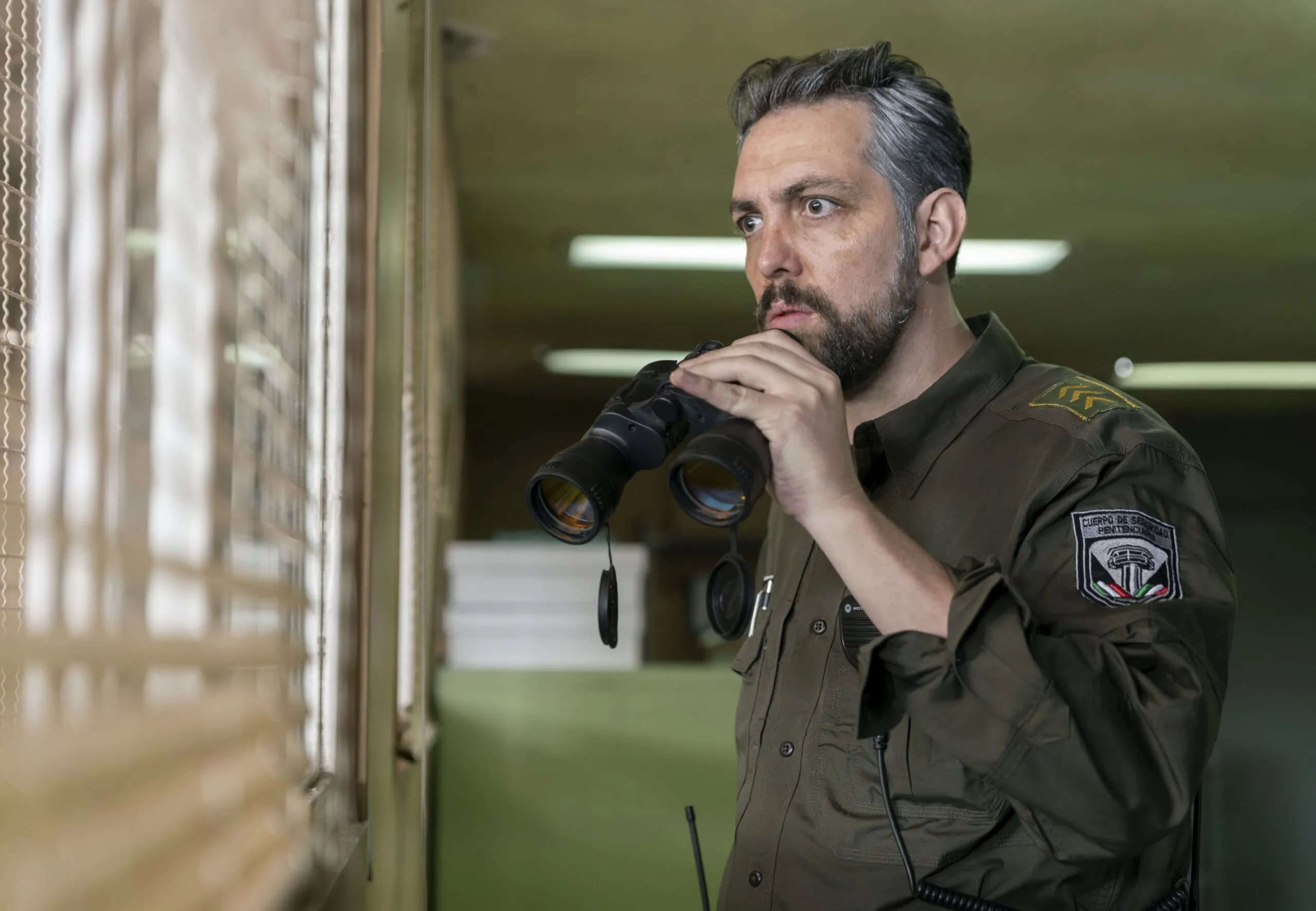
The transformation he undergoes—a reluctant reinvention under dire circumstances—reveals a man wrestling with conflicting impulses. One moment, he stands as a paragon of legal rectitude; the next, he scrambles to survive, his inner turmoil laid bare (picture a scholar unprepared for a bar brawl). His predicament exposes a striking irony: the very principles he defends are undermined by the brutal demands of survival.
Calancho, the riot’s charismatic leader, assumes the role of a dangerous counterforce. His presence is both magnetic and unsettling, marked by a brand of radical fervor that recalls historical insurgencies. Calancho’s actions possess a clinical precision that suggests personal ambition interwoven with a fervent, if dubious, ideological vision. He projects a certain cold resolve—a man who employs charm as both shield and weapon—casting his followers into a frenzied loyalty (a scenario that might leave one half-amused by the absurdity of power dynamics).
Supporting this central conflict is a cast of secondary figures who enrich the narrative fabric. Helena, Olvera’s expectant wife, embodies a quiet resilience amid chaos, her presence hinting at life and hope beyond the immediate violence. The diverse array of inmates, each caught in the intricate social hierarchy of the prison, contributes to a mosaic of human behavior.
Their interactions reveal tensions and alliances that mirror wider societal fractures, serving as subtle allegories for modern social discord. Even the minor roles add a measure of complexity—a kind of “prison-morphosis” that transforms raw chaos into a multifaceted depiction of institutional decay and personal valor.
Existential Echoes Amid Institutional Turbulence
Survival here is less a matter of instinct and more a rapid reinvention. Characters find themselves forced to assume unfamiliar personas as a means of self-preservation. Juan, a lawyer bound by firm principles, becomes an unwilling participant in a violent transformation. His struggle—a collision between ethics and raw survival—raises questions about the price of maintaining one’s identity under relentless pressure (a veritable case study in crisis-induced self-reinvention).
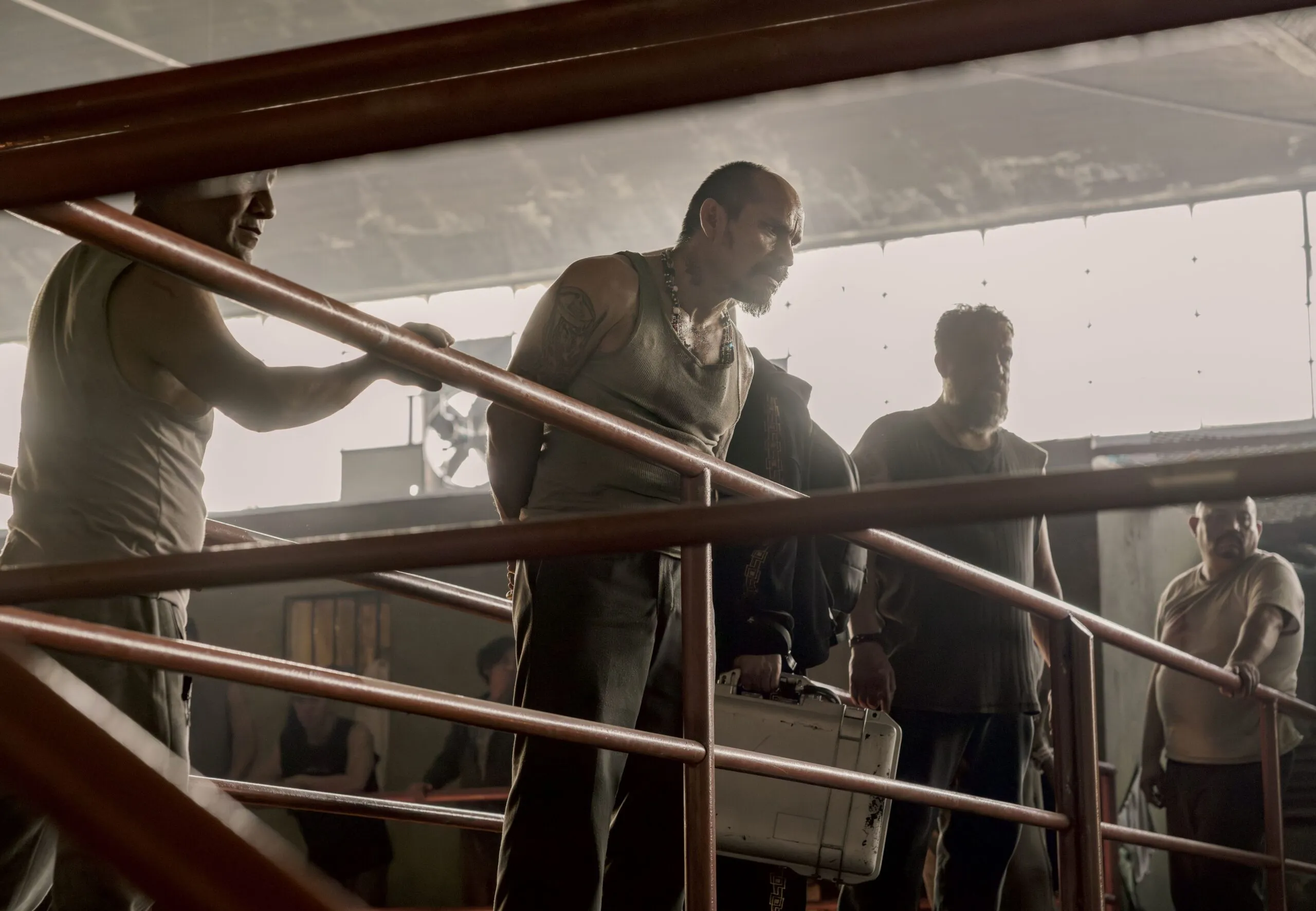
The narrative exposes a system steeped in corruption and unchecked brutality. Within the prison’s oppressive walls, factions engage in ruthless contests for control. These conflicts mirror historical episodes of civil strife, where power was seized through both charm and sheer coercion.
Every shift in authority, every subtle betrayal, illustrates how institutions can morph into breeding grounds for exploitation. Here, power is both a commodity and a curse—a weapon wielded to secure favor or to subjugate (one might call it a paradox of authority).
The series also issues a pointed commentary on justice and societal neglect. The prison itself becomes a microcosm of a nation grappling with institutional failure and economic disparity. The chaotic corridors and fractured hierarchies speak to deeper issues of disenfranchisement that echo through modern history.
While some moments of social criticism might strike as heavy-handed, they nevertheless invite viewers to question the very structures that govern collective life. In this portrayal, every act of violence and every uneasy alliance carries symbolic weight, prompting reflection on the cultural imprints left by state inattention and systemic imbalance.
Visual Echoes and Sonic Shadows
The series crafts a prison environment that is as oppressive as it is meticulously constructed. Narrow, damp corridors and cramped cell blocks evoke a tangible sense of suffocation, each detail contributing to an atmosphere reminiscent of infamous detention centers from troubled chapters of history (a nod to the stark imagery of past penal systems). The set design operates almost as a silent narrator, its every decay and shadow hinting at the systemic failures that mirror the harshness of reality.
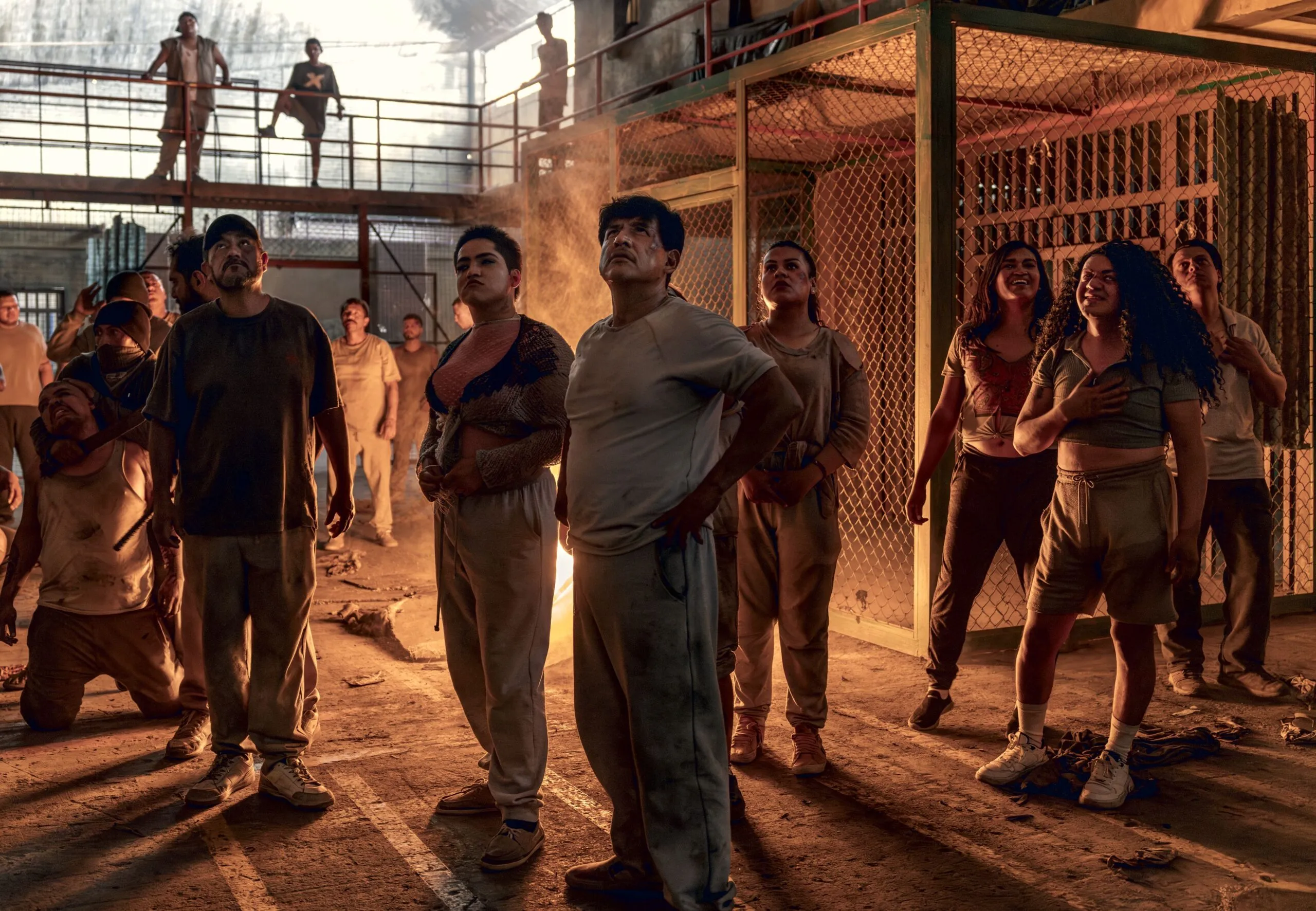
A discerning directorial eye transforms these spaces through a visual language that is both raw and deliberate. Lighting techniques—harsh, unyielding fluorescent beams juxtaposed against deep, engulfing shadows—shape the mood with clinical precision.
Camera angles, often tilted and unsteady, capture the riot’s brutality with an almost surgical clarity. This interplay of light and darkness, along with a dynamic framing, conveys a tension that pulses like a heartbeat through the disordered halls.
Sound design contributes significantly to this immersive experience. The metallic clamor of slamming cell doors, muffled shouts echoing in abandoned corridors, and the ambient hum of confinement together form a sonic portrait of unrest.
Editing punctuates the visual narrative with rapid cuts and sudden stills—a technique I refer to as “audioshock pacing” (a term coined to describe this jolting rhythm). Each sound and cut serves to amplify the inherent dread of the setting, turning the prison itself into a powerful emblem of institutional decay and human fragility.
Kinetic Rhythms and Narrative Cadence
From the outset, the series structures its narrative into discrete episodes that blend gradual character evolution with sudden, electrifying bursts of action. Each installment acts as a compact study in rising tension—a silent countdown culminating in explosive scenes (think of it as a cinematic jolt delivered with precise timing).
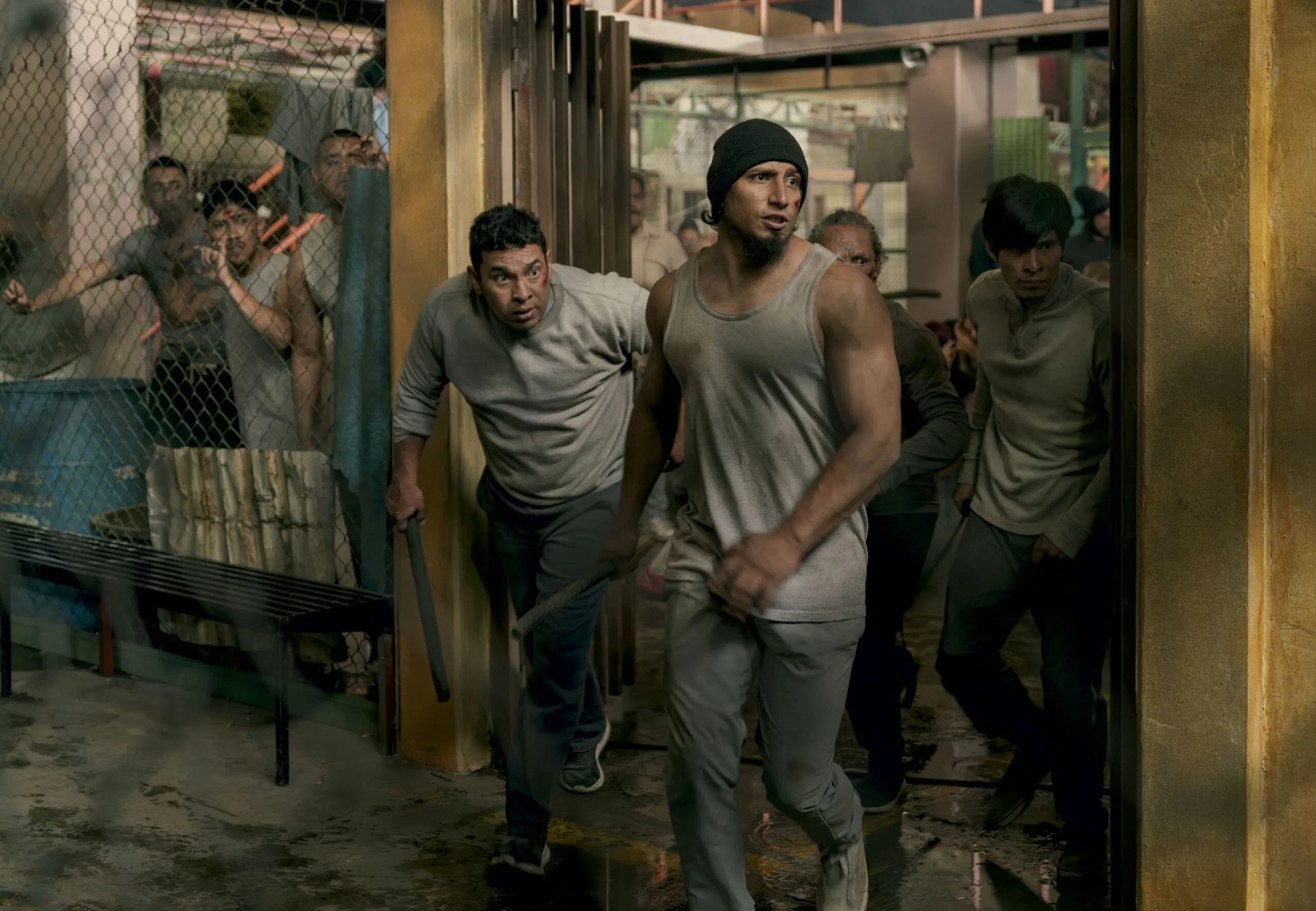
Cliffhangers punctuate transitions, snapping the viewer back from quiet reflection to the imminent threat of chaos, reminiscent of those unforeseen moments that have historically reshaped public opinion during times of social unrest.
The narrative smartly intersperses high-intensity riot sequences with quieter, introspective interludes that peel back layers of character motivation. These reflective segments serve as narrative pauses, offering insight into a legal quandary set against a backdrop of institutional decay. One may find that the pacing occasionally falters—a momentary lag that, while potentially frustrating, adds an unexpected texture to the overall experience (a veritable “synchronetic layering” of rhythm and suspense).
Multiple plot threads—each a strand of a larger social tapestry—are interlaced without overwhelming the core storyline. The resulting cadence is a study in controlled chaos, where measured suspense and explosive action coexist, prompting both critical admiration and the occasional raise of an eyebrow at its contradictory tempo.
Cinematic Convergence and Critical Reverberations
The series assembles its narrative elements into a striking mosaic of plot, character, thematic inquiry, and visual design. The rapid succession of twists and carefully constructed character evolutions serve as a mirror to historical episodes of institutional breakdown.
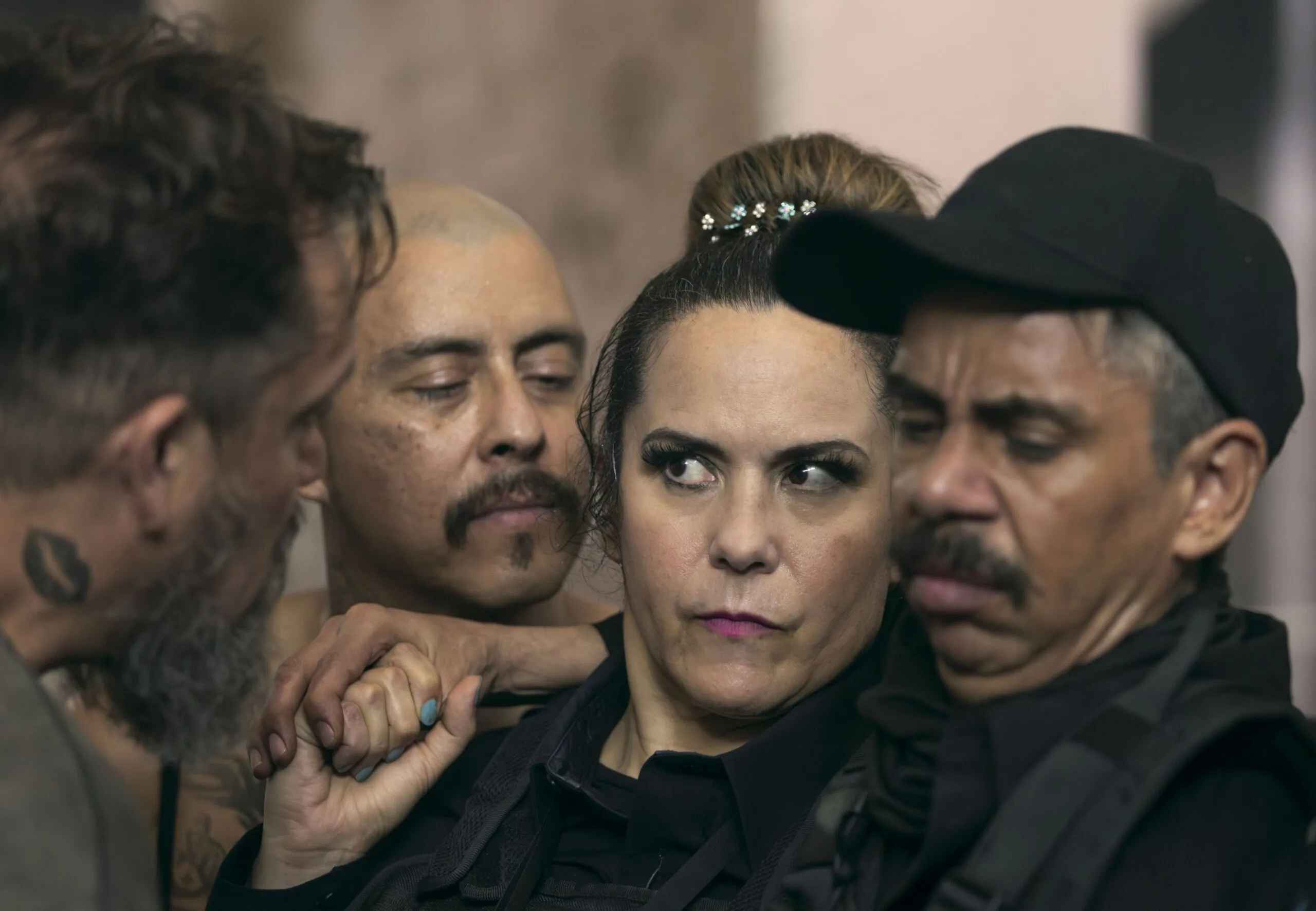
Each visual choice—ranging from the stark interplay of lighting and shadow to the meticulously crafted prison sets—adds layers of meaning that invite viewers to reassess the familiar tropes of confinement and rebellion (a kind of visual shorthand for societal fissures).
Juan’s transformation—shifting from a detached legal advocate to a man confronting his own ethical dilemmas—embodies a moral tension that challenges preconceptions about duty and survival. His struggle is not merely personal; it sparks an internal dialogue on justice and the cost of maintaining ideals in a corrupt environment. This narrative pivot triggers both urgency and a reluctant empathy, echoing real-world reckonings with authority and neglect.
At times, the pacing stumbles; extended reflective sequences interrupt the otherwise brisk momentum of riot-fueled action. Such moments, though occasionally jarring, might be read as intentional pauses meant to encourage deeper reflection on the human condition under duress (a narrative rhythm I like to call “cognitive breathing”).
The intricacies of interlocking subplots, while richly textured, can at moments seem overly labyrinthine, yet they contribute to a portrait of a system in disarray. In this light, the work emerges as a provocative study of resilience amid decay—a narrative that marries kinetic intensity with philosophical introspection without sacrificing its inherent rawness.
The Review
Prison Cell 211
This series offers a stark portrayal of institutional breakdown and personal reinvention, captivating viewers with its intense narrative and layered symbolism. Its exploration of societal fractures and moral dilemmas sparks thoughtful reflection, even if uneven pacing occasionally disrupts its rhythm. A compelling study of modern decay that questions the cost of survival amid corruption, the show demands attention from those seeking both cerebral provocation and raw storytelling.
PROS
- Strong performances by the lead actors
- Visually striking set design and atmospheric production
- Thought-provoking exploration of societal and institutional issues
CONS
- Pacing can be inconsistent at times
- Narrative threads may feel overly complex in parts
- Some character developments appear uneven