












![Kingdom Hearts Collection [I-III] Review](https://gazettely.com/wp-content/uploads/2026/10/Kingdom-Hearts-Collection-I-III-1-360x180.webp "Kingdom Hearts Collection [I-III] Review: KHII Holds Steady as Newer Entries Fluctuate 33")







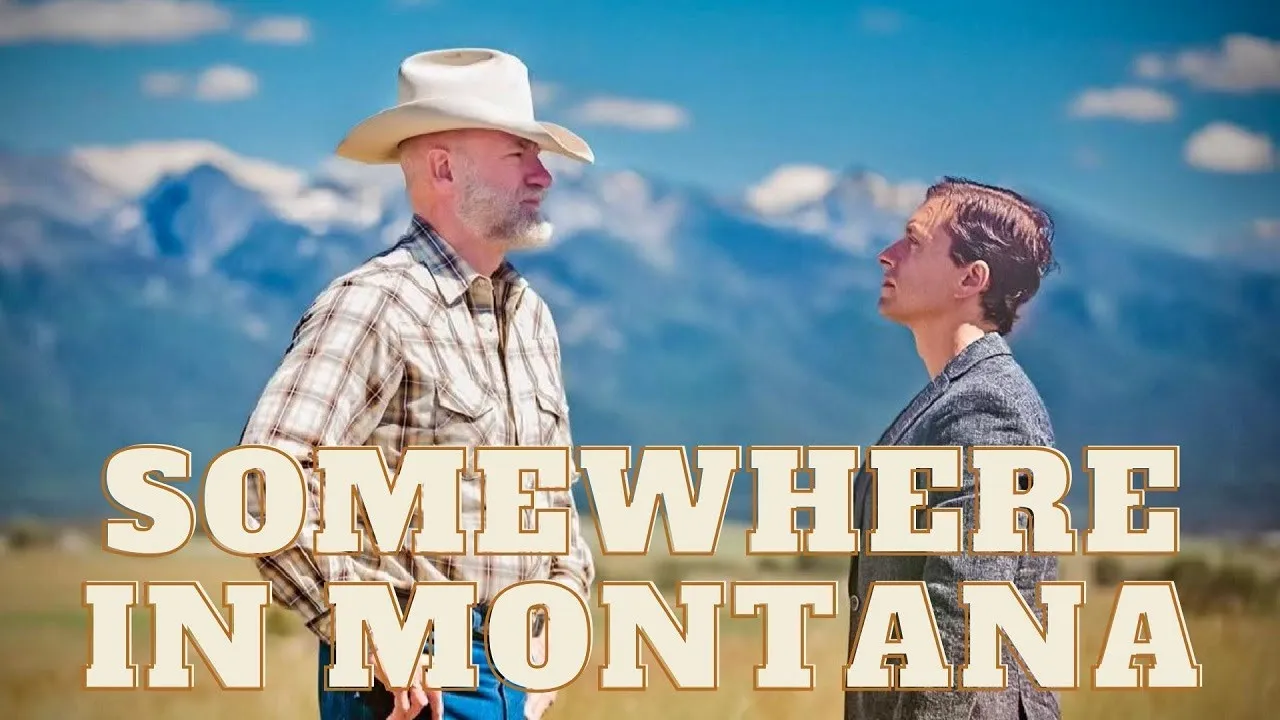

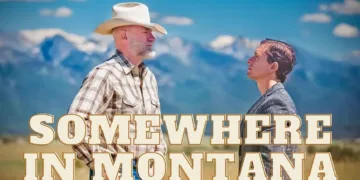
In Somewhere in Montana, the collision of two distinct worlds sets a stage that prompts reflection on cultural expressions. The film opens with a struggling ranch, steeped in heritage and shaped by local customs, facing economic challenges.
The arrival of a film production company brings a stark contrast, as a modern creative force seeks to transform the ranch into a set for a period film. This scenario sets up a scenario where the rugged, hands-on lifestyle of the ranch owner meets the refined, contemporary approach of a filmmaker from a distant region.
The plot centers on an arrangement that turns the ranch into a filming location, giving rise to a tension between the pragmatic owner and the visionary director. The owner, deeply rooted in regional traditions and marked by personal loss, finds his way of life challenged by a creative process that operates by a different set of rules. Meanwhile, the filmmaker introduces ideas that contrast sharply with the established local practices.
The expansive Montana setting emerges as a vital element, with its sweeping plains and rustic charm reflecting the land’s long-standing cultural narrative. The visuals capture a sense of isolation paired with an undercurrent of resilience, evoking the history and spirit that have defined the region for generations.
Character Contrasts and Cultural Encounters
John Alexander emerges as a figure rooted in regional heritage and a life closely connected to the land. His straightforward manner and steadfast nature reflect a deep commitment to the customs of his community.
Personal loss has etched a quiet sorrow into his daily existence, and the pressure of keeping the family ranch viable weighs heavily on him. The arrival of an external force seeking to repurpose his land stirs an internal battle between preserving cherished traditions and adapting to unforeseen changes.
Fabian Verdugo appears as a creative spirit from a distant cultural milieu, whose artistic pursuits are driven by an energetic ambition. His style and approach diverge sharply from the practical, time-honored ways of the ranch. His meticulous focus on artistic details creates friction when his vision encounters the lived reality of rural life.
As his interactions with the local environment deepen, his earlier certainty gives way to a growing recognition that a rigid pursuit of creative ideals might benefit from a more flexible engagement with the people and their ways.
Laney Alexander plays a central role in bridging the differing perspectives. Acting as a mediator, she pushes forward an opportunity that challenges her father’s caution while inviting the creative team to connect with her community. Her relationships with both her father and the film crew illustrate the tensions between personal loyalty and the drive for innovative change.
Secondary characters, including the wise local mentor and the production co-leader, add additional dimensions. Their roles highlight a sharing of cultural insights and reveal that each individual carries their own piece of the regional identity, contributing to a multifaceted narrative where personal experiences and cultural legacies are interwoven.
Cultural Echoes and Visual Narratives
The film presents a contrast between a rancher rooted in timeworn customs and a filmmaker whose work arises from a dynamic creative scene. The character of the rancher stands as a symbol of a long-established way of life, carrying the weight of personal loss and a sense of duty to his heritage.

His private sorrow, marked by the loss of his spouse, unfolds gradually, serving as a quiet force that alters his view on tradition and progress. His reaction to the arrival of an external creative project becomes a means to examine how personal pain and historical continuity can shape one’s identity.
The filmmaker, emerging from a region celebrated for its innovative arts, offers a perspective that collides with the established order. His exacting nature and focus on artistic detail clash with the practical, lived experience of the ranch community. This encounter between distinct outlooks is used to probe the complexity of cultural exchange, where established rituals meet modern ambitions in unexpected ways.
Visual storytelling plays an integral role throughout the work. The expansive Montana scenery is portrayed not merely as a backdrop, but as an active element reflecting the characters’ inner struggles.
The wide open spaces, the interplay of natural light with the rugged terrain, and the repetitive imagery of soft sunsets contribute to a narrative that ties external conditions to internal change. Each visual element offers a subtle reminder of the dual forces at work: isolation paired with the possibility of renewal.
The film invites viewers to consider how deeply personal experiences and cultural heritage influence artistic expression. By presenting characters whose paths cross in challenging circumstances, the work prompts reflection on the potential for shared understanding between seemingly disparate worlds, leaving room for further thought on the nature of cultural memory and transformation.
Narrative Cadence and Shifts
In Somewhere in Montana, the story unfolds from an initial agreement to use the ranch for a film to escalating disputes between a seasoned rancher and a modern filmmaker.
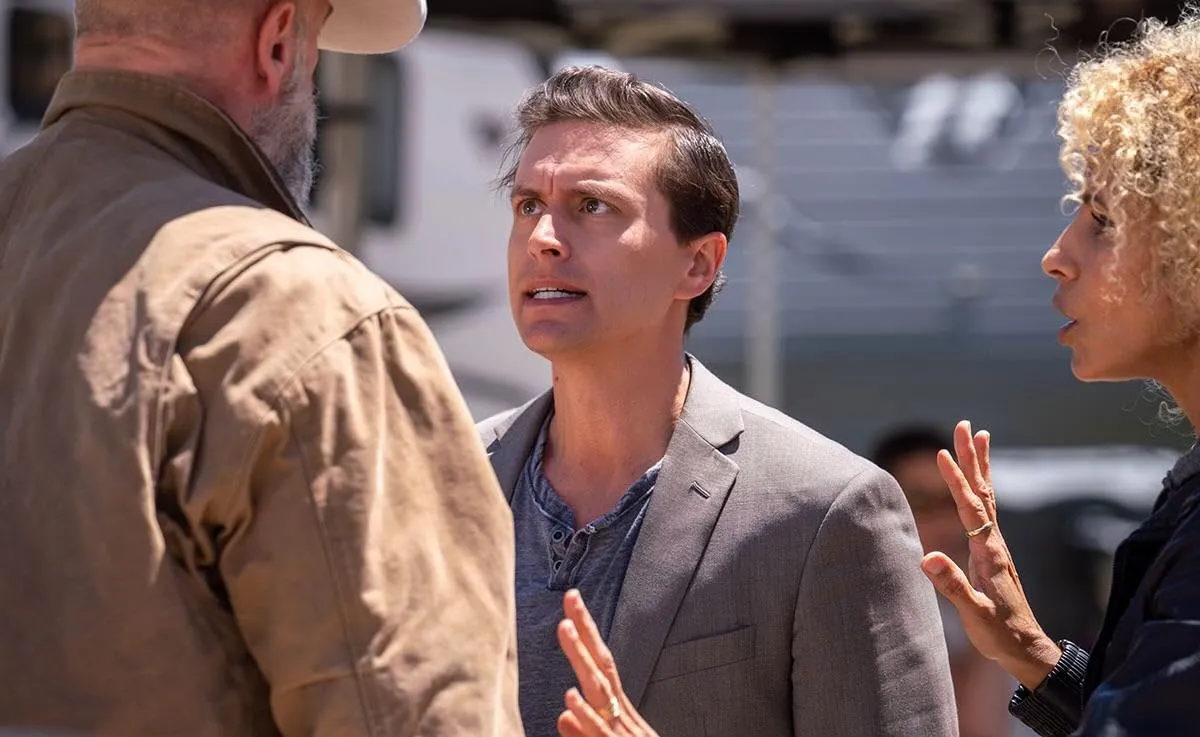
The decision to allow the production sets off a chain of events that transform a straightforward arrangement into a clash of worldviews. Early exchanges hint at deeper tensions, where a simple transaction grows into a contest of wills, highlighting how personal histories and cultural traditions influence each move.
Key turning points occur when personal convictions collide with external ambitions. One memorable scene shows the rancher reacting sharply to the filmmaker’s creative demands, signaling the start of a conflict that forces both men to confront long-held beliefs. Such moments push the characters toward self-awareness, revealing layers of personal loss and cultural identity that neither had anticipated.
The film blends moments of dry humor with serious confrontations. Light-hearted banter from the rancher and subtle jabs from the filmmaker provide brief respites from the growing tension. These instances offer brief pauses that allow the audience to see the human side of the conflict, softening what might have been a strictly adversarial narrative.
Pacing plays a vital role, alternating between the slow, deliberate rhythm of life on the ranch and the hectic pace of the film set. The measured tempo of reflective scenes stands in stark contrast with sudden bursts of creative chaos, keeping viewers alert as the narrative shifts seamlessly between introspection and active conflict.
Visual Dialogues in a Changing Landscape
The film transforms Montana’s vast scenery into an active participant in its narrative. Sweeping shots of rugged terrain and endless skies create a strong sense of place, inviting viewers to consider the impact of the physical environment on the characters’ inner lives. Natural light and expansive vistas serve to emphasize the simplicity and quiet strength of a setting shaped by history and tradition.
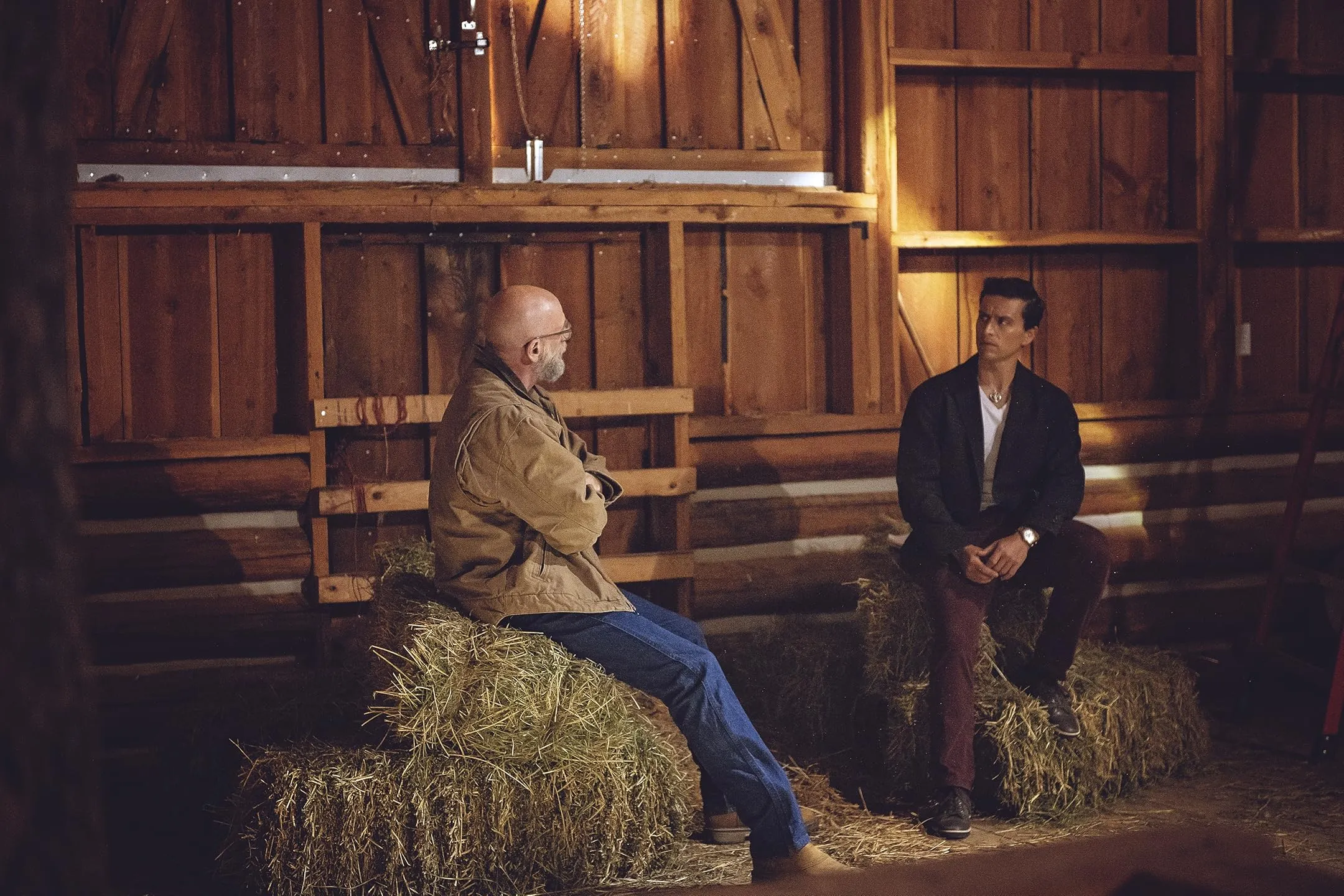
The ranch itself takes on symbolic meaning, representing a space where longstanding values meet the pressures of modern change. The weathered architecture and carefully chosen props echo a time when life followed a steadier rhythm, while subtle hints of modern intrusion remind us of the evolving cultural landscape.
This tension is highlighted through a deliberate use of contrasting visual styles. The film’s production design assigns a raw, unpolished quality to the ranch, a deliberate nod to its cultural origins, while elements introduced by the film crew carry a sharper, more contemporary feel.
Earthy tones dominate the color scheme, evoking a sense of nostalgia and authenticity that underscores the film’s reflection on legacy and identity. Moments when the color palette shifts signal changes in mood or underscore key emotional moments, adding a layer of complexity to the narrative.
Wide-angle shots capture both the intimate expressions of the characters and the broad, untouched wilderness, framing their personal struggles against the enduring force of the land. This interplay between detailed close-ups and grand perspectives invites viewers to explore how visual storytelling shapes our understanding of cultural transformation and personal evolution.
Artistry in Direction and Sound
Brandon Smith’s direction presents a balance between sober drama and gentle humor that gives the film a distinct cultural flavor. His method captures the subtleties of human emotion and the friction between old practices and new ideas.
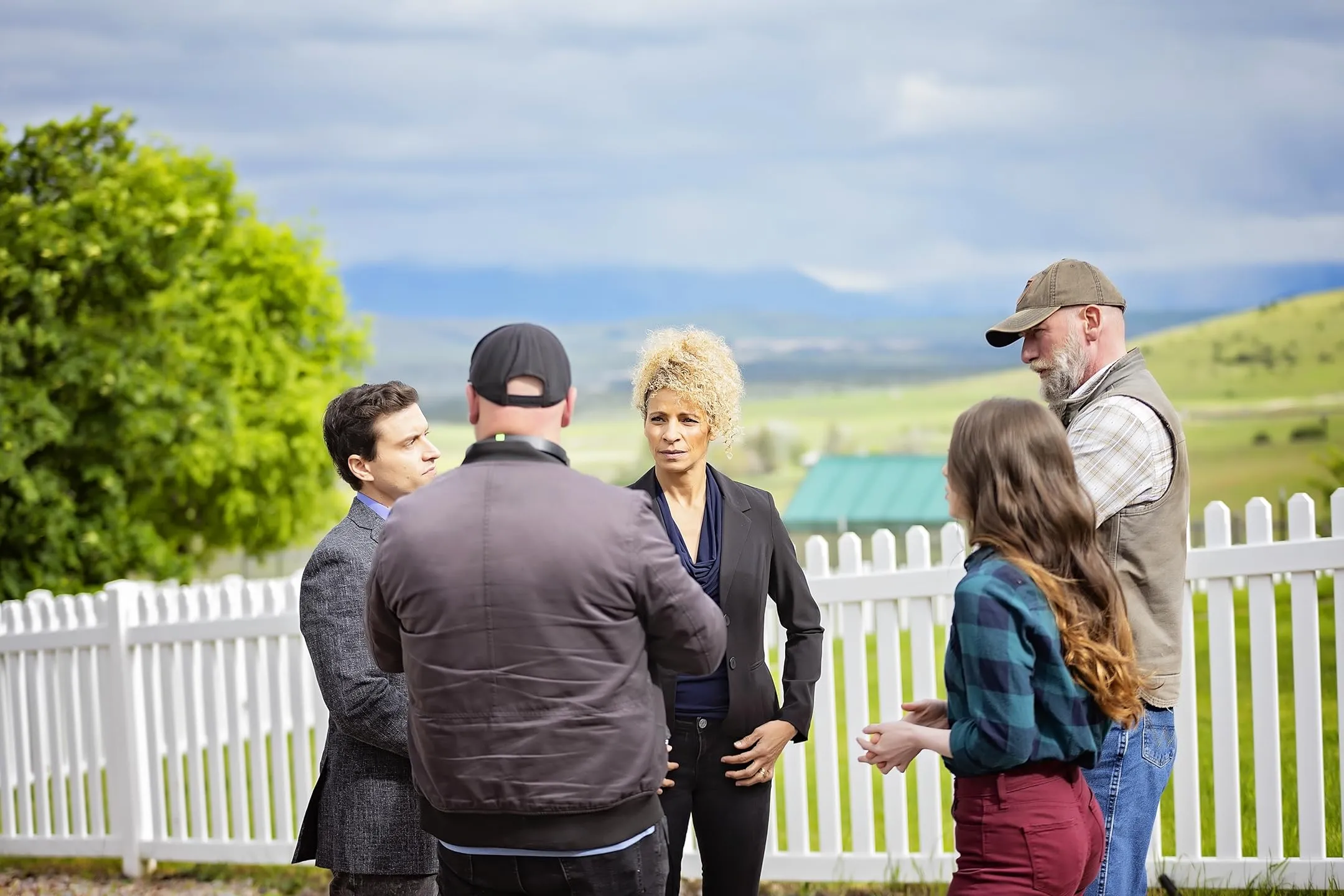
The screenplay carries weight through dialogues that reveal deep-seated grief and a quiet clash of ideologies. One memorable exchange, where the rancher voices his skepticism about modern filmmaking on his land, subtly reflects regional pride while exposing his inner vulnerability.
The script crafts interactions that allow characters to unfold gradually, exposing personal struggles and shifting attitudes in a natural manner. This approach recalls narrative techniques seen in works that blend intimate character studies with broader societal observations.
The score, punctuated by the mournful sounds of violin and viola, enhances these moments by echoing the film’s somber yet hopeful mood. It partners with visual sequences, such as a quiet pause amid a stirring landscape shot, to heighten the emotional cadence of key scenes.
Each musical cue serves as an underscore to the evolving relationship between the characters, offering a reflective counterpoint to their verbal sparring. The interplay among dialogue, direction, and sound invites the audience to consider how cultural influences shape the art of storytelling.
Themes of Redemption, Reconciliation & Lasting Impact
In Somewhere in Montana, characters face significant internal struggles that transform them across cultural divides. John, the steadfast rancher, processes deep sorrow and finds a renewed purpose emerging from personal loss and hardship.
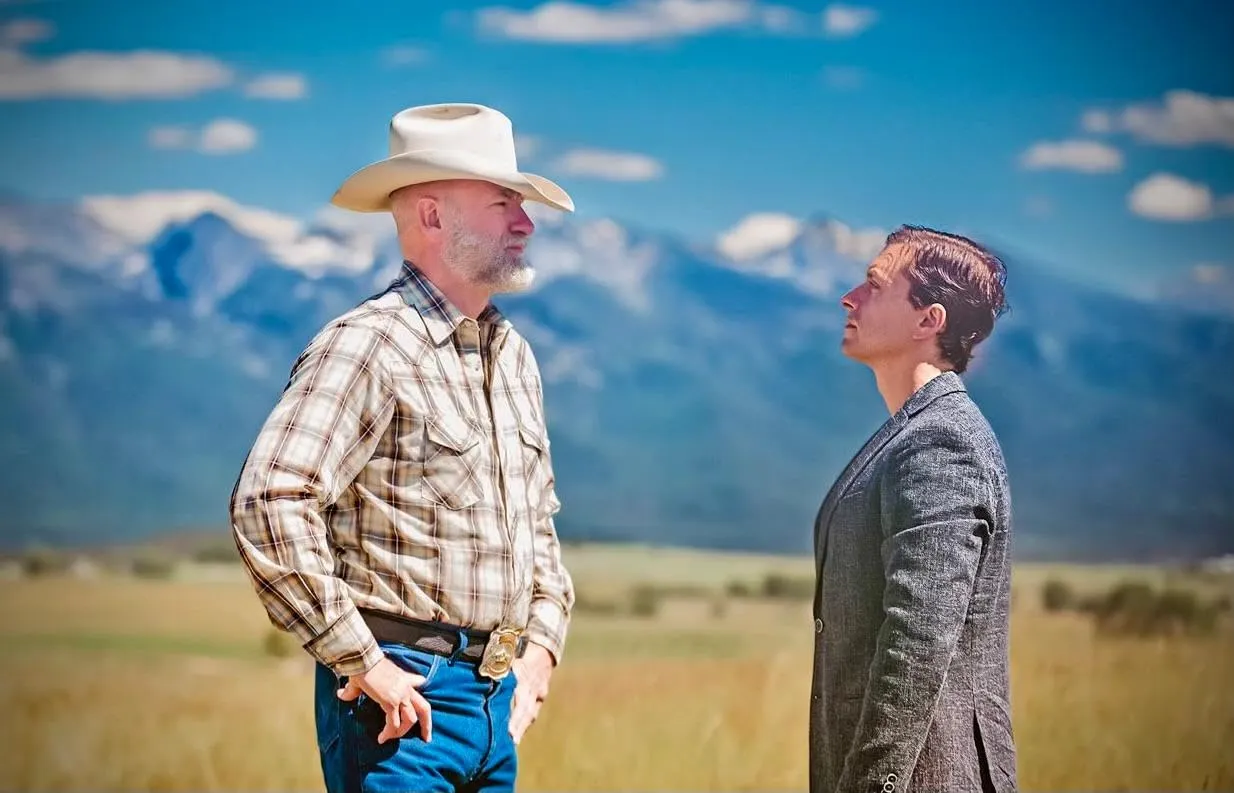
Fabian, once steadfast in his artistic convictions, gradually opens up to the quiet wisdom inherent in the land and its people. Certain scenes serve as turning points; a local ritual or a shared moment of silence becomes a clear marker where personal defenses fall away. These instances remind viewers that respect arises through sincere connection rather than imposed compromise.
The film’s portrayal of shifting attitudes offers ample material for reflection on bridging opposing views. Subtle gestures—a nod, a soft word exchanged in tense moments—speak to a readiness to trust and accept differences. The narrative prompts one to consider if individual healing might spark a wider shift in society, inviting a reevaluation of personal biases and the ways we engage with those unlike ourselves.
This exploration of personal transformation and mutual recognition leaves an open question about the lasting impact such encounters might have on communities and the way we understand one another.
The Review
Somewhere in Montana
Somewhere in Montana invites viewers into a thoughtful encounter between time-honored tradition and modern creativity. The film features well-drawn characters, striking landscapes, and gentle humor that together spark a meaningful dialogue about personal loss, cultural identity, and mutual understanding. Its narrative and visual style combine to create an engaging experience that challenges and connects varied perspectives.
PROS
- Strong character performances
- Stunning natural cinematography
- Thoughtful cultural commentary
CONS
- Uneven pacing in parts
- Some tonal shifts feel abrupt