




























Gone Girls: The Long Island Serial Killer sets out as a three-part investigation into the notorious Gilgo Beach murders on Long Island. The series constructs its narrative around the victims and their loved ones rather than centering on the suspect.
It opens with the mysterious disappearance of Shannan Gilbert and unfolds over nearly two decades, tracking how a single missing person case expanded into a complex story of multiple disappearances and systemic oversight.
The series crafts a dual timeline that begins with Gilbert’s vanishing act and shifts focus as the search uncovers several other victims. This structure challenges the traditional focus on the criminal figure, redirecting attention to personal histories and the often overlooked efforts of families in pursuit of justice.
The atmosphere remains charged and unvarnished, capturing moments of raw emotion and persistent struggle. Visual storytelling and carefully selected interviews contribute to a setting that feels both immediate and reflective.
In doing so, the series invites viewers to consider the impact of institutional shortcomings on human lives, making each frame a deliberate commentary on the cost of neglect and the resilience of those left behind.
Fractured Timelines and Focused Testimonies
Gone Girls: The Long Island Serial Killer is divided into three clearly defined episodes, each charting a specific phase of the investigation.
The structure adheres to a straightforward chronological approach—beginning with Shannan Gilbert’s disappearance, expanding to the discovery of multiple victims, and culminating in the arrest of Rex Heuermann. It’s a choice that avoids the true-crime trend of fragmented timelines for dramatic effect.
Instead, the sequencing does what the investigation itself did not: provide clarity. Each episode builds methodically, creating a sense of momentum as the implications of the earlier negligence are gradually revealed.
The series leans heavily on personal testimony. Family members, particularly mothers and sisters, take center stage in telling the stories of the women lost—most of them sex workers, and most of them long ignored. These interviews aren’t treated as emotional filler but as structural pillars.
Rather than positioning the victims as cautionary footnotes to the killer’s biography, the show treats their lives, choices, and disappearances as the main narrative. The grief is palpable, but it’s the persistence—year after year—that becomes the real throughline.
Pacing is deliberate but rarely slack. The tension escalates not through shock reveals, but through accumulation. As the details mount—new remains, ignored leads, internal corruption—the viewer is pulled deeper into a web of institutional failure.
The series avoids flashy cliffhangers but still manages to leave each episode with a lingering sense of dread. The storytelling benefits from this controlled release of information rather than overproduced dramatics.
Reenactments are used sparingly and without the overlit melodrama that plagues much of the genre. Instead, they’re shot with restraint—grainy, muted, often at a distance—allowing the viewer to feel the unease without being manipulated by it.
Visual choices reinforce the mood: drone shots of barren coastline, dimly lit interiors, and faded photographs place the viewer in a liminal space between memory and absence.
Archival footage and on-site interviews are intercut with a quiet confidence. Police press conferences, old news reports, and recorded 911 calls lend gravity, grounding the series in time and place. What emerges is a layered construction where past and present are in constant conversation. The effect isn’t just informative—it’s quietly damning.
Factual Investigation and Timeline Analysis
The series presents a detailed chronology of the Gilgo Beach case, beginning with the unsettling disappearance of Shannan Gilbert. Dates mark a journey from that initial vanishing to the eventual unearthing of several victims.

Each milestone—a grim discovery in a coastal marsh, a long-ignored forensic lead, the staggering moment when authorities acknowledged their missteps—anchors the narrative in stark reality.
Forensic progress plays a prominent role. DNA testing and tracking of a burner phone offer concrete markers in a case marred by human error. As new evidence surfaced, a trail of administrative neglect and misdirected resources became apparent.
Interview segments lay out a sequence of investigative choices that, at times, appear almost methodical in their slowness, reflecting a system caught in its own inertia.
Internal delays and questionable decisions come through in scenes showing cluttered press conferences and hurried lab work. The story does not shy away from exposing the internal mismanagement that hampered evidence collection, with officials struggling to piece together a fragmented puzzle.
Recent breakthroughs, such as the identification of a prime suspect, cast the investigation in a fresh light. These developments shift the focus from a series of isolated incidents to a singular narrative of prolonged oversight.
The docuseries carefully maps this evolution, emphasizing a measured pace that mirrors the real-life drag of a justice system burdened by its own inefficiencies. Every new lead functions as a turning point, nudging the viewer to reconsider how history and mismanagement can collude to obscure truth.
Victim and Family Portrayal
The series brings forth individual stories with clarity and sensitivity. Each victim is presented with care, highlighting details of their lives, dreams, and personal struggles. The narrative touches on their aspirations, passions, and everyday moments, reminding us that these were full lives disrupted by a tragic fate.

Interviews with family members and close friends add layers to this portrayal. Their accounts present a clear picture of the grief and determination that marked their efforts to keep memories alive.
These personal narratives serve as a counterpoint to the sterile details of the investigation, painting a portrait of communities affected by loss. The testimonies are straightforward and earnest, offering insight into the relentless efforts to seek justice and maintain dignity in the wake of personal tragedy.
The treatment of sex workers in the series is handled with a level of respect that is often missing in similar projects. The series carefully avoids reducing them to stereotypes, instead showing their complex lives and inherent worth.
By giving space to voices that have been marginalized, the show presents a balanced view of a group that has frequently been overlooked by mainstream narratives.
Family members, particularly mothers and sisters, emerge as the driving force behind the search for truth. Their persistence in the face of institutional failure is depicted with a sense of measured determination. Their experiences form the backbone of the narrative, ensuring that personal loss is never obscured by the technical details of the case.
Exposure of Systemic Failures: Police, Legal, and Media
The series casts a sharp eye on the initial handling of the investigation. Early in the narrative, the dismissal of key leads by law enforcement is laid bare. Officers’ reluctance to treat the cases with the necessary urgency is shown through interviews and archival materials.
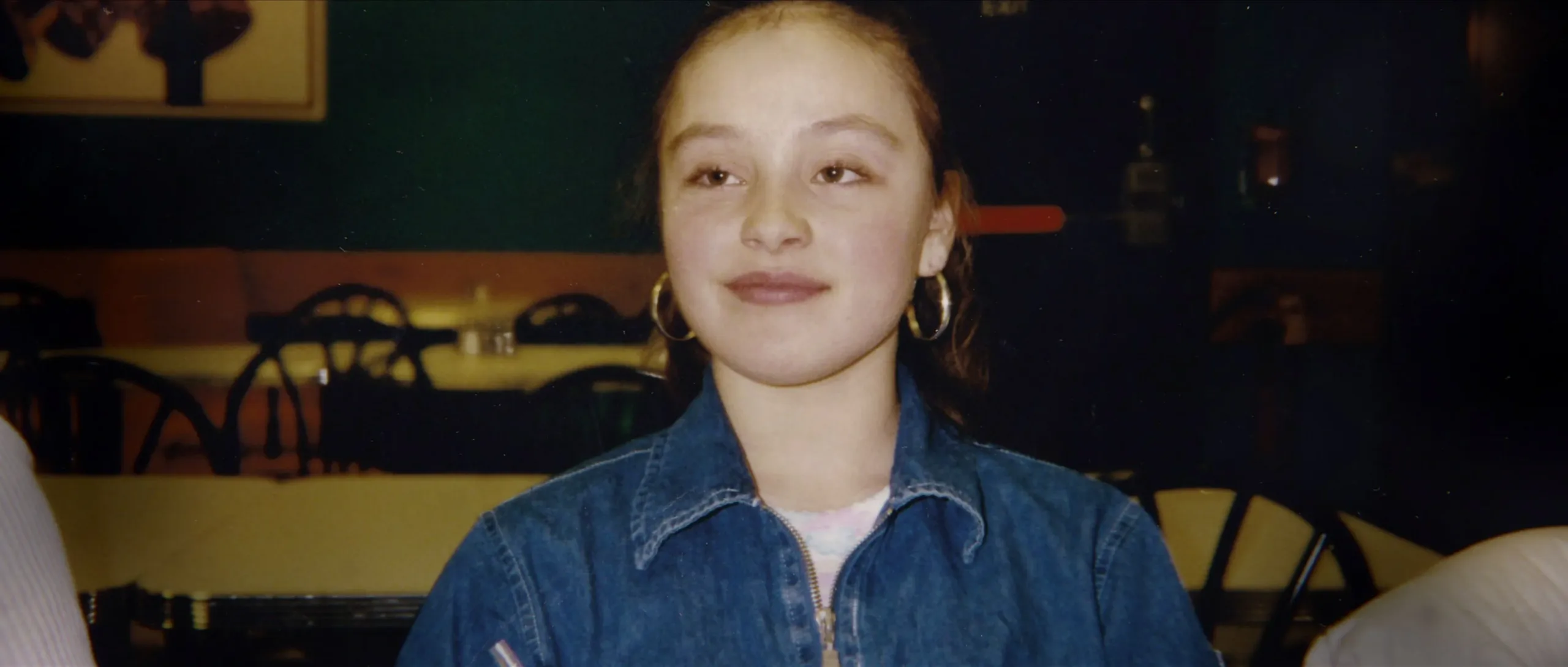
Small yet telling details in press conferences reveal a mindset that viewed the victims’ professions with dismissiveness. Such indifference forms the backbone of the story, highlighting errors that compounded over time.
The legal system is portrayed as sluggish and ill-prepared. Delays in processing evidence and misdirected investigations are interspersed with moments that expose how the case was slowed by internal conflicts and a lack of accountability.
The series makes clear that these administrative missteps were not isolated incidents; they fed into a larger pattern of oversight that allowed the tragedy to continue unchallenged.
Media coverage, or the lack thereof, is also scrutinized. The narrative points out that many crucial details were obscured by a selective focus, one that left the voices of those most affected out of the public conversation. This selective storytelling contributed to a diminished sense of urgency, leaving communities to fend for themselves in the absence of robust reporting.
In its portrayal of these failures, the series links the dots between official mismanagement and the erosion of public trust. The portrayal of these systemic issues invites viewers to question the structures meant to protect and serve, exposing an institutional reluctance to address inconvenient truths.
Themes, Social Commentary, and Cultural Impact
The series scrutinizes the harsh judgment society has reserved for sex workers. By presenting personal stories with careful detail, it counters a history of devaluing lives due to occupation.
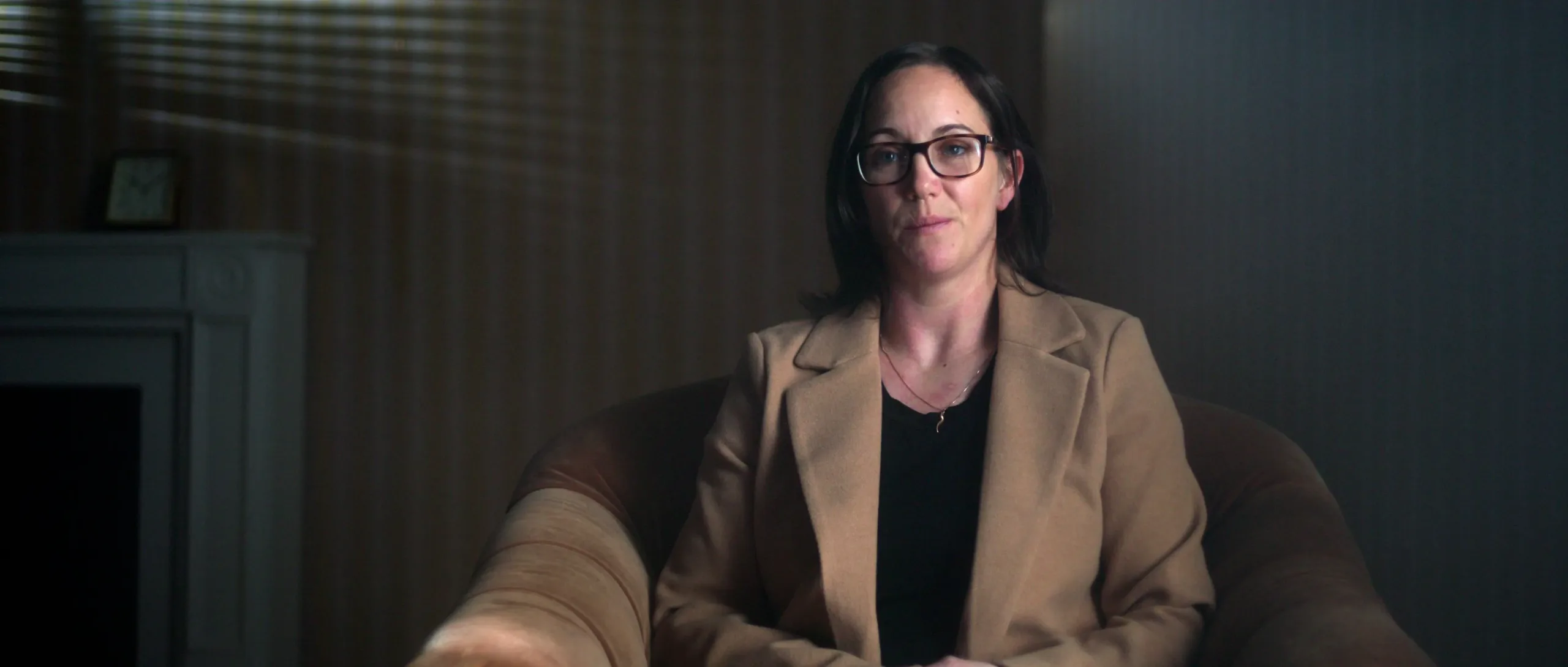
Specific scenes reveal the weight of a world that often casts aside individuals who struggle in the margins. The portrayal of these women is handled with a mindful attention to their dreams and daily lives, ensuring that their loss is felt not as a statistic but as a personal tragedy.
Family members persist in demanding a measure of justice, a fight that underscores the high cost of neglect. Their efforts are depicted through quiet moments of resolve and soft-spoken determination. The film shows how long delays and repeated oversights in the investigation have not only robbed the victims of recognition but also deepened the wounds of those left behind.
Attention is given to the corrupt practices within law enforcement and the legal process. The narrative details instances of mismanagement and internal conflicts that hampered progress. These shortcomings are not isolated events; they form a pattern that reflects wider issues within institutions meant to protect citizens.
The series prompts discussion on how violence affects our collective conscience. It invites viewers to consider the implications of marginalizing entire groups and the lasting impact such indifference has on community trust. The work spurs debate over the need for social reform by drawing a clear line between human rights and systemic failure, a reminder that empathy and accountability are indispensable.
Production, Cinematic Style, and Directorial Vision
Liz Garbus offers a measured, investigative approach that mixes thorough research with a human touch. Her experience from earlier projects is evident in the careful way she arranges the narrative, emphasizing both the factual investigation and the personal dimensions of the story. Her directorial decisions lend the series a steady pace and a clear focus on the human consequences of a flawed system.
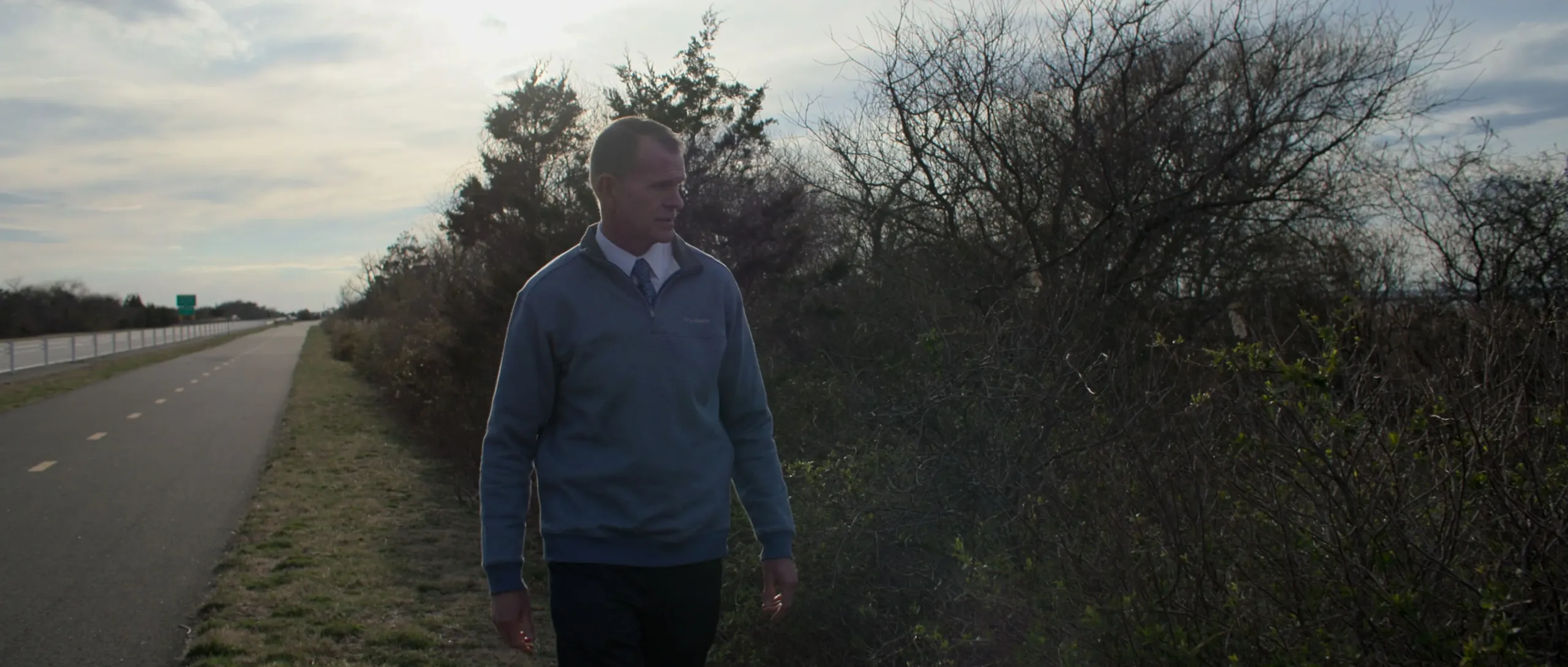
Lighting and camera work play significant roles in setting a somber tone. Subdued hues and thoughtfully framed scenes create a sense of intimacy with the unfolding events. Each shot is composed with precision, using subtle visual cues to reinforce the gravity of the subject. The interplay between shadow and light often hints at the obscured truths behind the case.
The score and sound effects work in tandem with the editing to build tension in quiet, measured steps. Moments of silence are as powerful as bursts of sound, each transition designed to guide the viewer through the narrative without distraction.
The pacing of the edit manages to keep the storyline clear, presenting evidence and testimonies with deliberate care while heightening the drama through its rhythmic cuts.
A careful balance is struck between reenactments and archival footage. The reenactments avoid excessive dramatization and remain faithful to the tone established by real-life recordings.
Archival content is interwoven seamlessly, serving to anchor the viewer in the reality of past events while enhancing the narrative depth. This meticulous production approach ensures that every element supports the unfolding story and holds the audience’s attention throughout.
The Review
Gone Girls: The Long Island Serial Killer
Garbus's series offers a measured investigation that combines personal storytelling with a critical look at systemic neglect. The narrative dissects institutional failures while giving voice to those overlooked, all backed by precise production and careful pacing. It stands as a solid true-crime entry that informs and engages through its human focus and visual restraint.
PROS
- Thoughtful narrative construction
- Detailed character insights
- Steady investigative pacing
CONS
- Slow pacing may not suit everyone
- Minimal dramatic reenactments