












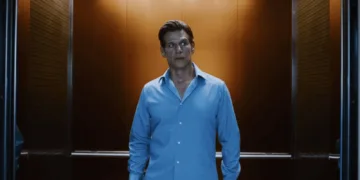
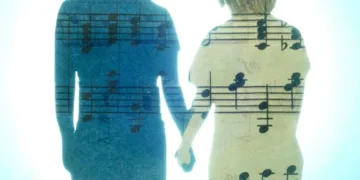





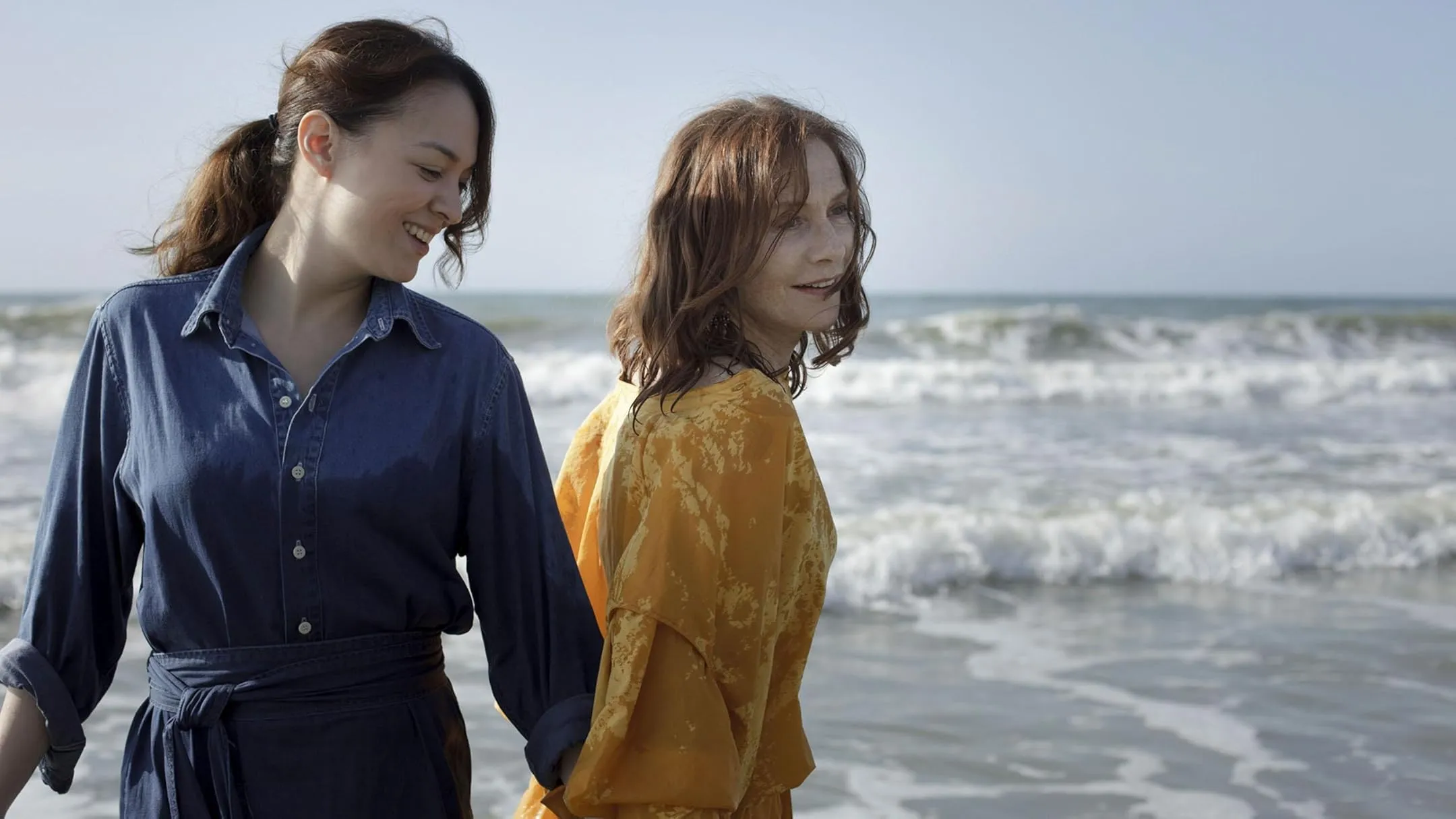

Luz sets the stage with urban landscapes that burst with striking lights in Chongqing alongside the refined simplicity of Paris, while also inviting us into an unexpected virtual domain. The film presents two intertwined accounts that share a common visual thread.
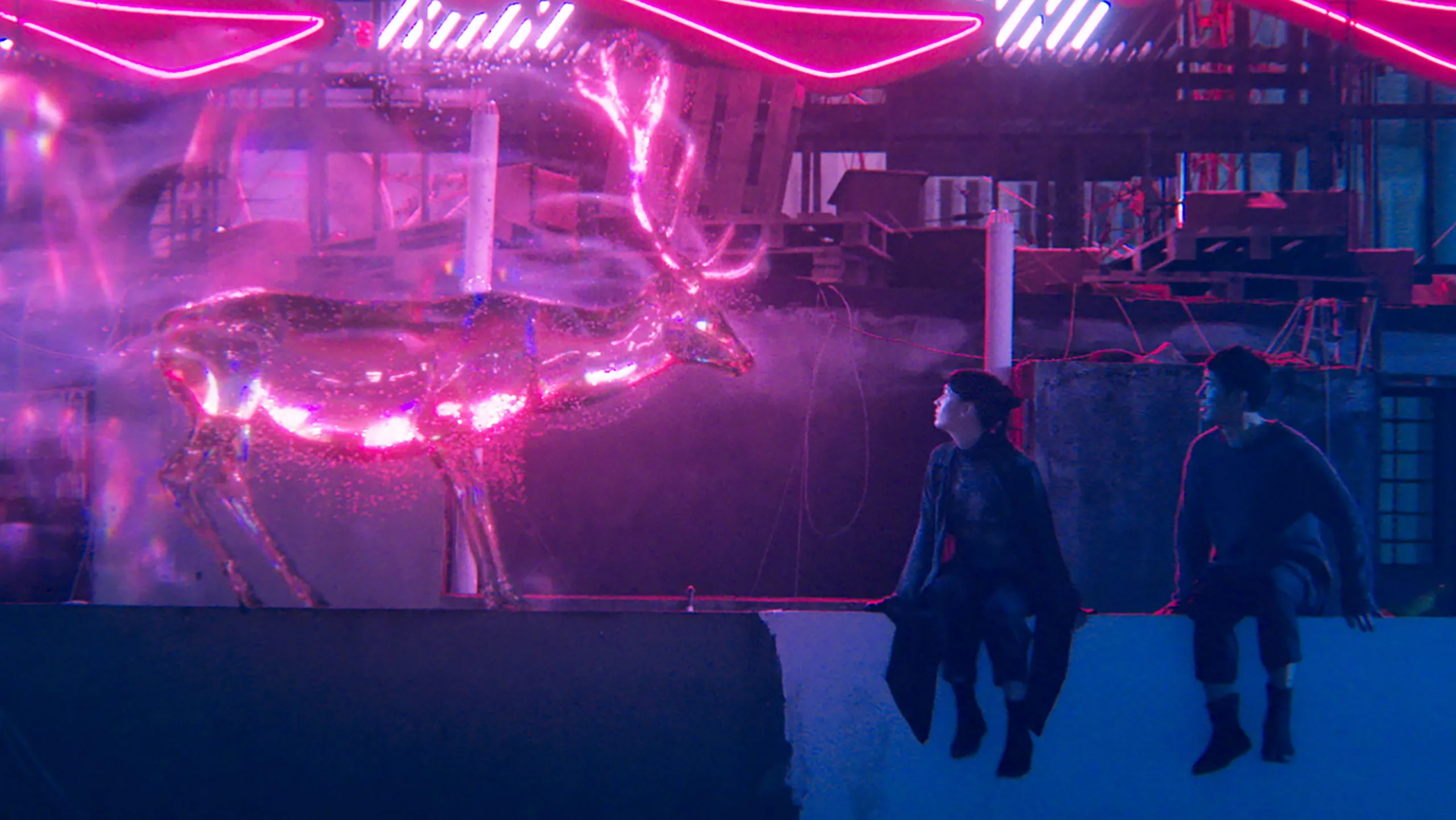
One follows Wei as he works within a digital environment, driven by his need to reconnect with his estranged daughter. At the same time, Ren returns to the familiar streets of Paris, seeking to rebuild a bond with her ailing stepmother, Sabine. A mysterious white deer appears as a visual marker, linking these separate experiences with its recurring presence.
The cinematic presentation creates a layered experience that captures both the crisp clarity of modern digital settings and the gentle textures of everyday life. The carefully constructed digital sequences mix with the tangible qualities of real urban scenes, inviting audiences to feel each moment with equal intensity.
Luz offers a portrayal of isolation and longing where technical innovation and raw emotion coexist. This film encourages reflection on how digital environments and personal moments intersect, leaving viewers with a rich sensory experience that challenges expectations about connection in contemporary settings.
Interwoven Storytelling: Dual Paths and Emotional Beats
Luz presents two distinct narrative paths that merge to create a layered cinematic experience. Wei’s storyline concentrates on his pursuit in a digital space, driven by a need to recapture a lost familial tie. His scenes unfold amid a series of digital encounters packed with tension, offering a stark portrayal of a life steeped in technology yet yearning for a touch of human warmth. The narrative in Wei’s world is punctuated by brisk sequences that heighten the sense of urgency, featuring calculated set-pieces that expose the internal conflict between digital immersion and raw emotional need.
Also Read




Meanwhile, Ren’s return to Paris sets up a slower, more introspective sequence of exchanges with her stepmother Sabine. Their interactions gradually reveal nuances of familial discord and the weight of unspoken history. The Paris scenes are arranged with care, inviting viewers to register every subtle expression and pause in dialogue—a momentary relief from the high-energy digital sequences encountered elsewhere in the film.
The film’s structure relies on smooth transitions that interlace these two realms. Clever visual montages and non-linear sequencing create a shifting perception where the artificiality of the digital world appears to mirror real-life complexities.
A recurring visual symbol—the white deer—serves as a bridge between these narratives, marking pivotal points that spark emotional clarity. The differing tempos of Wei’s rapid digital exchanges and Ren’s reflective personal moments infuse the film with a dynamic rhythm, prompting questions about the balance of technological allure and genuine human sentiment.
Digital Emotions and Symbolic Reflections
Luz uses its narrative and visual cues to examine themes of connection and isolation in a world awash with digital influence. Wei’s search in a virtual setting portrays a life marked by distance—a life where pixelated environments amplify personal loneliness. In contrast, Ren’s interactions with her stepmother in Paris sketch a quieter struggle against separation, revealing the human heart’s constant pull towards closeness despite the digital veil that sometimes divides us.
The film contrasts its two worlds with striking clarity. Chongqing presents a hectic, illuminated urban canvas, while Paris feels more muted and grounded, highlighting a split in physical spaces. The virtual realm stands apart yet connects these scenes, suggesting a space where our digital lives can echo our real emotions. This tension invites a closer look at how tangible surroundings interact with less concrete, computer-generated settings, each serving its role in highlighting disconnection and a desire for intimacy.
Family ties are at the forefront here. The portrayals of estranged parent-child bonds—both the gap between a father and his daughter, and the complex relationship between a stepmother and stepdaughter—offer glimpses into personal redemptions that are never easily earned. Subtle moments between characters, conveyed through quiet looks and understated exchanges, speak volumes about efforts to bridge this personal divide.
A recurring element in the film is the white deer. Appearing in digital landscapes and large-scale artwork alike, it serves as a steady image—a guide hinting at what might be recovered from the past. The deer’s repetitive presence acts as a visual reminder of something lost and the faint hope for reconnection. At the same time, the portrayal of technology captures its role as both an escape from harsh reality and a platform that brings disparate lives a step closer together.
Visual Dynamics: Urban Pulses and Dreamlike Vistas
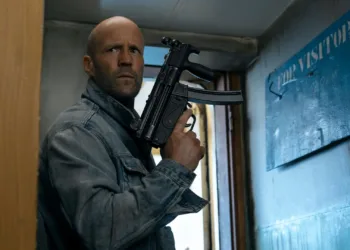
The camera work in Luz offers a striking contrast between the energetic spirit of Chongqing and the soft ambiance of Paris. Scenes in Chongqing capture an electrifying atmosphere through intense neon lights, deep color saturation, and digital overlays that create a futuristic cityscape reminiscent of iconic sci-fi visuals.
The filming in this part of the film uses dynamic shots, sweeping camera moves, and occasional slow-motion sequences that draw the viewer into a world where technology and raw urban energy collide. These sequences provide a textured look at a metropolis where digital effects seamlessly interlace with everyday urban scenes, fostering a view of the city that is at once both mesmerizing and distinctly modern.
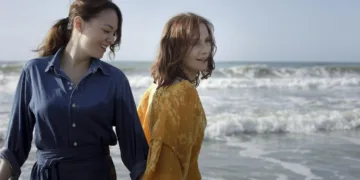
In contrast, the segments set in Paris present an inviting, earthy feel with natural lighting and gentler color palettes. The visuals here lean on a sense of calm realism—frames are composed with care to evoke a tactile familiarity that differs sharply from the visually charged scenes in Chongqing.
The deliberate composition in these sequences places symbolic elements, such as the recurring image of the white deer, in positions that highlight their importance to the narrative. The use of split-screen transitions and layered imagery here accentuates the film’s dual settings, linking the digital spectacle with intimate human moments.
The choice of camera angles and the integration of digital enhancements serve more than an aesthetic role; they underscore shifts in mood between the high-tech realm and everyday life. A notable example lies in how the white deer appears across both the neon-lit and natural scenes, acting as an emblem of continuity amid contrast. This careful interplay between color, light, and movement creates an experience that is as visually engaging as it is emotionally suggestive, prompting viewers to contemplate the connection between the tactile and the virtual.
Auditory Landscapes: The Soundtrack and Score of Luz
The film harnesses a pulsating electronic score in its digital and Chongqing scenes, where synthetic beats accentuate moments of tension and amplify the sleek atmosphere of a tech-driven urban grid. The pulsations resonate with the rapid pace of high-energy action scenes, injecting a sense of urgency into the digital pursuit of personal connections. Conversely, the segments unfolding in Paris rely on a tender, acoustic composition. These softer, organic tones mirror the human dialogue and discreet emotions present in more intimate, grounded settings.
The musical arrangement does more than merely accompany visual scenes; it orchestrates the shifts between two distinctive worlds. A sudden burst of digitized sound punctuates intense VR sequences, while a measured, orchestral swell gently underscores reflective conversations on real streets. Ambient urban sounds—murmurs of the city, light touches of electronic effect—merge with carefully curated melodies to evoke the characters’ inner states.
This synchronization between auditory cues and visual narratives enriches the film’s texture and ties its contrasting settings together. The score acts as both a narrative guide and an emotional catalyst, shaping the viewer’s experience by mirroring shifts in mood and highlighting key turning points throughout the film.
Character Depth and Onscreen Dynamics
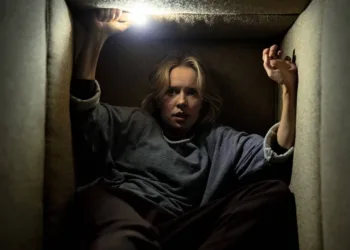
Wei appears as a man weighed down by regret and solitary longing. His search within a digital world for his daughter, Fa, is depicted with moments that expose his inner conflicts and desire for reconnection. Wei’s portrayal is marked by brief flashes of vulnerability in his determined actions—a rare smile or a pained look that speaks to his inner turmoil without needing words.
In a parallel narrative, Ren confronts her own mix of inner doubts and emotional restraint as she handles a strained relationship with her stepmother, Sabine. Her interactions carry small but significant shifts in tone—a softening of her expression when faced with memories of past bonds, and a hesitancy that gives way to quiet resolve. This delicate performance reflects both restraint and the stirring of long-suppressed feelings.
Supporting characters enrich these central journeys. Fa comes across not only as a figure connected to digital realities but also as a marker of what is missing from Wei’s life. Her onscreen appearances offer subtle contrasts between the physically present and the emotionally absent. Sabine, meanwhile, stands as a counterbalance through her defiant approach to life’s challenges despite looming health concerns; her presence sparks changes in Ren that add important texture to their dynamic.
The actors inject every scene with well-calibrated nonverbal cues—brief glances, measured silences, and even slight shifts in posture that contribute to a layered depiction of conflict and reconciliation. This careful attention to performance bridges digital isolation with palpable interpersonal moments, leaving the viewer to consider how a single gesture can speak to the heart’s most unspoken desires.
Digital Realms and Real Emotions
The virtual realm in Luz is crafted with a clear design that marks its place as an artistic space for digital escape. The VR world bursts with neon colors and surreal architectural forms that serve as a mirror for the online lives of the characters. The environment’s futuristic appearance hints at a place where everyday concerns merge with imaginative interfaces, shaping a setting that challenges how one experiences reality.
This virtual space invites the audience into an interactive-like experience. The film illustrates the tactile aspects of gaming gear while presenting wide, ethereal vistas that stir the senses. The design makes the viewer feel the textured details of digital landscapes, drawing a line between the clinical order of computer-generated spaces and the unpredictable human experiences they mirror.
In crafting a connection between digital and physical realities, the film uses digital effects that soften the separation between the virtual world and day-to-day life. Visual cues—like the recurring motif of a white deer—carry emotional weight and hint at unresolved feelings and lost connections. The portrayal points to technology’s role in framing personal exchanges while questioning its capacity to bridge human isolation with moments of connection.
The blend of practical effects with digital innovation gives the film a balanced look. It manages to honor the appeal of interactive design without overwhelming the narrative’s heartfelt moments. This treatment of technology as a storytelling device opens up questions about the merits and limitations of modern digital experience, inviting reflection on how our online worlds shape our real lives.
Full Credits
Director: Flora Lau
Writers: Flora Lau
Producers and Executive Producers: Sinn Gi Joseph Chan, Stephen Lam, Flora Lau, Yvette Tang, Olivier Thery Lapiney
Cast: Isabelle Huppert, Sandrine Pinna, Xiaodong Guo, David Chiang, Lu Huang, Enxi Deng, Yvette Tang, Yunyao Zhang, Yu Ren, Aric Chen, Mimi Xu, Benjamin Baroche, François Caron, Tiejun Chen, Léon Garel, Kaori Ito, Weixi Liu, Ping Wong, Huanmo Zhang
Director of Photography (Cinematographer): Benjamín Echazarreta
Editors: Denis Bedlow, Fernando Epstein, Flora Lau
Composer: Mimi Xu
The Review
Luz
Luz presents a captivating look at modern isolation and connection through its digital and tangible realms. Its dual narrative, striking visuals, and thoughtfully crafted performances offer moments of deep reflection amid urban energy and intimate encounters. The film may challenge viewers with its measured pace, yet it rewards careful attention with rich, immersive details that merit recognition.
PROS
- Striking visuals in distinct settings.
- Creative use of digital effects and symbolism.
- Thought-provoking narrative on connection.
- Notable performances with measurable emotional depth.
- Immersive design that blends digital and real environments.
CONS
- Pacing may feel slow for some viewers.
- Some narrative threads leave points unaddressed.
- Character development may not satisfy all expectations.
- Digital sequences might not suit every taste.