





























Asif Kapadia is known for his critically acclaimed documentary films profiling famous figures like athletes Ayrton Senna and Diego Maradona. In 2073, Kapadia takes a bold step into speculative fiction with his vision of what might lie in store for our warming planet if current crises continue unabated.
The film flits between a gloomy portrayal of life on Earth in the year 2073 and sobering glimpses at our present-day world, linking real-life challenges to the director’s imagined societal collapse.
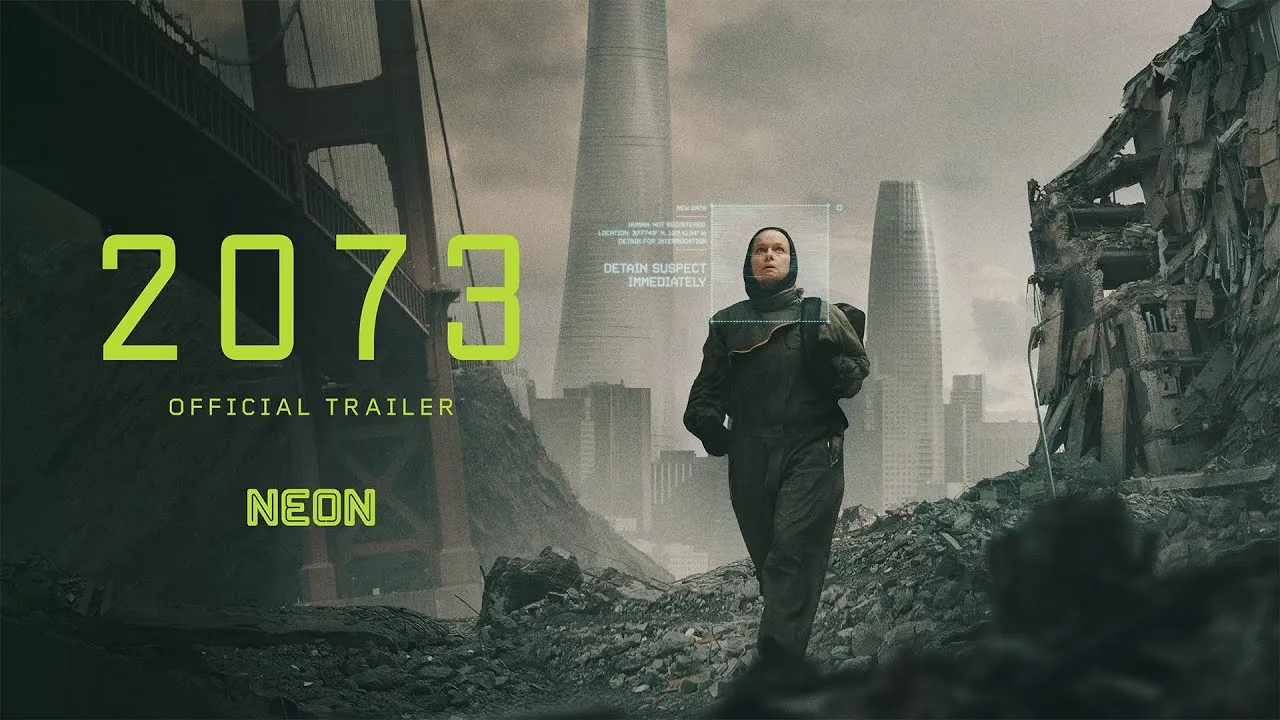
In the future sequences, we find Samantha Morton’s character eking out an uneasy existence in the ruins of San Francisco. Now known as New San Francisco, the city is an arid, heavily-policed wasteland where the privileged elite float above it all in sky-high towers.
Morton’s Ghost is haunted by past trauma and the deteriorating state of a world battered by climate change, shrinking freedoms, and unbridled corporate control. Through her eyes and voiceovers, we learn pieces of the catastrophe known only as “The Event” that forever altered civilization.
Intercutting between Ghost’s stranded struggle and Kapadia’s slick documentary sequences, the film strives to illuminate the roots of a terrifying potential future through today’s mounting crises. However, the director’s ambitious blending of sci-fi and non-fiction storytelling produces an uneven but still chilling vision that, at its best, sparks thought about avoiding such a demise.
The Bleak World of 2073
At the center of Kapadia’s vision of humanity’s potential fate is Samantha Morton’s compelling character, Ghost. Living in the ruins of San Francisco in the year 2073, Ghost is one of the unnumbered souls eking out an existence in the rubble, over 50 years after whatever cataclysmic event reduced civilization to ashes.
Known now as New San Francisco, the city is a shadow of its former self—parched and patrolled by an authoritarian security apparatus with its subjects monitored at every moment.
Above ground, the wealthy dwell in gleaming skyscrapers, isolated from the desolation that spans as far as the eye can see. Kapadia spares no detail in bringing this bleak metropolis to life, with Ghost and her fellow remnants of society scraping to survive below in the scant shelter they can find. It’s a grim vision drawing clear inspiration from classics like Blade Runner yet feeling strangely devoid of imagination in other regards.
Through Ghost’s eyes, we piece together snapshots of this harsh police state. Crackdowns on the slightest dissent are frequent and final, with those who criticize or break rules vanishing without a trace. Drones blanket the skies while surveillance devices track each footstep. Though engrossing to behold, Kapadia’s future setting feels surprisingly uninventive and stagnant. The story around Ghost also lacks cohesion, leaving as many questions as answers about this shattered world.
While Kapadia ensures the visuals stimulate thought, his underdeveloped narrative and predictable dystopian tropes represent a missed chance to craft a truly stirring sci-fi experience. With depth and nuance, this foundation could have supported potent commentary—but instead creates distance, acting more as a vehicle to drive Kapadia’s urgent message home.
Tying the Present to the Future
Asif Kapadia blends fact and fiction by routinely shifting from dystopian depictions of 2073 back to our current day. Through short yet potent documentary inserts, the director shines a light on urgent issues he sees as laying the groundwork for societal ruin down the line.
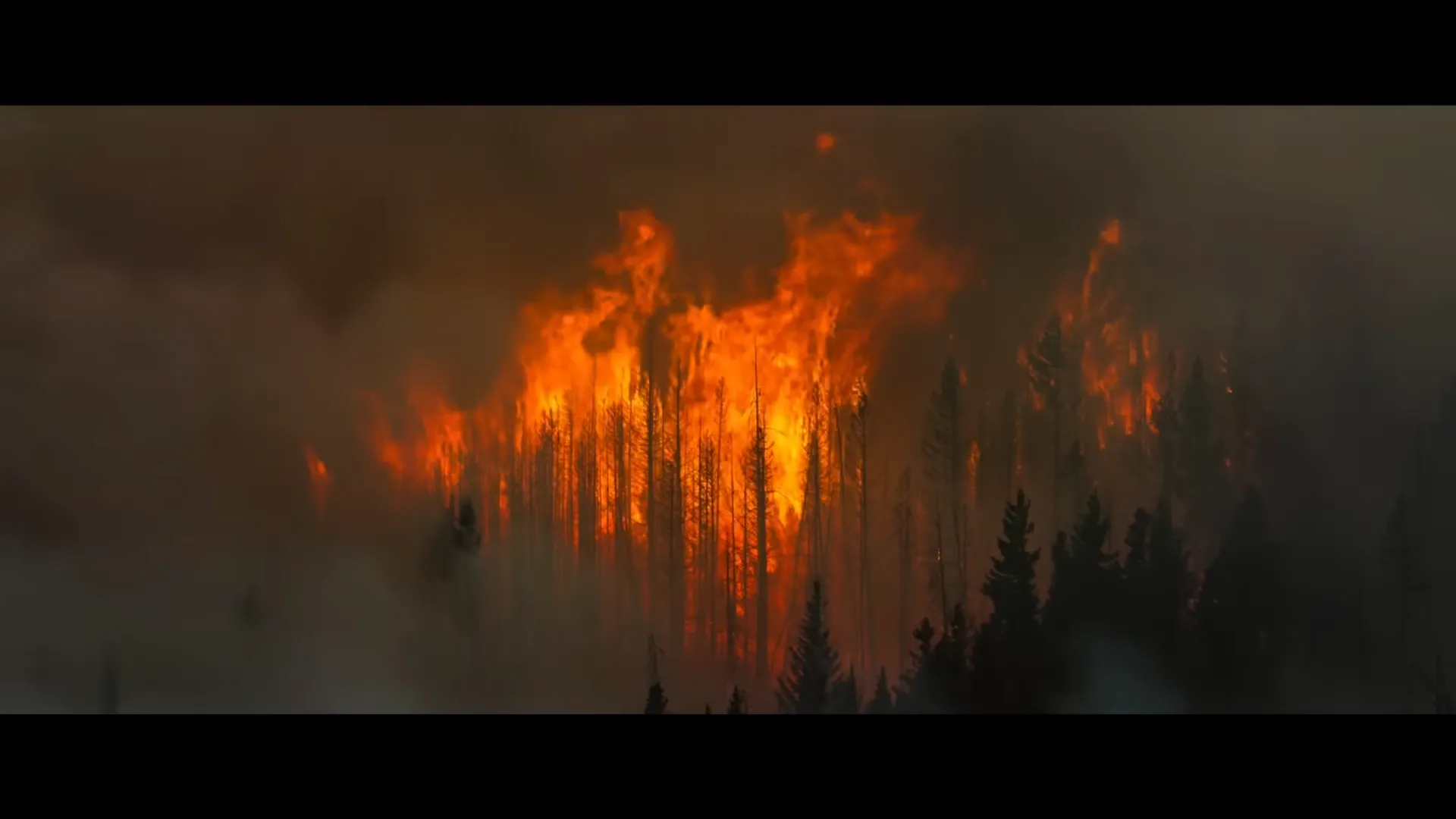
We get glimpses of rising fascism worldwide, expanding surveillance powers, worsening climate impacts, and more—woven together by narrators like journalist Maria Ressa providing keen insight. Kapadia frames these ills as leading step-by-step to the crushing authoritarian state Ghost inhabits.
It’s compelling to see real-world ties formed between crises like the mass jailing of China’s Uyghurs and Ghost’s future suffering. But the whiplash between her scenes and these fact-based vignettes disrupts the flow. We barely settle into one before being pulled abruptly to the other.
While Kapadia packs in thought-provoking facts, there’s little chance to absorb each piece fully. A smoother integration of documentary and sci-fi strands could have amplified both. Letting input from experts like Ressa and Monbiot truly shine may have strengthened the overall message.
As is, the brief snapshots feel like a missed chance for greater impact. But Kapadia still achieves his aim of sparking discussion on today’s problems. Perhaps future works can more cohesively blend genres, keeping audiences steeped in the visions of futures we must try averting through action in the present.
Kapadia’s Urgent Wake-Up Call
2073 strives to awaken viewers to looming crises with unflinching commentary on today’s troubles. Kapadia’s ambition in linking issues like rising authoritarians, technology’s overreach, and climate woes is commendable. This tapestry of interwoven threats reflects the entangled reality of modern problems.

However, the film’s analysis is not without blindspots. While shining light on challenges, it risks turning some away through its relentless doom-mongering. Ignoring factors like progressive movements’ shortcomings oversimplifies the current climate. A touch more balance may have kept the assessment from seeming foregone.
There is value in Kapadia’s striking alarms, yet the approach risks losing open-minded crowds by hammering a single perspective. A subtler hand linking cause and effect could have carried the message with equal force but greater thoughtfulness. A nuanced portrayal acknowledging society’s complexities may win over waverers whose support will be needed.
At its best, 2073 stimulates critical thought on urgent fixes humanity requires. But by painting an entirely helpless human race, it could have advanced understanding further by granting more agency. A future work exploring solutions with compassion’s gentle wisdom may yield even firmer ground for standing against rising global perils. Kapadia’s warnings are vital; now the work of building a response begins.
Finding Meaning in Influences
Kapadia cites Chris Marker’s 1962 classic La Jetée as a key inspiration for 2073. But upon closer examination, the connections appear somewhat lost in translation. Where Marker crafted a minimalist meditation on time and memory through haunting still images, Kapadia delivers kinetic snapshots of future shock.
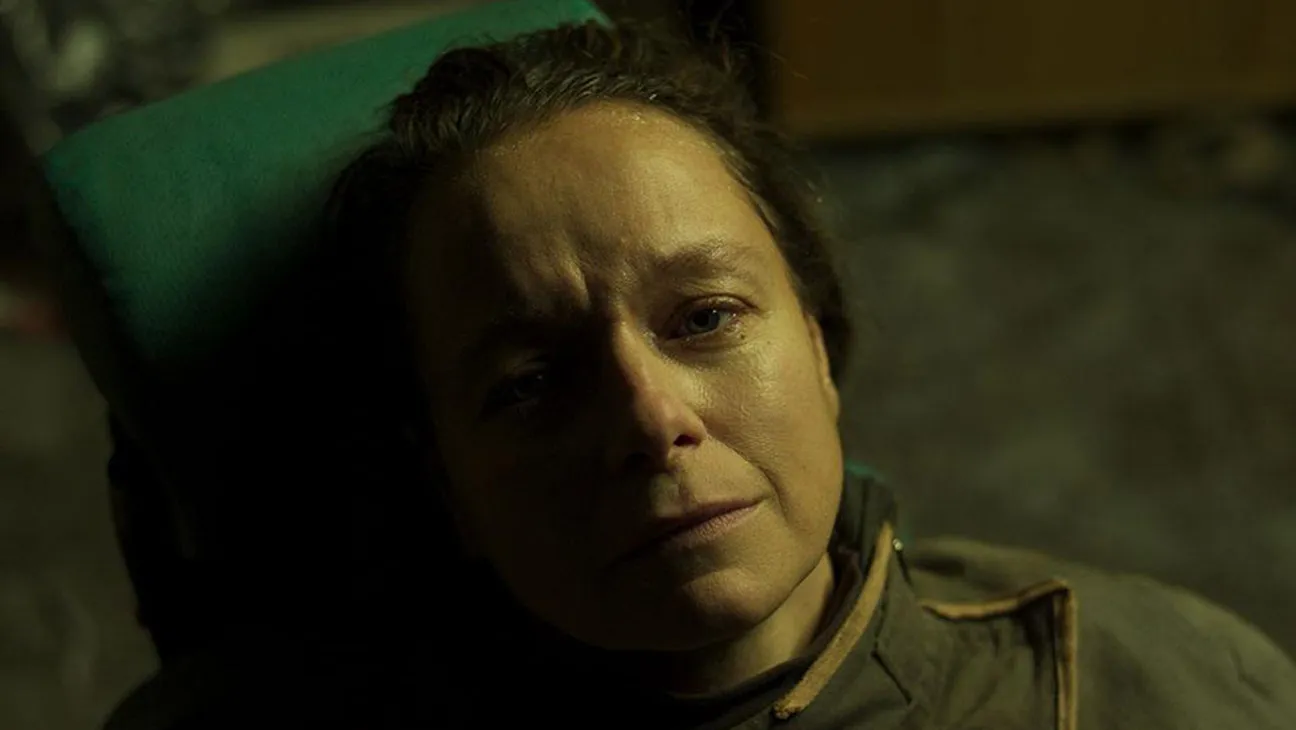
Works like Blade Runner and Children of Men seem more vivid precursors to the film’s aesthetic of a parched San Francisco ensconced in surveillance. Even the muddled explanation of La Jetée’s plot, which revolves not around heroics but intimate human emotions, shows a failure to grasp its essence.
Rather than superficial nods, a deeper dive into influencers’ real themes and techniques may have enriched Kapadia’s vision. As is, a sense of being there-seen pervades the futuristic threads. With Marker and others truly inspiring the form, 2073’s look and underlying philosophical queries could have felt fresher, forging its own scorched-earth identity.
No single film possesses a monopoly on ideas. But acknowledging artistic ancestors with clarity and respect strengthens any work’s bones. More discerning consideration of touchstones may help transport sequels of Kapadia’s urgent warning to even greater impact.
Style Over Substance on Screen
Kapadia pulls no punches in addressing society’s gravest threats. However, the visual and aural language used to frame these issues is where 2073 sometimes drops the ball.
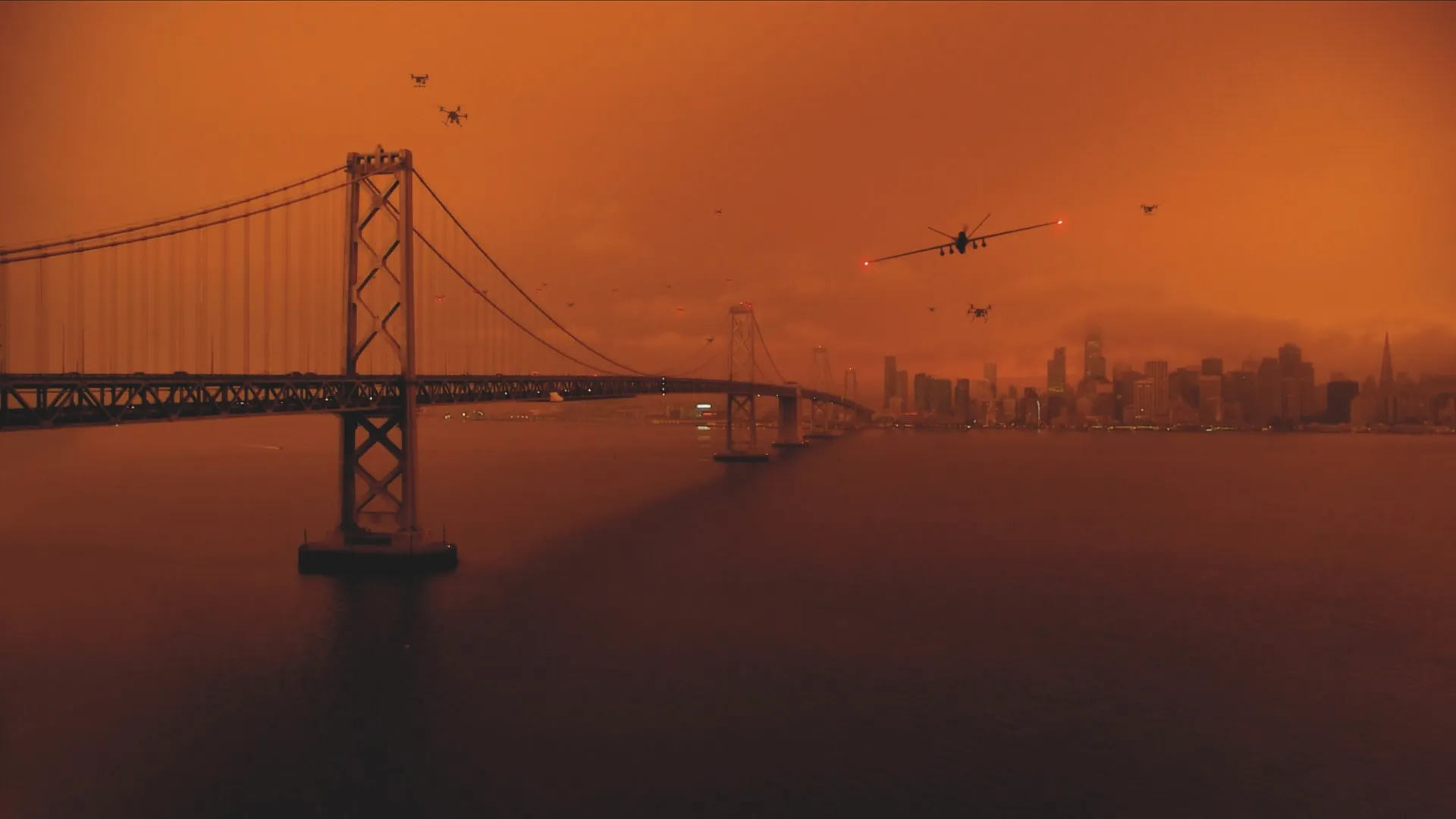
Editor Chris King weaves a motley assortment of scenes into a coherent whole, effectively bringing present problems to the fore through nonfiction clips. Yet when depicting Ghost’s futuristic world, the camera embraces tropes seen too many times before. Dystopias on screen have embraced these types of sets, but Kapadia’s feel stale instead of stirring new perspectives.
Max Richter hauntingly underscores many a cinematic nightmare. Unfortunately, his signature sound has also become overfamiliar, dating 2073’s atmosphere slightly. Though moving scores to the mood, fresher musical choices could’ve felt more cutting-edge.
While flagging society’s course merits discussion, prioritizing artistic vibrancy risks amplifying the film’s message even louder. With bolder visual and musical storytelling aligning with the nonfiction segments’ urgency, 2073’s imaginings may have sunk their teeth deeper.
As is, the documentary portions alone demonstrate Kapadia’s talent for rousing sociopolitical introspection. But by revitalizing the style spliced between, he could transport audiences to braver realms for pondering humanity’s fate and finding faith in our power to bend it anew.
A Blueprint for an Urgent Vision
With 2073, Kapadia tackles issues that will define our collective future. There exists great value in keeping these conversations alive. While execution of blending genres holds the film back at points, the questions raised around issues like rising fascism and climate inaction are ever more pressing.
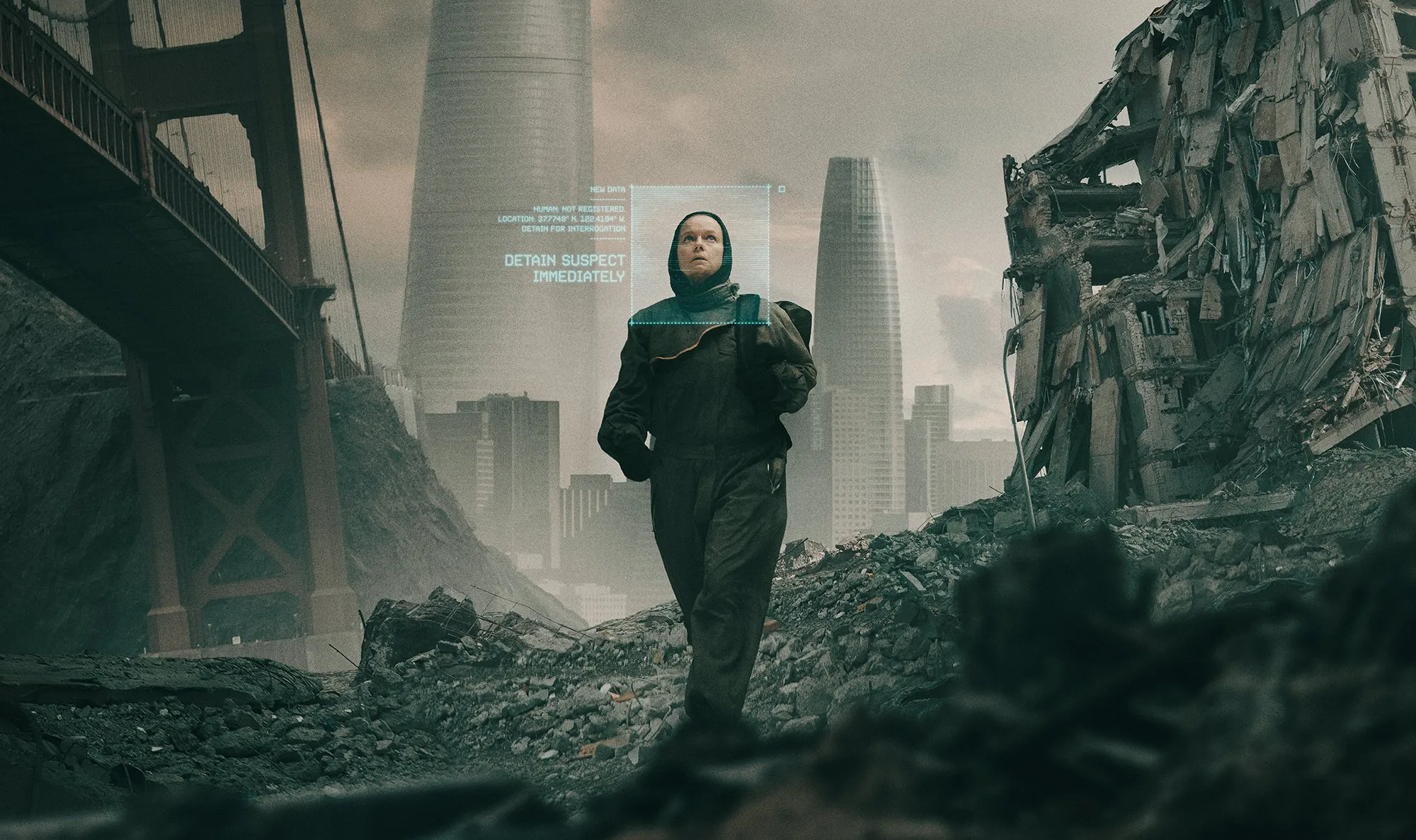
Seeing a mix of documentary facts and speculative fiction, one can’t deny Kapadia swings for the fences in scope. Where form suffers, content continues impressing—nobody could claim this film does not aim high or take its warnings seriously. And in sparking discussion through jarring contrasts of past and potential future, the director largely succeeds.
In the end, 2073 displays both a filmmaker passionately dedicated to shining light on societal fault lines and an artist still refining craft. But perhaps that’s the ultimate takeaway—there remains room to strengthen potent warnings, and Kapadia appears one unwilling to stop evolution. With further tests of blending message and medium, his capabilities to push audiences towards empowerment could grow boundless.
For now, let 2073 resonate as a challenge to uphold democracy against creeping threats and to pursue optimism that civic action can curb the dangers Kapadia depicts. Its bleakest depictions need not await us so long as hope remains for steering society onto kinder roads.
The Review
2073
Despite narrative and aesthetic flaws undermining its impact at times, 2073 raises urgent issues that demand discussion through an ambitious dual-genre approach. While falling short of its vision's full potential, Kapadia's film prompts thoughtful reflection on society's course through a blend of facts and fears that linger in the mind.
PROS
- Ambitious scope in connecting pressing global threats
- Persuasive documentary segments spotlighting actual problems
- Thought-provoking examination of political and technological issues
- Galvanizing message of avoiding bleak potential future
CONS
- Uneven blending of sci-fi and documentary styles disrupts flow.
- Formulaic dystopian tropes feel stale compared to roots.
- Overly quick pacing limits absorbing dense material.
- Gloomy tone risks turning some away rather than engaging
- Underdeveloped fictional narrative provides weak frame







