
























![Kingdom Hearts Collection [I-III] Review](https://gazettely.com/wp-content/uploads/2026/10/Kingdom-Hearts-Collection-I-III-1-360x180.webp "Kingdom Hearts Collection [I-III] Review: KHII Holds Steady as Newer Entries Fluctuate 37")



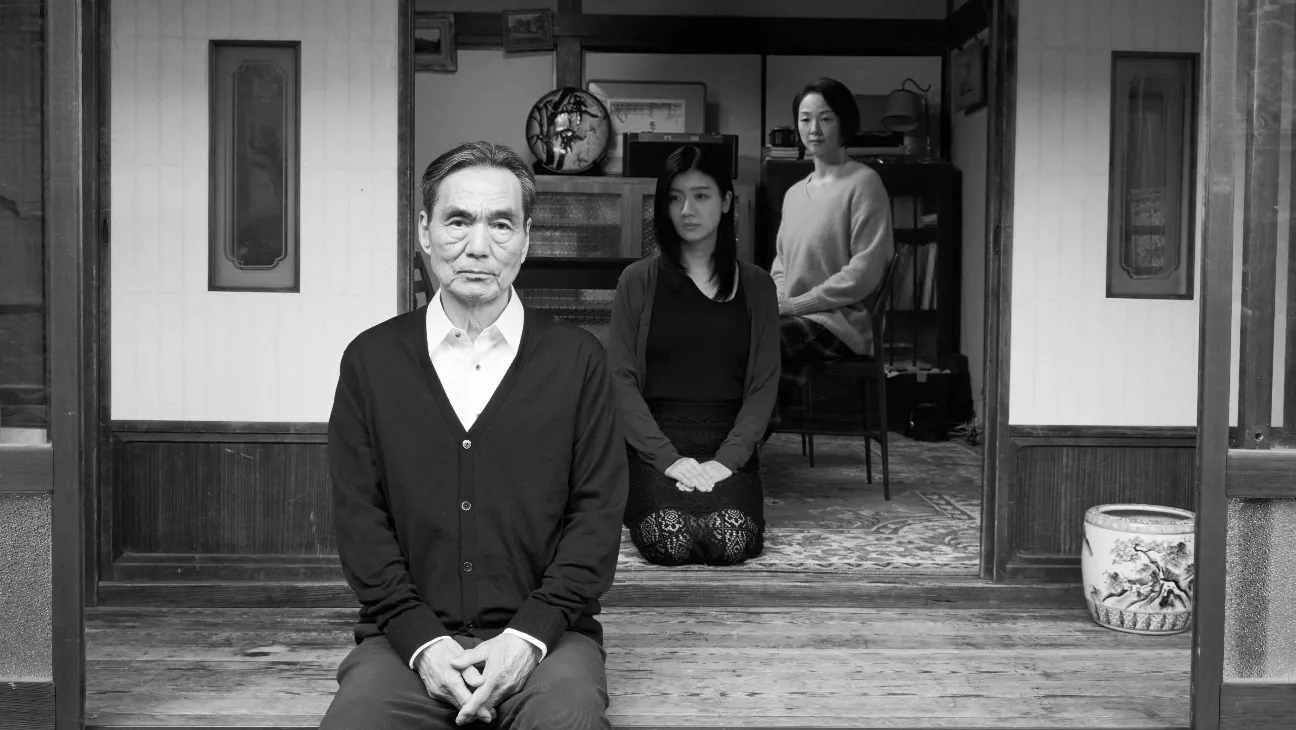

“Teki Cometh,” directed by Daihachi Yoshida, is a moving meditation on the waning light of existence, in which the routine activities of a once-vibrant life fade into a strange, uncertain environment. Gisuke Watanabe, a retired French literature professor who is 77 years old, is the film’s main character.
His life takes place in the simple surroundings of his family home, filled with echoes of a past that is both loved and haunting. As he carefully moves through the intricate steps of his daily routines, a series of unsettling events interrupt his carefully planned solitude. An anonymous email tells him of an impending enemy, a cryptic message that stirs up ingrained fears about aging and mortality.
The movie “Teki Cometh,” adapted from Yasutaka Tsutsui’s book, explores the fragile nature of the human mind by fusing reality with Gisuke’s vivid but disturbing dreams. In this instance, the film goes beyond the boundaries of a straightforward narrative, inviting viewers to confront existential questions about identity, memory, and the unavoidable passage of time.
The film turns into a spooky look at how people fall apart as Gisuke struggles with the specter of his decline, blurring the line between the past and present and revealing the darker sides of the human experience.
The Fabric of Solitude: A Plot Overview of “Teki Cometh”
Gisuke Watanabe, a retired professor handling the quiet loneliness of his twilight years, lives in the heart of a traditional Japanese house woven with threads of memory and loss. His days are carefully planned: he gets up with the sun, makes simple meals, and takes care of a yard that reminds him of his youth from the past.
This ancestral home, steeped in family history, functions as a sanctuary and a prison, capturing the delicate balance between nostalgia and the growing shadows of solitude. Every aspect of his daily life, from grinding coffee to drinking tea, has a hypnotic quality to it. It’s like dancing with the familiar, which grounds him while highlighting his isolation.
The arrival of an anonymous email with a coded warning that an enemy is approaching—a specter named “teki”—shatters the idea of peace, though. This unsettling incitement sparks a series of events that blur the line between reality and the subconscious, upseting Gisuke’s delicate balance of existence. The existentially dreadful email sends him into a labyrinth of anxiety and self-reflection, where every day starts to fracture, revealing the surreal undercurrents of his psyche.
As the narrative progresses, Gisuke’s waking life becomes a kaleidoscope of vivid, often disquieting images. His deceased wife appears in strangely moving visions, urging him to confront the ghosts of his past, and encounters with former students bring back echoes of unfulfilled desires. His line of existence is transformed into a tapestry of threads of fear, longing, and existential questions by these moments, which are both intimate and absurd.
Routines in his life turn into a strange study of memory and identity, and each dream opens the door to new emotional landscapes. In this liminal space, the boundaries of his reality blur, inviting reflection on the nature of existence itself. This is where the past and present meet, and the specter of death lingers, ever-present and unyielding.
Shadows of Existence: Thematic Depths in “Teki Cometh”
The haunting specter of lonely lines is at the heart of “Teki Cometh,” a profound study of aging. Gisuke Watanabe, who lives in the house where his ancestors lived, embodies the emotional intersection of life’s waning light and death’s looming shadow. Each ordinary job serves as a reminder of the vibrant life that once pulsed through his veins. His thoughts, steeped in melancholy wisdom, reveal the fragility of existence.
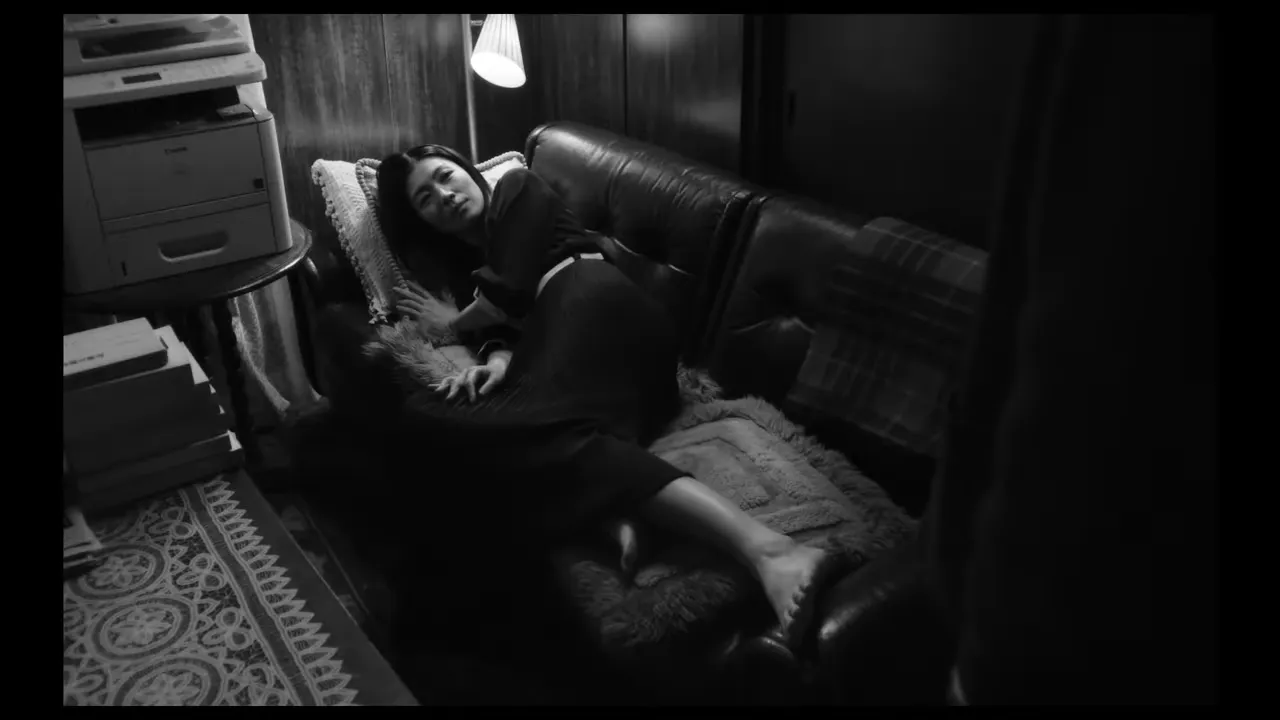
The solitude he seeks is both a sanctuary and a prison; it’s a carefully built front that falls apart when the weight of introspection gets to him. The silence of his home is filled with the echoes of deceased loved ones, transforming his daily routines into a meditation on death and a stark reminder that time moves on regardless of our intentions.
However, the boundaries between reality and dreams become more hazy as the narrative progresses, creating a confusing tapestry of memory and desire threads. Gisuke’s dreams, which are vivid and often disquieting, show him where regret and longing live in his psyche. They let him into a past that won’t disappear, making his present less stable.
Audiences are deeply moved by this interplay between the real and the spiritual, inviting them to reflect on their relationships to memory and the existential questions they raise. “Teki Cometh” expertly navigates the complexities of human experience in this liminal place where dreams seep into waking life, illuminating the unsettling truth that our realities are often shaped by the ghosts of our pasts, casting long shadows over our present.
The Weight of Memory: Character Development in “Teki Cometh”
Daisuke Watanabe is a haunting example of existential struggle. He is a man whose once-great mind is now struggling with the fog of regret and isolation. His character arc as a retired professor is steeped in a deep sense of introspection, navigating the gaps between past pride and present desolation.
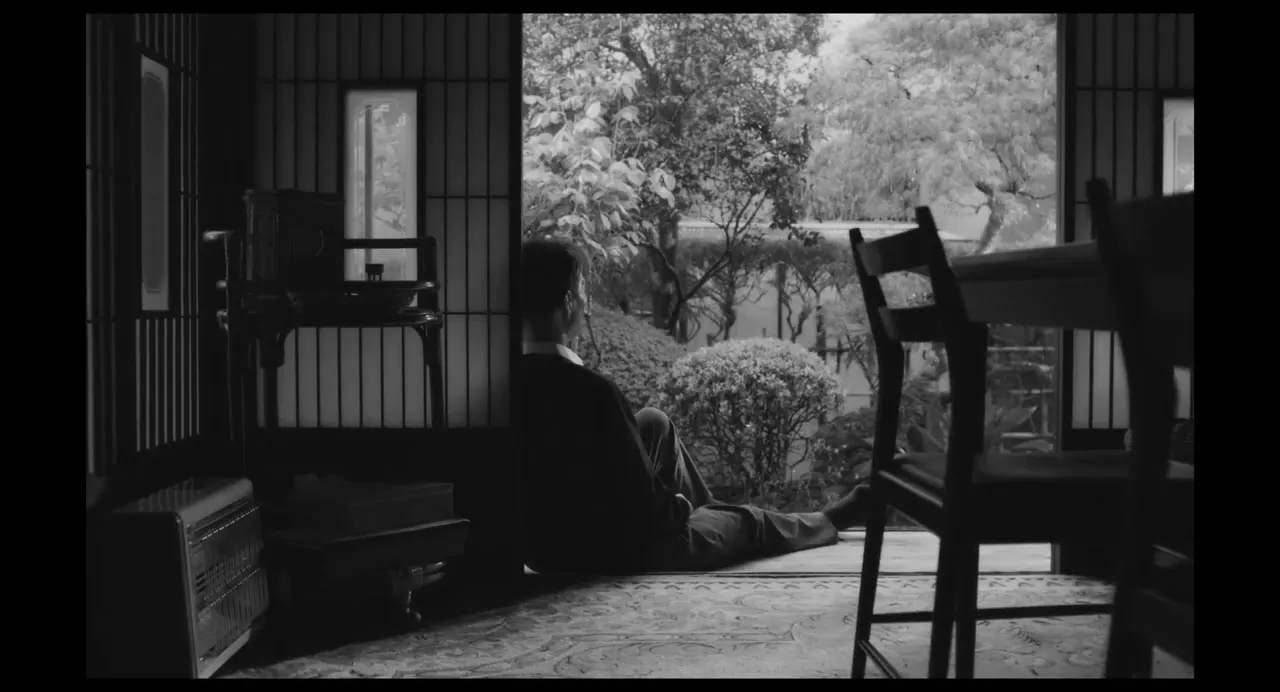
His meticulous routines serve as both an anchor and an escape, hiding a deeper turmoil, and every everyday interaction reveals new layers of inner conflict. The specter of death hangs over him, showing up in both the ticking clock of his life and the memories of his late wife, who stays with him in his dreams like a sweet melody. Gisuke is forced to confront the choices that have brought him to this lonesome existence by these memories, which send him into a labyrinth of nostalgia.
Supporting figures are very important in this complicated dance of memory and desire. Former students come and go from his life, reminding him of a world full of possibilities and connections he used to live in. Their interactions highlight the stark contrast between Gisuke’s past vibrancy and current solitude, often tinged with tenderness and unfulfilled longing.
In his dreams, his wife appears as an ethereal figure who goes back and forth between comfort and conflict. This is especially moving. She embodies the unresolved conflicts in their shared past, urging him to face the shadows of his choices and the transient nature of love. “Teki Cometh” expertly navigates the complexities of human connection in the interplay of these relationships, revealing how the past shapes the contours of our present selves like a haunting refrain.
Shadows and Light: Cinematography and Style in “Teki Cometh”
To reveal Gisuke Watanabe’s world in its purest form, “Teki Cometh”‘s visual landscape is a masterclass in the evocative power of black-and-white cinematography. This monochromatic palette profoundly reflects the stark realities of aging and isolation, which serves as more than just an aesthetic flourish.
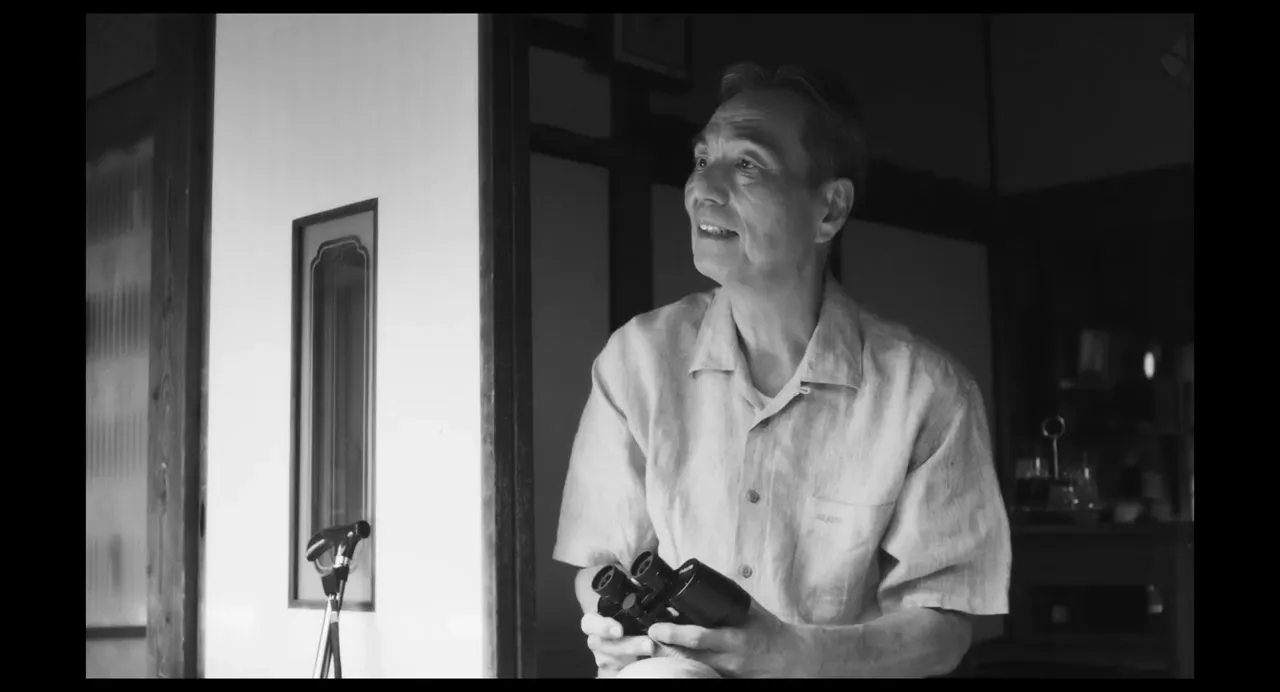
Each frame is carefully put together, catching the delicate interplay of light and shadow that reflects Gisuke’s inner struggles and illuminating the tension between hope and despair. Strangely, the lack of color strengthens the emotional impact, letting viewers fully experience the subtleties of his lonely existence.
The film’s art contains symbols that add to its thematic depth. The well in Gisuke’s yard is a powerful image of the unconscious and the depths of memory. The well’s unstable lid hints at the secrets that lie below the surface of his mind. Similar to how life is cyclical, the garden reflects life’s persistence and the inevitable decay accompanying it.
Yoshida creates a narrative through these visual choices that goes beyond dialogue, inviting us to consider the fragility of life, the weight of memory, and the haunting ghosts of the past, urging us to look into the well of our experiences and confront what lies beneath.
The Art of Expression: Performance in “Teki Cometh”
Kyozo gives Gisuke Watanabe a hauntingly subtle performance, giving the character a touching depth that stays with you long after the credits roll. He strikes a delicate balance between toughness and weakness in his performance, revealing Gisuke’s normally calm exterior flaws.
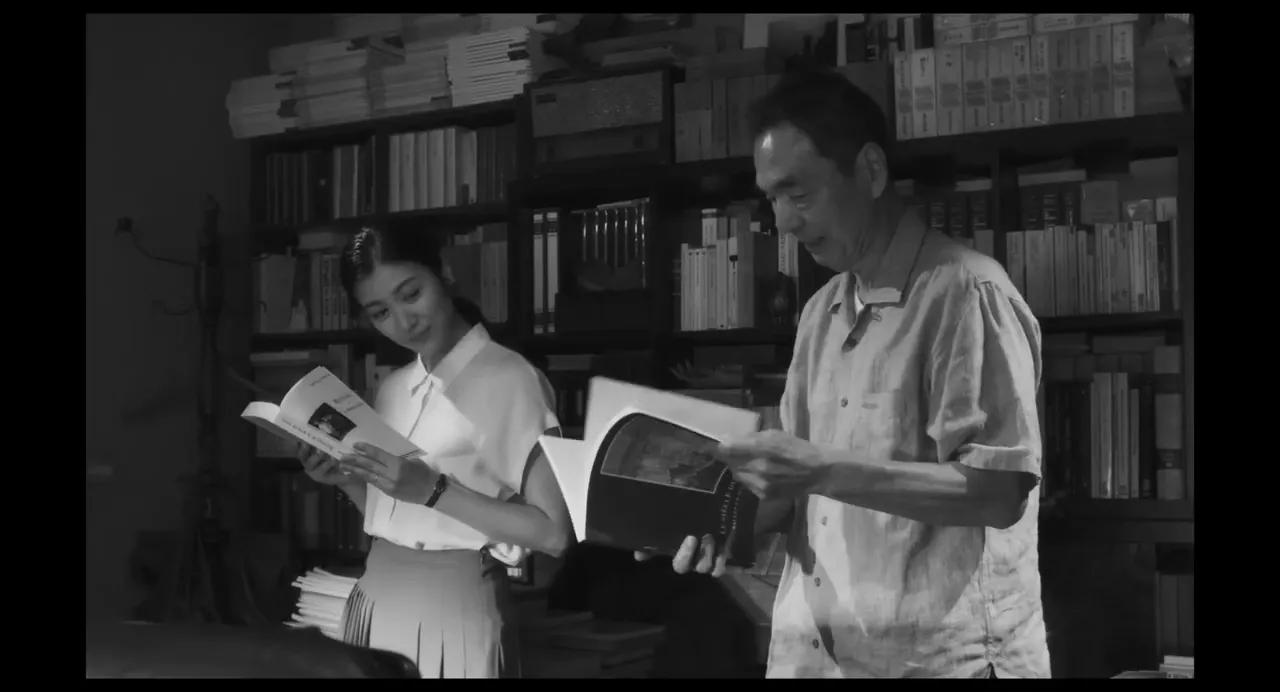
His ability to convey emotions, from wistful nostalgia to existential dread, is best shown in key scenes like his interactions with past students and the private moments spent in quiet reflection. In these brief conversations, Kyozo conveys the weight of a life lived but unfulfilled, making the audience very aware of Gisuke’s existence’s deep isolation.
Each actor adds layers to the narrative tapestry, further enhancing the film’s emotional landscape. Takiuchi Kumi’s portrayal of the former student Yasuko embodies a childlike curiosity that contrasts with Gisuke’s waning vitality. Her presence serves as both a trigger for his memories and a mirror reflecting his unspoken wishes.
Kurosawa Asuka is also very important; her ethereal portrayal of Gisuke’s dead wife in his dreams makes his journey frightening. Gisuke and the audience are forced to confront the unfinished threads of his past by her ghostly appearances, which evoke a complex mix of longing and regret. Through these performances, “Teki Cometh” goes beyond just telling a story, transforming into a deep investigation of the human condition, where every look and every silence speaks volumes.
Crafting the Uncanny: Daihachi Yoshida’s Directorial Approach
The direction of “Teki Cometh” by Daihachi Yoshida is a skillful orchestration of subtlety and depth, careful navigation through the murky seas of human experience.
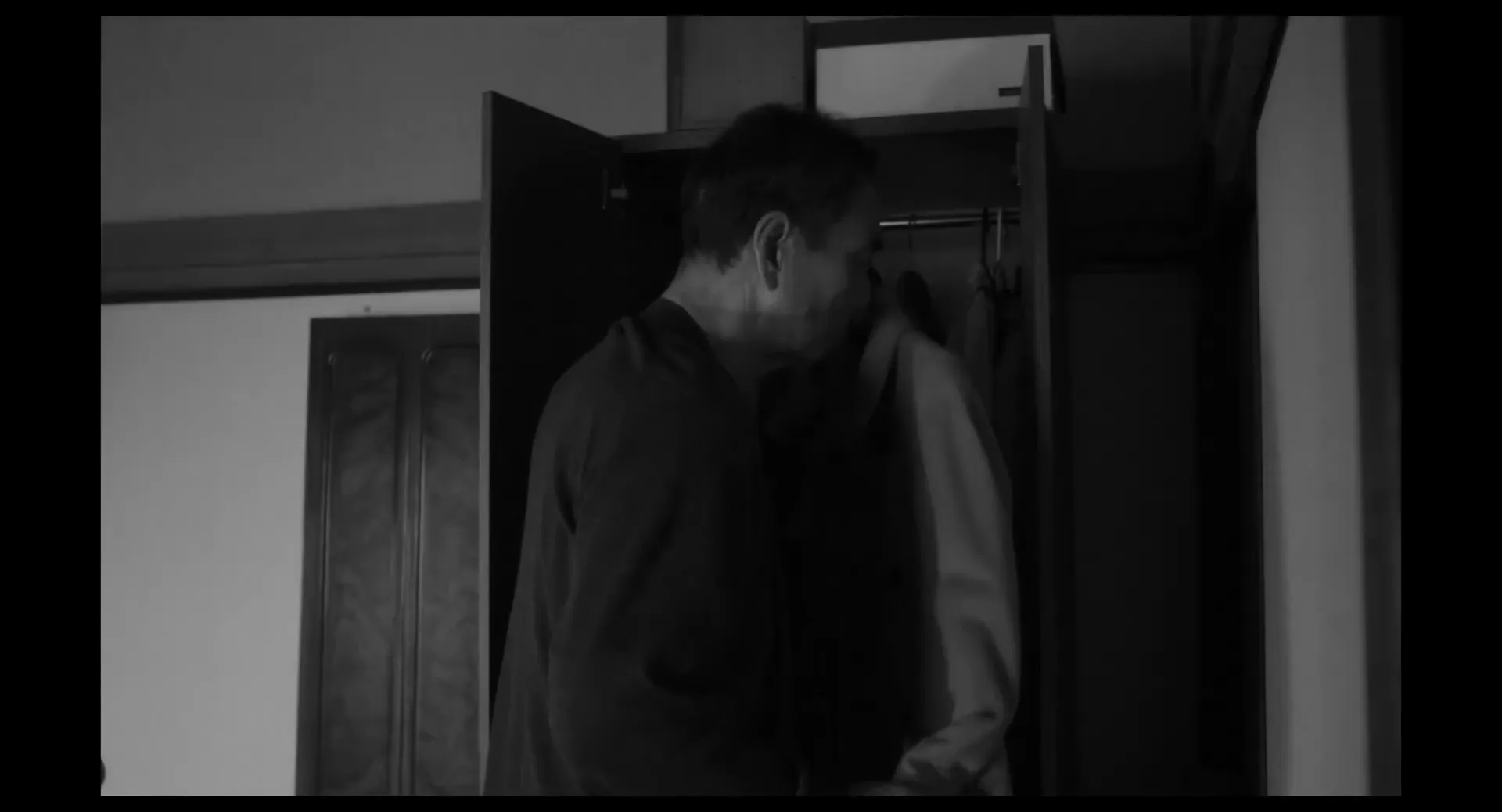
His adaptation of Yasutaka Tsutsui’s book reveals a keen sensitivity to the original work, transforming its existential musings into a visual language that is both touching and strange. Yoshida expertly balances an undercurrent of tension and funny moments, creating a setting where laughter often feels like a thin veil over the abyss of despair.
This juxtaposition weaves a complex web of feelings, inviting viewers to connect with the absurdity of life even as it falls apart into darkness. The director’s ability to make people laugh amid existential dread reflects how complicated human existence is, where happiness and sadness coexist and the ordinary can often reveal the profound. Yoshida creates a narrative in this delicate dance that makes the audience confront their doubts, reflecting the human spirit’s complex and sometimes contradictory nature.
Echoes of Solitude: Social Commentary in “Teki Cometh”
The way we see aging in Japan is both illuminating and disquieting in “Teki Cometh,” it offers a powerful critique of how people treat the old in society. Daisuke Watanabe is portrayed in the film as a symbol of the forgotten and a relic in a society that values youth and vitality, expertly exposing the pervasive stigma surrounding aging.

His isolation is not just a personal problem; it shows a societal neglect that echoes through many people’s lives, highlighting the light that frequently accompanies old age in a rapidly modernizing world.
The film also acts as a thoughtful meditation on mental health by making viewers confront the uncomfortable truths about loneliness and despair in the late stages of life. Gisuke’s inner struggles hit home, revealing how easily a fragile psyche can fracture under the weight of solitude.
The difficulties of mental health and the experience of isolation have become more prominent in modern debate, making this portrayal particularly pertinent. By incorporating these ideas into the narrative, “Teki Cometh” goes beyond its main plot, inviting viewers to consider the larger implications of how society sees and treats its aging population and, eventually, urging them to confront their role in perpetuating this cycle of neglect.
The Review
Teki Cometh
With Nagatsuka Kyozo's haunting performance and Daihachi Yoshida's sensitive direction, "Teki Cometh" masterfully weaves existential themes with a deep study of aging and solitude. The film's emotional depth is heightened by its black-and-white photography, and its powerful symbols make you think about memory and loss. It challenges how society sees aging and mental health through a darkly funny lens, which greatly impacts current conversations. This introspective journey eventually forces us to confront the shadows of human existence, making it a moving reflection on the inevitable end of life.
PROS
- Profound exploration of aging and isolation.
- Stunning black-and-white cinematography enhances emotional impact.
- Strong performances, particularly by Nagatsuka Kyozo.
- Thought-provoking symbolism and themes.
- Balanced integration of humor and existential tension.
CONS
- Pacing may feel slow for some viewers.
- The heavy themes might be too dark for lighter tastes.
- Some viewers may find the dream sequences abstract or confusing.