

























![Kingdom Hearts Collection [I-III] Review](https://gazettely.com/wp-content/uploads/2026/10/Kingdom-Hearts-Collection-I-III-1-360x180.webp "Kingdom Hearts Collection [I-III] Review: KHII Holds Steady as Newer Entries Fluctuate 37")



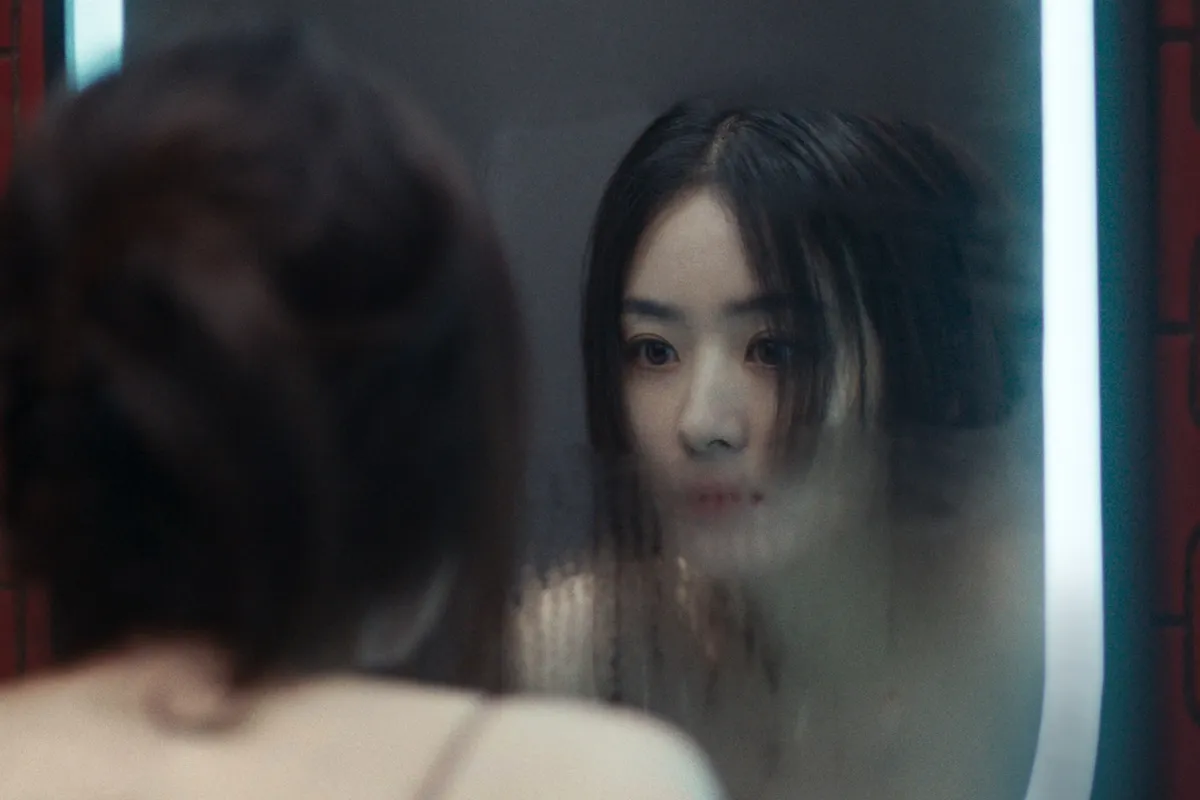

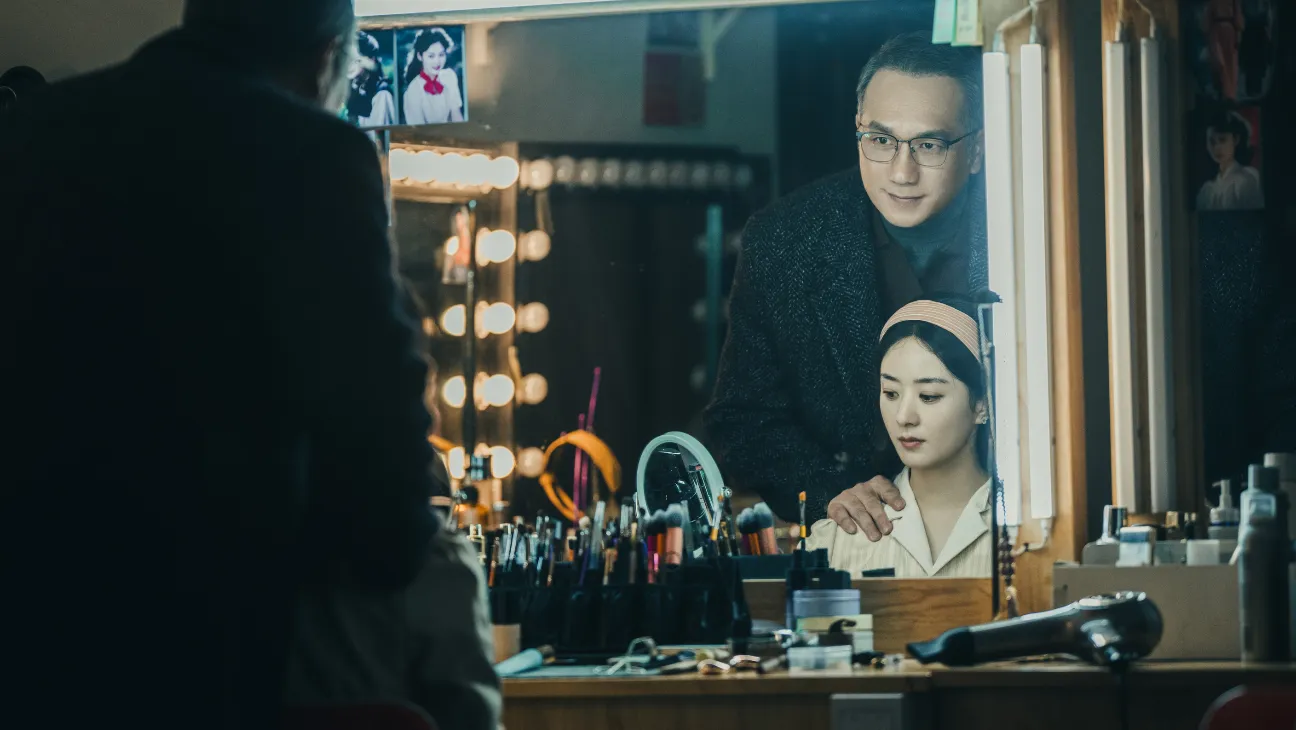
The striking character of Qiao Yan, portrayed by Zhao Liying with chilling accuracy, is central to The Unseen Sister. She is more than just a famous actress; she embodies the complexities of fame and isolation, navigating a world where authenticity seems like a distant memory and trust is a luxury.
A quiet storm is building behind Qiao Yan’s cold exterior as the film starts with her immersed in her glamorous yet lonely life in Beijing. Her sister, who she hasn’t seen in seventeen years and has been living in Myanmar, shows up out of the blue, tearing down the carefully built facade that Qiao Yan has been keeping up. This reunion is tense, revealing the layers of family secrets that could surface and mess up their lives.
We witness a gripping escalation of drama marked by blackmail and hidden facts as the narrative progresses. More issues are at play here than just the sisters’ reunion. These include societal standards and the haunting memories of their shared past. The film uses nonlinear storytelling, weaving between the present and flashbacks to slowly reveal the sinister circumstances surrounding their breakup.
As Qiao Yan grapples with her identity and the looming fear of scandal, each turn of events gives the characters’ emotional journeys more weight. This approach not only improves the narrative but also reflects modern anxieties about fame, ties to one’s family, and the sacrifices made in pursuit of success. The way the film is put together encourages viewers to connect with the characters’ struggles, making their journey meaningful on many levels.
In this way, The Unseen Sister becomes a cultural artifact, reflecting the complexities of contemporary life and the complicated dance between personal and societal narratives rather than just a thriller. The film is a fascinating watch for modern audiences because it combines personal stakes with a larger commentary on fame and family ties, making it part of a current cultural conversation.
Unraveling the Complexity of Qiao Yan and Her Sister
The character of Qiao Yan, as portrayed by Zhao Liying, is one of contradiction and complexity. Her cold demeanor serves as both armor and prison, and she immediately embodies the isolation that frequently comes with fame. As the narrative progresses, we witness the layers of her emotional state. Under her cold exterior is a woman struggling with insecurity and a deep sense of being disconnected. Her motivations are influenced by a combination of ambition and anxiety, reflecting a desire to uphold her public image while battling the shadows of her past.
Her relationships shed more light on her character arc. Shen, her manager, is both a source of support and a manipulative force, reflecting the frequently exploitative nature of the entertainment business. Their tense interactions reveal Qiao Yan’s fight for independence in the face of outside pressure. Being both a famous star and a weak person creates a complex storyline that changes throughout the film, making her journey both familiar and moving.
On the other hand, Qiao Yan’s sister stands out as an example of strength that comes from hardship. She has had to face her own hurdles while living in Myanmar, such as societal expectations and personal sacrifice. With a lot of emotional weight, her arrival in Beijing is a reunion and a face-to-face with the past. As the sisters navigate their shared story, their relationship, which has been strained by distance and secrets for a long time, changes dramatically.
The film beautifully depicts their relationship, which at first seems stressed but eventually turns into a source of strength. In a cultural context where familial ties frequently dictate personal choices, viewers witness a strong reclamation of identity as they learn the truth about their past. Their journey reflects larger societal themes, like the need for belonging and the impact of family loyalty, echoing the changes between generations in modern narratives.
These characters best illustrate the film’s study of identity and connection. The juxtaposition of Qiao Yan’s privileged but alone life with her sister’s fight for survival serves as a microcosm of modern society, making The Unseen Sister a profound statement on the complexities of family relationships in the face of societal pressures.
Navigating Identity and Family in The Unseen Sister
Through the lens of its main characters, The Unseen Sister offers a deep examination of identity. The problem many people face when trying to balance personal desires with societal expectations is exemplified by Qiao Yan’s journey. She grapples with a public image that is often at odds with her true self because she is a famous actress.

Her identity is a reflection of her choices, but it is also a reflection of pressures from the outside, which are made worse by her fame and the attention that goes along with it, as the film poignantly shows. This tension still hits home with modern viewers, especially now that social media and public opinion can determine how valuable someone is.
Her sister’s arrival adds to the narrative’s complexity. While Qiao Yan enjoys the trappings of success, her sister’s life in Myanmar is marked by hardship and sacrifice. Each woman embodies different aspects of identity shaped by their circumstances. The film criticizes how identity is frequently formed through the lens of familial relationships and societal roles by showing how different their experiences are. This dynamic invites viewers to reflect on their ties in a world that is constantly trying to define them.
The film presents a complex study of the ties that bind through the intricate weaving of themes of family loyalty and sacrifice. A microcosm of broader family ties shaped by cultural rules, the sisters’ relationship is fraught with unspoken tensions and unresolved issues. Their reunion compels them both to face the sacrifices made in the name of family, which frequently means giving up their goals.
The female characters’ choices and lives are shaped by the cultural standards that hold them back. In the film business, women are often seen as nothing more than vehicles for men’s ambitions, as shown by Qiao Yan’s fight with her manager, Shen. This portrayal fits in with current conversations about female representation in media and women’s ongoing difficulties when trying to create their narrative.
By talking about these issues, The Unseen Sister reflects modern societal anxiety and makes viewers think about identity and the often-unseen ties made for family. The film goes beyond traditional storytelling in this way, providing a deep, multi-layered narrative that begs for thought. This quality is reminiscent of the great works of the French New Wave, where personal and societal narratives were skillfully intertwined.
The Visual Language of The Unseen Sister
The striking visual style of The Unseen Sister is a testament to the skilled lenswork. The film, which Florian J.E. Zinke shot, has a cool color scheme that fits with how cold Qiao Yan’s life is emotionally. The use of wide shots and close-ups creates a visual conversation between the characters’ public image and their inner turmoil. This choice of style not only enhances the storytelling but also pulls the audience into the stark contrasts of her glamorous but lonely world.
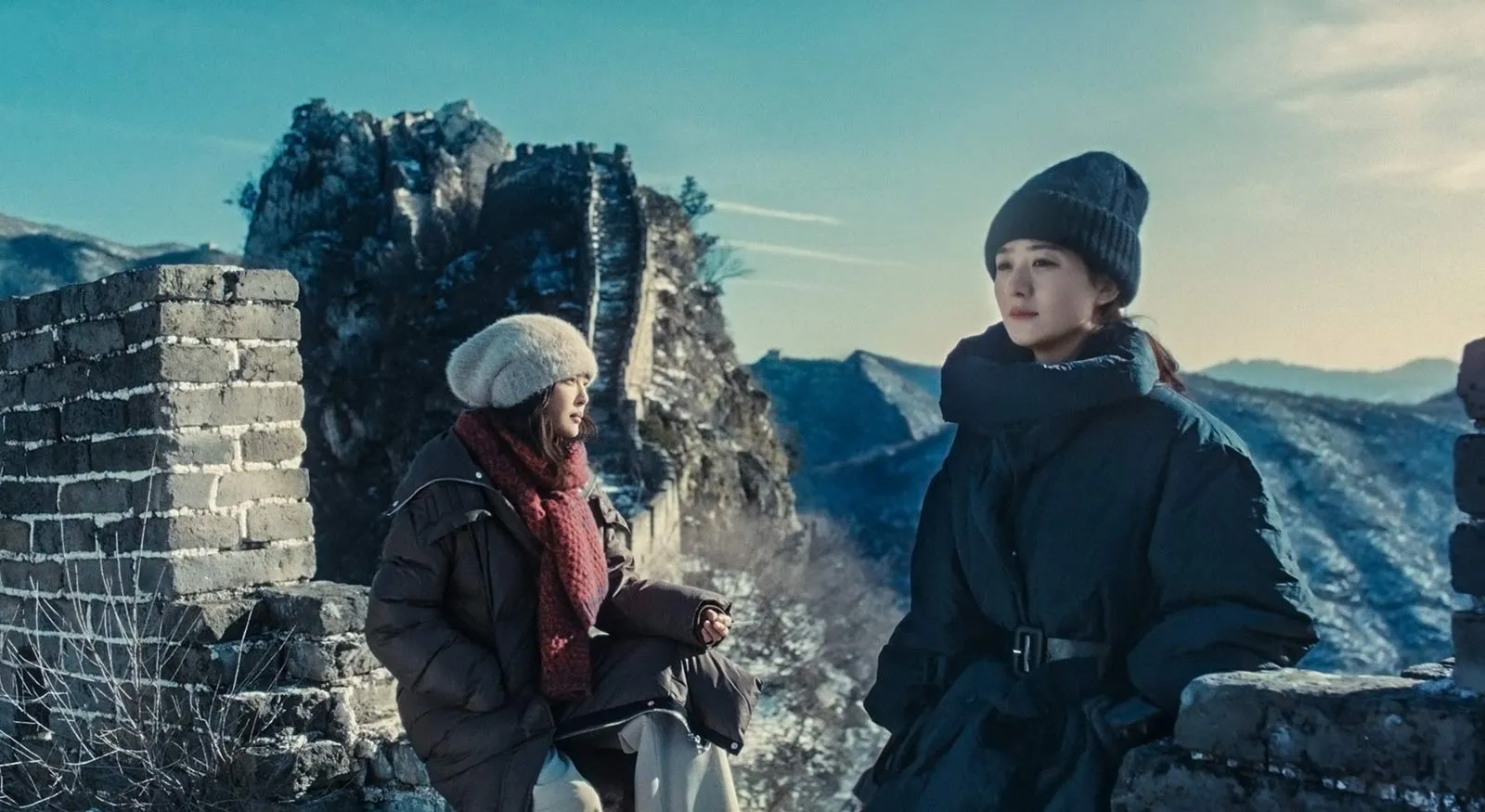
This narrative tapestry depends heavily on the settings. When Qiao Yan’s sister comes over, her simple apartment goes from cold and uninviting to warm and welcoming, representing how emotional walls slowly melt away. The difference between Beijing and Myanmar further enhances the story, highlighting the sister’s different paths and experiences. Through its careful composition and framing, the film invites viewers to reflect on the weight of family history and the emotional landscapes of its characters.
The Unseen Sister’s director, Midi Z, successfully combines conventional storytelling with cutting-edge methods to give the film a unique voice. Because he takes a nuanced approach to character growth, the story’s emotional core can grow naturally. By using nonlinear storytelling, he layers the sisters with depth, gradually revealing the secrets that bind them while keeping a palpable tension throughout.
Z’s direction, marked by a keen sensitivity to emotional tone, frequently amplifies the characters’ internal battles. The sound design subtly accompanies the visuals, creating an immersive experience that hits you deep down. This attention to detail is reminiscent of French New Wave directors like Godard, who used cutting-edge cinematic methods to skillfully navigate the complexities of human emotion.
Ultimately, Midi Z’s style choices make The Unseen Sister more than just a typical thriller. They turn it into a moving look at identity, family, and the shadows that the past casts. This film is an important addition to modern filmmaking because it balances artistic vision and emotional authenticity.
The Power of Performance in The Unseen Sister
Zhao Liying expertly captures the complex layers of a woman torn between the demands of fame and the haunting shadows of her past in her portrayal of Qiao Yan. From the film’s beginning, she embodies a complicated emotional landscape, alternating between cold detachment and moments of vulnerability. She can remarkably convey the subtleties of Qiao Yan’s inner conflict; a flicker of her eyes can convey a world of pain and longing.
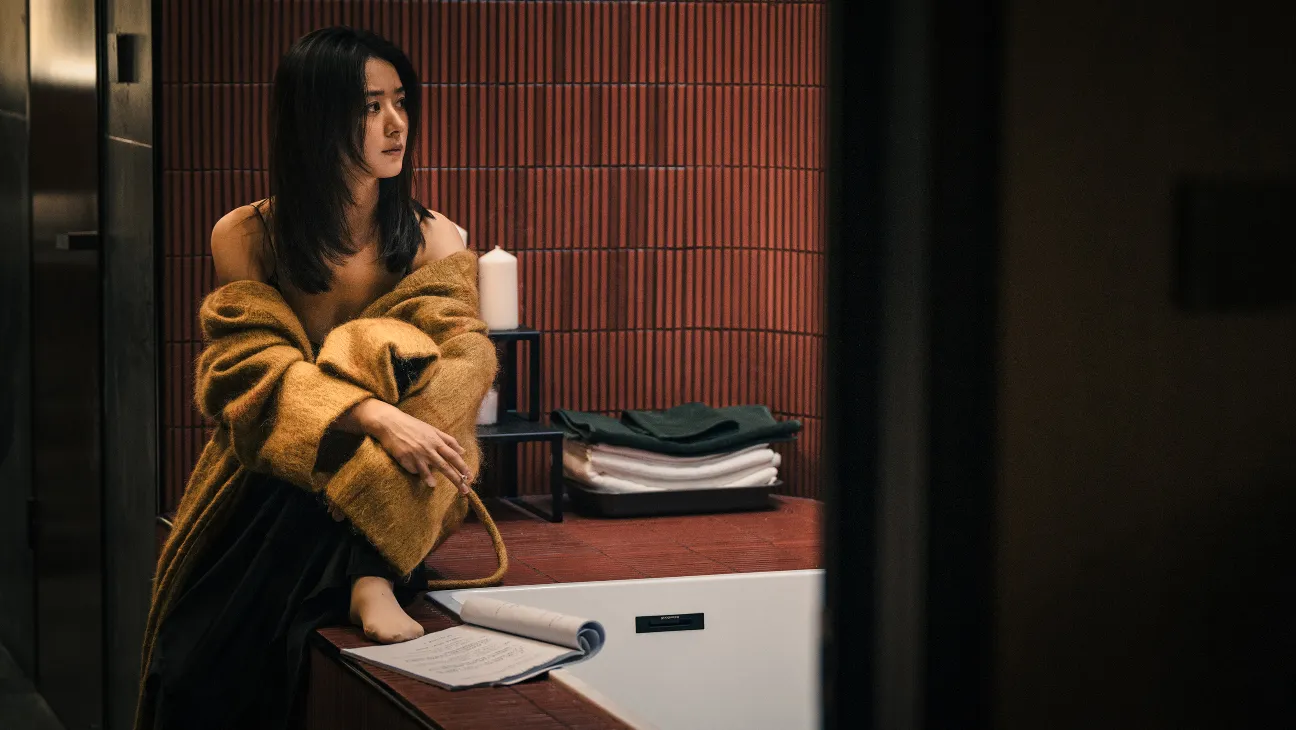
One great scene is when Qiao Yan’s biting sarcasm hides her deeper insecurities during a tense dinner scene with her boss, Shen. As she brushes off the demands put on her, the audience can feel how weak she is. This juxtaposition of strength and vulnerability is further emphasized in scenes with her sister, where the raw emotional stakes are clear.
The performance of Zhao Liying changes from cool aloofness to heartfelt connection in these moments, revealing the profound impact of their broken relationship. Even though she grapples with her darker impulses, Qiao Yan is a multifaceted character who can navigate this emotional terrain.
Qiao Yan’s sister, Xin Zhilei, brings a moving depth to the film by showing how hardship and sacrifice shape a woman. Her character starkly contrasts with Qiao Yan, highlighting the different directions their lives have taken due to their respective circumstances. Xin’s performance is marked by a quiet strength that frequently shows her character’s fortitude in adversity. Her emotional reunion with Qiao Yan is a masterfully staged scene full of tension and unspoken words, demonstrating her ability to convey strong emotions without resorting to melodrama.
The supporting cast also enhances the richness of the narrative. Huang Jue’s portrayal of Shen, the sly manager, perfectly encapsulates the traits of a character who embodies both support and abuse. Zhang Fan as Mr. Yu adds a layer of menace that raises the stakes for Qiao Yan, and his performance is chilling, reflecting the darker side of the entertainment business. Each actor adds to the film’s emotional depth by creating a web of relationships that highlight the main themes of identity and family loyalty.
In addition to propelling the narrative forward, the performances in The Unseen Sister also encourage viewers to reflect on the complexities of human connection in a world full of societal pressures. The film is a notable addition to modern cinema thanks to the ensemble cast’s compelling portrayal of characters making their way through the complicated waters of fame, family, and personal sacrifice.
The Rhythm of The Unseen Sister: Pacing and Structure
The Unseen Sister has a delicate rhythm that mirrors the emotional upheaval of its characters. The film starts slowly to help viewers get used to Qiao Yan’s world of fame and isolation. This methodical approach creates tension by drawing the audience into her internal struggles. Certain moments can occasionally break the flow, especially when the back story is being explained.
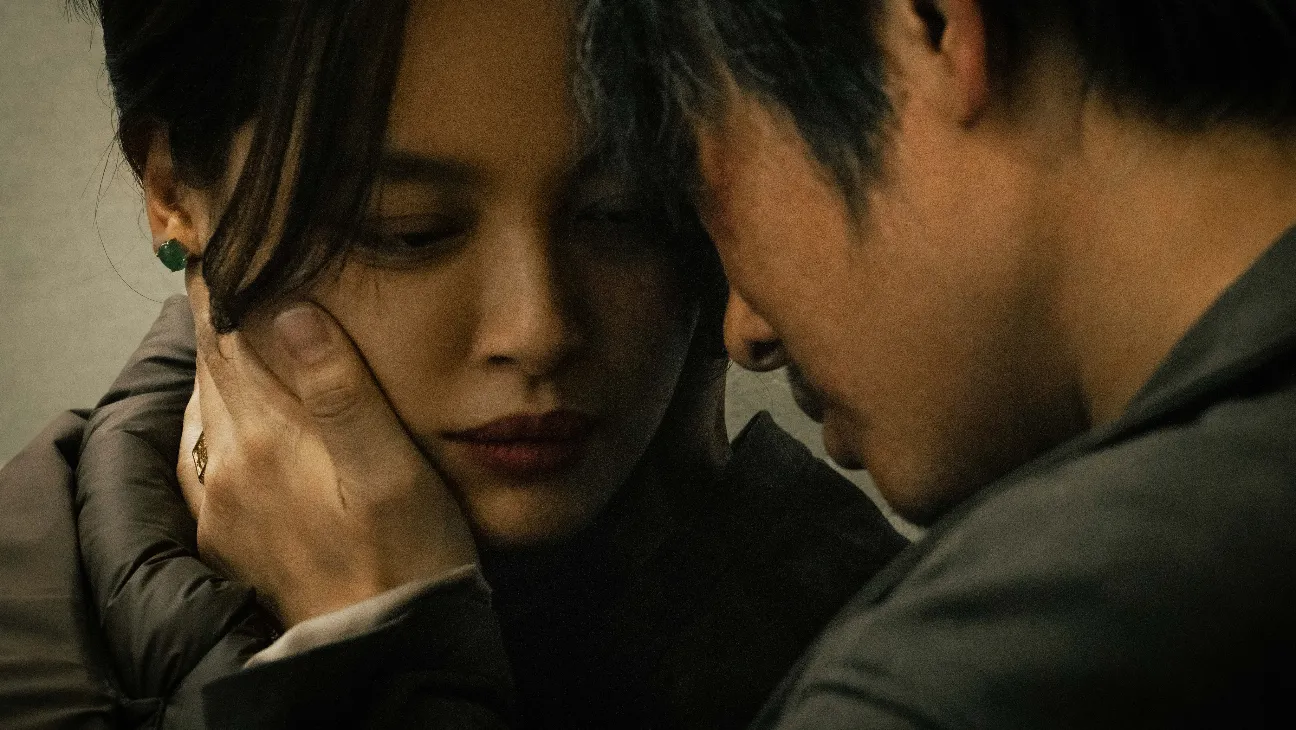
For example, scenes that go into depth about Qiao Yan’s past slow down the narrative, which could make some viewers lose interest. However, these slower action moments are often rounded out by sharp, tense interactions, especially during the sister reunion and the blackmail drama’s escalating moments. The pace quickens here, raising the stakes and drawing the audience back into the story’s emotional core.
The film uses a nonlinear storytelling structure that enhances its narrative by weaving past and present together to show the complexities of the sister’s relationship. Carefully carried out, these transitions are frequently marked by visual cues that indicate changes in time and mood. For example, color grading and sound design are used to tell the difference between times when flashbacks happen.
This well-thought-out organization lets the audience assemble their shared story’s puzzle, creating a more real-life experience. There are some moments, though, where these transitions could use more clarity because some changes can throw people off for a moment. The film’s study of identity and familial ties, which are relevant to modern issues like generational shifts and personal discovery, is ultimately enhanced by the narrative structure, which challenges traditional linear storytelling. The Unseen Sister can be compared to the daring narrative styles of filmmakers like Godard and current voices like Greta Gerwig in this way, serving as a testament to the innovative spirit of contemporary cinema.
Cultural Resonance in The Unseen Sister
The legacy of China’s one-child policy is subtly woven into The Unseen Sister’s narrative, profoundly influencing character interactions and motivations. This policy greatly impacts Qiao Yan’s life and her bond with her sister. It changed the way a generation was raised.
Qiao Yan’s isolation is a personal struggle and a societal expectation to be perfect. The push to succeed as a single child in a competitive society adds layers to her character. The film asks viewers to think about how this policy has promoted individualism, where family ties can become fraught with tension as expectations clash with personal wants.
In addition, the historical background of the one-child policy is still important today because it represents persistent societal anxieties about gender roles and family ties. The sisters’ reunion is a moving reminder of the sacrifices that had to be made to live in such rigid structures. This, in turn, leads to a more general thought on how family has changed in modern China.
The narrative is given more depth and authenticity by the film’s vivid depictions of the cultural landscapes of both China and Myanmar. Qiao Yan’s life in busy Beijing is very different from her sister’s life in Myanmar, where traditions and difficulties live together in a more unstable balance. This cultural background is more than just a background; it’s a character that affects the sisters’ choices and identities.
From Beijing’s bustling street life to Myanmar’s calmer, more reflective atmosphere, cultural elements are portrayed with care. The film shows how these settings affect the characters’ lives and relationships by showing how they differ. For instance, the sisters’ interactions show the sisters of their various cultural contexts, highlighting the disparate attitudes toward family and ambition.
The current global conversations about migration, belonging, and the ties that bind us across countries are profoundly influenced by this investigation of cultural identity. The Unseen Sister invites viewers to engage with the complexities of identity in an increasingly interconnected world by doing so, in addition to telling a personal story and reflecting larger societal changes. The film is an important piece of art because of its rich cultural tapestry, which speaks to the individual and the group human experience. It reminds me of the deep narratives created by directors like Truffaut and modern storytellers like Noah Baumbach.
The Review
The Unseen Sister
The Unseen Sister expertly weaves personal narratives with larger societal themes, delving into identity, family relationships, and the lasting effects of cultural policies. Midi Z's creative direction and striking cinematography enhance the film's emotional resonance, and Zhao Liying and Xin Zhilei give strong performances that give depth to their complex characters. Its rich cultural background and narrative innovation make it a powerful reflection of modern anxieties, despite some pacing problems. This film is a must-see if you're looking for emotional depth and cultural commentary.
PROS
- Strong performances by Zhao Liying and Xin Zhilei, showcasing emotional depth.
- Innovative narrative structure that explores complex family dynamics.
- Rich cultural context that reflects societal issues and historical policies.
- Striking cinematography that enhances the storytelling.
- A poignant exploration of identity and personal sacrifice.
CONS
- Some pacing issues that may disrupt audience engagement.
- Certain transitions between timelines could be clearer.
- Moments of exposition feel slightly drawn out.







