



























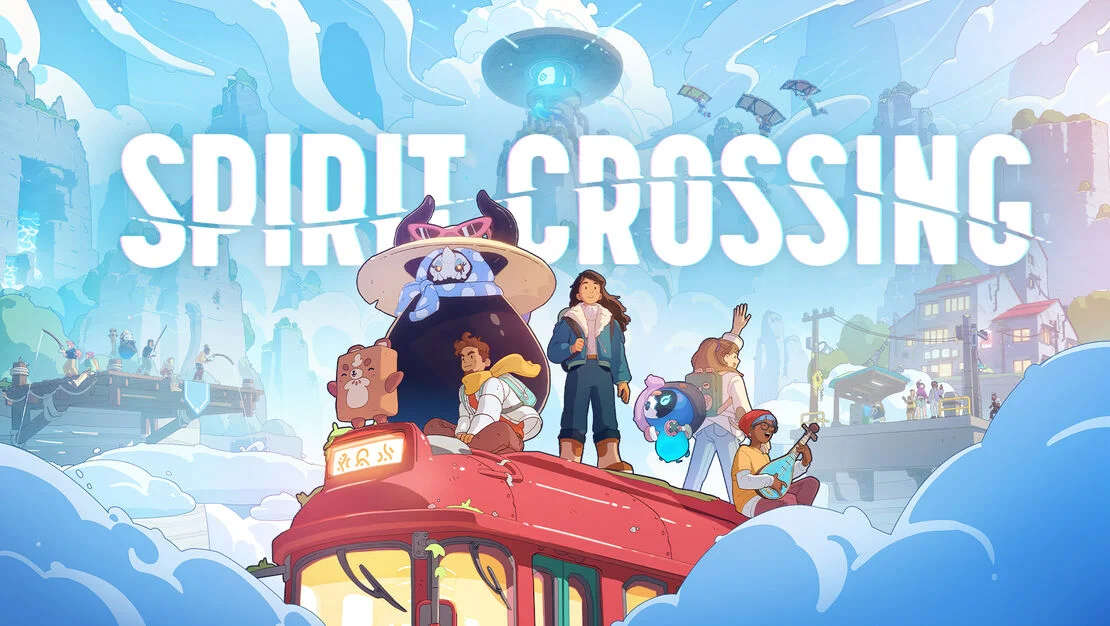

An American studio borrowing the daily rituals of Japanese life simulations is hardly unusual in contemporary gaming. What makes Spry Fox’s Spirit Crossing interesting is where those borrowed ideas have ended up. Originally developed during the studio’s time under Netflix, with mobile gaming in mind, the project eventually found its way to PC and Nintendo consoles following Spry Fox’s return to independence.
That history helps explain a peculiar design philosophy: a persistent online world that encourages exploration and creativity, then regularly asks players to stop progressing. The tension between freedom and routine runs throughout the experience, although its most interesting consequences emerge when another human being enters the picture.
The obvious ancestor is Nintendo’s Animal Crossing, whose leisurely activities and familiar inhabitants helped establish a particular language of comfort in Japanese game design. Spirit Crossing adopts the collecting, decorating, and daily responsibilities, then redirects much of that energy toward a community of actual players. Its supernatural setting provides a fitting excuse.
The Crosslands exists between the human and spirit realms, a fractured landscape troubled by destructive storms. Maya, the spirit responsible for bringing the player there, suffers an injury that scatters fragments of her being across the region. Finding those pieces provides the main narrative thread, with the rectangular bear Roomie offering a welcoming home and an introduction to crafting and decoration.
These familiar ingredients produce an unusually inviting multiplayer adventure. Spirit Crossing is easy to recommend to players interested in cooperation, peaceful exploration, and personal creativity, particularly those who appreciate the daily rhythms of traditional life simulations. Its strongest ideas concern how strangers become neighbors. Its principal weakness is that the activities surrounding those relationships struggle to sustain the same interest when the social element falls away.
Consider how the game introduces other players. Rather than immediately displaying every visitor as a fully identifiable character, it presents strangers as muted silhouettes. A friendly gesture, such as a high-five, reveals their colors and appearance. The visual transformation gives an elementary interaction a surprising significance: recognition becomes something voluntarily exchanged.
Friendship develops through further gestures, gifts, and shared activities, eventually permitting hugs, visits to one another’s homes, and other expressions of familiarity. Players can fish together, perform music, or leave messages in visitor books. These mechanics are simple, but their gradual introduction lends human contact a sense of development that conventional MMO friend lists rarely possess.
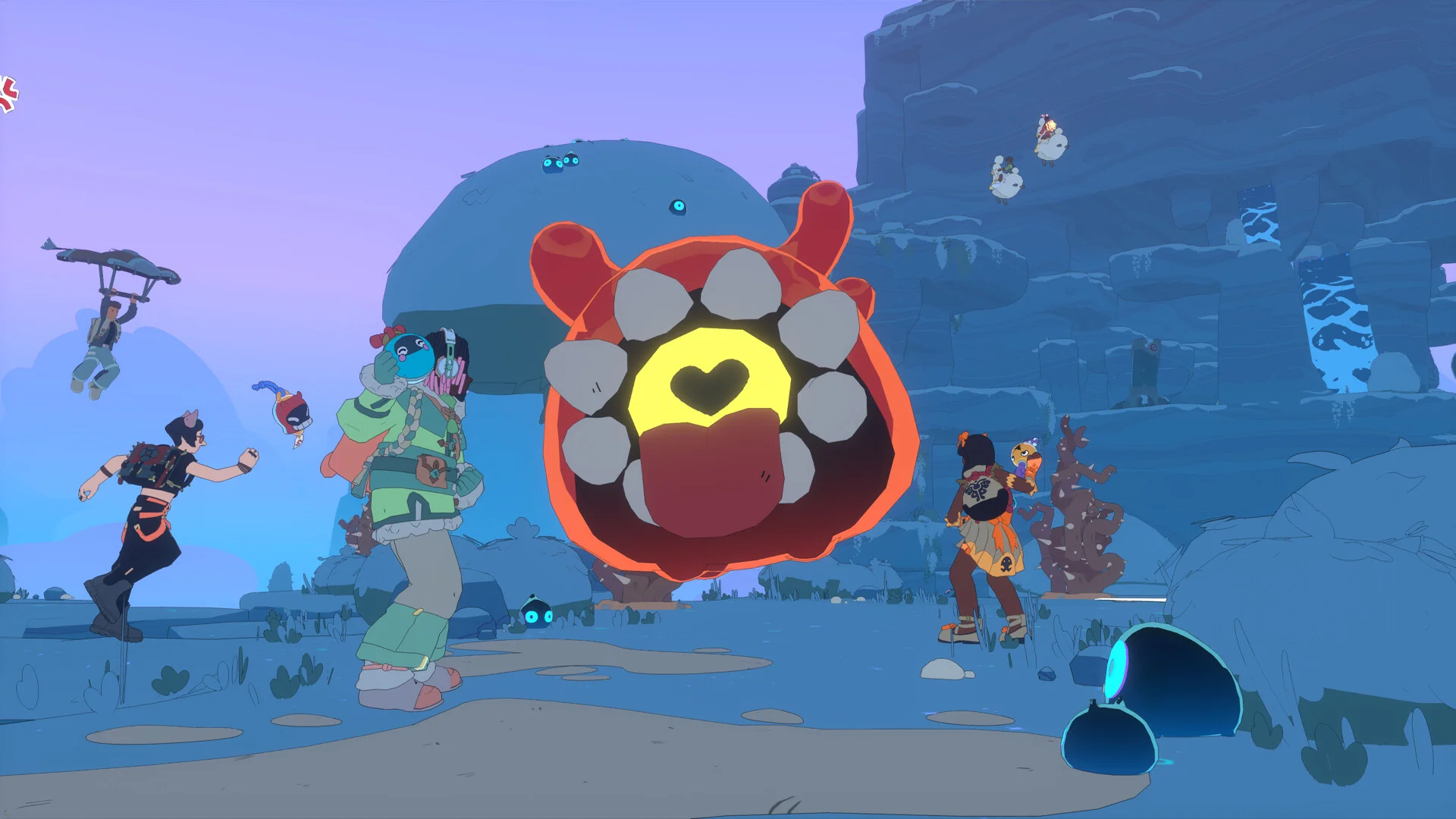
There is also considerable intelligence in the ability to withdraw. Lurk Mode allows players to avoid unwanted social interaction, preserving the option to explore independently. Spry Fox understands that a welcoming community cannot depend on compulsory friendliness. In a multiplayer genre where cooperation frequently means joining organized activities and keeping pace with everyone else, acknowledging another traveler may be the entirety of an encounter.
The storms offer a stronger demonstration of how the design converts its narrative concerns into playable experiences. When hostile weather spreads across the wilderness, stamina diminishes and certain activities become harder to perform. Nearby campfires provide shelter, encouraging travelers to gather, converse, or play instruments until conditions improve.
Once the storm passes, rainbow beacons appear across the landscape, drawing everyone back into exploration. The sequence gives the Crosslands a convincing communal rhythm. Its supernatural disturbances have practical consequences, and the response encourages collective participation. Music, accompanied by the sounds of rain and wind, becomes part of the social experience rather than an ornamental feature.
Waystations extend that thinking from temporary encounters to lasting cooperation. Players contribute resources and vote on improvements to shared building areas. Personal plots support decorative structures and useful objects such as ladders, fans, and trampolines. The system recalls Western online building communities, but its emphasis on modest public improvements fits comfortably beside the neighborhood responsibilities familiar from Japanese life simulations. A stranger can make use of the shortcut someone else built.
The Crosslands themselves draw from another recognizable Japanese tradition. Climbing almost any surface, managing stamina, and gliding across enormous gaps immediately recall The Legend of Zelda: Breath of the Wild. Nintendo’s adventure uses these mechanics to make geography demanding and potentially dangerous. Spry Fox preserves the pleasure of vertical exploration but removes much of its anxiety.
A failed glide sends the character bouncing back rather than suffering fall damage, and there are no enemies waiting to punish an unfortunate landing. This is a sensible adjustment for a game uninterested in combat. Reaching an elevated island becomes an exercise in curiosity rather than survival, although the climbing controls occasionally feel awkward enough to interrupt that otherwise effortless movement.
The visual presentation makes those excursions pleasurable. Pastel environments and illustrated character designs give the floating landscapes a storybook quality, with square bears contrasting against softer human figures. The mixture recalls Studio Ghibli’s animated fantasy, particularly the unsettling storm creatures against welcoming scenery. Yet the chirping, bubbling speech of Spry Fox’s peculiar spirits gives the Crosslands a personality of its own.
Unfortunately, the daily activities reveal how little mechanical variety exists beneath that attractive presentation. Much of the routine involves gathering materials, delivering requested objects, crafting furniture, and helping spirits acquire their preferred gifts. Mining and other resource collection require correctly timed inputs as moving circles align, introducing a small element of skill into repetitive actions.
Tool upgrades grant access to stronger deposits, and the wilderness periodically rotates its activities, occasionally offering target challenges or running contests. These additions provide welcome interruptions, yet the fundamental pattern changes relatively little. The game has an impressive collection of objects to obtain and construct, but acquiring them repeatedly involves familiar gestures and errands.
Its strict daily progression system makes that repetition particularly noticeable. Certain story quests require a full day’s wait, and daily quest and gathering limits restrict activities. This approach belongs to a life-simulation tradition built around brief, repeated visits. Players accustomed to Animal Crossing may appreciate the promise that a virtual place has a tomorrow. A PC or console player planning to spend a weekend exploring can see the same restriction as an unwelcome interruption. Neither reading is culturally universal; each reflects habits encouraged by different games and platforms.
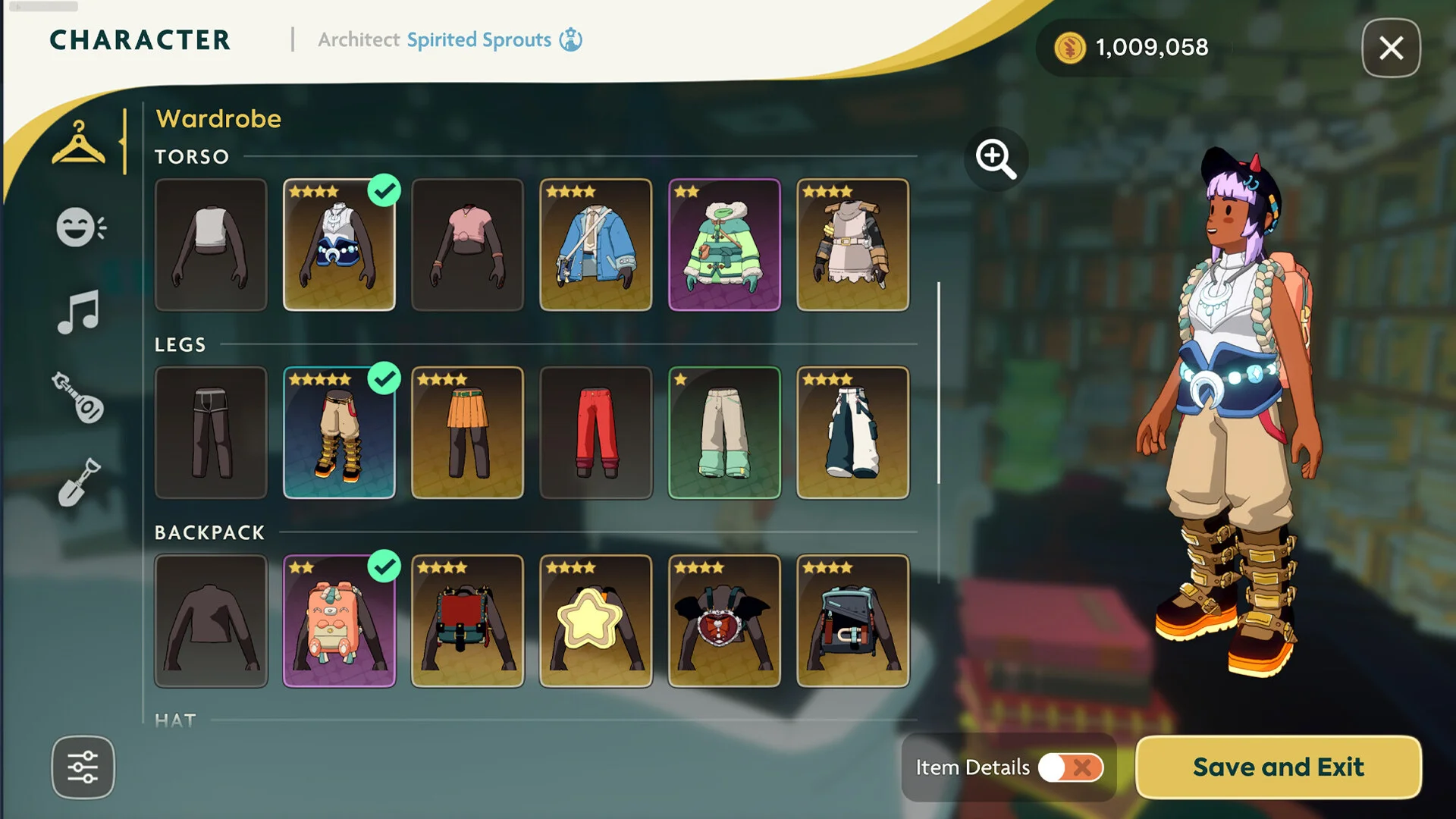
There are alternatives when narrative progress stops. Home decoration offers numerous furnishings and structural possibilities, while character customization expands through additional clothes and hairstyles. Roomie’s furniture tasks reinforce the value placed on a personalized home. Players uninterested in extensive decorating, however, will eventually revisit the same gathering locations or wait for another assignment. There is no offline single-player mode, either.
That commitment creates an unusual dependency. Many multiplayer games can survive quiet servers because difficult objectives or elaborate progression systems provide independent reasons to continue. Spirit Crossing places considerable weight on participating in a living community.
Neighbors contributing to Waystations, exchanging gifts, and gathering beneath storm shelters give its modest mechanics satisfying purpose. In a sparsely populated environment, those mechanics can expose their limited depth. Early playtest accounts of quiet worlds cannot establish the current population, but they reveal the design’s reliance on occasional encounters.
Perhaps the most revealing comparison is with the original promise of Animal Crossing. Nintendo’s familiar settlements can feel inhabited through their recurring computer-controlled residents and carefully arranged daily routines. Spry Fox asks real people to supply a considerable part of that continuity, exchanging predictable companionship for the possibility of spontaneous generosity.
It is an appealing experiment, especially when the game turns a storm into an impromptu concert or lets a stranger benefit from something built by another player. Yet when the campfire empties and the next stage of Maya’s restoration remains unavailable until tomorrow, the player is left with the same ore deposits, crafting materials, and unfinished decorating projects.
The Review
Spirit Crossing
Spirit Crossing brings the familiar rhythms of Japanese life simulations into a welcoming online world where cooperation gives everyday activities genuine purpose. Its imaginative landscapes, thoughtful friendship mechanics, and communal building systems make shared exploration especially rewarding. Yet repetitive errands, restrictive daily progression, and a heavy reliance on active communities limit its appeal as a solo adventure. Spry Fox has created an appealing alternative to conventional MMOs, particularly for players who value companionship and creativity over constant advancement.
PROS
- Thoughtful, low-pressure friendship mechanics
- Creative communal building and cooperation
- Beautiful environments and charming character designs
- Relaxing exploration with forgiving traversal
CONS
- Repetitive quests and resource gathering
- Restrictive daily progression limits
- Enjoyment depends heavily on an active community
- No offline single-player option