



























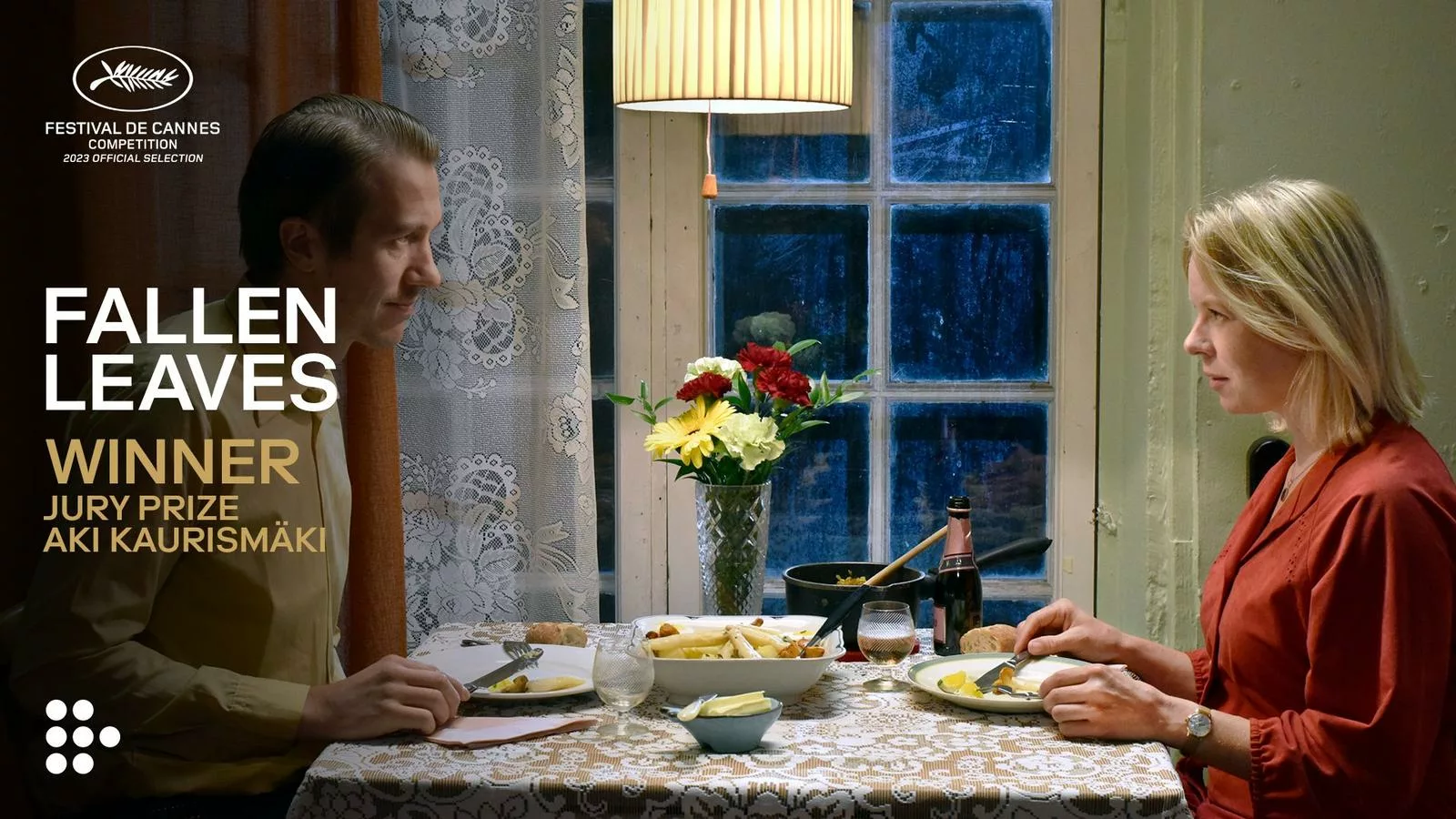

Aki Kaurismäki, the acclaimed Finnish director known for his signature brand of deadpan comedies, makes his long-awaited return after a six-year hiatus with Fallen Leaves. This understated romantic dramedy centers around two lonely working-class characters in Helsinki—Ansa, a recently fired supermarket cashier, and Holappa, an alcoholic metalworker—who strike up an awkward connection.
As we follow their subtle courtship and repeated missed connections, Kaurismäki explores the precarity of modern life along with the persistence of hope and human bonds even amidst economic hardship. This first film since his 2017 refugee tale The Other Side of Hope earned Kaurismäki another Cannes nomination, confirming his reputation as a minimalist master.
While keeping his trademark light touch, Kaurismäki also acknowledges present-day troubles by incorporating news of the war in Ukraine into the movie’s backdrop. But his lead characters manage to find scraps of beauty and connection in their circumscribed lives—suggesting that even small miracles can occur at the cinema.
In this review, we’ll analyze Kaurismäki’s idiosyncratic style and deadpan humor more deeply to see if his latest wry human drama measures up to his previous critical hits like The Man Without a Past. Does Fallen Leaves continue his run of effortlessly charming, melancholy yet life-affirming slices of Finnish working-class life? Let’s find out if this Palme D’Or-nominated film is worth watching.
Finding Beauty in Bleakness
Aki Kaurismäki has honed a uniquely minimalist filmmaking style over his decades-long career, using limited ingredients to utterly beguiling effect. Fallen Leaves demonstrates his mastery of wringing poetry from working-class lives through subtle aesthetic and narrative choices.
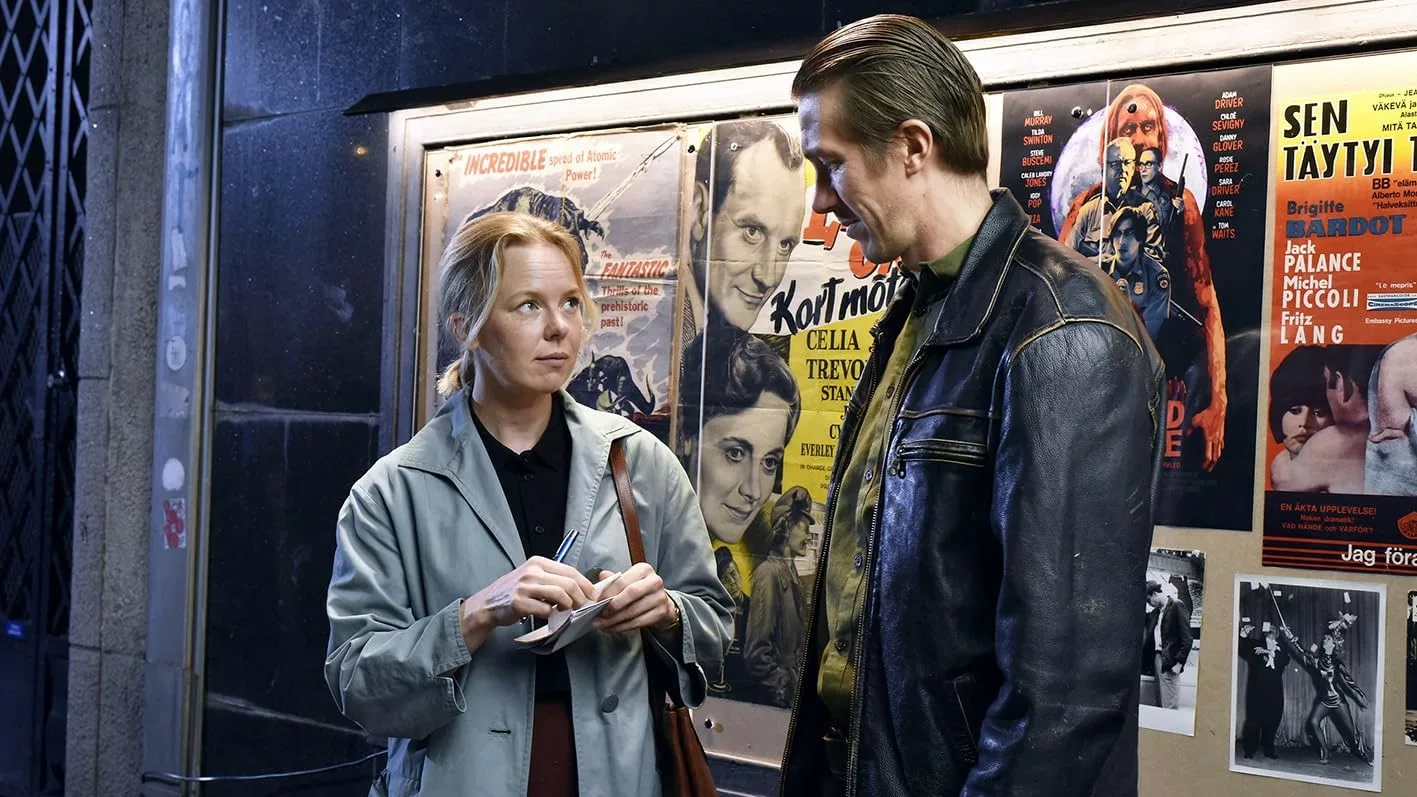
The most immediate aspect of Kaurismäki’s minimalism is the flat, impassive acting he elicits from his players. Lead actors Jussi Vatanen and Alma Pöysti deliver their dialogue as if reading ingredient labels, in keeping with the deadpan tradition of Kaurismäki countrymen like Jim Jarmusch. Yet somehow, rather than alienating audiences, this heightens the humanity of their characters. We sense oceanic feeling behind Holappa and Ansa’s inexpressive exteriors.
Kaurismäki also simplifies his stories to bare essentials. There is no convoluted plot or swelling drama in Fallen Leaves, just modest tales of everyday troubles. This focus on muted “small things” allows subtle shifts to land heavily. When Holappa and Ansa finally crack a slight smile, it’s dazzling.
Most distinctively, Kaurismäki finds visual poetry through his meticulous use of color, shadow, and composition. Cinematographer Timo Salminen shoots the film in muted tones and noirish light, picking out vivid details against drab backdrops, much like Edward Hopper. A lavender towel, a red blouse, the warm fur of a rescued puppy – these flashes of color symbolize shards of hope amidst gloomy lives. With quiet visual flair, Kaurismäki exposes his characters’ unspoken inner selves.
Hardship and Hope: Kaurismäki’s Thematic Threads
While classified as a comedy, Fallen Leaves tackles serious themes of economic adversity and the daily grind of just getting by. Kaurismäki has built a career exploring the lives of Finland’s marginalized working class. Here he continues addressing the precarity created by an unequal system where his protagonists struggle to maintain jobs or housing.
Yet the threat of homelessness and hunger never crushes Ansa and Holappa’s spirit. Kaurismäki finds wry humor in their mishaps and reversals – the cruel security guard, the restaurant shut down on payday. And small graces persist despite hardships, from a free croissant to adopted puppy companionship. Even symbolic cinema trips provide brief inspiring escapes.
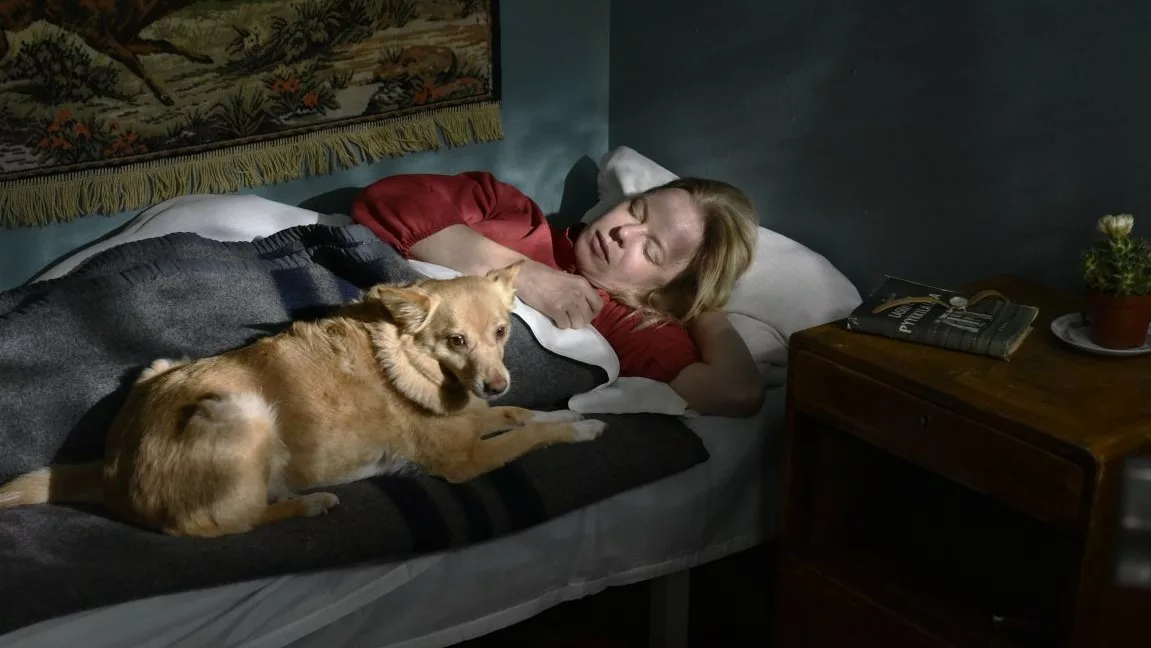
Alcohol also plays a prominent role. Holappa frankly admits, “I’m depressed because I drink and I drink because I’m depressed.” But Ansa sees his goodness despite this vice. With her support, Holappa starts facing his addiction to kindle a life beyond drunk and adrift. This speaks to the redemptive power of human connection in healing isolation and pain.
So while policies and society may fail Kaurismäki’s down-and-out Finns, they save each other through empathy and unlikely romance. Their relationship offers an awkward but hopeful counterpoint to news bulletins about war-torn Ukrainian villages. No matter the circumstances, Kaurismäki tenderly argues, traces of beauty and bonds with others make life worth living. Behind his deadpan observable lies indestructible faith in humanism.
“Immerse yourself in the poetic journey of an overlooked icon with The Ballad of Suzanne Césaire review. Discover a film that blurs the lines of history and memory. Dive into the review here!”
An Awkward Romance Blooms
The unlikely leads of Fallen Leaves perfectly encapsulate Kaurismäki’s marginalized outsiders. We’re introduced to Ansa and Holappa as lonely souls going through the motions of joyless routines. They largely keep to themselves, guarding their emotions behind inscrutable expressions.
Yet glimmers of longing and vulnerability occasionally escape through slight cracks in their hardened shells. A faint plaintive look crossing Ansa’s face on the bus hints at inner turmoil. When she later kisses Holappa’s cheek outside the cinema, he softly touches that spot, treasuring the tender moment.
As the two tenuously connect through chance encounters, their subtle transformation is quietly heartrending to behold. Holappa bashfully asks Ansa to coffee, then a movie, slowly stepping outside his hardened comfort zones for potential romance. Their stilted conversations flow with sweet meaning for those attuned to Kaurismäki’s frequency.
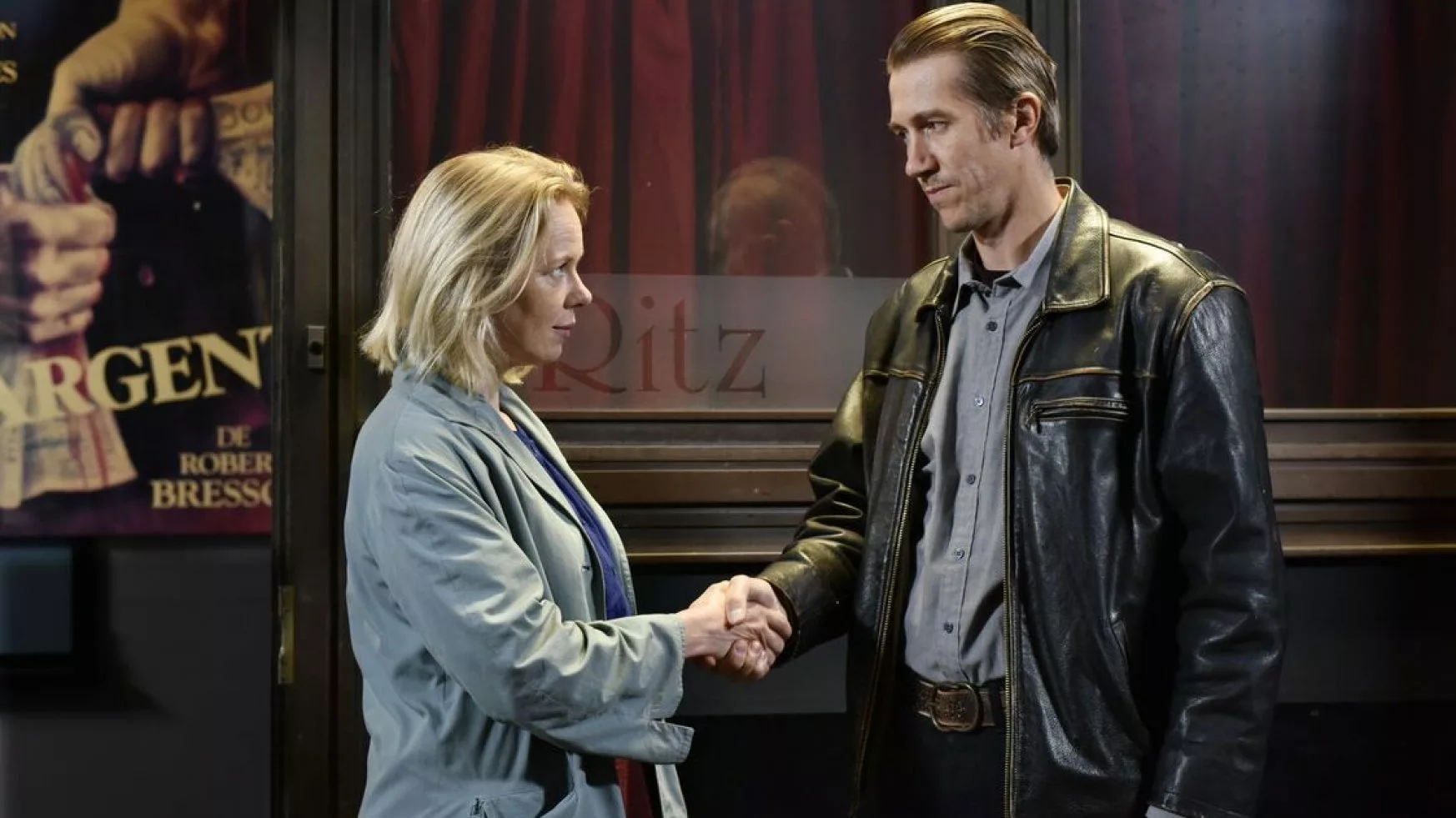
We sense Ansa and Holappa have almost forgotten the possibility of joy or companionship before finding their tentative soulmate. When a meal invitation forces Ansa to buy a second plate, this small detail nakedly conveys her isolation up to now. Yet through courtship rituals, the lonely souls reconnect with long-dormant dreams.
Of course misfortune and flaws frequently sabotage this budding relationship. But Kaurismäki argues our ability to see and support each other’s fundamental humanity – despite mistakes or temperaments – is the deepest purpose of love. With patient compassion, this offbeat couple inch towards a hard-won happiness.
Finding Laughs in Hardship
Aki Kaurismäki’s bone-dry humor and poker-faced absurdity have always set his films apart. Fallen Leaves demonstrates his talent for wringing ironic laughs out of working-class tragedy without losing compassion. Kaurismäki walks a delicate tonal tightrope, but sticks the landing once again.
His humor springs from the severe deadpan acting permeating every scene. Characters remain stoic as misfortune piles up, as when restaurant workers learn the owner just got arrested on payday. The contrast between extreme events and flat reactions heightens the absurdity. We chuckle at the uncanny restraint.
Kaurismäki also packs the script with subtle comic moments. Visual gags like a passed out Holappa getting pickpocketed amuse with their restraint. The idea two gloomy Finns find a zombie invasion hilarious pokes fun at national stereotypes. We even laugh when Holappa comically loses Ansa’s number, accepting such mishaps as part of Kaurismäki’s slightly surreal universe.

Yet the humor never undermines the hardship faced by his down-and-out protagonists. Kaurismäki clearly respects their daily struggles on an unforgiving social fringe. Punchlines stem from highlighting life’s strangeness and unfairness, not ridiculing dreams or suffering. Wry laughs coexist with tender pathos.
Some may find Kaurismäki’s tragicomic balance too dry or niche. But fans will delight in his trademark deadpan absurdism – where a security guard spouting “I was just following orders” elicits smirks rather than outrage. Walking this narrow line between bleakness and humor, Fallen Leaves showcases Kaurismäki’s recalibrated comedy compass.
Slicing into Societal Ills
While subtler than some directors, Kaurismäki still utilizes his working-class portraits to underscore societal injustice and corruption. Fallen Leaves incorporates critiques of inequality, war, and unaccountable powers without ever sliding into sermonizing.
We see Ansa and Holappa struggling in poverty, unable to get ahead despite labor and sacrifice. Kaurismäki highlights the precarity of their existence – at the whims of supermarket managers, small business owners, foremen. Lose a job, and crisis looms. Through this fragility, the film comments on unfair systems stacked towards the powerful.
The Ukraine war broadcasts also showcase how global conflicts disproportionately afflict the poor and working classes expected to fight them. Kaurismäki implies that rather than participating in disastrous foreign interventions, societies should focus more resources on supporting citizens stretched to their limits.
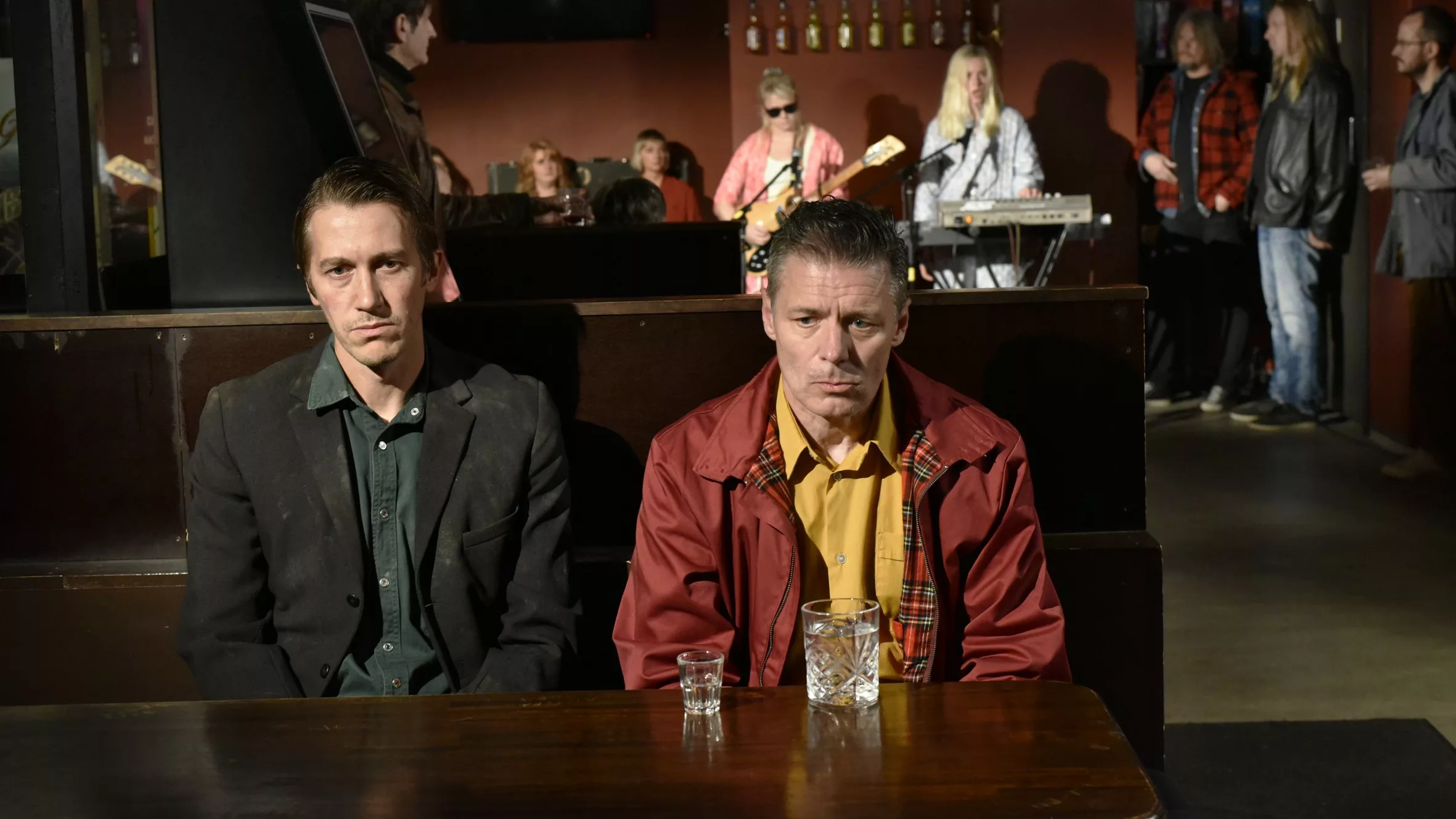
Additionally, the film satirizes figures who thoughtlessly enable suffering – the security manager living by a mercenary code, police arresting a restauranteur with no regard for the staff’s lost wages. Though played for deadpan comedy, these authorities represent real-world indifference to marginalized groups. Behind the lighter touch, Kaurismäki indicts social neglect.
So while avoiding moralizing soapboxes, Fallen Leaves slyly acknowledges the external sociopolitical pressures that tax its leads. Yet Kaurismäki ultimately implies that human connections can sustain us even absent sweeping reform. The war continues, but the music plays on.
Braiding Cinematic Influences
Kaurismäki wears his cinematic inspiration proudly, with Fallen Leaves featuring homages to European masters and stylistic hints of film noir, American indie directors, and the director’s own Finnish oeuvre.
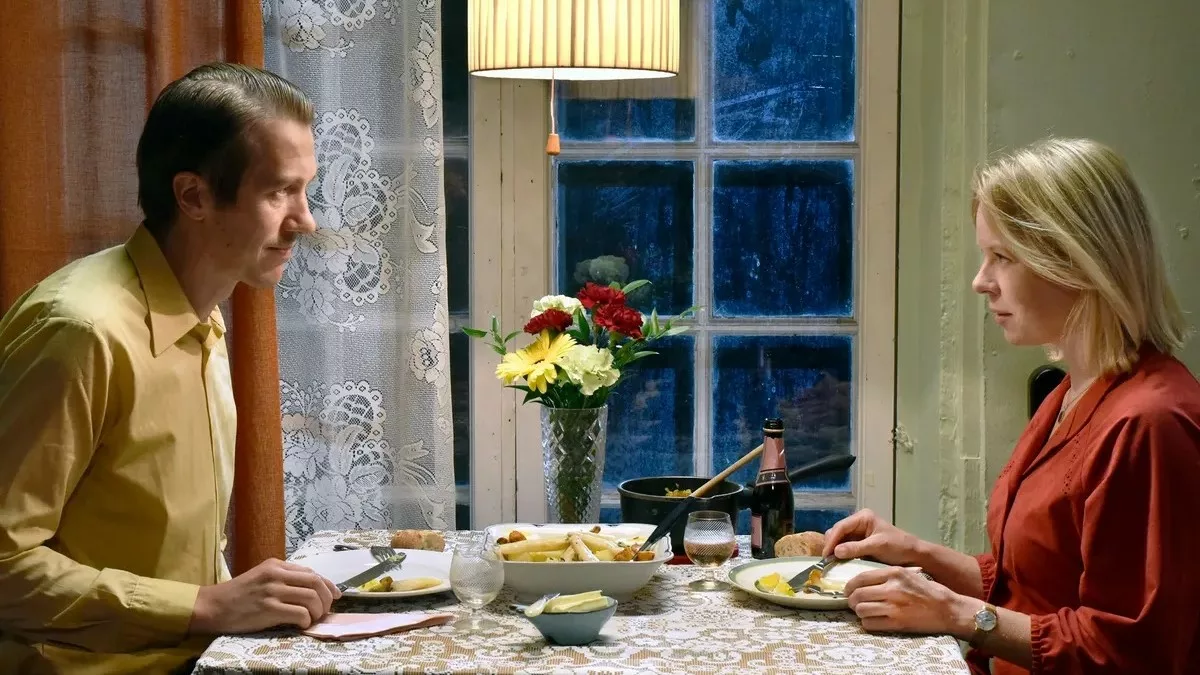
The specter of Chaplinesque pathos and pluck hangs over the film and is even referenced in the final line. Kaurismäki continues the humane comedy tradition of using laughter to address life’s struggles. You can also sense the DNA of French filmic poetry — shots of world-weary Ansa recall Catherine in Jules and Jim.
Meanwhile, the spare deadpan and working-class milieu instantly evoke Jim Jarmusch, Kaurismäki’s US analogue. In a puckish meta twist, Jarmusch’s zombie movie The Dead Don’t Die even appears onscreen. Kaurismäki signals his stylistic touchstones through allusion and shadowy lighting straight from noir tradition.
Longtime fans will also note callbacks to earlier Kaurismäki works in the Proletarian Trilogy. The downtrodden leads, moments of absurdity, hopeful romances, and melancholia with a wink all form part of the director’s reliably consistent universe. Fallen Leaves doesn’t reinvent so much as refine his established voice.
So while a stand-alone gem, the film also rewards viewing through a cinephilic lens. Kaurismäki synthesizes and extends his persistent inspirations into this poignant, sly, hopeful tale where even society’s outcasts deserve love. In honoring past masters, he creates something timelessly his own.
A Bittersweet Triumph
In the uniquely deadpan universe of Aki Kaurismäki, life’s cruelties and kindnesses go hand-in-hand. Fallen Leaves represents another understated triumph in the Finnish director’s long career of blending comedy and pathos. While clearly conveying the marginalization of his working-class characters, he nonetheless suggests love and connection can bloom even on society’s fringes.
We close feeling Ansa and Holappa’s prospects remain uncertain, yet also sensing they will weather upcoming troubles together. Neither unrealistic optimism nor bleak fatalism define Kaurismäki’s perspective so much as clear-eyed empathy. He argues that within an undeniably harsh landscape, shining pockets of friendship and dignity not only make survival possible – they provide glimpses of happiness.
Fallen Leaves offers no sweeping solutions to the socioeconomic inequities on display. But in capturing the sublime within the ordinary, Kaurismäki makes the quiet case for cherishing beauty where we find it. Whether a shared cigarette in the cold night, or a kiss to remember always, these moments of grace counterbalance hardship.
The film represents another refined addition to Kaurismäki’s peerless filmography of working-class tragicomedies. Deadpan yet emotionally resonant, despairing yet warmly optimistic, it is well worth adding to one’s watchlist as both sly entertainment and poignant humanist argument. Fallen Leaves ultimately stands as a bittersweet ode to hopes and dreams that remain perhaps hidden but never fully extinguished.
The Review
Fallen Leaves
Fallen Leaves represents peak Kaurismäki - blending light and dark, humor and hurt into an utterly singular tragicomic vision. While perhaps more subdued than some previous efforts, its examination of marginalized lives rings emotionally true while paring existence down to essential wonders. I lost track of time wandering its melancholy yet hope-tinged universe. Thanks to immaculate deadpan performances, unspoken character depth, and visual poetry found in life's textures, Kaurismäki's latest neorealist fable serves as a minor-key reaffirmation of humanity.
PROS
- Signature Kaurismäki minimalist style masterfully executed
- Nuanced, restrained performances by lead actors
- Deadpan humor finds laughs in the comedy of despair
- Gorgeous cinematography and lighting heightens mood
- Skillful tonal balance between hardship and hope
- Relatable marginalized working-class protagonists
- Touching, understated depiction of awkward romance
- Sly commentary on economic precarity and inequality
CONS
- Very slow pace and little narrative may frustrate some
- Bone-dry deadpan acting could be inaccessible
- Little resolution of wider social issues depicted
- Limited mainstream appeal due to foreign setting/language
- No elaborate plot, twists or payoffs