






















We’ve seen it all in the video gaming world – children targeted in poison gas attacks, chilling torture scenes designed for reenactment, and graphic death animations so deeply unsettling that even their creators bear long-lasting psychological scars. It seems as though the gaming industry has systematically shattered every taboo in its path. Yet, there always appears a game that stirs such profound emotion and sparks such public debate, raising a question that we just can’t seem to definitively answer: What is the boundary for these imaginative developers, and when does it cross over from acceptable, albeit intense, gaming content to a tasteless display of violence and suffering?
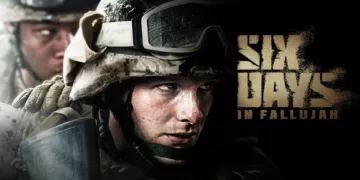
The recent early access release of “Six Days in Fallujah,” a game infamously tagged as the “most controversial shooter of the year,” brings this question to the fore once again. The developers of this game have taken it upon themselves to transform the nightmare of the Iraq war into an interactive gaming experience.
To say this is a contentious endeavour would be an understatement; the idea has been polarizing since its first appearance in the early access release on June 22nd. This controversy stems from a powerful question: Is it appropriate, or even ethical, to use one of the most blood-soaked conflicts in recent memory as the backdrop for a video game? Further, is it possible that players might derive enjoyment from such a grim and violent context?
To explore these questions and gain a better understanding, we dove into the early access version of this military simulation game on PC. We aimed to critically examine the game and its impacts, and potentially make a preliminary judgement about its place in the gaming world. The task at hand is not only about scrutinizing the game itself but also about exploring larger ethical and societal implications that such games may present.
The Controversy of War-Based Gaming: A Closer Look at ‘Six Days in Fallujah’
To fully comprehend the uproar that ‘Six Days in Fallujah’ has incited, we need to journey back to its inception. This provocative shooter game was first brought to public attention in 2009, a collaborative venture between Atomic Games, the developer, and Konami, the publisher. The uproar surrounding the game didn’t stem from its creation per se, but rather the vision that its creators held dear from the start.
The creators had a singular and bold aim – to offer players an experience that would make them feel as if they were a bona fide US Marine on active duty, and to do so with a level of authenticity unparalleled in any previous gaming venture. The ultimate goal was not just about the thrill of the game, but a quest for a realistic depiction of the experiences of those on the front lines.
To bring this vision to life, the creators chose a real-world backdrop: The Iraq war, with particular focus on Operation Phantom Fury. This operation was a roughly two-week-long military campaign in November 2004, where US forces launched an aggressive assault on the Iraqi city of Fallujah.
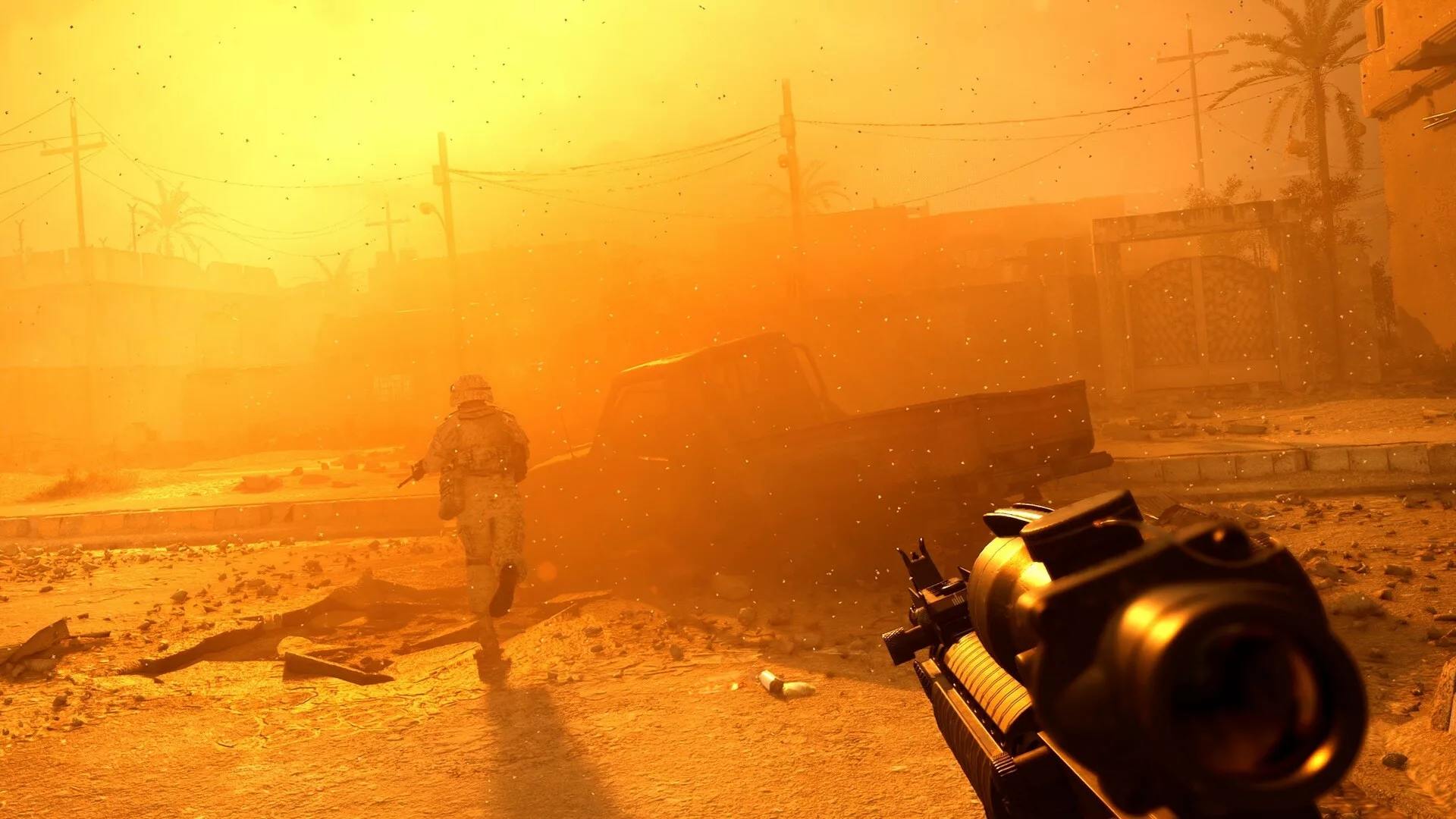
Fallujah, at the time, was a hotbed of rebellion and had transformed into a safe haven for leading terrorists among others. Consequently, the US forces’ mission revolved around the isolation of Fallujah and its subsequent retaking.
In a daring attempt to replicate the grim reality of warfare, the creators decided to tell this story from a first-person shooter perspective. The intent was to help the average person grasp the real-life horrors of the Iraq war by submerging them in an immersive experience that goes beyond traditional video gaming.
The entire process involved bringing a historic event to life within the realm of digital entertainment. The line between real-world conflicts and their recreation in video games, however, remains a subject of intense debate. The endeavor of ‘Six Days in Fallujah’ thus stirs the still waters, causing ripples that question the ethics of war-based gaming.
Explore the Clash of Titans in ‘Freud’s Last Session’: Witness a cinematic portrayal of an intellectual showdown. Delve into our detailed review of ‘Freud’s Last Session’, featuring the compelling performances of Anthony Hopkins and Matthew Goode.
The Timing Dilemma: Revisiting Historical Events Through Gaming
In the history of controversial decisions, the move to develop a video game centered on the Battle of Fallujah was, to put it mildly, audacious. At the time of the game’s initial announcement, the echoes of the Battle of Fallujah were still resonating, as the conflict had unfolded barely four years prior. The incidents were still fresh in the minds of the public, the emotional wounds yet to fully heal.
In 2009, US troops were still on the ground in Iraq, a stark reminder that the war was far from being a closed chapter in history. As a result, using this ongoing conflict as a backdrop for a video game seemed insensitive, even disrespectful. This sentiment was shared by a multitude of individuals – from veterans who had experienced the conflict first-hand, to survivors still grappling with their trauma, and anti-war organizations that stood against the glorification of such warfare.
Tim Collins, a former officer who served during the Iraq War, voiced his concerns to Britain’s Daily Mail. His words were poignant and resonated with many: “It’s way too early to be making video games about a war that’s still going on.” The argument wasn’t just about the game’s content, but also the timing. Was it appropriate to make a game about a conflict that was still unfolding, with real-world consequences yet to be fully understood?
The game’s controversial premise led to widespread public outrage, which finally resulted in Konami, the supposed publisher, taking a step back. The Japanese firm retreated from the publishing deal, a decision made mere weeks after the game was officially publicized. The intense public response forced the creators to temporarily halt the project, causing a ripple effect that eventually led to the dissolution of the entire studio.
The story of ‘Six Days in Fallujah’ serves as a case study on the complexities of introducing contentious real-world events into the gaming sphere, particularly when such events are still fresh in public memory.
The Rebirth of Controversy: ‘Six Days in Fallujah’ Returns
The tumultuous saga of ‘Six Days in Fallujah’ could have reached its conclusion with the dissolution of Atomic Games. However, the former boss of Atomic, Peter Tamte, had other plans. In a bold move, he established a new gaming studio named Highwire Games and, in 2021, decided to revive the controversial game idea with an entirely new team and a fresh outlook on the project. This time around, the publishers from Victura decided to stand firm despite the ensuing storm. The new team was steadfast in its resolve: They would complete the development of the game, come what may.
As anticipated, the decision to revive the controversial game met with substantial resistance. Even after a lapse of eleven years, the choice of setting hadn’t lost any of its original contentiousness. The game’s content also invited criticism. Highwire Games pledged to create a game of a highly realistic nature, almost akin to a documentary, a commitment that was met with both intrigue and skepticism.
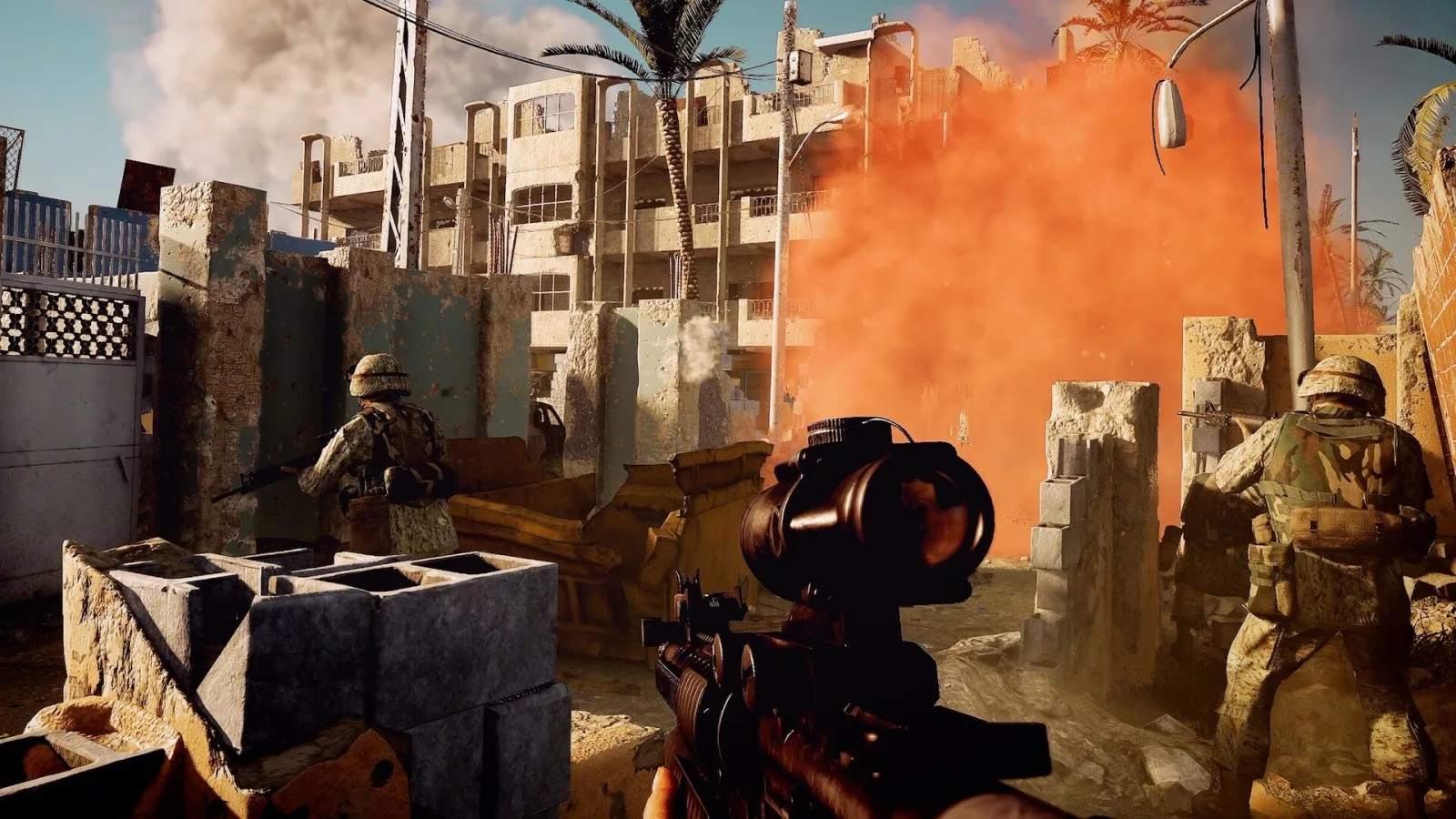
The development of this hyper-realistic game involved over a dozen officers, historians, and soldiers who contributed their firsthand experiences to shape some of the in-game sequences. To further reinforce the game’s authenticity, these real-world veterans frequently appeared in interviews interspersed between gameplay sections, sharing their personal experiences from the war.
Despite this focus on realism, the studio was surprisingly adamant in its refusal to critically examine the Iraq war itself. The game steered clear of the debate around the causes and impacts of the conflict. “We try not to make any political comment about whether the conflict itself was a good or bad idea,” said Peter Tamte, during an interview with US website Polygon.
Such an approach glossed over the present-day understanding of the Iraq war as an illegal war of aggression that contravened international law. Additionally, the game seemingly neglected the immense suffering of the civilian population, a stark reality of the war that was conspicuous by its absence in the gameplay. These aspects raised important questions about the responsibility of game developers when tackling real-world events and the delicate balance between realism and sensitivity.
The Medal of Honor: A One-Sided Narrative
Peter Tamte, speaking to GamesIndustry.biz, stated, “Very few people are curious about what it’s like to be an Iraqi civilian. No one will play a game like that.” This comment sparked outrage as it reflected an apparent disregard for the experiences of those most affected by war – the civilians. It seems to overlook the fact that Operation Phantom Fury, the war’s centerpiece, was one of the most grueling urban conflicts witnessed in the past half-century.
According to estimates by the Red Cross, up to 1,000 civilians lost their lives during the course of the conflict. When the dust settled, 65% of Fallujah was in ruins. The damage wasn’t just limited to the rebel encampments, but extended to schools, hospitals, and residential buildings. Ignoring these stark realities paints a one-dimensional picture of the war, missing key facets and obscuring the nuanced shades of grey.
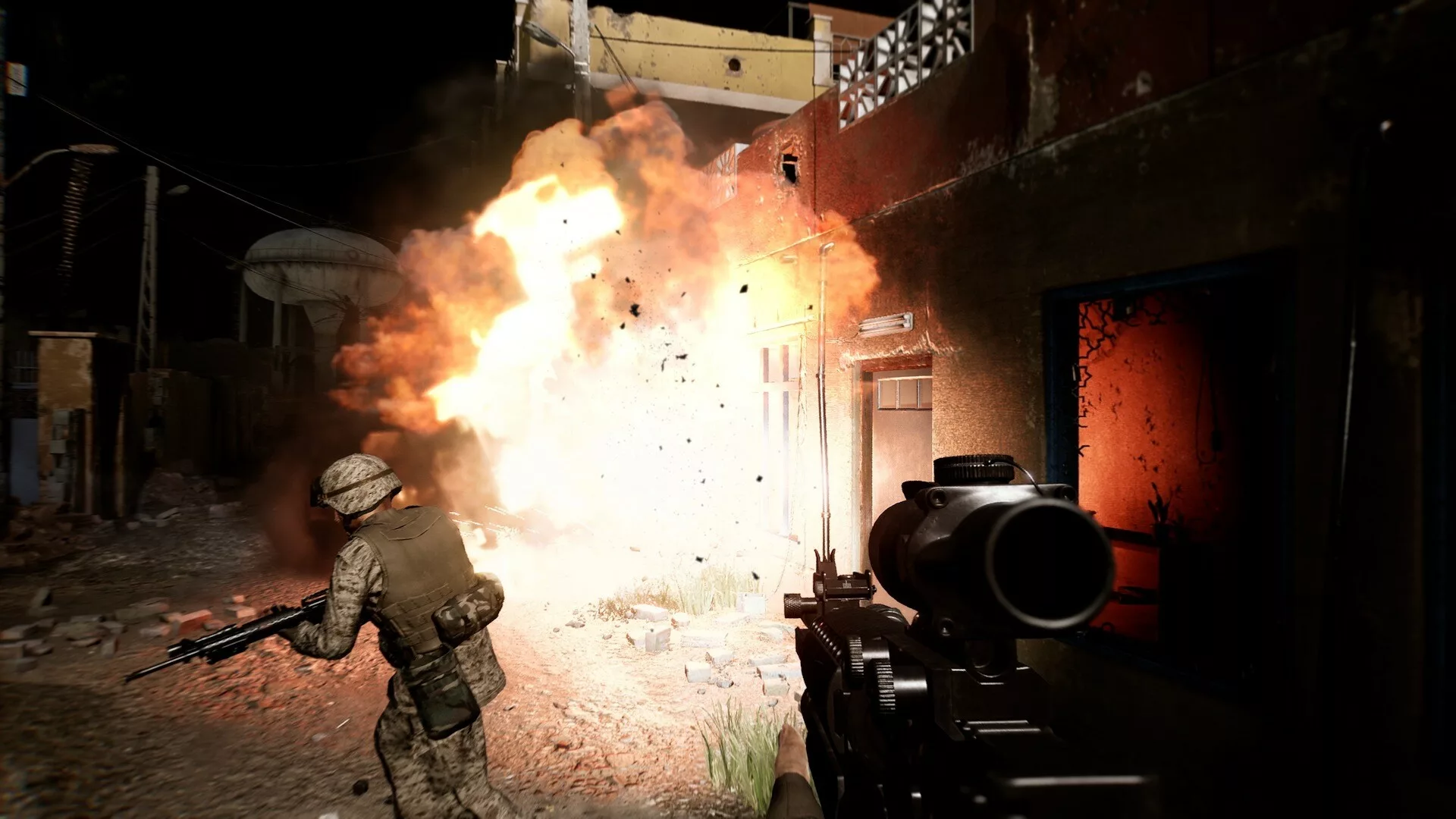
John Phipps, a US veteran, expressed to The Gamer that the Iraq War was far from a straightforward tale of black and white. There were acts of both heroism and villainy on both sides. For instance, he referenced incidents involving American troops where unarmed civilians were shot, white phosphorus was used, and uranium ammunition was deployed. These controversial actions form part of Fallujah’s tragic history but find no place in the narrative of ‘Six Days in Fallujah’. The developers made it clear that their focus was not on these horrific acts but rather on painting a more palatable picture of the conflict.
The game primarily narrates an inspiring tale of American soldiers’ exceptional courage, emphasizing that their greatest fear wasn’t death but failure. This depiction, however, risks being seen as an overly-simplified and glorified portrayal of the US troops, skirting the question of its alignment with reality.
The game has been accused of promoting a “‘Murica, fuck yeah!” attitude, or as industry analyst Daniel Ahmad put it on Twitter, it’s seen as “pro-American propaganda” and a “cheap attempt to legitimize the Iraq war” by rewriting history.
The media outrage eventually led to calls for banning the game outright. The Council on American-Islamic Relations, the largest Muslim civil rights organization in the US, denounced the game as an “Arab murder simulator” in a press release in 2021. They argued that ‘Six Days in Fallujah’ perpetuated harmful prejudices against Muslims and Arabs. In light of these concerns, they urged Microsoft, Sony, and Valve to prohibit the game on their respective platforms.
The Journey from Six Days to Three Years
While calls to ban the game may not have been successful, the ensuing public backlash did initiate some shifts in the project’s direction. The developers suddenly acknowledged that the game was “inextricably tied to politics.” They promised, via their website, to explore the “controversial aspects of the conflict” and address more complex issues tied to the events of Fallujah.
In an effort to add more depth and authenticity, Highwire Games conducted interviews with Iraqi civilians. They aimed to incorporate their experiences and perspectives into the game’s narrative. One addition was a new story campaign that follows the journey of an Iraqi family man trying to escape the city amid the chaos.
These significant narrative and structural adjustments inevitably impacted the release timeline. Originally scheduled for a 2021 release, the game was delayed until 2022, and it wasn’t until June 22, 2023, that “Six Days in Fallujah” finally launched on Steam in Early Access.
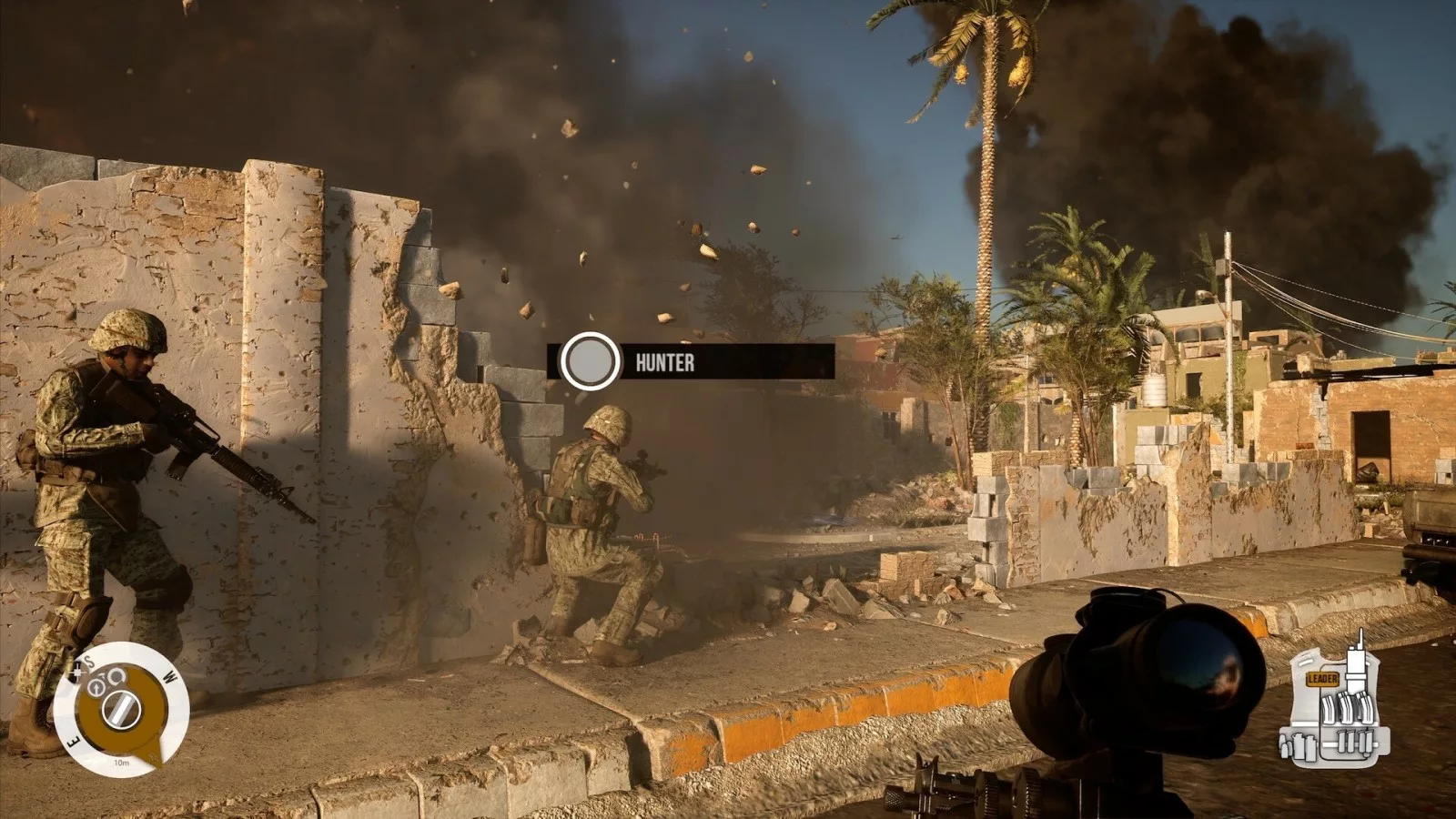
As far as the shooter aspect of the game is concerned, a cursory glance seems to suggest that the outcry may not have been fully justified. Highwire Games, as expected, promotes their title as offering a “robust and captivating co-op experience” for up to four players. They emphasize the unpredictable nature of the game, mimicking the real-life “unpredictability of combat.”
To keep things fresh and dynamic, the layout of the maps, the design of buildings, and the positioning of opponents are purported to vary with each playthrough due to the procedural generation of environments. However, there appears to be a discrepancy between these promises and the actual gameplay. Many critics note that a considerable amount of the anticipated content is currently absent.
The Dance of Tact and Triumph: Gameplay Dynamics
The only gameplay mode available at present features squad missions. You can team up with others either through matchmaking or private invitations, forming a four-member task force to complete various objectives. It’s important to note that there are no AI-controlled characters. When you go offline, you’re playing solo. Unfortunately, this can lead to both a considerably shorter and possibly frustrating gameplay experience.
The gameplay of Six Days in Fallujah offers a different experience than what you may be accustomed to if you are a fan of games like Call of Duty or Battlefield. Starting with character movement, which is much slower and more deliberate. Instead of wild sprinting, your marine character trudges forward at a more realistic pace, lending a sense of gravity to the action.
However, this slower pace doesn’t compromise your mobility. You can execute movements like leaning around corners, crouching, busting down doors, and overcoming obstacles. Although, these actions can only be performed at certain predestined points, and the absence of a default jump function suggests that the ‘boots-on-the-ground’ concept may have been overemphasized.
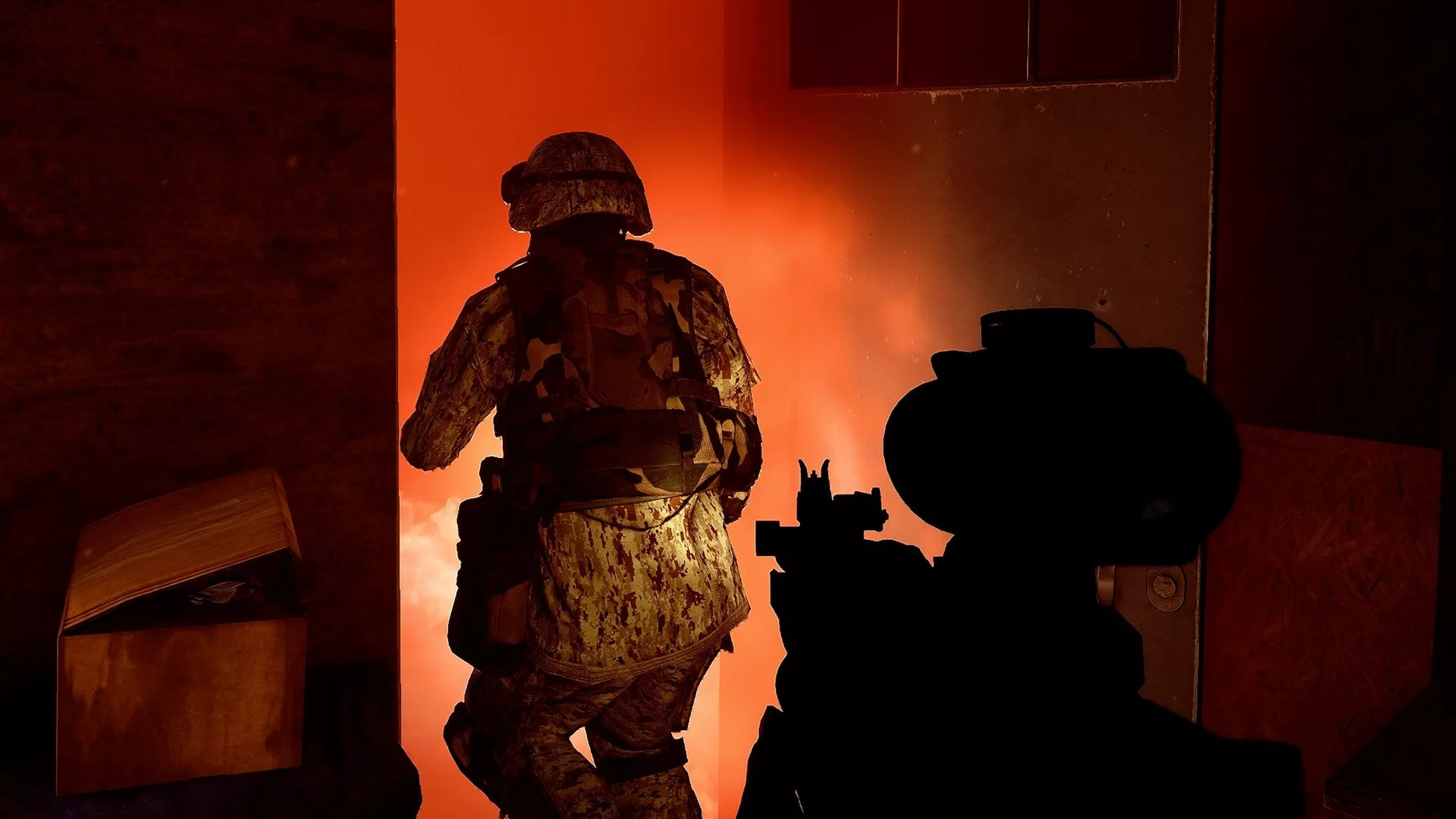
The game puts a premium on realism, especially when it comes to weapon handling. For instance, by pressing the R button, your character checks the ammunition status before replacing the magazine. If you swap the magazine while your pistol is still loaded, an extra bullet remains in the chamber. The weapons you have access to change based on the equipment set you’re using.
There are four distinct sets, including one with a heavy machine gun for suppressive fire, another with an assault rifle fitted with an optical sight for long-range targeting, and a set featuring a shotgun capable of blasting open doors.
One potential downside is that you can’t select your equipment set at the outset of the game. Consequently, there are no customization options regarding attachments or optics. However, some players may see this limitation in a positive light, as it excludes features like skins, paint jobs, and trinkets, thereby keeping the focus strictly on the essentials.
The Terrifying Reality of Urban Warfare
The game shuns unnecessary ornamentation. The user interface is crafted to be minimalistic to maintain an immersive gaming experience: no quest markers infiltrate your game world, nor icons on the map. The onus falls on you to study the mission map meticulously to ascertain your destination. The game doesn’t use graphic highlights to indicate other players. There’s a deliberate avoidance of excessive button displays too. Thus, if a teammate gets injured and you don’t notice, the consequence is brutal – you let him bleed out.
Consequently, mutual understanding becomes the cornerstone of survival. Highwire Games equips you with a basic ping system for highlighting a location. Nevertheless, vocal communication over voice chat is the most effective means of coordination, particularly with friends rather than random players. This approach allows you to ignore the distracting noises of strangers and concentrate on the game’s successful soundscape.
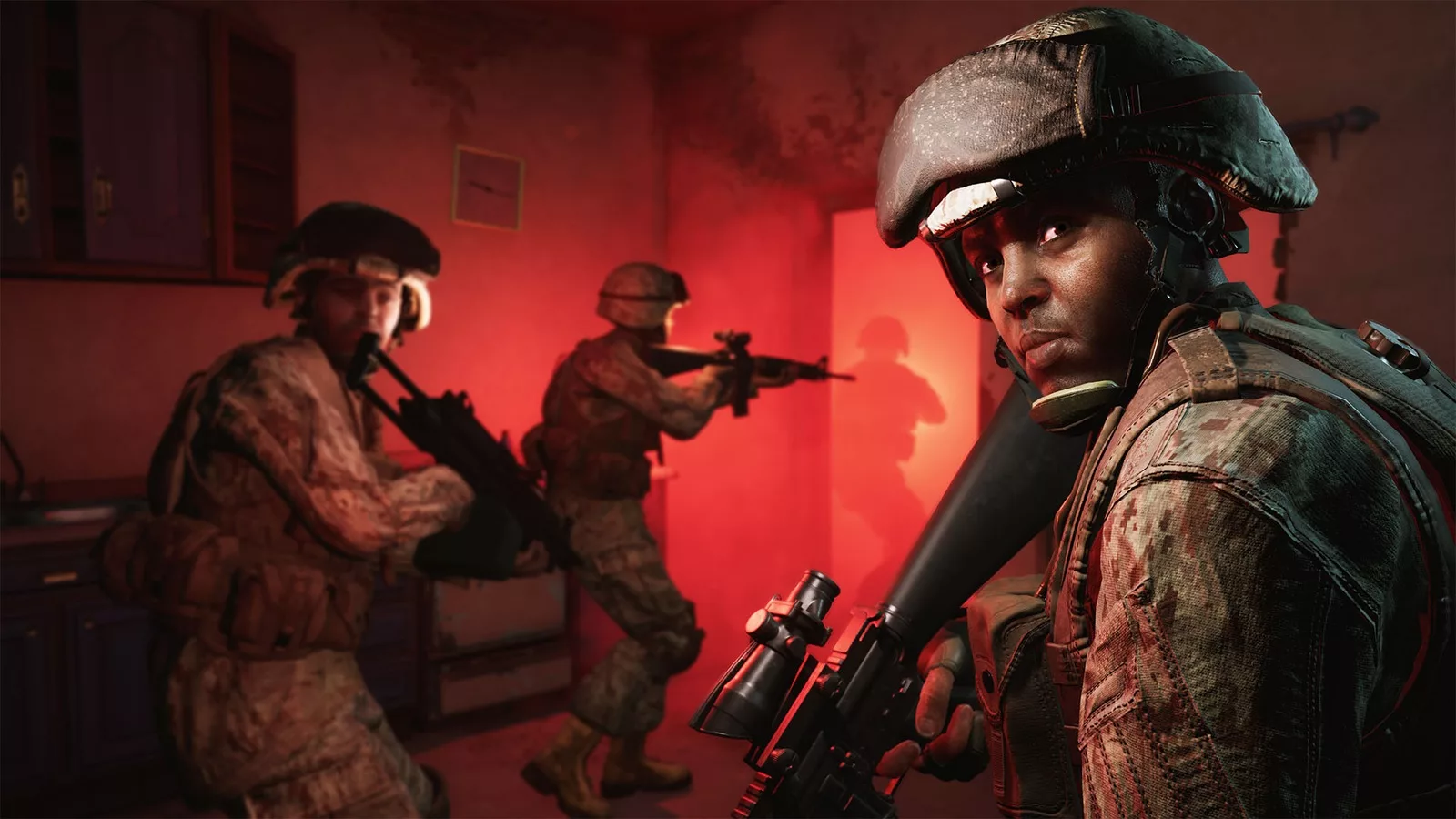
Six Days in Fallujah features some impressive sound-related tricks. For instance, when you use the push-to-talk feature, the game applies a corresponding radio effect over your voice. Moreover, the military simulation utilizes spatial sound, meaning your team members’ words will reverberate off the walls if you’re in a basement.
This attention to auditory details isn’t accidental. A good sound design is vital, as footstep noises, nearby shouts, and gunshots offer crucial information about the location of your enemies. Visually spotting your adversaries in the grey-brown labyrinth of houses can be challenging. The task gets tougher in dark rooms, where your feeble flashlight cannot fully illuminate your surroundings.
Combined with the atmospheric, almost photorealistic rendering (given the right hardware), Six Days in Fallujah effectively communicates the harrowing reality of urban warfare. Danger is perpetually lurking, and death might be hiding around the next corner. Consequently, as a player, you experience constant tension. Occasionally, outright panic ensues when you’re unexpectedly shot at and have to scramble for cover quickly. Through these elements, the game paints a stark picture of the daunting challenges faced in real-life house-to-house combat.
A Gritty, Unforgiving Simulation: Six Days in Fallujah
A handful of the artificial intelligence (AI) adversaries in the game show startling cunning. They’ll clamber over barriers, fire at you through windows or ceiling grids, and even play hide-and-seek, peeking around corners to get a shot at you. Not to mention, they have an unsettling accuracy. These aspects nurture strategic planning and execution from your task force.
If you have no desire to face an instant game-over screen, it’s necessary to approach each situation with caution. You must scout out buildings, deploy smoke grenades, clear rooms one by one, ensure you’re covered from all angles, and most importantly, always be ready for skirmishes.
In Six Days in Fallujah, firefights tend to be short but fierce. The weapon handling is mostly commendable, with different types having slightly distinct feels. The game’s controls, however, can occasionally feel awkward and less than intuitive.
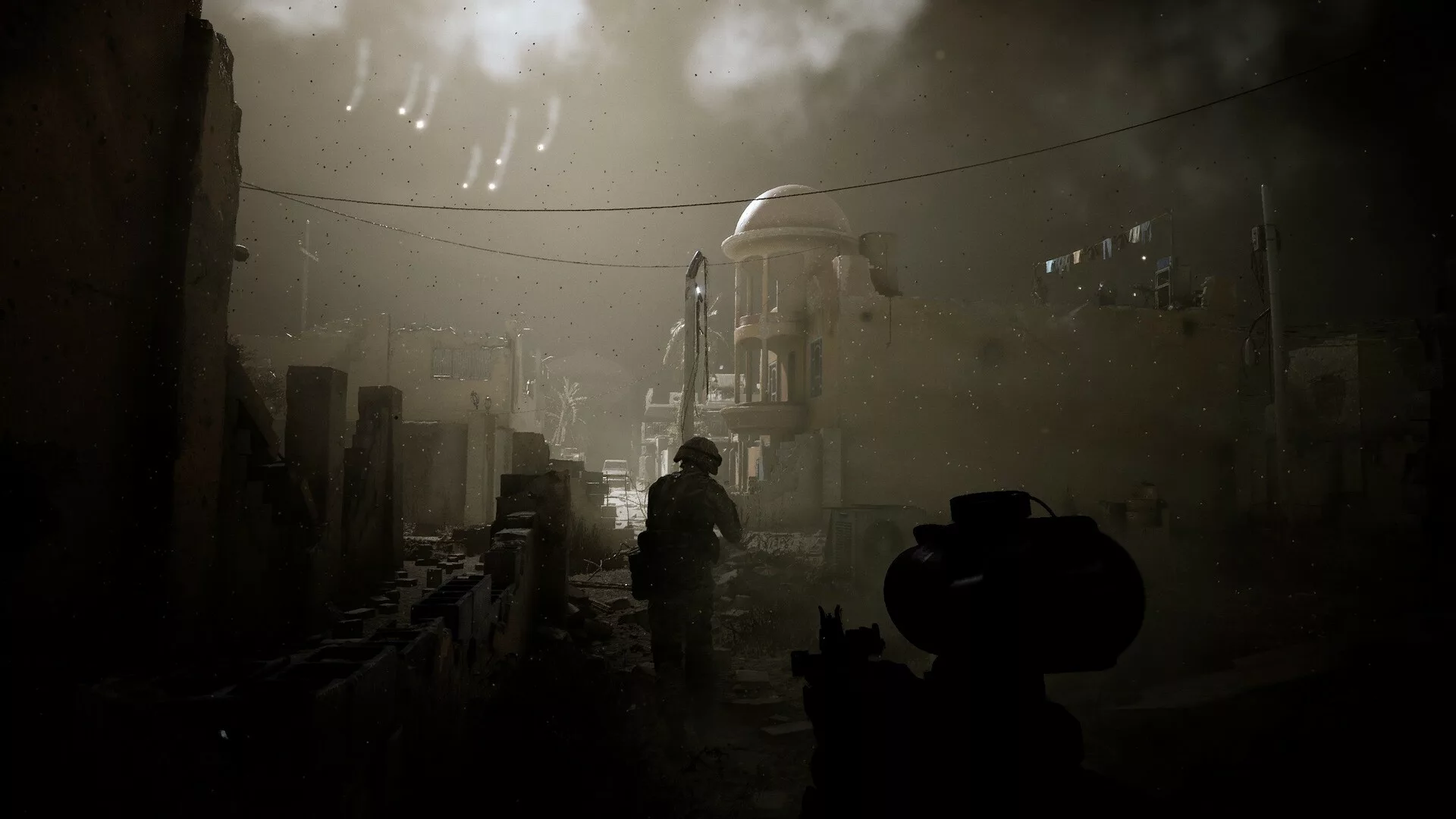
Using the sights requires pressing the right mouse button and then rotating the mouse wheel. The recoil from weapons seems overdone by the game developers. Particularly if you fire from the hip, you might find that you couldn’t hit the broad side of a barn.
In the game, you can’t withstand more than a few hits. The developers have made the game ruthlessly unforgiving when it comes to the time-to-kill metric. There are limited medical kits available and no defibrillators. This underscores the game’s overarching hardcore ethos: Any mistake can have severe repercussions. If you aren’t vigilant and end up losing even a single teammate, the rest of the mission becomes significantly more challenging.
Despite this, it’s somewhat disappointing that the game offers you the option to respawn all killed marines once per mission, making things a little easier. Some design decisions are significantly more frustrating, like how healing forces you to automatically stand up from a crouch, leaving you exposed.
If you’re healing behind low cover, your head will inevitably emerge as an easy target, turning you into easy prey. These moments can nullify the diligent efforts you’ve made in the past quarter hour. On the flip side, it feels incredibly rewarding when you successfully finish a mission. Reaching the extraction zone’s green smoke is a genuine adrenaline surge – at least for the initial hours.
As time wears on, Six Days in Fallujah gradually loses its charm. Due to the lack of variety and scope, the maps start feeling redundant. Despite the randomization element, the gameplay becomes stale rather quickly. The missions themselves tend to be quite similar, revolving around clearing buildings, protecting a convoy, or destroying enemy equipment.
This repetition can’t hold your attention indefinitely, especially since there’s no reward system for your progress. The game offers nothing to unlock except a few badges beside your player name. There’s a noticeable lack of content that would keep players hooked for an extended period, not to mention the need for technical fine-tuning.
Moreover, the game doesn’t allow you to choose which of the mere four missions you wish to tackle. Other technical issues include audio dropouts, disconnections, and performance glitches. Despite its raw and immersive combat experience, Six Days in Fallujah could use some enhancements to keep players engaged over the long haul.
The Scope of Six Days in Fallujah: Is There More?
As for the uproar surrounding the game, surprisingly, the actual game is far less spectacular. This largely stems from the absence of the “controversial aspects” that Highwire intended to infuse into the game: there aren’t any civilians who might inadvertently end up in the line of fire. They are expected to be added in by the forthcoming spring.
Prospects for other “features” seem even gloomier. Night missions and weather effects are anticipated to be introduced this fall, with more missions and AI companions slated for release towards the end of the year. The much-debated story campaign isn’t expected until 2024, at the earliest.
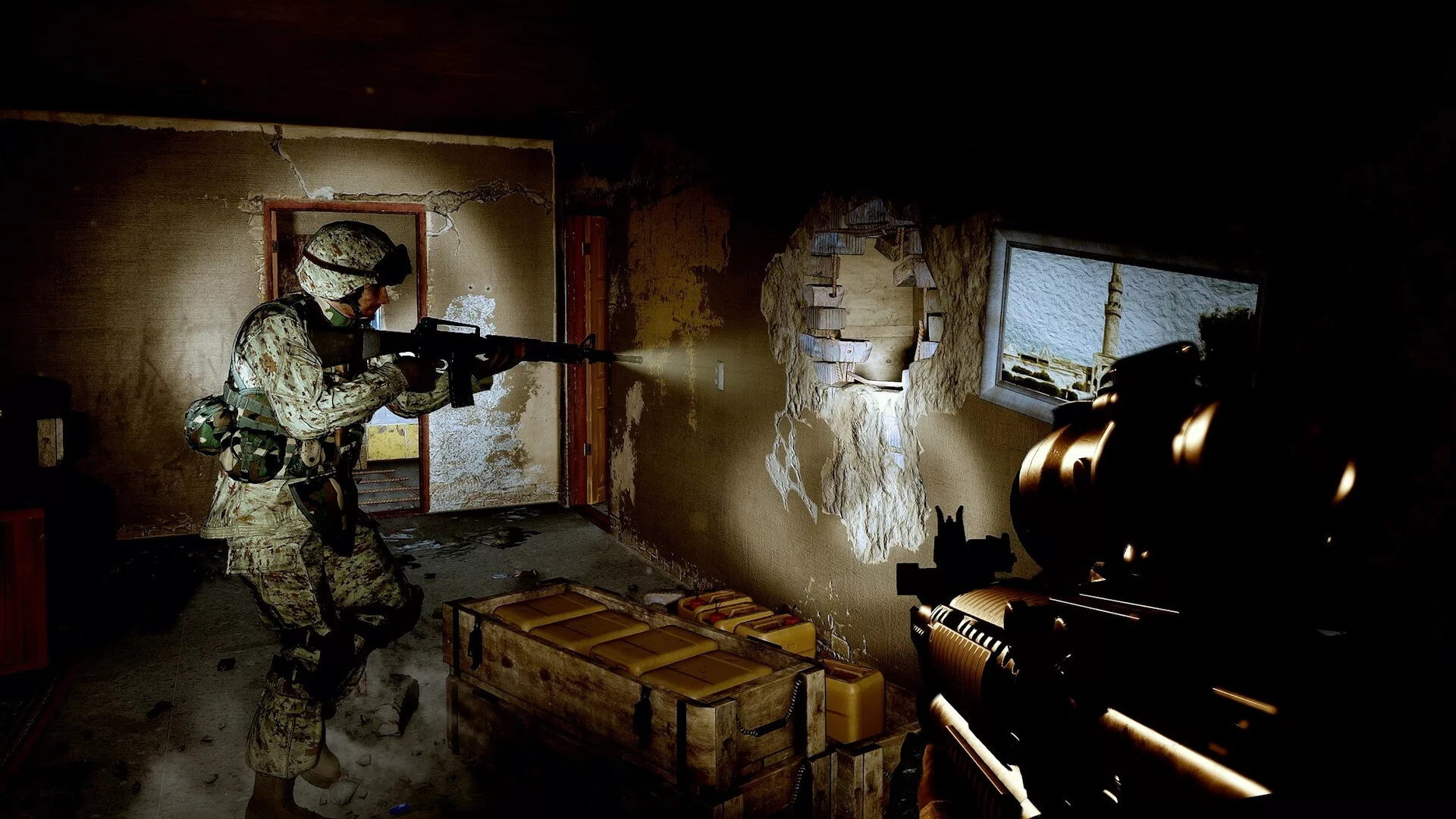
As it stands now, the game is a smattering of disjointed firefights: devoid of a compelling story, memorable characters, or impactful dialogues. Therefore, there’s nothing that critically defines what’s happening on-screen – for better or worse. Presently, Six Days in Fallujah is astonishingly void of emotion, possessing minimal inherent substance to ignite much enthusiasm.
The game’s loading screens, brimming with patriotic rhetoric, however, raise eyebrows. Phrases such as, “Fear is contagious. You must not show fear if you don’t want to destroy your unit’s morale,” and images of masked faces with captions like, “The only thing they get from us is a sharp sword,” paint a distinct picture of who’s deemed the hero and who the enemy.
These heroic undertones also resonate in the documentary aspects of the game. To date, there have been only two video segments where eyewitnesses share their experiences from Fallujah.
Yet, the lack of self-reflection is evident. The most critical statement comes right at the beginning: “I didn’t agree with the war,” states Lt. Ackerman, 1st Battalion US Marine Corps, only to quickly add: “But my country was at war and I had to make a decision.” The reason why his country was at war is not explored further in the subsequent three minutes.
This is a far cry from the pro-American war propaganda that’s been circulating. However, Six Days in Fallujah has done little to alleviate the concerns of critics. Instead, it reinforces the perception that a final product from Highwire Games, offering an enlightened view of the events, should not be expected. Furthermore, the game’s actual playability remains questionable.