
















![Kingdom Hearts Collection [I-III] Review](https://gazettely.com/wp-content/uploads/2026/10/Kingdom-Hearts-Collection-I-III-1-360x180.webp "Kingdom Hearts Collection [I-III] Review: KHII Holds Steady as Newer Entries Fluctuate 37")



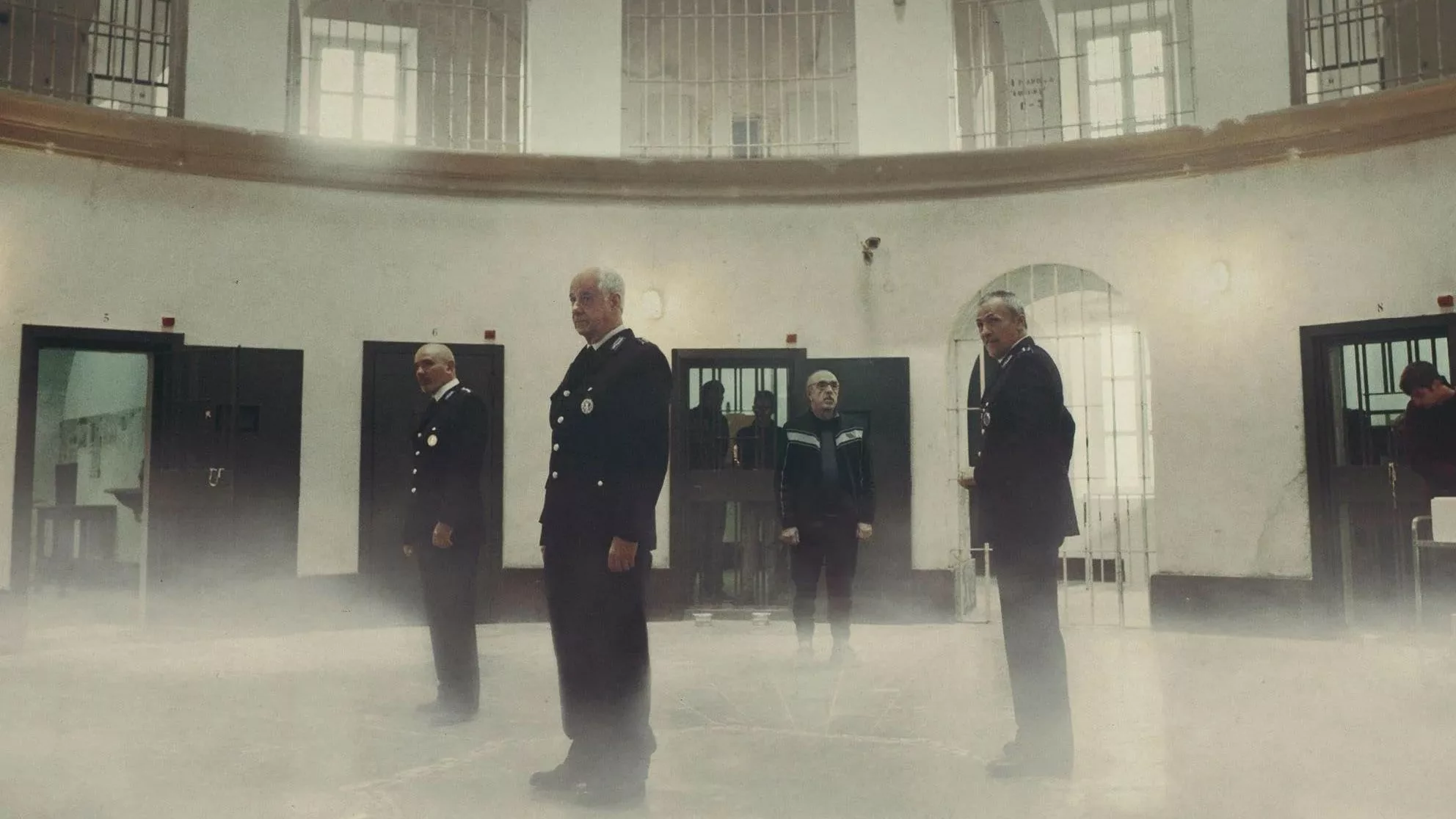

Leonardo Di Costanzo’s slow-burning prison drama “The Inner Cage” offers an intimate look at the complex relationships between inmates and their guards. This fictional Italian film focuses more on nuanced character development than fast-paced action. Backed by strong performances from its ensemble cast, it provides a thought-provoking examination of captivity.
Directed by Leonardo Di Costanzo, “The Inner Cage” falls into the drama genre with elements of a character study. Di Costanzo is known for his background in documentaries exploring modern Italian life. His deliberate directorial style aptly captures the monotony and intimacy of prison life. The film stars renowned Italian actors Toni Servillo as compassionate head guard Gaetano and Silvio Orlando as aging mob boss Carmine. Their complex dynamic drives much of the story.
Rather than depicting a stereotypical escape thriller, “The Inner Cage” offers a more sobering meditation on imprisonment. When a remote Italian prison is marked for closure, a bureaucratic oversight leaves a dozen inmates stuck in limbo under minimal supervision. As days stretch into weeks, identities and social barriers between detainees and guards begin to blur. Di Costanzo examines how penal systems dehumanize both prisoners and officers. Free from sensationalism, the film provides an earnest look at finding humanity in a brutal environment. It’s an understated work that may test viewers’ patience, but offers rewards for those seeking a thought-provoking character drama.
A Remote Prison in Limbo
Set in present-day Italy, “The Inner Cage” takes place in a remote, rundown prison that is no longer in use. The facility is preparing to close down when a clerical mishap leaves a dozen inmates stranded without arranged transfers. A skeleton crew of guards must stay behind to watch over them until the paperwork gets sorted.
The main protagonist is Gaetano Gargiuolo (Toni Servillo), the dedicated head guard intent on maintaining order despite the prison barely functioning. He believes in upholding the rules, but also shows compassion for those in his charge. The lead prisoner is Carmine Lagioia (Silvio Orlando), an aging mobster with status and privilege among the inmates. Though confined for much of his life, Carmine has retained his humanity and culinary skills from working in his family’s restaurant.
The supporting prisoners represent a cross-section of criminality and sentences, from petty thieves to violent offenders. Young newcomer Fantaccini (Pietro Giuliano) is sympathetically depicted after injuring a man during a desperate mugging. We witness the guards’ growing concern over his mental well-being as his sentence lengthens over his victim’s coma. The sole woman prisoner, Regina (Antonia Truppo), mostly keeps quiet, but wields power over the men who desire her attention.
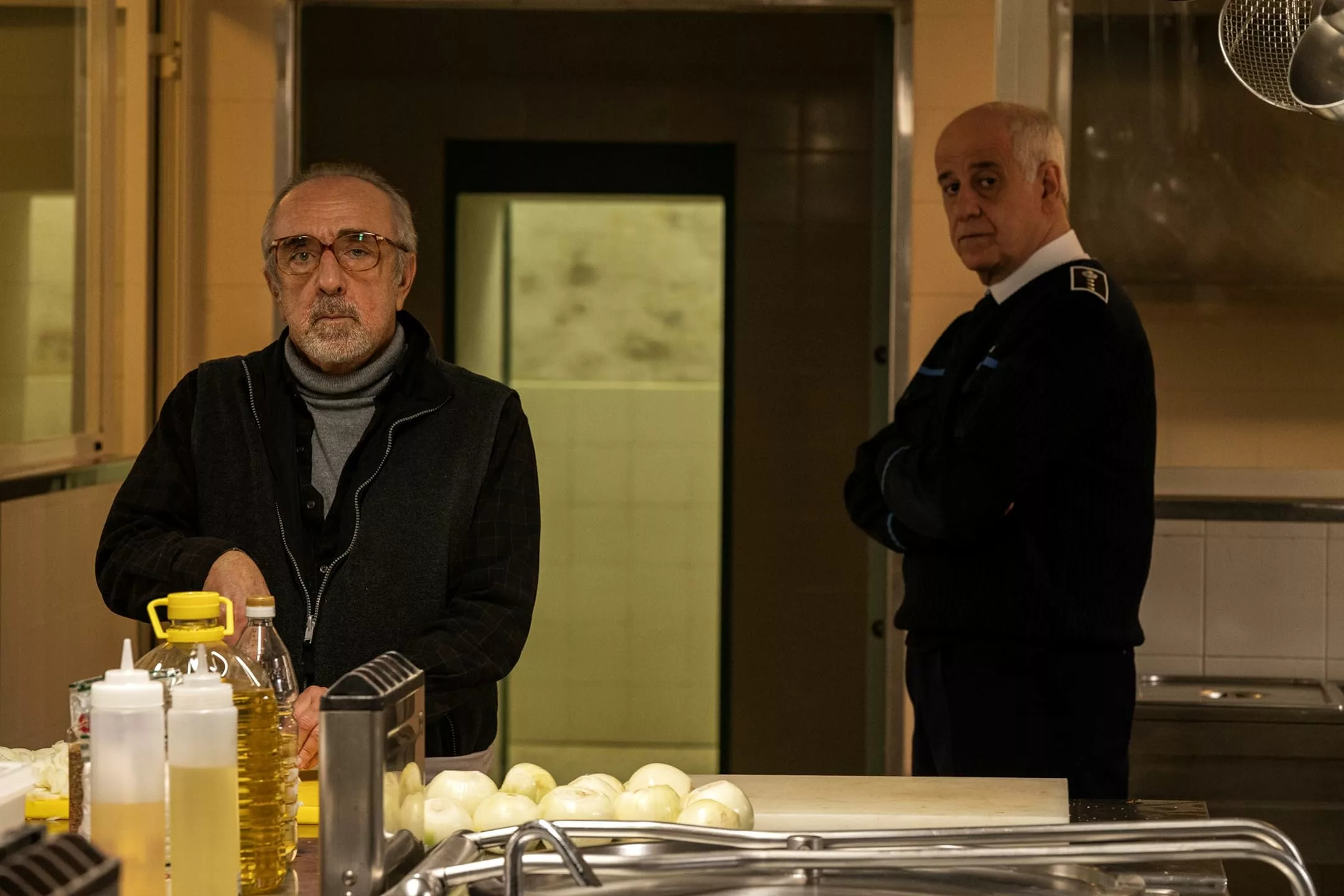
Simmering tensions rise after the prisoners stage a hunger strike over the poor quality pre-packaged meals they receive once the kitchen is closed. Carmine negotiates to cook for the men, granting him further privileges. While some guards oppose what they see as coddling criminals, Gaetano compromises to keep the peace. As days pass with no updates on their transfers, both groups settling into an uneasy rapport.
The climax occurs when a storm knocks out the electricity. In the darkness, divisions dissolve as the men share supplies and a humble dinner by candlelight. Called away frequently, Gaetano entrusts the prisoners into Carmine’s makeshift care. The next day, however, new orders abruptly arrive to empty the prison. Though subtly transformed by their time together, the characters part with their fates unclear. Their lives irrevocably intertwined but institutions unchanged, the system simply moves them along.
“Discover the Inspiring Story of Mats Steen in ‘Ibelin'”: Immerse yourself in the touching documentary about a young gamer’s life beyond physical limitations. Read our in-depth review of ‘Ibelin’, a film by Benjamin Ree that explores the life of Mats Steen, who found a rich world of connections and experiences in the realm of online gaming despite his battle with muscular dystrophy.
Examining the Human Toll of Imprisonment
At its core, “The Inner Cage” explores the mental and emotional impact incarceration has on both prisoners and their jailers. Separated from society and stripped of autonomy, the inmates struggle to retain their humanity in a dehumanizing environment. But the film also shows how the prison system can harden guards toward their charges over time. As budgets shrink and infrastructure crumbles, the characters share a kind of solidarity in their confined purgatory.
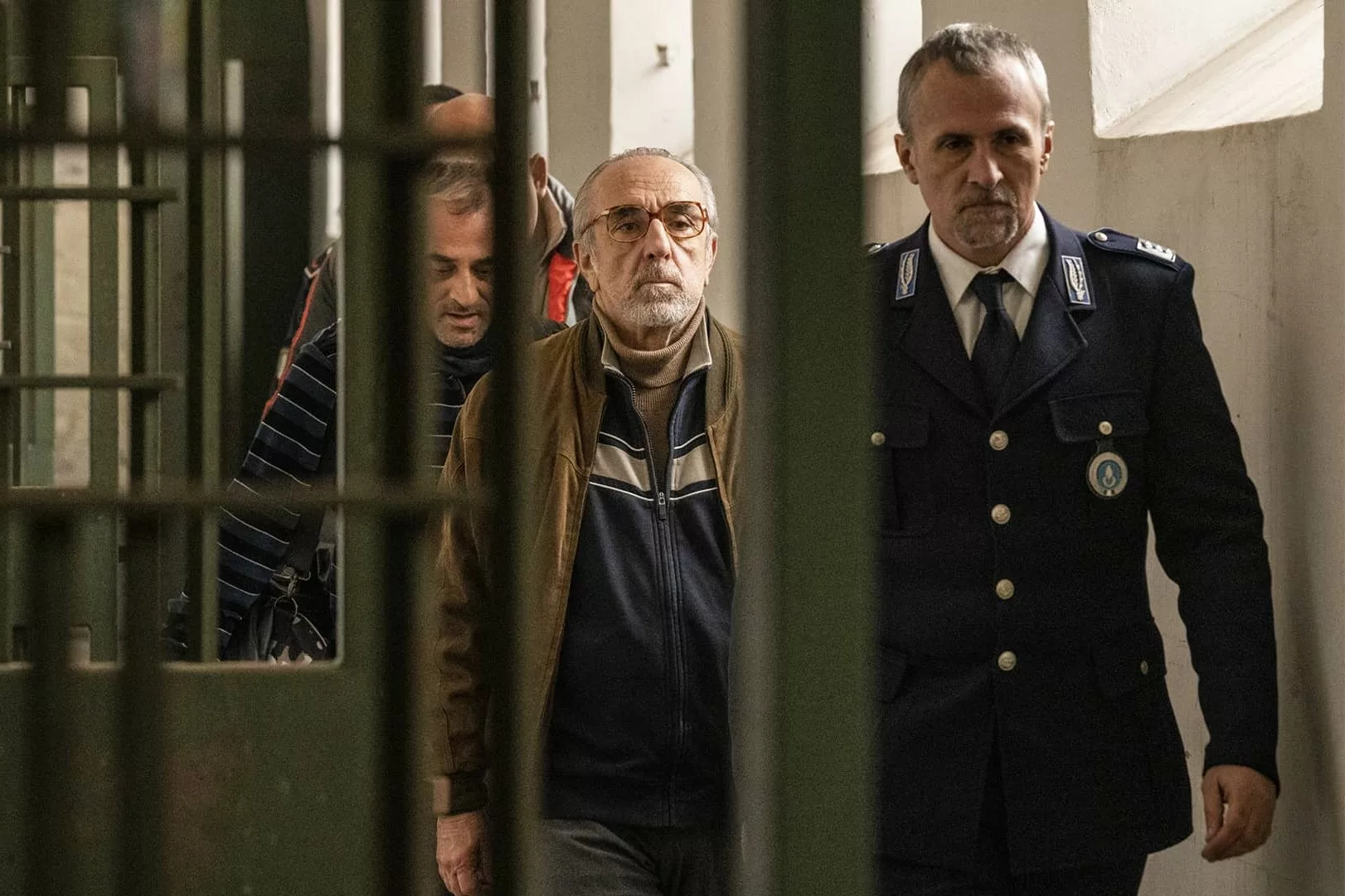
Di Costanzo examines how identity and social status blur when small groups are isolated together interminably. Carmine the mobster and Gaetano the guard discover they have more in common than their roles would suggest. Both men have histories that haunt them, regrets that linger, and basic needs for purpose and companionship. Their tentative bond seems unlikely beyond the bubble of this shutdown prison. The film questions whether true rehabilitation can occur absent substantial systemic reforms that address root societal issues.
Though the premise suggests a tense thriller in the making, Di Costanzo subverts expectations through his patient directorial approach. The slow pacing and quiet tone reflect the realities of prison life better than dramatics could. Much of the runtime simply depicts men passing time, attending to life’s mundane necessities like food, sleep and hygiene. Solitary moments become small dignities to savor rather than privileges to take for granted.
Young Fantaccini’s tragic story arc demonstrates how extreme sentencing can irreparably damage lives, especially those of disadvantaged youths. Removed from support systems, vulnerable individuals like Fantaccini can easily spiral without empathy and counseling. The guards debate these sociological issues more openly than the institution itself ever would.
By examining a forgotten prison in limbo, “The Inner Cage” calls attention to a neglected population hidden away from society’s conscience. Di Costanzo gives inmates faces and voices typically ignored. The love, grief and humor the prisoners express contrasts against their sinister reputations. The film breaks stereotypes to underline our shared humanity. Though framed as voluntary, the connections made often seem more circumstantial than genuine. Still, Di Costanzo leaves room for hope. Perhaps given enough time and opportunity, true rehabilitation remains possible even in imperfect conditions.
Gloomy Visuals Reflect the Characters’ Isolation
The gloomy cinematography in “The Inner Cage” mirror its remote setting and isolated characters. Shot by Luca Bigazzi, the film takes place largely within the grand yet dilapidated Mortana prison. Its spoke-wheel layout glimpsed through tracking shots emphasizes the inmates’ confinement. Shadowy lighting and muted colors further reflect the gloomy tone.
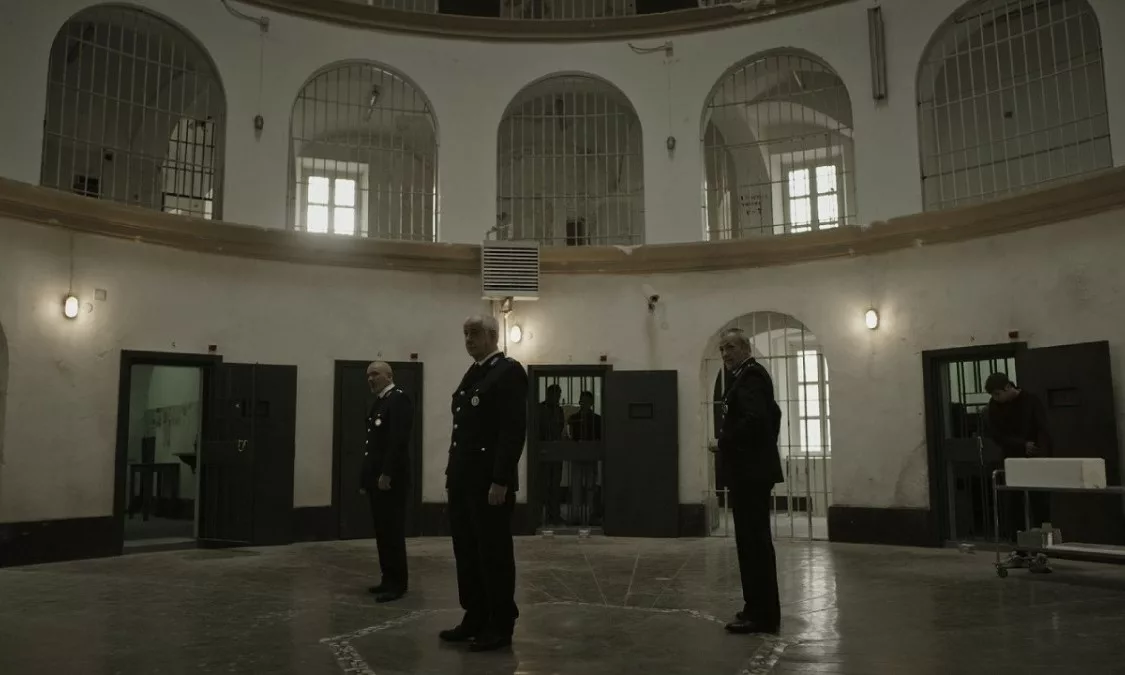
Bigazzi’s camerawork is patient and observational, often following characters through the prison halls in long takes. The static framing enhances the monotonous feel of routine. Overhead shots peer down from guard towers, evoking the looming panopticon. Yet close-ups during rare friendly interactions add warmth and humanity. Along with natural lighting, candlelit scenes during the power outage boost the intimacy.
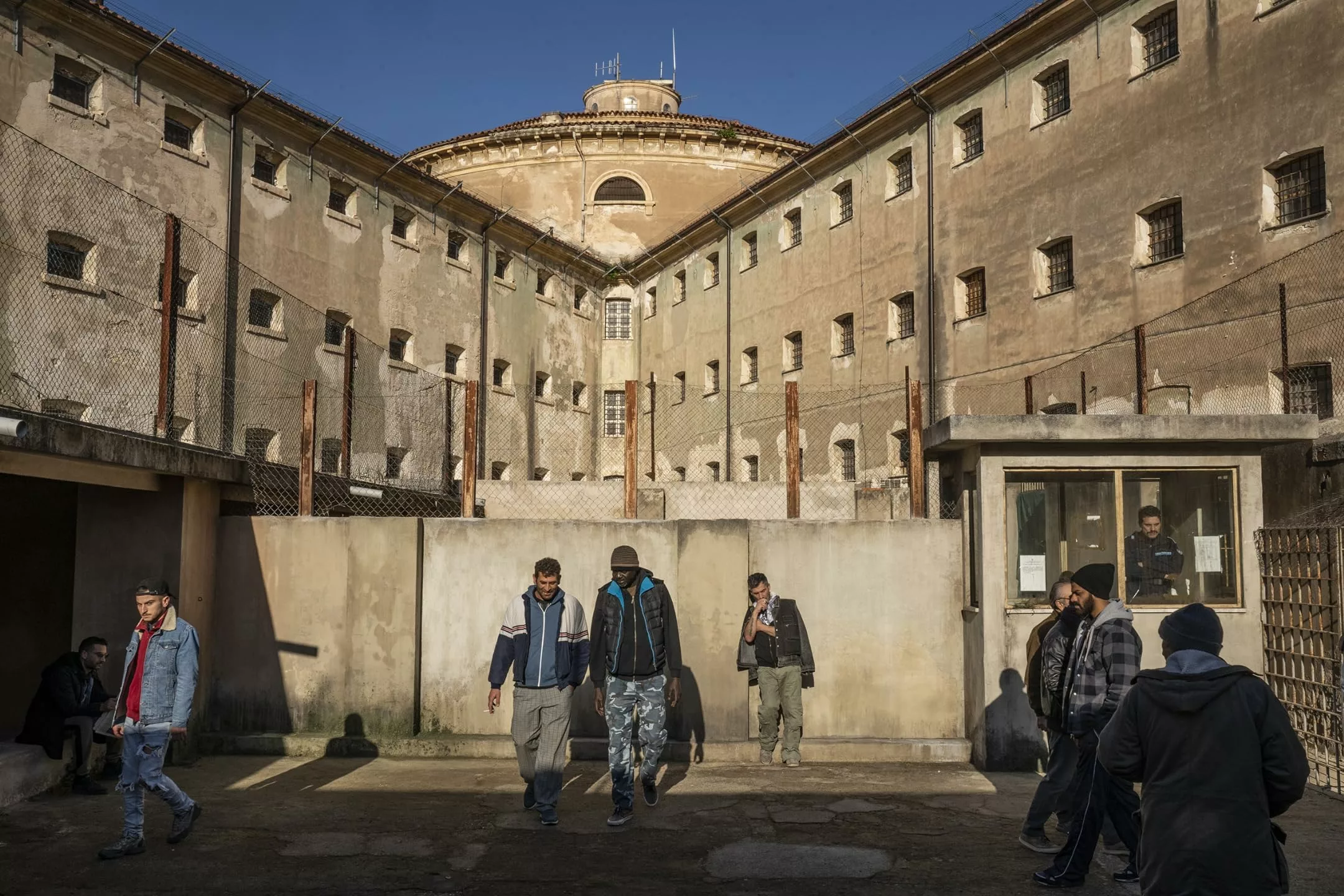
Production designer Giancarlo Basili artfully captures the weight of time’s passage on the crumbling architecture. Peeling paint, rusting bars, and overgrown weeds outside showcase decades of abandonment and disrepair. The worn-in atmosphere adds credibility absent in pristine movie prisons. Basili’s attention to details like discarded books or exposed pipes and vents enable the camera to find beauty even in decay.
The set effectively appears its own character, with rooms and corridors bearing artefacts of past occupants. As Di Costanzo’s lens gazes through the eroding edifice, the prison becomes almost sympathetic. Its crowds and chaos now drained, Mortana suffers the same ignominious fate as inmates it once housed – left to languish forgotten.
By refusing embellishments and letting environments speak is where Bigazzi’s verite photography excels. Along with haunting musical cues, each shot takes on allegorical weight. Shadows come to represent the dark psychological imprint left by incarceration, while beams of light offer hope of rehabilitation. The visual metaphors may seem heavy-handed, but match the film’s thoughtful themes. For patient viewers, they offer much to appreciate.
Captivating Character Studies
The success of a quiet character drama like “The Inner Cage” heavily relies on its principal actors’ abilities to compellingly portray moral complexity. As head guard Gaetano, Toni Servillo balances authoritarian bearing with humble charm. His face, lined with experience, projects competence and integrity alongside weariness. Servillo resists the temptation to grandstand, even in showy monologues. He allows stillness to convey Gaetano’s layered internal journey.
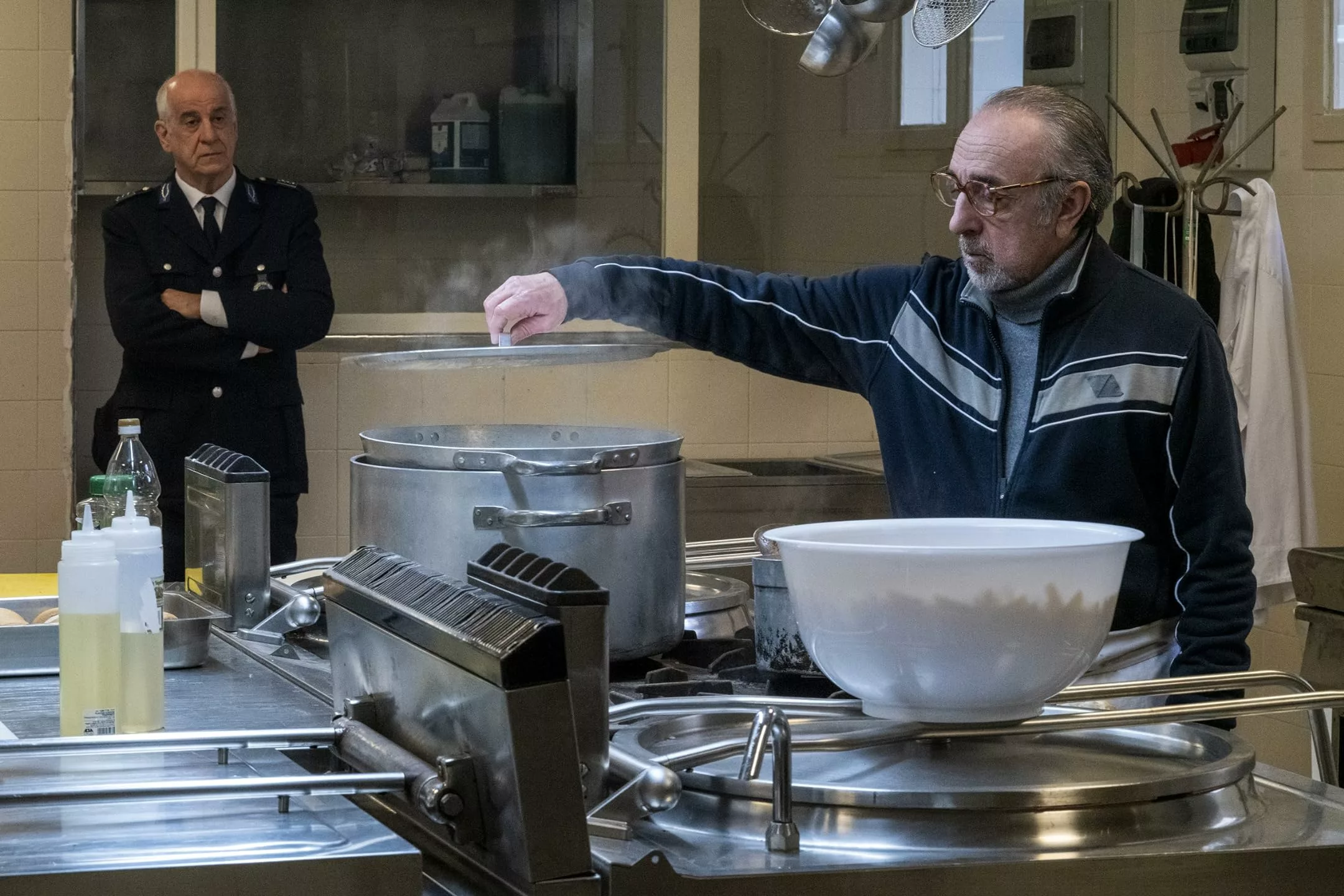
Equally riveting is Silvio Orlando as mobster Carmine. Hardened yet principled, Carmine bristles at disrespect, yet shows paternal concern toward young Fantaccini. Orlando reveals glimmers of vulnerability and principle without whitewashing Carmine’s criminal past. The rapport between the leads grows organically through subtle gestures and glances rather than big speeches. Their solemn faces become windows into thoughts left unspoken.
Supporting prisoners like volatile Cacace (Salvatore Striano) and defiant De Caro (Antonio Buil) threaten upheaval with their demands. Yet Di Costanzo avoids stereotypes by letting contradictions emerge over time. Cacace’s short temper often gives way to jovial banter, while De Caro’s resentment is complicated by health issues. Even the wizened child molester Arzano is treated with some dignity. By keeping backstories vague, the ensemble keeps viewers guessing who to root for.
Of the guards, only Fantoni (Pietro Giuliano) emerges with distinct personality as a foil for Gaetano’s pensive lead. Emotionally raw and naive despite his criminal past, Fantoni tests Gaetano’s impartial policies often to comedic effect. Their mismatched rapport spotlights generational differences in coping with imprisonment.
While Servillo and Orlando undoubtedly shine brightest, the supporting cast help ground this parable. Their lived-in faces remind that imprisonment haunts both the guilty and innocent. Though Di Costanzo eschews complex backstories, he weaves together an eclectic group where humanity persists despite performing archetypal roles of captors and captives. Through their subtle performances, viewers gain insight into people typically ignored and forgotten.
Deliberate Directorial Vision
Given director Leonardo Di Costanzo’s documentary roots, “The Inner Cage” adopts a decidedly verite style. His direction favors naturalism through long takes, muted color palettes, and lingering shots of environments over plot-driven thrills. Relying on sustained shots of faces and quiet spaces, Di Costanzo carefully constructs an authentic atmosphere that foregrounds character psychology.
Staying true to his studied, observational approach, Di Costanzo maintains a steady dramatic tension without resorting to cliches like violence or escape stunts. Instead, he patiently accrues emotional payoffs through a series of provocative conversations on injustice. For patient viewers, the deliberative pace heightens the film’s haunting effect.
Editors Carlotta Cristiani and Alessandro Giordani complement Di Costanzo’s vision by allowing scenes to play out in full. Their measured cutting preserves the ominous mood. Opting for sustained wide shots over quick cuts, they grant space for the strong central performances to immerse viewers. Transitions tend to focus characters entering and exiting frames rather than flashy wipes.
That said, the film’s ending edit which jumps through time does disrupt the flow. After an extended denouement, a sudden hard cut to the prison emptying days later feels rushed. Lingering on the bittersweet goodbyes between Gaetano and Carmine may have granted more closure.
Overall through thoughtful composition, Di Costanzo transports the viewer into the prisoners’ isolation. Reminiscent of a Straub-Huillet film where every sound holds meaning, “The Inner Cage” rewards patience with an unusually hypnotic incarceration drama. The director’s faith in strong source material and lead actors’ skills pays off with a haunting if opaque parable on societal divisions.
Impactful Score and Soundscape
The emotive music and sound in “The Inner Cage” prove integral in establishing the film’s contemplative tone. Composer Pasquale Scialò’s score features haunting violin solos and choral arrangements that underline key themes. His cues range from somber to oddly whimsical, embracing this drama’s quirks.
Notable tracks include the opening theme, which has a liturgical hymn quality. Heard over scenic shots of the foggy prison, it introduces a spiritual motif. The uplifting finale piece also leaves a striking impression. As Carmine cooks the farewell dinner, majestic orchestral harmonies finally resolve, symbolizing bonds forged through hardship.
Scialò incorporates natural sounds to heighten realism – keys jangling, chairs dragging, rainfall pattering. In quiet moments, ambient noises like echoing drips or distant trains dominate the subtle soundtrack. These effects accentuate the setting’s size and emptiness. One memorable scene allows the dicing of vegetables on a cutting board to play prominently.
The absence of a traditional score during mesmerizing dialogue scenes also pulls focus toward the performances. As conversations drift from casual to profound, environmental sounds swell. The leading actors’ resonant voices, rich with regional Italian accents, enhance exchanges free of overt manipulation.
By refusing distraction from artificial soundtrack cues, Di Costanzo allows this rare reflection on incarceration to reverberate. Scialò’s astute sonic choices pair with striking visuals to create an immersive, credible prison self-contained by its own rhythms.
A Subtle Triumph of Humanism
For patient viewers, “The Inner Cage” offers an uncommon perspective into the psychological impacts of imprisonment. Director Leonardo Di Costanzo eschews cheap thrills in favor of an empathetic character study brimming with ambiguity. Strong performances from leads Toni Servillo and Silvio Orlando drive this stripped-down rumination on finding humanity in inhumane environments. Fans of brooding art house fare will find much to appreciate.
That said, the slowly unfolding narrative and lack of clear character motivations could test mainstream audiences. Di Costanzo certainly takes a gamble in subverting the compelling premise’s expected payoff. The film often feels confined by its own artful restraint, circling thematic concerns without landed resolution.
But therein lies the point – by leaving judgments suspended and questions unanswered, “The Inner Cage” compels self-reflection beyond the viewing experience. For some, that waiting may prove worthwhile. The lingering memories of quiet revelations in candlelit faces or hushed conversations in mute corridors illustrate redemption’s fragility.
Ultimately, Di Costanzo succeeds through the virtue of his cast and crew’s collaborative commitment to nuance. From the architecture bearing witness to the scored strains of solitude, “The Inner Cage” earns comparisons to cinematic examinations of grace under systemic pressure like “A Man Escaped” or “Dead Man Walking”. Viewed as portraits of underrepresented experiences, the film verges on high art. That makes its occasional moments of intimacy incredibly affecting.
In the end, Servillo and Orlando’s masterful performances alongside Di Costanzno’s sharp directing prove this auteur gamble largely pays off. I gladly award “The Inner Cage” four stars for its show-don’t-tell humility and hypnotic humanity against trying circumstances. The film reminds that our shared bonds outweigh outward labels imposed upon us by indifferent systems. Where there is life, hope persists.
The Review
The Inner Cage
Through patient storytelling and captivating performances, "The Inner Cage" provides a thought-provoking examination of imprisonment's psychological toll from both sides of the bars. Director Leonardo Di Costanzo succeeds in crafting an intimate character study through subtle direction and a strong ensemble cast. For viewers craving understated yet moving cinema, this deliberately-paced drama offers ample rewards.
PROS
- Strong lead and supporting performances
- Thoughtful examination of the prison system
- Patience directing style creates authentic tone
- Impactful cinematography and production design
- Moving soundtrack and score
CONS
- Slow pace may test mainstream viewers
- Ambiguous ending lacks resolution
- Underdeveloped backstories for some characters
- Plot can feel confined at times