
























![Kingdom Hearts Collection [I-III] Review](https://gazettely.com/wp-content/uploads/2026/10/Kingdom-Hearts-Collection-I-III-1-360x180.webp "Kingdom Hearts Collection [I-III] Review: KHII Holds Steady as Newer Entries Fluctuate 37")




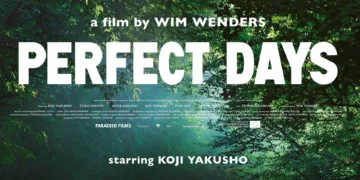
With a career spanning over 50 years, German filmmaker Wim Wenders has traversed arthouse acclaim and commercial success with atmospheric films like Paris, Texas and Wings of Desire. Known for his ruminative explorations of alienation and longing, Wenders enters more uplifting territory with Perfect Days. Originally conceived as a short film promoting Tokyo’s innovative public toilet architecture, the project expanded into a feature-length dramedy centered around a toilet cleaner finding poetry in his mundane life.
Far from the haunted landscapes of Wenders’ past work, Perfect Days promises a lighter touch and celebration of life’s simple pleasures. As the septuagenarian director’s career enters its sixth decade, this appears to be a more sentimental effort plumbing the significance of routine – one man’s daily ritual becomes a canvas to appreciate overlooked beauty.
We will review the film on its own terms to determine if Wenders can successfully deliver an engaging detour into whimsy, or if the conceit wears thin stretched to feature length. Regardless of the final verdict, Wenders stepping outside his comfort zone this late in his career offers an intriguing new dimension.
Repetitious Routine of a Tokyo Toilet Cleaner
Perfect Days follows Hirayama, a soft-spoken middle-aged janitor who maintains the architecturally striking public restrooms sprinkled throughout Tokyo’s Shibuya ward. We observe Hirayama’s intricately ritualized routine across several days, learning the quiet pleasures that sustain him.
Each morning Hirayama methodically folds away his mattress in his cramped apartment, waters the sapling trees he lovingly tends, and heads out for work in his supplies-stocked van. During his cleaning rounds, he pops in classic rock cassettes – The Animals, Lou Reed, Patti Smith – while diligently scrubbing and mopping away at the lavish commodes largely taken for granted by their hurried patrons.
At lunch hour, he reads William Faulker and takes snapshots of the same trees in a nearby garden, smiling at passing strangers. In the evenings, he unwinds over drinks with acquaintances at a local restaurant run by the nurturing Mama. The pattern repeats, with weekend trips to the laundromat and used bookstore woven into the fabric.
This solitary, analog-centric existence suits Hirayama, until the surprise arrival of his teenage niece Niko at his apartment. Her presence begins disrupting Hirayama’s protective routine, triggering encounters that gradually unveil his estranged family and the painful past that led him to craft such an isolated, unexamined life. Wenders slowly turns the key in Hirayama’s psychic lockbox, revealing the deeper well of meaning beneath one man’s quotidian ritual.
Contemplative Study of Life’s Overlooked Riches
On the surface, Perfect Days chronicles the repetitive schedule of an unremarkable laborer, but Wenders excavates profound meaning from one man’s quotidian ritual. The film explores several resonant themes bubbling beneath its placid veneer.
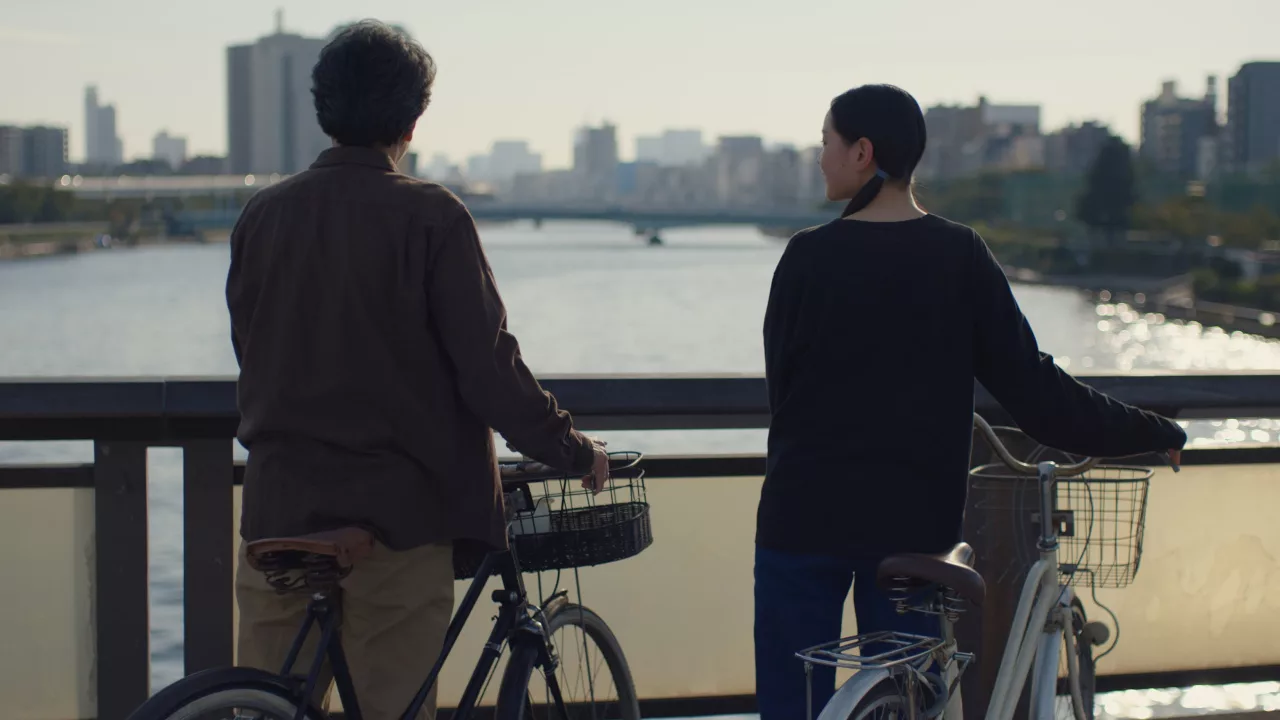
Most pointedly, Wenders contemplates the notion of finding poetry and purpose in the mundane. Hirayama’s contentment derives not from grand ambitions, but from humble daily tasks – the soft folds of his mattress in the morning, the fading light during his evening repast. Minor disruptions trigger annoyance, not because of their inconvenience, but because they jar his meditative routine. Each day’s minor variations on the schedule become dots to connect into a pointillist painting of a life well lived.
This reflects Wenders’ appreciation for life’s simple and overlooked pleasures. No detail is too small for consideration. Hirayama finds inspiration in the play of light on concrete, the chatter of friendly regulars, the frayed cover of a paperback pulled from used book bins. Perfect Days argues for presence and active observation as an antidote to modern disenchantment.
Hirayama’s lifestyle also appears to be a bulwark constructed against past darkness. His avoidance of deep relationships and digital tools speaks to a desire for tranquility through tightly regulated routine. But Wenders hints at difficult history suppressed in service of this calm veneer.
When Hirayama’s niece and sister resurface, cracks appear in his armor. Their discussions allude to a father’s dementia and a painful family estrangement. Wenders ultimately argues for openly engaging darkness as part of an integrated life.
Beneath this, the film also excavates nostalgia around analog technology and blue-collar work. Hirayama’s cassette tapes and paperbacks signify a tactile, pre-digital past, one where people possessed physical objects and enjoyed real-world encounters. His youthful coworkers express astonishment at these analog touches, viewing them through the lens of novelty.
Wenders also idealizes manual labor, casting toilet cleaning as dignified work for a man conversant with great literature and music. Some critics argue this perspective glosses over the gritty realities of such jobs to craft a simplistic working-class hero narrative. The director’s refusal to show any unsavory aspects of Hirayama’s work feeds such critiques.
Ultimately Wenders trains his humanistic gaze on finding significance along society’s margins. Through patience and care, he unearths grace notes that collectively shape Hirayama’s modest life.
Laugh and Learn with “Such Brave Girls”: Looking for a show that’s both hilarious and heartwarming? “Such Brave Girls” might be just what you need. This series skillfully balances comedy with poignant moments, making it a must-watch. Check out our engaging review of “Such Brave Girls” to get a glimpse of its unique storytelling style.
Sunlit Cinematography and Tactile Textures
Cinematographer Franz Lustig casts a gauzy, sun-dappled glow across Perfect Days’ Tokyo locales that underscores the film’s uplifting tone. Shooting in the old-fashioned almost-square Academy ratio, Lustig’s camera caresses both bustling cityscapes and quiet domestic spaces with a sense of wonder, finding visual resonance in the mundane.
Much of the film unfolds during the diffused light of early morning or magic hour. The opening shot captures dawn’s first blush slowly illuminating Hirayama’s apartment, the warm tones creeping across the floor to rouse him from slumber. Shadows stretch during his golden-lit commute, which Patient lateral tracking shots follow Hirayama on his cleaning route, playing with light patterns striking the sleek modernist toilet architecture.
Wenders also trains his patient eye on the everyday objects populating Hirayama’s tactile, analog existence – the spines of weathered paperbacks, hissing pots of home-cooked meals, fingers fiddling with cassette cases. Dream sequences provide further texture in grainy black-and-white, maybe suggesting Hirayama’s desires for meaning and connection percolating beneath the surface.
The cinematography emphasizes environment over flashy camera moves. Running throughout is a sense of Wenders and Lustig bearing witness, capturing the sensorial details comprising Hirayama’s world with reverence and care. Faces are central in this regard – dazzling multicultural crowds passing Hirayama on the street, the wrinkled matriarch beaming as she serves up his nightly meal.
Even in quiet moments like Hirayama watering his saplings, the imagery suggests deep conduits running under the surface. Perfect Days deals with profound emotions – regret, trauma, alienation – but expresses them through delicate gestures and luminescent surfaces, relying on the contemplative patience of Lustig’s roving camera rather than showy gambits. The result is an emotionally affecting tribute to finding resonance in workaday existence.
“Explore the complex world of American expatriates in Hong Kong with ‘Expats’, a series marked by tragedy and intricate social dynamics. Read our Expats Review to witness Nicole Kidman’s powerful performance as she navigates grief and disconnection. Click here to delve into this emotionally resonant series that thoughtfully examines the rippling impact of tragedy across a community, set against the backdrop of Hong Kong’s vibrant culture.”
Rock Tape Soundtrack Signifies Nostalgia
Wenders’ curated soundtrack of classic rock cues contributes to Perfect Days’ wistful, analog-infused atmosphere. Much of the music emanates diegetically from Hirayama’s treasured cassette collection as he pops in tapes during his commutes and work routine. Artists like Patti Smith, Van Morrison and The Kinks blast from his van’s stereo, accompanying montages of his repetitive days.
The title song “Perfect Day” by Lou Reed inevitably features over sunny weekend scenes, though its lyrics of drug-fueled transcendence bear little relation to the film’s themes. This literal needle-drop exploitation and other overly on-the-nose choices led some critics to pan the music choices as shallow and sentimental.
But the prominent placement of Hirayama’s cassette ritual also highlights the protagonist’s firm roots in the pre-digital past. His coworkers’ incredulity at the retro medium signifies a generational divide as well as the film’s implicit critique of today’s disembodied streamed content.
Beyond the rock tapes, composer Annette Focks contributes an evocative score combining piano and strings. Like the visuals, her cues aim for emotional resonance through diaphanous suggestion rather than overt melody. They reinforce the film’s pensive, meditative textures without overpowering the quiet grace notes.
Whether or not you find the music selections a nostalgic treat or a distracting indulgence, they undeniably deepen Perfect Days’ elegiac sense of analog’s fading wonders.
Dive into the quirky world of Darren Barrenman in our Poolman review. Uncover a shady real estate deal and enjoy the eccentric characters brought to life by Chris Pine’s directorial debut. Click here to read and see how this indie film blends humor, mystery, and heartfelt moments.
Nuanced Lead Performance Anchors Uneven Characterization
At the heart of Perfect Days lies Koji Yakusho’s graceful turn as protagonist Hirayama. The Japanese screen veteran conveys oceans of internality through subtle expressions and body language. His soulful eyes and deliberate gait hint at past troubles bubbling under the surface of Hirayama’s placid routine.

In an early scene, Hirayama interacts with a lost child and the pair share a wordless moment of profound connection through gentle gestures and gazes. Yakusho manages to convey an entire unspoken backstory between the strangers relying purely on the quiet eloquence of his face. Critics widely praised the performance as a masterclass in minimalist screen acting.
By contrast, supporting characters remain more broadly sketched. As Hirayama’s goofy slacker coworker, Tokio Emoto provides comic relief to punctuate the pensive mood. He expresses astonishment at Hirayama’s analog tastes, allowing Wenders to wax rhapsodic about a pre-digital past. But the character’s exaggerated posture and mugging lacks nuance.
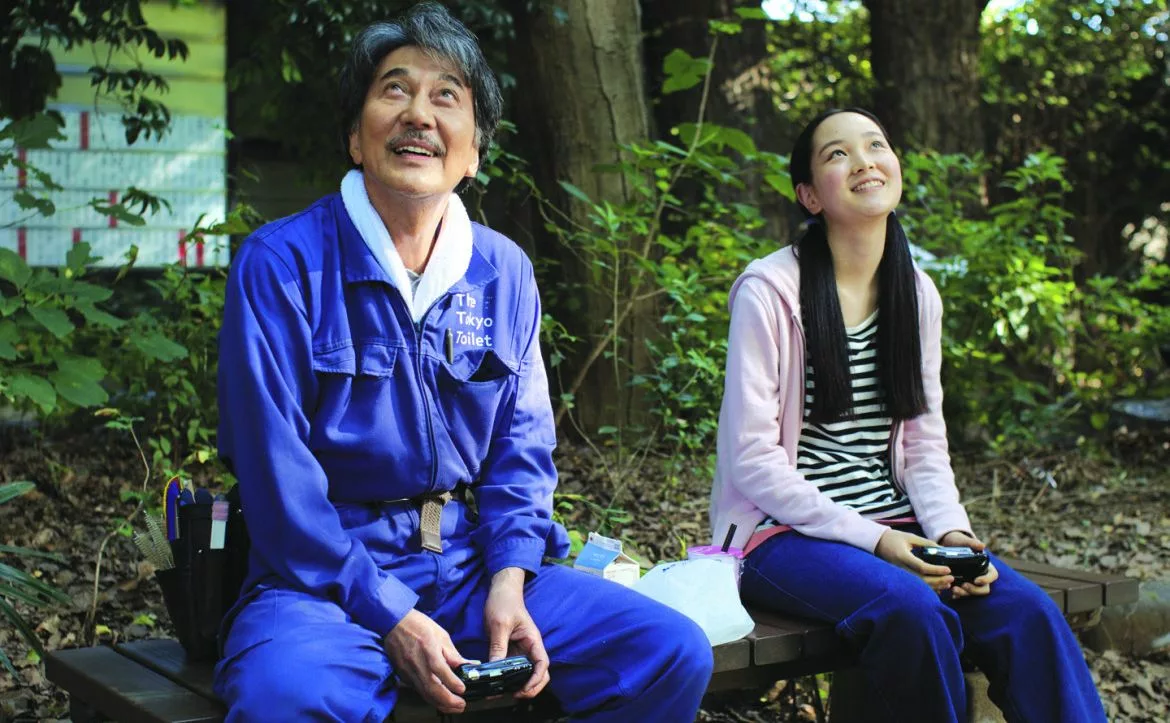
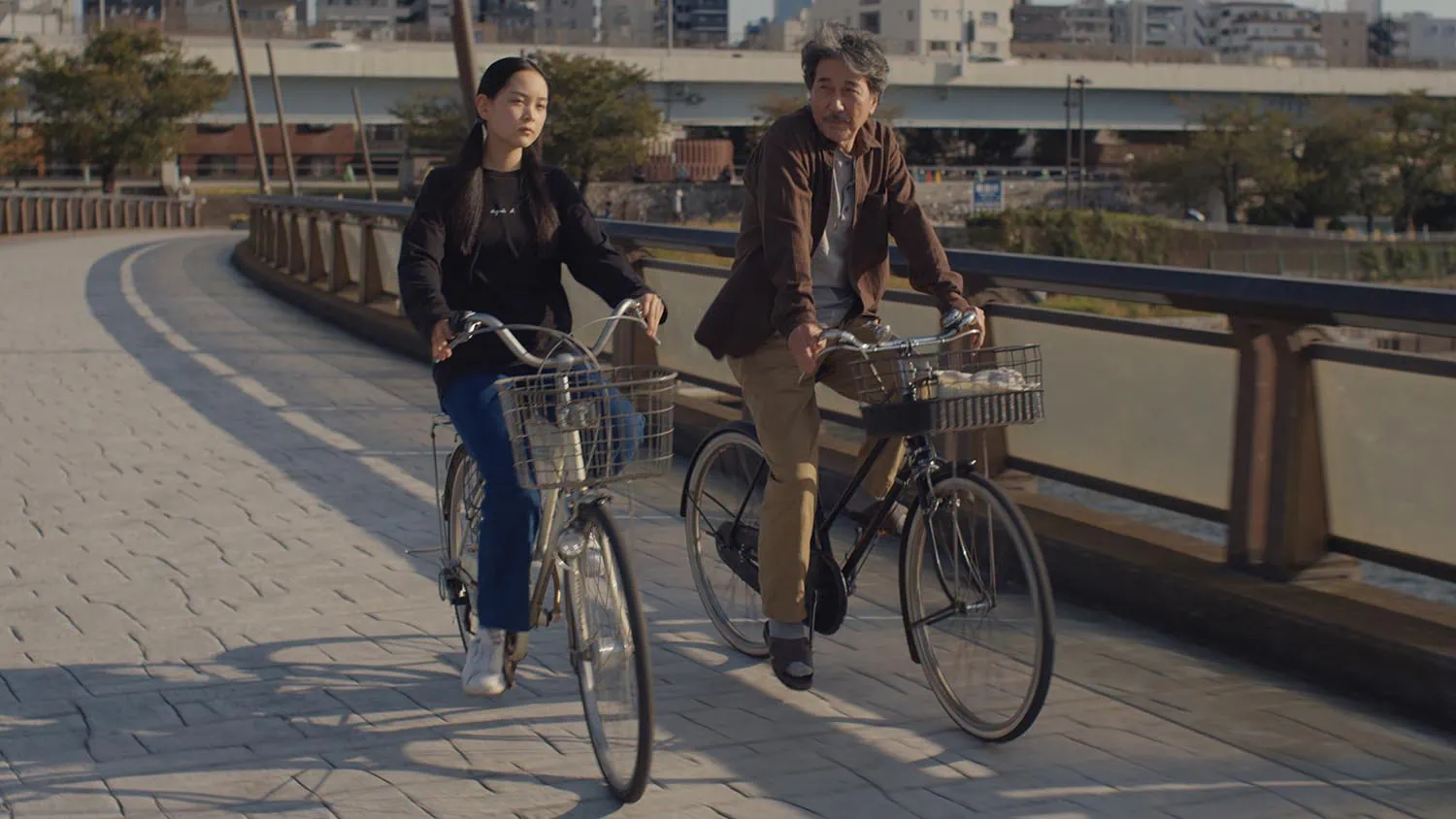
Other bit players like the nurturing restaurant owner Mama offer quick grace notes showcasing the diversity of Tokyo residents. But besides Hirayama, only his niece Niko emerges with any dimensionality. Played with a sullen charm by Arisa Nakano, her disruptive presence in Hirayama’s apartment cracks open his bottled trauma. Their tentative bond represents a vein of intimacy amid the man’s isolation.
Niko’s mother and Hirayama’s sister Keiko later appears at his doorstep, portrayed by Yumi Aso as wearily trying to make sense of her brother’s downward spiral from his former social standing. Their strained reunion provides oblique clues to the past severing of family ties.
But it is Yakusho’s melancholic expressions that do the real narrative heavy lifting in these scenes, filling the gaps in dialogue and backstory through sheer performative eloquence. He remains the human anchor around which the rest of the film precariously rotates.
“Delve into the intriguing final days of a legendary diplomat in Hammarskjöld. This Gazettely review uncovers the layers of mystery and political intrigue surrounding Dag Hammarskjöld’s life, offering a captivating look at one of history’s most influential figures.”
Restrained Dialogue Driven by Expressive Silences
As befits the solemn Hirayama, dialogue takes a backseat in Perfect Days to visual storytelling and silent expressions. Lead actor Koji Yakusho conveys oceans through subtle gestures, allowing Wenders to build scenes around the weight of unspoken trauma rather than expository speeches.
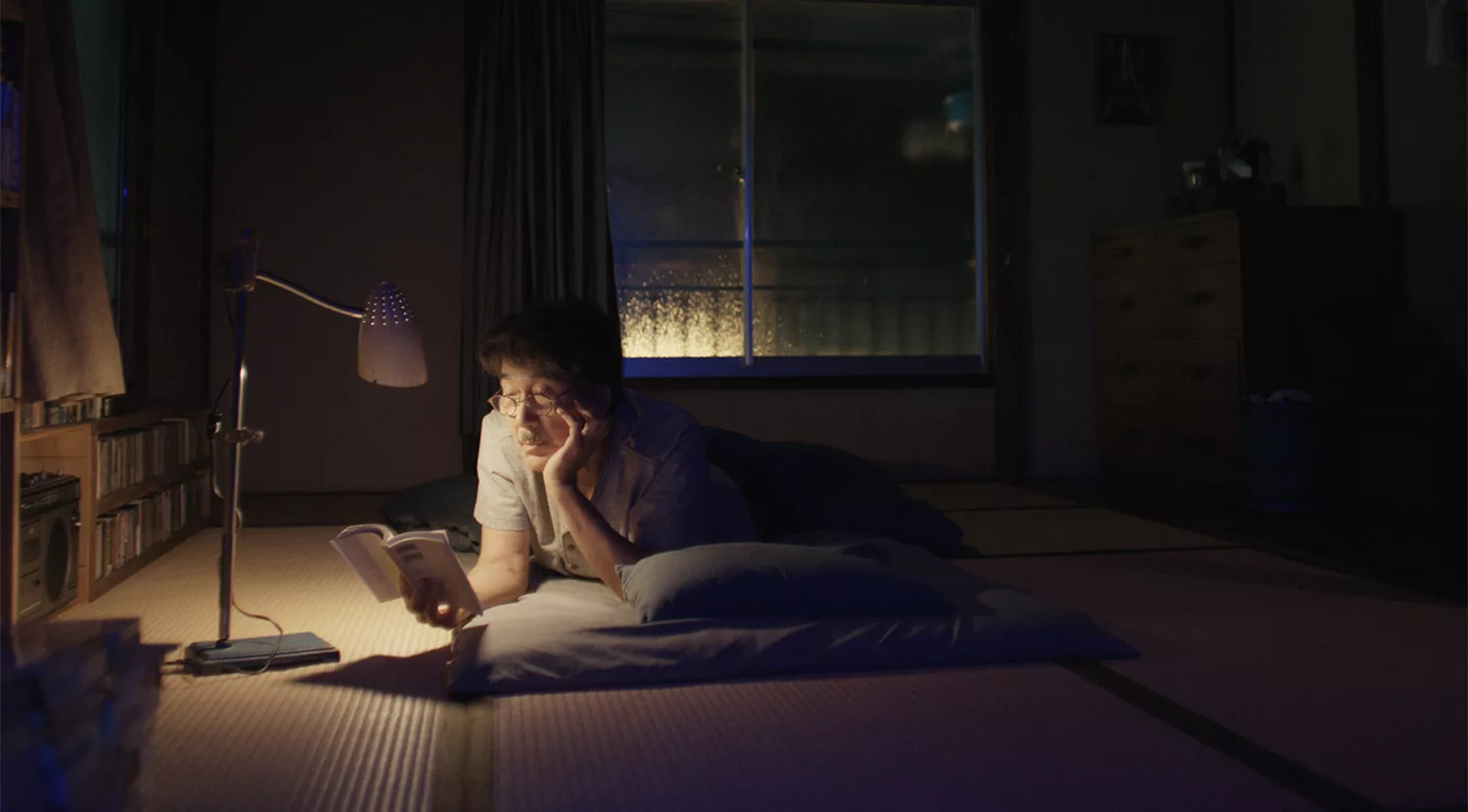
We learn little of Hirayama’s past from his own lips. Instead, the eyes of his visiting niece Niko startle in recognition at the surroundings of his sparse apartment, conveying wordlessly that she possesses knowledge of what transpired in this space. Their tentative interactions sing with feeling despite the few words exchanged.
The most direct exchanges arrive late in the film when Hirayama’s sister Keiko directly questions his downward mobility. Though the precise details remain fuzzy, the pain of their father’s dementia emerges in these hushed conversations as catalyzing Hirayama’s withdrawal from family and his former social perch.
Beyond these revelations, dialogue largely serves to reinforce Hirayama’s analog passions in contrast to the befuddlement expressed by his Gen Z coworkers over his cassettes and paperbacks. “What’s a tape?” one asks, underlining the culture gap.
Wenders clearly wishes to keep Hirayama free from overexplanation, preserving the sense of mystery about what simmering pain led him to seek emotionally monastic solace. In its place, he offers silence filled with the expressive possibility of unspoken hurt.
An Imperfect Yet Affecting Rumination on Life’s Overlooked Riches
Though marred somewhat by sentimentality and fuzzy class politics, Wenders’ late-career effort Perfect Days remains an affecting rumination on extracting meaning from quotidian ritual. If the storytelling occasionally tips into cloying allegory, Koji Yakusho’s soulful lead performance and Franz Lustig’s luminous cinematography carry it across the finish line.
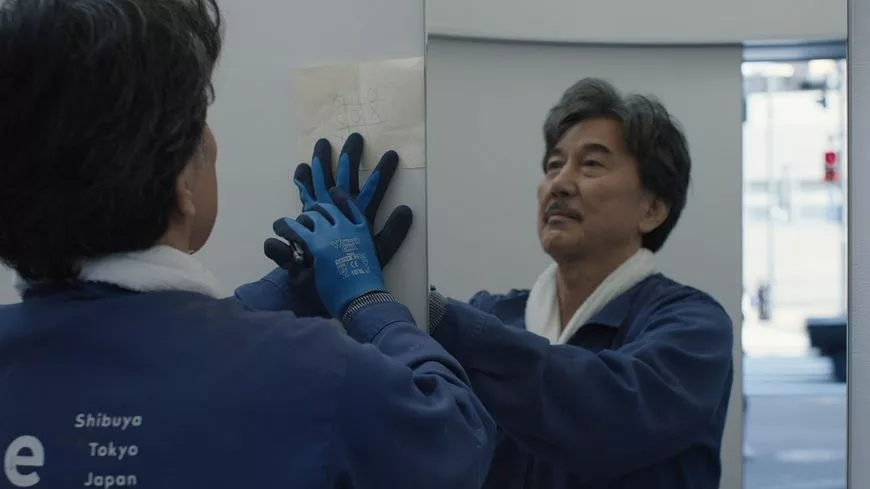
Hirayama’s daily routine becomes a canvas upon which Wenders paints an ode to life’s unnoticed graces – the man transforming the act of scrubbing a toilet into a Zen meditation. By focusing his patient gaze on one humble worker, Wenders unearths quiet reservoirs of resilience and humanity.
The film oversimplifies the politics and true harshness of its blue-collar milieu. But as an imperfect vehicle for reflection on savoring each passing moment, it succeeds on its own terms. Yakusho’s wordless evocation of unspoken regrets and Lustig’s images awash in afternoon light provide enough aesthetic pleasures to outweigh the flaws.
Wenders struggles when reaching for profundity, but his ambitions remain earnest. For audiences willing to indulge the sentimental premise, Perfect Days offers a lyrical escape into contemplation of the tiny spring bubbles that collectively shape an ordinary life. By valuing the overlooked, Wenders argues for seizing meaning in the seemingly mundane.
The Review
Perfect Days
At its best, Perfect Days provides a meditative cinematic respite, using one man's routine as a conduit to locate poetry in the everyday. But Wenders struggles to fully earn his working-class hero worship, and leans too readily on sentimental music cues and supporting characters veering into questionable taste. Still, Koji Yakusho's soulful lead performance makes the premise sing more often than not.
PROS
- Koji Yakusho gives a graceful, affecting lead performance conveying volumes through subtle expressions
- Cinematographer Franz Lustig casts the film in luminous, sun-dappled light that invests the mundane with beauty
- Provides a meditative escape into appreciation of overlooked details and simple pleasures
- Powerful themes of finding meaning in routine and facing suppressed darkness
- Strong sense of place in its Tokyo setting
CONS
- Strong sense of place in its Tokyo setting
- Sentimental music choices are distractingly on-the-nose
- Glosses over harsh realities of blue-collar work to craft an idealized protagonist
- Plot reveals about Hirayama's past can feel too elliptical and vague
- Storytelling leans into cloying allegory at times
- Does not fully earn its worshipful portrayal of working class characters