

























![Kingdom Hearts Collection [I-III] Review](https://gazettely.com/wp-content/uploads/2026/10/Kingdom-Hearts-Collection-I-III-1-360x180.webp "Kingdom Hearts Collection [I-III] Review: KHII Holds Steady as Newer Entries Fluctuate 37")





The Daylong Brothers introduces audiences to a world where familial curses and supernatural forces intertwine within a Southern setting marked by rich cultural imprints. The film follows a trio of siblings burdened by an ancient pact, setting off on a quest to reclaim what was taken before they drew their first breath. Their mission, driven by a confrontation with a sinister patriarch, unfolds against a backdrop that melds energetic action scenes with elements of myth and folklore.
The narrative immediately immerses viewers in an environment that mirrors the traditions and mysticism of the rural South, where every shadow and whispered legend speaks to age-old regional narratives. The story’s structure and pacing echo cinematic styles seen across various cultures, merging kinetic sequences with reflective moments that expose characters’ deep emotional scars. Although its roots lie in a distinctly regional heritage, the film speaks to universal ideas about legacy and the sacrifices demanded by fate.
Here, the tension between inherited duty and individual desire is presented with an international lens, inviting comparisons to storytelling found in diverse cinematic traditions. This opening snapshot sets the stage for an examination of cultural identity that resonates with both local and global audiences.
Narrative Syntax and Cross-Cultural Resonance
The film centers on three brothers burdened by an infernal arrangement, their mission steeped in desperation and ancestral debt. The story follows their pursuit to recover what was lost before birth, setting a collision course between their innate drive for redemption and disruptive forces determined to maintain their curse. The setup pits familial obligation against a chaotic world where each step toward reconciliation clashes with supernatural interference.
The film unfolds with a brisk introduction of characters and immediate immersion into conflict. Initial scenes feature rapid character sketches complemented by energetic sequences, followed by quiet, reflective intervals marked by musical interludes that momentarily suspend the action. These shifts allow the audience to experience both the fervor of escapades and the internal strife of characters wrestling with the weight of inherited misfortune.
A critical element emerges in the film’s attention to the world where every detail—the rustic Southern settings, eerie natural backdrops, and symbolic musical performances—relates to traditions and mythologies known across various cultures. The narrative makes frequent use of visual cues and mythic storytelling techniques reminiscent of cinematic work produced in different parts of the globe.
For example, the incorporation of folklore and rural aesthetics finds parallels in certain regional cinemas, while the pacing and rhythm of the film offer points of comparison to international narrative forms that blend action with lyrical pauses.
Secondary threads, such as the character of Frankie, introduce alternative perspectives on the story’s moral quandaries, engaging with themes of duty, legacy, and the price of redemption. These additional plots enrich the central narrative, highlighting contrasts between personal ambition and the inexorable pull of inherited destiny, leaving room for varied interpretations and inviting reflections on how cultural legacies shape personal choices.
Character Dynamics Across Cultural Landscapes
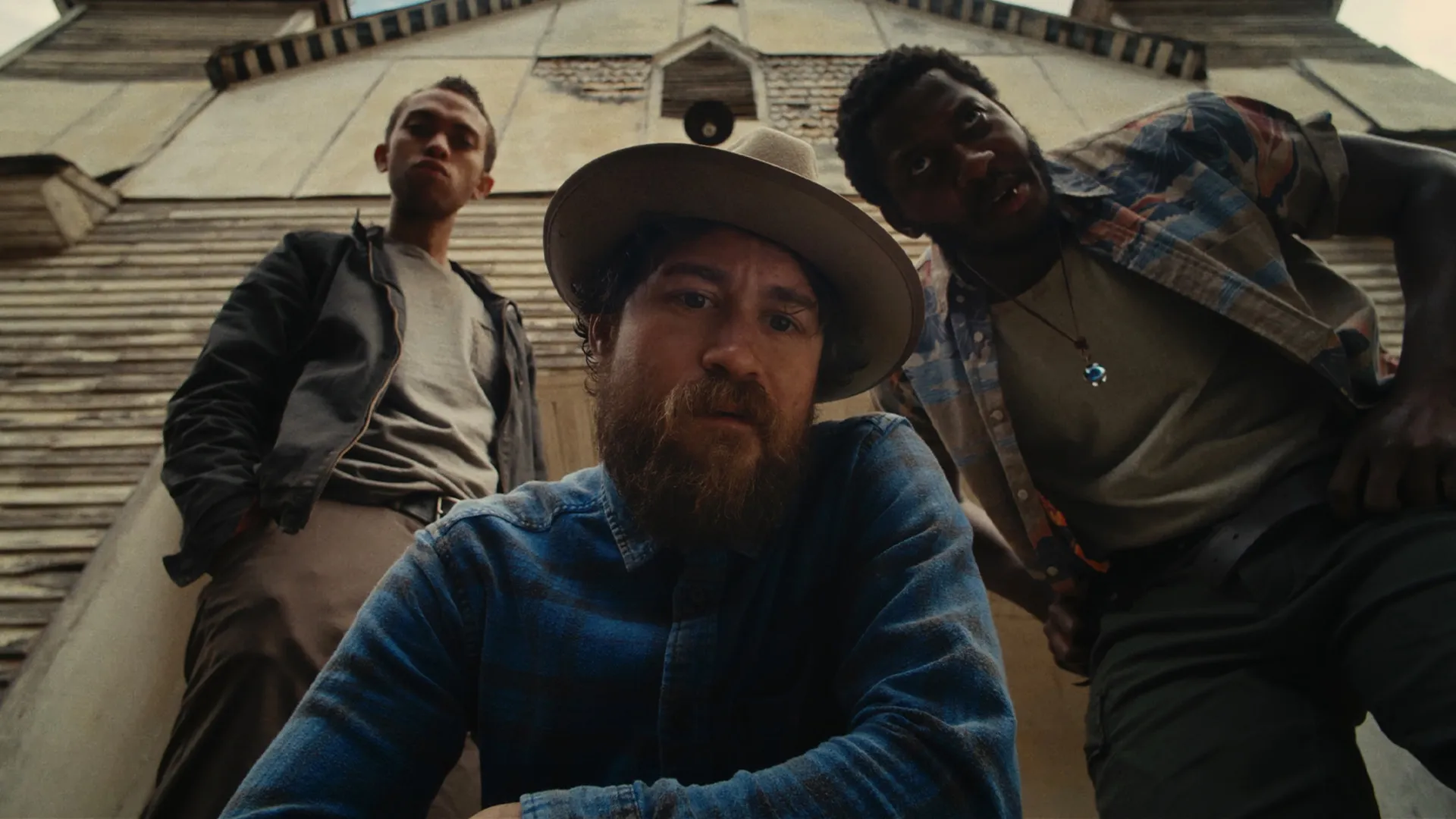
The film introduces three brothers whose intertwined paths reveal a shared burden that is both personal and steeped in regional lore. Each sibling carries a history defined by a cursed inheritance, with their personal aspirations and inner conflicts emerging against a backdrop that blends regional traditions with a more global narrative sensibility.

Their interactions—marked by playful banter interspersed with moments of intense tension—suggest that while they operate as a unit toward a common goal, subtle variations in their temperaments contribute to a richer sense of individual identity.
Attention is drawn to the solitary presence of Frankie, whose ambiguous motivations challenge conventional roles and invite comparisons with female figures in international storytelling. Her actions, though sparing in appearance, open the door to broader discussions of agency and the shifting expectations for female characters in a setting that is steeped in myth and dark heritage.
Meanwhile, the portrayal of the patriarch by a seasoned actor brings a weight of experience and gravitas, his performance serving as a pivot for understanding the consequences of a legacy mired in a bargain with the sinister.
Interactions within the group are marked by moments of levity and intensity that capture cultural idiosyncrasies and hint at influences from diverse film traditions. The cadence of their exchanges on screen is reminiscent of ensembles encountered in various national cinemas, where family ties and unspoken resentments play out with an authenticity that speaks across different cultural frameworks. The director’s guidance turns what might have been a straightforward narrative into a textured examination of honor, duty, and the silent costs of a lifetime marked by an inherited burden.
A question persists regarding how these established identities might evolve as they confront forces that challenge every inherited custom, leaving viewers to consider the interplay between destiny and self-determination in contexts both ancient and modern.
Melodies and Movement: Musical Storytelling in The Daylong Brothers
Musical performances in the film come through as an integral force that punctuates both tension and release. Each song enters the scene at moments marked by intense action or thoughtful dialogue, offering rhythmic beats that accentuate dramatic shifts. A standout opening number invites the audience to embrace the film’s mythical quality, while a closing musical display leaves viewers reflecting on the emotional interplay of the narrative.

Certain sequences highlight raw blues-rock elements, where aggressive guitar riffs and powerful vocals mark turning points in the characters’ lives. One memorable moment features a musical interlude that captures a shift in energy, casting a spotlight on the personal conflicts among the brothers. In another instance, a well-crafted song intermingles with heated exchanges, bringing forward subtle layers of unsaid feelings and past grievances.
The creators behind these musical moments demonstrate a keen sense of originality. Their arrangements, rooted in traditional folk nuances, interact fluidly with modern cinematic visuals. In this light, the music takes on a role that is both structural and intimate, weaving itself into character development and the unfolding of key themes such as lost legacy and personal redemption. At moments where visual storytelling clashes with fast-paced action, the soundtrack steps in to restore balance, suggesting that emotional response and narrative rhythm are synchronized with the characters’ individual path.
Shades of the South: Crafting a Visual World
The film employs a natural light aesthetic interwoven with a documentary feel that gives every frame an organic texture. The camera lingers during extended takes in scenes of high tension, capturing each moment with a raw immediacy that heightens the sense of uncertainty. In contrast, carefully arranged musical moments feature more precise camera movements and tighter compositions, creating a clear distinction in mood between heart-pounding action and reflective interludes.

A deliberate selection of earthy tones and muted hues reinforces a look that draws from regional visual traditions. Deep shadows intermingle with sparse highlights, evoking an atmosphere reminiscent of classic gothic imagery seen in various cultural contexts. This color scheme reinforces the subtle presence of supernatural elements while capturing the weight of familial legacy. Each visual detail contributes to an environment that mirrors the story’s focus on inherited duty and unspoken turmoil.
The film’s settings serve as a vital counterpart to its narrative. Dim, weathered roadhouses and mist-covered landscapes play a significant role, creating visuals that conjure both nostalgia and mystery. The charming presence of the 1958 Chevrolet Imperial, nicknamed “Grace,” anchors the film in a period that feels steeped in local history yet carries an appeal that reaches beyond its immediate surroundings. Such design choices offer viewers a window into a world where time appears suspended and myth lingers in every shadow.
Director Brandon McCormick employs shifting framing techniques and brisk camera work that capture both the urgency of relentless action and the measured pace of orchestrated musical scenes. His visual approach highlights the collision of frenetic energy with moments of deliberate calm, prompting a reassessment of how cultural heritage and modern cinematic techniques can interact in surprising ways.
Lineage and Legend: Symbols in The Daylong Brothers
The film studies the nature of family bonds amid a narrative steeped in supernatural obligations. Three brothers carry a burden from an age-old contract, a load that molds their personal quests and affects every twist in the story. Their shared experience becomes a stage for a discussion about loyalty, responsibility, betrayal, and the endeavor to define oneself outside of a fate that appears predetermined by ancestral missteps. The interactions among the siblings spark a conversation regarding how heritage influences choices and how the weight of inherited misfortune shapes personal identity.
A thread running through the work considers the worth of the soul itself. The characters face decisions that seem bound by a legacy of dark dealings, prompting a series of ethical challenges regarding redemption and damnation. Their struggles raise issues about individual agency versus an imposed destiny, questioning if human effort can rewrite what tradition has long dictated or if the past leaves an unchangeable imprint.
Spiritual symbols mark the narrative with striking regularity. A fateful arrangement with a sinister force, alongside recurring religious signs and a formidable patriarch figure, builds a framework of myth that informs every scene. Recurring images—such as crossroads, which stand as markers of pivotal choices, and vintage automobiles that act as emblems of inescapable fate—support a richly layered visual discourse. Musical segments mirror the inner turbulence of the characters; their rhythms provide a sonic echo to moments of inner conflict between sorrow and the search for freedom.
The narrative also invites observation on social history. Regional stories rooted in periods of complex human experience offer a ground for reflecting on how long-held cultural beliefs and old grievances shape individual lives. This interplay of symbolism and legacy opens a conversation about how art captures and questions the imprint of collective memory.
Full Credits
Director: Brandon McCormick
Writers: Brandon McCormick
Cast: Brendan Bradley, Nican Robinson, Jordon Bolden, Rainey Qualley, Keith Carradine
The Review
The Daylong Brothers
The film impresses with its daring fusion of high-energy action, evocative musical interludes, and richly layered Southern Gothic atmosphere, presenting a narrative that challenges inherited fate while sparking both thrill and reflection. Its blend of mythic visual storytelling and heartfelt performance creates a dynamic yet thought-provoking cinematic experience.
PROS
- Visually engaging atmosphere and strong aesthetics.
- Captivating musical interludes enhance key moments.
- Solid performances that inject energy into the narrative.
- Inventive storytelling with distinctive Southern Gothic touches.
- Effective use of myth and folklore to underscore themes.
CONS
- Uneven pacing may cause abrupt tonal shifts.
- Character distinctions can feel less pronounced.
- Some musical sequences disrupt narrative momentum.







