























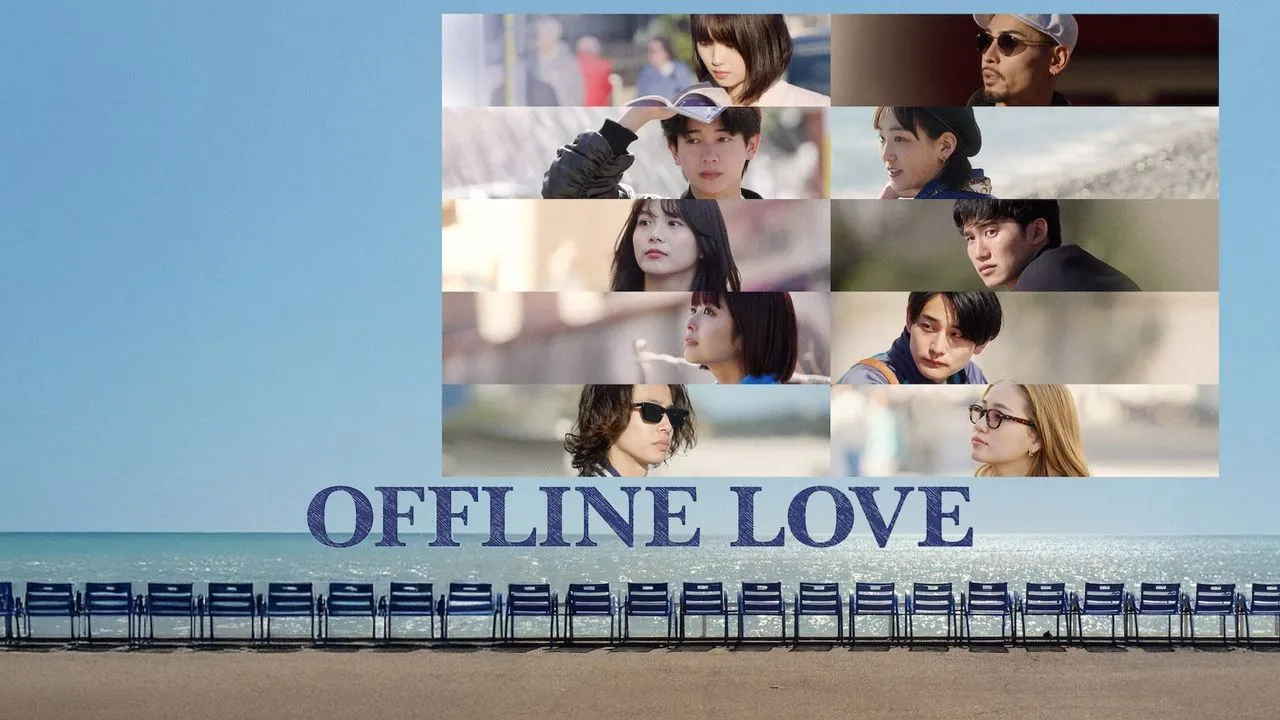

Offline Love arrives with a simple premise: ten Japanese singles spend ten days wandering the pastel-hued streets of Nice without their smartphones. Stripped of digital lifelines, participants rely on mailed letters and a Netflix-curated guidebook, crafting encounters that flow from cobblestone alleys to sun-drenched cafés. As the series unfolds, it trades algorithmic matchmaking for handwritten hope, inviting viewers to ponder how modern romance shifts when an app can’t signal the next swipe.
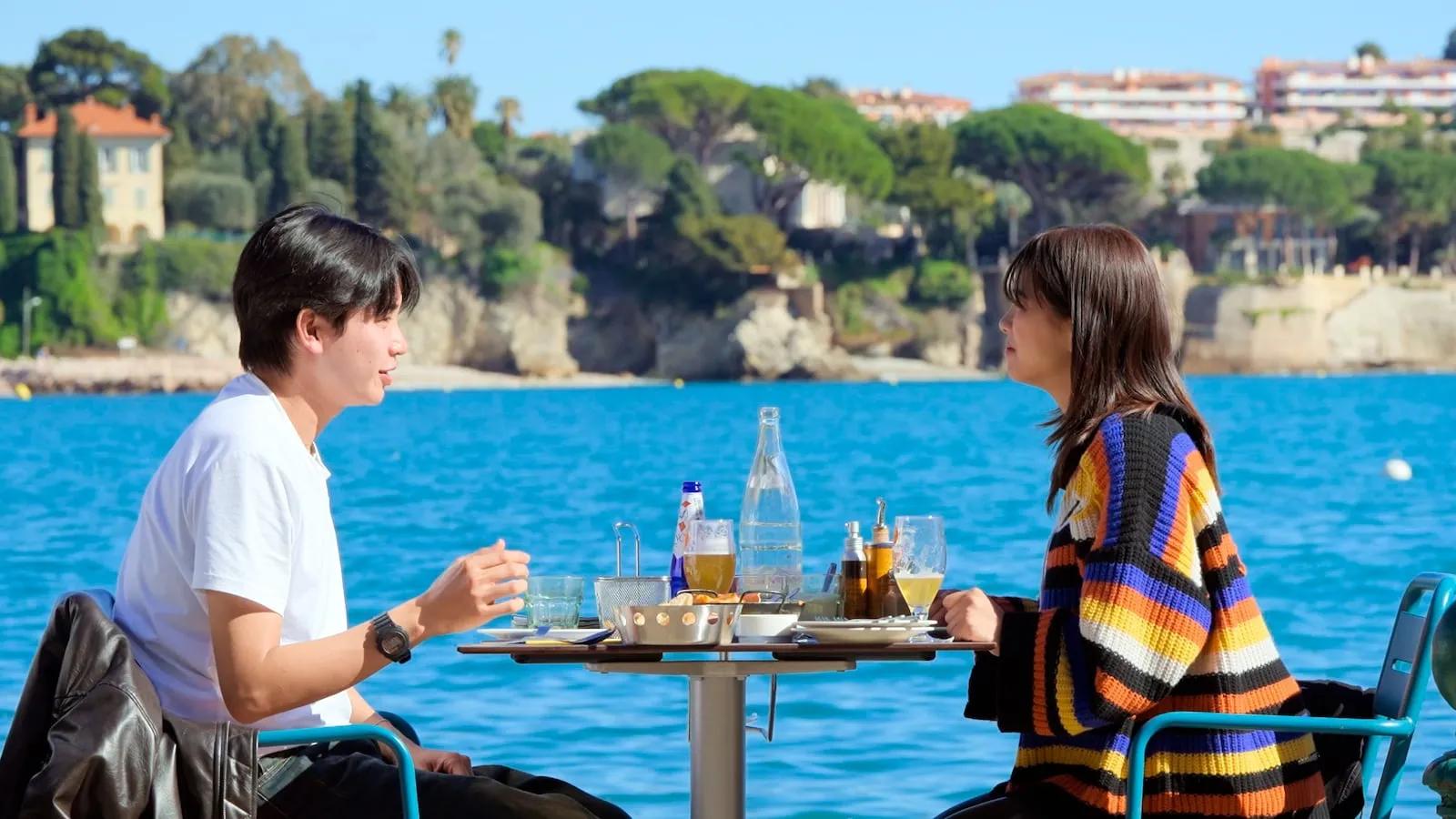
Netflix’s venture into analog courtship taps into a growing appetite for unscripted formats that foreground human connection. Positioned among its East Asian offerings, Offline Love signals a shift toward character-driven storytelling over twist-laden competition. Yet the show’s most potent draw lies in its setting: the French Riviera’s limestone promenades, pastel villas and glimmering harbor scenes transcend mere scenery to act as catalysts, turning chance intersections into moments of quiet revelation.
Gentle pacing guides each episode, with camera work that revels in lingering glances and accidental meetings. Through soft instrumental cues and ambient street chatter, the series achieves a nostalgic warmth that can feel both comforting and sharply ironic—reminding us how readily we assume instant connection.
Blueprint of Analog Connection
Offline Love constructs a digital-detox framework that foregrounds human agency over algorithmic prompts. Contestants surrender their devices to a lockbox at Maison Margaux, keeping only a Netflix-issued guidebook and a personal mailbox. Letters become the sole medium for private outreach, lending weight to each invitation and imbuing simple rendezvous with unexpected gravity.
Rules of engagement pivot on the “Wish Letter” mechanic. Each participant crafts a one-day itinerary—think handwritten Lonely Planet meets matchmaking tool—and slips it into a peer’s mailbox. Accepting an invite requires trading schedules or trusting chance, which injects strategy into what might otherwise feel aimless. Mailbox etiquette, then, becomes its own social currency, trading spontaneity for deliberate choice.
In genre context, the show signals a growing appetite for experiential dating formats on streaming platforms. It treads the line between free-wheeling exploration and production design: cast members wander sunlit promenades at will, yet editor-crafted montages guide the camera toward key intersections. That tension mirrors broader shifts in reality television, where authenticity sells best when balanced against narrative structure.
Casual interviews—captured in cozy terrace setups—offer glimpses of genuine surprise, even as confessional voiceovers sometimes slip into gentle scripting. These authenticity signals acknowledge the artifice beneath the veneer of chance. Candid laughter over missed meetings sits alongside carefully staged reveals at the café lockbox, reminding viewers that every “organic” moment has a director’s eye.
By privileging analog gestures of connection in an on-demand era, Offline Love proposes a novel template for social-issue engagement—one that questions our digital dependency while charting a fresh course for relationship storytelling.
Profiles in Analog Connection
The ensemble of Offline Love brings together five men and five women whose backgrounds reflect shifting norms in Japanese youth culture. Aru, a choreographer whose late arrival underscores both logistical hiccups and a yearning for grand romance, contrasts with Yudai, a polished actor whose quiet confidence anchors early scenes. On the women’s side, Maho’s brief, reverent encounter in a church hints at spiritual longing, while Mimi’s more pragmatic approach—strategizing rendezvous through mailboxes—reveals layers of modern courtship anxiety.
These participants embody distinct personality types. Idealists speak of fate and love at first sight; first-time daters navigate trembling vulnerability; travel enthusiasts treat every cobblestone turn as an opportunity for discovery. Such variety signals a broader shift: streaming platforms no longer pigeonhole reality stars into fixed archetypes. Instead, they invite viewers to witness earnest self-exploration, reflecting society’s hunger for authenticity over spectacle.
Interpersonal dynamics crackle between awkward silences and bursts of laughter. A group dinner can spark genuine camaraderie, even as a mistimed mailbox swap leads to playful teasing. Those moments of collective delight hint at the social thirst for communal experiences—especially welcome in an era dominated by solitary scrolling.
Emotional arcs unfold through handwritten notes, each letter a testament to courage in analog form. Hesitant first approaches give way to daring confessions: “I would die for you,” Aru declares, framing love as a public vow rather than a digital emoji.
Standout moments linger in memory. Maho’s haloed silhouette beneath stained glass invites viewers to question how setting shapes desire. Aru’s delayed entrance transforms logistical chaos into narrative poetry, reminding us that human connection often thrives in the unplanned.
Visual Canvas of Offline Love
Nice’s waterfront promenades serve as more than scenic wallpaper; the pastel facades and pebble-strewn beaches become active participants in each encounter. Cobblestone alleys funnel chance meetings, turning spontaneous strolls into carefully framed tableaux. At the heart of it all, Maison Margaux functions as both narrative anchor and symbolic “town square,” where the café’s wrought-iron tables host whispered confessions and the lockbox stands in for both hope and corporate design.

Cinematography leans on natural light to emphasize authenticity. Golden-hour sequences capture the shimmer of the Mediterranean, while handheld shots in narrow lanes impart an almost documentary immediacy. Occasional slow-motion highlights—laughter caught mid-glimpse, a letter unfolding in someone’s hands—remind viewers that even reality TV can borrow from cinematic language when it wants to.
Behind the scenes, location management balances open-city freedom with logistical guardrails. Filming zones are discreetly cordoned off, yet guided itineraries give cast members space to roam. Production design leans into nostalgic iconography: a branded guidebook becomes a prop with the weight of a smartphone, and personalized mailboxes signal both individuality and collective ritual.
Sound and music thread through each episode with subtlety. Soft piano motifs underscore tentative first steps; ambient street sounds—a passing scooter, distant chatter—anchor moments in lived reality; heartbeat-paced percussion cues ratchet up tension when a letter finally arrives. Together, these elements craft a layered sensory experience that mirrors our yearning for genuine connection.
Themes & Tone: Nostalgia, Agency and the Digital Question
Offline Love extends an invitation to recall a pre-smartphone era when guidebooks and chance encounters defined travel. Viewers may catch themselves longing for analog ways of meeting—trading thumbs-up emojis for handwritten notes, relying on serendipity rather than push notifications. That sense of nostalgia feels timely, offering respite from perpetual connectivity.
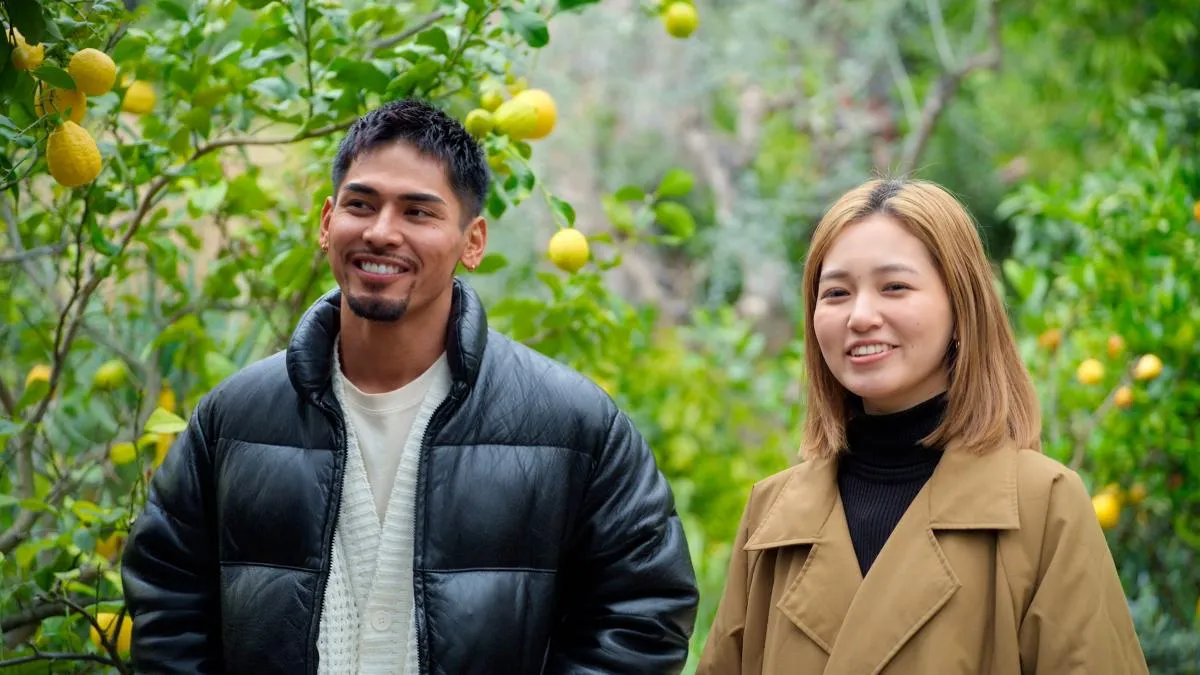
Romance here flirts with cinematic intimacy—flagging echoes of Before Sunrise in dusky plazas—yet candid awkwardness surfaces at every mailbox swap. One instant, two strangers share a hushed church moment; the next, they fumble over envelope addresses. That tension exposes how scripted passion often eclipses the small gestures that really matter.
Belief in fate drives participants to romanticize every corner of Nice. Still, production decisions—guided itineraries, cutaway interviews—remind us that no reality show is immune to choreography. Each “chance” meeting betrays careful location management, and the café lockbox doubles as an editorial device. This interplay between spontaneity and structure prompts us to question how much trust we place in mediated authenticity.
By removing digital crutches, the series comments on social priorities. Without apps to curate experiences, contestants must confront face-to-face vulnerability, revealing emotional literacy that our screens tend to mute. It’s an unspoken critique of how algorithmic feeds shape not only what we see, but how we relate.
Moments of group solidarity punctuate solo quests for love. Shared laughter over a missed rendezvous, collective awe at sunset views, quiet encouragement at someone’s first date—those instances ignite a sense of communal resilience. In an era when “connection” often equates to follower counts, Offline Love reminds us that solidarity can emerge from unplugged togetherness.
Emotional resonance arrives in the smallest details: the tremor in a voice reading a letter, the shared grin when two paths finally cross. In these fleeting beats, the show captures our yearning for true human exchange—proof that even reality television can spark social reflection.
Between Screen and Studio: Panel as Cultural Lens
The commentary panel turns Maison Margaux into a microcosm of intergenerational debate. Kyoko Koizumi brings a Gen X perspective, recalling an era when meeting someone depended on chance rather than chat bubbles. Her reflections carry weight, spotlighting how digital absence heightens emotional stakes and challenges modern assumptions about constant connectivity.
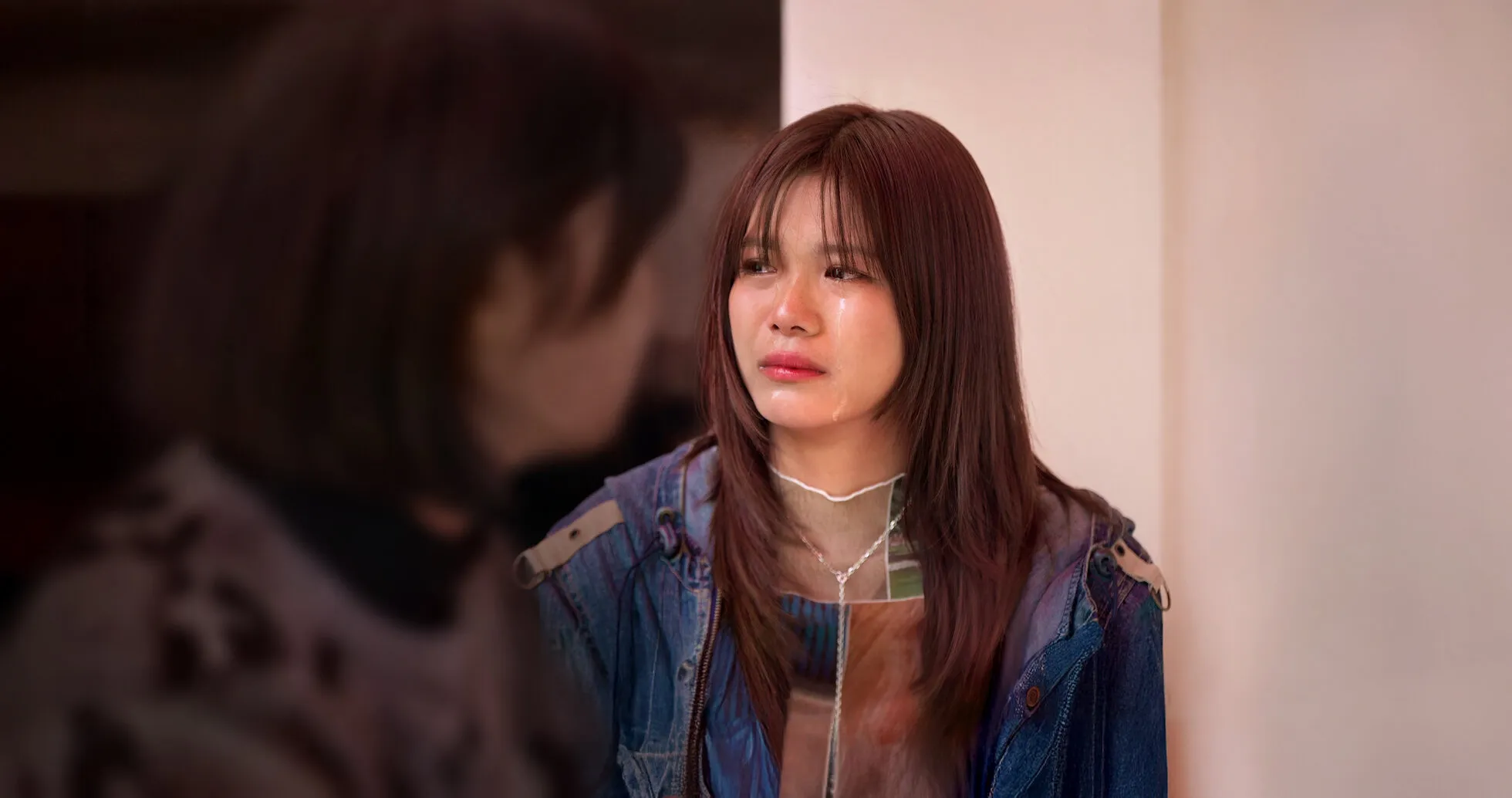
Reiwa Roman—Takahira Kuruma and Kemuri Matsui—offer peer-level humor that undercuts nostalgic reverie with playful skepticism. Their banter often surfaces industry contradictions: they praise handwritten letters while quipping that a Netflix guidebook feels suspiciously like a curated app. Those interludes of levity break up scenes of wistful wandering, reminding viewers that reality television thrives on both sentiment and spectacle.
Commentators shape audience interpretation by flagging cultural signifiers—Koizumi noting the ritual of letter-writing, Reiwa Roman teasing when someone treats a mailbox like a social media feed. This framing invites viewers to question how identity and belonging evolve when screens go dark.
Studio segments reflect an emerging trend in global streaming: reality formats that double as social commentary. By positioning the panel as a proxy audience, the show foregrounds real-time reactions and sparks a meta-conversation about technology’s role in romance. In doing so, Offline Love hints at a future where the viewer’s voice becomes part of the narrative fabric.
Temporal Rhythm and Viewer Engagement
The ten-day arc unfolds in three distinct phases. Day 1 sets the scene with fresh faces and tentative glances. Midway, the Wish Letter episode injects strategy into serendipity as contestants negotiate schedules and seize new opportunities. In the finale, subtle clues hint at emerging pairings, inviting speculation without heavy-handed reveals.
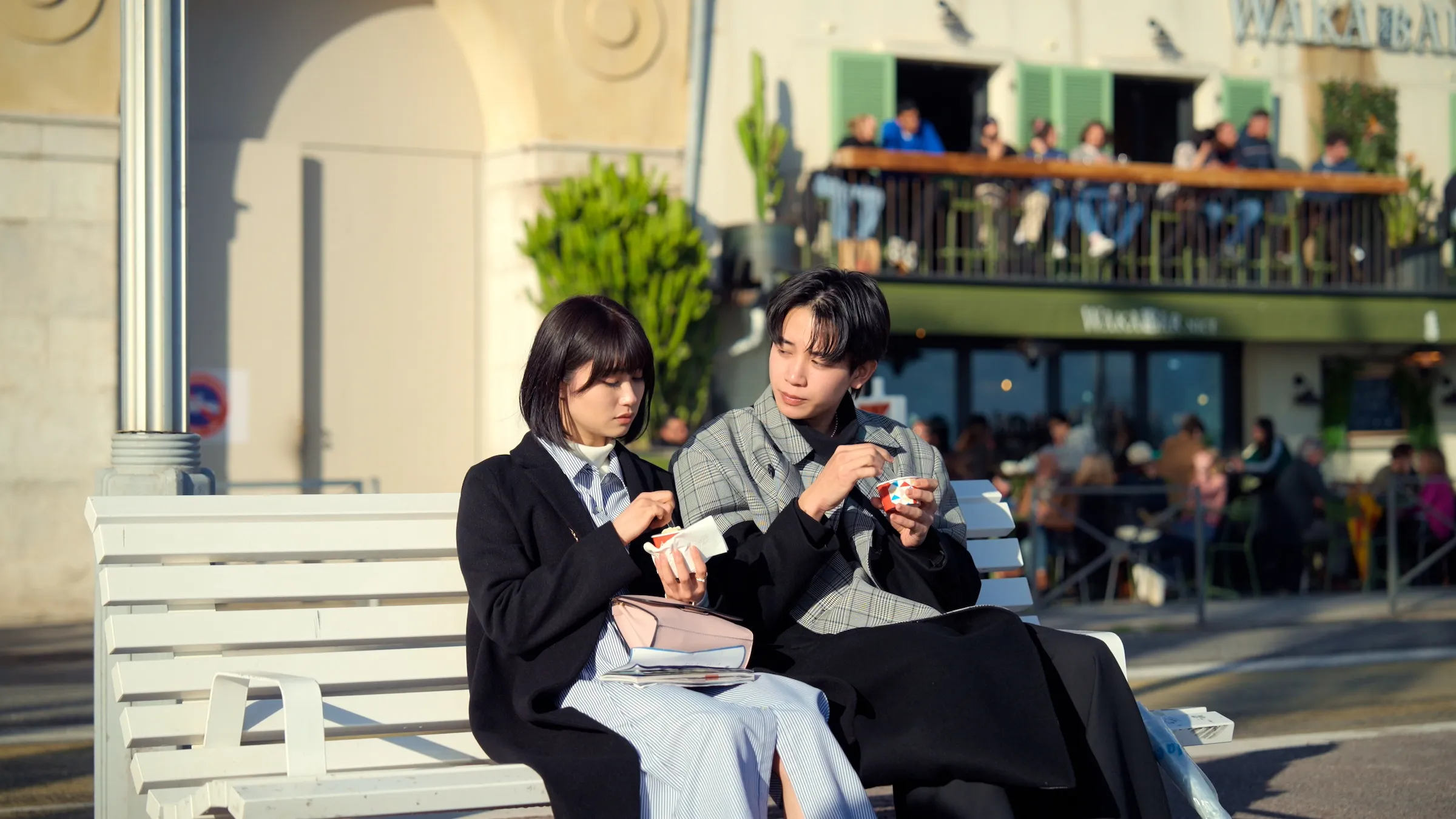
Mailbox reveals function as narrative pivots. A folded note can upend a budding connection or spark a late-night rendezvous. Guidebook-led meetups draw characters to shared hotspots, while café check-ins at Maison Margaux anchor the story’s emotional center. These devices thread continuity through wandering scenes.
Pacing shifts between unhurried exploration and suspenseful waits. Viewers watch watercolor sunsets drift by, then hold their breath as someone approaches a mailbox. That contrast sustains interest, even when days pass without major breakthroughs.
Cliffhangers arrive in miniature bursts: a letter slips inside a box, a glance across a plaza, a whispered promise. These micro-climaxes beckon audiences to queue the next episode. Binge-watching feels natural, almost inevitable.
Quiet segments offer room for reflection—solitary strolls or confessional moments that remind us why unplugged vulnerability can feel radical. This structure will resonate most with viewers craving subtle romance, travel-inspired escapism and a social experiment that privileges human moments over manufactured drama.
The Review
Offline Love Season 1
Offline Love Season 1 delivers a thoughtful exploration of analog connection, pairing scenic escapism with candid social commentary. While not immune to staged moments, its gentle pacing and emotional honesty invite viewers to reflect on how technology shapes relationships. It stands as a refreshing take on reality dating, ideal for anyone craving soft romance and cultural insight.
PROS
- Evocative portrayal of Nice’s scenery as an active character
- Genuine moments of vulnerability in analog courtship
- Fresh format that emphasizes human connection over competition
- Balanced pacing mixing suspenseful waits with reflective beats
- Commentary panel adds cultural depth and playful levity
CONS
- Some scenes feel guided rather than purely spontaneous
- Quiet stretches may test patience for viewers craving drama
- Limited diversity in cast backgrounds narrows perspective
- Production planning can undercut the illusion of chance
- Minimal conflict might leave audiences wanting higher stakes