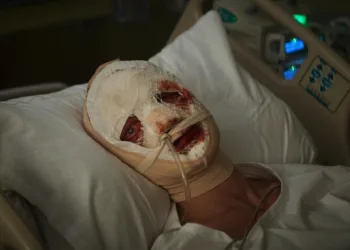












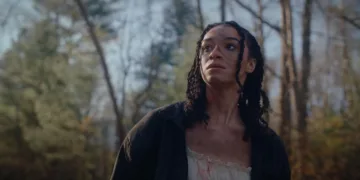

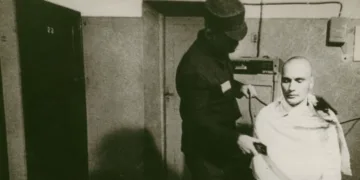










Honey Bunch opens with Diana (Grace Glowicki) waking from a coma so deep she can’t recall her own name. Her husband, Homer (Ben Petrie), has arranged for an experimental regimen at a remote clinic—think strobing lights in a manor house that could double as a funhouse of forgotten dreams.
Mancinelli and Sims-Fewer channel the spirit of Seventies psychological horror, where every zoomed-in portrait and hushed corridor implies an unspoken threat. Adam Crosby’s lens bathes rooms in a muted haze, suggesting that reality itself might be on the treatment table.
At its center lies a trio of questions: What becomes of identity when memory unravels? Can love survive the bleaching away of shared history? And who holds the right to reconstruct a person?
The film’s premise feels almost outrageous—an ode to both experimental psychiatry and marital codependency—but it gains gravity from its philosophical underpinnings. Is healing an act of compassion or a form of possession?
By turning a medical facility into a character of its own, Honey Bunch invites viewers to question the ethics of care. The clinic’s spotless corridors conceal agendas darker than any patient’s nightmares. No clichés here—just a haunting inquiry into how we remember who we are (and who we were required to be).
Unspooling the Mind: Narrative Threads and Thematic Currents
Honey Bunch launches with Diana’s world shattered—her car crash serves as a cold wake-up call, leaving her with a mind like a palimpsest (scratched clean but still bearing ghostly traces). From blurred headlights to the manor-clinic’s looming façade, the opening act moves with dream-logic precision, inviting us to question which moments are lived and which are hallucinated.
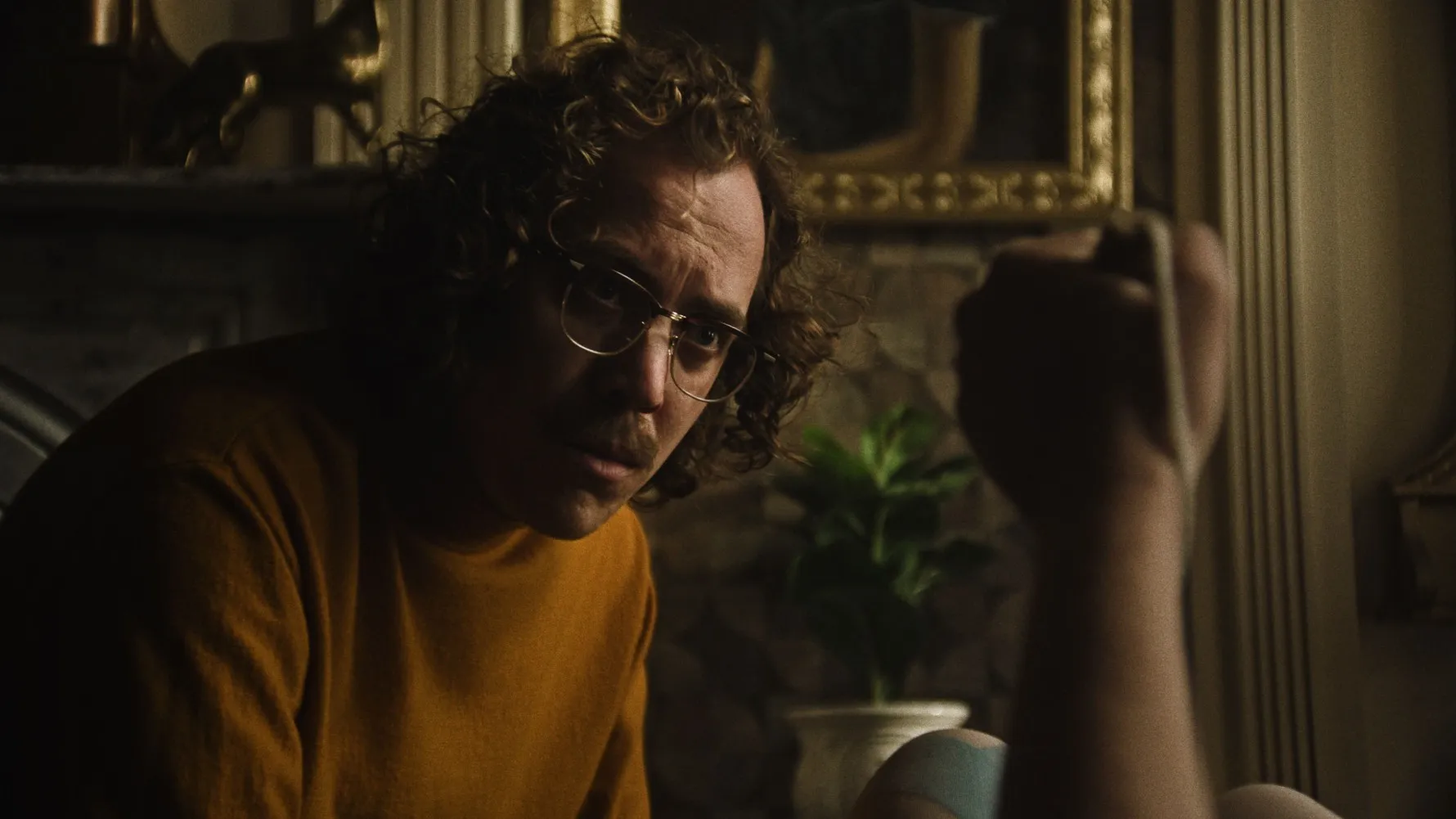
The film leans into strobe therapy so heavily it might double as an experimental nightclub (minus the cocktails). Those flashing lights echo The Stepford Wives’ antiseptic menace, while Crosby’s muted color scheme conjures a Seventies-era neuro-noir. It’s playful homage at first, but each flicker feels calculated—an unspoken promise that the next flash will peel back another layer of Diana’s fractured self.
In the middle section, the estate becomes a cerebral funhouse. Diana drifts through hallways that loop back on themselves; portraits seem to watch her, as if memory itself has grown sentient. Hallucinations bloom like fungus—some ephemeral, others shockingly corporeal—sprinkling cryptic clues that hint at a hidden agenda. Those moments are unevenly paced (a deliberate unevenness, perhaps), but they mirror the jagged nature of recollection.
The climax reframes the entire narrative. What seemed like restorative therapy reveals itself as a technology of possession. Suddenly, earlier scenes take on fresh meaning: Homer’s solicitous hand becomes complicit, strobe sequences read as ritual rather than treatment. Diana’s fate hinges on an ethical paradox—can rebuilding a person strip away the very soul you mean to save?
Questions swirl around identity manipulation and the moral calculus of restoration. In an age of gene editing and neural implants, Honey Bunch taps into real-world anxieties: who owns your body when science claims to heal it? Memory is a battleground, and every intervention carries a cost—one that can’t be measured in medical charts.
Faces in the Ward: Transformation and Trust
Diana begins as a patient adrift—her will tethered to Homer’s insistence that treatment will restore her. Early on, she accepts therapy almost gratefully. Then a flicker of doubt. A hand hovering over a door handle. A remembered laugh that doesn’t fit. She shifts from passive participant to an investigator of her own mind.
Grace Glowicki brings those shifts to life with startling subtlety. One moment she’s fragile (her posture collapsing like old film stock), the next she steels herself with a glare that could cut through stalled memories. Physical vulnerability—her tentative steps through echoing hallways—balances against sudden moments of defiance when she refuses to return to a session. Glowicki doesn’t just act trauma; she embodies the tension between healing and autonomy.
Ben Petrie’s Homer is devoted to a fault. He’s a husband in a photograph—warm eyes, steady hands—yet something in his restraint feels rehearsed. His quiet control recalls 1970s patriarchy’s polite coercion: “I know what’s best for you.” Sympathy wavers as his caring demeanor morphs into an almost clinical determination. We like him. Then we distrust him.
Kate Dickie’s Farah arrives like a balm—soft-spoken, reassuring. Soon, that reassurance curdles into veiled threats. The clinic’s nurse becomes a gatekeeper of secrets. Dickie uses pauses like pressure points: a slow blink, a tilt of the head that implies she’s absorbing everything.
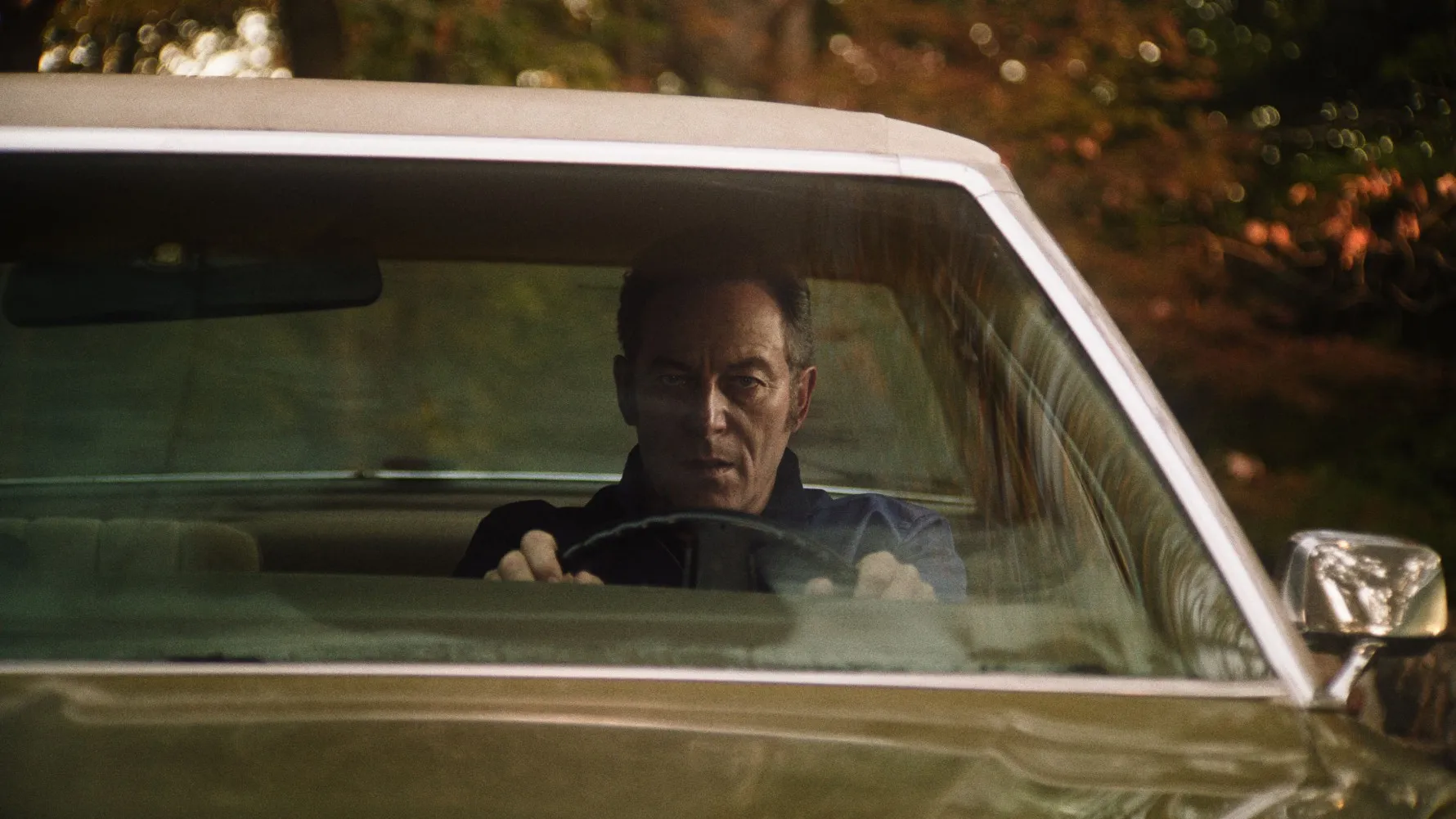
Jason Isaacs and India Brown provide a counterpoint. His Joseph carries paternal anxiety (echoes of post-WWII protectiveness), hers is raw fear—she convulses through therapy, a small body resisting invasive cures. Together they highlight the film’s exploration of power imbalances in caregiving.
Julian Richings lurks at the fringes, silent yet omnipresent. His presence reads like institutional inertia: the groundsman who watches, never intervenes. In him, the audience sees how systems enable control under the guise of compassion. In Honey Bunch, personal arcs double as commentaries on who holds memory and who claims the right to rewrite it.
Aesthetic Apparatus of Control
Sunlight in Honey Bunch feels weaponized. Crosby’s diffusion filters turn daylight into gauzy surveillance, each frame trapping Diana like a specimen under glass. The muted palette—faded olive, mustard ochre—echoes wartime archives where hope and despair share the same sepia tone. Characters occupy the margins of each shot, isolated as though caught in a public-health propaganda poster (the clinic doubling as both sanctuary and prison).
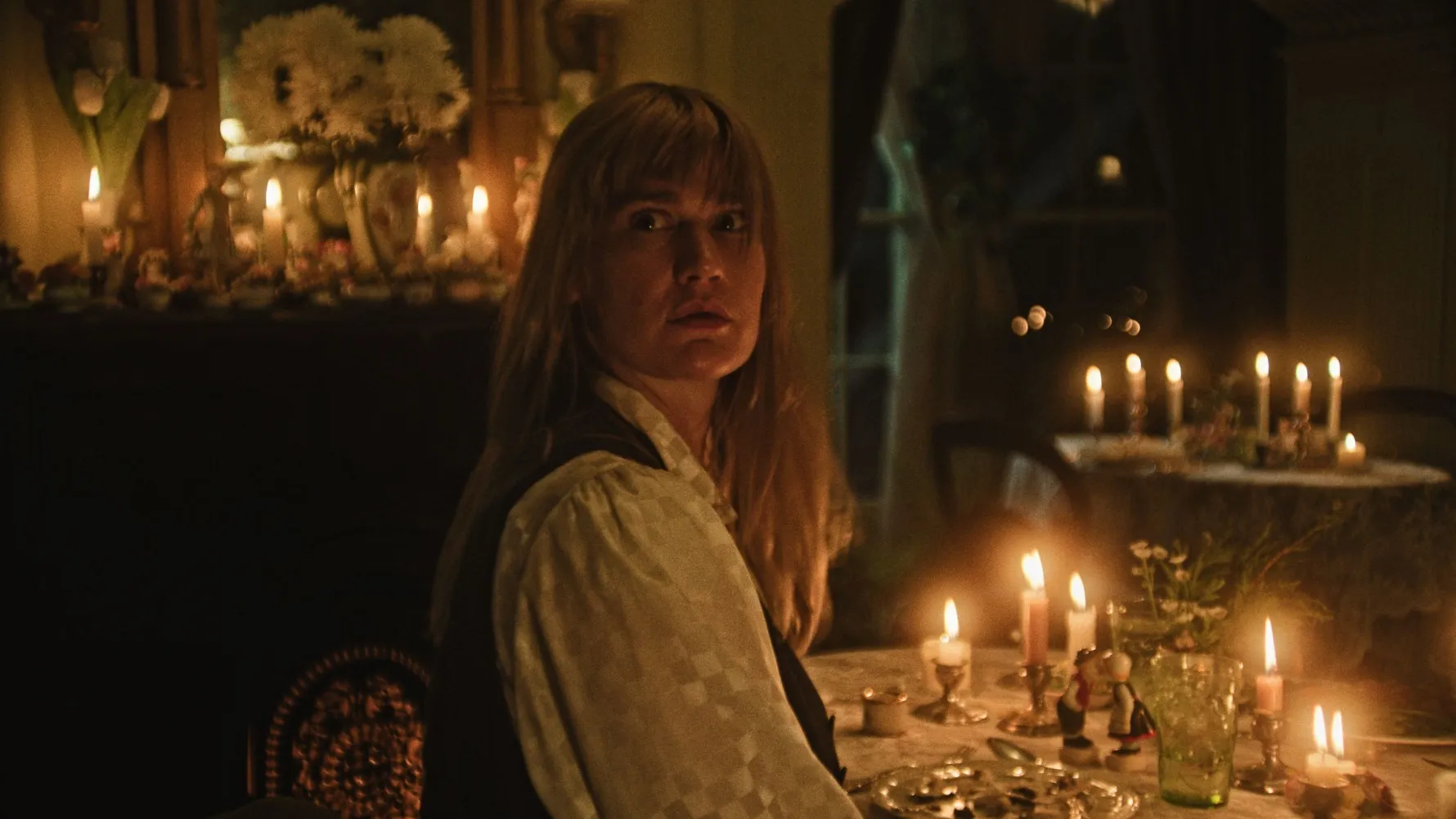
Inside the manor, every object carries intent. Ornate armchairs and tapestry rugs whisper of 1970s bourgeois aspirations. Rabbit figurines recur so often they become a Mancinelli signature motif—a “bunny slip,” if you will—hinting at hidden tunnels beneath the lawns. Portraits leer from the walls: matriarchal ghosts casting judgment on each step. The décor feels drawn from a history of domestic power plays, where wallpaper hung a century ago still lectures you.
Costumes and makeup ground us in period precision. Diana’s linen ensembles flutter like asylum gowns, then stiffen into tailored wool as her spine straightens with suspicion. Blood-red scarf here, muddy-green blouse there—color cues that track her shifting resolve. Makeup prescribes her emotional state: pallid skin for vulnerability, a sudden flush for awakening defiance.
Camera moves mimic the psyche’s fractured focus. A sudden telephoto zoom reverberates like an accusation; slow dolly shots glide through corridors with Panopticon ease. Strobe intercuts—call it the “strobe-scar” effect—slice through calm, each burst suggesting memory lost and found in rapid succession.
Consider the walled garden maze. Paths converge only to loop back, corridors repeat their vantage points, symmetry unsettles rather than soothes. In Honey Bunch, every visual choice enforces the film’s thesis: control can be encoded into walls, wardrobes and lenses—and memory itself can be edited frame by frame.
Echoes of Control: The Sonic Architecture
Andrea Boccadoro’s score feels like a love letter to Pino Donaggio and Goblin (complete with creeping synth lines and sudden tremolos), yet it never lapses into pastiche. Instead, it serves as a “sonic scalpel,” slicing through Diana’s psyche even when the image on screen remains still.
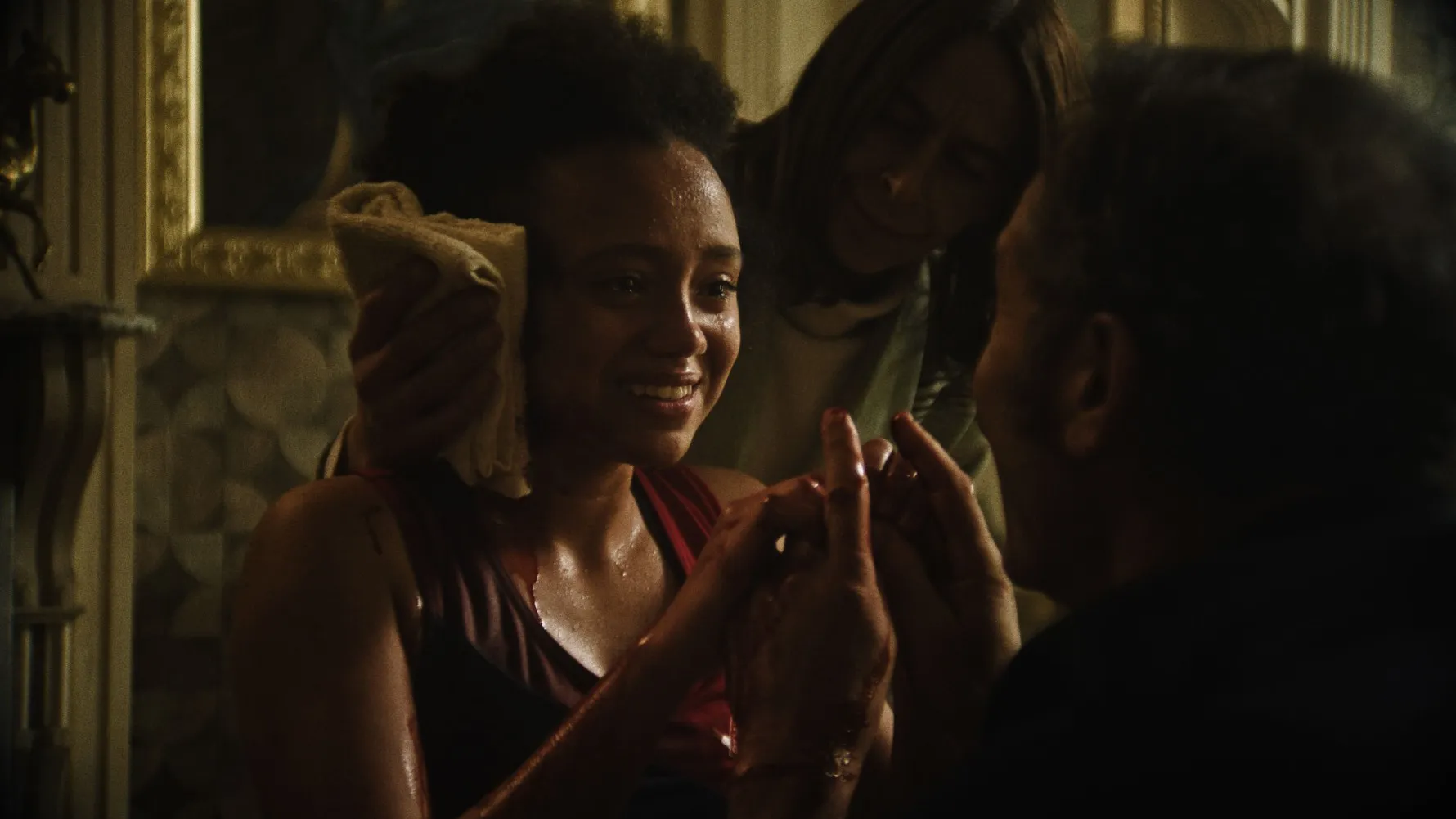
Therapy sessions unfold under pulsing beats that mimic a medical device gone rogue. Electronic dissonance crackles in the strobe-light sequences, each burst of white noise suggesting memory being forcibly ejected and reinserted. Your ears catch up only when the next session begins.
Outside the clinic, ambient textures—wind rattling the manor’s eaves, distant machinery humming like a buried factory—blur diegetic and non-diegetic space. Hallway echoes ripple, as though every step Diana takes might awaken long-dormant echoes of past patients.
Diegetic cues ground us in the 1970s. A flute motif drifts in from a crackling radio, calling to mind children’s broadcasts—innocent on paper, unsettling in context. Water drips in an empty treatment room, each drop echoing an interrogative: Who’s listening?
Moments of calm are fleeting. A single sustained note will hang so long it feels conspiratorial, then abrupt silence slams shut any sense of safety. Sound cues here are justice-hammer precise: they remind us that control isn’t just visual. It’s acoustic.
Pulse and Pause: Editing’s Grip on Unease
The editing in Honey Bunch breathes like a living organism—lungs heaving through deliberate lulls, then convulsing into rapid, disorienting cuts. Long, silent takes let tension coil; abrupt jump cuts feel like snapped synapses, mirroring Diana’s fractured mind.

The first half unfolds unhurriedly. Scenes drift—car rides, hallway strolls, strobing sessions—inviting a hypnotic calm. And just when you settle in, pacing accelerates: therapy sequences splice together like a memory montage gone haywire.
At times, the shift feels playful, a wink to Seventies shockers that relied on unexpected zooms and sudden edits. Then the tone sours. The whimsical gives way to oppressive dread, as if the film flips from a retro pastiche into a no-exit nightmare.
Sunlit exteriors tease warmth, only for interiors to swallow light. You emerge from a bright garden traversal into shadowed treatment rooms where every cut is a cage door slamming shut.
Memory fragments flicker across the edit: a strobe flash here, a hallucinatory moment there, all threaded together in a tapestry of recall and erasure. Therapy scenes become connective tissue, stitching past to present until you question where one ends and the other begins.
Editing isn’t just technical here. It’s thematic—each transition an argument about control, each tempo change a reminder that time itself can be as unsettling as any specter.
Questions Etched in the Mind
Who truly owns the mind when science steps in? Honey Bunch stages a “memory-maze” where each treatment session feels like a hostile takeover of selfhood (recall the lobotomy boom of the 1940s and ’50s). Diana’s memories flicker under a clinical gaze, asking whether identity is property to be reclaimed—or commandeered.
Love’s cost looms large. Homer’s devotion creeps into a possession paradox: care that flirts with custody. When affection wears the mask of treatment, boundaries blur. Is he saving Diana—or excavating her psyche to satisfy his own longing?
Gender roles twist under the guise of care. The film upends the Seventies ideal of the doting wife (a trope steeped in patriarchal scripts). Diana’s agency awakens through resistance, challenging caregiving norms that reduce women to passive recipients of male benevolence.
Scientific ethics pulse like a warning siren. Experimental medicine, in the name of healing, skirts a slippery slope. It recalls historic abuses (think Tuskegee, Willowbrook)—promising miracles while trampling autonomy.
And yet, Honey Bunch pays homage to Seventies frighteners through its zooms and flares. Then it flips the script—what begins as affectionate tribute mutates into critique. The film insults any notion of easy nostalgia. It dares viewers to confront how genre comforts can conceal deeper moral dissonance.
Full Credits
Directors: Madeleine Sims-Fewer, Dusty Mancinelli
Writers: Madeleine Sims-Fewer, Dusty Mancinelli
Producers: Becky Yeboah, Madeleine Sims-Fewer, Dusty Mancinelli
Executive Producers: Niv Fichman, Fraser Ash, Kevin Krikst, Ben Petrie, Tenille Shockey, François Dagenais, Will Woods, Aram Tertzakian, Nate Bolotin, Maxime Cottray, Todd Brown, Adrian Love, Michael O’Leary, Rupert Preston, Ed Caffrey
Cast: Grace Glowicki, Ben Petrie, Jason Isaacs, Kate Dickie, India Brown, Patricia Tulasne, Julian Richings, Jimi Shlag, Jesse LaVercombe, Sarah Kolasky, Lina Roessler
Director of Photography (Cinematographer): Adam Crosby
Editor: Lev Lewis
Composer: Andrea Boccadoro
The Review
Honey Bunch
Honey Bunch marries Seventies horror stylings with moral introspection, inviting unease through its fractured editing and strobe-etched rituals. Glowicki’s performance anchors the film’s philosophical twists, even if its midsection drifts under its own mystery. Its meditations on memory and autonomy linger long after the final frame.
PROS
- Rich, period‐accurate cinematography that heightens unease
- Grace Glowicki’s layered portrayal of vulnerability and resolve
- Philosophical probing of memory and identity
- Editing that mirrors fractured recollection
- Score that threads Donaggio‐Goblin homage into modern anxiety
CONS
- Middle act pacing can feel sluggish
- Tonal shifts may jar viewers
- Some narrative strands remain opaque
- Ambiguous resolution may frustrate those seeking clarity