



















Watching Uncle Phon sing in his car is uncomfortable for reasons that have little to do with the song. The coverage of his three-year-old niece’s death has found an engaging personality, and viewers are beginning to enjoy his company. There is nothing inherently sinister about someone singing, including someone under suspicion. What unsettles here is how easily the moment offers a different reason to keep watching. A child’s disappearance has produced uncertainty and distress. Her uncle offers the simpler pleasure of a familiar face doing something an audience can respond to immediately.
Stage appearances and fan donations, including household goods, make that familiarity tangible. Nontawat Numbenchapol’s Chompoo: Lost & Forgotten draws on television and online coverage to follow the growth of this attachment. Watching the uncle acquire supporters, you can understand the appeal of having someone to encourage while an investigation provides few answers. That understandable impulse becomes painful as gifts and appearances give his story fresh developments. The archive allows us to follow the celebrity being assembled, with each new attraction offering another reason to postpone thinking about the girl.
Orawan “Nong Chompoo” Wongsricha disappeared in 2020 from Kok Kork, a village in Thailand’s northeastern Mukdahan province. Her body was found in nearby forest days later. The prolonged investigation left her parents, Anamai Wongsricha and Sawitree, living with a loss that television kept revisiting but could not resolve. Numbenchapol’s interviews with Anamai bring us closer to that distinction. His account of the disappearance and search restores the experience of a father waiting for help. Returning to him makes the ongoing coverage feel different: its supply of new incidents exists alongside a family’s continuing need for answers.
The response to Sawitree’s composure makes those returns especially necessary. Viewers interpret her failure to display grief in an expected way as grounds for suspicion. It is a horrible demand to place on a bereaved mother, and the film makes its emotional unfairness legible without needing to tell us how she ought to behave. While Uncle Phon’s public performances attract affection, Chompoo’s mother is judged for giving spectators too little of the performance they expect. The family must endure being watched while having limited control over what that watching makes of them.
Some of the reporting seems to offer practical work in place of helplessness. A journalist carries a roughly ten-kilogram sack along the route toward the discovery site, approximating the child’s weight. There is a question behind the demonstration: what would transporting her have required? Yet the visible effort supplies a sense of progress that exceeds what the exercise can establish. Another reporter follows the family dog in the hope that it might lead somewhere useful. Watching these activities accumulate, frustration starts replacing curiosity. So much movement surrounds the family, with so little corresponding movement toward an answer.
The sustained presence of livestreamers extends that feeling beyond individual reports. People can keep producing material because other people have already gathered to produce material. Interviews with relatives and neighbors give this occupation a further cost: Kok Kork is a closely connected community whose relationships are being damaged under scrutiny. Anamai’s testimony offers a way back to the family, but the competing attractions remain powerful. The film makes their pull understandable without fully escaping it. The uncle’s expanding public life provides readily identifiable developments; the parents’ grief is harder to turn into an unfolding story without making fresh demands on them.
I wanted firmer guidance when the film reached the evidence beneath all this speculation. Limited police disclosure and the absence of village CCTV help explain why uncertainty persisted. The documentary includes legal voices and refers to hair evidence connected with the case, but gives the latter too little explanation to establish a clear understanding of its significance. That leaves an uncomfortable gap between the strength of the response to the media footage and the clarity of the account supporting the legal case. We understand how spectators formed attachments much better than we understand how investigators established their findings.
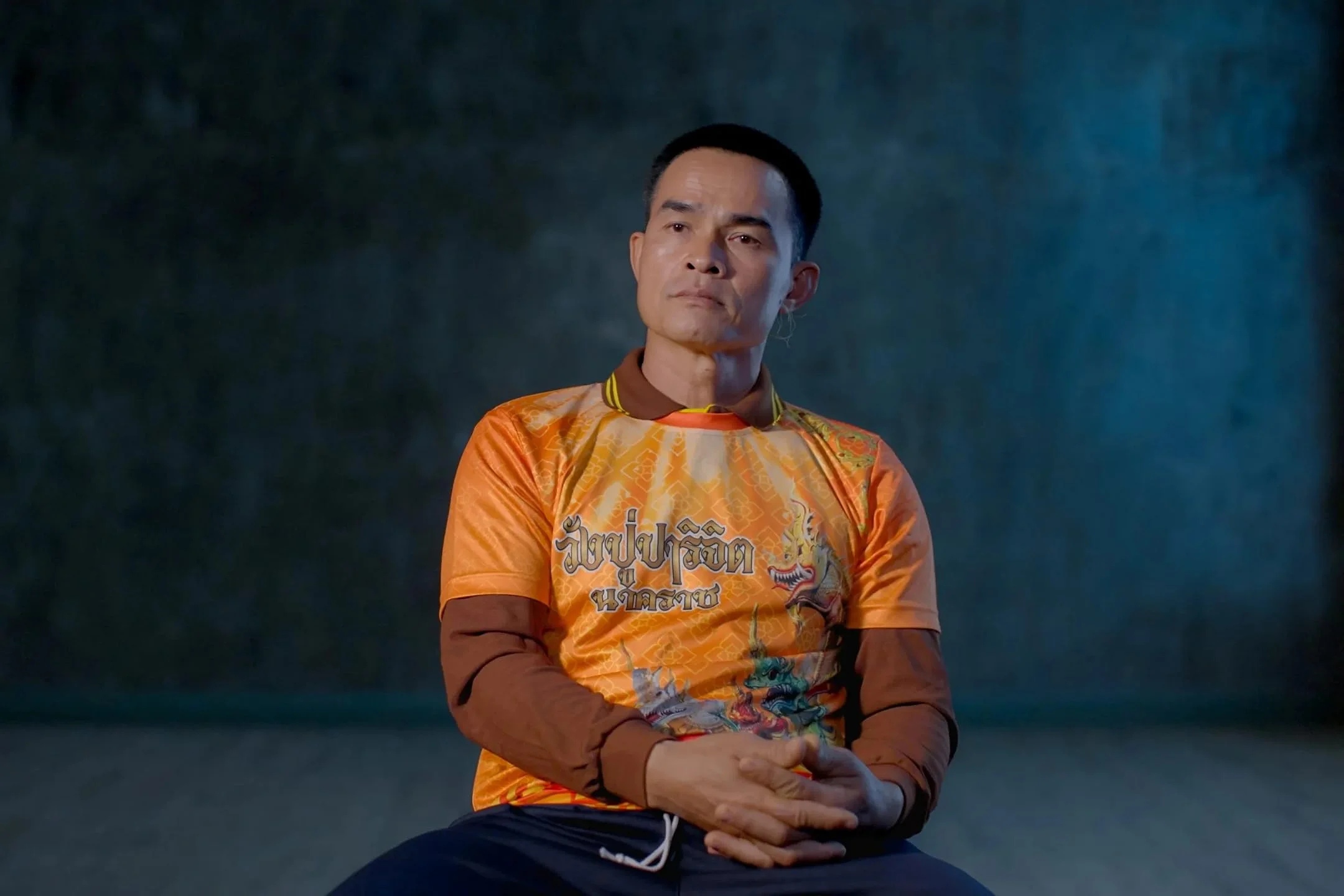
An exhaustive forensic reconstruction would pull this film away from its strongest material. Still, enough explanation to distinguish an established finding from a circulated assumption would strengthen its emotional argument. Without it, irritation at Uncle Phon’s celebrity can start doing work that belongs to evidence. His interview offers limited help with that problem. The opening montage identifies his importance, and the presentation of access encourages the expectation that hearing him directly will clarify something.
Hearing a person speak can complicate the public character assembled from footage; here, the interview does little to move us beyond that character. Media analyst Maytawee Holasut’s discussion of news as entertainment helps identify what has happened, while expert commentary supplies useful distance from the coverage. But recognizing the commercial and emotional appeal of sensationalism only takes the film so far. Its interviews are most valuable when they expose how an individual participated in it, with decisions and responsibilities that a general criticism of media culture cannot settle.
A television reporter provides just such an opening when he laughs and shifts responsibility toward his bosses and the assignments they required. His explanation deserves consideration: editorial pressure matters, particularly in coverage that must keep finding something to broadcast.
The laugh makes the encounter uncomfortable because he can now discuss those demands at a distance from the family who lived through their consequences. The documentary preserves that discomfort, yet the interview leaves his own choices insufficiently examined. We hear how the work was assigned without getting very far into what he believed he owed the people he was reporting on.
Chompoo: Lost & Forgotten premiered globally on Netflix on August 19, 2026. Directed by Nontawat Numbenchapol, the gripping true-crime documentary examines a high-profile missing child case in Thailand that morphed into an intense media frenzy and transformed a prime suspect into an unlikely celebrity.
Where to Watch Chompoo: Lost & Forgotten (2026) Online


Full Credits
Title: Chompoo: Lost & Forgotten
Distributor: Netflix
Release date: August 19, 2026
Rating: TV-14
Running time: 1 hour 25 minutes (85 minutes)
Director: Nontawat Numbenchapol
Producers and Executive Producers: Jennifer Henderson, Yuta O’Shea, Donovan Chan, Jocelyn Little
Cast: Nong Chompoo, Karin Sirirungnapat, Phetkasem Suriyawongwongsa, Somchai Mahachaicharoen, Sirisawat Kaewdam, Tanawat Tantiwaleeawat, Laksanayaporn Sriutta
Director of Photography (Cinematographer): Rimvydas Leipus
Editors: Dipin Verma
The Review
Chompoo: Lost & Forgotten
What stays with me is the unfairness of watching a suspect receive affection while a mother must prove she is grieving correctly. Chompoo: Lost & Forgotten makes that imbalance painfully clear through its archive and Anamai’s testimony. Its understanding of misplaced sympathy is sharper than its explanation of the investigation, though. Thin treatment of the hair evidence and interviews that leave personal responsibility insufficiently examined keep its discomfort from developing into equally satisfying insight.
PROS
- Archival footage reveals how familiarity becomes public affection.
- Anamai’s testimony restores attention to the family’s loss.
- Scrutiny of Sawitree exposes cruel expectations of grief.
CONS
- Hair evidence receives insufficient explanation.
- Uncle Phon’s interview adds little understanding of his account.
- Reporters’ personal responsibility remains insufficiently examined.