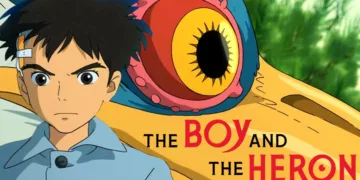













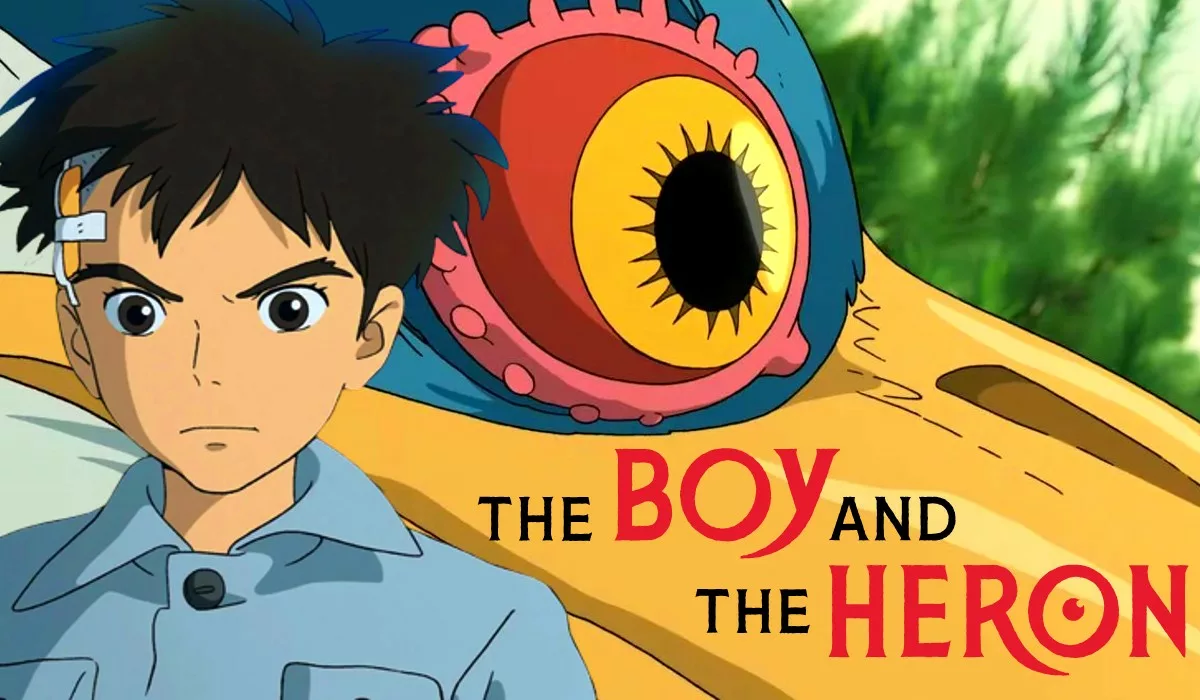

Few directors have left a legacy as magical yet melancholy as the great Hayao Miyazaki. The co-founder of the legendary Studio Ghibli has dazzled global audiences for decades with his wondrous tales painted in moving masterstrokes. But the 82-year-old anime iconoclast shocked fans by coming out of a short-lived retirement in 2017 to craft what may be his true swan song, The Boy and the Heron.
Miyazaki has tried to walk away before, having formally “quit” no less than seven times over his storied career. But this feels different. His previous feature, 2013’s The Wind Rises, was a piercing self-portrait of an artist struggling to justify his life’s work in a violent world. It felt like a fitting capstone to a peerless filmography. Yet its unresolved ending posed one last nagging question: “How do you live?”
It’s a query Miyazaki clearly couldn’t shake, as he returned to animation yet again to explore it through The Boy and the Heron. Borrowing its title from a beloved 1937 novel, this fantasy fable sends a grieving boy through lands both bleak and wondrous on a journey of healing. And if its narrative offers no definitive answers, the very act of Miyazaki crafting one last hand-drawn dream before his light dims feels like a bittersweet benediction – one final gift to inspire us before he goes gently into that good night.
The Boy and the Heron may not reach the soaring heights of classics like Spirited Away or Princess Mononoke. But as a parting message full of hard-won wisdom, Miyazaki’s swan song may resonate for years as both an elegy for a bygone era of animation and a timeless reminder to keep living, dreaming, and creating beauty even in dark times.
A Boy’s Odyssey
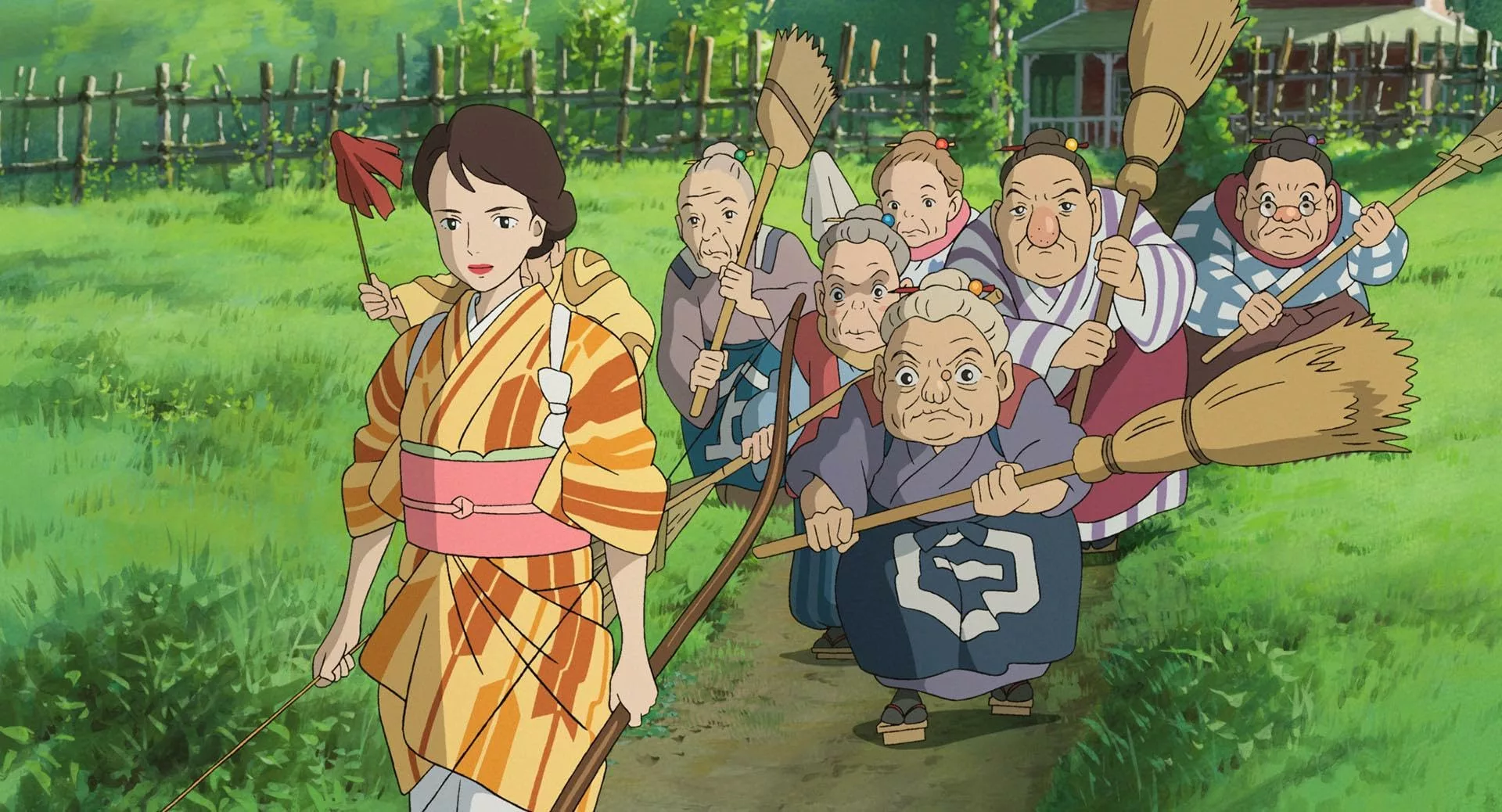
When we first meet young Mahito, he is haunted by flames. We watch the 12-year-old trapped in nightmare visions of his mother perishing in a raging 1943 Tokyo hospital fire, her silhouette screaming as she burns. Still reeling from her death, Mahito moves with his reticent father to the countryside, where a new shock awaits—his dad has swiftly married Mahito’s aunt Natsuko, who is already pregnant with a new half-sibling for the boy to resent.
At his new home, the sullen city kid meets his first rural pest: a maddeningly persistent heron that leers and caws at Mahito’s window like a feathered harbinger of misfortune. But the scraggly bird soon reveals itself to be more than just a nuisance. One day, the heron—who is not truly a heron at all, but rather a wizard in disguise—appears to the boy and makes an impossible claim: Mahito’s dead mother, he rasps, is secretly alive inside a nearby tower in the woods.
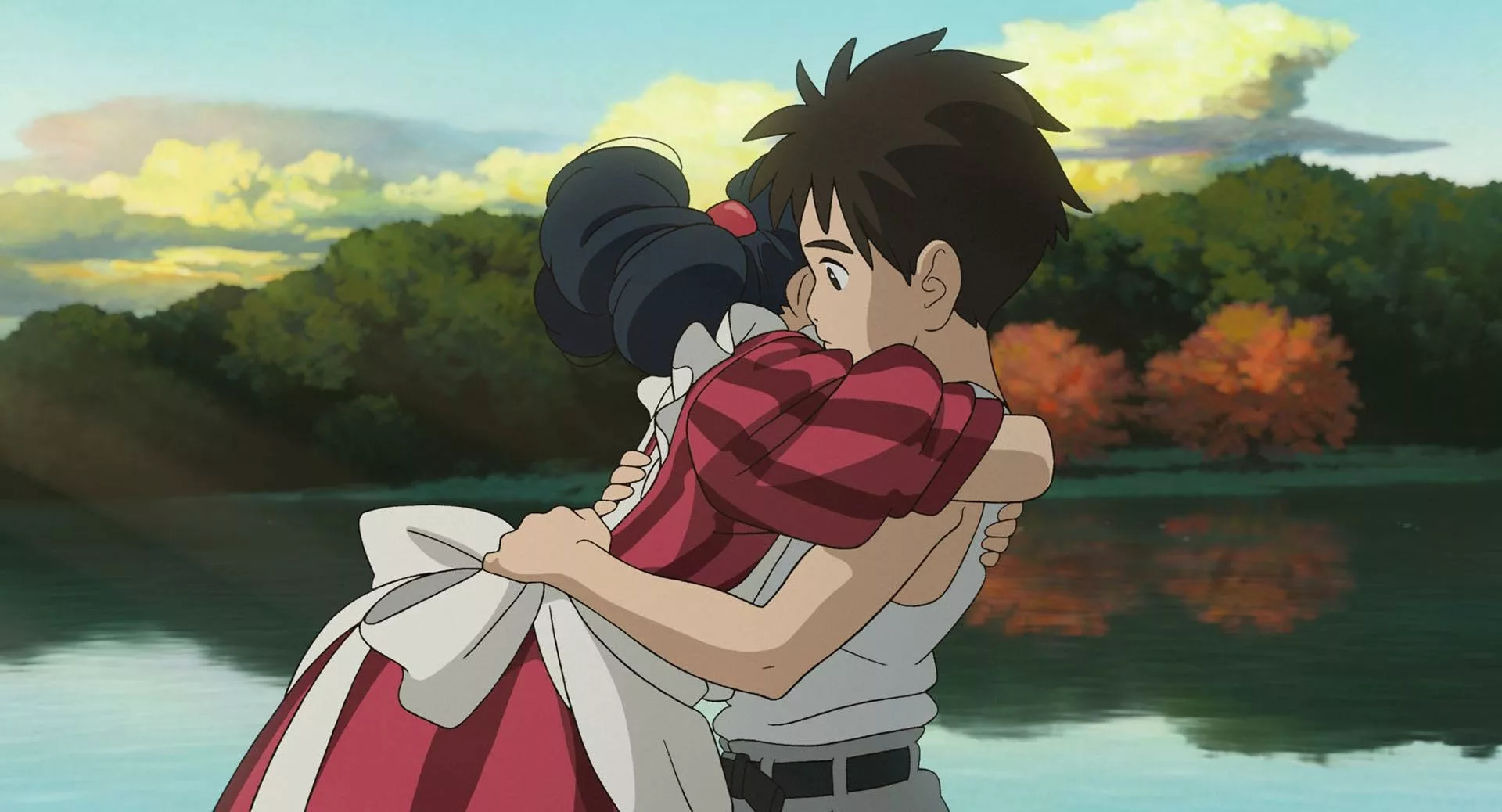
Despite his skepticism, the grieving Mahito feels compelled to discover if the bizarre bird-man is telling the truth. His quest leads him and his stepmother Natsuko’s pregnant belly into the tower’s depths, transporting them into a fantasy realm that blurs dreams and reality. Mahito wanders through eerie landscapes, encountering spirits both cute and grotesque on his mystical search for his mom. He rides ghostly trains, works for arcane passage money like a capitalist Spirited Away, and watches an army of parakeets march mindlessly to their doom – vivid scenes that bleed between fantasy and Miyazaki’s anti-war conscience.
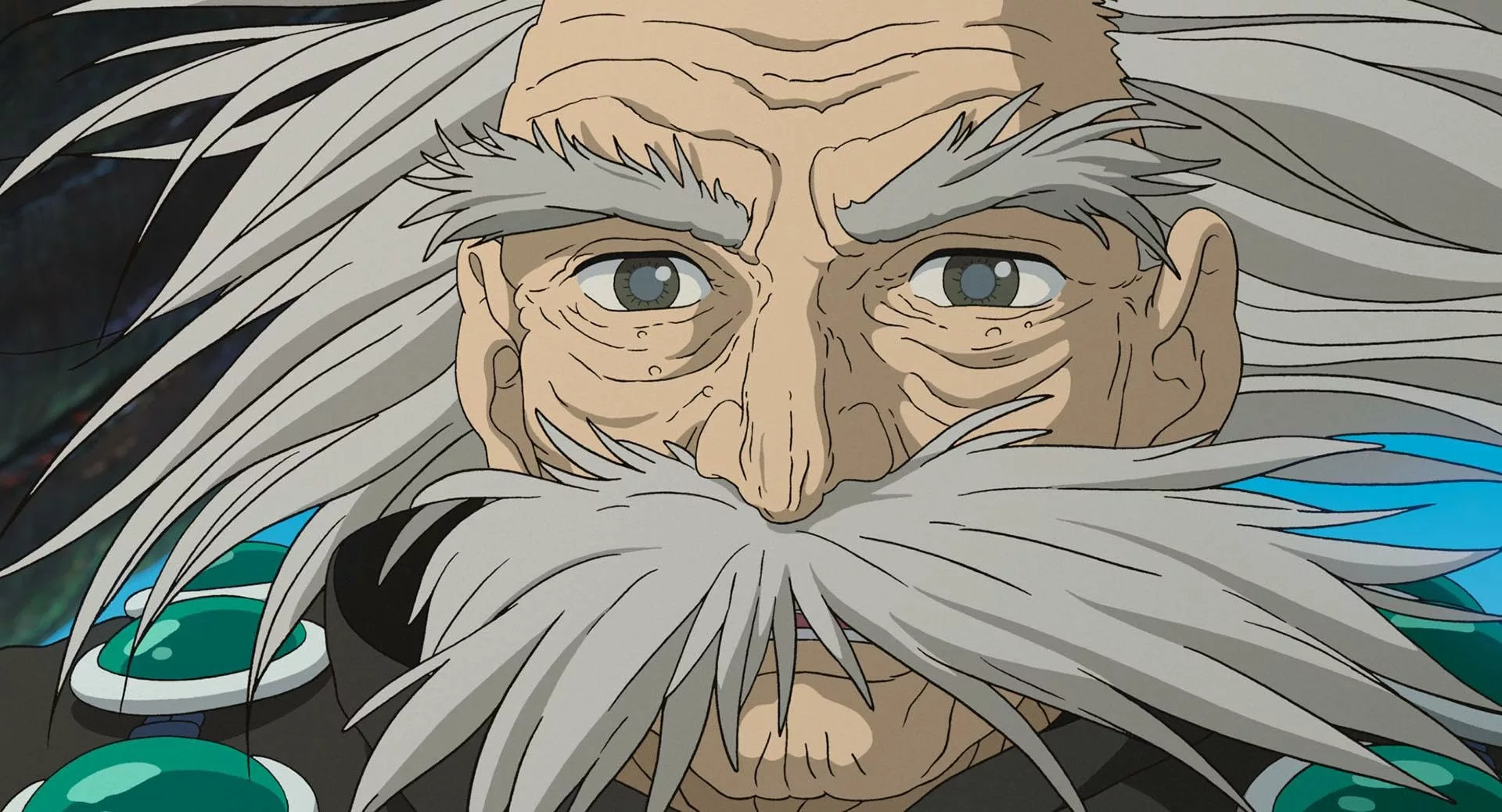
Just when Mahito is ready to give up his strange odyssey, he stumbles upon the tower’s architect – his missing great uncle, a philosopher consumed in childhood by the worlds he built with stone blocks. In this crumbling, dying refuge, the uncle poses Mahito with an impossible final task. He must restore equilibrium to a world torn asunder by chaos and destruction. Armed with little but hope in his heart, Mahito emerges back into the overworld, where restoring balance seems an insurmountable goal yet one perhaps still worth striving for.
Rediscover a Classic FPS Adventure: “Step back into the world of Turok with ‘Turok 3: Shadow of Oblivion Remastered.’ Explore our Turok 3: Shadow of Oblivion Remastered game review to see how Nightdive Studios has revitalized this N64 gem for modern platforms, preserving its unique blend of action and adventure.”
The Alchemy of Dreams
Like the heron that guides him, The Boy and the Heron shapeshifts through many forms in Miyazaki’s skillful hands. Ostensibly structured as a classic coming-of-age tale, the film frequently sheds its storyline to delve into sophisticated explorations of ideology and psychology. Death, war, and grief haunt the narrative, yet glimmers of innocence and wonder pierce the darkness at every turn.
Most profoundly, Miyazaki’s swan song muses on imagination itself – its power, its failures, its necessity. The crumbling tower that anchors the film’s latter half stands as a monument to youth, built by Mahito’s uncle in childhood as an embodiment of “worlds without malice.” This magical refuge, where adult responsibilities can’t intrude, represents a sanctum of moral purity in Miyazaki’s eyes – one he clearly still yearns to return to as his long career wanes.
Yet the director also acknowledges how such fantastical places begin to collapse as their creators age. As the tower deteriorates, Miyazaki confronts his own mortality, considering whether the beauty he brought to life somehow validates a frequently painful existence. Through young Mahito, the film pleads for the importance of keeping creativity and hope alive even as one’s sand runs out.
Symbolically, Mahito emerges reborn from the tower after his reality-bending journey, ready to rebuild with resilience despite having found no definite answers. Miyazaki ultimately leaves interpretation open-ended for the audience, his story a conceptual stamped with deeply personal ideas instead of concrete plot resolution. His dazzling dreamscapes speak volumes through sheer artistic power: the joyful sprites marching hopefully to their deaths, the scrolling landscape paintings as Miyazaki’s train traverses peasant villages, a kaleidoscope vortex of flames and bodies that backgrounds Mahito’s haunted dreams.
Longtime musical collaborator Joe Hisaishireturns with an orchestral score that provides emotional throughlines when the narrative grows porous. His work rounds out a unified sensory experience only animation could deliver so fluidly. Every painterly frame overflows with bittersweet visual poetry, crystalizing both the fear and freedom of a child’s viewpoint on life – one last bottled message of innocence from a master facing down life’s final veil.
Explore the Grit and Optimism of ‘Boy Swallows Universe’: “Experience the highs and lows of a young boy’s life in 1980s Australia. Read our comprehensive Review of Boy Swallows Universe to see how this Netflix series captures the essence of Trent Dalton’s acclaimed novel.”
The Final Brushstroke
Like an aging artisan gazing at the contents of his workshop, The Boy and the Heron finds Hayao Miyazaki taking melancholy stock of his legendary career as he prepares to put away his animated paints and brushes forever.
We see glimmers of his filmography’s full emotional palette scattered throughout – the charming whimsy of My Neighbor Totoro, the apocalyptic menace of Princess Mononoke, the dreamlike existentialism of Spirited Away. Yet rather than rehash former glories, Miyazaki’s last masterstroke aims to synthesize a lifetime of creative exploration into his most philosophically raw statement yet.
At its core, The Boy and the Heron is a parable about confronting life’s hardest questions – about war, morality, love and loss – through the clarifying lens of youthful innocence. Its narrative, loosely adapted from a novel Miyazaki adored as a boy, follows in a long line of his child heroes who shoulder heavy burdens with grace and imagination.
Young Mahito embodies this archetype, relying on resilience and hope to propel him through grief. Despite enduring tragedy, he bravely opens his mind to guide him through magical realms shrouded in uncertainty. Like the film itself, Mahito’s journey offers no definitive answers – only possibilities waiting to be brought to life through one’s own vision.
The crumbling tower Mahito discovers became Miyazaki’s symbolic stand-in, representing the inevitable erosion of the worlds we architect over a lifetime. Yet its owner pleads with the boy to rebuild, to take up his philosophical blocks and compose new worlds rising from the ashes of the old.
One sensed Miyazaki grafting deep personal meaning onto this narrative; through Mahito, he passes his animator’s torch to future generations, urging them to find truth and beauty in their own imagination when his finally burns out. The film’s open-endedness invites the audience to participate in this meditation, letting Miyazaki’s art kindle their creative spirit as his sun sets.
Despite its weighty themes, The Boy and the Heron balances its fare share of charm and joy. Miyazaki’s signature scenes of flight and freedom abound, his frame bursting with hand-drawn marvels. From blooming green vistas dotted with Totoro-esque sprites to frame-worthy landscape tableau sumptuously composed like museum masterpieces, the film diamonds the director’s hallmark artistry.
While its plot ambles hazily compared to earlier feats, the rewards emerge in emotional clarity rather than storytelling finesse. Miyazaki’s immense technical powers enter an effortless glide here, leaving space to transmit big ideas through purified sensation. Every sequence overflows with poignant visual rhymes and echoes to a lifetime of work, all ringing with deep intimacy.
When The Boy and the Heron’s final scene fades out, Miyazaki leaves the audience perched on a windowsill next to Mahito, looking out at the world below, so much beauty and chaos still left to explore. One last wistful peek at the horizon from an artist ready to leave the shores of imagination behind. A bittersweet goodbye kiss, and the credits roll.
The Final Masterstroke
Few could have predicted Miyazaki emerging from retirement yet again after his ostensive swan song, The Wind Rises. But the enduring questions left unanswered by that film continued needling at the master animator’s soul.
In 2017, he shocked the film world by announcing plans for one truly final feature – an adaptation of Genzaburō Yoshino’s novel How Do You Live?, which had profoundly affected Miyazaki as a youth. Revisiting the story years later, he felt compelled to explore its central theme of finding life’s purpose through its lens before fading permanently from the screen.
Journal excerpts unveiled Miyazaki’s painful grappling with justifying this unexpected return in old age, an endeavor he termed “pathetic.” Yet as he wrote while re-reading Yoshino’s book, “I must try living without losing the courage to make what I wish to make.” The allure of addressing his deepest artistic questions one last time pulled him back in.
Collaborating with top animators and trusted creative partners like composer Joe Hisaishi, Miyazaki meticulously crafted the film over five years without cutting corners, as though sculpting his magnum opus. “I will die if I am stopped halfway through production,” he boldly declared when funding concerns arose. Like an athlete training obsessively for a final Olympics, Miyazaki poured every last ounce of creative stamina into this feat.
The result crystallized a lifetime of ideas about war, grief, morality and imagination’s necessity into The Boy and the Heron’s poignant frames. Its dreamlike brew of memoir and fantasy captured the melancholic nostalgia of an aging artist gazing inward, while begging the next generation to run with his creative torch.
Flawed yet transcendent, the film Bottled Miyazaki’s magical elixir one last time before the final curtain – an intensely personal parting gift to permanently ignite wonder and beauty in our hearts.
Explore the touching narrative of community and resilience in Ken Loach’s final film with our The Old Oak review. This poignant drama delves into the lives of a Northern English town’s locals and Syrian refugees, weaving a story of friendship and cultural unity against a backdrop of social tension.
A Final Gift of Wonder
Like the heron guiding young Mahito to self-discovery before flying off into the sunset, The Boy and the Heron feels Miyazaki preparing to take wing one last time, leaving behind a bittersweet parting treasure.

This soulful swan song may not reach the soaring highs of his absolute best works. It indulges in digressive detours, its storyline wandering aimlessly at times like a wandering country path. But as a final statement of hope, imagination and resilience from an aging master at the height of his creative powers, Miyazaki’s grace note resonates with profound beauty.
We witness the full spectrum of his brilliance channeled into each frame, every animated cel painted with wisdom and playfulness in equal measure. It is the work of an artisan who has spent a lifetime perfecting his craft until it flows and breathes with effortless grace.
Free of commercial constraints at last, Miyazaki’s imagination wanders where it will here. The film plays like a treasured storybook recalled from childhood, its message etched gently into our hearts. As the director’s inner fire dims, he passes the torch to ignite our own spark of creativity.
The Boy and the Heron may well be Miyazaki’s final gift of wonder before he fades permanently into the pantheon of legends. If so, we could ask for no sweeter, more inspiring farewell than this bittersweet parting treasure. Its pleasures are myriad, but its glowing embers of hope kindled in our souls may be the most precious of all.
The Review
The Boy and the Heron
At times meandering yet consistently magical, The Boy and the Heron soars highest when viewed as Hayao Miyazaki’s profoundly personal swan song. Its narrative offers no definitive answers to life’s deepest questions. But as a final masterwork overflowing with visual poetry, wisps of wonder and glimmers of wisdom, Miyazaki’s grace note makes for an emotionally satisfying finale. The film evokes both joyful flights of fancy and more soulful contemplations of a legendary artist nearing the end of his journey, passing the torch to future dreamers. Despite indulging in some narrative dead ends, The Boy and the Heron triumphs on the wings of its sublime imagery and sincere reflections on grief, loss and moral purpose. We could ask for no sweeter, more inspiring farewell.
PROS
- Breathtakingly beautiful animation and visuals
- Emotionally moving story and themes of grief, loss and hope
- Serves as a poignant, bittersweet farewell film for Miyazaki
- Full of imagination, fantasy and wonder
- Evocative musical score heightens the atmosphere
- Explores thoughtful questions about morality and resilience
- Fluid, dazzling and surreal dreamlike sequences
- Vibrant and detailed fantasy world and creature design
CONS
- Plot is slender and meandering at times
- Story can feel aimless and disjointed in parts
- Some strange tonal shifts between whimsy and morbidity
- Lacks narrative focus and cohesion compared to classics