

























![Kingdom Hearts Collection [I-III] Review](https://gazettely.com/wp-content/uploads/2026/10/Kingdom-Hearts-Collection-I-III-1-360x180.webp "Kingdom Hearts Collection [I-III] Review: KHII Holds Steady as Newer Entries Fluctuate 37")




With his latest film The Taste of Things, acclaimed director Tran Anh Hung returns to familiar territory—the sensual world of food preparation and consumption. Known for 1994’s The Scent of Green Papaya, which lovingly captured a young servant learning culinary and romantic passion in colonial Vietnam, Hung has always had an affinity for what could be dubbed “arthouse food porn.” These are films obsessed not with Michelin stars but rather treating cooking and dining as avenues to aesthetic and sensual delight. Instead of a chef’s competitive drive, they portray measured ritual. Food is communion.
Situated among similar tributes to the joys of cuisine like Babette’s Feast, Big Night and Like Water for Chocolate, The Taste of Things falls squarely into this genre. But rather than romanticized period fare, Hung crafts an intimate chamber piece. Set in a country manor in 1880s France, it chronicles the relationship between Dodin (Benoît Magimel), an esteemed chef, and Eugénie (Juliette Binoche), the lover who has cooked alongside him for decades.
Across indulgent yet thoughtful scenes of meal preparation and lazy afternoons, the film locates rapture in the textures of steaming pots, the glide of a knife through a chicken breast, the inimitable taste of a sauce refined over years. Food and passion intermingle in a dance familiar to both Dodin and Eugénie. The threat of loss only makes their ritual more desperate and delicate.
An Intimate Dance in the Kitchen
Set in the French countryside in 1885, The Taste of Things chronicles the deeply intertwined lives of two creative souls. Dodin is an esteemed chef who has earned fame and fortune from his singular culinary vision. His muse and lover for over twenty years has been Eugénie, the woman who translates Dodin’s imaginative recipes into reality with grace and intuition that no other chef can match. Together in Dodin’s stately château, the two prepare lavish multi-course meals for the upper crust epicures who make pilgrimages to ingest Dodin’s latest creations.
It’s a comfortable rhythm the two have settled into, with complete harmony in the kitchen and casual intimacy in their private quarters. But Dodin longs for more commitment from the stubbornly independent Eugénie. He asks her almost daily to finally accept his marriage proposal, but she brushes such entreaties aside, preferring their current arrangement.
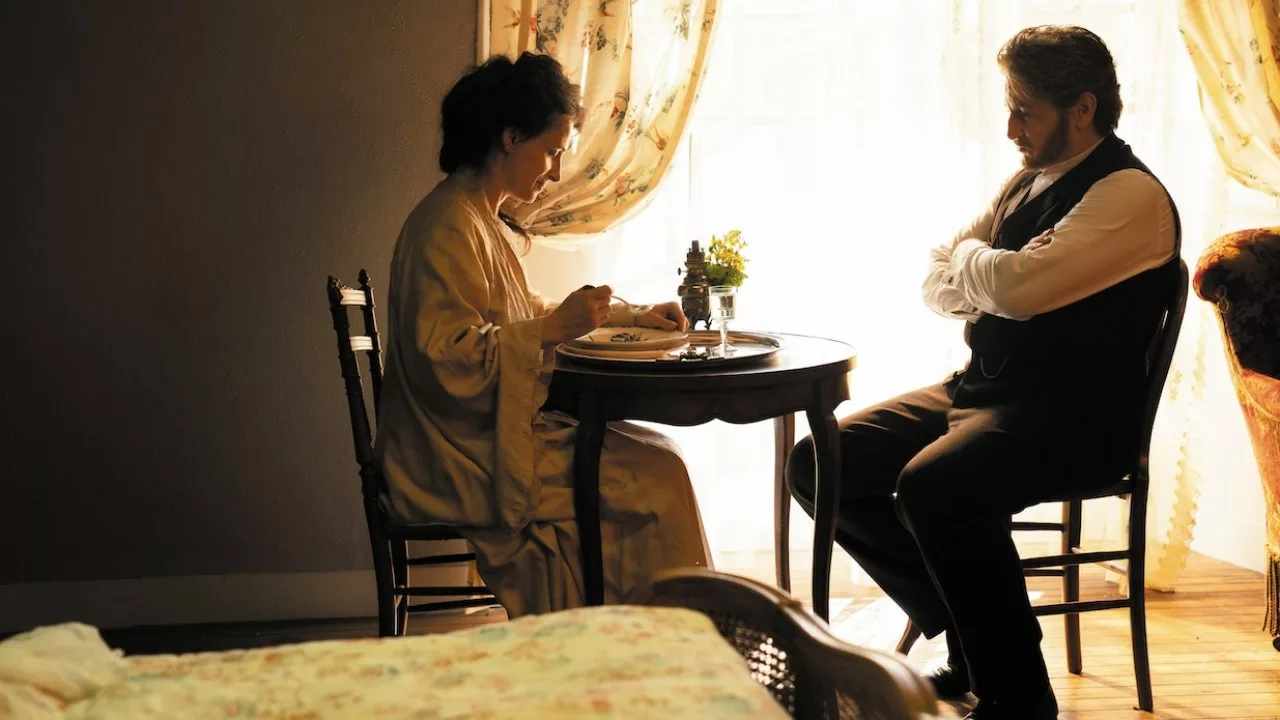
When Eugénie begins experiencing occasional fainting spells and a concerning lethargy, however, their breezy existence receives its first true shock. A doctor proves unable to diagnose Eugénie with any known condition. The spells worsen, forcing Eugénie to relinquish cooking duties. As she rests worriedly in bed, the future weighs on both her and Dodin’s minds. Eugénie has built meaning through her vocation; its loss unmoors her entire identity and sense of self-reliance. And Dodin faces the prospect of losing his love before fully claiming her as his bride.
Will Eugénie finally bend to Dodin’s marital dreams before fate intervenes? The possibility gives their every interaction new poignancy and urgency. In the confines of the country kitchen, a delicate dance reaches its coda.
“Step back in time and uncover the hidden melodies of history with our Black Tea review, a film that weaves a rich tapestry of music, culture, and forgotten talents. Join us as we explore how director Abderrahmane Sissako brings to life the untold stories of women composers.”
Rapturous Ritual in the Kitchen
More so than even the most euphorically-reviewed restaurants, the kitchen is the beating heart of The Taste of Things. Within the first minutes, we watch transfixed as Eugénie and Dodin orchestrate a symphony of bubbling sauces, sizzling pans and perfectly timed ingredients. The 30-minute opening scene simply captures the two preparing a lavish dinner party meal. But through the harmonious choreography, the sensuality of cooking becomes overwhelming.
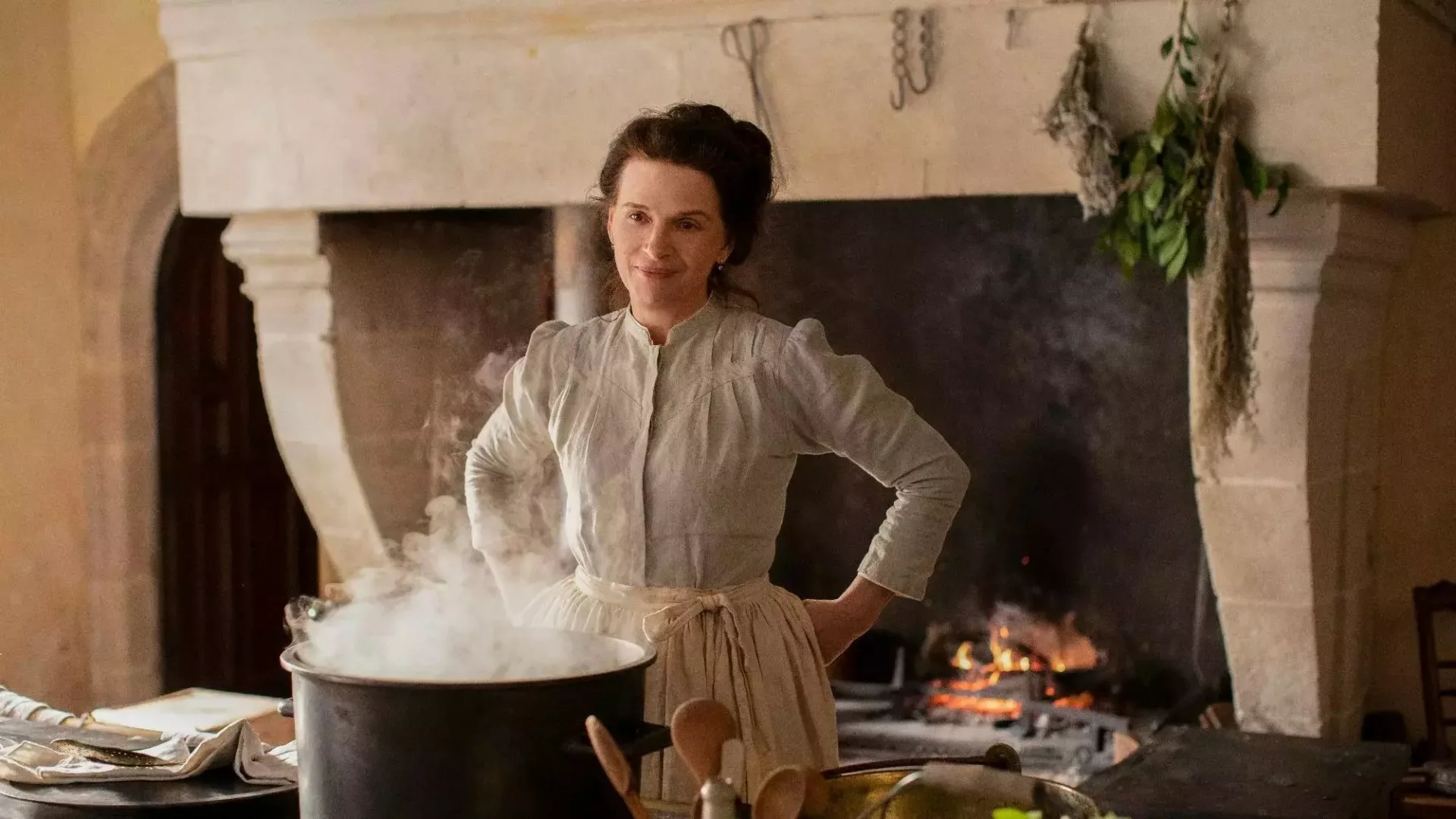
DP Jonathan Ricquebourg’s camera glides between close-ups of a knife piercing duck skin, hands tossing greens in vinaigrette, cheeks flushed by steam. It peers into bubbling pots, no less lovingly than when it captures the flushed faces of Eugénie and Dodin. Every where food makes contact we witness borderline eroticism – a sheen of moisture from braised veal, cracked black pepper spilling over a wooden board. With little dialogue to distract, it’s a full sensory immersion accentuated by the crackle of oil, sigh of turning pages in an old recipe journal. The presentation celebrates cooking as an artform unto itself.
This first act of creation merely sets the tone for the entire film. In the kitchen, romance between Eugénie and Dodin seamlessly intermingles with their shared passion for crafting gorgeous flavors and artistic plating. Their rapport requires no translation or explanation beyond instructions of “finely dice the shallots” or warnings that “the butter is burning.” And so later, when Eugénie acquiesces to rest in bed as her fainting spells mount, we understand the devastating implications. Cooking has charted the course for this couple no less than making love; its loss signals Eugénie is adrift, wasting her final days deprived of purpose.
So when Dodin dons an apron to devotedly cook a delicate meal to lift Eugénie’s spirits, we recognize the gesture’s profound intimacy. No expensive jewels or lavish ball could have better conveyed his feelings. As Dodin simmers and tastes, entirely focused on creating something transcendent for his ailing soulmate, The Taste of Things poignantly bridges eras to capture how nourishment of body and heart often emerge from the same flame. For Dodin, Eugénie and every person yearning for sensual fulfillment, the kitchen shall always promise rapture.
A Well-Seasoned On-Screen Romance
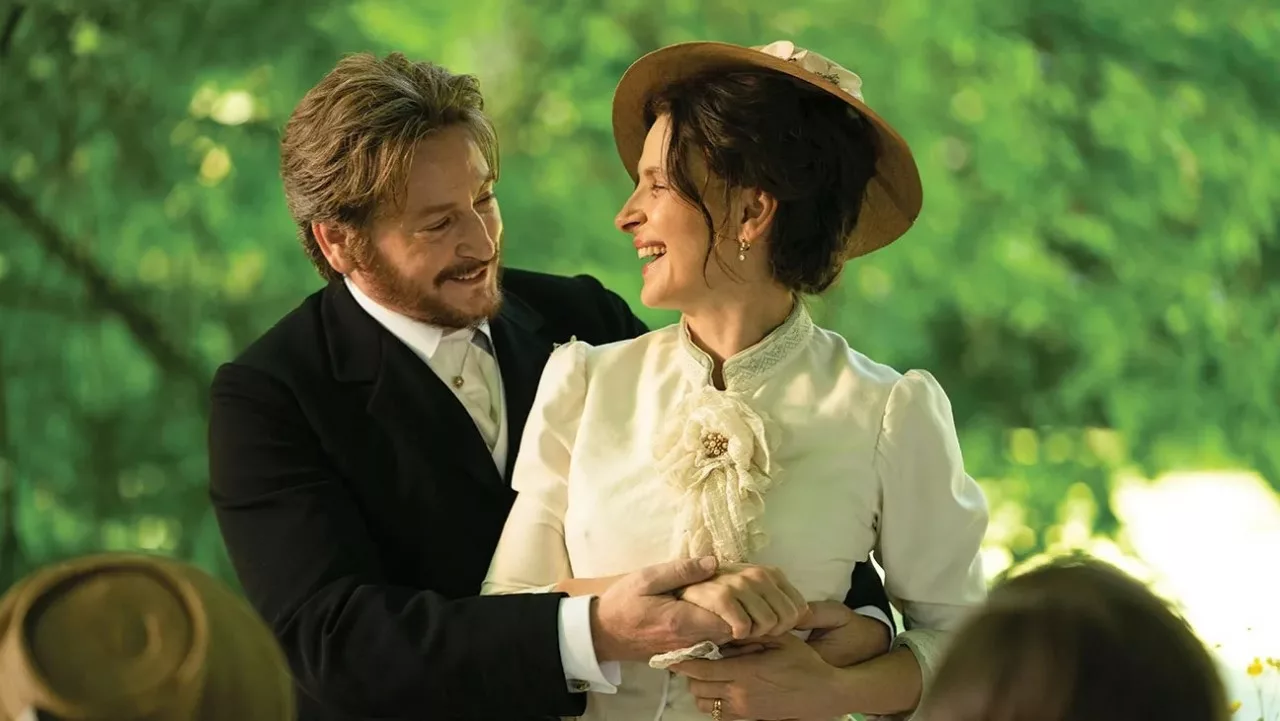
So much of The Taste of Thing’s success rides on its two lead stars conveying comfort, rapport and simmering sensuality. As the real-life former couple first brought together 20 years prior in Children of the Century, Juliette Binoche and Benoît Magimel deliver all this with grace. One senses not a whiff of acting as they bicker over a béchamel or brush fingertips sorting potatoes. Their shared history translates to an intimacy rarely captured on screen.

As the demanding epicure Dodin, Magimel mines delectable contrasts. Known recently for playing aggrieved or violent men, the actor carries new weight and maturity that perfectly suits a character devoted to life’s finer pleasures. From first glimpse arranging flowers for the dining room, Magimel’s Dodin clearly favors beauty at every turn. And yet in moments like the entire table greedily ingesting ortolans songbirds under napkins, he unveils Dodin’s gluttonous abandon with mischief befitting aBrando or Depardieu. It’s a balancing act he nails, equally credible whispering flirtations to Eugénie or grumbling about an improperly cooked fish.
Beside this, Binoche occupies the film’s calm, steady center with her trademark relatable grace. Lending her first great culinary performance since Chocolat, her Eugénie conveys deep passion through the economy of her cooking motions. The years of refinement show in little gestures – a sniff of a spice jar or the instinct to reach for salt. Though Dodin fixates on legacy and acclaim, Binoche movingly portrays cooking as integral to Eugénie’s identity; she demonstrates love and self-worth through the meals she prepares. When illness creeps in to threaten this source of fulfillment, Binoche makes us feel the quiet devastation of losing one’s sense of purpose.
Together, Magimel and Binoche rekindle the easy chemistry of two people who can spend hours in a kitchen, saying little yet intuiting the other’s mood in shared motions and glancing touches. It’s a connection made sublime by passion’s many flavors.
Imperfections Made Sublime: Capturing Texture on Screen
Beyond honoring tastes, Tran Anh Hung crafts images in The Taste of Things which nourish the eyes with purposeful restraint. Cinematographer Jonathan Ricquebourg lingers on cooking scenes less to fetishize than capture fundamental textures. His roving camera accentuates the visceral through steam, crumbling soil on vegetable skins, the drizzle of reduced sauce over a wooden spoon. Where other so-called “food porn” exaggerates visual splendor, Ricquebourg’s studied framing echoes the mindfulness Eugénie brings to preparing the perfect ingredient.

This textural focus extends through the production design’s sensibility: weathered oak floors spotted with flour, a butcher block’s gnarled scars from past contact with knives, the delicate cracks in aging masonry walls. Hung immerses us in a world where every object tells a small story through its imperfections. And by eliminating non-diegetic music for much of the film, he clears space to appreciate the rude melody of a kitchen through simmering and chopping.
When the camera does widen its view, Ricquebourg and colorist Olivier Bugge apply a golden luminosity as if constantly catching the setting sun’s magic hour. Their collective work takes visual cues from French still life masters like Jean-Baptiste-Siméon Chardin, applying heavy saturation and bright highlights to otherwise mundane fruits and dishes. As with those iconic paintings, the virtue lies not in realism but amplification – granting humble foods an ethereal, totemic beauty based on what they represent to Dodin and Eugénie. Through this alchemy, steaming langoustines and freshly picked fiddleheads become subjects as worthy as any Dutch master’s portrait. They signify heritage, comfort and fleeting sensory pleasure.
The Hungers That Connect Us
While classified simplistically as a “food film,” The Taste of Things explores hungers far beyond the culinary. Yes, shots of glistening truffles nestled on pillowy eggs or cracked lobster tails saturated in lemon butter could inspire cravings all their own. But the interplay between romance and cooking runs deeper for Eugénie and Dodin. Their affairs carry echoes of one another – preparation, savoring a long-awaited union, comforting in aftermath. Neither could exist deprived of the other.

In scenes away from the kitchen, Hung pointedly equates sensuality found in food with the pleasures these aging soulmates share in privacy. Yet more striking is how their cooking rituals affirm an intimacy borne of decades together predicting the other’s next step, perfecting joys forged through repetition. Beyond bodily craving, Eugénie and Dodin’s true yearning is for the piece of themselves reflected in their partner’s eyes across a flour-dusted table.
Still, for all their fortune and acclaim, everything Eugénie and Dodin create holds an expiration date. Be it an exquisite peasant meal or quiet affection kindled in bonded creation, temporariness haunts whatever metaphysical dimensions their cooking and companionship attain. This sobering fragility only makes the couple more desperate to wring fulfillment from shared hours.
So when Eugénie collapses from mysterious spells and her lifelong passions become jeopardized, we understand the stakes completely. It’s never about food or touch alone; she stands to lose spiritual purpose and hard-won identity. Her void echoes the absence left by vanishing steam from a perfect broth. This tragedy underlies The Taste of Things, but a final hope glimmers too. That before death, Eugénie and Dodin will feed one another once more, expressing those ineffable comforts which only two entangled souls can share.
Imperfection in the Details
For all its sensory pleasures, The Taste of Things doesn’t fully satisfy when it comes to narrative or realism. The biggest critique stems from a plotRemaining largely conflict-free save for Eugenie’s health woes. Stories live through tension, yet Hung brushes aside opportunities to mine drama from Dodin’s jealousy or ambitions beyond the kitchen. It’s an intentionally minor key film, but some added stakes in the final act may have helped.
There are glaring questions too about what supports the couple’s extravagant lifestyle left unanswered. Reviews mention neither Dodin nor Eugenie’s backgrounds before meeting, and supporting characters seem like fanciful self-made aristocrats. While not detrimental, details on their work or patrons would have lent the lavish production more credibility.
Finally, there is the prince of Eurasia, a personality so outlandishly obsessed with food that he borders Orientalist caricature played for odd comedy. The character could argue for cultural insensitivity, even if his scenes mainly serve to propel Eugenie and Dodin’s tensions. For a film that finds profundity in subtle moments, the Eurasian prince seems a frivolous, off-key invention.
But in the end, The Taste of Things gives viewers ample reason to shrug off nitpicks and return for second helpings. Like the most scrumptious delicacies, it stays with you through sense memory alone. The flavors and textures conjured by Anh Hung’s visions will surely provide their own comfort and transport no matter how elaborate the narrative dressing.
A Meal That Satisfies and Lingers
At nearly two and a half hours, some viewers may balk at the unhurried pace of The Taste of Things. But those willing to savor the experience will be rewarded with a feast for senses beyond taste. For fans of arthouse cinema or food-focused films like Big Night and Babette’s Feast, Tran Hung’s latest deserves a spot at the table.
It delivers precisely what its “food porn” pedigree suggests – scenes of cooking and consumption lingered on with care more likely found in European art films than Hollywood fare. Yet the sensuality here serves a deeper story of passion’s permanence. In capturing two aging artists reflect through every slice, chop and swirl of broth on what gives life meaning, The Taste of Things locates the universal in slicing an onion or baking the perfect loaf.
Certainly the film relies on audience appetites as much emotional as visceral. One must enjoy losing stretches of narrative to the catharsis of cooking, or else risk frustration when the plot takes a backseat to kitchen rituals. But for Hung, plot exists to frame the transcendental possibilities hidden around the corner of every bistro. If you share his hunger for finding resonance in the meals and intimacies we share, The Taste of Things will provide fulfillment along with an enduring aftertaste. Let your imagination fill in any gaps in the recipe.
The Review
The Taste of Things
For those who delighted in the sensory transports of films like Big Night or Like Water for Chocolate, The Taste of Things makes for profoundly satisfying viewing. Though light on narrative, it overwhelms with textures and passions in every glistening drop of sauce and stolen glance between aging artists. A moving ode to the meaning we forge through food and touch, Tran Hung’s latest deserves to be savored.
PROS
- Gorgeous cinematography brings rich textures and intimacy to cooking scenes
- Strong lead performances by Binoche and Magimel, with easy rapport
- Thoughtful themes linking food, passion, purpose, and mortality
- Restrained pace helps highlight small sensual details
- Unique take on "food porn" genre by an arthouse auteur
CONS
- Plot is very minimal, lacks traditional conflict
- Struggles at times with balancing realism and romanticism
- Could benefit from more backstory on central couple
- Supporting characters are underdeveloped
- Pacing may test viewers unused to more meditative films







