


























With only three films across two decades, Jonathan Glazer has crafted a reputation as a director able to vividly disturb, challenge, and inspire his audience. Many cinema fans still shiver at the icy thrills of his breakout gangster film Sexy Beast. Yet it was 2013’s Under the Skin that truly announced Glazer as an innovative, unflinching filmmaker, spinning a sci-fi tale of alien Scarlett Johansson luring men to their doom that stuck to your soul long after viewing.
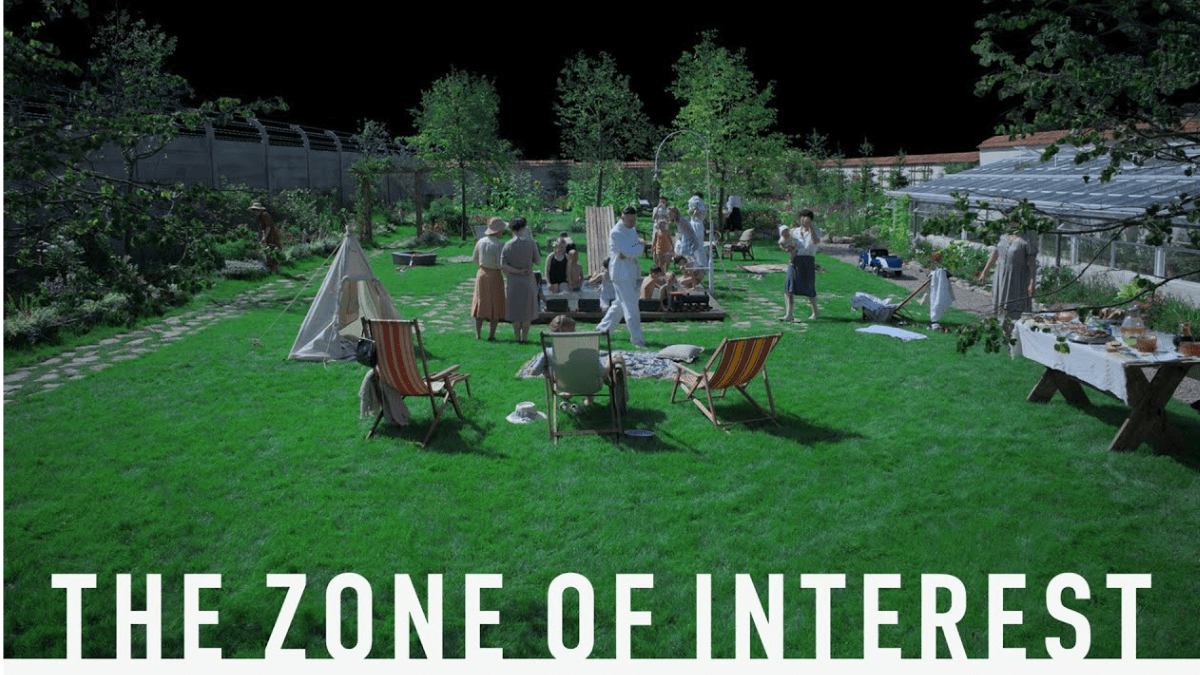
Now Glazer brings his exacting eye and imagination to transporting us into the evils of history. The Zone of Interest plunges the audience into the life of Rudolf Höss, commandant of the Auschwitz concentration camp during World War II. Though fictionalized, this glimpse at Höss’ domestic routine right beside the machinery of Nazi genocide makes for Glazer’s most ambitious and startling work yet.
Even those familiar with Holocaust dramas will find themselves holding their breath as the sounds of distant torment penetrate the banal serenity of Höss’ home life. Prepare to be shaken by the contradictions of humanity as Glazer takes you inside The Zone of Interest.
An Idyllic Neighborhood of Horrors
As The Zone of Interest opens, we’re introduced to the picture-perfect domestic life of the Höss family. Patriarch Rudolf Höss dotes on his children and maintains a largely happy marriage to wife Hedwig. The family has picnics by the river, celebrate birthdays, and make future plans like any other household. But Rudolf’s day job is what affords the Hösses their beautiful home and financial comfort. As commandant of the Auschwitz concentration camp next door, Rudolf orchestrates the speed and efficiency at which Jewish prisoners can be killed and disposed of.
Though the full brutalities of Auschwitz happen beyond our sight, Glazer frequently reminds the audience of its presence. We hear the muffled cracks of gunfire or glimpse the smoke rising from crematorium chimneys. The Hösses themselves show a disturbing comfort with the genocide occurring just beyond their garden. “The Jews are over the wall,” Hedwig casually explains to her visiting mother, almost lamenting that they had to plant vines to cover the view. Their innocent young children speak of the camp as if describing their schoolyard.
As the story continues, we witness the moral decay spread through the family. Hedwig finds a victim’s lipstick in the pocket of a new fur coat and delights in wearing both trophies. The children collect gold teeth pulled from prisoners’ mouths. And Höss discusses bureaucratic logistics of the “final solution” as calmly as any middle manager. Only when Rudolf reveals the family may be transferred away from Auschwitz does Hedwig throw a venemous tantrum, refusing to be deposed as self-declared “Queen of Auschwitz.” Through such intimate scenes of corruption, Glazer suggests how the greatest human evils often begin alarmingly small.
The Unsettling Contradictions of Humanity
One of the most disturbing aspects of The Zone of Interest is how it juxtaposes images of the Höss family’s contented domestic routines against the unconscionable horrors happening right next door. Philosopher Hannah Arendt famously coined the phrase “the banality of evil” in relation to the Holocaust, referring to how Nazi soldiers and officials could compartmentalize their monstrous acts as just another day job. Glazer brings us face-to-face with Arendt’s concept, showing happy family meals and idle garden strolls occurring alongside mass murder.
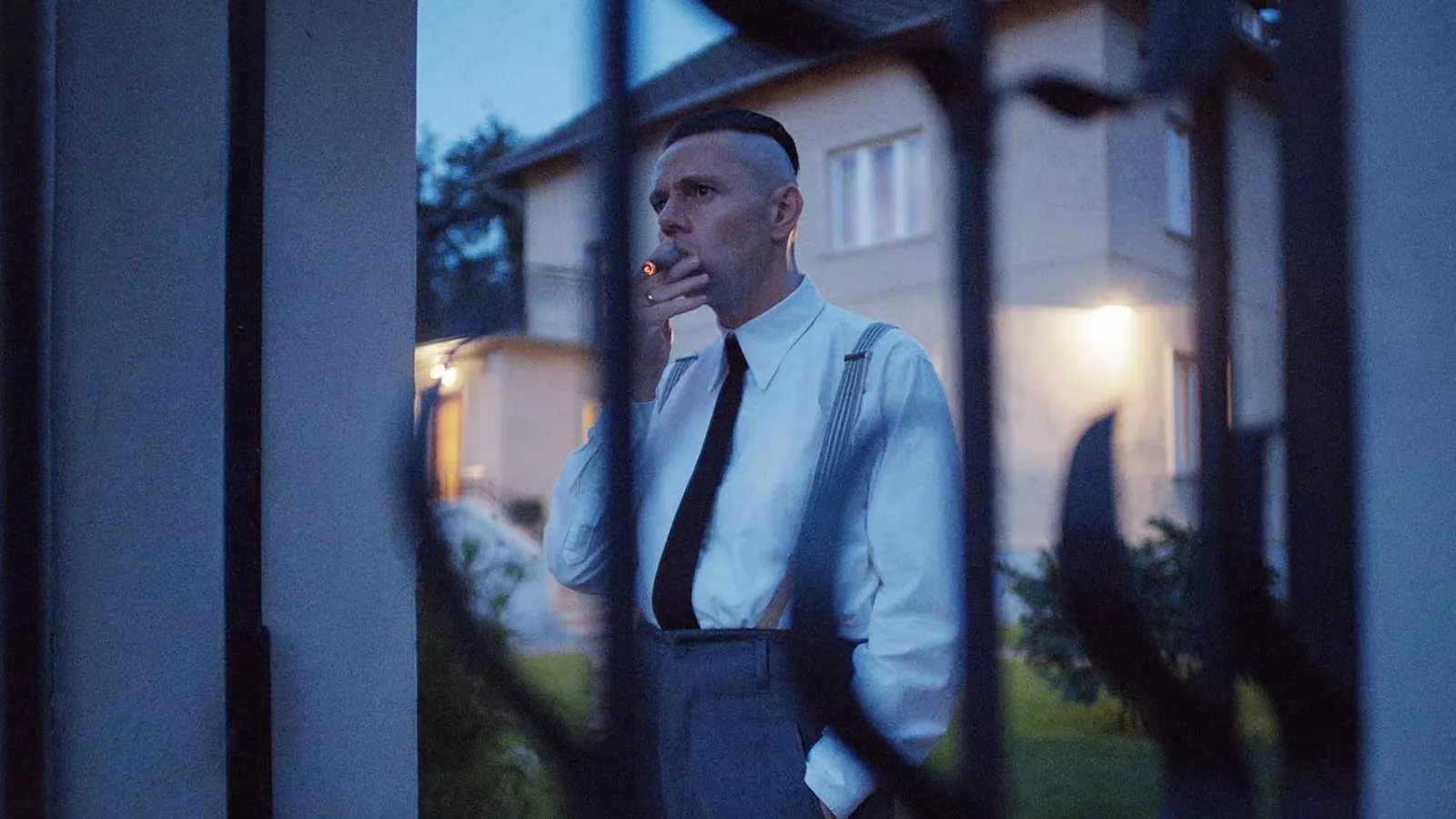
In spotlighting this unnerving contrast, the film provokes us to scrutinize just how easily ordinary people can embrace monstrosity. The Hösses aren’t cackling villains, but a family wishing to provide the best life possible for their children. Yet they express no qualms with the system of death that pays their bills and brings gifts like Hedwig’s fur coat. Glazer suggests the slide into complicity often hides behind the sanitizeing cloak of etiquette, routine, and euphemism.
Visually, the film achieves its voyeuristic effect through locked-down camera angles and static formal precision. We feel like close yet unseen witnesses to the Hösses’ domestic life, awaiting the next chilling detail to puncture the pleasant veneer. Glazer frequently layers sounds from the camp itself—gunshots, flames, screams—over these placid images to build an ever-present tension. His longtime collaborator Mica Levi provides an otherworldly score that turns oddly beautiful at times, evoking the tragedy of moral decay. Haunting night vision scenes of a young girl resisting the Nazis offer fleeting grace notes amidst the gathering darkness.
Together, these contradictions in The Zone of Interest combine to compel a profound discomfort in audiences. We’re forced to sit with the enormity of injustice and examine our own capacity for rationalizing or ignoring harm. Just as Hedwig planted vines to cover the sight of Auschwitz’s walls, Glazer suggests that willful blindness to suffering remains all too human a tendency.
Compelling Portraits of Complicity
In chronicling the psychological descent of the Höss family within the evils of Auschwitz, The Zone of Interest lives or dies based on its central performances. As Rudolf Höss, German actor Christian Friedel exudes a cold detachment punctured by moments of self-satisfied pride in his effective management of the camp’s deadly operations. Yet his chillingly bureaucratic attitude contrasts with wife Hedwig, played by Sandra Hüller (last seen in Anatomy of a Fall). Hüller depicts Hedwig as an enthusiastic beneficiary of genocide’s spoils, prone to outbursts revealing a sadistic streak below her domestic façade.
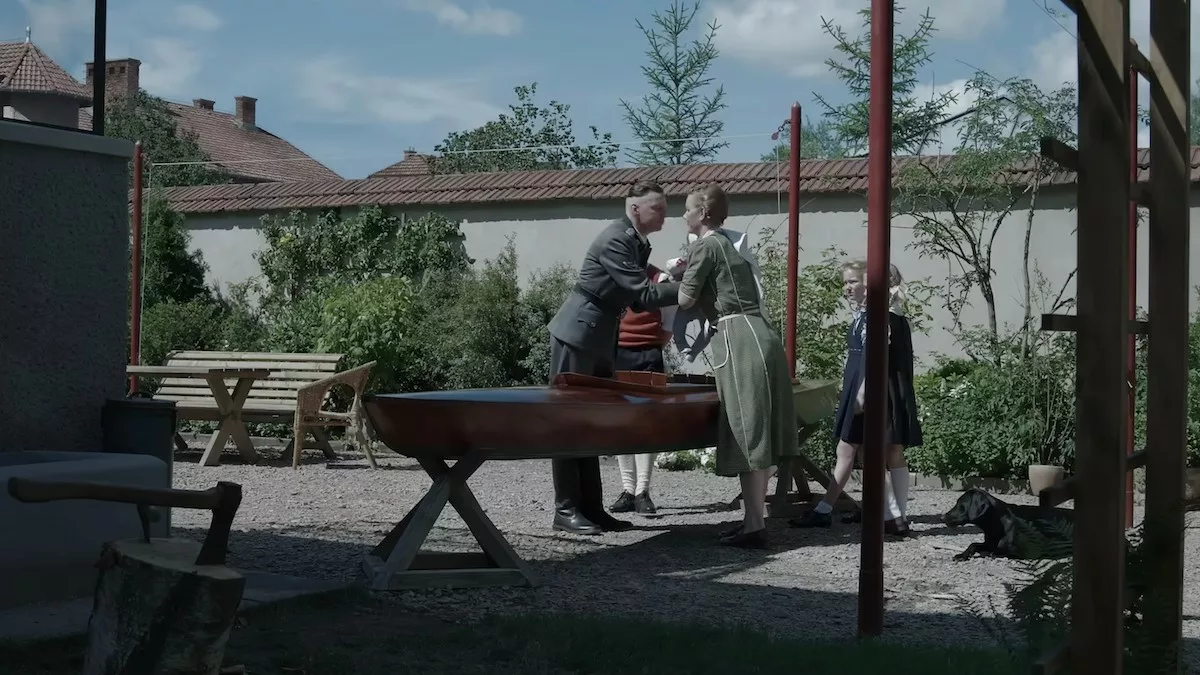
Together, Friedel and Hüller must walk a delicate line in these roles. The story provokes complex questions about how average citizens could enable and perpetrate Holocaust atrocities. Had the film attempted to overly sympathize with or humanize the central Nazis, it may have read as a troubling rationalization of their crimes. Yet failing to convey some interiority to Rudolf and Hedwig would reduce them to simplistic monsters, sacrificing the nuanced power of the moral quandary at hand.
In the end, Glazer succeeds in striking this balance largely through the strengths of his leads. We comprehend Rudolf and Hedwig just enough to chillingly recognize our own capacity for moral failure when demographic hatreds are legitimized by the state. But the full weight of The Zone of Interest ultimately falls upon the Hösses as emblems of profound corruption rather than objects of empathy.
Much as Hannah Arendt assessed the “banality of evil” in systemic terms, Glazer places responsibility for genocide upon on the self-interest and prejudice of ordinary citizens more than any individual’s abnormal psychology. It is precisely in their mundane familiarity that the film finds its most devastating critique of human nature.
Technical Mastery in Service of Moral Interrogation
While the themes and performances of The Zone of Interest will rightly generate much discussion, the film’s technical mastery also deserves spotlighting. Jonathan Glazer has always gravitated towards ambitious creative partners, and he reunites here with several key collaborators. Together, they pioneeringly expand the grammar of film language in order to unlock the story’s unique moral provocations.
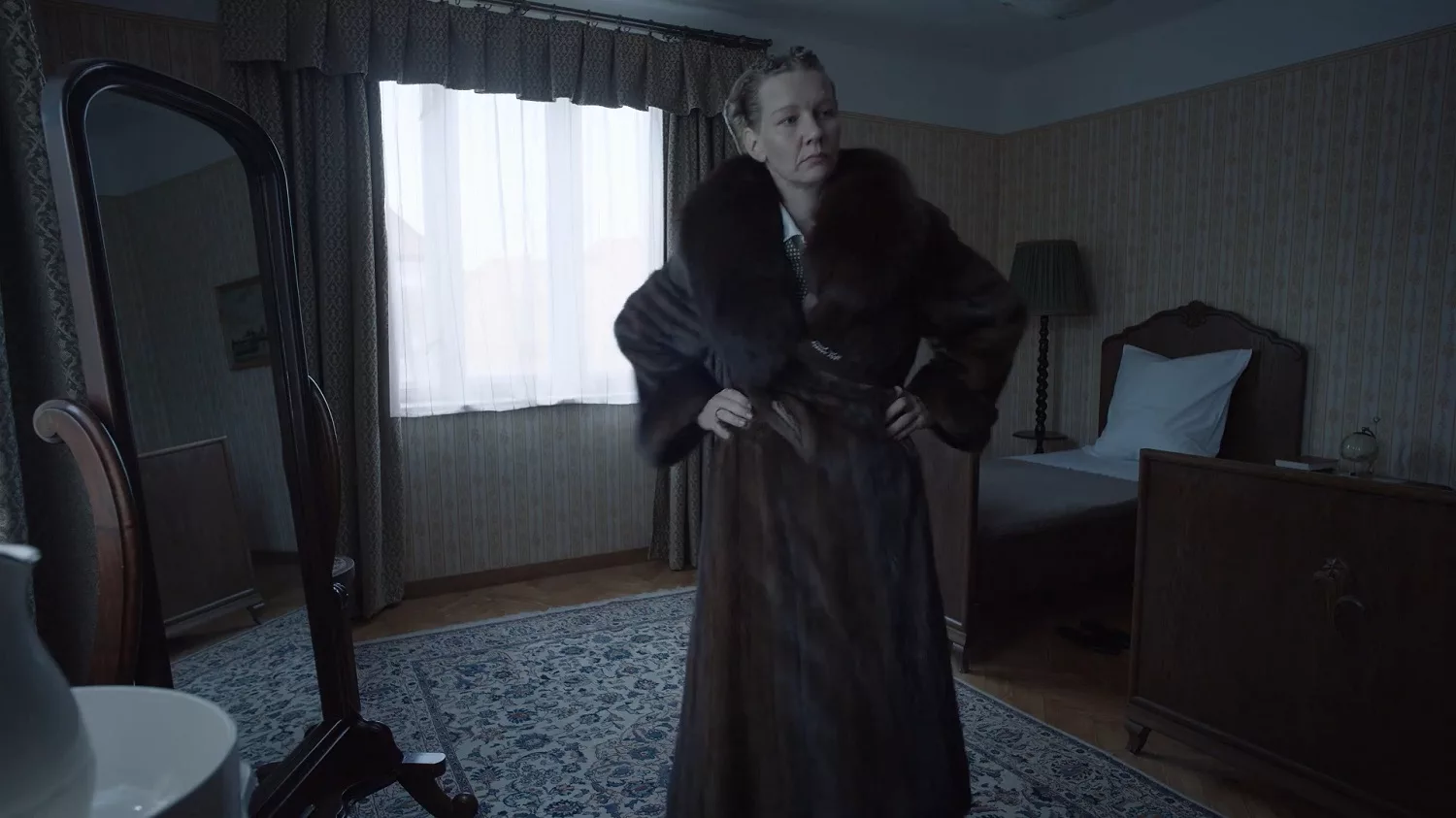
Cinematographer Łukasz Żal employs static shots, deliberate camera angles, and carefully composed color palettes to reinforce the contradictions between the Hösses’ home life and the death camp next door. We feel trapped in their elegant domestic spaces as the sounds of Auschwitz invade like an ambient scream. The production design by Sebastian Soukup recreated the actual Höss family residence with meticulous realism. Costumes, uniforms, and SS banners all firmly anchor Glazer’s dramatization in historical truth.
Yet technical aspects that normally fade behind the drama frequently move to the forefront of The Zone of Interest by design. Mica Levi’s avant-garde score oscillates between shrill atonality and ghostly elegance, impossible to ignore. Sound editors Javier Navarrete and Lee Walpole layer dialogue, natural tones, and emotive background noise into an immersive sonic experience that close-mikes screams through walls. Distorted night vision photography peers into moral darkness. Together, this synthesis of craftsmanship keeps us physiologically unsettled scene by scene.
In the hands of a less bold creative team, The Zone of Interest may have collapsed under the weight of its premise or veered into exploitation. Instead, Glazer and his team successfully develop a new cinematic vocabulary commensurate with the radical questions the story poses about human nature. One feels grasped tightly within a machine designed to provoke confrontation with our worst capabilities––perhaps the only fitting aesthetic response to such subject matter.
Harrowing Implications About Historical Memory
The Zone of Interest builds to a shattering cinematic gut-punch as it connects the Höss family’s monstrous past to the commemorative present. In the climax, Rudolf Höss finally confesses the scale of the Final Solution’s devastation in a late-night phone call, no longer hiding behind bureaucratese and euphemism. His wife Hedwig responds with nonchalant cruelty, prioritizing her domestic comfort over mass murder.
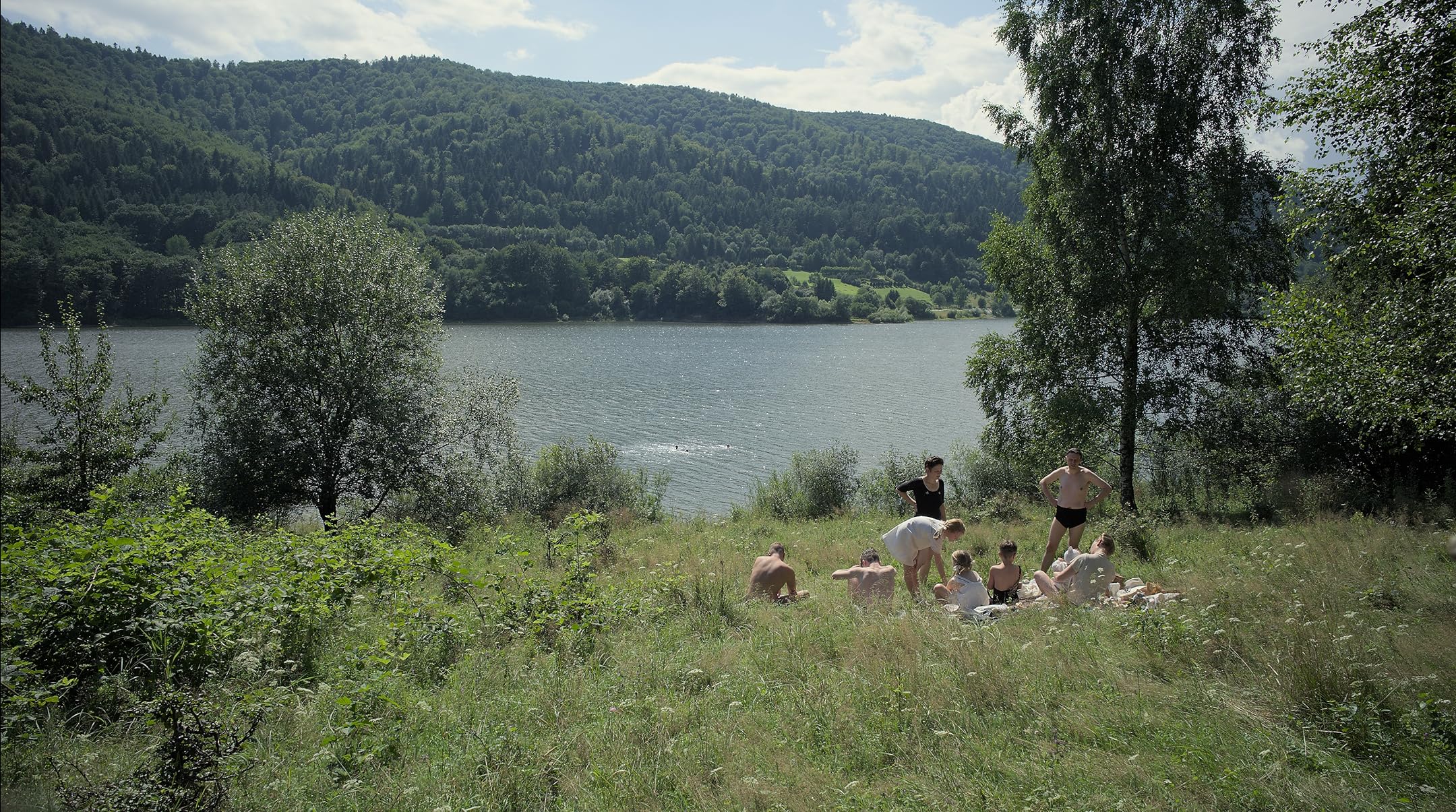
Immediately after, Rudolf descends his house staircase and vomits in anguish. In this visceral moment, editor Paul Watts makes a jarring cut to contemporary gallery spaces in the Auschwitz memorial site. Glazer reveals museum custodians vacuuming carpets and cleaning display cases with methodical routine. The indirect parallels to Hedwig tidying up her home despite bordering genocide are impossible to ignore.
In this bold transition, Glazer juxtaposes the end of the war with the present in order to suggest how historical memory itself can be sanitized. While no doubt well-intentioned, maintaining sites like Auschwitz as tourist attractions and educative spaces risks reducing unfathomable trauma into consumable content. Just as Hedwig rationalized her family’s presence at the camp, the ending implies that posterity may too easily psychologically compartmentalize war crimes as discrete artifacts of the past rather than urgent warnings.
By connecting the banality of evil in Nazi Germany to the potential for willful historical amnesia decades later, The Zone of Interest underscores the necessity of keeping the lessons of genocide immediate and actionable. Glazer pointedly avoids depicting Auschwitz’s atrocities themselves, instead focusing on how the readout of suffering becomes muted by habit and routine. In uniting Rudolf’s anguished personal realization to images of archival sanitation, the film’s ending suggests the personal responsibility each generation bears to combat the passive erasure of moral catastrophe.
A Lasting Masterpiece Of Moral Interrogation
In totality, The Zone of Interest stands as Jonathan Glazer’s crowning work thus far, a film impossible to dismiss or forget. Beyond just dramatizing the Holocaust with stark power, it sculpts a cinematic space that viscerally confronts audiences with open-ended questions about the moral frailties of humankind. Drawing viewers into proximate intimacy with the rituals of evil deeds and problematic rationalizations, Glazer provokes a profound personal accounting of our weaknesses.
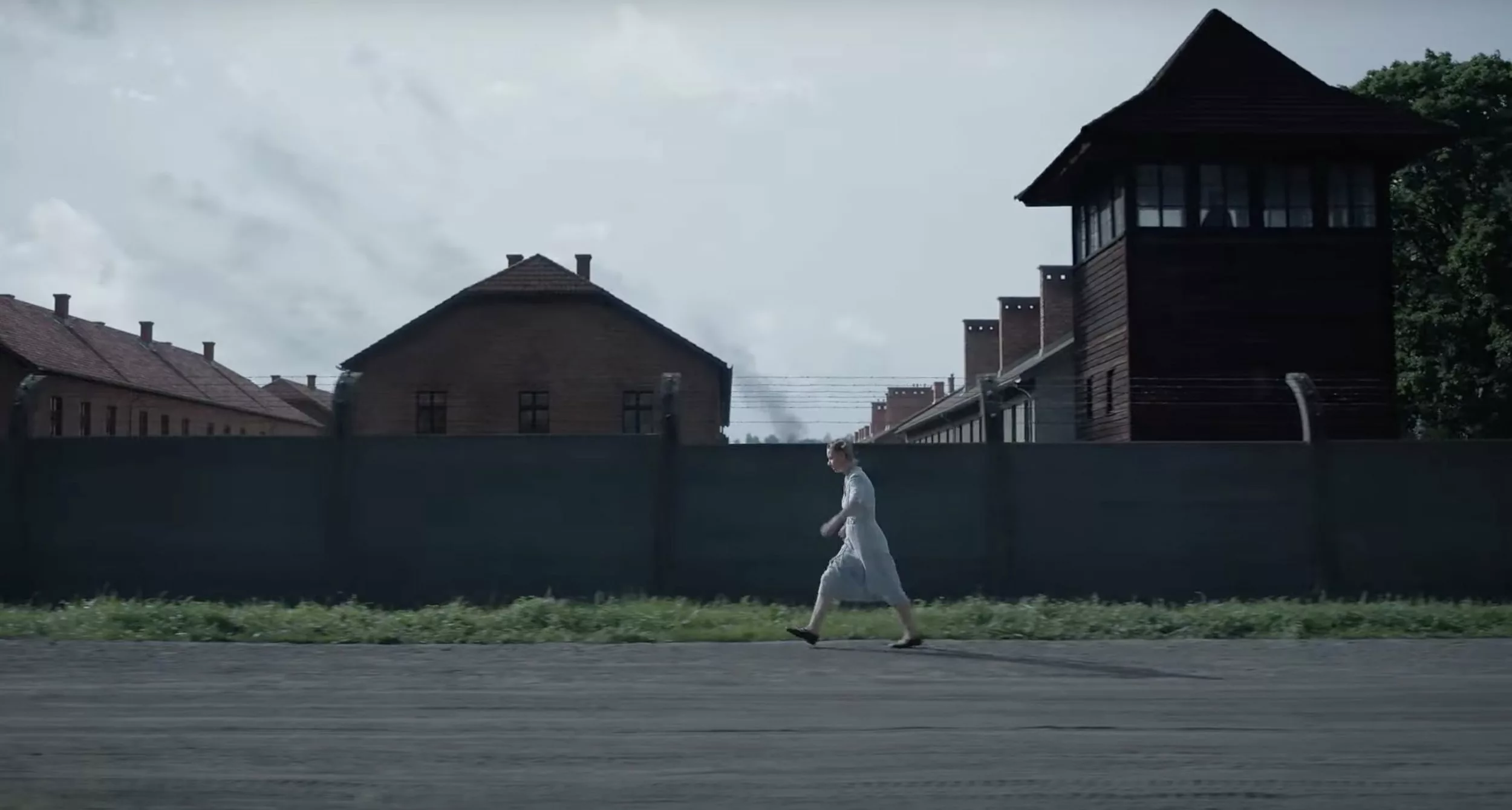
Through maintaining rigorous formal control, he avoids any hint of exploitation or sentimentality around such weighty subject matter. Instead, The Zone of Interest feels timely in addressing adjacent contemporary issues like nationalist propaganda, collective responsibility, and historical remembrance across mass media formats. Just as the banality of evil seduces individuals within communities to ignore small injustices snowballing towards catastrophe, modern political dynamics echo the film’s portrait of self-interest overriding conscience.
Cumulatively, all the outlined aspects of The Zone of Interest synthesize towards this level of impact―performances translating inhumanity through subtle gestures, cinematography framing domesticities against ominous industrial smoke, sound design forcing screams into serene gardens. Each creative choice layers into an intricate lattice ensnaring our psychological defenses. Thought-provoking Holocaust narratives are sadly scarce neither in cinema nor literature. Yet Glazer’s film earns singularity by burrowing into the marrow of human darkness through innovative means.
Entering The Zone of Interest contracts an obligation for intense self-reckoning in viewers. Like the young girl picking through ashes for traces of hope, Glazer perches his audience at precipices demanding affirmation of our principles when resistance seems futile. Simply put, his film attains masterpiece status by both asking impossible questions and demonstrating courage against overwhelming tragedy. If confronting the worst of civilization asks the best of art, Glazer rises highest while staring longest into darkness.
An Unflinching Triumph of Vision
In the end, The Zone of Interest cements Jonathan Glazer as one of our most inventive contemporary visual artists. Just as he subverted multiple genres with Sexy Beast and Under the Skin previously, Glazer here develops a radical cinematic vocabulary to unpack the psychological underpinnings of genocide. I expect the film to be closely studied and hotly debated for years due to its sheer originality and commitment to risky choices.
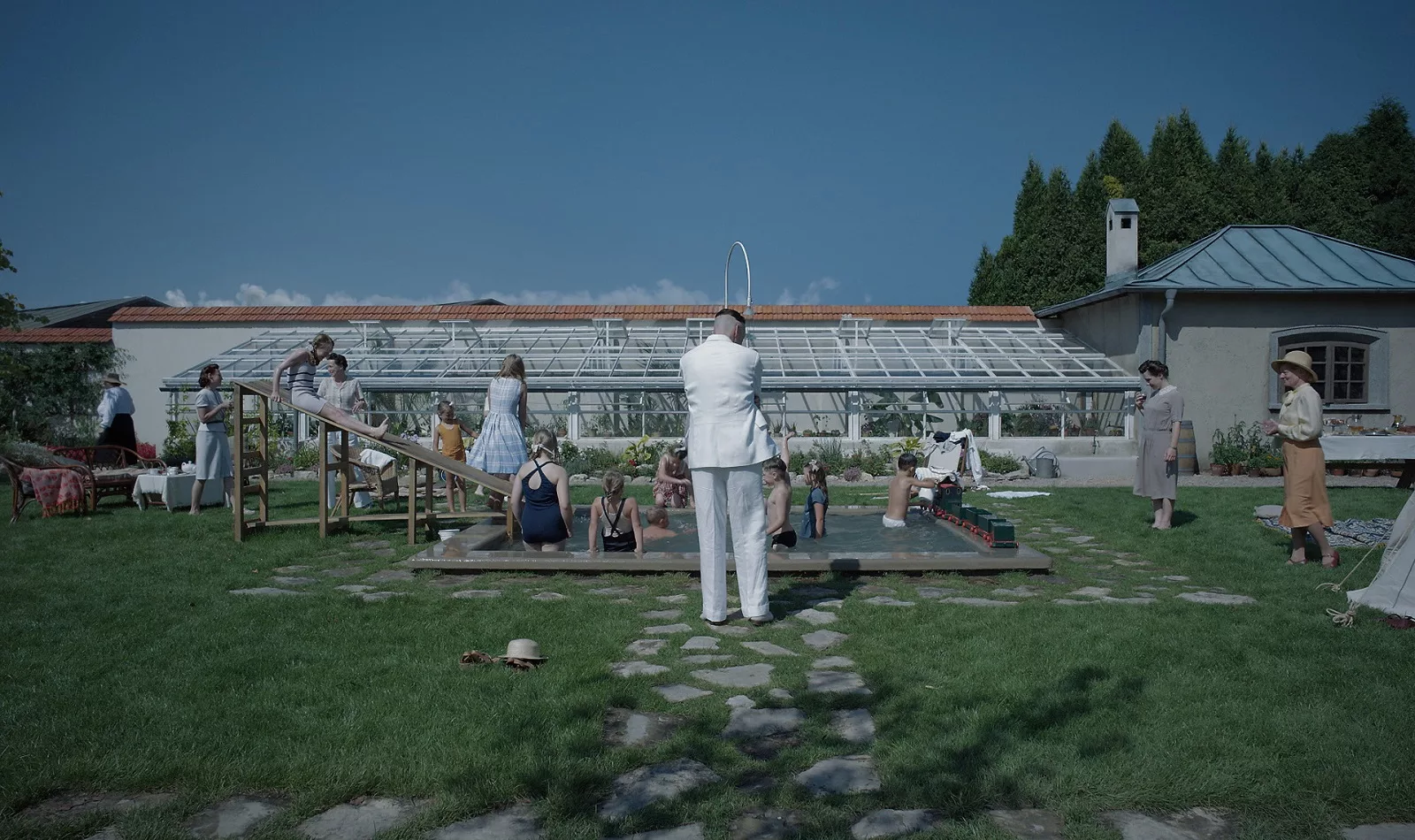
More broadly, The Zone of Interest resonates as a towering work of emotionally affective fiction able to shape societal discourse. Beyond those directly impacted by the Holocaust, few viewers will shake off their discomfort at witnessing the Hösses’ descent into moral corruption so intimately. Like the young girl picking through ashes for hope, the movie compels audiences to interrogate our own capacity for complacency and rationalization in the face of injustice.
As one early rave review stated, Glazer’s achievement demands recognition alongside history’s greatest confrontations with human darkness through art:
“If confronting the worst of civilization asks the best of art, Glazer rises highest while staring longest into darkness.”
By that measure, The Zone of Interest is not just an unflinching triumph of visionary direction, but also a humble invitation towards personal soul-searching. The film earns its scars because the questions it surfaces cut so close to the bone.
The Review
The Zone of Interest
Unsettling yet flawlessly crafted, The Zone of Interest ensnares viewers in an agonizing history we thought we understood. Rather than graphic imagery, Jonathan Glazer provokes moral outrage through juxtaposing casual family intimacy against echoing screams next door—the normalization of genocide calcifying into cultural wallpaper. What separates good from evil if no one questions the duty thrust upon them? Glazer allows no simple answers. Nor does he let audiences leave his virtuoso film unscarred by history's familiar capacity to slowly erode conscience.
PROS
- Powerful performances by the lead actors
- Striking cinematography and visual style
- Unsettling atmosphere and sound design
- Thought-provoking themes and questions raised
- Glazer's bold and visionary direction
- Emotionally devastating without exploiting trauma
CONS
- Uneven pacing at times
- Overly cryptic or vague symbolism
- Requires some familiarity with history/context
- The disturbing subject matter may deter some