


















![Kingdom Hearts Collection [I-III] Review](https://gazettely.com/wp-content/uploads/2026/10/Kingdom-Hearts-Collection-I-III-1-360x180.webp "Kingdom Hearts Collection [I-III] Review: KHII Holds Steady as Newer Entries Fluctuate 37")





Scamanda, a four-part docuseries, examines the life and deceptions of Amanda C. Riley—a woman who exploited her charm and social status to fabricate a cancer narrative. Inspired by the podcast of the same name, the series offers reenactments, interviews, and archival footage that challenge perceptions about human behavior.
The core narrative reveals Amanda Riley’s manipulation of empathy, creating a false illness story that resonated deeply with people’s emotional vulnerabilities. Her tale connects to historical examples of deception, reflecting how digital platforms can amplify personal narratives.
The documentary explores Riley’s intricate lies, questioning societal mechanisms that enable such fabrications. It probes deeper social dynamics, examining how certain individuals become perceived victims without critical examination.
The series raises critical questions about trust, storytelling, and social perception. Why does a specific demographic often receive unquestioned sympathy? What drives people to craft elaborate falsehoods that exploit collective compassion?
By presenting Riley’s story, the docuseries invites viewers to reflect on the complex interactions between personal storytelling, social expectations, and human vulnerability.
The Fabricated Pilgrimage: Amanda Riley’s Journey Through Lies and Miracles
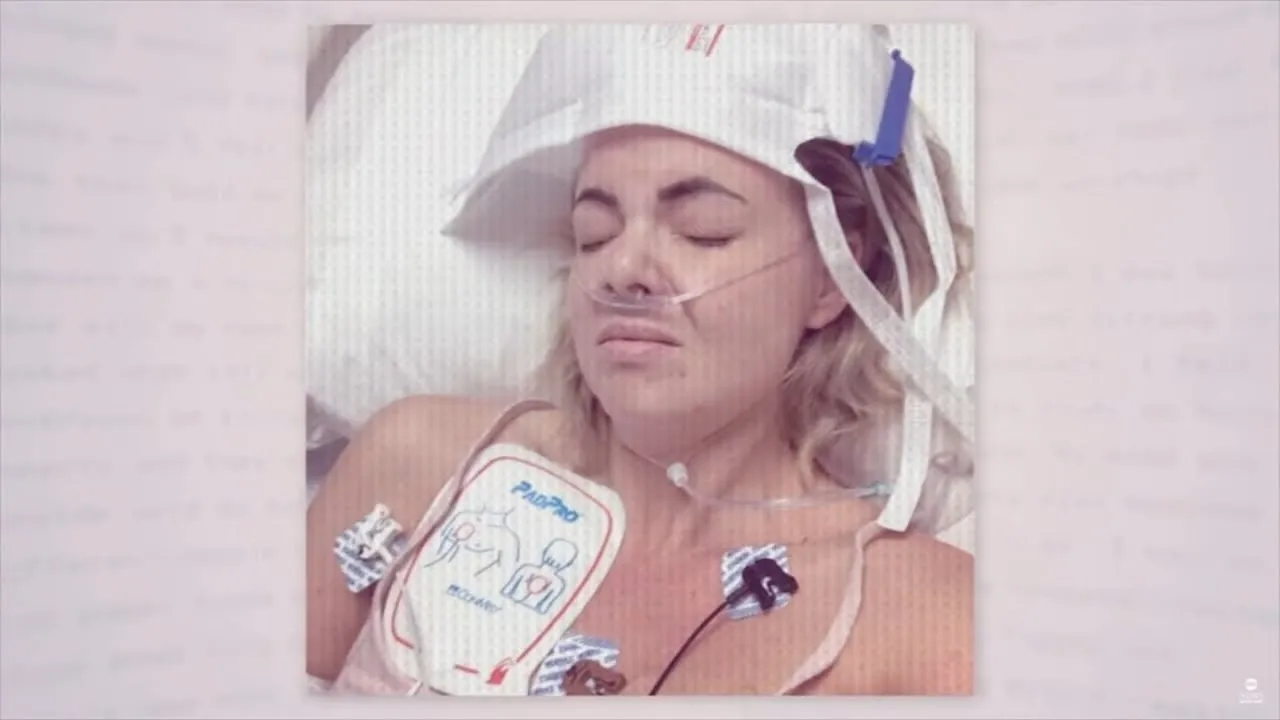
Amanda C. Riley was a respected figure in her community—a devout Christian, an active church member, and a mother of two healthy children. Her life appeared perfect in San Jose, California. Her 2012 cancer diagnosis shocked her church circle. Her blog, “Lymphoma Can Suck It,” attracted supporters, complete with signed guitars and unexpected perks.
Her fabricated cancer story tapped into deep emotional territories. Cancer represents a profound human experience of struggle and potential redemption. Riley manipulated this narrative, creating a complex performance of suffering.
Her supposed treatments became increasingly theatrical. Church members donated generously during emotional appeals. Some parishioners even placed money at her feet during services, demonstrating overwhelming support.
Inconsistencies emerged gradually. Friends like Lisa Berry questioned her claims: How could she swim after brain surgery? Why did her pregnancies remain unaffected by supposed chemotherapy? Her white, middle-class Christian identity shielded her from initial scrutiny.
The deception expanded systematically. Riley collected over $100,000 through her fabricated illness. Her story exposed uncomfortable truths about societal responses to perceived vulnerability—how eagerness to help can blind people to obvious warning signs.
Investigators eventually exposed her elaborate network of lies, revealing a complex manipulation of community compassion and social expectations.
Constructing the Illusion: From Podcast to Docuseries
Scamanda transformed from a podcast to a docuseries, exploring Amanda C. Riley’s intricate deception. Charlie Webster’s original audio investigation dissected Riley’s false narrative with careful analysis. Webster connected interviews, archival materials, and psychological perspectives to create a compelling story about human manipulation.

ABC News Studios and Pilgrim Media Group adapted the podcast into a four-part television series. Their approach introduced visual elements like reenactments and expert commentary, expanding the original narrative’s depth.
The production techniques deliberately blur lines between reality and interpretation. Reenactments with hidden actor faces create emotional distance, suggesting the complexity of Riley’s fabricated world.
Interviews with Nancy Moscatiello and Lisa Berry provide emotional grounding. Their personal accounts contrast sharply with Riley’s constructed identity. Visual evidence like blog screenshots and public appearance recordings highlight the discrepancies in her story.
Some sequences struggle with pacing. Certain moments receive excessive attention while critical psychological insights from Dr. Judy Ho remain unexplored. The clinical examination of Riley’s motivations feels truncated compared to the dramatic elements of her story.
The series reveals the intricate ways people construct false narratives, showing how personal deception can manipulate collective empathy and trust.
The Faithful and the Fraudulent: Community Dynamics in Scamanda
The Family Community Church played a central role in Amanda Riley’s elaborate deception. Riley integrated herself deeply into the congregation, participating actively in church activities and building relationships that seemed genuine.
When Riley announced her cancer diagnosis, the church responded with intense emotional and financial support. During one service, the pastor encouraged congregants to place cash at her feet—a striking demonstration of communal solidarity. This act represented more than charity; it symbolized the church’s collective validation of her perceived suffering.
The church’s response exposed deeper societal mechanisms of trust. As a young, white, Christian woman, Riley embodied an archetypal victim profile that society typically accepts without scrutiny. Her position within the church community shielded her from critical examination.
Initially, church members celebrated Riley’s supposed resilience. Donations flowed, volunteers emerged, and her story spread quickly. Gradual inconsistencies eventually triggered skepticism, leading to a profound sense of betrayal.
The community’s transformation from unwavering support to total disillusionment echoed other historical instances of charismatic deception. Riley’s case felt particularly painful because of its intimate church setting, which made the betrayal deeply personal.
Her story revealed the complex dynamics of trust, showing how emotional vulnerability can create spaces for manipulation within close-knit communities.
The Mind of the Deceiver and the Society That Enables Them
Scamanda explores the psychological complexities behind Amanda Riley’s deceptive behavior. Dr. Judy Ho, a clinical neuropsychologist, suggests potential mental health conditions like factitious disorder might explain Riley’s actions. Her ability to manipulate people exposed deep vulnerabilities in social perception.
Riley’s choice of cancer as a narrative device revealed complex psychological motivations. The disease’s emotional weight provided a powerful platform for garnering sympathy and resources. Her performance tapped into deep human emotional responses, creating an intricate web of manipulation.
The story challenges societal mechanisms of trust. Riley’s white, Christian identity provided significant protection from initial skepticism. Her demographic profile allowed her to construct a narrative that people readily accepted without critical examination.
Parishioners responded to Riley’s fabricated illness with overwhelming support. Church services became platforms for public displays of generosity, with congregants donating money without questioning her claims. This response highlighted the dangerous intersection of empathy and blind trust.
Riley’s deception exposed significant gaps in social understanding. Her story revealed how certain individuals can exploit emotional vulnerabilities, manipulating community structures and personal connections. The narrative raised critical questions about who receives societal sympathy and why.
The docuseries demonstrated the complex ways personal narratives can be constructed and believed, showing how carefully crafted stories can manipulate collective emotions.
Unraveling the Web: Key Figures in Exposing Amanda Riley’s Deception
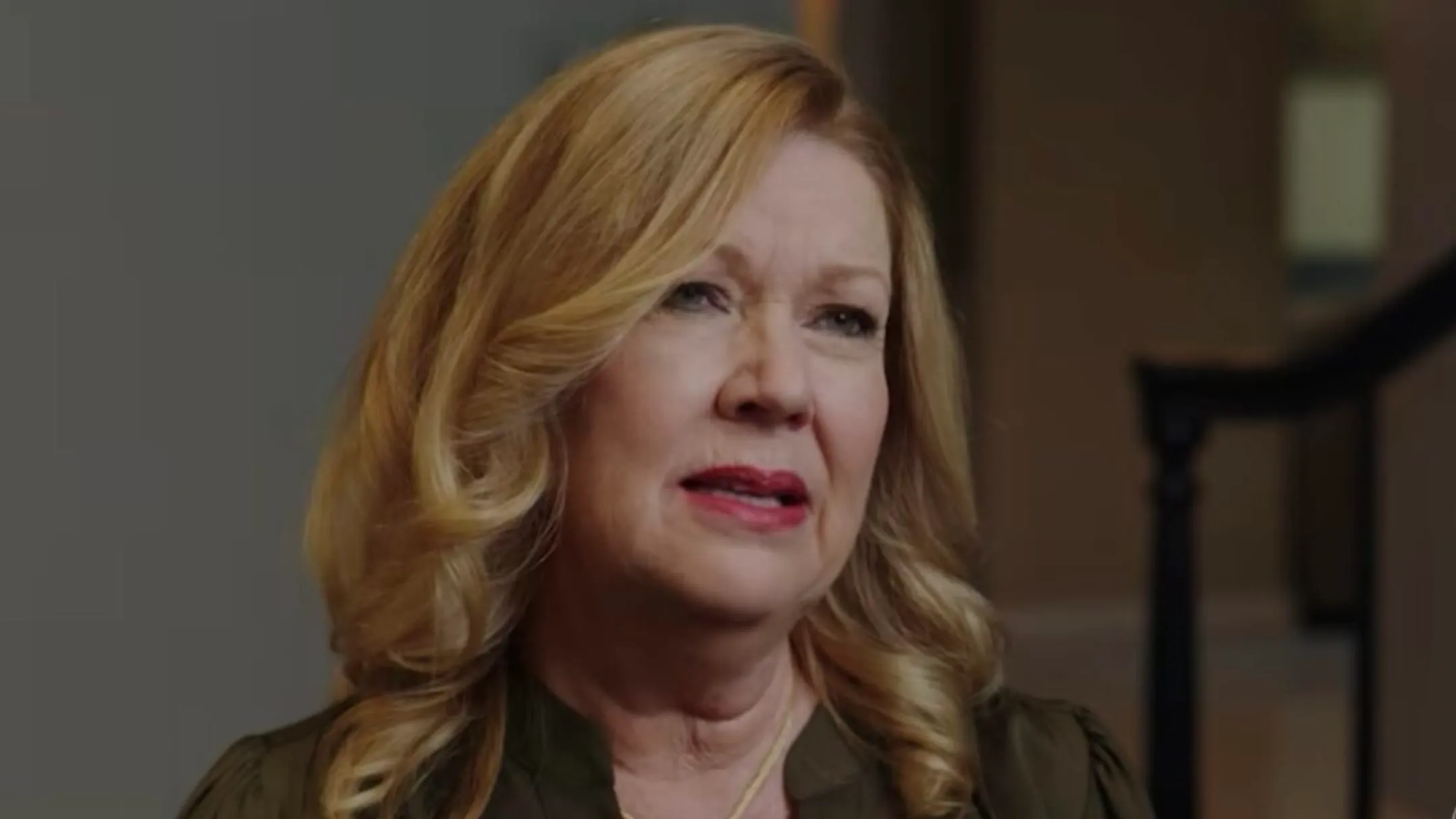
Nancy Moscatiello played a critical role in uncovering Amanda Riley’s deception. Her investigative work transformed an anonymous tip into a comprehensive exposure of Riley’s lies. The mysterious whistleblower remained hidden, but their motivation centered on revealing the stark contrast between Riley’s public image and private reality.
Lisa Berry emerged as a pivotal witness, transitioning from Riley’s close friend to her primary accuser. Her testimony highlighted the emotional complexity of betrayal. Berry pointed out critical inconsistencies in Riley’s story—such as claims of swimming after brain surgery and pregnancy reversing cancer—that went unnoticed initially.
Community members contributed crucial perspectives to the narrative. Their accounts revealed Riley’s skill at manipulating social connections. Each testimony peeled back layers of her fabricated identity, showing how she constructed an elaborate performance of suffering.
The investigation exposed Riley’s intricate network of deception. Medical claims, personal stories, and community interactions all became part of her carefully constructed false narrative. Friends and investigators worked to dismantle the elaborate facade Riley had created.
Moscatiello and Berry represented different approaches to uncovering truth. Their work demonstrated the complex process of exposing long-term deception within tight-knit social groups.
The Cost of Deception: Financial Ruin and Legal Reckoning
Amanda Riley’s deception extracted over $100,000 from her church community. Parishioners donated cash during services, believing they supported a genuine cancer patient. The financial damage represented more than monetary loss—it symbolized betrayal of trust and emotional manipulation.

The Family Community Church became an unintentional participant in Riley’s scheme. By promoting her story during sermons and fundraising events, church leaders inadvertently amplified her fabricated narrative. This exposure created a platform for her extensive deception.
Legal consequences followed Riley’s actions. She received a five-year federal prison sentence for wire fraud. Her digital-era crimes highlighted the complex ways personal deception can exploit community connections.
Cory Riley’s involvement remained unclear. After the scandal emerged, he filed for divorce, distancing himself from his wife’s actions. His response suggested awareness of the significant damage caused by her elaborate lies.
The financial and emotional impact extended beyond simple monetary theft. Riley’s deception created deep fractures within her church community, destroying relationships and shattering communal trust.
Her story exposed critical vulnerabilities in social support systems, revealing how persuasive storytelling can manipulate collective empathy.
The Review
Scamanda Season 1
Scamanda explores Amanda Riley's deception through interviews, reenactments, and psychological analysis. The docuseries builds on the original podcast, presenting a detailed account of Riley's fabricated cancer story. Viewers receive insights into her manipulation of community trust.
PROS
- Engaging storytelling that quickly gets to the crux of the issue.
- Insightful interviews with key figures like Nancy Moscatiello and Lisa Berry.
- Visual elements, such as reenactments and screenshots from Amanda Riley's blog, add depth to the narrative.
- Explores broader themes of societal privilege and psychological motivations behind deception.
CONS
- Repetitive for those who have listened to the podcast.
- Leaves some questions unanswered, particularly regarding Cory Riley's involvement.
- Lacks deeper exploration of Amanda Riley’s mental health or upbringing.