

























![Kingdom Hearts Collection [I-III] Review](https://gazettely.com/wp-content/uploads/2026/10/Kingdom-Hearts-Collection-I-III-1-360x180.webp "Kingdom Hearts Collection [I-III] Review: KHII Holds Steady as Newer Entries Fluctuate 37")



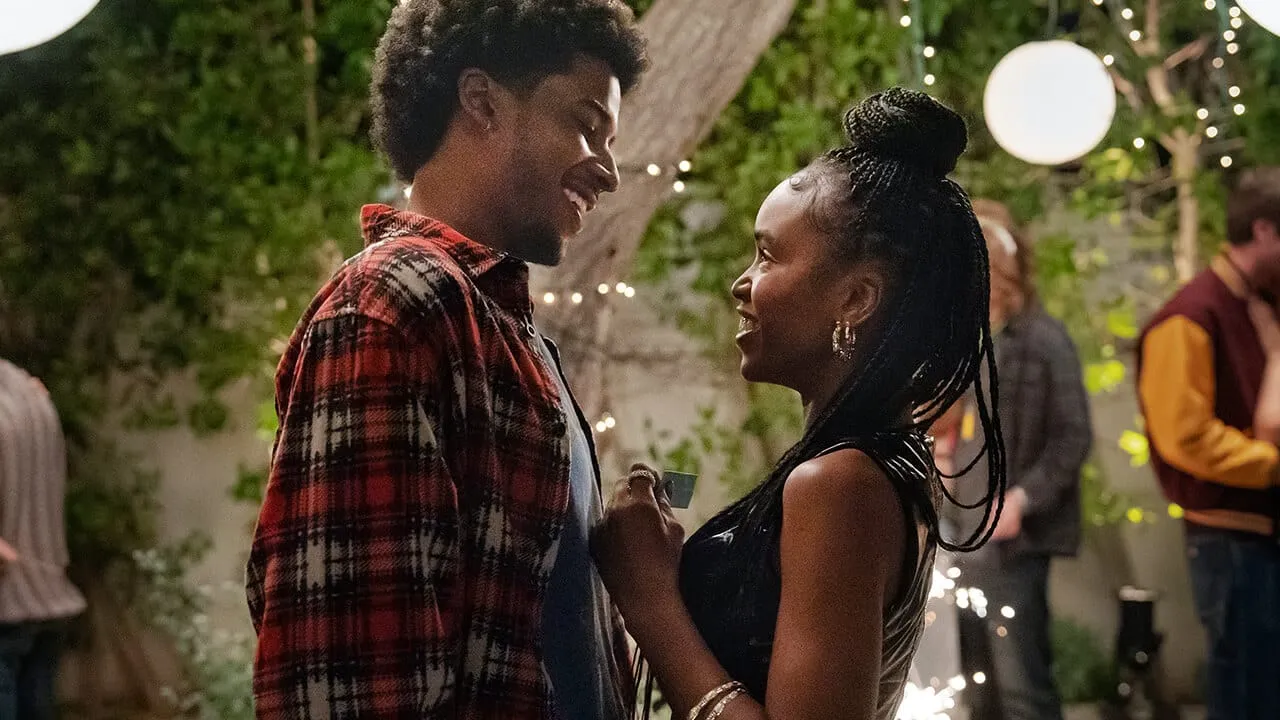

In Forever, two characters—track star Keisha Clark and basketball hopeful Justin Edwards—cross paths at a New Year’s Eve party and spend the months that follow testing the limits of teenage devotion. The core of the story unfolds against sun‑washed streets and hidden pockets of late‑2010s Los Angeles, a setting that blends high‑school rituals with genuine cultural specificity.
The series borrows its emotional blueprint from Judy Blume’s 1975 novel Forever… but positions its leads as equal narrators of their own experience. Showrunner Mara Brock Akil spins out the plot across eight episodes, giving weight to text‑message standoffs, Instagram posts, and scenes where silence carries as much meaning as dialogue.
Regina King’s direction in the premiere sets a tone of close‑quarters intimacy: you can almost feel the muffled excitement when a pair of shy hands meet in the dark. Michael “Cambio” Fernandez’s cinematography favors warm highlights that punctuate both tender moments and family squabbles. A soundtrack anchored by hip‑hop and R&B tracks underscores each scene without overtaking it.
Lovie Simone’s performance anchors Keisha’s ambition and vulnerability, while Michael Cooper Jr. captures Justin’s mix of eagerness and uncertainty. This introduction promises a story built on layered character arcs—two teens shaped by tight‑knit families, digital detours, and the pressure of impending adulthood—while signaling a fresh take on an established text.
Remixed Foundations and Storytelling Shifts
Labeling itself “inspired by” Judy Blume’s 1975 novel rather than “based on” signals early on that this adaptation isn’t a scene‑by‑scene transplant. Transposing the action from suburban New Jersey to 2018 Los Angeles reshapes the narrative gravity: it feels less like a period costume drama and more like a lived‑in portrait of today’s teen life.
Smartphones and social feeds aren’t surface flourishes here—they drive key plot beats. Misplaced texts and blocked accounts become catalysts for tension, mirroring how modern romance often flirts with public performance. Family conversations unfold over FaceTime and group chats, giving parental guidance a digital echo.
Mara Brock Akil brings her well‑honed skill for portraying Black family dynamics, ensuring that emotional peaks feel earned rather than engineered. She preserves the novel’s frank approach to young intimacy while introducing fresh conflicts—a secret track scholarship and the pressure of college pipelines.
Regina King’s direction in the opener leans into close‑quarters compositions, inviting viewers into whispered confessions and sideways glances. Subsequent episodes pivot in tone—one might center around pool‑party revelry, the next around a hushed kitchen confrontation—yet they remain cohesive through consistent visual signposts.
The choice of eight hour‑long chapters allows for deliberate pacing. Recurring motifs—text bubbles glowing on black screens, montage sequences echoing Instagram carousels—serve as narrative shorthand. They underscore how this retelling reconfigures a simple romance into a multilayered study of connection in an always‑online world.
Plot Cadences and Character Milestones
From the first‑episode fondue closet meet‑cute to the graduation night cliffhanger, Forever carves its drama into four pivotal beats. Episode 1 plants the seed of attraction; Episode 4 tests it with a breakup born of miscommunication; Episode 5 reunites the leads under more honest circumstances; and Episode 8 leaves their future suspended as caps fly. These anchor points give the season a familiar shape—a classical four‑act romance within an eight‑hour framework.
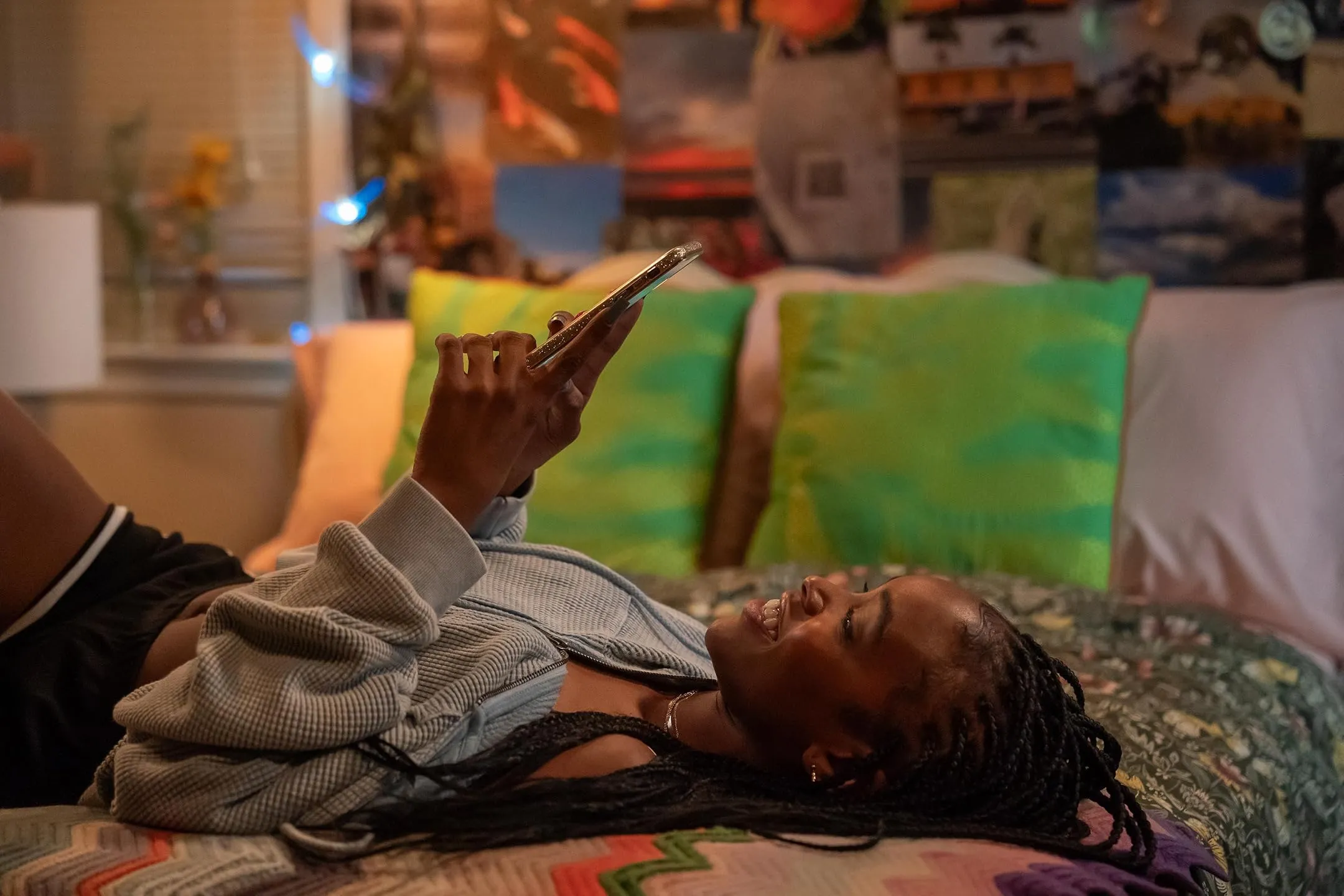
That framework supports a deliberate pacing: the series unfolds at a conversational pace in its early scenes, allowing us to linger over a text bubble’s emotional freight. Yet by midseason those same on‑again/off‑again cycles risk feeling repetitive, as the couple revisits the same arguments through different social‑media prisms. When the narrative hits its stride—often in scenes where silence speaks louder than dialogue—it reminds us why first love can command this much screen time.
At the heart is the central arc: Justin and Keisha moving from cautious strangers to fully invested partners. Alongside this, Keisha’s scholarship chase and Justin’s tug‑of‑war between basketball and beat‑making enrich the texture. Each subplot mirrors the main romance: ambition collides with vulnerability, and victories carry hidden costs.
Conflicts split between inner doubt—Keisha’s fear of past mistakes, Justin’s struggle with ADHD—and outside forces: parental expectations, viral videos, the clock on college applications. The resolutions tend to arrive through moments of shared honesty rather than grand gestures, which keeps the stakes grounded.
Chronologically, the show spans New Year’s Eve 2017 through graduation day in 2018, punctuated by a sunlit summer trip to Martha’s Vineyard. This seasonal rhythm—winter’s tentative spark, spring’s blossoming intensity, summer’s brief reprieve—underscores how time itself tests young love.
Character Dynamics and Performances
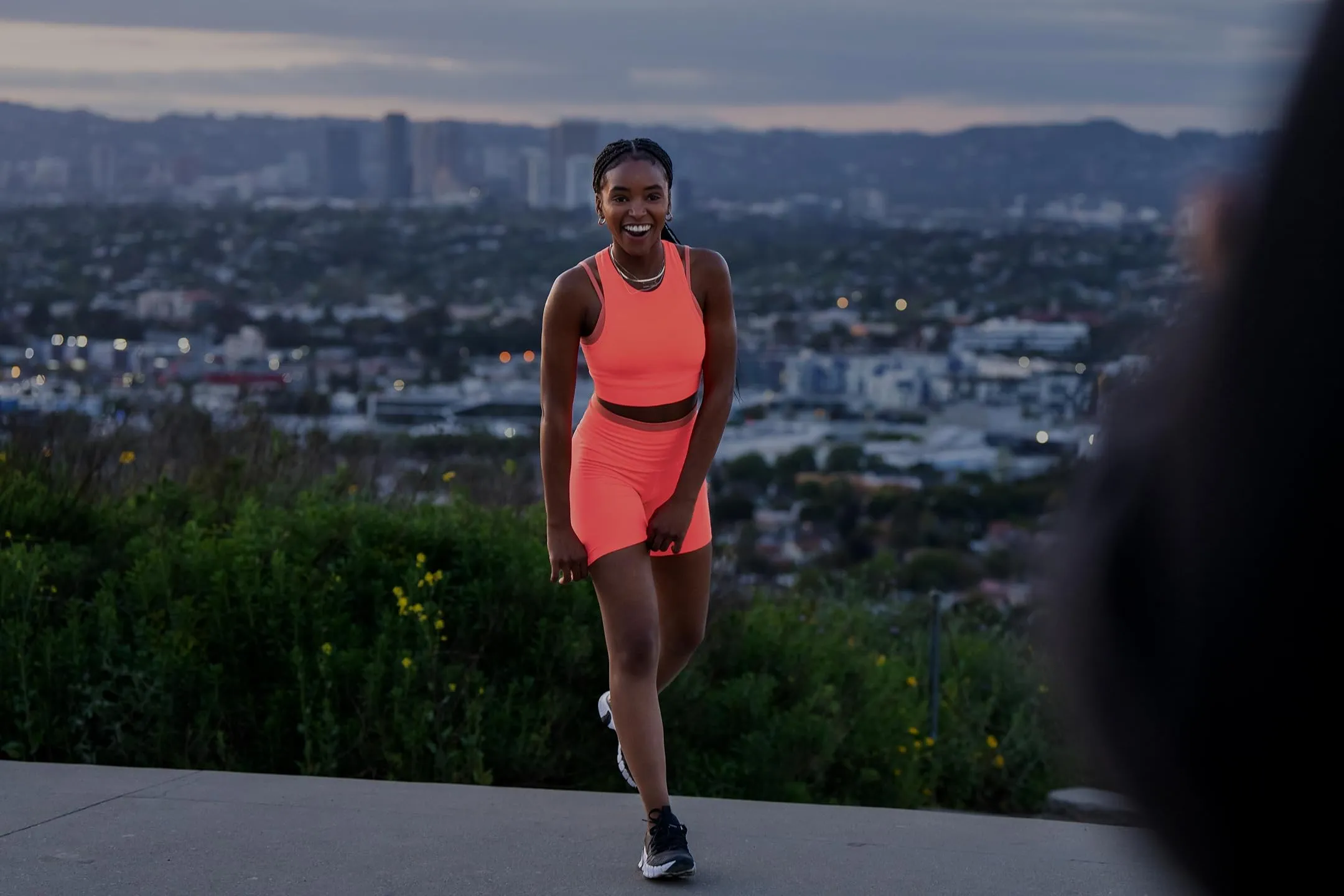
At the center of Forever are two quietly magnetic leads. Lovie Simone brings both steel and softness to Keisha Clark, a scholar‑athlete balancing the drive for a full‑ride scholarship with a secret that gnaws at her confidence. Simone’s gaze often speaks volumes—her moments of silent self‑doubt in a locker room, for instance, linger long enough to feel urgent.
Opposite her, Michael Cooper Jr. inhabits Justin Edwards with an appealing blend of earnestness and vulnerability. His struggle with ADHD isn’t reduced to a single defining quirk; instead, Cooper Jr. weaves it into Justin’s every decision, from missed text replies to the tentative way he holds a basketball as if it might slip through his fingers.
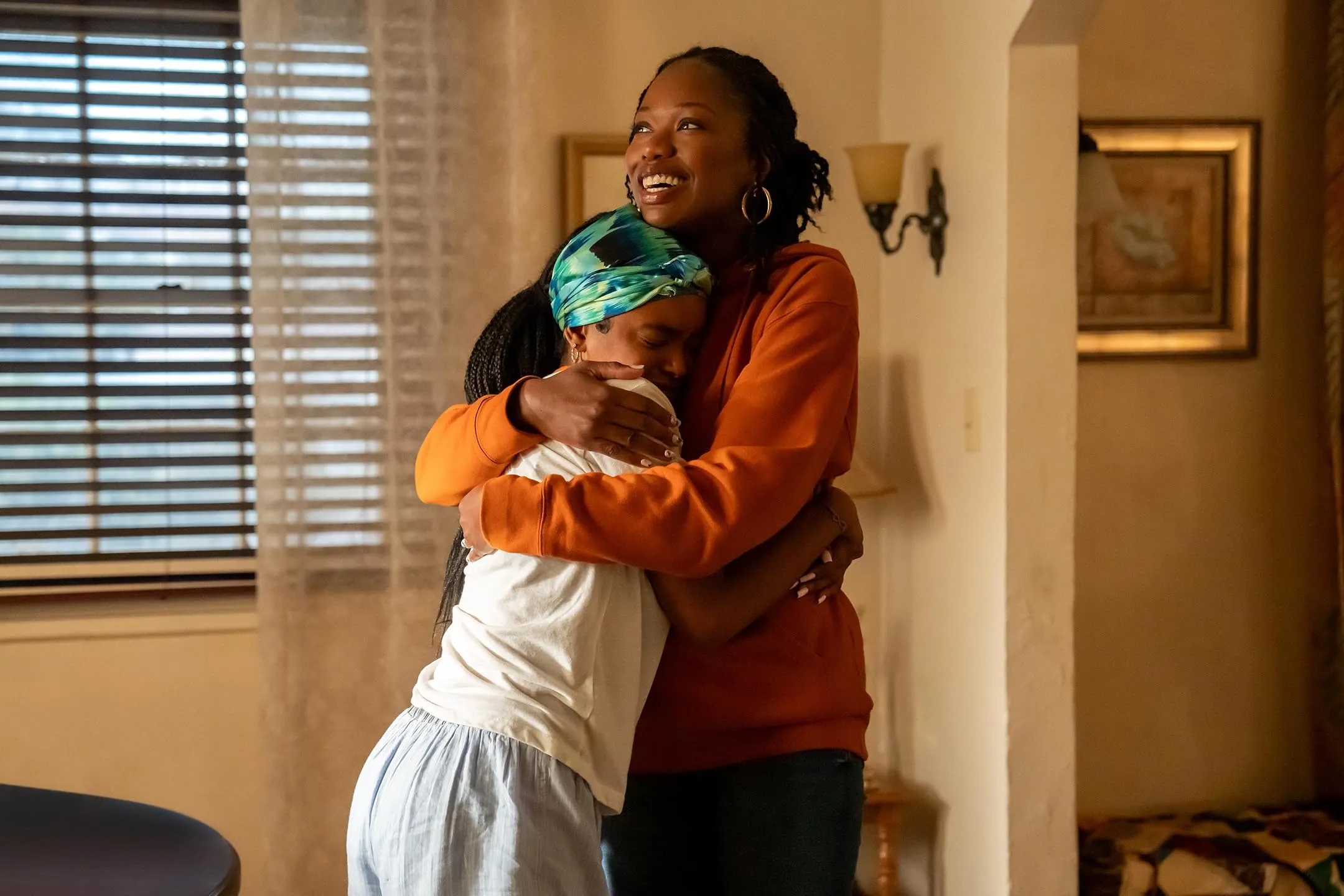
The parents merit their own chapter in this family drama. Karen Pittman, as Dawn, oscillates between corporate precision and frazzled mom energy—her sex‑ed cucumber demonstration is oddly tender, a quiet joke underpinned by genuine care. Wood Harris counterbalances her with Eric, the restaurant‑owner dad who listens more than he lectures. Their interplay—the friction over parenting styles—feels lived‑in, a texture too rarely granted to Black families on television. Xosha Roquemore’s Shelly brings warmth layered with expectation; her scenes at the kitchen table pulse with the unspoken promise that Keisha must not stumble.
In smaller roles, Niles Fitch’s Darius and Ali Gallo’s Chloe function less as caricatures and more as pressure valves. They steer Justin toward parties and Keisha toward social ease, gently nudging the leads into key story beats. The ex‑boyfriend’s leaked video and the specter of institutional bias add antagonistic weight without turning the series into a morality play.
What truly cements these characters is the ensemble’s chemistry. A glance exchanged over a dinner table, a silenced phone buzzing on a bedroom floor—these moments feel improvised yet precise. Whether it’s a tense academic showdown or a boisterous family game night, the performances consistently sell both the stakes and the small victories of growing up.
Under the Surface: Core Themes
At its core, Forever treats first love as a force both exhilarating and precarious. The series doesn’t shy away from showing teenage sexuality with a delicate frankness—awkward fumbling, hurried whispers, a palpable tension as Keisha and Justin confront that “first time.” These scenes carry weight because they’re framed as genuine rites of passage rather than titillating milestones.
Race and class ripple beneath every interaction. Keisha’s switch from a struggling neighborhood to a private Catholic school contrasts sharply with Justin’s upbringing on the Hollywood Hills. Their reunion forces Justin to reckon with a Black identity he’d only observed from a distance. It’s a subtle shift—recognizing shared history without collapsing complex experiences into a single narrative.
Family pressures form a parallel track. Keisha’s mother equates perfection with gratitude for her sacrifices, while Dawn and Eric Edwards juggle high expectations with love. The push for college scholarships and athletic scholarships echoes a generational ledger of hopes and debts. These scenes avoid simple moralism by showing parents stumbling through tough questions alongside their kids.
Modern romance here is mediated by screens. A blocked Instagram handle or a late‑night text left on read becomes as dramatic as any face‑to‑face quarrel. The show slips us into those glowing notifications, reminding us that miscommunication today often begins with a swiped finger rather than crossed wires.
Seasonal beats mark growth: the tentative spark of winter, the heady bloom of spring, the summer escape to Martha’s Vineyard. That trip exists in a limbo of daylight and beachside freedom, a momentary pause before senior‑year anxieties return. Time itself exerts pressure, and graduation looms like an approaching storm.
Secrets hover in nearly every subplot. Keisha’s buried shame over a past incident, Justin’s hidden beats and ADHD struggles—each confession reshapes the relationship. When truth finally breaks free, it doesn’t erase conflict, but it refocuses the characters on what they’re risking by keeping each other at arm’s length.
Framing Emotion: Aesthetic and Sound
The camera in Forever often lingers, bathing tender moments in golden light while switching to muted blues when tension rises. Those close‑ups on a glowing text bubble or a hand hovering over a phone screen feel specifically chosen to emphasize how much unspoken feeling travels through digital channels.
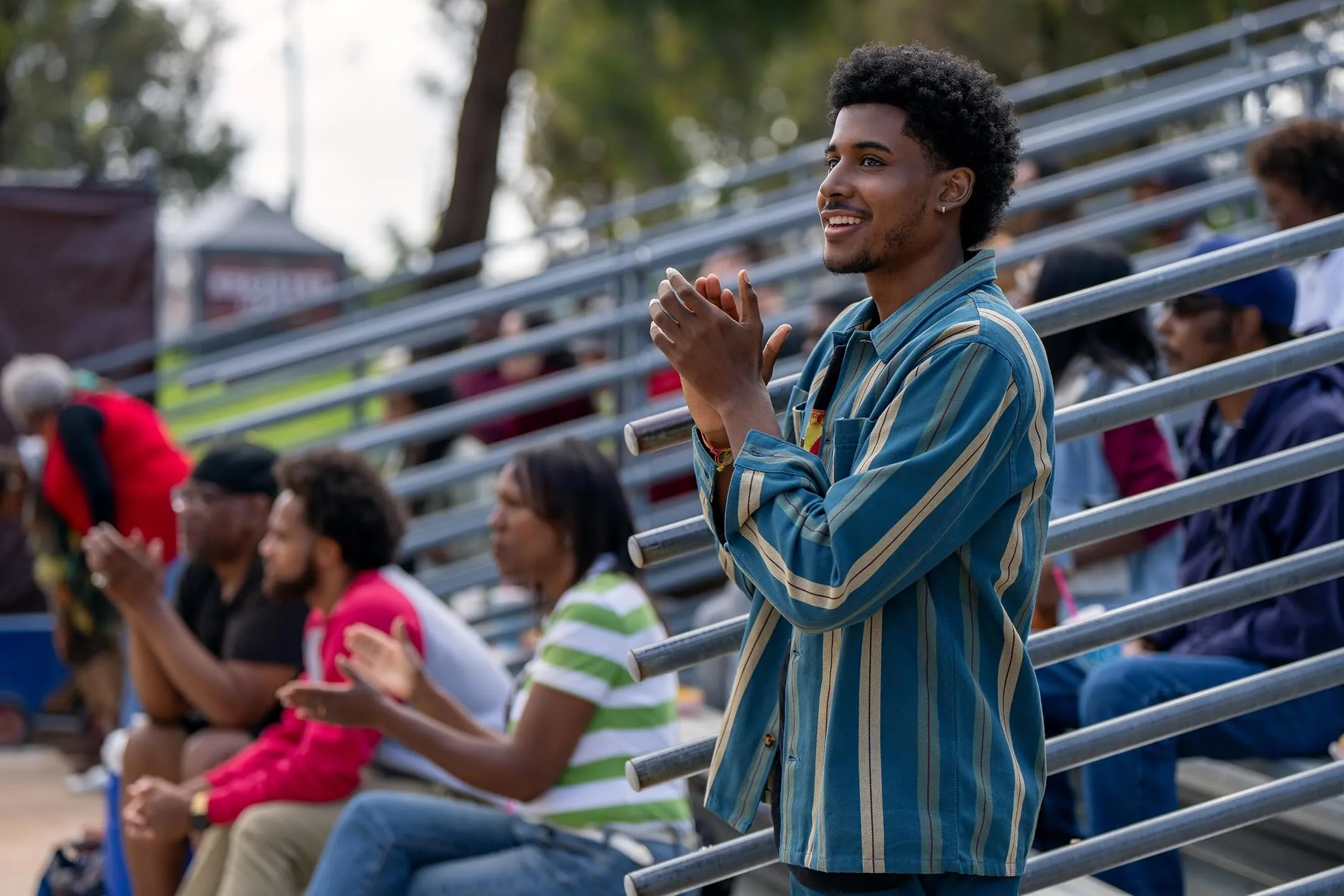
Production design maps social and economic divides without a word of dialogue. One scene places Keisha in a cramped Crenshaw apartment, its worn furniture bearing the weight of sacrifice. The next drops Justin into a glass‑walled mansion with a pool that glints like a promise. Landmark touches—the Arclight marquee, a graffiti‑tagged alley—anchor their story firmly in Los Angeles.
Music punctuates emotional beats rather than filling silence. A Frank Ocean track might underscore a late‑night confession, while an original beat Justin crafts pulses in the background of a montage. These cues never overstay their welcome; they suggest character mood without tipping into melodrama.
Montages built like Instagram carousels compress weeks of texts, laughter, and tears into swiping frames. They maintain momentum, reminding us that youth often rushes past in discrete, vivid snapshots.
Costume choices speak volumes. Keisha’s track uniforms and oversized hoodies hint at focused discipline, while Justin’s hoodie‑and‑sneaker combos nod to his musical leanings. Hair and streetwear mark identity just as clearly as any line of dialogue.
Sociocultural Undercurrents
Forever stakes a claim in an underexplored corner of TV romance: the unvarnished love story between two Black teenagers. Unlike the self‑destructive arcs common in prestige youth dramas, this series lets its leads exist beyond trauma. Their courtship unfolds with a steadiness that feels almost revolutionary, given how rare it is to see Black teen love treated as worthy of gentle focus rather than crisis.
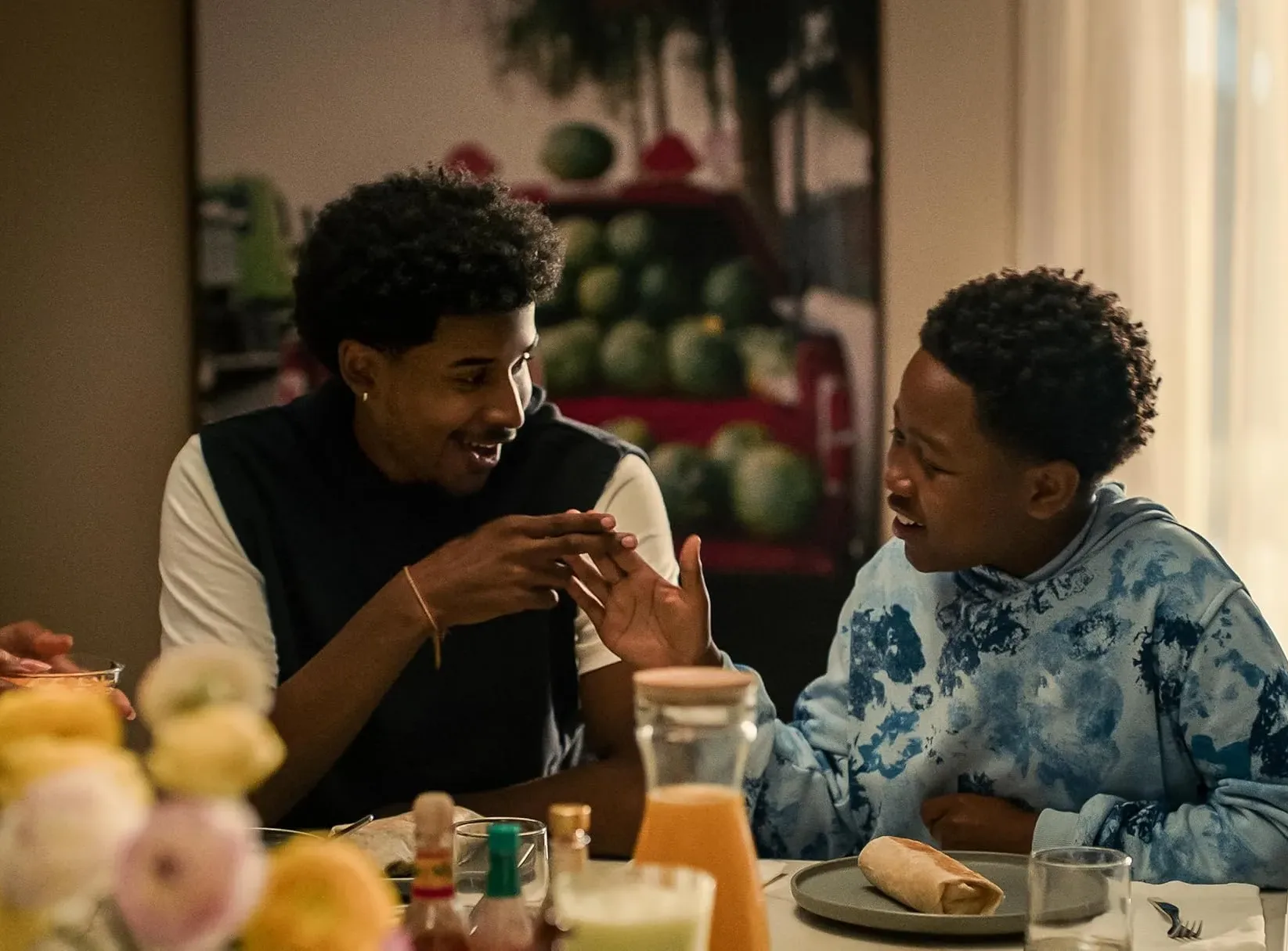
Transplanting Judy Blume’s 1975 text into a world of group chats and Instagram stories expands its reach. The original’s pre‑digital innocence gains new urgency when a misplaced emoji can spell heartbreak. Yet the show resists reducing characters to screen‑time clichés, weaving modern pitfalls into a narrative that still respects Blume’s frank approach to intimacy.
Gender norms come under quiet scrutiny. Dawn and Shelly enforce different rules—one mother worries that dating will derail grades, the other frets over reputation—yet both parents circle back to the same lesson: trust your child. Keisha and Justin negotiate sexual agency on their own terms, sidestepping parental lectures without flouting genuine concern.
Behind the romance lies commentary on college hoops and scholarship pipelines, a reminder that dreams often hinge on cutthroat admissions. Social media acts as both confidant and adversary, shaping identity with every like and share.
By leaving its finale unresolved, Forever lays groundwork for deeper exploration of Black youth beyond first love. It hints at conversations to come—about legacy, ambition, and the small victories that shape a generation.
The Review
Forever Season 1
Forever offers a layered portrait of first love, anchored by authentic performances and thoughtful writing. Its pacing may circle familiar romantic beats, but the series stakes new ground in Black teen storytelling and captures digital‑age intimacy with precision. Strong direction, evocative visuals, and a sharp soundtrack enrich the narrative, even as on‑again/off‑again cycles stall momentum at times. This adaptation revitalizes a classic with warmth and realism, leaving viewers eager for what comes next.
PROS
- Authentic portrayal of teen intimacy without judgment
- Nuanced depiction of Black family dynamics
- Strong chemistry between Lovie Simone and Michael Cooper Jr.
- Warm cinematography paired with a well‑integrated soundtrack
- Creative use of social‑media motifs as narrative tools
CONS
- Romance cycles feel repetitive in the middle episodes
- Supporting characters receive limited development
- Momentum stalls in a few drawn‑out scenes
- Instagram‑style montages sometimes interrupt emotional beats
- Pacing varies notably between episodes







