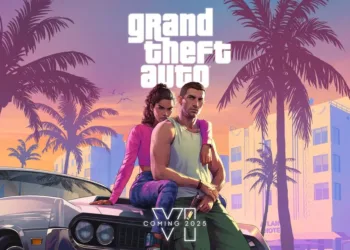










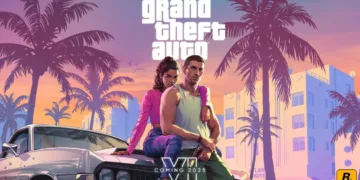




Take-Two Interactive has again left the door ajar on a Grand Theft Auto movie without opening it. CEO Strauss Zelnick said this month that the publisher does not rule out a film or television adaptation, then described a bar high enough to keep fans waiting.
Zelnick made the remarks on Bloomberg’s “The David Rubenstein Show,” in an episode released November 12. Asked why a franchise three decades old and six mainline games deep has never reached the screen, he pointed to risk. “We don’t rule it out, but we’re very, very selective,” he said. He named no studio, director or project, and he gave no sign that talks are under way.
The stance matches earlier statements. Speaking at a Los Angeles industry event, Zelnick said Take-Two has the balance sheet to finance a film but lacks the expertise, since few employees have worked in Hollywood. He has also said the company will not stake its future, or the value of its intellectual property, on another party’s execution.
Take-Two has shown it will license other properties. A Borderlands film arrived through Lionsgate, and a BioShock project is in development with Netflix. Under those deals the publisher hands over rights and does not control the result, which is the exposure it appears unwilling to accept with its biggest franchise.
Rockstar’s own history points the same direction. Co-founder and former head writer Dan Houser has said studios floated a GTA movie repeatedly over the years, but the risks never justified it at a time when games had a poor record on screen.
That record has improved. This year brought new Resident Evil, Mortal Kombat 2 and Street Fighter films, and 2027 is expected to deliver a Legend of Zelda movie and a second Minecraft film. Analysts at GamesRadar+ argue that GTA is a special case, because Take-Two and Rockstar would have more to lose than gain if an adaptation fell short of the games.
The commercial incentive is plain. The series has earned billions of dollars for Rockstar and would draw a large audience to cinemas. Zelnick has framed the matter as a creative and brand question, not a financial one, and any adaptation would likely take years to reach audiences.