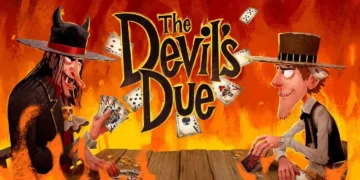





















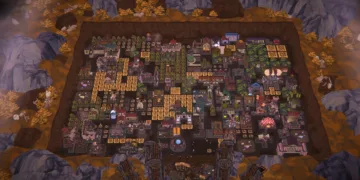

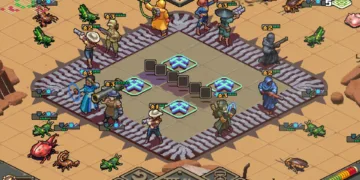





Poker hands have two separate jobs in The Devil’s Due. Their rank determines the strength of an attack, while their combined card values determine defense. You receive five cards, replace any number once, and try to leave the opponent with an attack they cannot absorb. Damage is the amount that exceeds defense, draining a goblet of red liquid that serves as a health bar. Familiar hand rankings remain useful knowledge, but throwing away a high card to pursue a stronger combination now puts some defense at risk.
For players arriving from Balatro, the opponent across the table supplies the important change of emphasis. Improving your hand means considering how it interacts with theirs, and their cards are usually visible. Traditional poker’s concealed holdings and betting decisions give way to information you can act upon directly. A modest improvement might be sufficient against the hand already facing you. The question becomes how much effort and risk that improvement deserves, particularly once your available actions extend beyond the single redraw.
Games People Play gives these duels a suitably disreputable host. Jack, a cowboy who loses his soul to the Devil, must beat Hell’s card-playing inhabitants to escape. Tarot cards lay out routes through battles, shops, events, and recovery stops, with different challenges changing the starting tools and length of the run. It is a familiar roguelike arrangement, but the shared deck complicates the usual process of strengthening yourself between encounters. Remove a card or change its suit and you are changing the supply available to the enemy too.
Spliced cards make that shared ownership especially productive. Two cards become a double-sided card, and you control which face is used, including when it sits in an opponent’s hand. Deck building acquires a second direction: you can improve your own possibilities while retaining leverage over theirs.
The distinction matters because simply filling a common deck with desirable cards offers no exclusive advantage. Splicing introduces control that belongs to you, turning the rival’s visible hand into something you can alter rather than merely calculate against. This is where the game most convincingly establishes its own tactical identity.
Other cheats operate on a smaller scale. An early ability increases a card’s rank by one, so a king can join an ace as a pair. Each use darkens another suspicion cloud, and filling the meter provokes an Expose attack. Relics complicate that exchange with passive effects involving particular cards, healing, discards, or reduced suspicion.
Shops offer opportunities to adjust the tools supporting your run. The attraction lies in finding interactions between those effects, rather than treating each relic as an isolated improvement. A useful card may contribute to survival through something other than its poker rank.

That system produces a peculiar version of cheating. You can count the remaining clouds and budget your interference, which makes planning dependable. It also makes discovery feel like reaching a published limit rather than deceiving someone. The draw remains uncertain; the opponent’s capacity to notice your manipulation is much easier to calculate.
There is satisfaction in spending that allowance efficiently, but little sense of slipping something past a distracted observer. The limited selection of equipped cheats makes this distinction harder to ignore. A wide range of possible builds can still leave an individual hand with only a narrow choice between applying the current trick and saving it.
The enemies do valuable work in changing the value of those choices. A tea-drinking fair-play enthusiast grows angrier as you cheat, attaching another cost to an action already consuming suspicion. A gluttonous opponent who explodes after a fixed number of rounds creates a different pressure: there is a deadline on your ability to keep managing the exchange. These rules make personality relevant to play. The same manipulation can become expensive against one opponent and urgent against another, so recognizing a face means recalling a particular demand on your build.
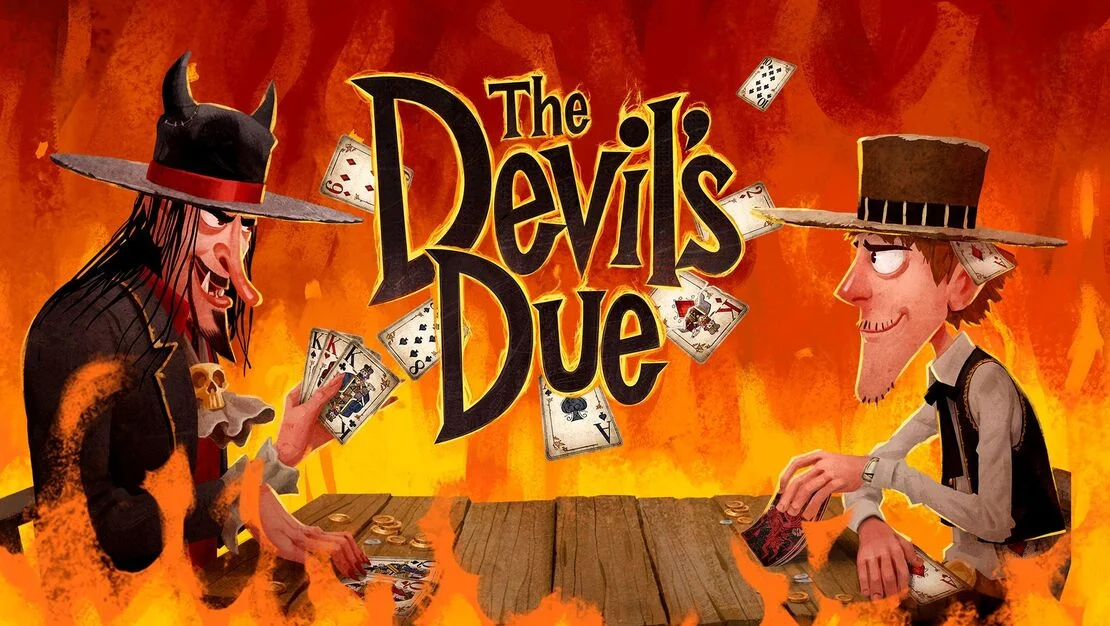
The grotesque, cutout-like figures recall Monty Python’s animation, especially in their willingness to let an exaggerated body or prop carry the characterization. Dad of the Year remains obscured by a newspaper, responding to your presence as an intrusion on his private time.
His design gets the joke across before much explanation is needed. The repeated introductory exchanges are less durable. Jack and his opponents keep delivering the same lines on return visits, giving familiarity little comic development. Their combat rules continue to require attention after the greetings have exhausted their usefulness.

Understanding those rules takes effort that the interface only partly addresses. Hand information occupies the left side, active modifiers the right, and the manipulation controls are easy to locate. That arrangement helps you find an action; it cannot untangle an enemy description that combines damage,
rage, and conditional healing. The tutorial establishes attack and defense more clearly than the deck changes and activities between battles. This leaves some of the game’s most consequential decisions less well explained than its routine exchange of blows, particularly when a deck edit will affect both participants in later encounters.
The sharper difficulty restrictions expose a separate problem. One encounter requires a flush or stronger hand to inflict damage while curtailing your freedom to cheat. That minimum invalidates combinations that previously offered workable attacks, and the reduced manipulation allowance limits your ability to repair an unsuitable draw. Such a rule can reward preparation, but its immediate effect is to shrink the usable portion of your toolkit.
A legible demand can still produce a constricted turn. Once a lesser hand cannot deal damage, its defensive value becomes a way to endure another exchange while you pursue the required combination, spending health and the remaining suspicion allowance to keep that attempt alive.
The Review
The Devil's Due
The Devil’s Due finds its place among poker deckbuilders through direct confrontation. Shared cards and player-controlled splicing give you leverage over both hands, while eccentric opponents change the value of familiar tricks. The suspicion meter supports careful planning but supplies little suspense about getting caught. Restrictive encounters and uneven explanations also limit the pleasure of assembling a clever build. There is enough tactical invention here to reward genre regulars, especially those interested in shaping an opponent’s options, though the freedom to cheat can feel surprisingly narrow.
PROS
- Shared-deck manipulation creates leverage over both hands.
- Attack and defense give card selection competing priorities.
- Distinct enemy rules change the value of familiar tactics.
- Grotesque character designs deliver effective visual humor.
CONS
- Predictable detection weakens the suspense of cheating.
- Restrictive encounters narrow an already limited equipped toolkit.
- Deck changes and complex enemy conditions need clearer explanations.
- Repeated introductory exchanges lose their comic effect.