








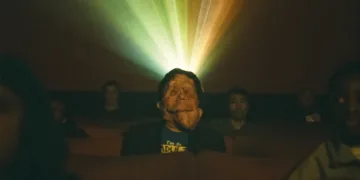
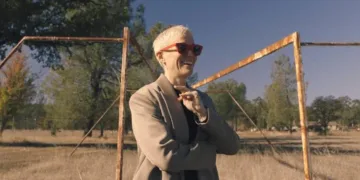
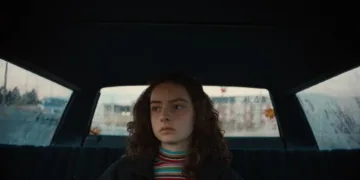
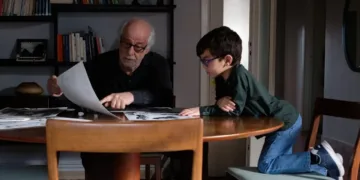







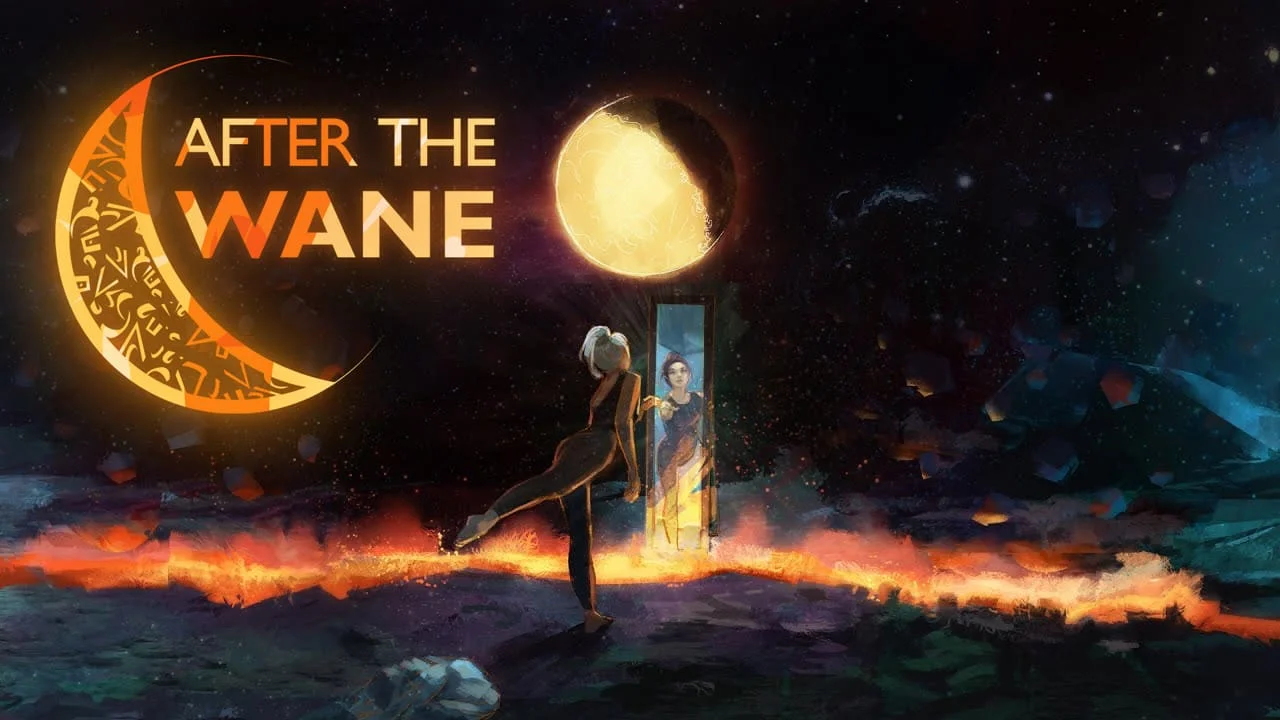

Lena can put off meeting someone, encounter them later, and find that the dialogue has adjusted to the delay. After The Wane remembers the circumstances of an introduction, even when the story eventually brings its young dancer to a scene other players will recognize. The distinction matters in a branching visual novel: reaching the same place need not mean arriving with the same history. Nova-box uses these small acknowledgments to keep earlier decisions present, so a shared scene can still belong to the particular Lena taking part in it.
Four personality tendencies accumulate across those decisions, represented by wings, roots, a new moon, and a full moon. Reading, clicking through passages, and selecting untimed responses form the basic loop; the developing personality gives that simple interaction continuity.
These tendencies influence Lena’s behavior and future, while later color feedback makes their growth visible. The stronger feedback comes through the writing, which recalls ambitions being neglected and alternatives slipping away. An unchosen path remains available to the imagination after it has ceased to be the path Lena is taking. Regret has something specific to attach to.
Her initial priorities seem settled. Arriving in the French capital to pursue classical ballet, she also hopes to find the mother who abandoned her, using an old photograph with a partly obscured inscription as a lead. The voice in her head immediately puts pressure on that arrangement. It points out how little the photograph guarantees and suggests that searching through modern dance might require loosening her commitment to ballet.
Lena places her career first. This exchange gives the second-person narration a useful function: the voice can challenge the reasoning behind a decision, keeping the player’s chosen direction open to interrogation. Its presence makes even an apparently private ambition subject to argument.
The environments around Lena then give those priorities practical expression. Deborah’s prestigious company demands discipline; Fernand’s independent dance community offers a different setting for her abilities. Occult investigation creates another direction.
Around the midpoint, the player can sometimes choose the order of activities, including auditions, teaching at the neighborhood dance circle, working at a pizzeria, and researching the stranger things happening around her. This is an effective way of making ambition playable. The question becomes what Lena spends her attention doing, with professional recognition, earning a living, and participating in a community represented through distinct activities.
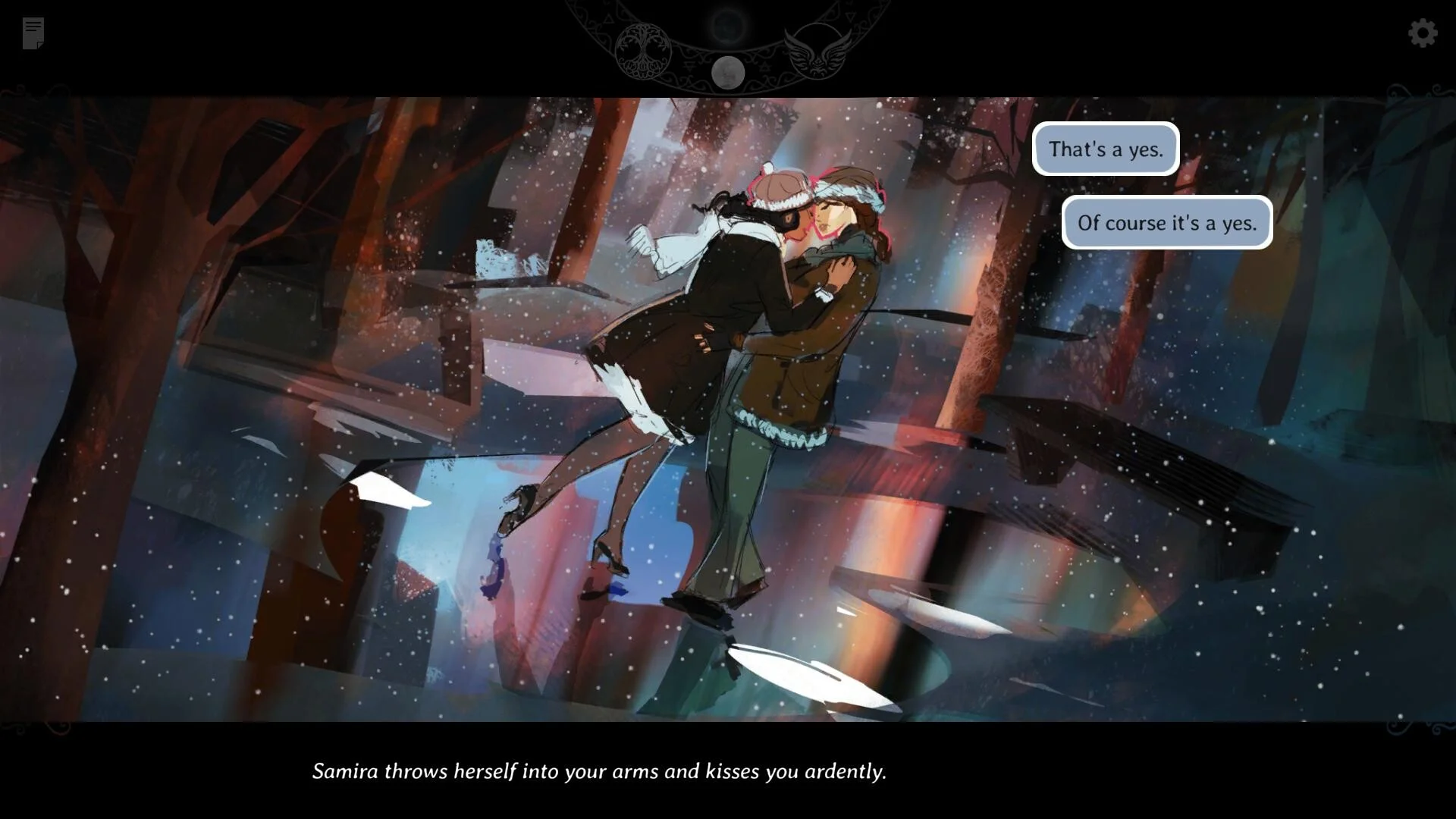
Relationships enter that arrangement without becoming a compulsory destination. Male and female partners, including an asexual male partner, provide different possibilities for intimacy, and Lena can remain single. The useful design choice is allowing attachment to take its place among her priorities without requiring romance to complete her life. Between those relationships and the competing dance settings, success becomes something the player helps define. A Lena who protects her place in a demanding company and one who invests in the neighborhood need different things from the people around them.
The activity structure would communicate these commitments better with a clearer sense of time. Transitions do not consistently establish where one day ends or how much time separates successive actions. Auditioning, teaching, and paid work can run together in a way that makes Lena’s days difficult to picture. This is a problem of legibility, rather than evidence that the activities lack consequences. Some personality shifts are also difficult to anticipate, but surprise alone is a weak basis for criticism in a story about uncertain decisions. The missing temporal markers are the firmer weakness: they obscure the rhythm of the life those decisions are assembling.
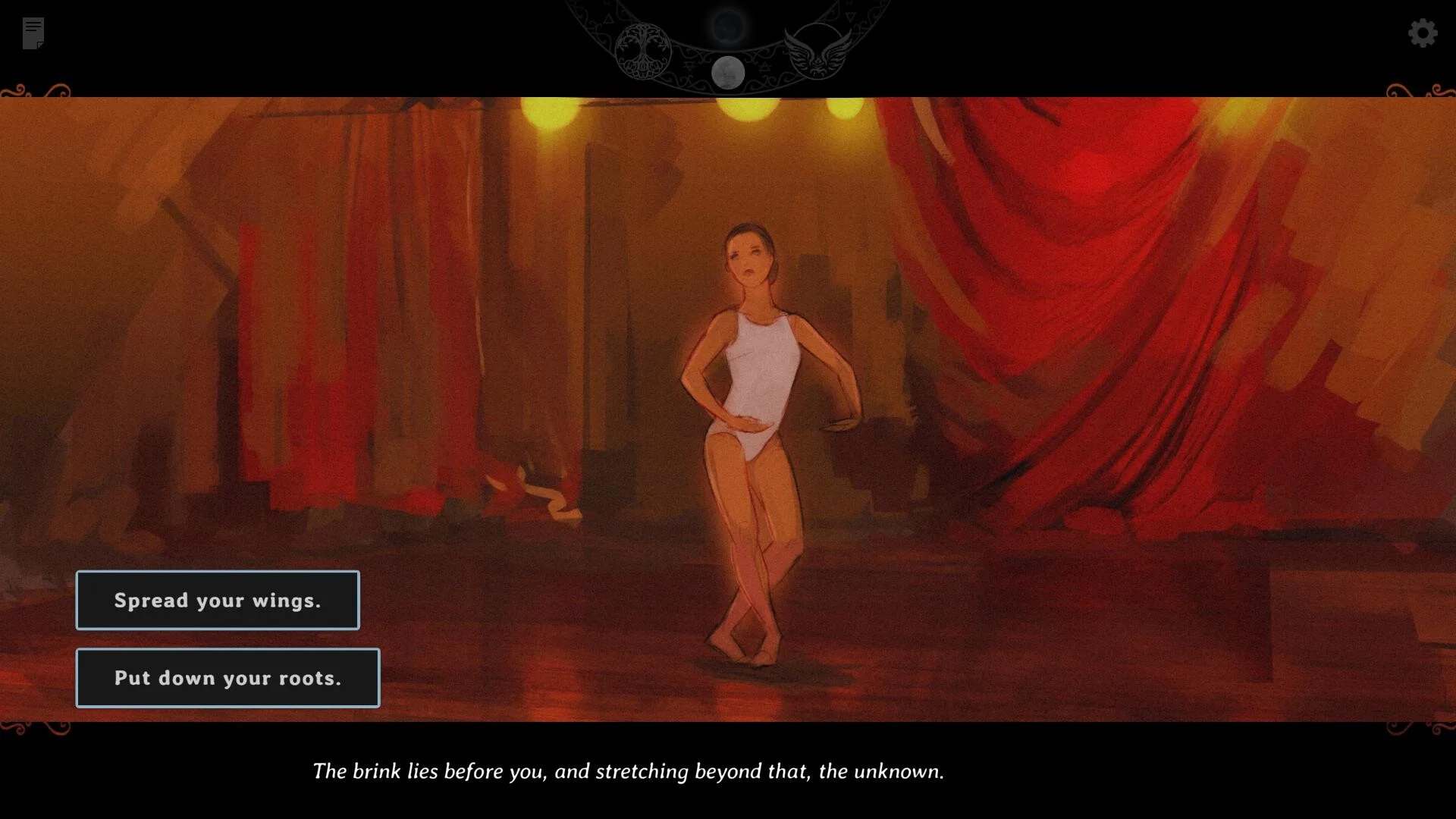
Dance itself supplies a physical specificity that the activity transitions sometimes lack. Nicolas Fouqué’s watercolor settings and visibly drawn figures accommodate animation traced from filmed professional dancers. Lifts, pliés, and entrechats retain a recognizable sense of bodily effort inside the illustrated world. Since the player mostly interacts through text, these sequences have an important job: they make the discipline being discussed visible. Lena’s devotion has a body attached to it. The same drawn movement can enter darker, ritual-like passages without abandoning the visual language established by her training.
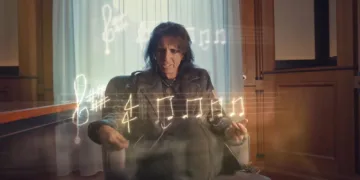
Illustrason’s responsive score helps connect that physical performance to the player’s less visible decisions. Offbeat piano gives uncertainty an unsettled pulse, while strings build around dramatic and romantic passages. The music adjusts to characters, situations, and choices, providing emotional feedback alongside the personality symbols. Silence also leaves room for a passage to register without continuous musical instruction. The combination allows the game to communicate a changing emotional situation through several channels at once, even as its basic input remains a mouse click.
The harder connection is narrative. As the family mystery, dance ambitions, and occult material converge, the later escalation can compress the space between Lena’s ordinary commitments and the ritual stakes. The supernatural belongs here from the early interventions of the voice, so its growing importance is hardly an intrusion.
The strain comes from how quickly those strands must carry one another toward resolution. The principal endings differ in dramatic intensity, and the transition into those larger stakes is less assured than the earlier accumulation of encounters and responses. The images can make dance and ritual look continuous before the plot has fully earned that continuity.
The reading interface carries its own restrictions. Untimed choices and mouse-only operation keep input demands modest, but fixed text size, absent image descriptions, and no automatic text progression limit access. Later personality feedback also asks players to distinguish colors. These details matter in a game whose interaction is sustained reading, particularly when its branching structure encourages returning to familiar passages.
An initial run takes roughly four to five hours, with different encounters, relationships, and endings providing reasons to return. Autosaving and chapter breaks make stopping convenient, but there are no manual saves or decision rewinds. Testing another response means beginning again. That gives the first run commitment: an unexpected consequence stays part of Lena’s life. It also makes investigating an unclear choice expensive. To discover what another decision might have changed, the player must carry a new Lena through the opening and back toward the point where their curiosity began.
The Review
After the Wane
After The Wane makes character development playable through remembered encounters and accumulating priorities. Rotoscoped dance and a responsive score give Lena’s commitments physical and emotional weight. Unclear time transitions weaken the daily routine, while the late occult escalation compresses connections the earlier scenes build patiently. Limited reading options and restarting to explore alternatives add friction. Still, Lena’s possible lives have enough substance to make choosing one feel consequential.
PROS
- Dialogue remembers earlier encounters and decisions.
- Activities give competing ambitions practical expression.
- Rotoscoped dance conveys bodily effort within watercolor art.
- Responsive music strengthens emotional feedback.
CONS
- Unclear time transitions blur Lena’s daily commitments.
- Late occult escalation compresses narrative connections.
- Fixed text size and limited reading accessibility.
- Exploring alternatives requires restarting from the beginning.