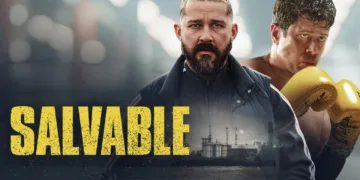




























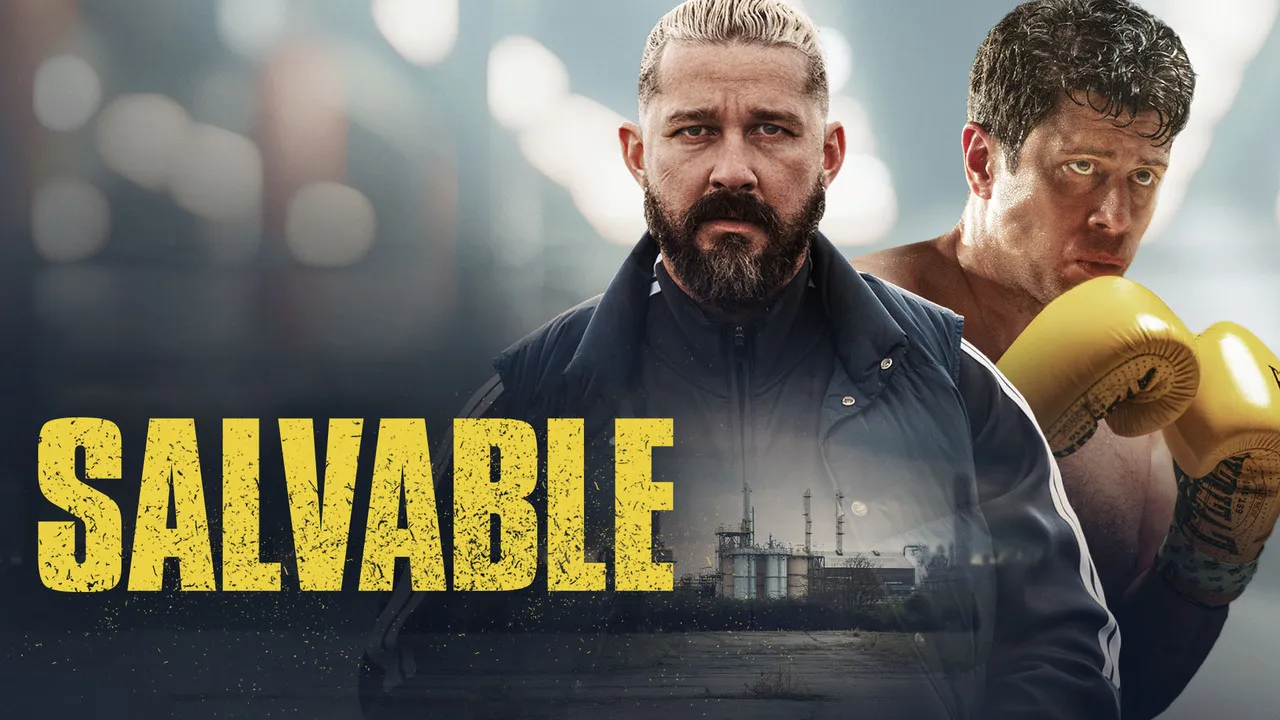

Salvable, co-directed by Björn Franklin and Johnny Marchetta, opens in the rain-soaked streets of Barry, Vale of Glamorgan, and immediately positions its protagonist at a crossroads. Logline: Sal (Toby Kebbell), a once-promising boxer turned nursing-home orderly, fights to reclaim his fractured life—battling courtroom custody battles by day and underground prizefights by night.
On paper, it’s a familiar setup: worn-down athlete, strained family ties, a shady friend dragging him back into the ring. Yet Franklin’s screenplay hints at a more nuanced narrative rhythm, privileging quiet character moments over spectacle. The film assembles a strong ensemble—Kebbell anchors Sal’s weary introspection; Shia LaBeouf reappears as Vince, the reckless catalyst; James Cosmo offers grounded wisdom as Sal’s veteran trainer; and Kíla Lord Cassidy brings subtle heat as Sal’s resentful daughter.
Visually, the palette embraces muted grays and damp concrete, underlining the working-class textures of Welsh life. The tone remains firmly rooted in character study, with boxing scenes serving as visceral punctuation rather than primary focus. Early scenes promise a story of redemption through fatherhood and choice, setting up emotional stakes that extend beyond any final bout.
Charting Sal’s Arc: Plot & Narrative Mechanics
From the first frames, Salvable plants Sal at the intersection of two worlds: the fluorescent glare of a nursing-home corridor where he cares for the elderly, and the shadowy ring of underground brawls that promise instant cash. Early scenes establish his routine—late-night training with veteran coach Welly, days spent in a cramped trailer, and legal wrangling with an ex-wife over custody of Molly. This introduction lays out not only what Sal has lost but what he’s fighting to recover: dignity, purpose, and a place in his daughter’s life.
The film’s turning point arrives when Molly’s school crisis forces Sal to abandon his nursing-home shift. Losing that job raises the stakes. Sal is no longer merely drifting; he must choose between a stable, if meager, livelihood and the siren call of quick money. That moment hooks the narrative and propels us into a series of moral crossroads.
Enter Vince, Sal’s old friend, whose prison-hardened swagger reopens both opportunity and old wounds. The invitation to join illicit fights contrasts sharply with a sanctioned “comeback” bout arranged through Welly. When Sal quits mid-match rather than inflict serious harm, he reveals his own code of honor—and sows the seeds of his next downfall. This fight becomes a fulcrum, tipping Sal toward desperation.
At the narrative midpoint, a sanctioned ring return crumbles. In that failed redemption fight, Sal’s internal struggle between integrity and necessity comes to a head. It’s here that the screenplay pivots from sports drama into a character study of choices with irreversible consequences.
The climax unfolds in a poorly conceived venture with Vince—a criminal scheme that shatters any illusion of triumphant recovery. From fistfight to felony, the plot’s escalation feels both inevitable and jarring, underscoring how a single misstep can derail a lifetime.
In the aftermath, Sal’s vulnerability surfaces in quiet scenes—pleading with Molly’s principal, staring at an empty ring—before we reach an ending that leaves his fate deliberately unresolved. The film lingers on personal reckonings rather than a final triumph.
Pacing oscillates between measured, introspective beats and bursts of kinetic violence. At its best, that rhythm mirrors Sal’s own highs and lows; at its weakest, extended silences risk undercutting momentum. Yet the structure remains coherent, tracing a fighter’s descent and, possibly, his chance at redemption.
Character Dynamics and Performance Nuances
Sal, as embodied by Toby Kebbell, carries the film on his shoulders—and in his shoulders rests the weight of every missed opportunity. Kebbell’s posture is perpetually slumped, his gait measured and heavy, conveying the exhaustion of a fighter past his prime. In the quiet nursing-home sequences, his gentle gestures with residents reveal a man unaccustomed to tenderness yet instinctively drawn to it.
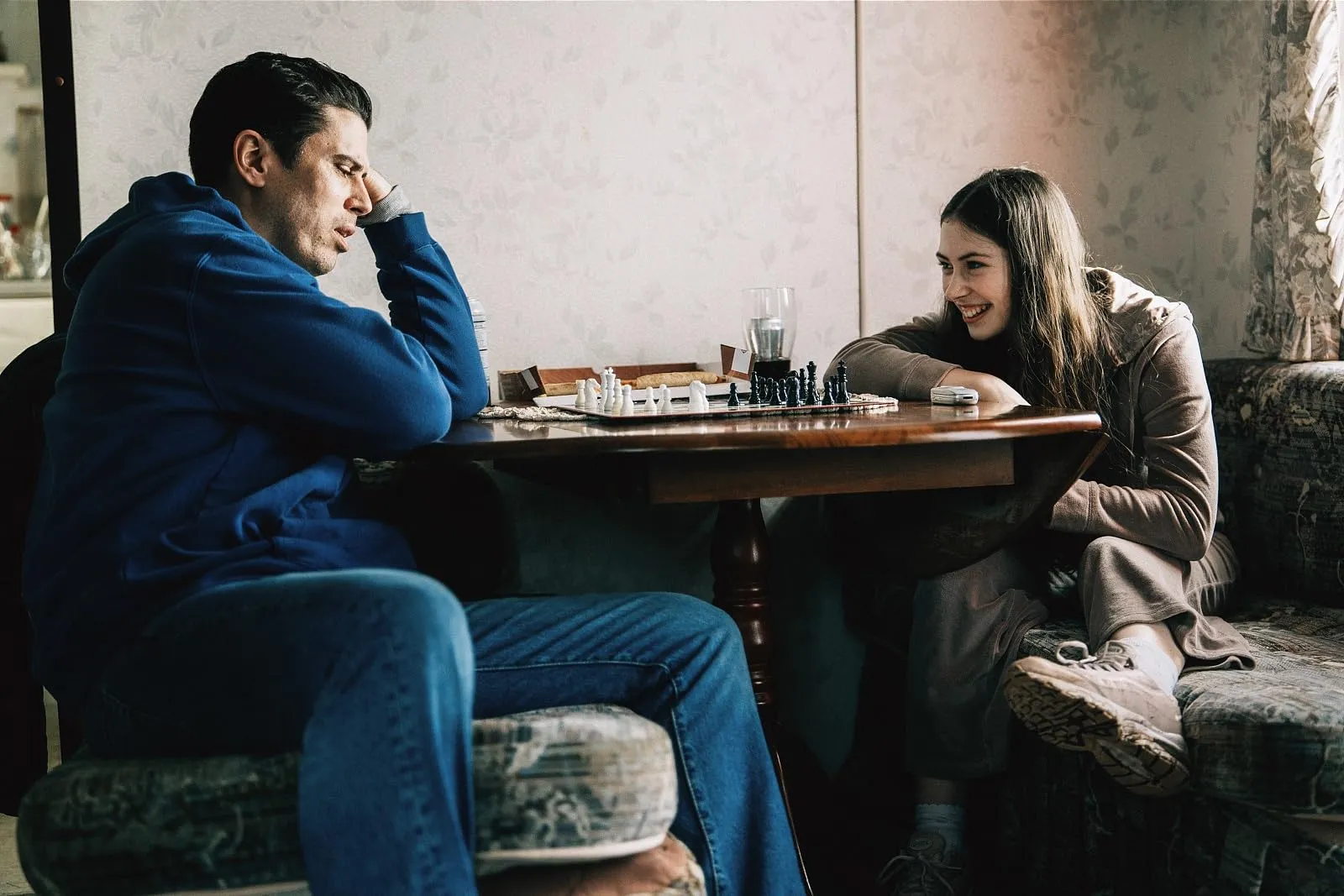
Contrast that with the training montages: sweat and snapping punches suggest a man still hungry for meaning. His confrontation with Molly crackles with tension—every hesitant step toward reconciliation feels hard-earned.
Vince arrives in sharp relief, courtesy of Shia LaBeouf’s restless energy. He flits between danger and devotion, one moment egging Sal into underground bouts, the next hovering with genuine concern. LaBeouf’s voice—part rasp, part whisper—underscores the character’s unpredictability. In scenes where Vince offers help, you almost believe in his loyalty; in the next, the glare in his eyes reminds you why Sal might reconsider his motives. That oscillation keeps the viewer off balance.
Molly (Kíla Lord Cassidy) is more than a plot device. Her posture, arms crossed, signals teenage defiance before a single word is spoken. Cassidy layers sarcasm over hurt in their first reunion, then allows cracks to show—an eye that softens or a voice catching on a forgotten memory. Her grudging admissions in private moments underscore her growth: she’s not simply forgiving Sal; she’s recalibrating how she sees him.
James Cosmo’s Welly provides a sturdy anchor. His “one last dance” speech feels earned—years of shared sweat and bruises echo in his gravelled voice. He balances stern instruction with a grandfather’s patience, reminding Sal of possibilities beyond the ring. By contrast, Elaine Cassidy’s ex-wife wields the legal system like a shield. Her measured restraint in custody negotiations and rare flashes of empathy hint at a complex history, rather than a two-dimensional antagonist.
Small roles enrich the portrait. Nursing-home residents react to Sal with genuine warmth, their smiles and nods reinforcing his capacity for care. The underground-fight crowd, hungry for violence, frames each punch as high-stakes drama.
On-screen chemistry threads these interactions together. Sal and Vince share a brittle camaraderie; Sal and Welly nearly finish each other’s sentences. When Sal and Molly finally find a moment of peace—in a car scratched with rain—the silence speaks louder than any speech. These relationships, sometimes fragile, sometimes fiery, give the film its beating heart.
Visual Texture and Atmosphere
Salvable unfolds its story against the raw backdrop of Barry, Wales, capturing working-class grit in every frame. Streets glisten with rain, concrete facades loom under overcast skies and fields beyond the town carry a haunting quiet. These locations ground Sal’s world in unvarnished realism, while occasional bursts of stylized lighting—floodlit gym rings, neon-tinged back alleys—underscore the contrast between his everyday routine and the volatility of underground fights.
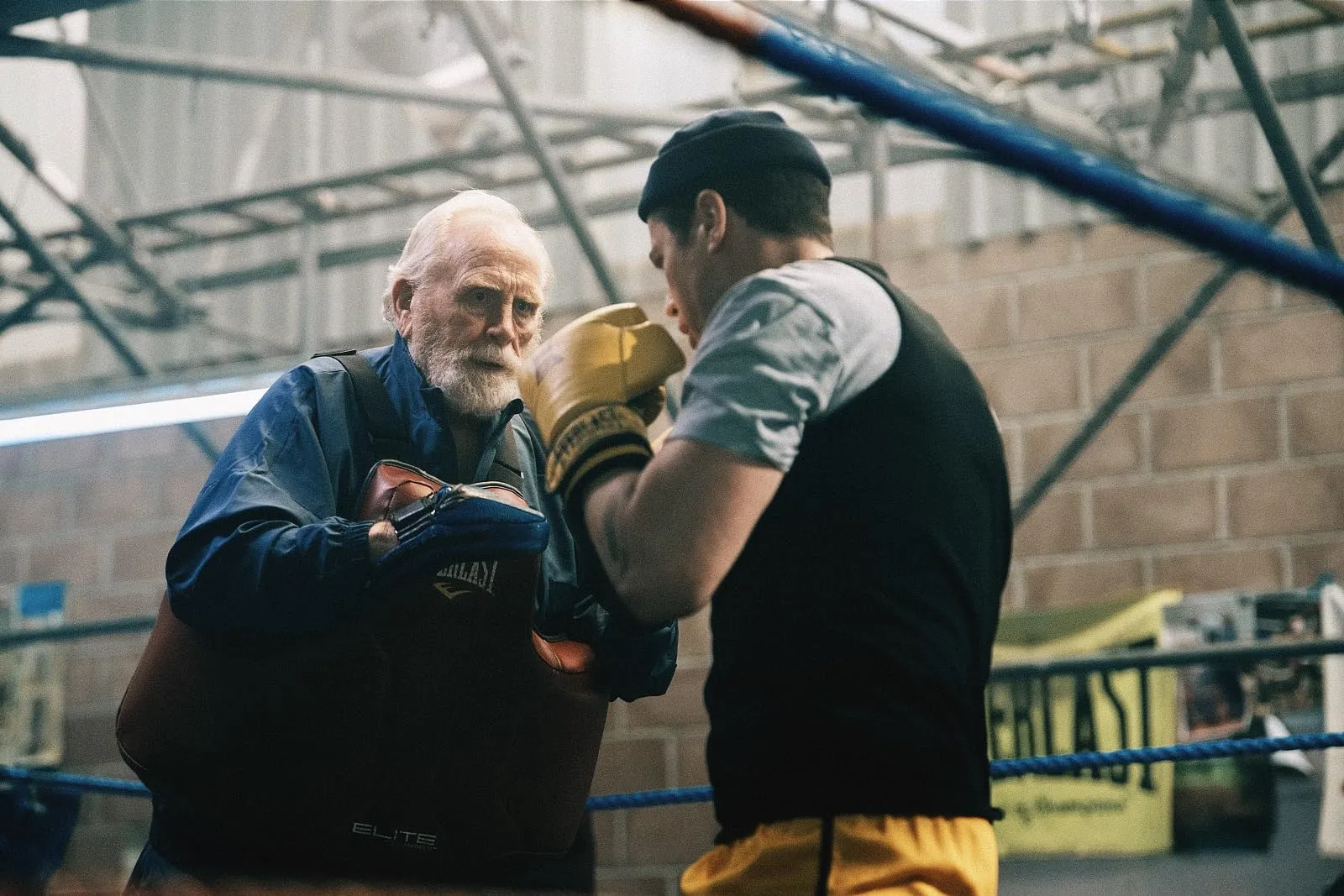
A muted palette reinforces Sal’s emotional terrain. Grays and earthy tones dominate domestic scenes: peeling wallpaper in his trailer, threadbare bedding, the washed-out uniforms of nursing-home staff. In the ring, warmer amber highlights and saturated reds punctuate each punch, framing violence as both urgent and brutal. Framing choices shift accordingly: wide compositions linger on Sal’s solitude outside the ring; tight shots in the cage press us into his struggle, lending a visceral underscore to his physical and moral battles.
Fight choreography leans into immediacy. Handheld cameras dart with each hook, elbows jostle the edges of the frame and rapid intercuts keep the blood-and-sweat sequences crackling. By contrast, slower edits in training montages allow us to catch subtle shifts—a tightening jaw, a faltering stance—that track Sal’s resolve, or lack thereof.
Set and costume details further enrich the tale. Sal’s trailer reeks of stasis: cramped quarters, faded upholstery, a single lamp offering flickering warmth. In the nursing home, muted scrubs and polished floors signal routine care, a world removed from guile and greed. That divide becomes audible in the sound design: rain-soaked streets and distant traffic bleed into quiet hallways, while the muffled roar of a clandestine crowd erupts in sharp relief. Moments of silence—Sal staring at an empty ring, listening to a ticking clock—resonate as deeply as any thunderous punch.
Directorial Vision & Script Dynamics
Björn Franklin and Johnny Marchetta’s feature debut opts for measured tension rather than crowd-pleasing spectacle. Their collaboration demonstrates restraint—fighters’ pain emerges through lingering reaction shots, not bombastic slow-motion flurries. Training scenes unfold with understated grit; the directors avoid melodramatic crescendos, letting character exchanges carry weight. In quieter moments—Sal’s silent gaze across a rain-streaked ring—they trust the frame to convey meaning.
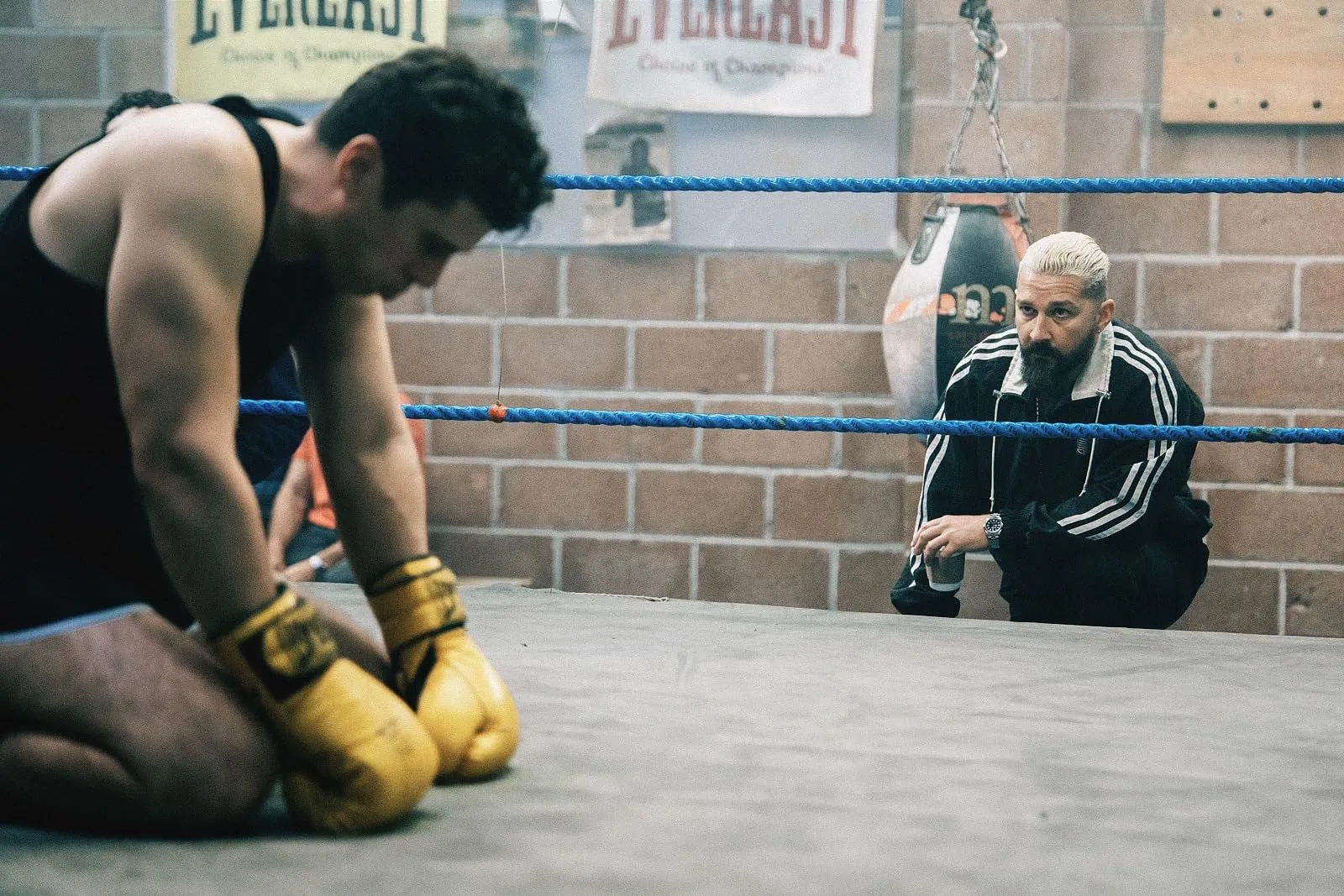
Rather than follow the familiar underdog comeback arc, the screenplay steers into realism. Sal’s attempt at an official return coexists with his pull toward underground prizefights, and that dual path underscores his fracturing moral compass. Introducing the criminal-venture subplot just past the midpoint raises stakes in unexpected ways, though its pacing sometimes feels abrupt. That gamble pays off emotionally, even if its setup strains credibility.
Franklin’s script excels in lean dialogue. Colloquial exchanges—Sal’s terse plea to his daughter’s principal, the half-joke “I’d have killed him!”—unfold without excess flourish. Lines feel spoken, not recited. Occasionally, though, the screenplay drifts into silences that outstay their welcome, as slow passages through empty corridors test patience when little advances.
Structurally, the narrative favours character turns over tidy resolution. Scenes of legal wrangling, fist-raising and forced humility interlock in logical sequence. Yet the film’s brooding mood sometimes sidelines momentum. Still, moments of piercing insight—Sal’s confession of regret to Welly, a brief phone call with Molly—cut through any lull.
The tone holds steady: a study of consequence in a boxer’s life, captured with toughness and compassion. Every so often style edges out substance, but the directors’ faith in quiet storytelling suggests they understand precisely which blows matter.
Through the Ropes: Themes and Symbols
Sal’s journey centers on choices that sink him as often as they save him. His decision to walk away from sanctioned fights reveals more about his character than any knockout punch could. That climactic underground bout doubles as confession: each missed strike registers guilt, each jab a plea for a different outcome. Here, boxing moves from sport to moral compass.
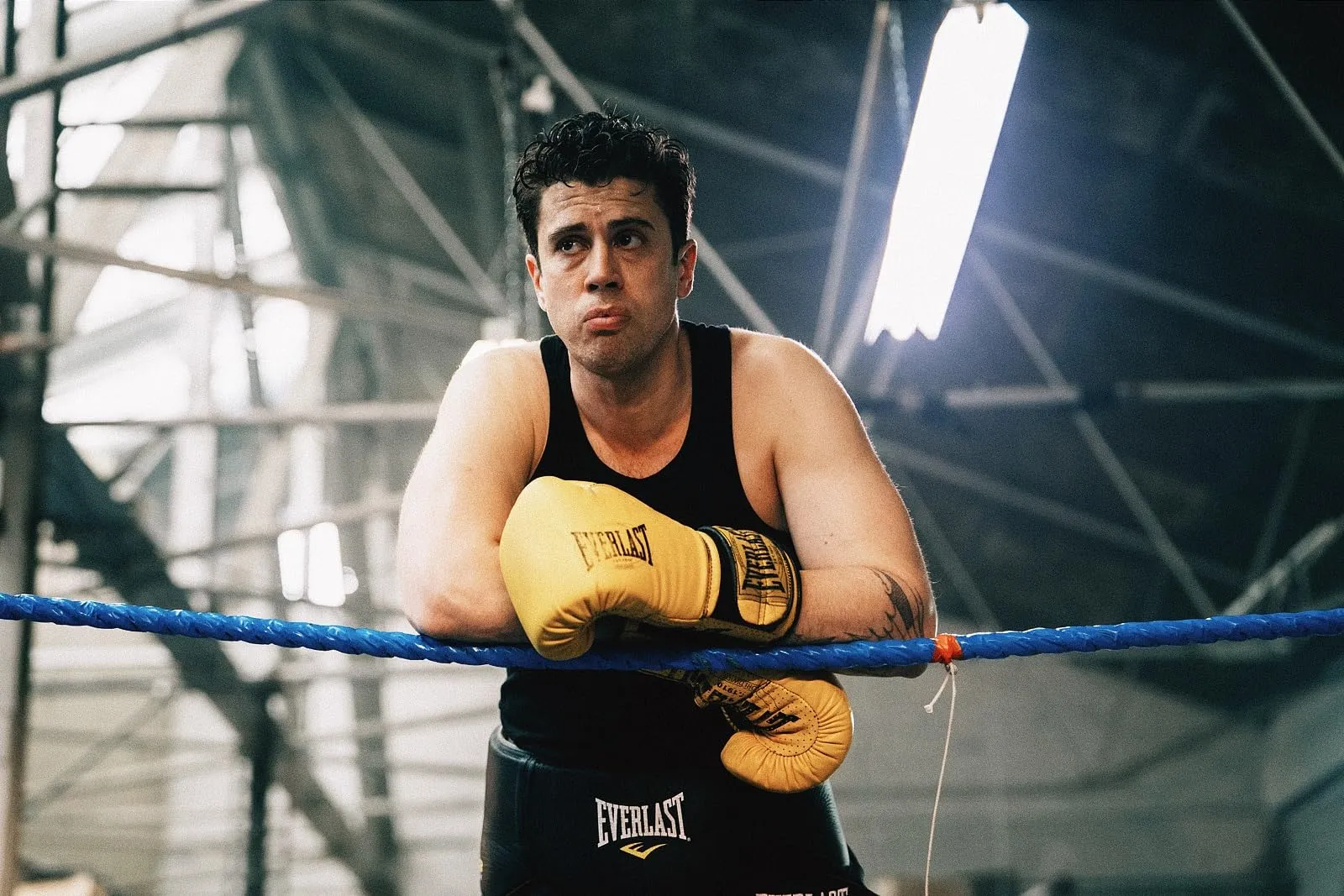
Fatherhood anchors Sal’s quest for meaning. His exchanges with Molly occur in fleeting sanctuaries—a parked-car confessional, a tense meeting with her school principal, a late-night gym visit. Those sites of reconnection feel earned: scars passed down and worn anew. Blood in the ring parallels bruises in their relationship.
Traditional toughness meets unexpected tenderness when Sal cares for nursing-home residents. In those silent corridors, a simple act—adjusting a blanket—speaks volumes. Vulnerability isn’t dramatized; it lurks in the pause between lines, in the stillness of a gaze.
Every alliance carries a price. Vince’s loyalty shades into manipulation, culminating in a sacrifice that forces Sal to reckon with complicity. Legal shifts and moral compromises tug him between two worlds: lawful labor by day, illicit brawls by night. Choices breed consequences.
The ring serves as an arena for existential struggle. Training sequences sketch daily resilience—repeated footwork, rhythmic jabs—while life outside demands similar discipline. Here, punches mirror setbacks: both require balance, timing and the willingness to get up again.
Last Round
Salvable lands more as a character study than a traditional boxing epic, anchored by Kebbell’s quiet intensity and LaBeouf’s unpredictable edge. Franklin and Marchetta capture the grey streets of Barry without resorting to clichés, giving the film a lived-in authenticity.
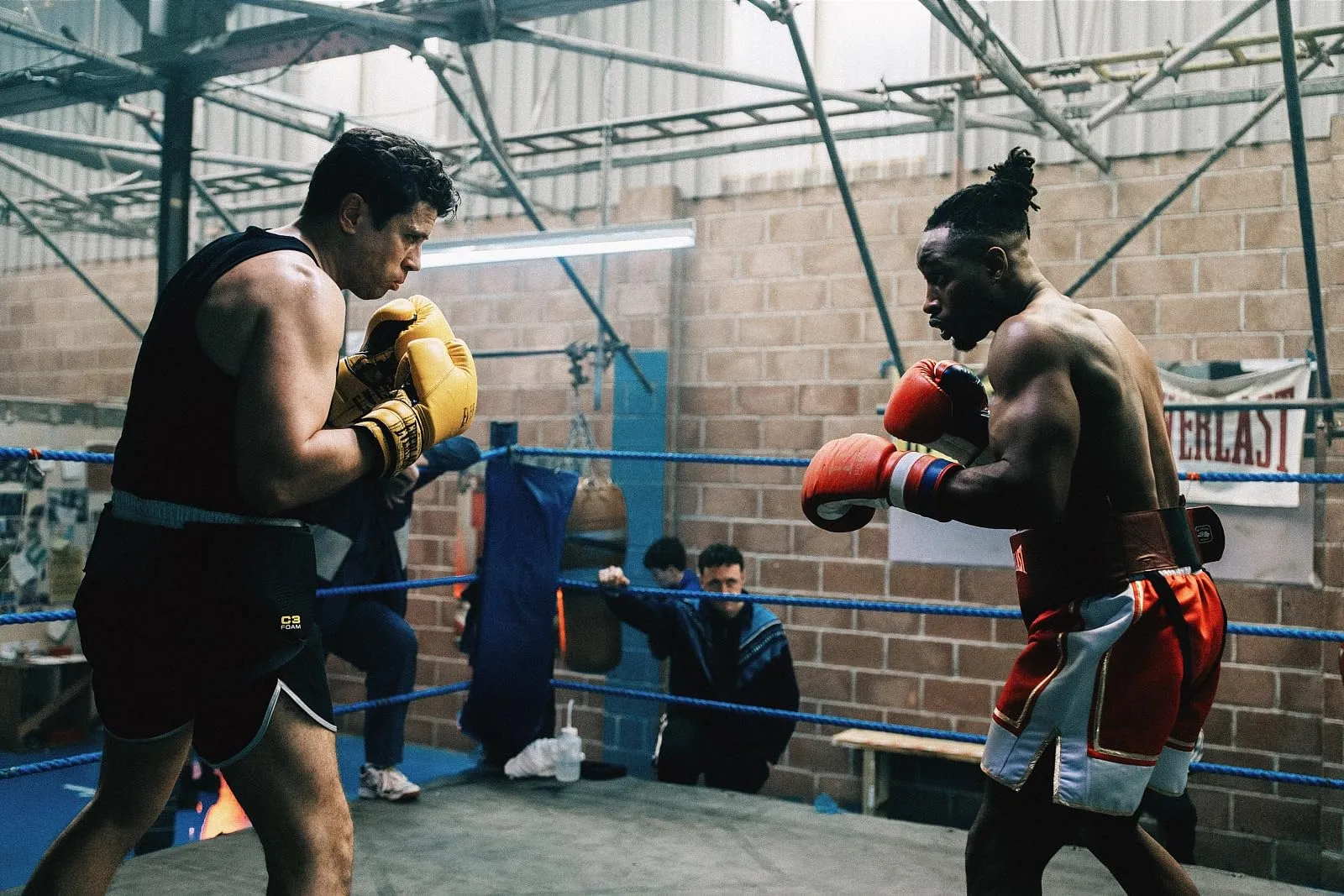
Yet certain scenes overstay their welcome, and a few supporting threads never fully resolve, diluting the film’s narrative momentum. Those intrigued by intimate portraits of personal struggle will find this rewarding; viewers seeking a straightforward victory arc may feel shortchanged.
Still, when Sal squares off under the gym’s flickering lights, the tension transcends sport, reminding us that every choice carries weight—inside the ring and out.
Full Credits
Directors: Björn Franklin, Johnny Marchetta
Writer: Björn Franklin
Producers: Jamie Gamache, Connor O’Hara, Julien Loeffler, James Kermack
Executive Producers: Will Machin, Sam Parker, Michael Yates, Tom George, Jeremy Walton, David Lyons, Norman Merry, Peter Hampden, Mark Foligno, Juraj Barabas, Aleksey Ageyev, Elora Thevenet
Cast: Toby Kebbell (as Sal), Shia LaBeouf (as Vince), James Cosmo (as Welly), Kíla Lord Cassidy (as Molly), Elaine Cassidy (as Elaine), Michael Socha (as Little Marcus), Aiysha Hart (as Fay), Nell Hudson (as Becky), Barry Ward (as Paddy), Carl Froch (cameo)
Director of Photography (Cinematographer): Simon Plunket
Editor: Shahnaz Dulaimy
Composer: David Keenan
The Review
Salvable
Salvable succeeds as a character-driven drama thanks to Kebbell’s raw performance and the directors’ authentic vision, though uneven pacing and some underused plotlines hold it back. For viewers drawn to intimate, unvarnished stories, it’s a rewarding watch.
PROS
- Toby Kebbell’s layered performance brings genuine empathy to Sal’s struggle.
- Gritty Welsh locations lend the film a tangible sense of place.
- Understated fight choreography balances realism with impact.
- Moments of quiet character work deepen emotional investment.
CONS
- Narrative momentum dips in brooding, slow-paced stretches.
- Some subplots—particularly legal wrangling—remain underexplored.
- The criminal-venture turn can feel abrupt.