






















Summer of 69 marks comedian‑actor Jillian Bell’s feature directorial debut, co‑written with Liz Nico and Jules Byrne. From the first frame, Bell sketches a vivid suburban playground where streaming shorthand meets teenage longing: Abby Flores (Sam Morelos) is a gaming phenom on Glitch but an emotional novice in real life.
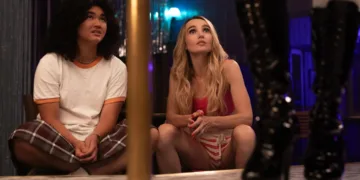
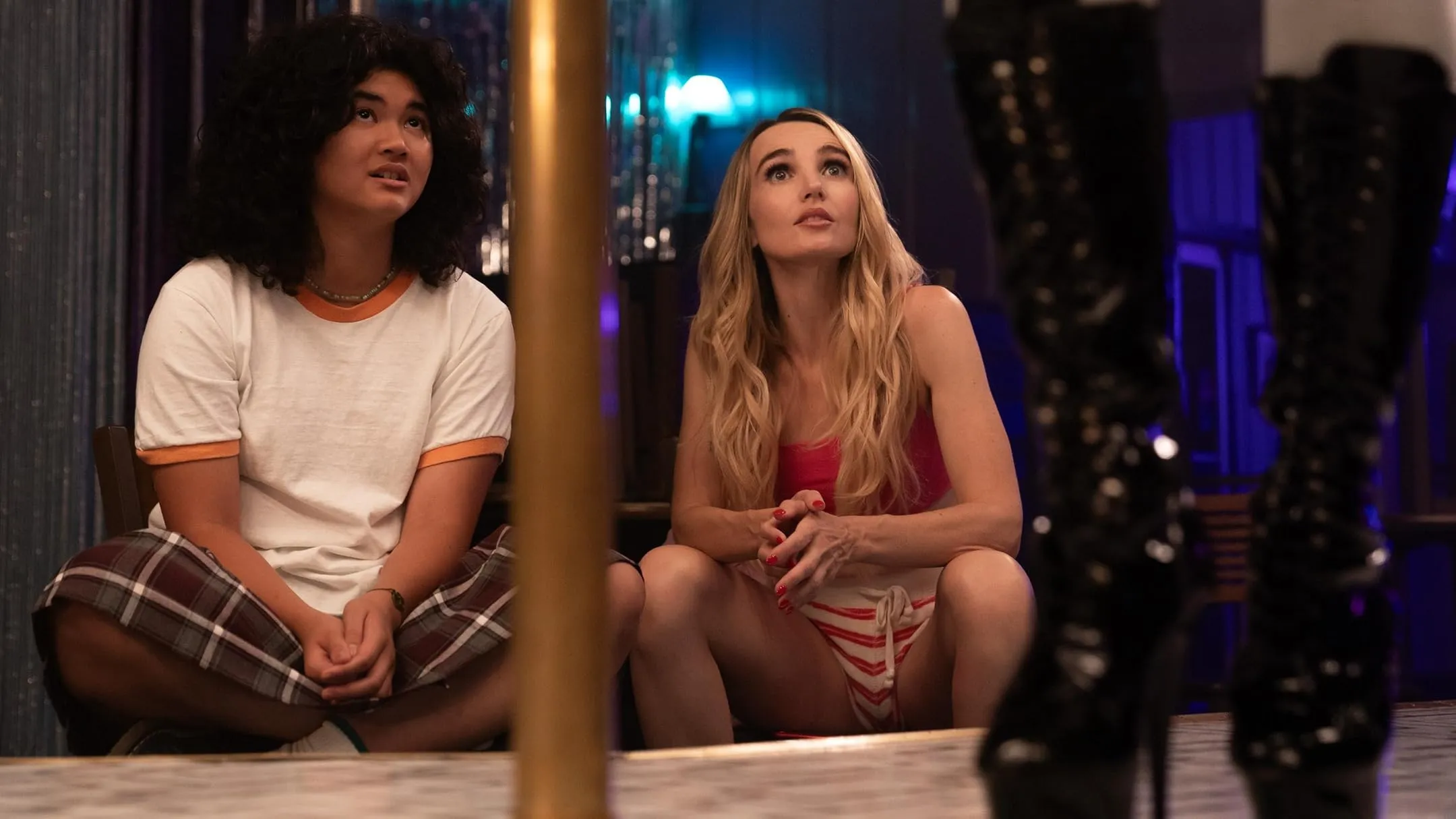
When her longtime crush Max (Matt Cornett) becomes single, Abby overhears his preferred bedroom maneuver and enlists Santa Monica (Chloe Fineman), a pole‑dancer fighting for her club’s survival, to teach her the “art” of mutual pleasure in just one intense week.
Narratively, the film uses tight pacing—rapid‑cut montages, a musical‑number prologue, and surreal daydream interludes—to mirror Abby’s rush from online isolation to flesh‑and‑blood confidence. Bell’s direction balances wit and warmth: sight gags (haunted‑house dildo horror), vintage car cool, and genuine moments of mentorship that puncture the raunch.
Cinematically, Maria Rusche’s lighting shifts from neon strip‑club glow to the warm haze of high‑school corridors, reinforcing Abby’s emotional arc. With sharp editing beats and an ear for teenage anxieties, Summer of 69 situates itself alongside ’80s and ’90s teen comedies, yet stakes its claim through the lens of female sexual agency and an unlikely friendship that fuels its emotional charge.
Narrative Progression & Structural Pacing
From its first beat, Summer of 69 lays out Abby’s dual realities with surgical clarity: a devout Catholic‑school senior who commands a loyal Glitch audience by night and stumbles through real‑world small talk by day. Setting up her quest for Max through overheard intel (via the school mascot’s whisper campaign) feels as purposeful as a video‑game tutorial guiding players through basic mechanics. Here, the world‑building is concise—parents are away, graduation looms, and Santa Monica’s club teeters on financial collapse—so every scene propels the story forward with little filler.
The inciting incident—Abby learning Max’s preferred position—serves as both character hook and narrative catalyst, much like discovering a hidden lore entry in an indie title such as Oxenfree. That decision point shoves Abby from spectator to protagonist in her own arc, echoing how player choice in Life Is Strange can pivot the emotional stakes in an instant.
Bell’s rising action employs a montage structure reminiscent of training levels in narrative‑driven games: Abby walks in sky‑high heels (platforming tutorial), survives blindfolded drives (navigation challenges), and masters pole‑dance moves (advanced skill unlocks). Each drill amplifies her internal confidence meter even as external pressures mount—streaming viewers demanding answers, Santa’s reunion jitters, and Rick’s loan‑shark deadline ticking away like a quest timer.
At the climax, Abby’s confrontation with performance anxiety at a private showcase parallels the tension and release you feel during a game’s boss battle: it’s about more than executing moves; it’s about owning your story. Meanwhile, Santa’s playbook shift to outmaneuver Rick mirrors a dramatic narrative reversal worthy of cult classics like Primer, where ingenuity wins the day.
Even as Abby dons her graduation cap, it isn’t sexual savvy that defines her evolution but genuine self‑assurance—a resolution that prompts us to question how well our own “tutorials” prepare us for life’s uncharted encounters.
Emotional Mechanics & Ensemble Chemistry
Abby Flores functions like a player avatar unlocking real‑world confidence upgrades. Sam Morelos charts her journey from behind‑the‑screen gamer—her webcam persona shield—to an emotionally exposed teen learning that genuine connection trumps any scripted “move.”
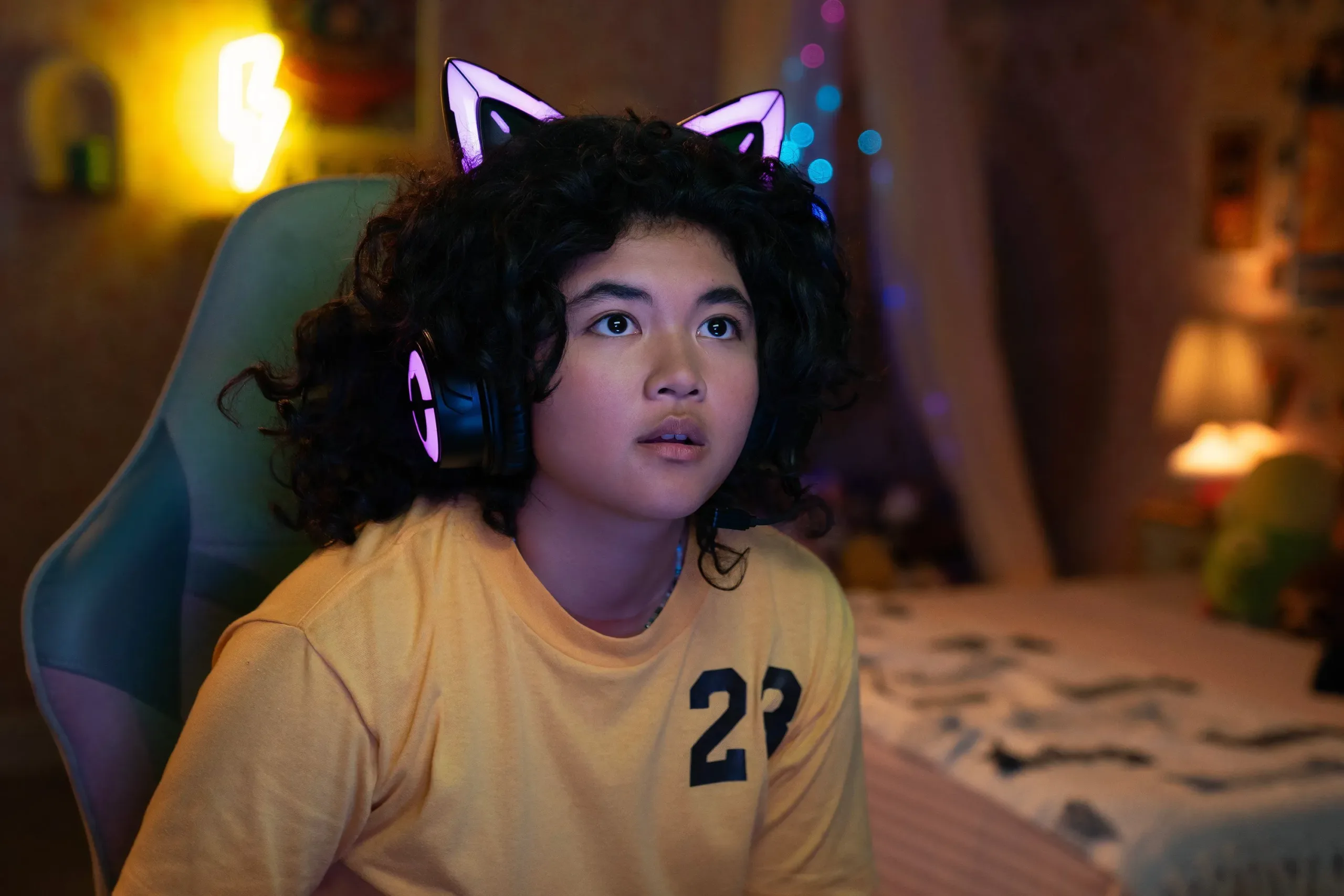
Moments of physical comedy—nail‑biting awkwardness when Abby practices in heels, surreal daydream cutscenes in a haunted sex shop, livestream glitches that mirror her internal panic—highlight how her arc plays out in both narrative beats and visual gags. By the finale, Abby’s self‑assurance reads like a fully maxed‑out skill tree rather than a one‑off achievement.
Santa Monica emerges as a layered NPC‑turned‑quest‑giver. Chloe Fineman toggles between the dazzling confidence of a stage performer and the raw vulnerability of a friend haunted by reunion jitters. Her one‑liners land with precision, and her improvisational flair feels as dynamic as branching dialogue in an indie RPG. Yet she tempers X‑rated humor with moments of genuine empathy—proof that even a high‑stakes mentor role can carry emotional weight.
Max occupies a fascinating side‑character slot: Matt Cornett’s screen time is brief but resonant, functioning like an off‑screen objective marker guiding Abby’s progression. He remains charming and grounded, a mirror reflecting how far Abby’s growth extends beyond crush‑driven goals.
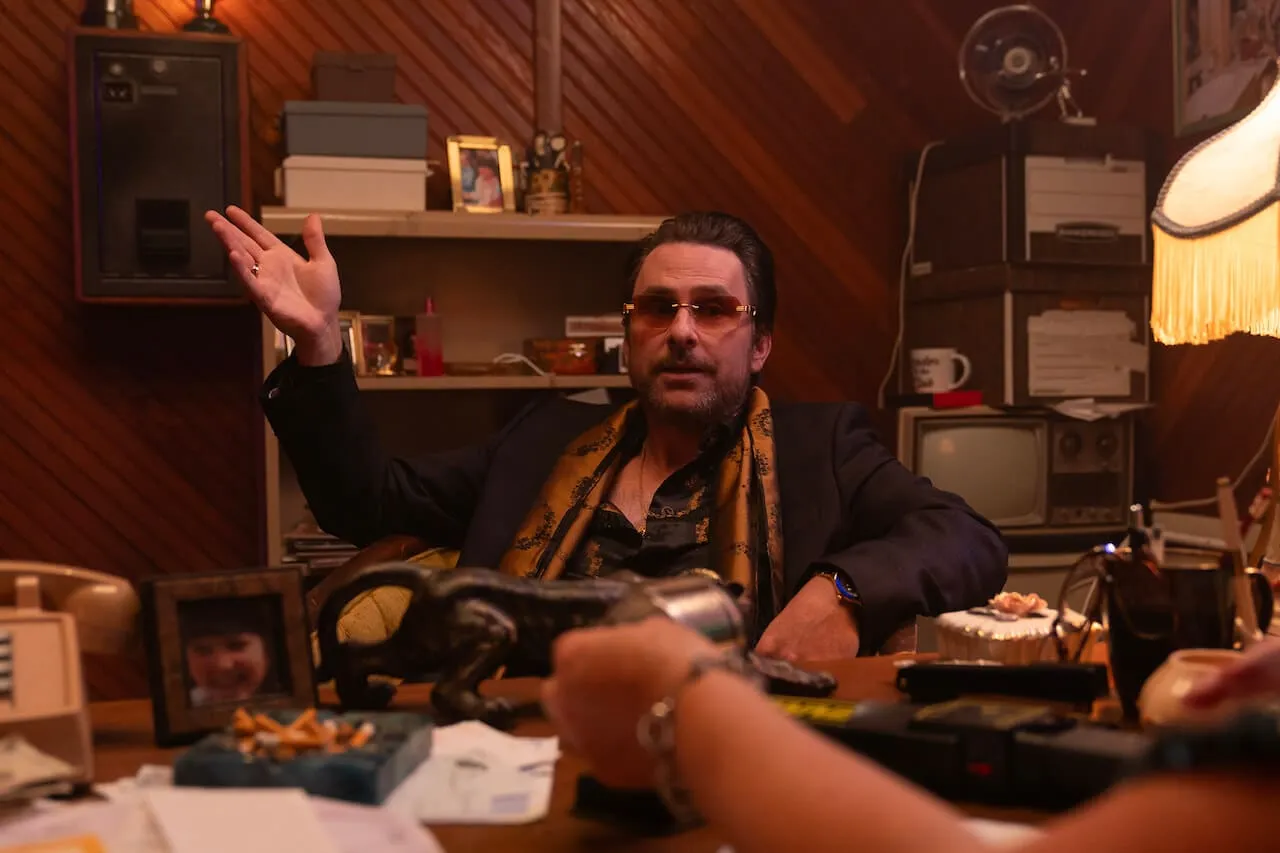
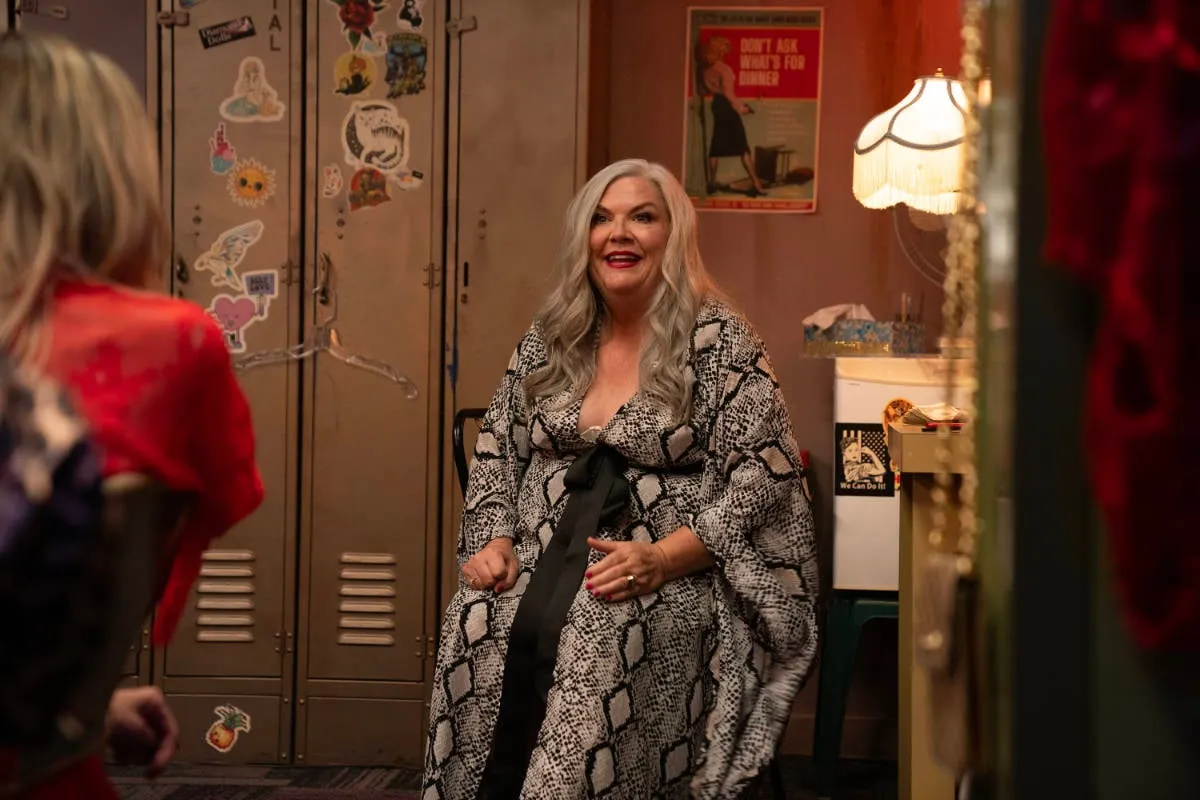
The supporting cast operates like a well‑balanced party. Paula Pell’s Betty bumbles through club finances with comedic timing, while Nicole Byer, Liza Koshy, and Alex Moffat provide laugh‑out‑loud ensemble moments—think “bean to tangerine” level absurdity. Charlie Day infuses Rick’s sleazy deadline with both menace and comic relief, akin to a raid‑boss encounter that stakes keep ramping up. Jillian Bell’s cameo as the adult‑store clerk bridges Abby’s daydreams and real‑world anxieties, tying surreal sequences back to her personal stakes.
Together, these performers create a synergy reminiscent of a co‑op campaign, where sincerity and parody feed off one another in shifting tonal zones—each moment reminding us that the most memorable experiences arise when character arcs and ensemble interplay feel equally intentional and unpredictable.
Visual Playbooks & Directorial Pacing
Jillian Bell treats Summer of 69 like a narrative‑driven game level, balancing raunchy set pieces, heartfelt character moments, and surreal detours with the precision of a designer tuning difficulty spikes. In her directorial debut, Bell keeps the 100‑minute runtime moving at a steady clip—every training montage, from heel‑walking drills to blindfolded car rides, feels like unlocking a new mechanic. She times each comedic payoff so that sight gags hit just as emotional beats settle, preventing either from overstaying its welcome.
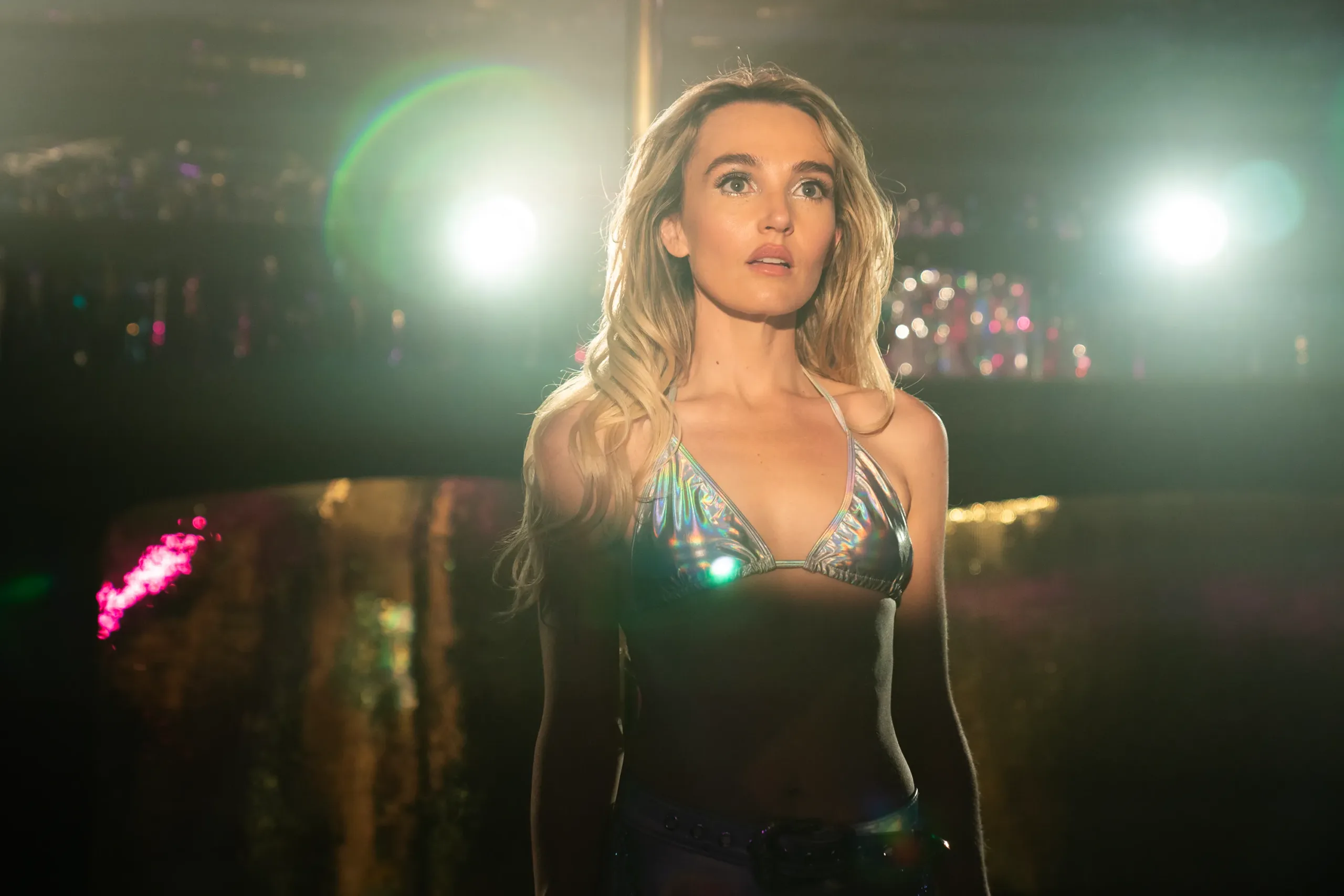
DP Maria Rusche’s lens works in tandem with Bell’s vision, using a warm, suburban palette to mirror Abby’s comfort zone and shifting to neon‑tinged club lighting when she’s in uncharted territory. Close‑ups on Morelos and Fineman emphasize micro‑expressions—twitching brows, quick smirks—that punctuate both vulnerability and comic flair, much like a game camera zooming in to highlight a critical hit or a character’s hesitation before a climactic choice.
Visual homages pepper the film with Easter eggs familiar to genre fans: a dance tribute to Risky Business that doubles as a narrative checkpoint, a vintage muscle car glinting in the sun like an unlockable collectible, and an opening musical number framed almost like an overworld theme that sets the tone. Meanwhile, surreal sequences—such as the dildo‑filled haunted sex shop—blend practical effects with slow‑motion interludes, echoing the layered aesthetic of cult indies like Scott Pilgrim vs. the World.
Editor Casey Brooks stitches these elements together with sharp cuts during montages and held‑frame beats for visual humor, creating a rhythm that alternates between rapid tutorial‑style sequences and extended moments of tension relief. As the film accelerates toward its final act, Bell’s visual toolkit feels both confident and exploratory—raising the question of which cinematic power‑ups she’ll equip in her next project.
Playful Transitions: Themes, Tone & Humor
Bell’s film centers on three intertwined motifs that drive both story and style. First, sexual empowerment and consent emerge through Abby’s proactive decision‑making—she negotiates lessons with Santa Monica on her own terms, framing intimacy as a shared skill rather than a line‑item in teenage lore.
Second, female friendship anchors the narrative: their mentor‑mentee bond evolves onscreen with authentic warmth, recalling the emotional honesty of underappreciated indies like The Diary of a Teenage Girl. Finally, self‑discovery unfolds as Abby learns to align her online persona with real‑world confidence, a progression captured in every mirrored close‑up and triumphant beat.
The film’s tone toggles between raunch and sweetness with the finesse of a well‑balanced co‑op campaign. Its comedy riffs on ’80s archetypes—think American Pie—yet refrains from patronizing its leads. Instead, it merges nostalgic callbacks (Risky Business dance riffs) with modern touches (streaming culture glitches), forging a playful voice that feels both affectionate and fresh.
Humor operates on multiple levels. Physical comedy drives early sequences: Abby’s heel‑walking drills play out like awkward tutorial challenges, and Santa’s pole‑dance demos introduce tension and release in equal measure. Sight gags land through vivid props—Paula Pell’s offhand “bean to tangerine” line, a dildo‑strewn haunted‑house sequence that doubles as surreal world‑building, and the mascot’s whispered gossip that kicks off Abby’s quest. Verbal wit sharpens the dialogue, from gaming slang references to self‑aware quips that nod at genre conventions without undercutting their impact.
Bell intersperses moments of genuine emotion—a quiet pep talk after a failed livestream, a shared laugh in the club—with laugh‑out‑loud set pieces. These tonal shifts hinge on precise timing: a prolonged silence before a punchline, a quick cut from heartfelt eye contact to comic absurdity. Such rhythm mirrors narrative‑driven games where story beats and action sequences must coexist seamlessly.
Which comedic rhythm or thematic beat will stick with you, and how might this blend of heart and humor influence the next wave of coming‑of‑age stories?
Crafting the Visual & Auditory Palette
The film’s production design plays like immersive level geometry in a narrative‑driven game. Diamond Dolls feels alive through its neon signage and stage layout—private‑session booths stack like branching side‑quests, each one revealing a bit more about Santa Monica’s world.
In contrast, the haunted sex‑shop uses playful horror props—slow‑swinging mannequins and oversized novelty items—to turn Abby’s anxieties into a surreal environment, much like an indie horror gem retooling familiar tropes. The clean lines of Abby’s high‑school hallways and unsupervised party venues underscore her comfort zone, then crack open once she steps into the club or a frenetic house party, highlighting her emotional stakes through spatial design.
Costume and makeup track Abby’s progression as clearly as character skins in a game. She starts in hoodie‑and‑jeans gamer mode, shifts into polished confidence attire when she embraces each lesson, and returns to signature hoodies with a new posture. Santa’s wardrobe toggles between showgirl glamour—reflective fabrics and bold makeup—and laid‑back mentor mode, signaling her dual role as performer and guide.
Editor Casey Brooks stitches these elements together with a montage structure that mirrors tutorial sequences: quick cuts for training drills, longer takes when Abby’s fear peaks, and abrupt livestream interruptions that remind us of her digital roots.
The opening musical number sets a playful, self‑aware tone, while subtle ’80s licensed tracks nod at teen‑comedy classics without feeling like jukebox padding. An original score weaves through key emotional beats and comedic peaks, reinforcing how sight and sound merge to guide our responses—leaving us to wonder which design choice truly shaped Abby’s transformation most powerfully.
Framing the Final Level
Summer of 69 reloads the teen‑sex‑comedy formula with sharp directorial instincts and two magnetic leads. Abby’s transformation and Santa Monica’s duality deliver laughs and emotional payoffs that stick, while Bell’s staging balances raunchy set pieces with moments of genuine warmth.
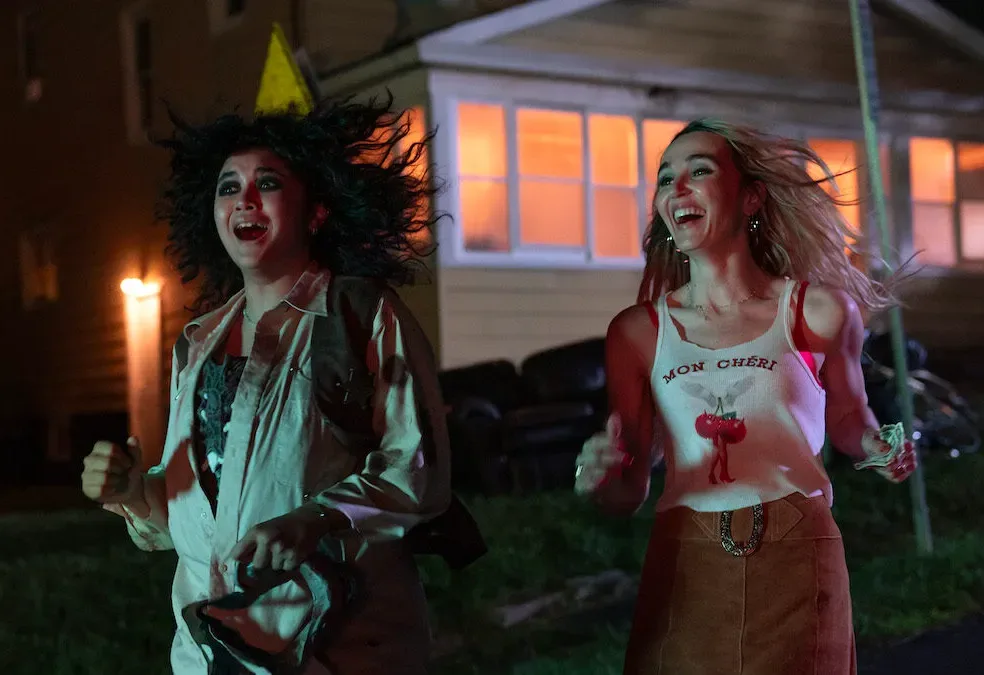
At times the film shifts too abruptly between surreal fantasy and grounded emotion, creating jolts in its rhythm. And the third‑act structure hits familiar checkpoints, making key plot turns feel mapped out rather than discovered.
This feels like a comfort‑food release for fans of American Pie and Booksmart, updated through a female lens and streaming‑culture trappings. It’s the kind of title that thrives in group viewings and sparks conversations about consent and self‑confidence.
Lean into Abby’s emotional growth rather than dwelling on gag mechanics. Spotlight the friendship at the film’s heart as its richest reward. And capture Bell’s knack for affectionate parody that still honors genuine coming‑of‑age insights. As the credits roll, the question lingers: can this blend of playful spoof and earnest character work inspire the next wave of stories to level up both comedy and heart?
Full Credits
Director: Jillian Bell
Writers: Jillian Bell, Liz Nico, Jules Byrne
Producers: Jillian Bell, Jeremy Garelick, Will Phelps, Molle DeBartolo, Breanna Bell-Singer, Matt Skiena, Adam Goodman, Lucas Carter
Executive Producers: Mickey Liddell, Pete Shilaimon, Michael Glassman
Cast: Sam Morelos, Chloe Fineman, Matt Cornett, Charlie Day, Natalie Morales, Nicole Byer, Liza Koshy, Alex Moffat, Fernando Carsa, Paula Pell
Director of Photography: Maria Rusche
Editor: Casey Brooks
Composer: Matt Bowen
The Review
Summer of 69
Summer of 69 offers a reboot of the teen sexual comedy, blending sharp comedic set pieces, heartfelt mentorship, and playful homages into a tight 100‑minute debut from Jillian Bell. Sam Morelos and Chloe Fineman spark genuine chemistry as mentor and protégé, while Bell’s brisk pacing and Maria Rusche’s warm/neon palette carry the story from awkward tutorials to emotional breakthroughs. Though a few tonal shifts jar and the final act follows familiar beats, the film earns its place as a modern comfort‑food romp about empowerment and friendship.
PROS
- Sam Morelos & Chloe Fineman share electric mentor‑protégé chemistry
- Sharp comedic timing with memorable sight gags
- Fresh, female‑centered take on teen‑sex‑comedy tropes
- Brisk pacing keeps stakes high throughout
- Vibrant lighting and playful visual homages
CONS
- Tonal shifts can catch you off‑guard
- Climactic beats follow familiar patterns
- Surreal fantasy scenes sometimes derail momentum
- Some supporting characters feel underused
- Digital‑streaming subplot isn’t fully mined