
























![Kingdom Hearts Collection [I-III] Review](https://gazettely.com/wp-content/uploads/2026/10/Kingdom-Hearts-Collection-I-III-1-360x180.webp "Kingdom Hearts Collection [I-III] Review: KHII Holds Steady as Newer Entries Fluctuate 37")



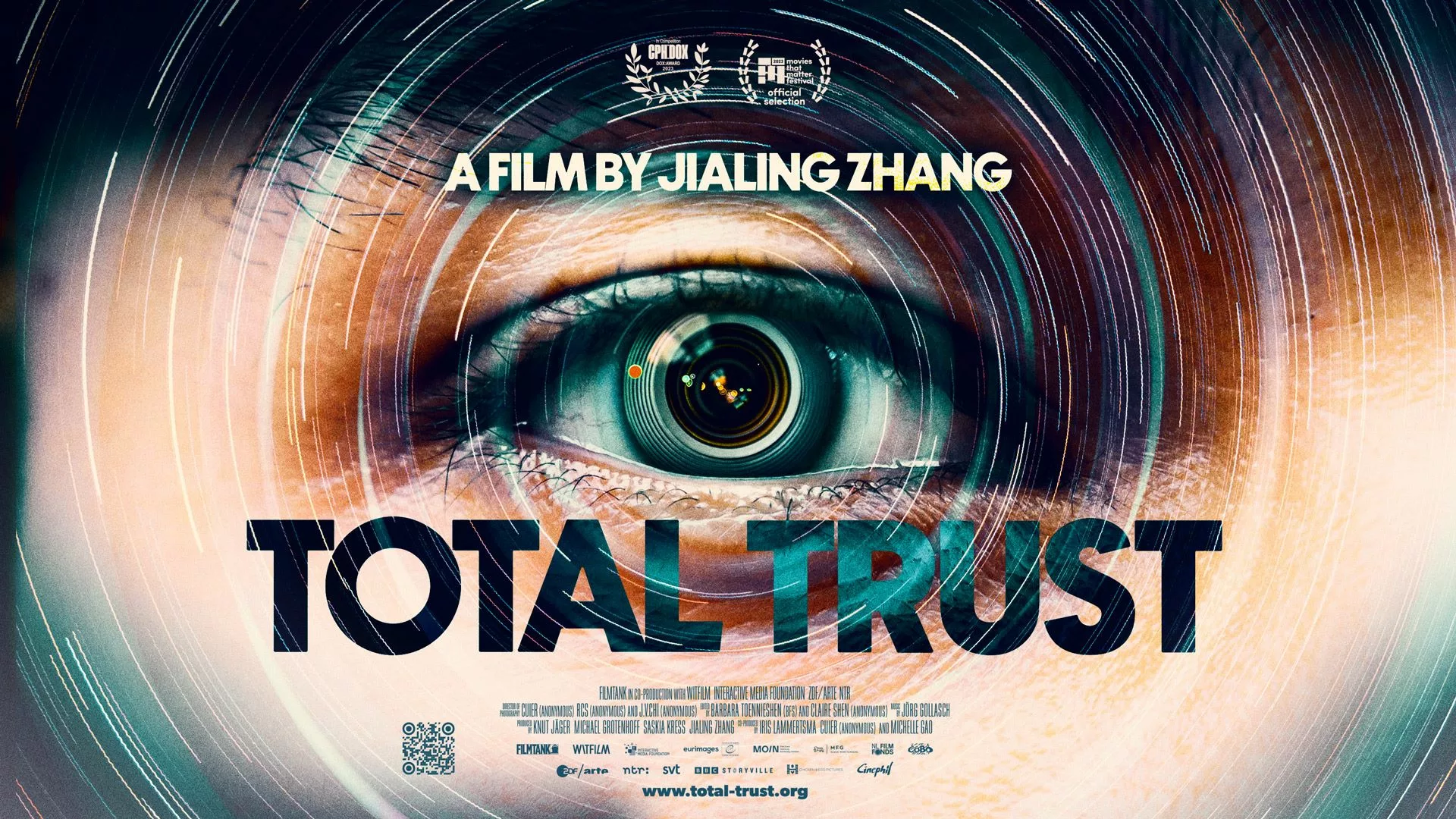

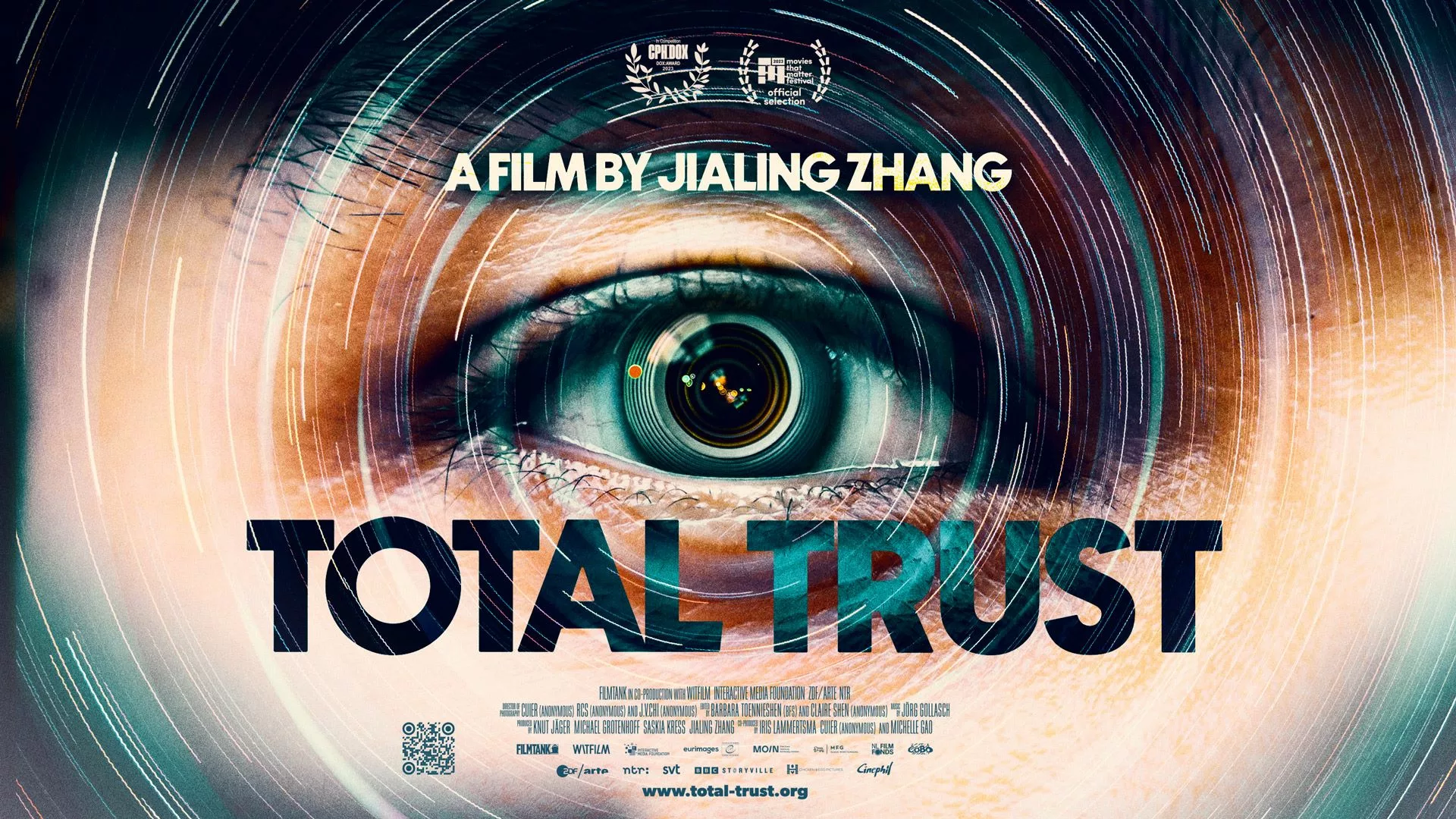
Acclaimed director Jialing Zhang, known for her searing documentaries like One Child Nation, turns her gaze to the disturbing expansion of technology-enabled state control over private lives in modern China. In Total Trust, Zhang returns to her native country to pull back the curtain on the government’s far-reaching mass surveillance apparatus and probe its very personal costs through intimate portraits of dissidents crushed by the system.
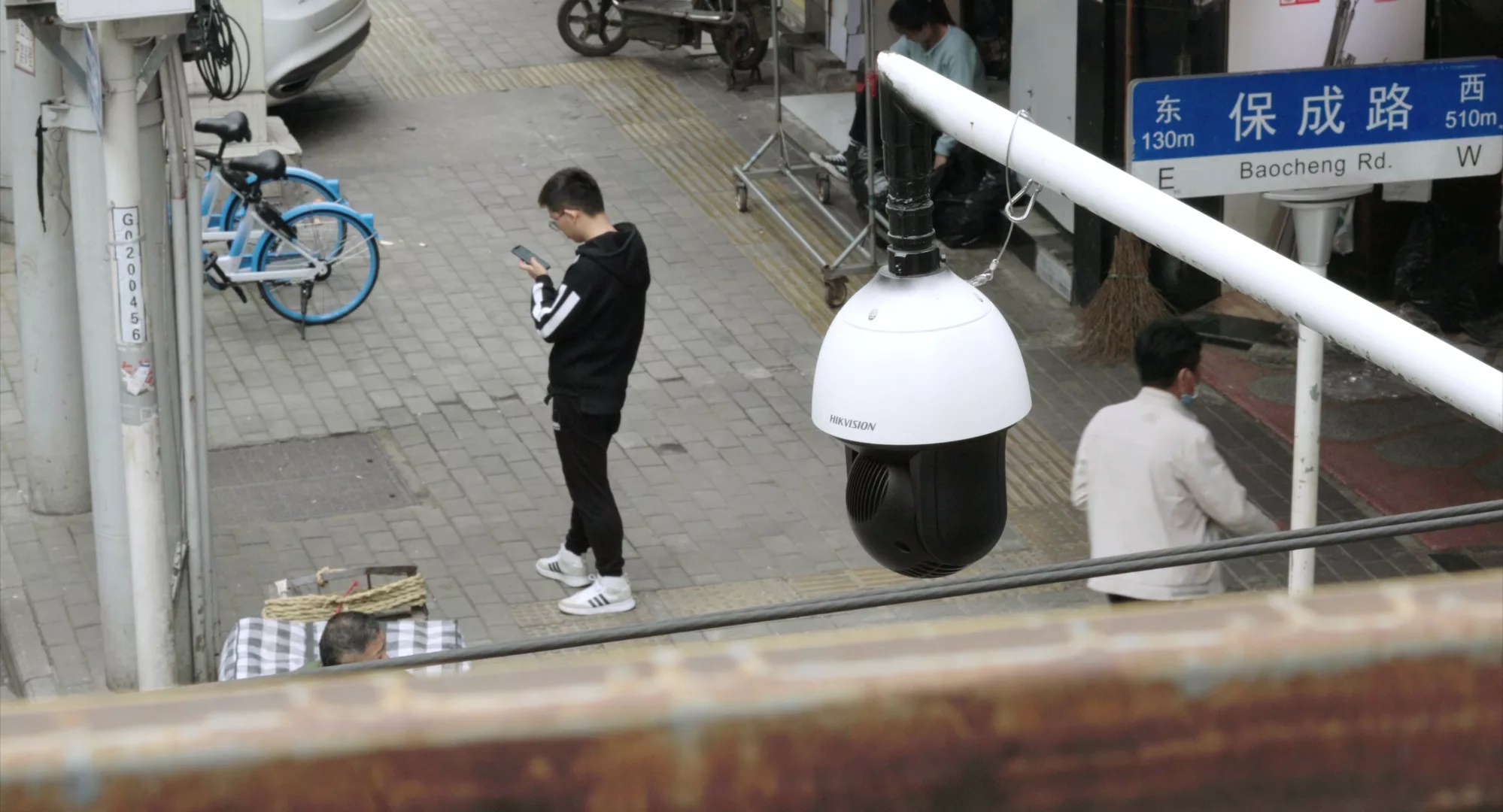
At first glance, China’s gleaming cities present a glossy veneer of progress. But Zhang’s lens exposes the dark underbelly behind the neon lights. An advanced network of cameras blankets public spaces, tracking citizens through facial recognition software more invasive than any Facebook algorithm. This so-called “Skynet” spies on China’s 1.4 billion people, monitoring not just their movements but their emotions, thanks to AI that detects signs of stress or anxiety. Combine this with encouragement of public tip lines, rewards for snitching on your neighbor’s loud dog or illegally parked car, and serious punishments based on a rating system called Social Credit? Let’s just say 1984 isn’t just fiction anymore in Xi Jinping’s republic.
But Total Trust finds humanity amidst the high-tech horror, following three courageous women who dare to question the system. Zijuan Chen wages a defiant campaign to free her human rights lawyer husband, imprisoned for defending protesters. Wenzu Li struggles to reconnect with her activist spouse after his release from five nightmarish years in jail. And journalist Sophia Xueqin Huang uses bold creativity to expose the surveillance machine’s reach, before becoming its latest victim headed for the slammer. Their stories shine light into dark corners Big Brother thought he concealed.
Big Brother is Watching
Forget fancy apps and targeted online ads – China’s surveillance machine puts Google and Facebook to shame when it comes to invasiveness. Zhang offers viewers an unsettling view behind the curtain of the state security system innocuously dubbed “Skynet.” Its scope inspires awe and terror in equal measure.
A vast web of cameras – over 400 million, as of 2021 – blankets public spaces across China, enabling authorities to track citizens’ every move. Facial recognition technology identifies people instantly while they shop, commute, or protest. But Skynet’s gaze penetrates even further: its AI can now analyze microexpressions and voice patterns to detect mood, stress levels, and deception. So if you act jittery at a train station, expect a tap on the shoulder from the nearest cop. He’ll already have your name, address, and entire search history queued up on his AR glasses, thanks to machine learning analyzing every fluctuation in tone when you speak. Resistance is futile in the brave new world Xi built.
And that omnipresent surveillance means sleepless nights for those who dare question the Party line. The government actively encourages public tip lines allowing informants to report dissent, with cash bonuses as incentive. Zhang interviews one old man who eagerly monitors his neighborhood, phoning in suspected illegal activity in exchange for points on a program called Social Credit.
This ratings system sounds like science fiction, or an episode of Black Mirror. Every Chinese citizen starts with 1000 points. From there, cameras and spies assess your every move, doling out demerits for perceived antisocial acts as minor as walking your dog without a leash or criticizing government policies online. Rack up enough, and privileges like travel, bank loans, and school admission evaporate. Sure, you can earn lost points back through practices like volunteering. But it’s a constant psychological battle to avoid the stigma of a dismal score, with family, friends, employers judging you for the number that defines your place in society.
The COVID pandemic provided convenient justification for officials to tighten the technological vise even further on captive citizens dependent on virus test results for basic freedoms like using public transit or entering grocery stores. Zhang reveals how the central database altering people’s statuses at will, with activists suddenly blocked from trains and shops due to fabricated positive results. No matter how many tests they took to prove their health, convenience features like digital payment platforms registered them as contagious outcasts. It was biological warfare by bureaucracy, attacking truth itself by corrupting data. Fact had become fiction under the Party’s masterful manipulation.
“Escape the corporate grind with our review of CorpoNation: The Sorting Process, a dystopian game that satirizes the monotony of office life. As a lab technician for a mega-corporation, your choices seem insignificant in this darkly humorous take on the future of work. Whether you’re looking for satire or just a break from the daily grind, this game offers a thought-provoking experience.”
Dissidents in the Crosshairs
Beyond understanding the scope of China’s dystopian surveillance infrastructure, Zhang personalizes its frightening implications through intimate portraits of those crushed by state security apparatuses when they dare speak truth to power. By turns enraging, devastating and inspiring, these women’s stories illustrate the very human costs of totalitarian technology taken to its logical extreme.
The Disappeared: Weiping Chang and Zijuan Chen
Before his arbitrary imprisonment on trumped-up charges of “gathering a crowd to disrupt social order,” human rights lawyer Weiping Chang defended people displaced by government demolition projects. His wife Zijuan Chen now wages a tireless crusade to free this principled man, though authorities design her life to be a prison too.
Stripped of her career and passport, Chen shelters her young son from the police harassment she continually endures. Zhang captures the profound trauma of Tutu living for three birthdays without his father, as Chen stages small protests demanding Chang’s release. In one wrenching scene, she brings a life-sized cardboard cutout of her husband to a restaurant so her child can imagine dining with his dad again.
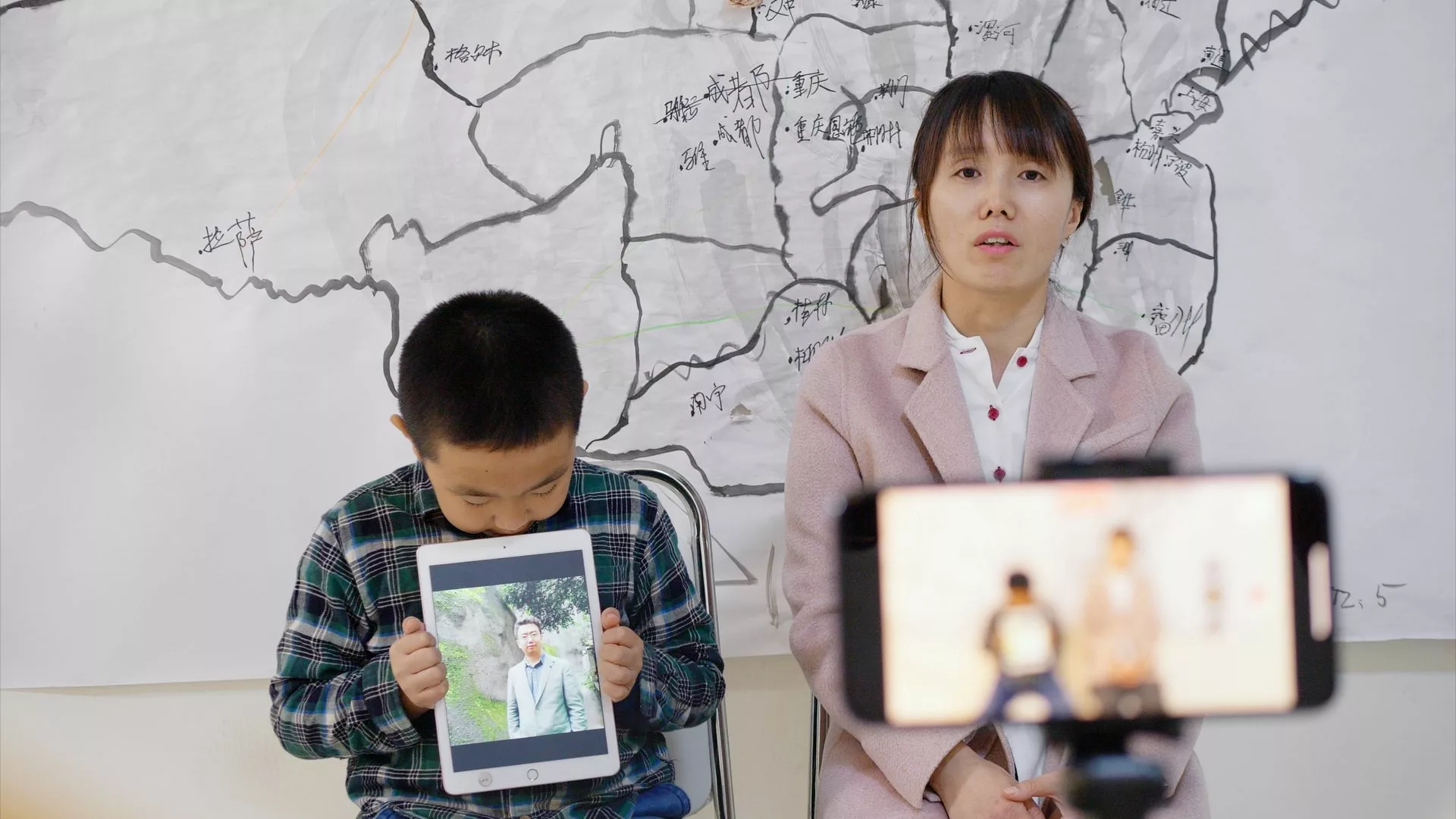
Yet Chang’s own elderly parents demonstrate how the cultural emphasis on social harmony stifles dissent. Fearing retribution, they refuse to advocate openly for their son beyond a single official complaint. A quietly heartbreaking confrontation over this deference to stability norms escalates until little Tutu cries out for his grandfather to save his unjustly imprisoned father. One generation’s muted capitulation meets another’s righteous rebellion in a culturally complex generational clash.
The Returned: Wenzu Li and Quanzhang Wang
After half a decade lost to the black hole of the Chinese prison system, human rights lawyer Quanzhang Wang finally reunited with his wife Wenzu Li and young son in December 2019. But the once-intimate family feels more separated than ever upon Wang’s severed reentry into normal life after endless physical and psychological torture without trial. Constant surveillance haunts them, but inner distance cannot be recorded on camera.
Their tender but ambivalent attempts to rediscover family feeling reveal the invisible yet atrocious aftershocks of authoritarian oppression even after release. When Li playfully suggests her husband lacks the paternal devotion expected after a five-year absence, Wang replies hollowly that he feels only “solitude and emptiness.” Later, their spat escalates until the son shouts for his dad to go back to prison. Wang walks shellshocked through memories murdering his chance for renewed connection.
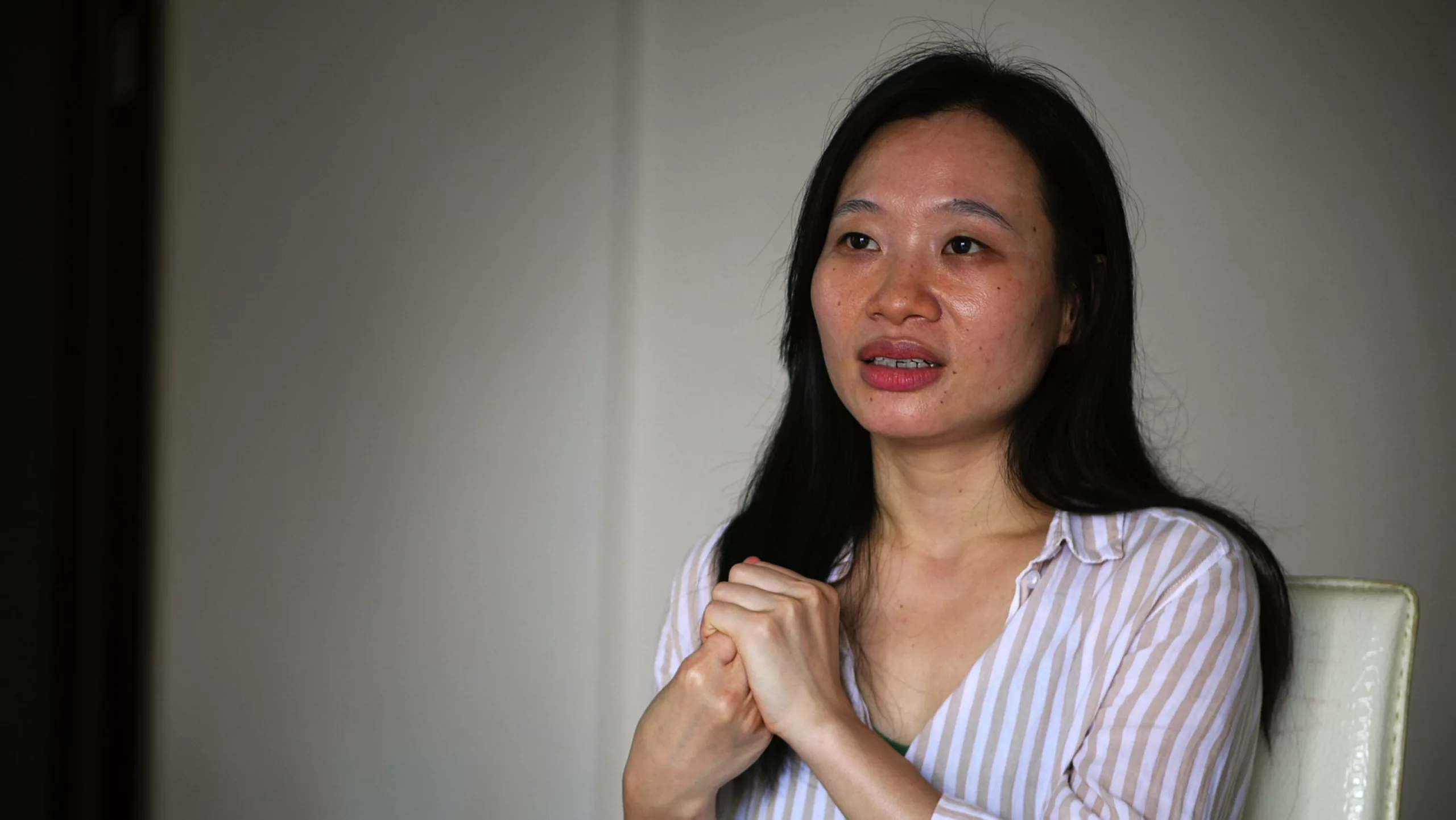
The Provocateur: Sophia Xueqin Huang
Where Wang retreated inward after incarceration while Chen raged outward for justice, investigative journalist Sophia Xueqin Huang practices creative nonviolent resistance from her besieged apartment. After reporting on party officials’ involvement in the #MeToo movement, Huang faced security harassment herself. Defiantly, she reads aloud from dystopian novels on video calls about state abuses of power, her Orwellian performance piece broadcast directly to the agents monitoring her.
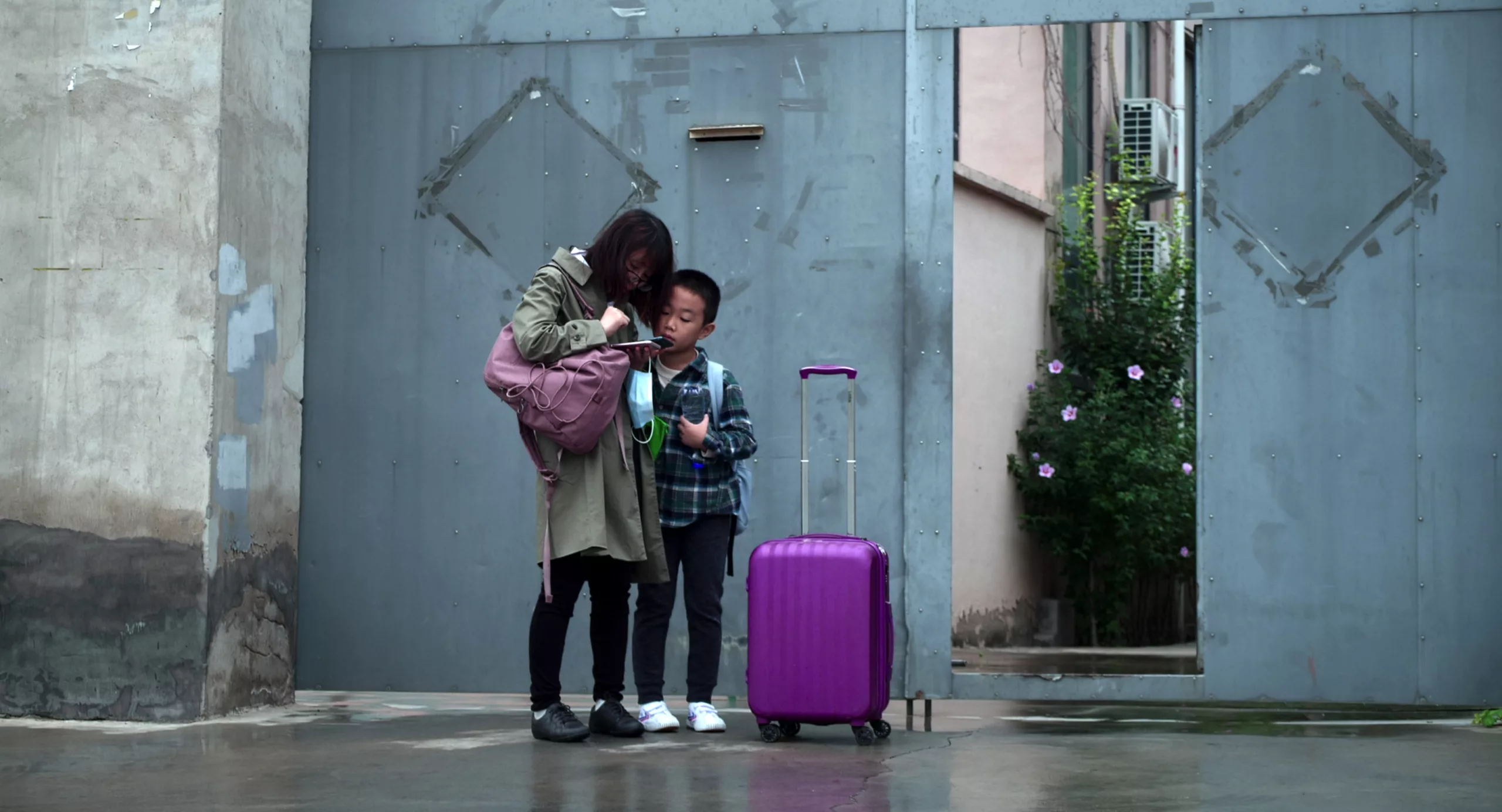
Despite the suffocating isolation, Huang’s spirit remains unbroken. She disguises her authorship to publish essays online supporting lawyer Chang’s release from prison, leveraging language patterns to duck AI detection. When authorities finally trace the pieces to her, she vows to continue fighting for human rights and free speech with strategic peaceful protest. Tragically, soon after filming wrapped, Huang was arrested en route to study in the U.K., demonstrating the unchecked power balanced tenuously on China’s high-tech police state knife edge.
An Army of Little Brothers
Despite the high-tech wizardry powering its authoritarian ambitions, the Chinese government relies on a relatively low-tech strategy to keep its vast populace in line: peer pressure. By incentivizing public informants and conditioning citizens to monitor one another, the state marshals social policing that no AI can match. It’s propaganda perfected, turning trusted neighbors into extra sets of eyes trained not outward but inward, on those daring to step outside conformity.
Zhang spotlights an elder man named Mr. Liu who eagerly volunteers as a neighborhood watcher. He jumps at any chance to report litterbugs or improperly parked bicycles through an app connected to the Social Credit System. Liu beams with pride discussing the points he’s accrued for his surveillance work, which let his daughter apply for better schools. “You have to trust the government,” he insists, his mind closed to questioning officials’ motives.
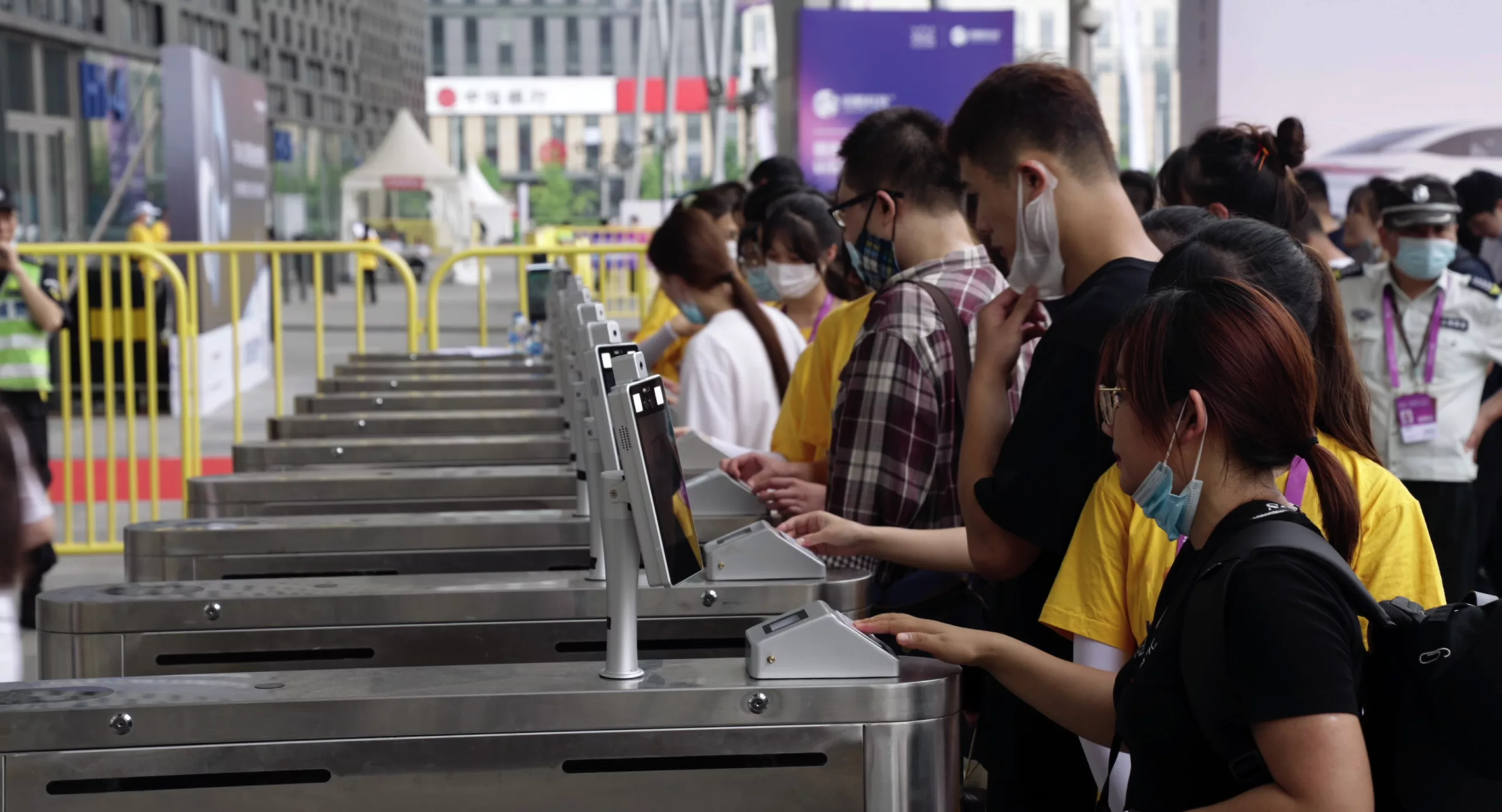
This insidious propaganda emerges again when Chen attempts buying train tickets to visit her imprisoned husband. Despite testing negative for COVID numerous times, the system has marked her health code “abnormal,” barring access to public spaces. Everywhere she turns, the bureaucratic wall stands unmoved by her pleas for transparency behind the digital verdicts confining her. The impersonal system has become judge, jury and executioner.
Most chilling is ordinary citizens’ complicity in enabling this oppression. When the Wang family tries driving their son to school after similar restrictions, a group of strangers obstructs their exit, offering to walk the boy so his parents can stay quarantined. Wenzu erupts in a fiery rebuke of their assumption of state authority over personal autonomy. But the drone-like volunteer squad receives her anger with unsettling calm. They are only there to help, to do their part.
Zhang effectively portrays how readily her countrymen accept privacy erosion and rights limitations when packaged as easier living through technology. Lulled by promised security, the average Zhou readily snoops on neighbors for Social Credit points, as if gamification camouflages the gradual dissolution of dissent. Each eager betrayal moves the populace toward complete submission under centralized domination, one fractional freedom sacrificed daily in exchange for convenience until nothing is left.
Too Close for Comfort
Zhang’s portrait of a Chinese surveillance state dependent on both advanced technology and a complicit public hits close to home for her Western audience. Unsettling parallels emerge between China’s social credit system and recent pandemic policies in Europe and America concerning compliance apps, vaccine passes and health data centralization. As COVID continues reshaping state power dynamics globally, many citizens share growing unease over long-term implications for civil liberties.
When Chen finds herself arbitrarily restricted from public places due to falsified contagion records, it evokes controversies around vaccine mandates barring the unvaccinated from restaurants or jobs regardless of actual immunity. Similarly, many bristled at contact tracing programs’ encroachment on privacy rights and normalization of location tracking via smartphones. Both health crises and security threats grant governments potent excuses to expand monitoring citizens for the greater good. Where will we draw the line on how much autonomy we cede to systems promising protection through constant vigilance?
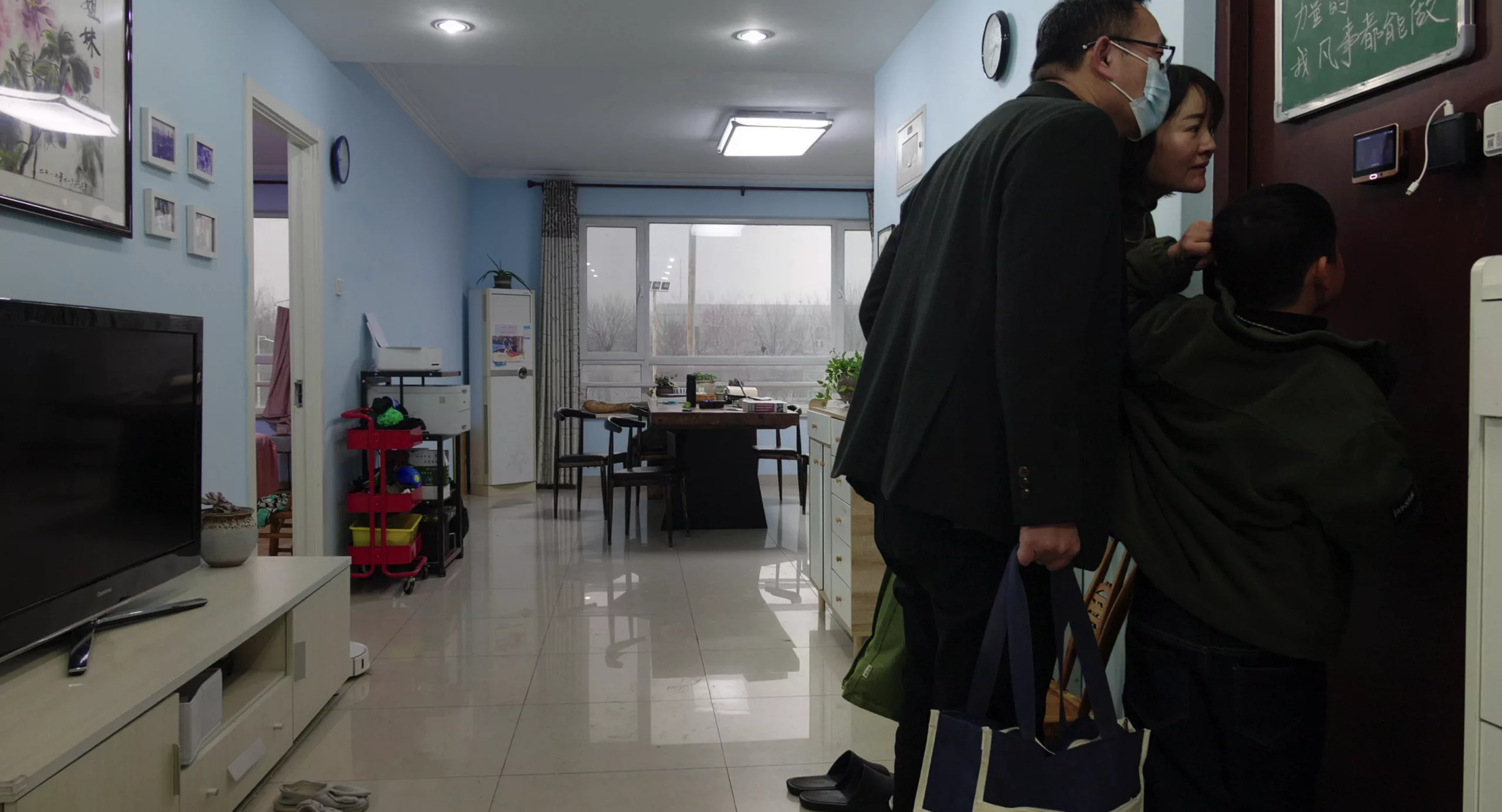
Furthermore, China’s state-sponsored social credit structure may feel foreign, but its underlying groupthink psychology rings all too familiar in the age of cancel culture and digital mob rule. Social media empowered everyday netizens to perform acts of public shaming or censorship that governments cannot, destroying reputations and careers for perceived thoughtcrimes in minutes. When freelance volunteers harass Chen based solely on her labeled threat level, it mirrors online assassination squads bullying those labeled as problematic by the herd. Ostracization and dogpiling silence minority voices while allowing the majority to feel righteous in their prejudice.
Watching the Wang family’s everyday lives disturbed by state interference offers Western viewers shaken recognition of how parlously close modern democracy teeters to dystopia, given the seductive powers of technology. Facial recognition software is sold to police forces as progress while government databases quietly amass our intimate details, with our consent. Each new convenience welcomes another probing eye, dimming the promise of freedom. Zhang leaves audiences wrestling with hard questions in Total Trust’s unsettling aftershock: what are we willing to sacrifice for the sake of an illusion of security? And how much has been lost already?
The Light Still Shines
“One moment of darkness will not blind you forever,” wrote imprisoned journalist Sophia Xueqin Huang. Her words resonate through Zhang’s harrowing documentary, highlighting the seeds of hope rooted even in seemingly all-encompassing oppression. For amid the technological tyranny smothering dissent in modern China, glimmers of rebellious light persist in citizens like Huang willing to challenge the omnipotent state’s overreach at great personal cost.
The government may disguise its authoritarian expansion behind tech-enabled convenience and friendly citizenship point programs. But Zijuan Chen, Wenzu Li and Huang herself expose the inhuman reality behind the slick system trampling rights and lives. Their defiant spirits reveal cracks in the social credit façade, holes allowing slivers of truth to pierce the darkness.
Chen marches alone, family banner in hand, to the prison holding her husband. Li publicly removes her wig, her shorn head symbolizing her refusal to bow meekly to her husband’s persecutors. Beleaguered but unbroken, Huang invokes Orwell to lecture the very surveillance state seeking to silence her, a one-woman spectacle daring censors to watch. These women weaponize their visibility against obscurant forces aiming to disappear them into the bureaucratic void.
Their valiant examples raise lingering questions we must grapple with in the looming shadow of the surveillance state. What universal human rights exist beyond the reach of technology designed to condition, control and conform? How do we balance empowering innovation with protecting marginalized voices? Can transparency and oversight prevent convenience from corroding freedom’s foundations? The answers begin with ordinary citizens like those featured here, rooted in courage bright enough to withstand the darkest night. Their light can still guide the way back from the brink, if we follow fearlessly.
The Review
Total Trust
Powerful and urgently relevant, Jialing Zhang's documentary serves as a stark warning call against the seductive dangers of privileged security over liberty. Total Trust will leave viewers rattled yet awakened to the creeping loss of autonomy that technology and complicity normalize when dissent is silenced. Through memorable storytelling, Zhang humanizes the terrifying Chinese surveillance state while connecting its overreach to our modern erosion of rights closer to home. Her brave activists model how integrity perseveres even under oppression's boot, redeeming hope from darkness.
PROS
- Powerful firsthand depictions of life under mass surveillance
- Intimate portraits of courageous dissidents
- Explains China's social credit system clearly
- Highlights technology's threats to civil liberties
- Draws unsettling connections to viewer's reality
- Urgent/dystopian tone creates strong emotional impact
CONS
- Could expand more on citizen complicity/groupthink
- Lacks concrete calls to action for viewers
- Storytelling fractured between different subjects
- Tragic fates may leave some viewers feeling hopeless
- Assumes familiarity with Chinese politics/culture







