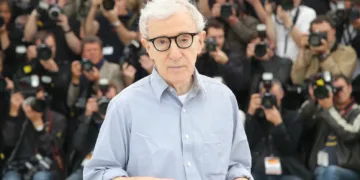













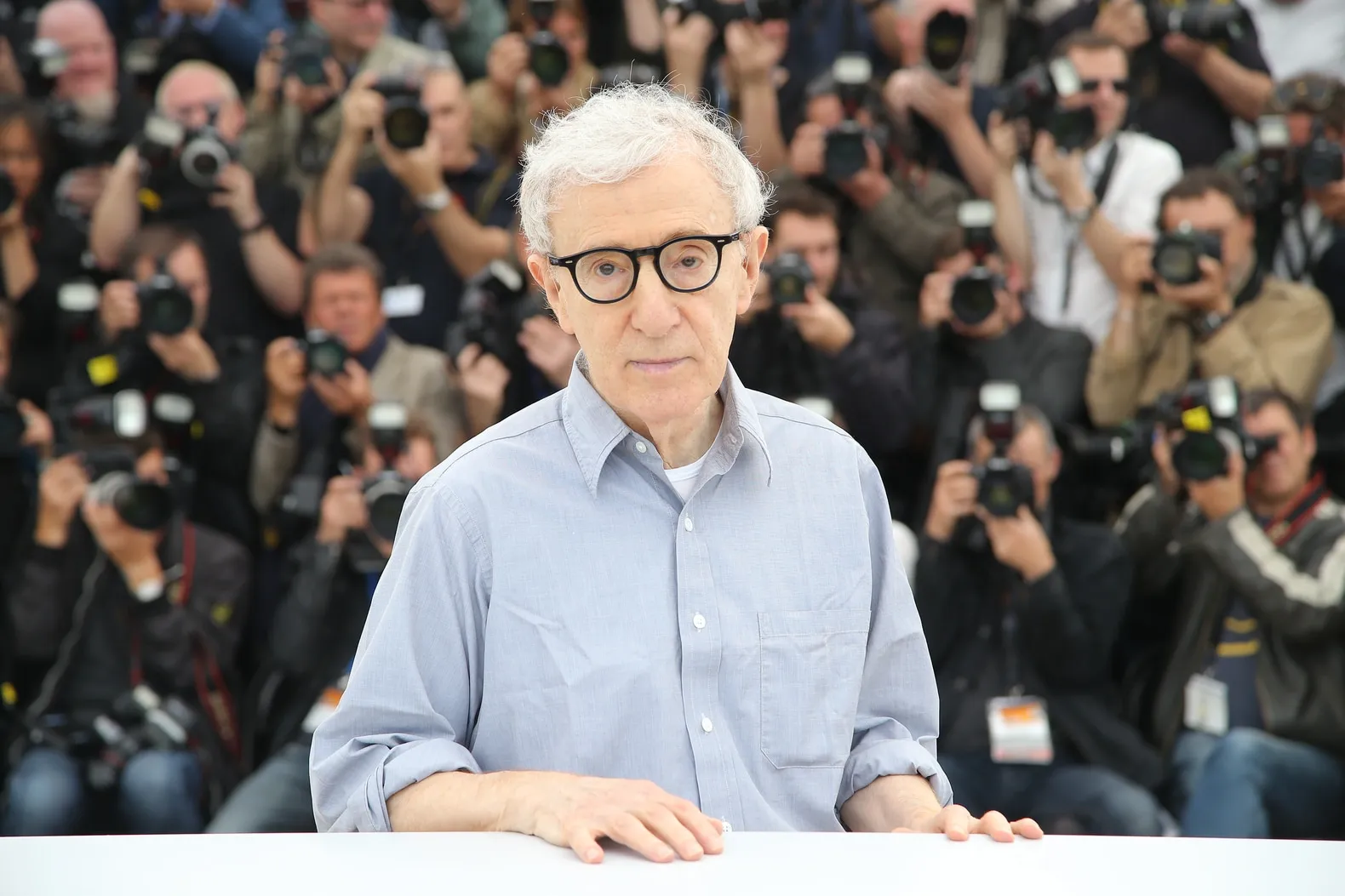

Woody Allen defended his career prospects in a new interview, dismissing “cancel culture” as “dumb” and arguing that performers who refuse to collaborate with him are “making a mistake.” The 89-year-old filmmaker, who has seen some studios and actors distance themselves in recent years, said he remains open to working and rejected the idea that public backlash should determine creative choices or hiring.
His remarks arrive as the director continues to attract criticism beyond the United States. Last month, Ukraine’s foreign ministry condemned his remote appearance at a film event in Moscow, saying participation by high-profile Western artists lends cover to the Kremlin’s war narrative; Allen responded that he opposes the invasion and values cultural exchange but has no plans to shoot in Russia. The episode underscored how political fault lines have become entwined with assessments of artists and where they choose to appear.
Allen has long denied sexual abuse allegations dating to the early 1990s, while industry support has fluctuated across the last decade following high-profile statements from former partners, business ruptures and a pivot to European financing and distribution. In 2023, he premiered a French-language feature on the festival circuit and floated the possibility of slowing his output, only to continue promoting film and writing projects through interviews and public Q&As. His latest comments extend a line he has taken before, framing boycotts and refusals to collaborate as short-sighted and insisting his work should be evaluated apart from campaigns on social media.
Reactions to his new interview split along familiar lines: supporters point to decades of awards and critical recognition and argue that artistic merit should not be adjudicated by viral outrage; detractors counter that the choices of cast and crew are also exercises of free association, and that reputational context inevitably shapes who gets financed and platformed. With his profile rising again through recent coverage and his name surfacing around festival conversations and retrospectives, Allen’s defense of his standing doubles as a test of how much market appetite remains for collaborations that many peers publicly decline.