
























![Kingdom Hearts Collection [I-III] Review](https://gazettely.com/wp-content/uploads/2026/10/Kingdom-Hearts-Collection-I-III-1-360x180.webp "Kingdom Hearts Collection [I-III] Review: KHII Holds Steady as Newer Entries Fluctuate 37")



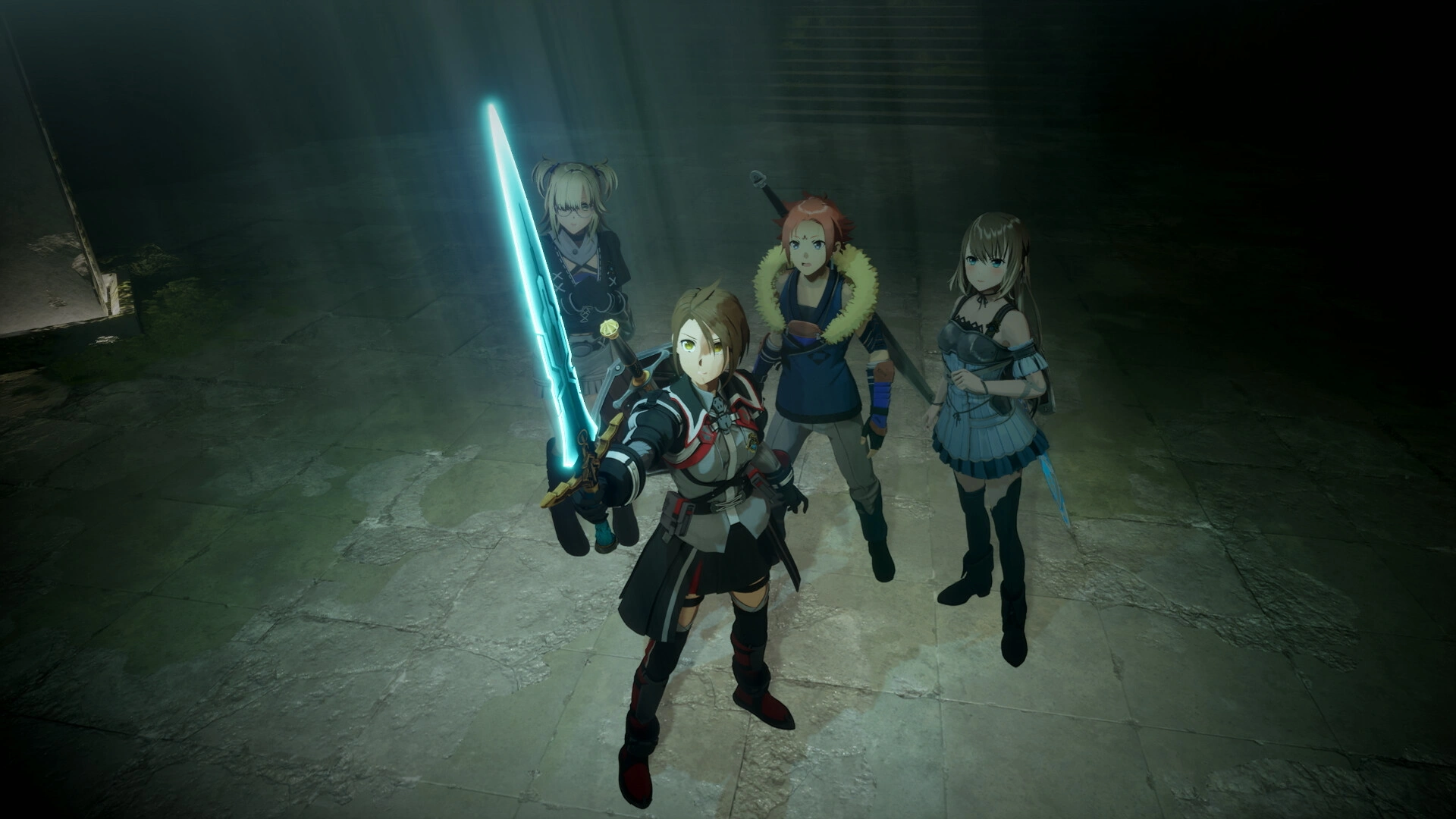

Logging out disappears from the menu at precisely the point when thousands of Sword Art Online players learn they are trapped inside Aincrad. You can still quit Echoes of Aincrad by closing the application from your console or desktop, of course, but the missing command is a clever piece of franchise-specific theater.
Game Studio Inc. understands that SAO fans have already watched Kayaba’s death-game announcement. The useful question is how a game can make that familiar event feel personal again. The answer is to remove Kirito from the player’s hands.
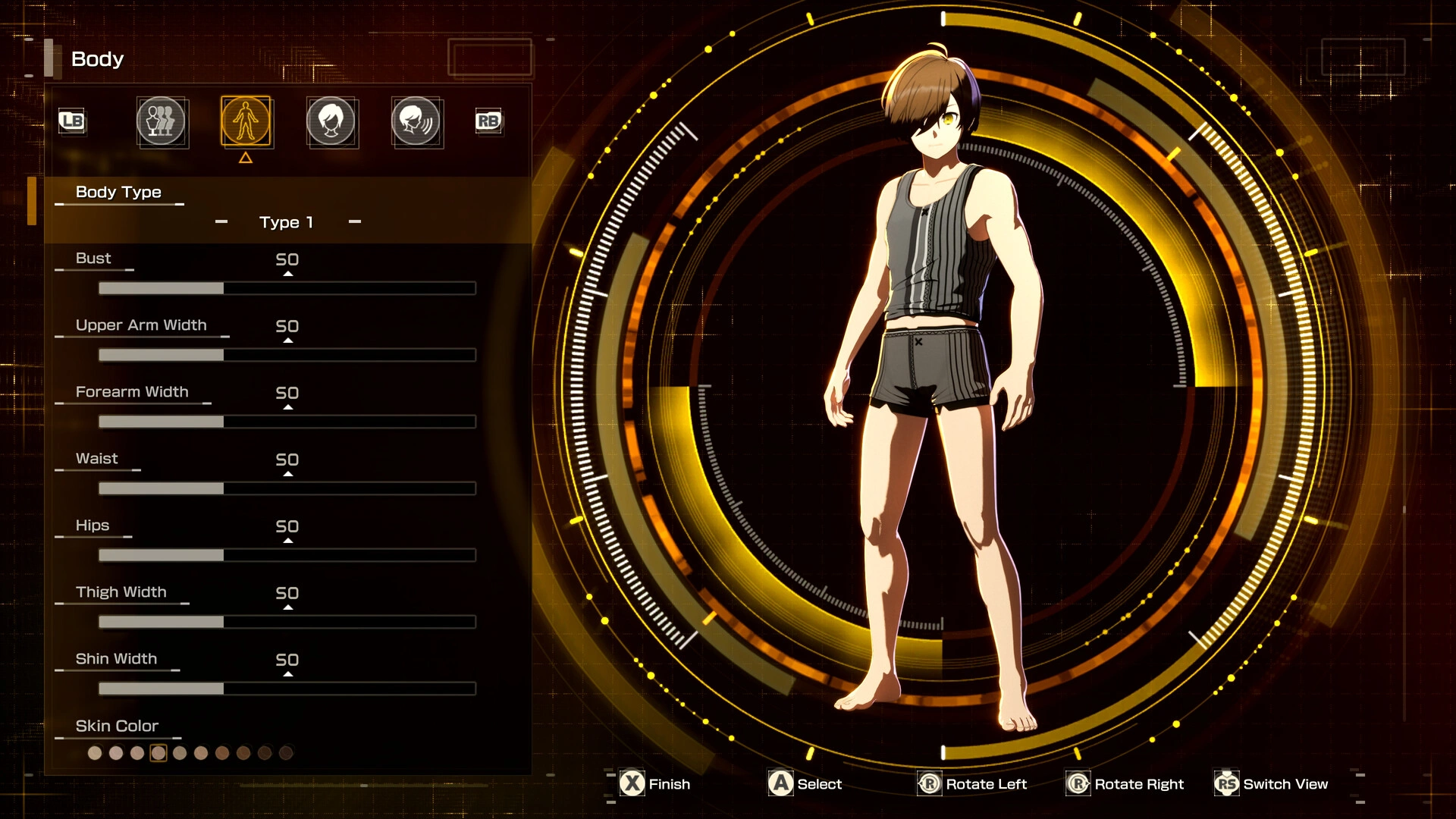
Echoes of Aincrad casts you as an original beta tester who experiences Sword Art Online before its official launch, meets other players, and later returns for version 1.0. Only after the prologue does the full character editor become available, and by then your avatar has a place in this history. Kirito, Asuna, and other familiar faces still appear, yet the first two floors are presented from somewhere beside their canonical route.
Previous SAO games have often struggled with the weight of their own cast. Familiar relationships arrive with years of baggage, and newcomers are expected to catch up while veterans watch another variation on scenes they already know.
Here, original companions talk about quests, NPCs, menus, and stats with the casual language of people figuring out an MMO together. It occasionally makes the dialogue feel like a group chat reading a tutorial aloud. It also sells the fantasy of being one player among thousands far better than placing another sword directly in Kirito’s hand.
Pick a Weapon, Then Become It
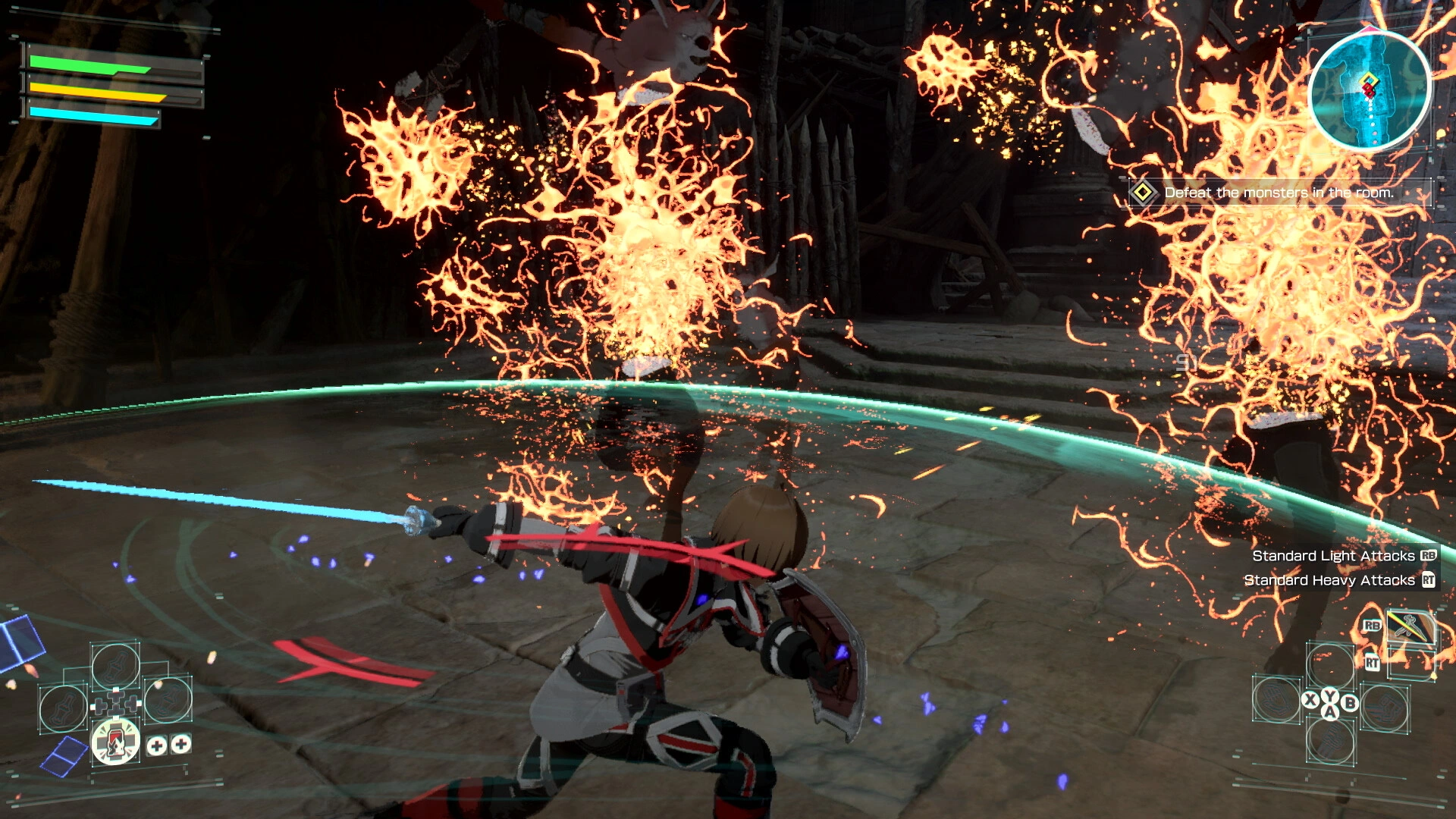
Combat begins with familiar action RPG verbs: light attack, heavy attack, block, dodge, parry. The distinction arrives once weapon choice starts altering how those verbs lead into Sword Skills.
A dagger can send you behind an enemy for a quick slash. Axes can crack the ground. Swords sweep through clustered targets with broad arcs. Repeated use of a weapon category unlocks further abilities, so experimenting during the early floors has a practical purpose. This is worth doing before stat allocation begins quietly telling you to settle down.
Vitality raises health, mind supports the resource used for skills, and endurance expands stamina. Strength, dexterity, agility, and intelligence feed different weapon styles. Add up to four weapon benefits, including reduced resource consumption, damage reduction, or elemental effects, and a favorite armament begins shaping the character rather than sitting in an equipment slot waiting for a bigger number.
The blacksmith deepens that commitment. Two weapons can be synthesized so one inherits a useful property from another, while unwanted gear can be broken down for upgrade materials. Since equipment cannot be changed once a mission begins, poor preparation follows you into the field. Finding a stronger axe halfway through a dungeon means carrying it home and thinking about the next excursion.
Stamina is the system that keeps all this aggression honest. Dashing, dodging, and parrying consume it, and draining the bar leaves you briefly helpless. A mistimed sequence against a miniboss can turn three confident dodges into a few seconds of watching an oversized creature rearrange your health bar.
Companions give those encounters another variable. In Free Mode, your partner attacks nearby enemies independently, useful when several wolves or boars surround you. Swap or Switch Mode directs pressure toward your target, giving tougher enemies less breathing room. Support and attack abilities fill through combat and can then be triggered for stronger interventions. This is considerably better than the usual anime RPG companion who arrives mainly to shout encouragement while being punched.
The MMO Illusion Hits a Wall
Aincrad works best when its systems pretend other players matter. Characters send friend requests, discuss builds, and treat every new mission like MMO content rather than heroic destiny. Towns have blacksmiths, item shops, an inn room, and a mission hub, with teleport points reducing repeat travel between them. Then you try to go somewhere the game has not approved.
Quest areas place invisible restrictions across maps that otherwise look explorable. A side mission marker can appear beyond a route visible on the map, yet an unclimbable wall or invisible barrier prevents access until the correct mission allows it. The character cannot swim or simply drop from certain ledges either. Aincrad presents itself as a world and regularly behaves like a collection of assigned work zones.
The scale compounds the problem. Some dungeons are huge, but enemy placement leaves long runs between fights. When the next encounter is another pack of wolves or boars, distance starts feeling less like geography and closer to padding. Elite versions gain armor pieces, altered fur, and higher levels, though the first hours recycle the same creature families aggressively.
Loot exposes the machinery underneath. Kill a boar and it may drop hides, bones, and a sword. Wolves apparently maintain a surprising armory. The reason is clear: weapon progression needs a constant supply of gear for synthesis and dismantling. The economy gets fed, while the MMO fiction takes a small hit every time livestock hands over a greataxe.
Checkpoints reveal map sections and restore resources, but using them respawns regular monsters. Bosses remain defeated. The structure borrows a familiar idea from soulslikes without demanding their severity, particularly across four difficulty settings. Clearing the game also unlocks a permadeath mode, a fitting option for anyone who has spent years insisting SAO’s premise should feel dangerous.
Aincrad Needs Better Reasons to Wander
The strange part is that these empty spaces often look exactly like the Aincrad fans have spent years imagining. Large landscapes use the bright palette associated with Sword Art Online, bosses provide the strongest visual spectacle, and recognizable architecture gives the floating castle a convincing exterior identity.
Exploration rarely matches that presentation. Hidden chests sometimes require small interactions, such as using a fire stone to burn through brambles. Certain locations contain short lore texts. Most routes offer monsters and treasure, then ask you to return to the mission objective.
Towns suffer from the same gap. Crowds create the appearance of an active player population, yet many characters cannot be spoken to. For a single-player RPG attempting to simulate a massive online community, filling streets with silent bodies is an unfortunate way to remind the player that the server is imaginary.
Technical compromises are visible there too. Objects pop into view or disappear according to distance, apparently easing the load in busier areas. On PlayStation 5, the reported frame rate is mostly steady, and the difference between graphics and performance modes is difficult to identify during ordinary play. The Japanese voice track gives conversations stronger energy than the English option, while the music settles comfortably behind exploration rather than fighting for attention.
Then a dagger build clicks, a heavy strike cuts through a weak animal in one blow, and the game falls into an oddly pleasant rhythm. Run, fight, collect, return, dismantle, synthesize, leave again. SAO has spent years telling stories about the terror of being unable to log out. Echoes of Aincrad occasionally discovers the other side of that fantasy: the quiet satisfaction of having one more quest before you bother looking for the exit.
The Review
Echoes of Aincrad
Echoes of Aincrad comes closer than previous Sword Art Online games to making Aincrad feel playable rather than merely recognizable. Creating a beta tester instead of borrowing Kirito gives the first two floors fresh narrative room, while weapon progression, synthesis, and companion modes make combat worth studying. The illusion weakens whenever enormous dungeons offer another stretch of running, another pack of wolves, or an invisible wall guarding a visible objective. SAO veterans finally have a game that understands the appeal of living beside the canon, even when the world surrounding its combat feels unfinished.
PROS
- Excellent original-player perspective
- Strong weapon-based progression
- Flexible companion combat modes
- Faithful Aincrad atmosphere
- Smart meta menu touches
CONS
- Repetitive enemy selection
- Empty oversized maps
- Restrictive quest boundaries
- Limited town interaction
- Slow story progression







