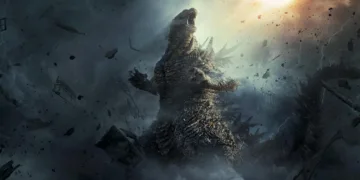




















Kenji Noda’s team has a plan for the creature resting in the mountains. They have aircraft, weapons, and enough experience with Godzilla to know that an ordinary attack may fail. The attempt is gripping because Takashi Yamazaki lets us understand what the team expects to happen before Ghidorah takes to the air and makes their preparations look painfully small. The danger does not come from losing track of the action. It comes from following it.
That clarity gives Godzilla Minus Zero room to make its monster fights feel enormous without treating the people beneath them as specks. The aerial confrontation has a clear chain of decisions and consequences: a target that seems briefly vulnerable, a strike that changes the situation, pilots suddenly forced to react. Yamazaki has always liked showing people build a solution together. Here, he is interested in the frightening interval between realizing that a solution has failed and finding another one.
Set in 1949, two years after Godzilla Minus One, the sequel finds Japan recovering from one catastrophe when another creature attacks Matsumoto. Noda (Hidetaka Yoshioka), once a naval engineer, now leads a disaster-response bureau.
His team includes meteorologist Makoto Aoyama (Masami Nagasawa), whose knowledge of storms helps them anticipate Ghidorah’s movements. They can study this threat and make coordinated plans against it. They can even consider directing a regenerated Godzilla toward it. Each new capability gives them another decision to make, with lives attached to the outcome.
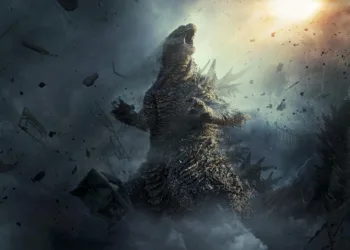
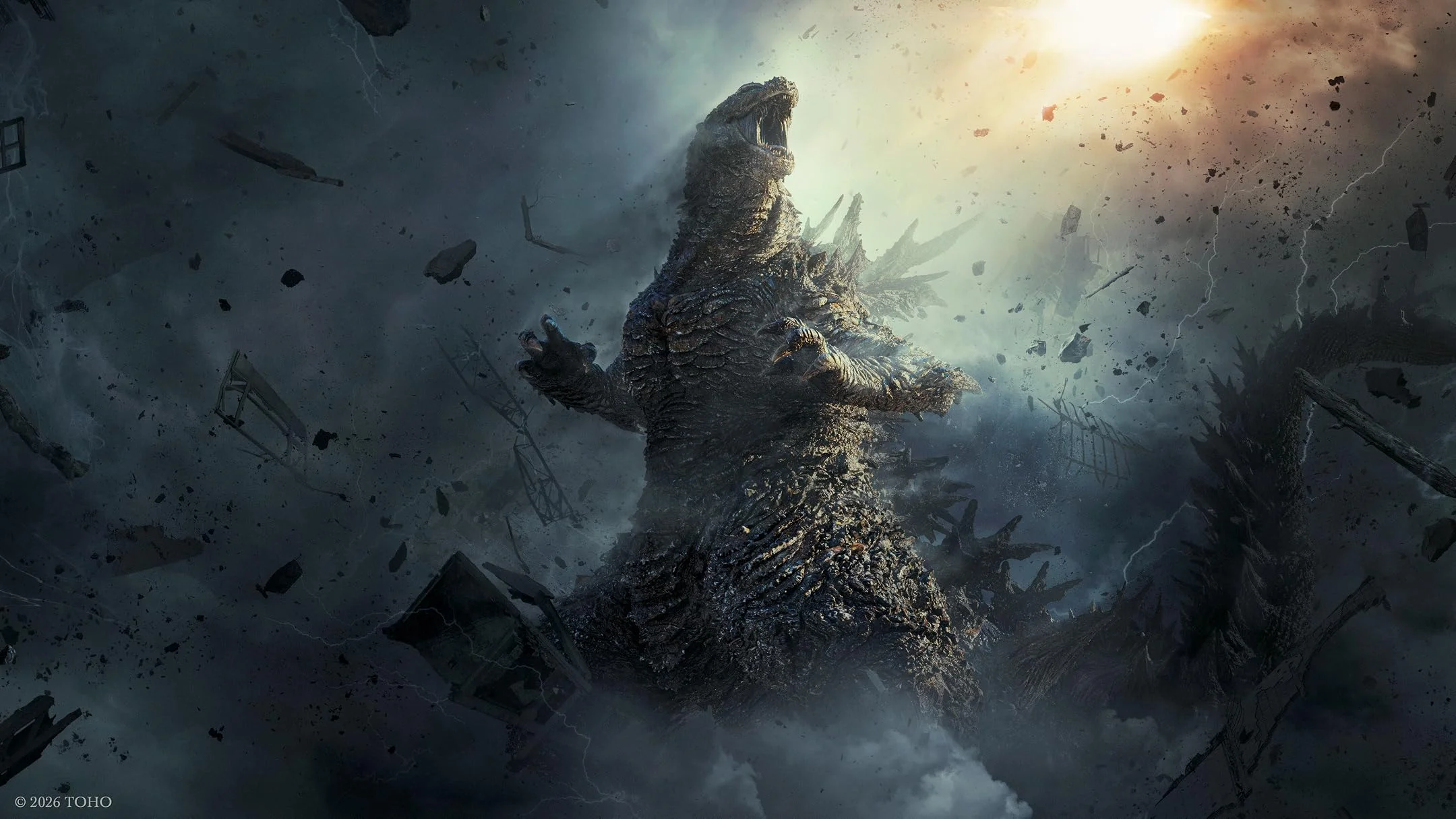
Yamazaki makes that responsibility visible in the destruction itself. Ghidorah’s lightning-like attacks tear through the air; the creature can lift parts of the built world and send them crashing down. The effects give buildings weight even as they do impossible things. During the later confrontation between the monsters, their size remains legible against the spaces and people around them.
Some passages of that prolonged fight are harder to follow than the earlier aerial sequence, but its best images retain the unnerving sense that a change in either creature’s direction could erase someone’s escape route. Naoki Satō’s score drives the attacks with gathering force, while its quieter use during conversation gives the actors space to register what those attacks will cost.
Kōichi Shikishima (Ryunosuke Kamiki) knows that cost before anyone asks him to fly again. He survived the war and the first film’s encounter with Godzilla; now he and Noriko (Minami Hamabe) are raising their adopted daughter Akiko. The previous film gave Kōichi a reason to choose life after years of guilt over a kamikaze mission he never completed.
Ghidorah’s arrival tests what that choice means when his particular skills could save other families. Noda’s reluctance to put him back in a cockpit is one of the sequel’s most effective turns. A former weapons designer, Noda understands the need for a plan, yet he cannot discuss a pilot as a resource without thinking of the child who might lose her father. Yoshioka gives that refusal warmth as well as authority: Akiko is waiting for her father to come home.
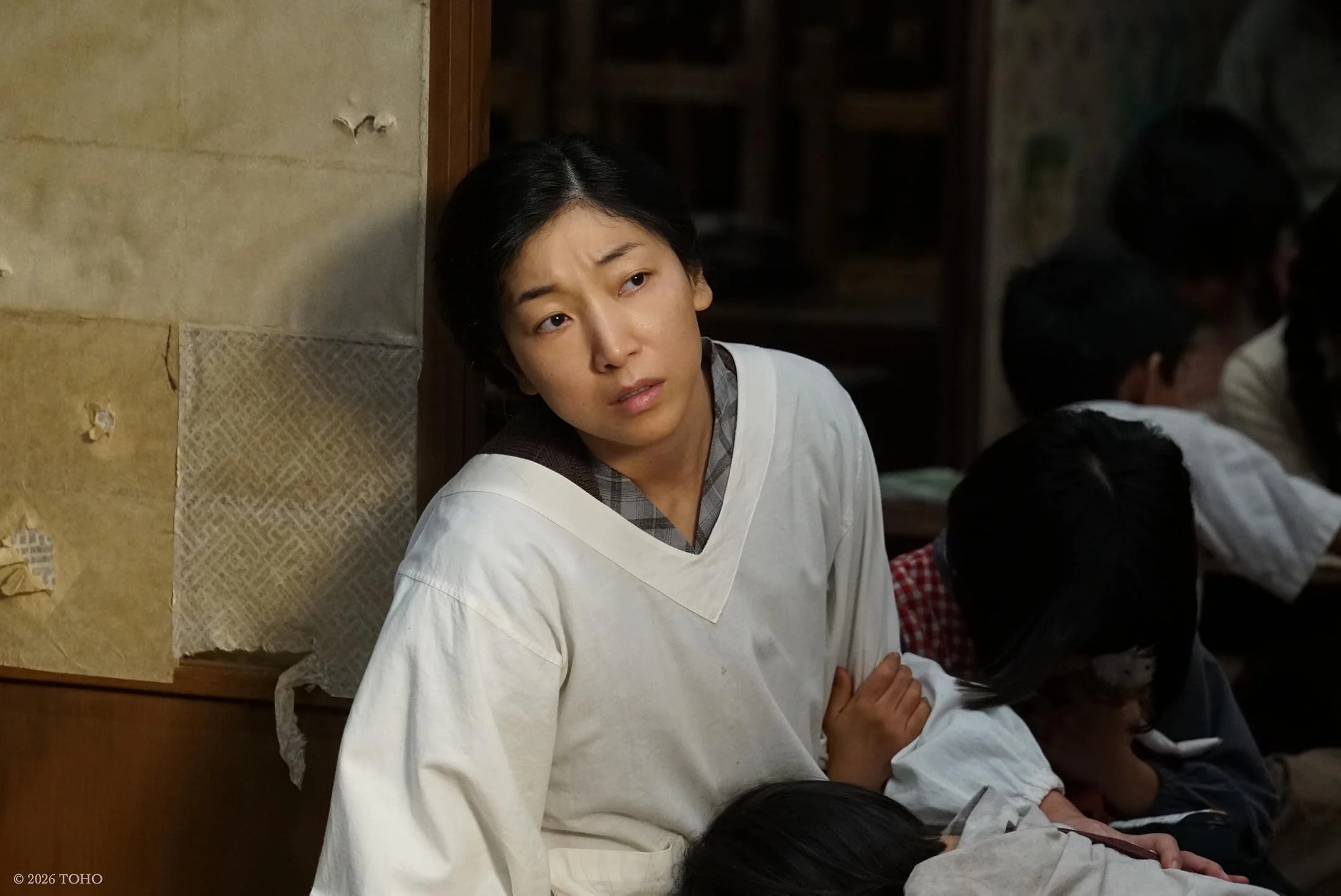
The family material does not always keep pace with the new predicament. Kōichi and Noriko have married, and Noriko’s recovery from the Ginza attack carries unsettling implications that draw her into the response. Still, their scenes together reveal less about the intervening two years than the film needs.
Their worry for Akiko is easy to understand, but their marriage often feels held in the same grave register as their earlier, less settled relationship. Kamiki and Hamabe commit to the fear in those scenes; the writing gives them fewer chances to show how ordinary life has altered the way they speak to one another. The sequel is strongest with this family when a decision brings that missing everyday life sharply into view.
Aoyama offers a different angle on preparedness. Her ability to forecast a storm matters to the operation, while her experience of a disaster she could not prevent keeps her from mistaking prediction for protection. Yamazaki gives the team’s work a welcome practical texture through her and Noda: people gather information, disagree about its meaning, then act with whatever certainty they can manage. Professor Murakami’s grief over Hiroshima adds a harsher response to the same uncertainty, though the hints surrounding his private aims are less clearly developed than the work he does alongside the others.
The postwar setting lends these choices a political edge. American forces will supply planes but stop short of committing troops, leaving the Japanese team to carry out a dangerous operation with help shaped by someone else’s limits. The possibility of steering Godzilla against Ghidorah raises an even less comfortable question. A force that devastated civilians might prove useful against a new threat; usefulness offers no assurance that anyone can control it afterward.
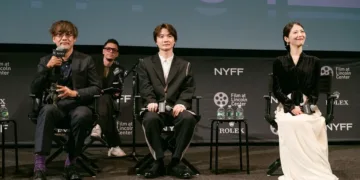
Godzilla Minus Zero held its world premiere at the New York Film Festival on September 26, 2026, ahead of its wide theatrical release. Set in 1949 postwar Japan, the epic kaiju sequel follows former kamikaze pilot Kōichi Shikishima as he and a recovering nation face a devastating new monster threat.
Where to Watch Godzilla Minus Zero (2026) Online
Full Credits
Title: Godzilla Minus Zero
Distributor: Toho
Release date: September 26, 2026 (New York Film Festival) / November 3, 2026 (Japan)
Rating: R
Running time: Not publicly specified
Director: Takashi Yamazaki
Writers: Takashi Yamazaki
Producers and Executive Producers: Kazuaki Kishida
Cast: Ryunosuke Kamiki, Minami Hamabe, Yuki Yamada, Kuranosuke Sasaki, Sakura Ando, Hidetaka Yoshioka, Jun Kunimura, Masami Nagasawa
The Review
Godzilla Minus Zero
Takashi Yamazaki makes every failed plan count. The aerial attack is thrilling because we can follow each decision before Ghidorah overturns it, and the later monster clash keeps human lives in view. Noda’s concern for Kōichi and Akiko gives that spectacle its sharpest emotional stake. Kōichi and Noriko’s marriage feels less developed, and Murakami’s private aims remain hazy, but the film knows how to make enormous action frighteningly clear.
PROS
- Clear, tense aerial action
- Monsters with convincing scale and weight
- Noda’s moving concern for Kōichi’s family
- Strong score during the attacks
CONS
- Kōichi and Noriko’s marriage feels underdeveloped
- Some beats of the final fight are harder to follow
- Murakami’s aims lack clarity