



























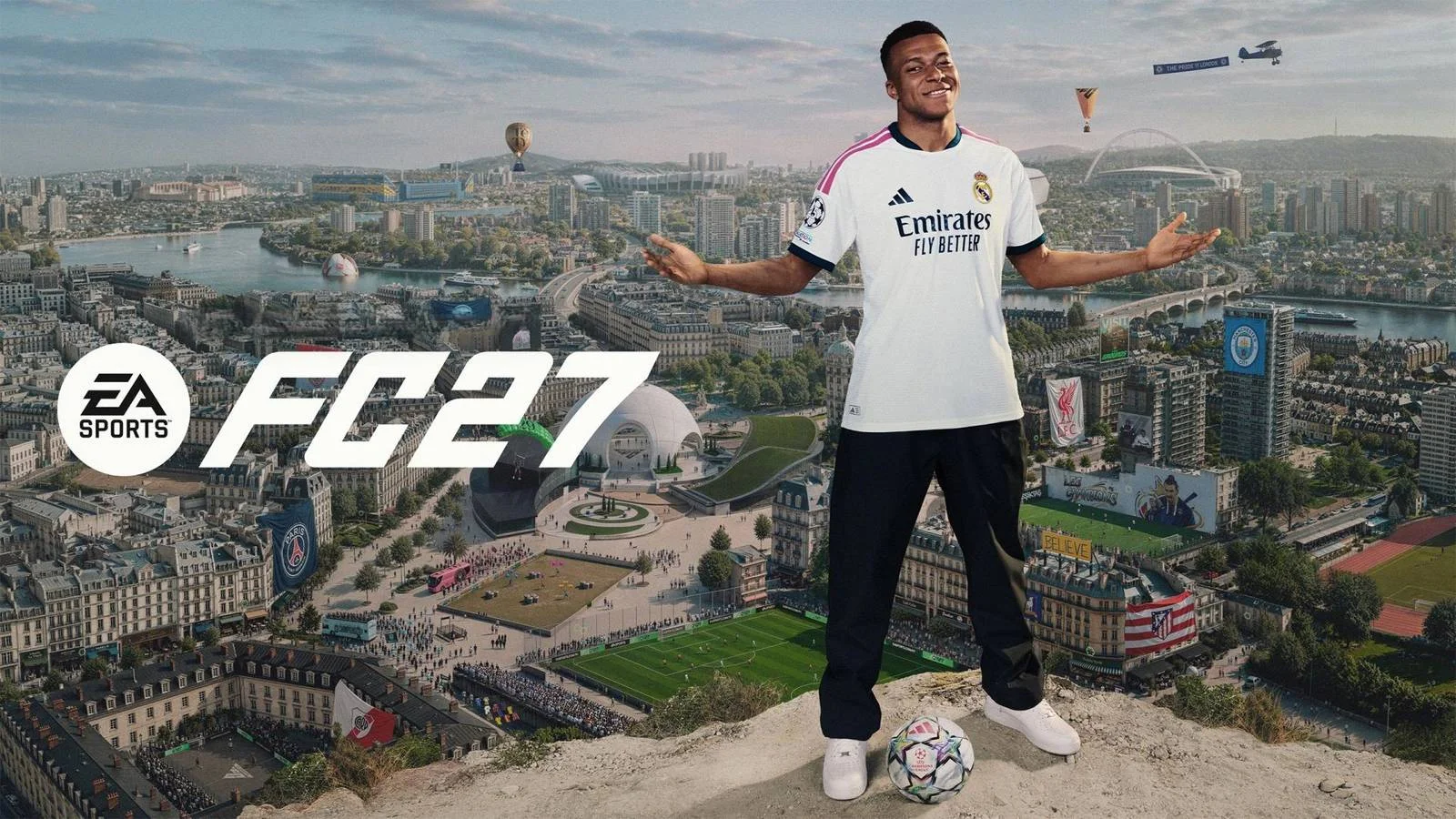

A defender standing five yards from the ball can tell you a surprising amount about EA Sports FC 27. In previous entries, that player might have stepped in, blocked the passing lane, or tidied up a mistake before you even switched control. FC 27 is far less generous. If you want the tackle, you have to read the attack, switch at the right moment, close the space, and commit. Get it right and the intervention feels earned. Get it wrong and the game is perfectly happy to let you watch the striker run through.
That change captures much of what EA is trying to do this year. FC 27 keeps the familiar structure of an annual football game, yet several of its strongest improvements come from removing automation and making existing systems ask something from the player. The result is a game that often feels sharper because the connection between input and outcome is easier to trace.
Defending benefits most. AI-controlled teammates provide less automatic protection, particularly under the slower Authentic gameplay settings, so positioning carries greater weight. A last-second challenge or desperate clearance feels satisfying because you can usually reconstruct how it happened. You saw the run, switched defenders, recovered the angle, then made the tackle. The game did not quietly solve the problem for you.
There is a cost to handing over that responsibility. Corners expose it quickly. Nearby defenders can become strangely passive while the ball ricochets through a crowded penalty area, leaving you with the sense that the AI is waiting for permission to participate. A demanding system asks you to make the correct decision. A frustrating one obscures which part of the situation you were expected to control.
Set pieces show the better version of that philosophy. Corners now use a two-stage routine that lets you place the cross and then direct runs toward the delivery. The old routine of sending the ball into the box and hoping for contact becomes an actual sequence of decisions, with execution on both ends of the move. FC 27 works best whenever added difficulty comes with equally clear agency.
Attacking movement follows that rule most of the time. Teammates make sharper runs, drift into space, and curve around defenders to create passing lanes that did not appear as reliably before. Those movements give possession a better rhythm because attacks can develop around what other players are doing instead of waiting for you to manually trigger everything.
The system occasionally gets ahead of itself. A player can change direction as you prepare the pass, turning what looked like an obvious ball into a misplaced one because your intended target moved during the input. I still prefer that problem to watching forwards stand motionless, but it exposes the same design tension found in defending: FC 27 wants football to feel less predetermined without making its outcomes harder to read.
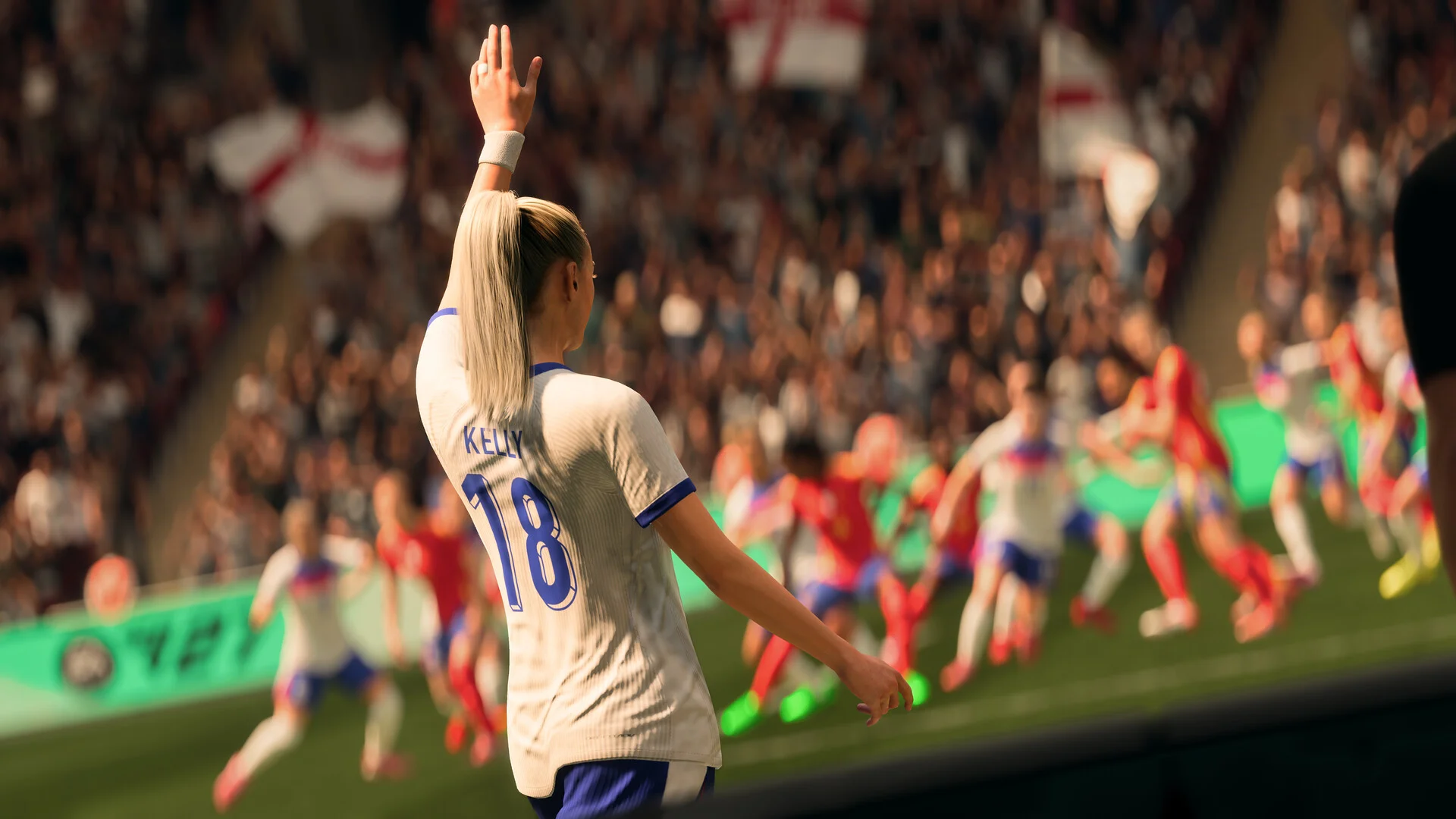
Career Mode is where that philosophy becomes much richer. Transfers have finally become a chain of connected decisions rather than a sequence of familiar menus. Scouting, availability, club negotiations, player negotiations, offer structures, rival interest, and delayed responses all interact. Clubs can refuse discussions. Players can reject the idea of joining your team. Publicly declaring interest may help push a reluctant target toward negotiations, yet doing so can alert competitors.
One Career save provides a perfect example during a Nantes rebuild. Cédric Bakambu initially refuses to negotiate. Public courting eventually gets him to the table, a contract appears close, and the manager stops pursuing alternatives. Celtic then reacts to that public interest, offers twice the weekly wage, and hijacks the move with only hours left in the window.
That sequence matters because every stage has a readable cause. The player applies pressure. The system responds. A rival notices. The squad plan changes. Losing a transfer is no longer simply a failed menu interaction. It can become the consequence of the strategy used to secure the deal in the first place.
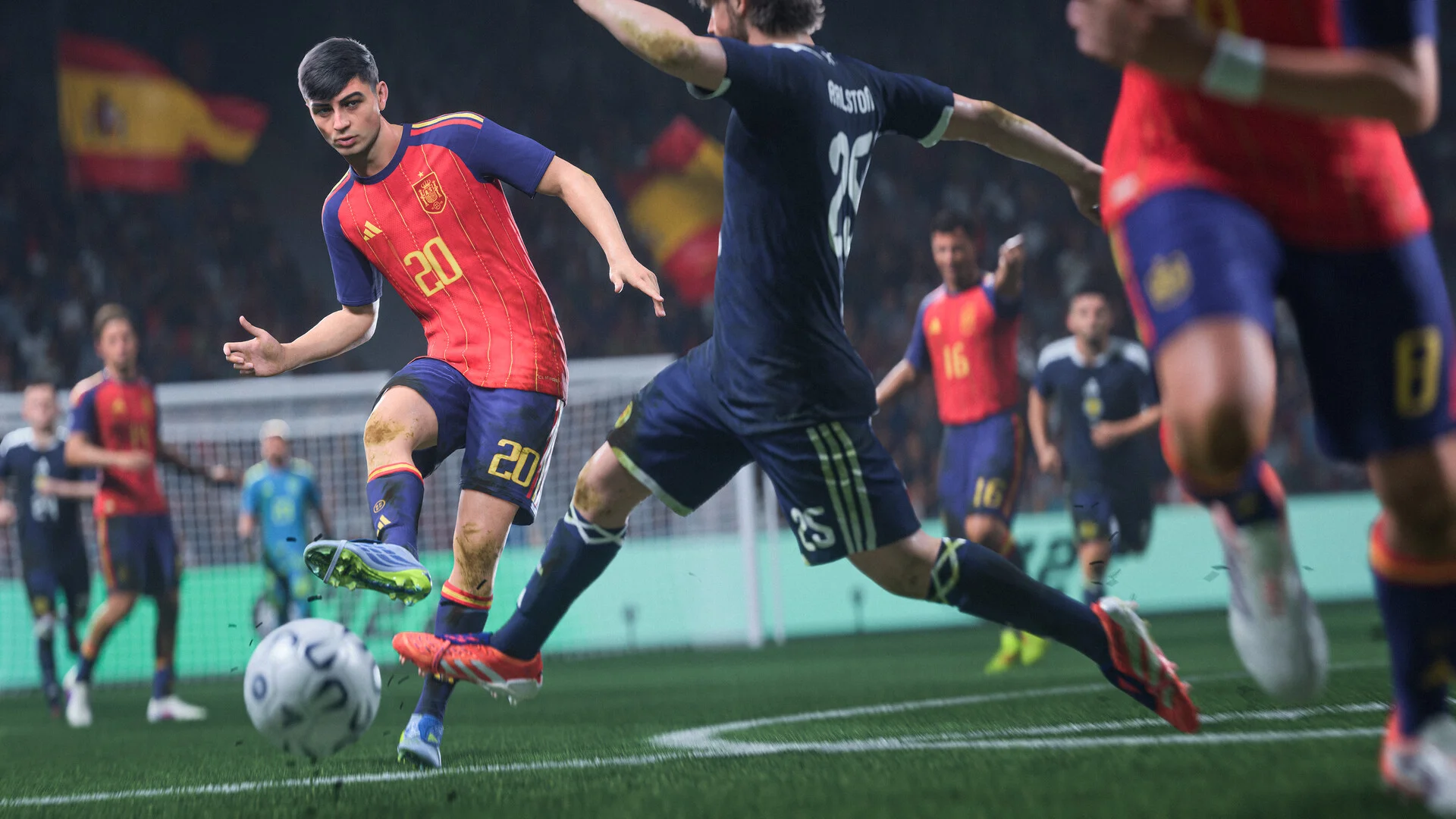
Dynamic player ratings strengthen the same loop. Ratings can rise or fall through form, fitness, training, morale, and match performance, which means squad selection can reshape the numbers you later use to make squad decisions. In one Career save, Louis Leroux rises from 71 to 79 by Christmas through consistent performances, while Lepenant declines after a poor run and needs carefully selected matches to recover. Those fluctuations also affect transfer value, salary expectations, scouting, and outside interest.
A rating no longer functions purely as a permanent label attached to a player. It becomes part of a feedback loop. Play someone through bad form and his value can fall. Bench him at the right time, reintroduce him against weaker opposition, and the decision may repair both performance and market position. Managing the squad starts to mean managing consequences rather than sorting players by a fixed number.
The Grounds is harder to judge because its systems are clear while its value is less settled. The new hub pulls Clubs and created Pros into a shared space containing multiple districts, social areas, smaller match types, Rush, minigames, mentors, customization, archetypes, and progression rewards. Completing activities improves your Pro and provides reasons to remain in the space instead of bouncing between disconnected menus.
At its best, physically walking up to a pitch and joining a group gives Clubs a social texture that menus cannot replicate. One source describes that drop-in quality as a convincing football playground, helped by activities ranging from small-sided games to obstacle-based challenges. Another finds the town short on meaningful interaction, with stiff movement, limited content, and too much empty space between activities.
That criticism points to the design problem EA still has to solve. Turning a menu into a place works only if moving through that place creates useful choices. Otherwise, the hub risks becoming a scenic loading screen you have to walk across.
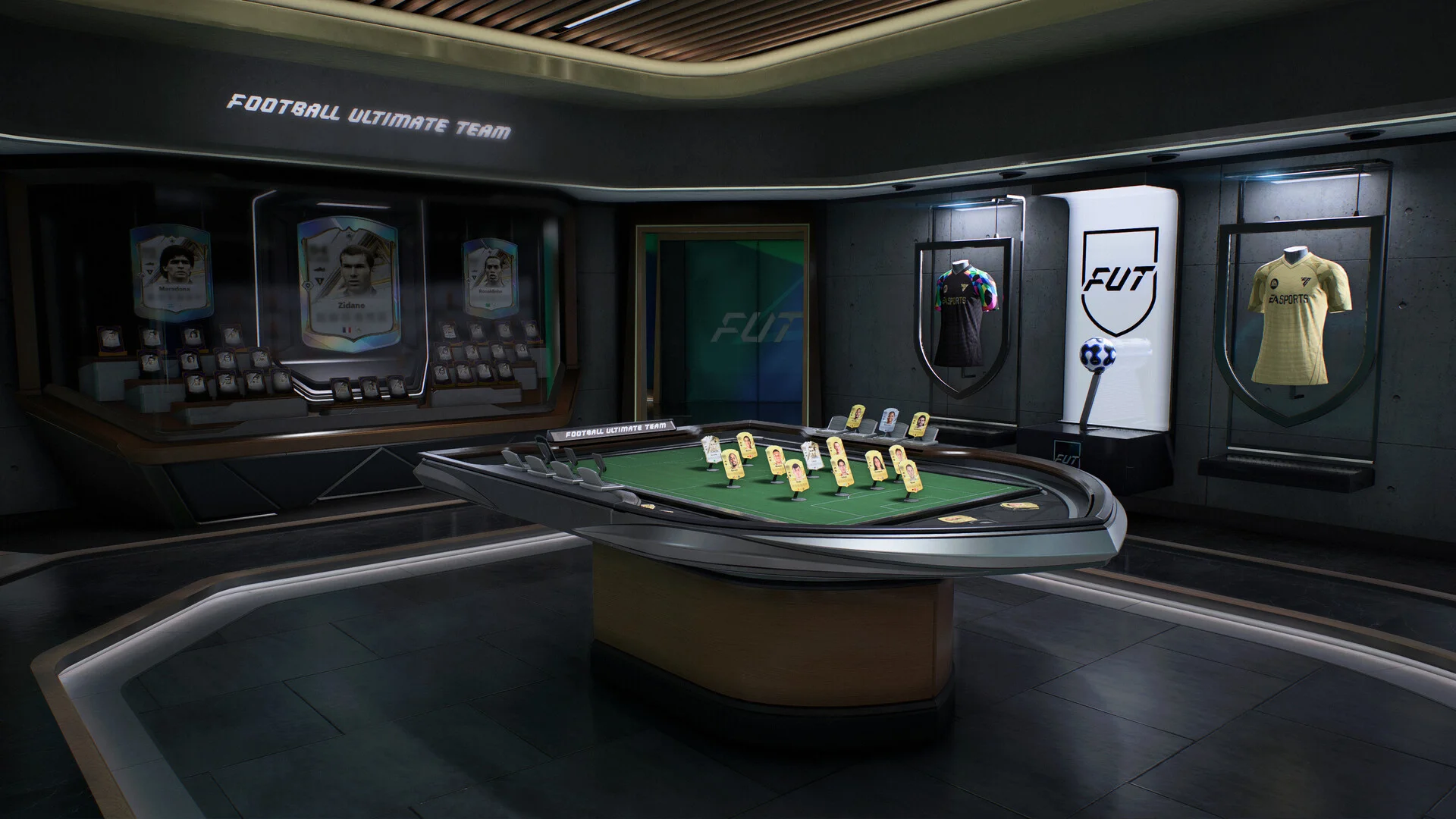
Ultimate Team receives smaller changes that fit the same push toward player control. Point-based Squad Building Challenges make unwanted cards easier to convert into progress, while Evolutions allow greater influence over how selected players develop. FUT Gallery adds a collection layer by recording cards you have owned and attaching rewards to filling it out. These changes remove some friction from a mode that has historically spent plenty of your time outside actual matches.
Its economy remains the harder limit. Premium progression can still reward spending in ways that affect competitive team building, which weakens the sense that every advancement came from a decision made on the pitch or in squad construction. FC 27 gives you better tools for shaping a squad, then keeps part of that shaping power tied to the familiar monetized structure around it.
Elsewhere, the game’s best systems make a cleaner promise: choose, and something answers. Public transfer interest can attract a rival. Poor performances can lower a player’s rating and alter his value. A mistimed defensive switch can become a chance conceded. FC 27 feels most alive when it makes you live with those football decisions instead of quietly resolving them in the background.
The Review
EA Sports FC 27
EA Sports FC 27 succeeds because its best systems make player decisions matter. Manual defending demands better reads, attacking movement creates richer choices, and Career Mode finally links transfers, form, ratings, and squad management into consequences you can follow. The Grounds still needs deeper interaction, while Ultimate Team’s economy undercuts some of its improved flexibility. Yet on the pitch and in Career, FC 27 gives players greater responsibility without losing the accessibility that keeps the series approachable.
PROS
- Manual defending rewards good decisions
- Smarter attacking movement
- Career Mode systems interact meaningfully
- Transfer negotiations carry real consequences
CONS
- Defensive AI can become passive at corners
- The Grounds lacks enough depth
- Ultimate Team monetization still affects progression