































The internet has always carried the fingerprints of the people who built their lives around it. Before platforms became carefully designed spaces shaped by algorithms, online communities were messy, personal, and strangely intimate. lily’s world XD understands that history. Its old laptop is not simply a tool for uncovering a mystery. It is a preserved piece of a digital era that many players remember and others can only discover.
The setup is simple. You find an old laptop that still works and discover it belonged to Lily Han, a teenager who disappeared in 2004. Her computer becomes the only connection to her story, containing messages, diary entries, websites, and hidden files waiting to be uncovered. The game slowly transforms this ordinary digital space into something far more unsettling.
The strength of the nostalgia comes from how precise it feels. The fairy mouse cursor, old messenger applications, customizable websites, and colorful online profiles belong to a particular period when personal pages felt like extensions of someone’s identity. For players who experienced that era, Lily’s laptop can feel like opening a forgotten drawer from their own past. For younger players, it becomes a look at a version of the internet that existed before modern platforms shaped online expression.
That difference creates an unusual horror experience. The game recreates a world that once felt familiar, then asks players to question how safe that world really was. A cheerful blog post, a friendly conversation, or an innocent-looking website can hide something disturbing underneath. The fear comes from watching something recognizable become unreliable.
This places lily’s world XD near other screen-based mysteries such as Searching and Unfriended, but the game medium changes the relationship between the audience and the story. Watching someone investigate a computer creates curiosity. Searching through that computer yourself creates involvement. Every folder opened and every password discovered feels like a decision made by the player.
The investigation mechanics give the game its strongest identity. Most of the experience involves reading, connecting information, and piecing together Lily’s disappearance. Password-protected files and hidden details reward attention rather than traditional puzzle-solving skills. A diary entry may reveal information that becomes useful later, turning the entire computer into a collection of connected clues.
The result is a digital detective story where curiosity becomes the source of tension. Like other internet investigation horror games, lily’s world XD understands that searching for answers can create its own danger. The difference is that the focus remains on Lily and the emotional consequences of uncovering what happened to her.
Iris, Lily’s childhood friend, adds another human connection to the investigation. Through their conversations, the player gradually receives information that has been lost for years. The idea works because digital traces preserve pieces of people who are no longer present. The limitation is that these conversations remain mostly scripted, which prevents the relationship from feeling completely natural.
The game’s cultural appeal comes from using a very specific online period to explore fears that many audiences can recognize. Lily’s connection with The Radiant Path reflects concerns about belonging, trust, and manipulation inside online communities. The technology may feel dated, but the vulnerability behind it remains familiar across generations.
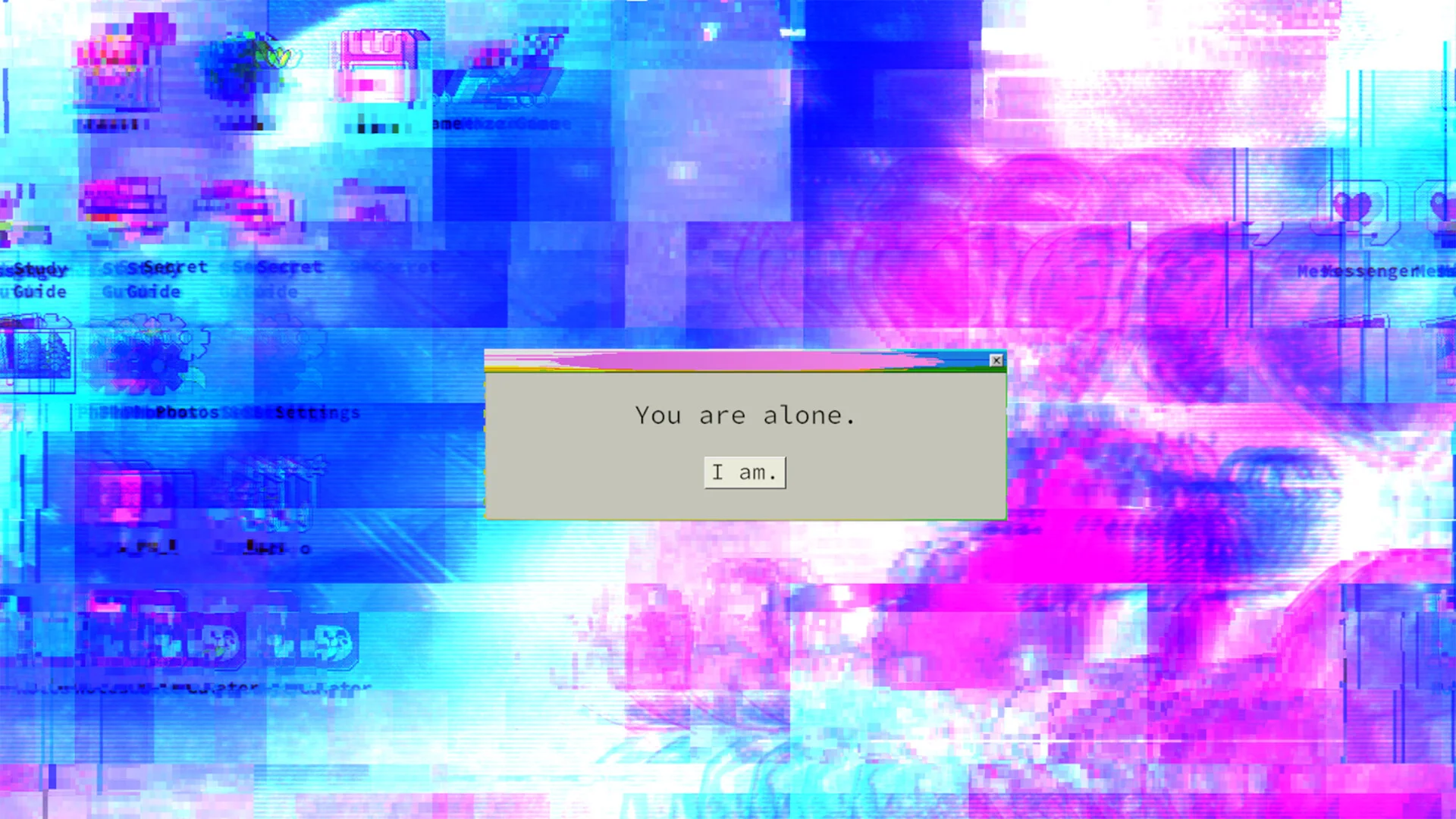
The horror becomes most effective when the game challenges the distance between player and screen. Glitches, hacking attempts, and unexpected messages create the feeling that the investigation has consequences beyond the laptop. The fourth-wall moments work because they question the usual separation between a game and the person playing it. You are not simply discovering Lily’s past. You are becoming involved in something that was meant to remain hidden.

Some design choices prevent the illusion from becoming completely seamless. The limited browser windows and difficulty managing multiple pages occasionally make the computer feel like a game interface rather than a real device. Some messages explain emotions and ideas more directly than necessary, when quieter moments could have allowed players to reach their own conclusions.
The short runtime is a smart fit for the concept. A five-hour investigation keeps discovery important because every new detail feels meaningful. Extending the experience could have weakened the balance between curiosity and tension.
lily’s world XD is a small horror experience built around a very particular digital memory. Its greatest strength comes from understanding that technology carries the identities of the people who use it. A forgotten laptop from 2004 becomes a meeting point between different generations of internet users, allowing some players to revisit a familiar past while others explore a lost version of online culture for the first time.
The Review
lily's world XD
lily's world XD turns an outdated laptop into a surprisingly effective horror setting, using early internet nostalgia as the foundation for a mystery about trust, identity, and hidden dangers. The investigation mechanics make players feel like detectives, while the fourth-wall elements create memorable moments. Some interface limitations and overly direct messages weaken the illusion, but the focused runtime keeps the experience engaging from start to finish.
PROS
- Authentic early 2000s internet atmosphere
- Engaging detective-style investigation
- Strong use of player involvement
- Effective fourth-wall horror moments
CONS
- Limited computer interface simulation
- Some scripted conversations feel restrictive
- A few messages explain too much
- Flashing effects may affect some players