










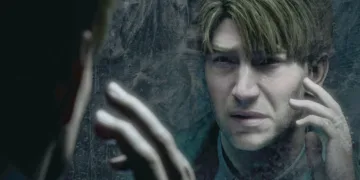
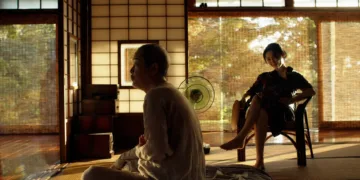


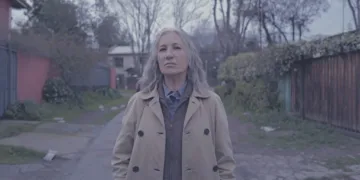

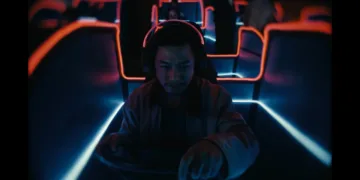











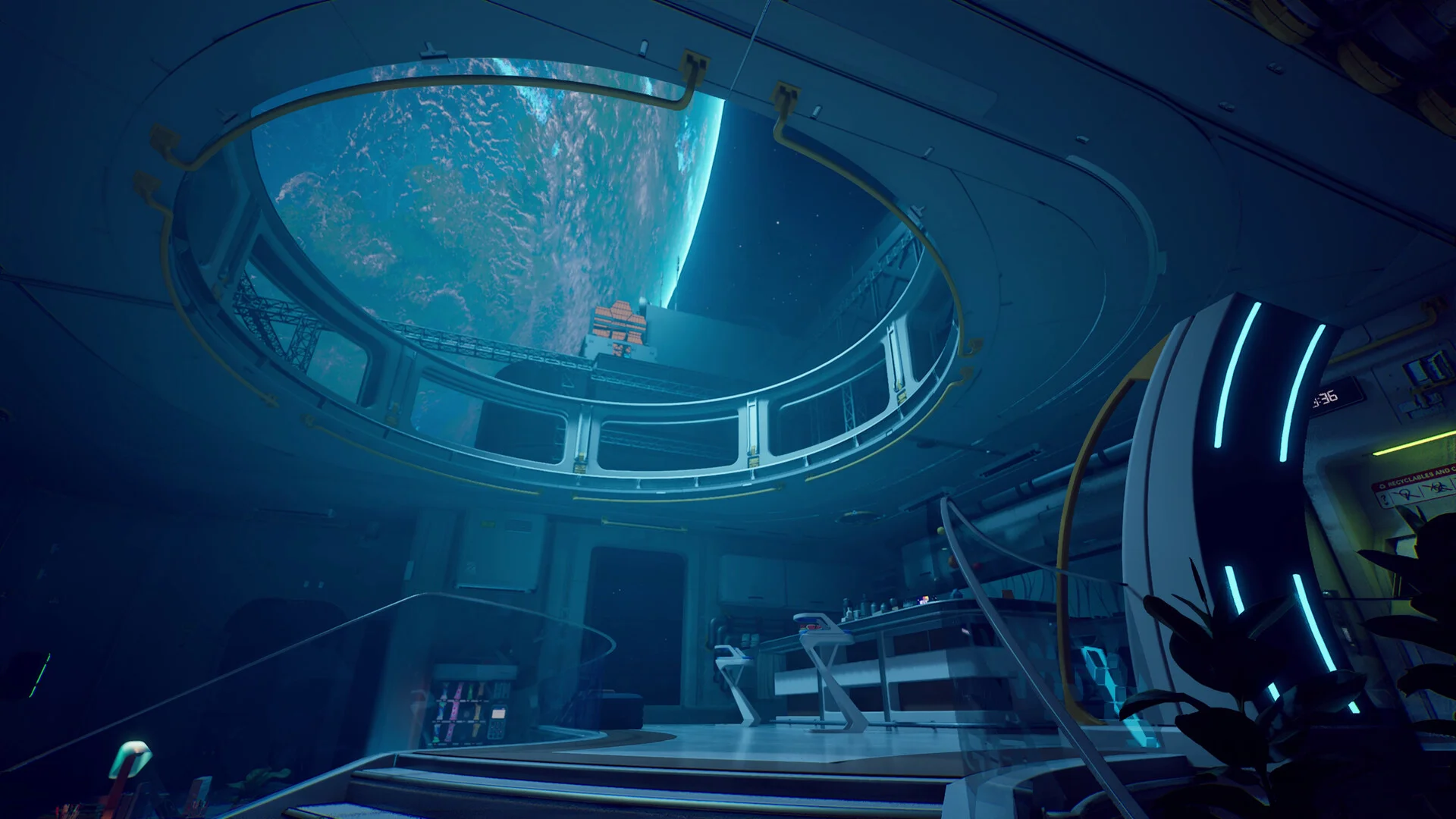
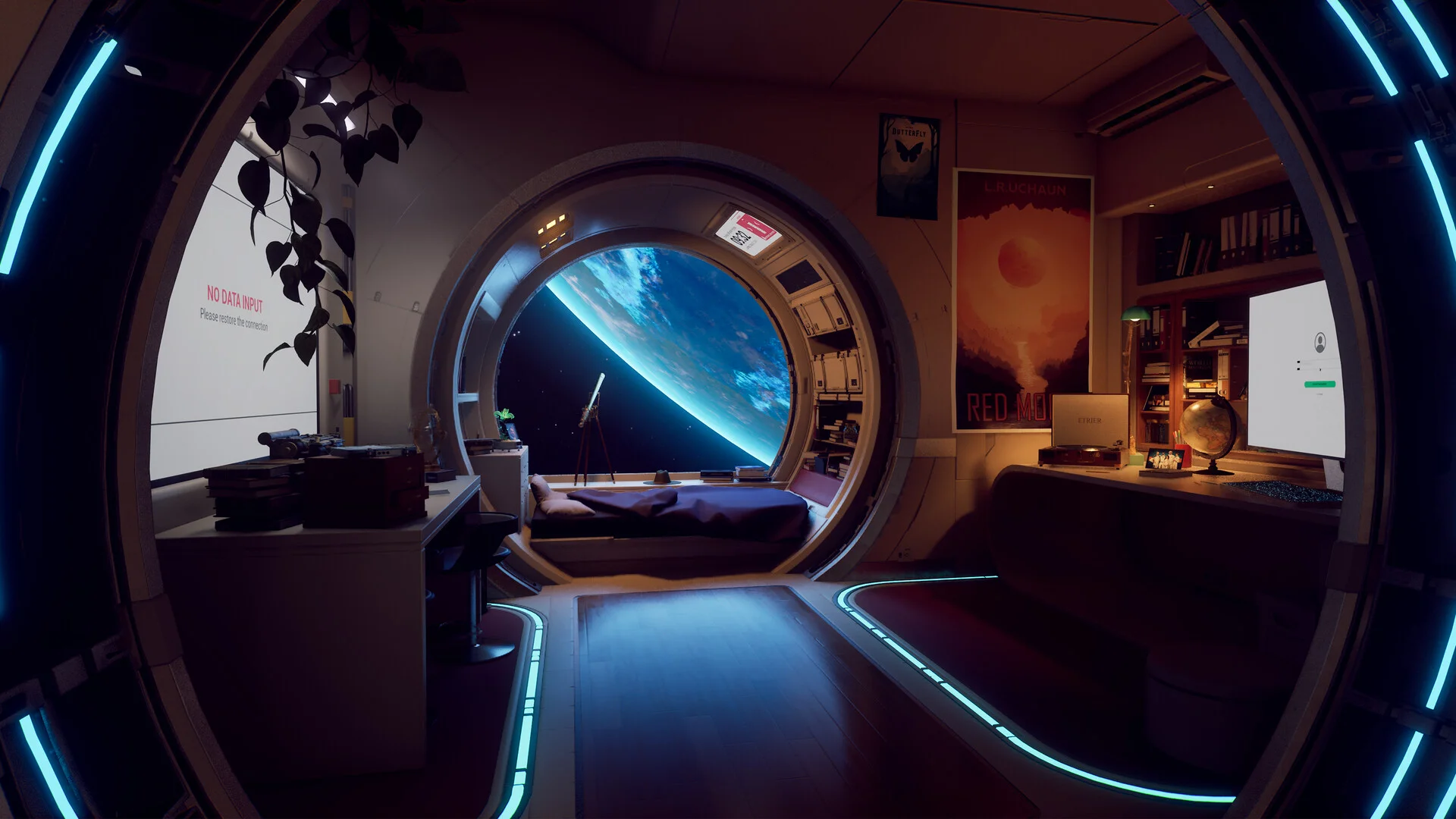
Amaan’s room has plants and a giant fish tank. Miranda’s has books and music. These are small comforts aboard a space station sent to study Vesta as a possible home for humanity, and they make the crew’s disappearance unsettling in a particular way. Someone chose how to live here. Exploring A.R.E.S. means getting to know those people from the things they left behind, with no one around to tell you what happened.
Their messages, journals, and audio recordings gradually fill in the distance between the empty rooms. The voice performances carry exhaustion and strain in the crew’s relationships, giving those recordings the feeling of conversations Miranda has arrived too late to join. Rivage also lets the station fall quiet around them.
Strange phenomena disturb its domestic spaces, while the soft background music and Miranda’s infrequent remarks leave room to feel how alone she is. When a puzzle holds you in one area for too long, though, that quiet can lose its charge. You want another clue about the people who lived here, and the station has stopped offering one.
Miranda is a doctor, stranded in a time loop with the station’s power at a critical level. She has only four bars to spend through much of the game, and actions as ordinary as opening a door consume them. Returning to an arcade machine starts another loop. At first, the limit gives exploration a useful urgency: reaching a room is an investment, and deciding which door to open means deciding whose story you might learn a little sooner. Rivage makes the desire to investigate part of the puzzle.
The K9 system gives that desire a way forward. Passwords, solved puzzles, scanned access cards, and screenshots remain available after a reset, so knowledge survives even when Miranda must retrace her route. Early on, recovering access to the station involves examining objects in her own room to work out how to open a safe.
It is a modest puzzle, yet it shows the game at its most inviting. Looking closely at someone’s belongings helps you move through her world. Later discoveries can carry the same satisfaction: a detail found in one place changes what you can do elsewhere, and the next loop has a purpose.
That feeling becomes harder to sustain when reaching a solution opens another chain of chores. Finding fingerprints to activate a generator, for example, leads into a circuit puzzle needed to power a shutter. Each step has a place in the station’s procedures, and the messages and logs sometimes help explain its precautions.
Still, an apparent breakthrough can send you searching for another component and then back through a fresh loop before you can act on what you learned. The K9 remembers the answer; Miranda must still spend the power and time to reach it. Repetition gives the mystery its shape, but here it delays the moment of discovery that made repeating the day worthwhile.
Some obstacles are difficult to read in a less satisfying way. Puzzles that ask you to connect environmental clues reward patience. A poorly signalled trigger or an item whose destination is unclear instead sends you through rooms you already know, trying interactions until one works.
With a limited power supply, a wrong route can require another trip to the arcade machine. Trial and error feels different when the cost is replaying the approach to the question. Rivage’s best puzzles make you eager to try a new idea; its weaker stretches leave you unsure what idea the game is asking for.
The interface can add friction at exactly those moments. K9’s stored files and screenshots are valuable when a clue needs to travel between rooms, but consulting them while manipulating objects is awkward on a controller. Rotating an item and checking a reference should keep your attention on the connection you are making. Here, the handling can pull that attention toward the controls. It is a practical irritation with an emotional cost: the crew’s traces begin to feel like pieces to manage rather than lives you are piecing together.
There is still something affecting about returning to these rooms. The plants, books, recordings, and personal clutter give the station a warmth that makes its emptiness matter, and the loop occasionally turns a small gain in understanding into a real sense of progress.
Rivage asks for patience, sometimes for reasons its puzzles have earned and sometimes because it has placed another door between you and the people you came to find. When a new clue finally lets you see one of them differently, the wish to keep looking comes back.
The Review
Rivage
The people missing from A.R.E.S. feel present in their rooms and recordings, and each useful clue can make another loop feel worthwhile. Rivage’s K9 system preserves those discoveries, but repeated routes, unclear puzzle triggers, and awkward controller handling sometimes drain the curiosity its mystery creates. Patient puzzle fans will find a station worth exploring, even when getting to the next answer takes too long.
PROS
- Personal spaces give the missing crew presence
- K9 makes discoveries persist across loops
- Strong voice work and uneasy atmosphere
- - Satisfying environmental clues
CONS
- Repeated routes interrupt the mystery
- Some puzzle triggers lack clear signals
- - Controller interactions feel awkward