




























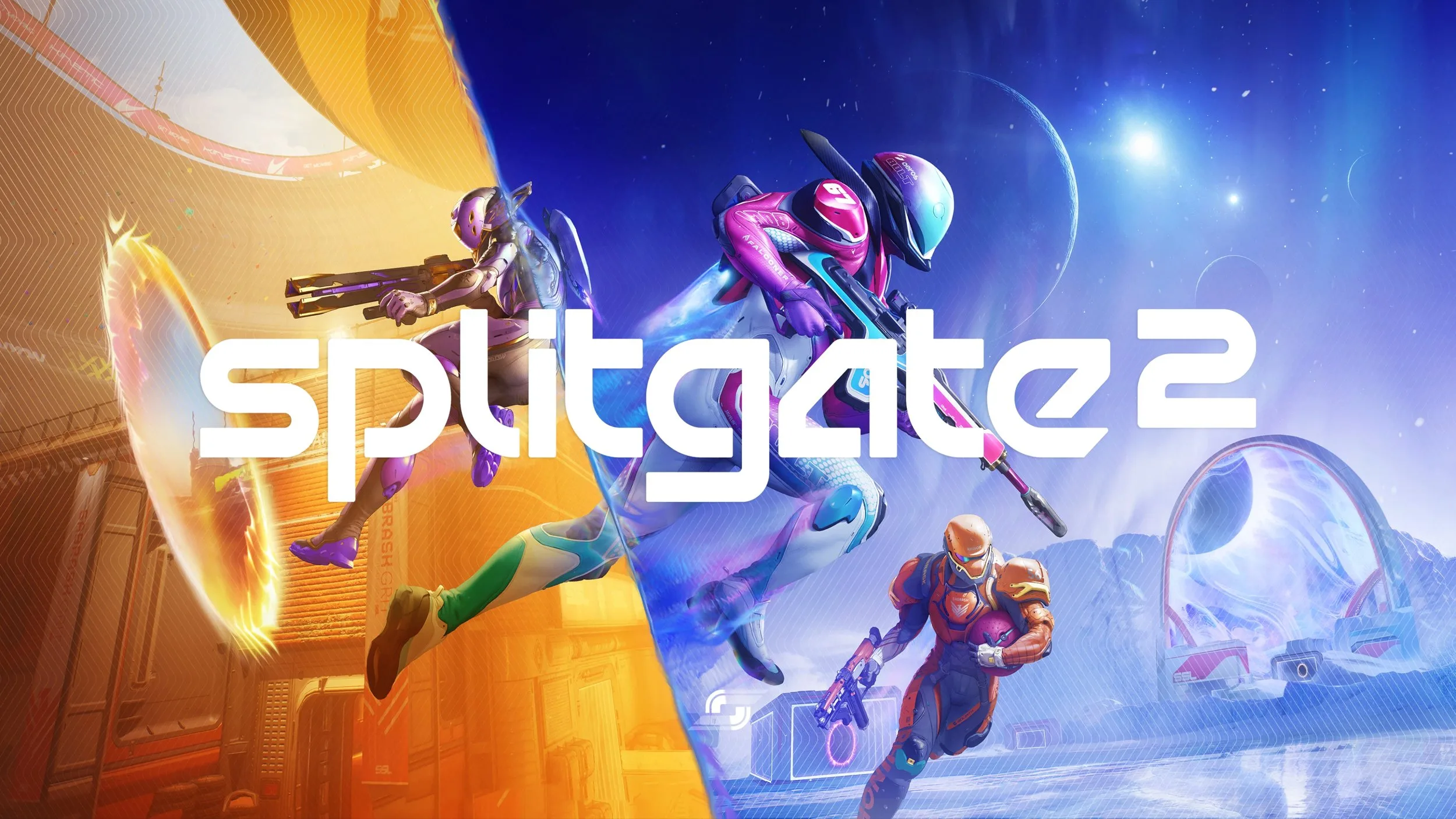

The original Splitgate represents one of gaming’s most charming success stories. What began as a Stanford thesis project by roommates Ian Proulx and Nicholas Bagamian—a simple fusion of their favorite games, Portal and Halo—grew into a genuine indie phenomenon that proved lightning could strike twice in the arena shooter genre.
After six months of passionate development and years of gradual community building, 1047 Games found themselves with a cult hit that attracted millions of players eager for something different in the crowded shooter space. Now, with Splitgate 2, we see the natural evolution of that scrappy startup into a proper game studio. Built in Unreal Engine 5 with a team of over 180 developers and significantly higher production values, this sequel attempts to recapture the magic while expanding the formula.
The core concept remains unchanged: combine Halo’s arena combat with Portal’s spatial puzzles, creating a free-to-play shooter where players can manipulate the battlefield through strategic portal placement. New additions include character classes, enhanced movement mechanics, and a battle royale mode, all designed to broaden the game’s appeal and establish it as a major player in the competitive shooter landscape.
The Heart of the Experience: Portal Combat Refined
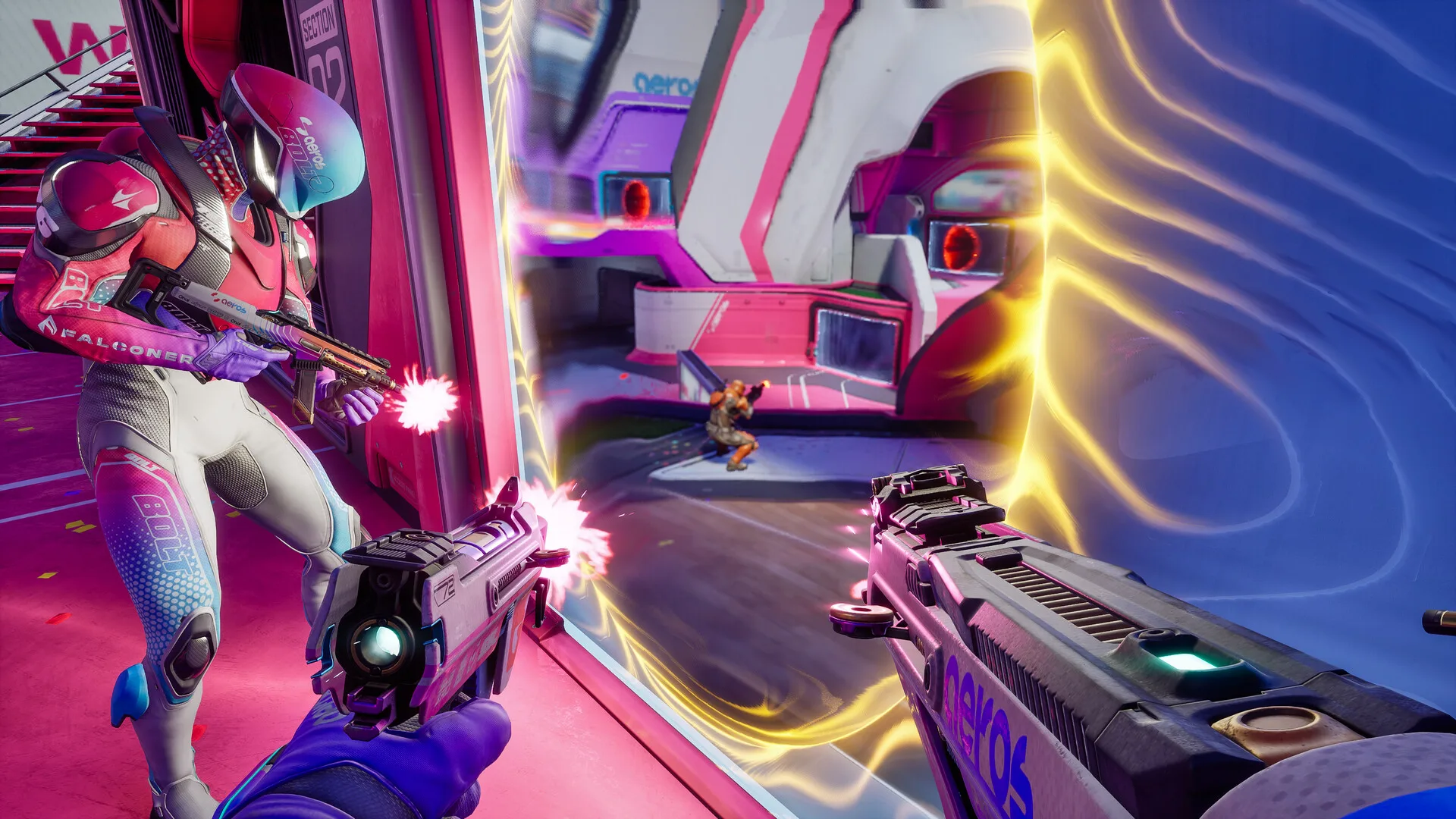
The portal mechanics remain Splitgate 2’s defining feature, though they’ve been streamlined in ways that cut both ways. Creating your personal wormhole now requires just a single button press to establish both ends when shot in succession, making the system far more accessible than the original’s dual-input requirement. This convenience factor cannot be overstated—the ability to quickly establish flanking routes, escape paths, or physics-defying slingshot maneuvers feels intuitive and responsive.
The strategic depth reveals itself through the portal closure mechanics. Opening your portal on top of an enemy’s remains the only way to shut down their positioning advantage, creating a tactical rock-paper-scissors dynamic that forces players to think several moves ahead. This system encourages more thoughtful portal placement rather than the spam-heavy approach that dominated early matches in the original game.
However, the portal system’s integration with moment-to-moment combat reveals some concerning limitations. Unlike the original, where portal mastery felt essential for high-level play, Splitgate 2’s faster time-to-kill and laser-accurate gunplay often make traditional shooting the more viable option. The maps seem designed to discourage aggressive portal usage, with many objectives positioned away from portal-accessible walls and fewer opportunities for the kind of creative spatial manipulation that made the original so compelling.
The shooting mechanics draw heavily from Halo 5: Guardians, emphasizing precision over spray-and-pray tactics. Weapons feel weighty and responsive, with just enough recoil to demand skill without becoming unwieldy. The distinction between standard loadout weapons and power weapons creates clear gameplay rhythms—you’ll find yourself prioritizing the spectacular dual machine pistols that combine into a devastating rifle, or the various explosive options that spawn with fanfare at neutral map points.
The combat pacing benefits tremendously from the enhanced movement system. The upgraded jetpack provides substantially more lift than its predecessor, enabling longer aerial engagements and adding vertical complexity to firefights. When combined with the new slide mechanics, movement feels remarkably similar to Titanfall’s system, creating fluid transitions between ground-based combat and aerial maneuvering that keeps encounters dynamic and unpredictable.
A Class System That Actually Works
Splitgate 2’s character classes represent the sequel’s most successful innovation. The three factions—Aeros, Meridian, and Sabrask—each bring distinct tactical advantages without falling into the trap of rigid role-playing that plagues many hero shooters. Aeros emphasizes speed and mobility, with their Rush ability providing team-wide movement bonuses and faster ability recharge rates. Meridian specializes in energy-based weaponry and battlefield awareness, offering the Hypersight ability that reveals enemy positions while providing passive health regeneration benefits. Sabrask serves as the defensive anchor, deploying Smart Wall barriers and boosting team survivability.
What makes this system particularly elegant is how it avoids the exclusionary design of games like Overwatch or Valorant. New players won’t find themselves outmatched by unfamiliar character abilities, and experienced players from the original won’t need to completely relearn their approach to combat. The classes feel like tactical variations rather than fundamental gameplay overhauls.
The loadout system addresses one of the original’s biggest weaknesses: the lack of meaningful progression. Faction-specific weapon arsenals encourage players to experiment with different playstyles, while attachment unlocks and perk systems provide tangible goals for extended play sessions. This represents a philosophical shift from the original’s equal-start arena shooter mentality, but it’s a change that makes the game more engaging for long-term investment.
The progression structure feels carefully balanced to avoid pay-to-win concerns while providing enough customization to keep players engaged. Unlocking new attachments and experimenting with different faction combinations creates a sense of growth and discovery that the original notably lacked.
Maps and Visuals: A Mixed Evolution
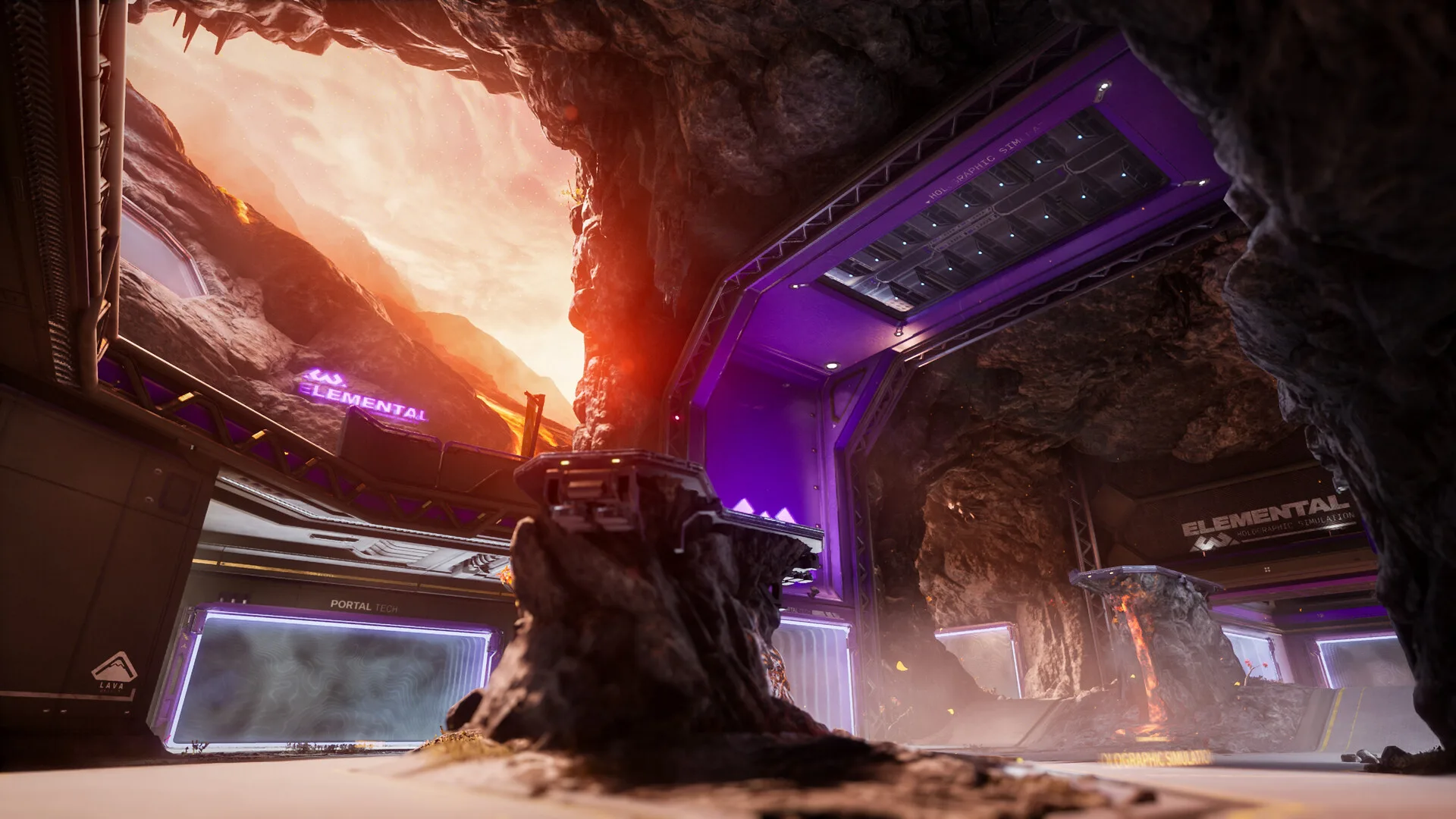
The transition from the original’s industrial, vertical maps to Splitgate 2’s more colorful, flatter layouts represents both aesthetic and mechanical changes. Gone are the multi-tiered battlefields that made creative portal usage feel essential, replaced by wider, more traditional arena designs that prioritize accessibility over innovation. While this approach makes the game more approachable for newcomers, it diminishes the strategic depth that made the original feel unique.
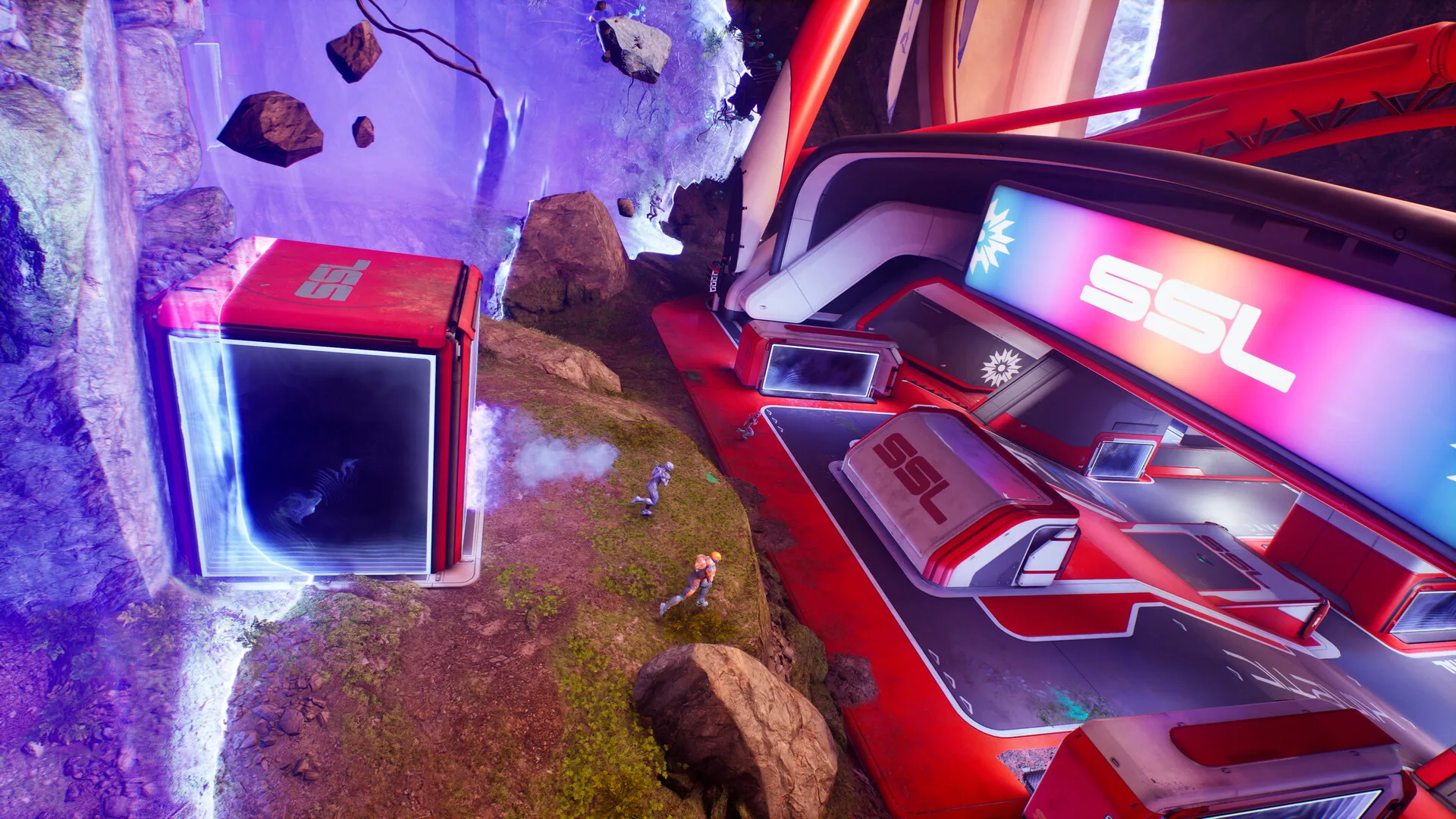
The 15 included maps struggle to create memorable experiences. Unlike Halo’s iconic battlefields, which felt like lived-in spaces with distinct personalities, Splitgate 2’s arenas feel clinical and interchangeable. The shift toward vibrant neon aesthetics and away from the original’s distinctive industrial atmosphere makes the game feel more generic, chasing trends rather than establishing its own visual identity.
The visual upgrade to Unreal Engine 5 brings mixed results. While the lighting and color palette create a more immediately appealing experience, the technical execution feels inconsistent. Textures and effects often look last-generation, and the overall presentation lacks the polish you’d expect from a major competitive shooter. The sound design fares better, with impactful weapon audio and solid directional sound, though environmental audio choices like crowd cheering can interfere with tactical audio cues.
The Lab map creator provides some hope for addressing content concerns, offering robust tools that have already produced impressive community recreations of famous maps from other games. However, the quality gap between user-generated content and developer-created maps remains significant, and the feature risks fragmenting an already modest player base.
Content Variety: Quantity Over Quality
The core arena shooter modes represent Splitgate 2 at its best. The intimate 4v4 competitive matches feel perfectly paced, with enough tactical complexity to reward skilled play while remaining accessible to casual players. Modes like Domination and Firecracker showcase how the portal system can create dynamic objective-based gameplay, even if the maps don’t always support the most creative approaches.
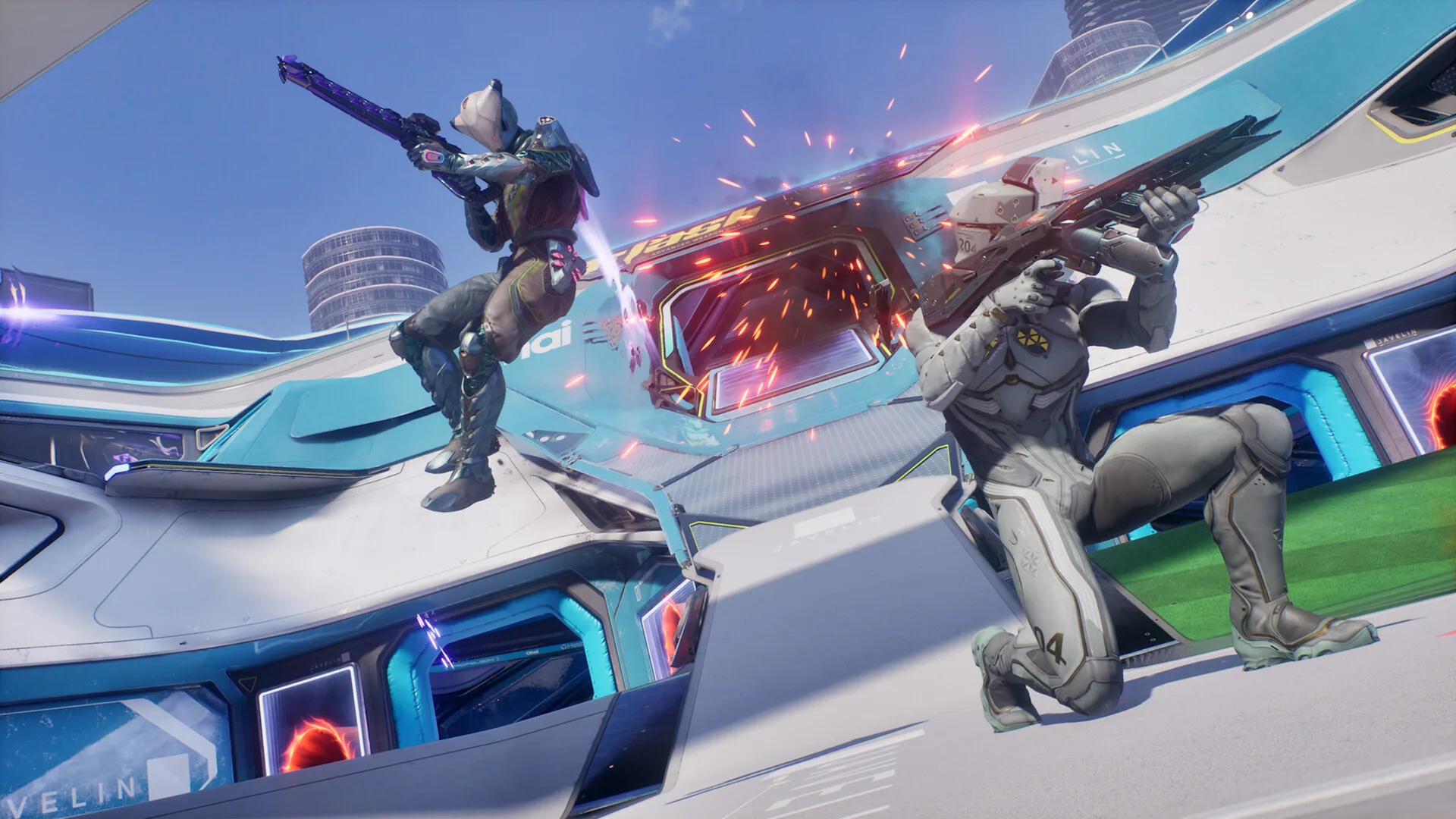
The larger team modes, including the 24-player Onslaught, struggle with pacing issues. The maps feel too small for the increased player count, creating chaotic experiences that favor luck over skill. The portal system becomes almost irrelevant in these modes, as traditional shooting and positioning dominate the flow of combat.
The battle royale mode feels like the most significant misstep in Splitgate 2’s design. Operating as a patchwork of four connected biomes with 15 teams of four players, the mode borrows heavily from Apex Legends and Warzone without understanding what makes those games compelling. The looting system feels perfunctory, the pacing suffers from long stretches of inactivity, and the unique portal mechanics rarely provide meaningful tactical advantages.
The zone closure system, where entire biomes shut down rather than a traditional storm closing in, creates interesting rotation decisions but doesn’t address the fundamental pacing problems. Most matches devolve into extended periods of wandering followed by brief, intense firefights that showcase the game’s combat strengths but highlight how poorly the battle royale structure serves the core gameplay.
Technical performance in battle royale mode also suffers, with noticeable frame drops when transitioning between zones and loading issues that don’t affect other modes. The mode feels like an afterthought, added to check a box rather than enhance the overall experience.
The absence of ranked matchmaking at launch represents a significant oversight for a game positioning itself as a serious competitive option. The daily and weekly challenge systems provide some structure, but dedicated competitive players will find themselves without meaningful progression or skill-based matching. This gap is particularly problematic given the game’s target audience of arena shooter enthusiasts who expect robust competitive infrastructure.
The Free-to-Play Balancing Act
Splitgate 2’s free-to-play model takes a cosmetic-only approach that respects player investment while providing sustainable revenue streams. The Battle Pass system, divided into three seasonal chapters, offers both free and premium tracks without creating gameplay advantages for paying players. This approach builds trust with the competitive community while providing meaningful cosmetic progression.
However, the in-game store pricing feels disconnected from the value proposition. Bundle prices that exceed the cost of full retail games for cosmetic items create an unwelcoming environment for players considering financial investment. The multiple currency systems add unnecessary complexity without providing clear benefits to the player experience.
The content pipeline approach suggests a commitment to ongoing development, but the execution raises concerns about long-term sustainability. The emphasis on seasonal content delivery puts pressure on the development team to maintain a constant flow of new materials, while the free-to-play model requires balancing player satisfaction with revenue generation.
The community engagement systems show promise, with developer responsiveness to feedback and clear communication about future updates. However, the game’s success depends heavily on maintaining player interest through consistent content updates and addressing the significant gaps in competitive infrastructure.
A Solid Foundation with Room to Grow
Splitgate 2 succeeds as a competent evolution of its predecessor’s formula while struggling to recapture the original’s distinctive magic. The enhanced movement system, successful class integration, and solid combat mechanics create a foundation that supports extended play sessions and competitive engagement. The free-to-play model removes barriers to entry while providing substantial content for players unwilling to spend money.
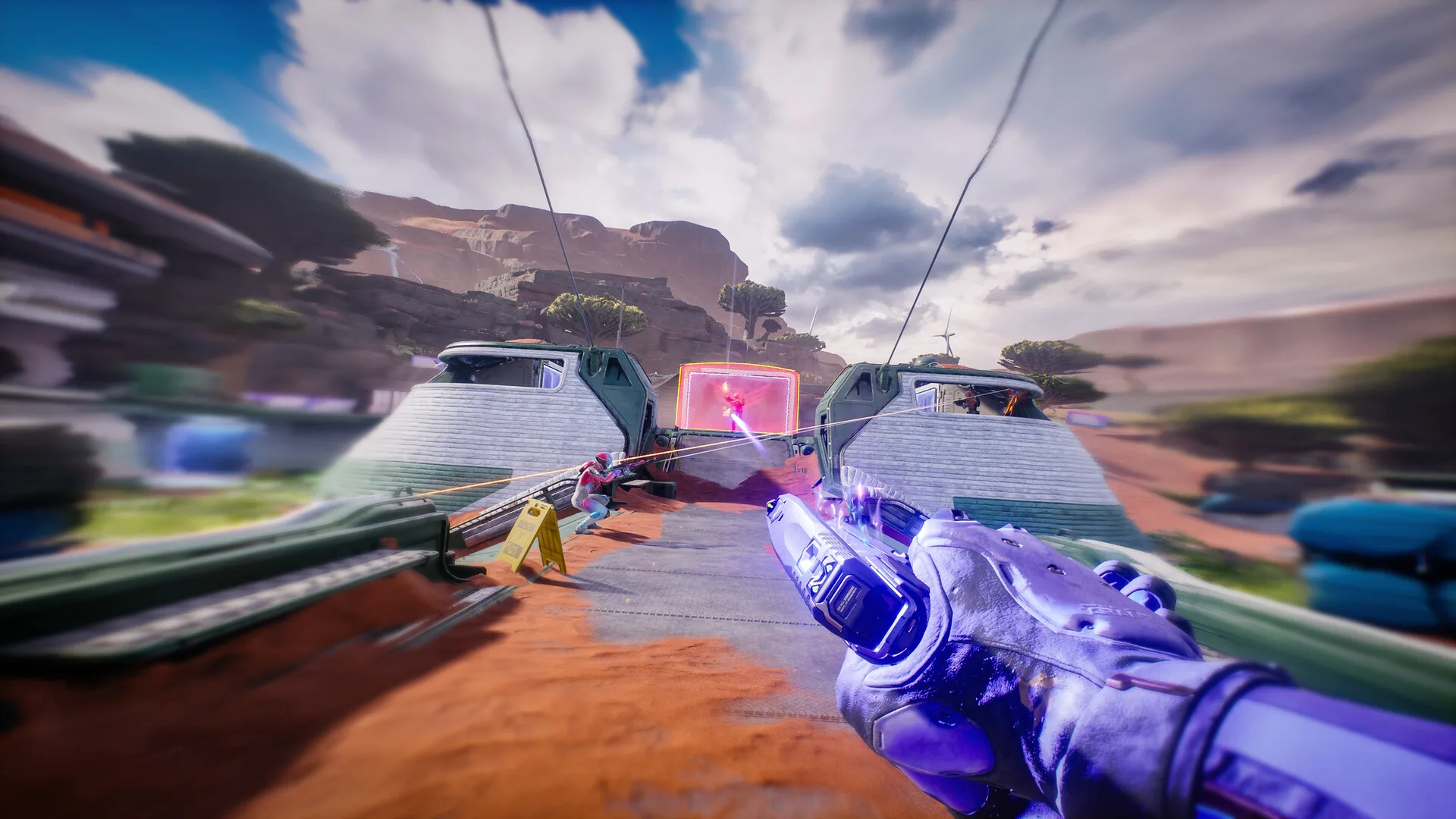
However, the game’s attempts to broaden its appeal have resulted in some unfortunate compromises. The map design philosophy prioritizes accessibility over innovation, the battle royale mode feels derivative and poorly executed, and the visual design lacks the personality that made the original memorable. The absence of ranked matchmaking and questionable monetization pricing create additional barriers to achieving the game’s ambitious goals.
Splitgate 2 works best as a refined version of the original experience rather than a revolutionary step forward. Players seeking the unique portal-based combat that made the original special will find it here, though perhaps not as prominently featured as they might hope. The game occupies a comfortable middle ground in the current shooter landscape—better than mediocre, but not quite reaching the heights of greatness its marketing promises suggest.
The Review
Splitgate 2
Splitgate 2 delivers solid arena shooter fundamentals with improved movement and smart class design, but loses some of the original's distinctive charm in pursuit of broader appeal. The core portal combat remains satisfying, yet feels less central to the experience. While the free-to-play model provides generous content, uninspired maps and a forgettable battle royale mode prevent it from achieving true greatness. A competent sequel that plays it safe.
PROS
- Excellent movement system combining jetpacks and sliding
- Well-balanced class system that avoids hero shooter pitfalls
- Solid gunplay with satisfying weapon feedback
- Generous free-to-play content offering
- Streamlined portal mechanics
CONS
- Maps lack personality and vertical complexity
- Battle royale mode feels derivative and poorly paced
- No ranked matchmaking at launch
- Overpriced cosmetic bundles







