






















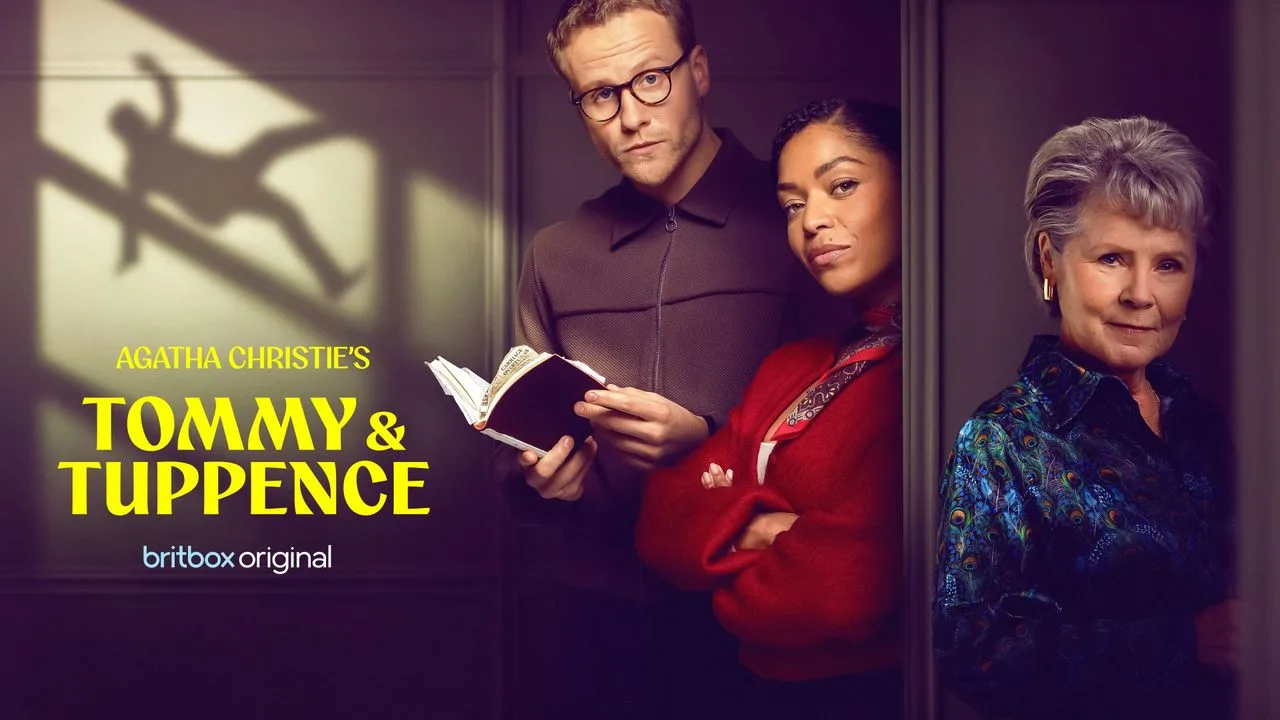

The most revealing decision in Agatha Christie’s Tommy & Tuppence is not the shift to present-day London. Christie has survived enough reinvention to make chronology a relatively minor obstacle. The real decision is to treat detection as a form of intimacy. Tommy Beresford and Tuppence Cowley solve murders because they are curious, capable and easily bored, yet this adaptation understands that their attraction to danger is inseparable from their attraction to each other. The mystery plot keeps putting them in rooms together. The romance explains why those rooms matter.
That distinction gives BritBox’s six-episode series an identity in a television culture already overflowing with British murder mysteries. Hercule Poirot survives adaptation through eccentricity and intellectual dominance. Miss Marple endures because apparently harmless observation becomes a weapon. Tommy and Tuppence need something else. Their appeal has always depended on partnership, and this version makes that partnership contemporary by giving both characters stalled lives that restart when they collide again.
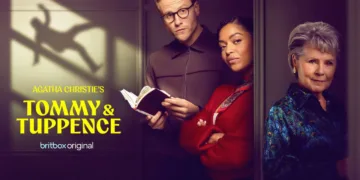
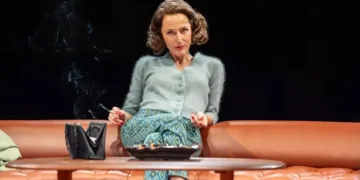
Tommy, played by Josh Dylan, is a crime novelist caught in professional inertia. Tuppence, played by Antonia Thomas, is an actress facing her own uncertain career. They are former university lovers who reconnect at a wedding, become involved in a murder, and discover that amateur investigation supplies the sense of purpose neither has found elsewhere. Soon they are reviving the detective agency once run by Tommy’s Aunt Ada.
It is a convenient setup, certainly. It is also smart television writing because their professions become part of the investigative method. Tommy approaches cases as stories, organizing details and searching for patterns. Tuppence relies on instinct, performance and nerve. Her acting background lets her bluff, infiltrate and improvise with a freedom Tommy lacks. His caution gives shape to her impulses. Their competence never feels magically granted simply because the genre requires somebody to identify the killer.
Thomas and Dylan make that arrangement unusually pleasurable to watch. Their chemistry appears in the expected places, the glances, jealousy, badly timed interruptions and a familiar “only one bed” predicament, yet the series earns those devices through the ease with which the characters already understand each other. They do not behave like strangers undergoing a manufactured romantic awakening. They behave like two people who once knew exactly how the other worked and are discovering that the old knowledge has not disappeared.
That history also protects the romance from becoming an accessory attached to the mysteries. Tuppence pushes Tommy toward risks he would prefer to intellectualize. Tommy gives Tuppence a place to slow down when impulse outruns judgment. Their attraction changes how they investigate, how they argue and how willing they are to expose vulnerability. The emotional plot and the detective plot keep contaminating each other in productive ways.
This is where the modernization succeeds most clearly. Moving Christie into the present could easily have resulted in smartphones, fashionable interiors and a few updated professions pasted across familiar material. Instead, the series asks what a Tommy-and-Tuppence partnership looks like inside current television’s appetite for serialized romance. It arrives at something close to a second-chance love story operating inside a cozy crime structure, giving the cases room to end while the central relationship remains unfinished.
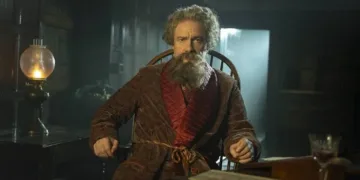
Imelda Staunton’s Aunt Ada adds another generation to that equation. She has a history of investigation herself, offers guidance when the younger detectives lose their footing and narrates the series with exactly the sly authority Staunton can supply almost by reflex. Her appearances are limited enough to become slightly frustrating. Ada represents a bridge between the old detective tradition and this younger, looser version of it, and the series could afford to test that relationship further.
When the mystery catches up
The actual cases are less reliable than the people solving them. Three mysteries occupy two episodes each, giving every story enough room for suspects, reversals and false leads without stretching the season into procedural sludge. The middle story in particular leaves genre-aware viewers waiting for Tommy and Tuppence to reach an answer that has already become visible.
That weakness exposes the show’s central imbalance: these detectives are sharper than some of the puzzles built for them. Watching Tuppence invent a way into a closed situation or Tommy reorganize scattered details still carries pleasure when the culprit is hardly hiding behind an impenetrable wall of deduction. Yet chemistry is a renewable resource only if the surrounding stories keep finding stronger uses for it. A detective series eventually has to make its detectives earn the title.
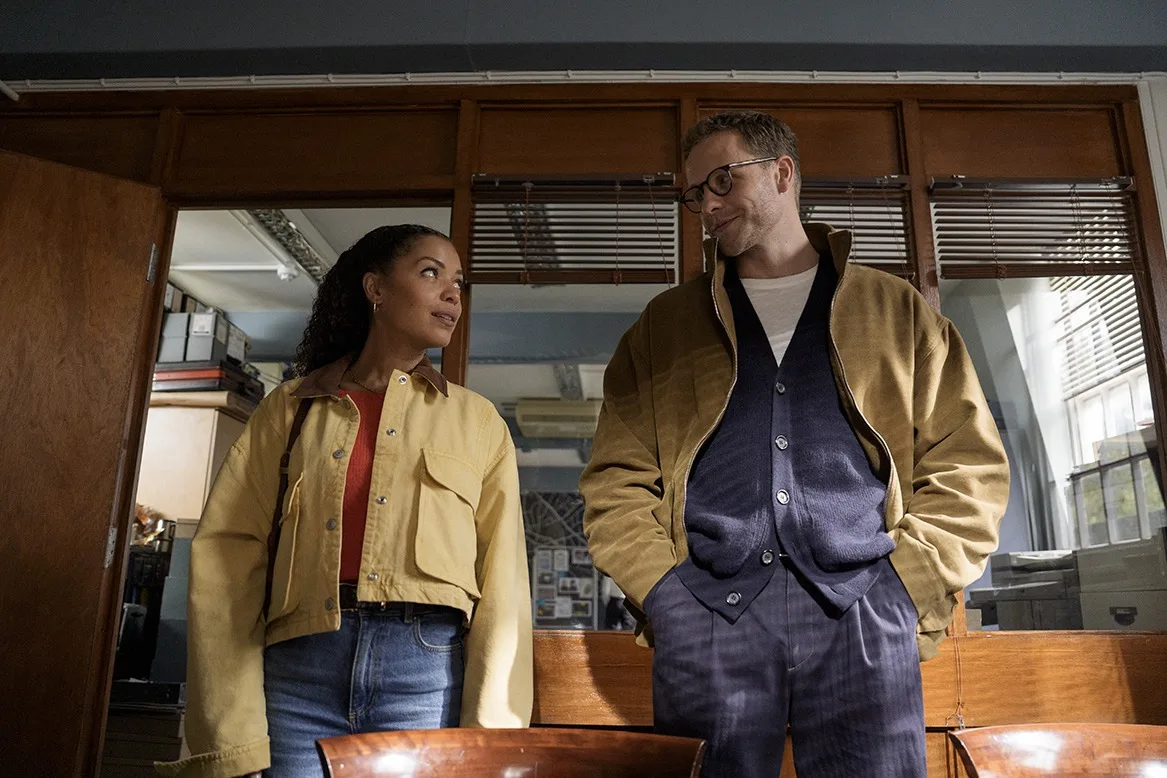
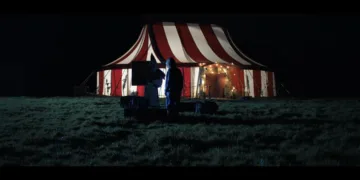
The final two episodes suggest that the writers understand the opportunity. The season moves into darker territory through a Halloween-inflected story involving personal loss, an old tragedy and a decades-old cold case. The breeziness tightens into something stranger and sadder. History begins pressing against the present, and the investigation gains emotional consequence beyond the immediate question of guilt.
That tonal shift suits Tommy and Tuppence surprisingly well. Their warmth does not disappear inside the gothic atmosphere. It becomes a contrast against it, and the relationship feels stronger because the case asks something emotional from them rather than merely presenting another sequence of clues.
There is a cultural assumption lurking behind many modern Christie adaptations that fidelity means furniture: the right cars, the right tailoring, the right drawing room. Tommy & Tuppence makes a better argument. Fidelity can reside in behavior. Curiosity, partnership, mischief and the thrill of getting involved where sensible people would stay away survive quite comfortably in contemporary London.
The series has already solved the harder adaptation problem. Tommy and Tuppence feel alive outside the period that created them. Now the mysteries need to become worthy of the pair assigned to solve them.
Agatha Christie’s Tommy & Tuppence premieres on BritBox on September 15, 2026. This contemporary six-part mystery drama reunites university exes Tuppence Cowley and Tommy Beresford at a lavish wedding where a murder occurs; when their mutual friend is framed for the crime, the duo team up with Tommy’s former detective-agency aunt to clear his name, stumbling into a new career as amateur investigators in modern-day London.
Where to Watch Agatha Christie’s Tommy & Tuppence Online




Full Credits
Title: Agatha Christie’s Tommy & Tuppence
Distributor: BritBox
Release date: September 15, 2026
Rating: TV-MA
Running time: 42–47 minutes per episode
Director: Chris Sweeney, Fergus O’Brien, Ellie Heydon
Writers: Phoebe Eclair-Powell
Producers and Executive Producers: Phoebe Eclair-Powell, Robert Schildhouse, Jon Farrar, Stephen Nye, Laura Lankester, Katie Draper
Cast: Antonia Thomas, Josh Dylan, Imelda Staunton, Nicholas Richardson, Charlie Condou, Callie Cooke, Chizzy Akudolu, Alex Jennings, Saffron Burrows
Director of Photography (Cinematographer): Christopher Ross, Chas Appeti
Editors: Mark Thorne, Sarah Brewerton
Composer: Samuel Sim
The Review
Agatha Christie's Tommy & Tuppence
Agatha Christie's Tommy & Tuppence succeeds because it understands that these detectives were never defined by period décor. Josh Dylan and Antonia Thomas give the series an effortless romantic and investigative chemistry, while the contemporary setting turns their partnership into something lively rather than dutifully preserved. The mysteries are less consistent, especially when the middle case becomes readable ahead of its sleuths, but the darker final story shows how much stronger the format can become when atmosphere and emotional consequence deepen the puzzle.
PROS
- Excellent chemistry between Dylan and Thomas
- Smart contemporary reinvention of Christie
- Romance strengthens the detective partnership
- Stronger gothic final case
- Staunton makes Aunt Ada immediately memorable
CONS
- Middle mystery is too predictable
- Cases sometimes lag behind the characters
- Aunt Ada is underused