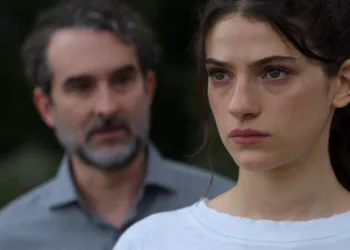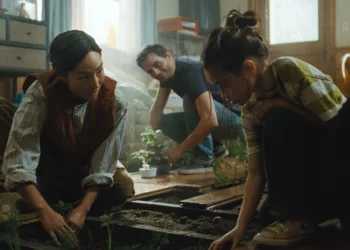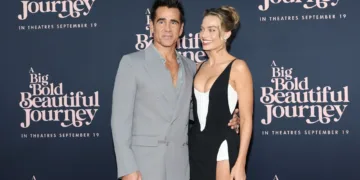













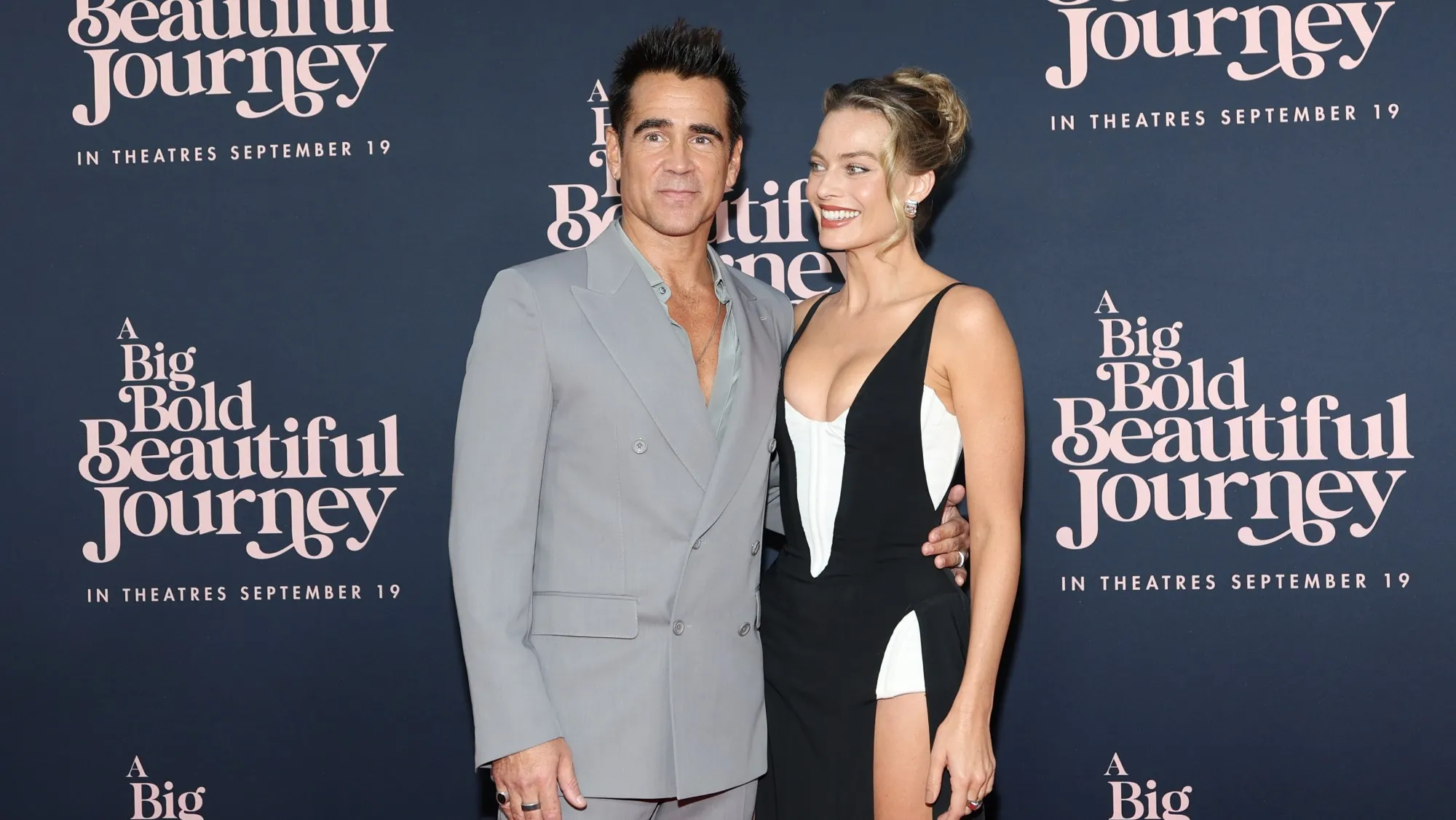

Margot Robbie is making the case for star-driven original films even as her latest romantic fantasy arrives to a soft debut. In a new interview, she and Colin Farrell describe A Big Bold Beautiful Journey as a character piece about two strangers revisiting defining moments from their past, and say they signed on because they wanted to champion projects built from fresh ideas rather than existing brands. They credit writer Seth Reiss and director Kogonada with crafting a concept that aims to be emotional without irony, and frame the film as part of a broader effort to keep ambitious originals in wide release.
The release context is challenging. Early ticket sales placed the film in sixth place in North America with about $3.5 million from 3,300 theaters, well below pre-weekend forecasts, while an anime holdover and a new horror title dominated attention. Studio estimates put the production cost in the mid-eight figures, raising questions about legs and downstream performance on digital. Trade tracking cited mixed audience polling and muted word-of-mouth, though the leads’ pairing and Joe Hisaishi’s score drew notice in early coverage.
Robbie, who has spent the past few years producing alongside acting, points to the importance of momentum for films that are not tied to franchises, arguing that stars must actively use press tours to sell unfamiliar stories. Farrell, reflecting on their collaboration during late-night promotion, praised Robbie’s set leadership and said he was drawn by her reputation for rigor and generosity. Their pitch emphasizes the film’s hopeful tone and the risks of telling an earnest, high-concept romance at scale.
The reception adds fuel to an industry debate about whether theatrical space is narrowing for mid-budget originals that depend on adult turnout. Reviewers have highlighted the visual approach and the central duo’s chemistry while splitting on the script’s execution; box office analysts note that second-week retention will be the better gauge of whether the film can rally. Robbie’s comments cast the project as a proof-of-concept: if enough viewers show up for non-IP fare, distributors will keep booking it alongside sequels and reboots.