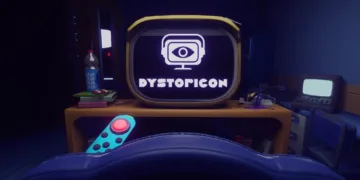






















Television is labor in Dystopicon, and every second spent watching becomes a wage. Palitroque’s solo-developed management game imagines a society where robots have replaced conventional workers and the authoritarian Trinity government has found a use for everyone left behind: citizens may earn their keep by consuming approved broadcasts inside assigned apartments.
The arrangement sounds generous until the refrigerator charges for access. Eating costs money. Washing costs money. Heating the room costs money. The citizen’s body becomes a private expense, while attention belongs to the state.
That premise places Dystopicon inside a long international tradition of bureaucratic dystopia. Its numbered protagonist and hostile domestic interfaces recall Eastern European stories shaped by administrative control, while its television culture points toward Western economies that convert viewing habits into market data. The game speaks both languages at once. The official ideology resembles an old totalitarian ministry, yet its business model feels uncomfortably current.
The campaign follows roughly twenty-eight in-game days, with survival determined by Health, Hunger, Comfort, and Fun. Let any meter reach zero and the run ends at the latest story checkpoint. The room initially appears small enough to understand at a glance. Soon, each object becomes part of a political economy.
Channels of Compliance
Watching television generates income, yet every household task interrupts that flow. The player learns which actions switch the set off, which needs can wait, and how long the citizen can survive before comfort or hunger becomes dangerous. A profitable evening may create an expensive morning.
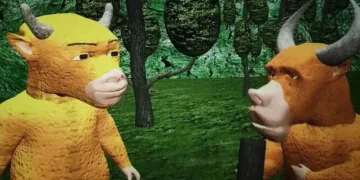
Each channel carries its own ideological function. Political programming repairs Citizen Rating, a public measurement that falls when the player becomes too curious about noises outside or behaves outside approved expectations. Religion pays particularly well. Pornography presents crude geometric bodies pressed together in comic arrangements, then disappears when patrol officers confiscate access. Even desire exists on a temporary license.
Also Read





This channel system gives the satire mechanical force. Propaganda is not background decoration. It is medicine for a damaged reputation. The player may resent the Politics channel, yet refusing it risks reeducation. Obedience becomes a resource beside food and heat, managed through the same clicking rhythm.
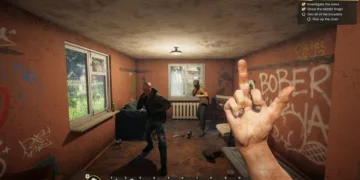
The domestic upgrades extend this logic. Better apartments introduce showers, heating, improved storage, and windows that reveal unrest beyond the walls. These improvements suggest social mobility, though each larger room contains fresh costs and fresh methods of supervision. Money can fund daily needs, apartment development, or preparations for escape, turning every purchase into a small declaration of faith in the regime’s future.
Minor jobs provide relief from the television. Rats can be killed with the cursor, bottles recycled, and cardboard collected for upgrades. Their simplicity fits the setting’s degraded economy, where scraps become capital and pest control qualifies as entrepreneurship. They also expose how little mechanical variety the game has beyond its central idea.
A Dystopia Without Borders
The story arrives through printed instructions, letters, comic-book passages, television material, changes in the apartment, and sounds from the street. There are few conventional conversations. The citizen understands the world through fragments because the regime has made direct knowledge dangerous.

This method gives Dystopicon a cultural flexibility that many politically explicit games lack. The Trinity can resemble a fascist ministry, a state-socialist bureaucracy, a theocratic party, or a corporate platform enforcing invisible rules. Its symbols draw from several histories without settling into one national allegory. That ambiguity helps the game travel. Players may recognize different governments, industries, and technologies inside the same locked room.
The game’s sharpest political idea concerns manufactured passivity. Watching television is classified as productive behavior, while curiosity reduces social value. The citizen must absorb official narratives to restore a rating damaged by looking toward the real world. It is a neat reversal of the usual promise that information creates freedom. Here, information is divided into sanctioned consumption and punishable observation.
The ten-plus endings offer routes through compliance, escape, housing status, and the regime’s decline. Their variety matters less than the routines required to reach them. Once a reliable survival pattern has been learned, later paths often demand the same sequence of broadcasts, purchases, meals, and meter recovery before a different final branch appears. Choice survives, though it arrives after a great deal of repetition.
The Room Outlives the Routine
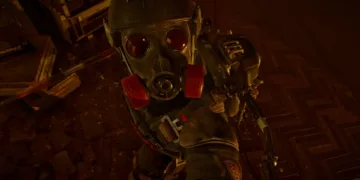
Palitroque’s art direction gives the apartment a distinct cultural memory. Muted colors, neon traces, obsolete machinery, and government-issued furniture combine the visual language of Cold War science fiction with the neglected electronics of a near future that has already become old. The technology promises efficiency, yet every device looks tired.
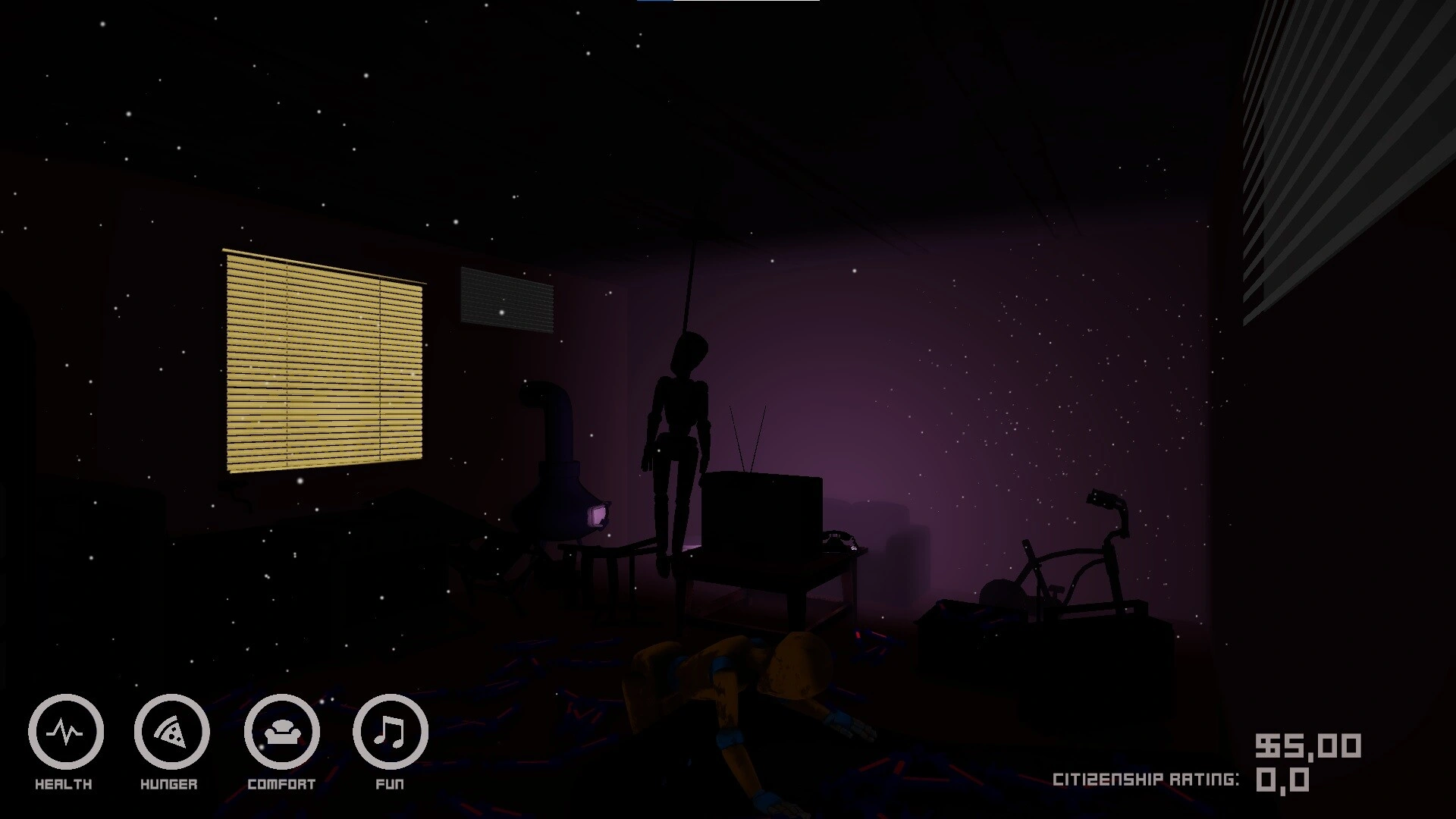
The mannequin-like citizens and neighbors deepen the loss of identity. Their distorted forms turn the population into display objects, human substitutes arranged by a state that no longer needs convincing human faces. Sexual imagery, rubbish, frozen meals, public madness, and the Sarco suicide chamber build a grotesque domestic comedy from the remains of social life.
Ambient sounds widen the apartment without releasing the player from it. Police movement, unrest, and street noise suggest a city continuing beyond the walls, while the clean interface keeps attention fixed on channels, inventory, and household meters. The result is claustrophobic without becoming visually confusing.
The mechanical loop cannot sustain the atmosphere for as long as the branching structure asks. Broadcasts repeat, rat killing loses its bite, and resource management becomes automatic once the efficient order of actions is clear. Challenge mode strips away story interruptions and concentrates on speed, cleanliness, and optimization, yet this mainly intensifies the clicking that weakened the later campaign.
Most of Dystopicon can be understood within three hours. That duration suits its satire. The trouble begins when additional endings require the player to remain seated after the broadcast has already made its point.
The Review
Dystopicon
Dystopicon translates the bureaucratic dystopia into the language of resource management, making television income, Citizen Rating, hunger, and comfort parts of the same authoritarian economy. Palitroque’s retro-futurist rooms, mannequin citizens, propaganda channels, and confiscated pornography give the satire a distinct visual identity. The routine loses pressure once efficient survival becomes a solved pattern, leaving later runs dependent on repeated clicking and small ending variations. Its political imagination travels farther than its mechanics, yet the three-hour campaign remains a grimly funny experiment in monetized obedience.
PROS
- Sharp media-control satire
- Memorable retro-futurist art
- Mechanics reinforce political themes
- Effective claustrophobic soundscape
- Numerous branching endings
CONS
- Repetitive daily routine
- Limited broadcast variety
- Shallow side activities
- Weak replay momentum