



















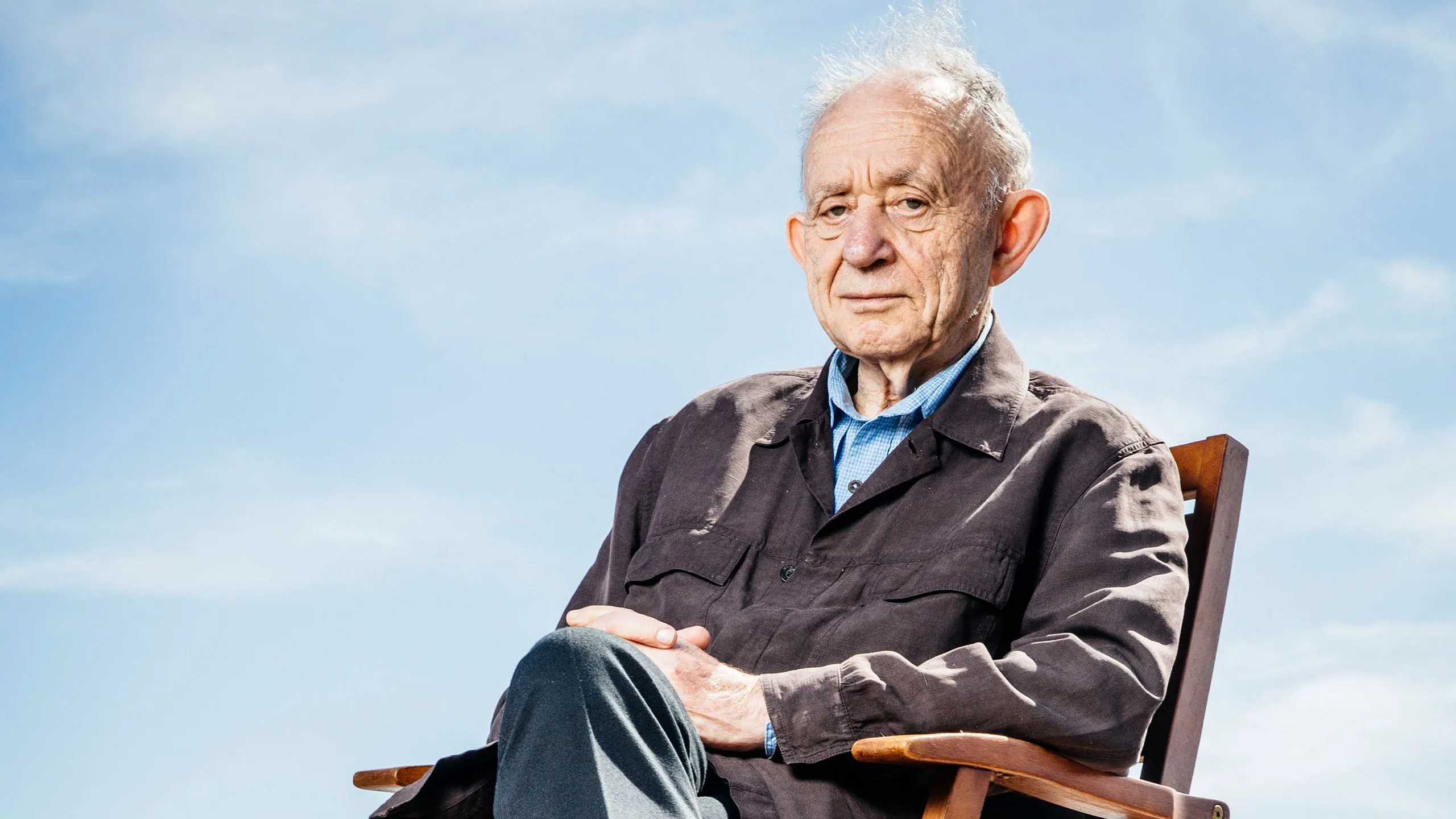

Frederick Wiseman, the fiercely independent documentarian whose long, unvarnished films mapped the inner workings of American institutions for nearly six decades, has died. He was 96. His family and his longtime company Zipporah Films said he died peacefully on Feb. 16, in a statement that also described Cambridge, Massachusetts, Northport, Maine and Paris as his homes.
Wiseman built a career on close observation and exhaustive editing rather than voiceover guidance. He avoided on-camera interviews and explanatory narration, then shaped hours of footage into patient, sharply structured portraits of systems at work, from schools and hospitals to courts, city halls and cultural landmarks. Reuters credited him with roughly 50 films across six decades and noted his “direct cinema” method placed viewers inside institutions as silent witnesses.
His early landmark Titicut Follies, filmed inside a Massachusetts state facility for the criminally insane, introduced the approach with bracing intimacy and sparked a legal fight that limited public screenings for years, according to the Associated Press. Later works kept widening the map: AP pointed to films that ran several hours and treated civic routine as drama, including At Berkeley and Monrovia, Indiana.
The film world honored him late and often. Academy of Motion Picture Arts and Sciences awarded him an Honorary Oscar in 2016, calling his documentaries “dramatic, narrative films” rooted in ordinary experience, in a governors awards profile that lists signature titles including High School and Welfare. Library of Congress added Titicut Follies to the National Film Registry in 2022.
Wiseman also worked in theater and opera, and he kept filming deep into his 90s, with his final feature arriving in 2023, per multiple reports.