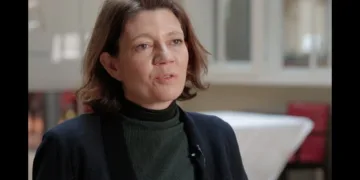



















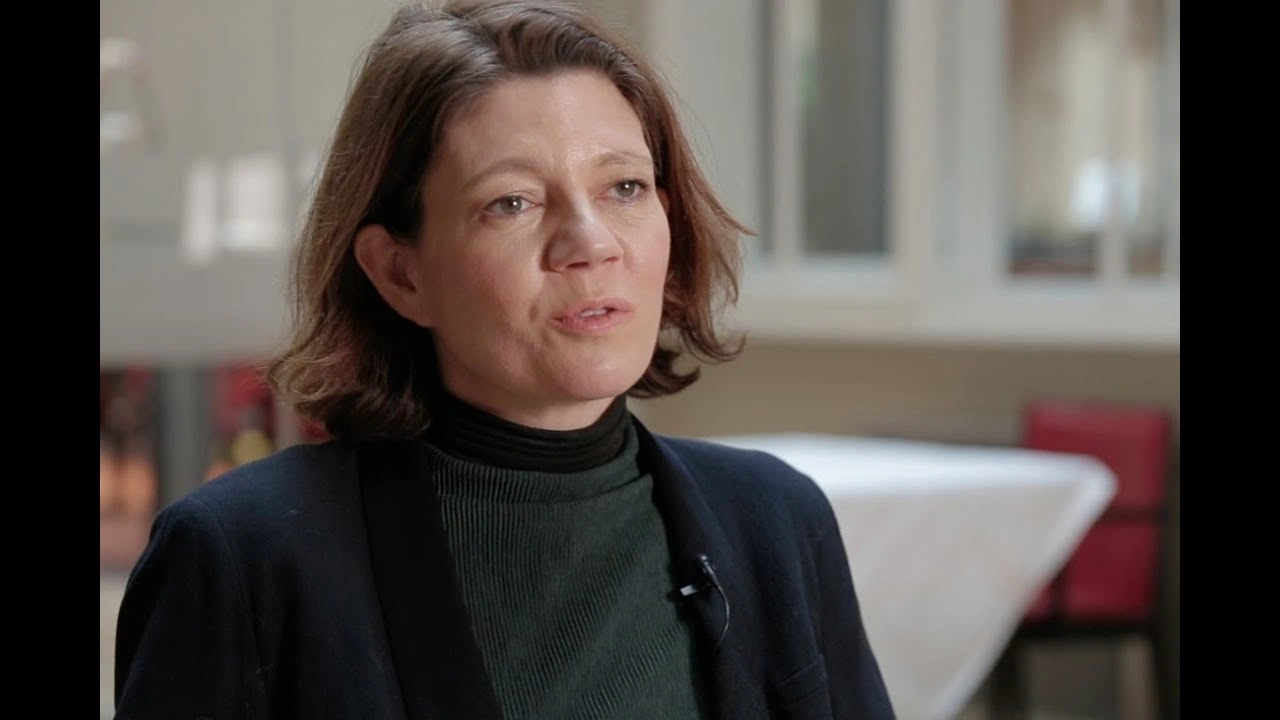

The British Film Institute has named Isabel Davis as the new Director of the BFI National Lottery Filmmaking Funds, tapping a longtime executive with deep ties to both UK and international production to guide the country’s largest public film financing body.
Davis joins the BFI in October for a five-year term, leaving her post as Executive Director of Screen Scotland after eight years in the role. She previously spent years inside the BFI itself, including a stretch as Head of International, before departing in 2018 to build out Scotland’s screen sector. Her return puts her at the head of a fund that shapes which independent British films get made and how they reach audiences.
She replaces Mia Bays, who has led the Filmmaking Fund since 2021 and steered a restructuring tied to the BFI’s decade-long strategy, Screen Culture 2033. Under Bays, BFI-backed features won the BAFTA for outstanding debut by a British writer, director or producer in consecutive years, with “Kneecap” taking the prize in 2025 and “My Father’s Shadow” following in 2026. A BFI-supported short also won the BAFTA for best British short film during her tenure.
BFI Deputy CEO Harriet Finney described Davis as someone who pairs commitment to independent filmmaking with a clear grasp of the pressures facing the sector, pointing to her record of uniting stakeholders around shared goals. BFI CEO Ben Roberts, who previously worked alongside Davis when she led the Fund’s international efforts, called the role a cornerstone of UK independent film and pointed to Davis’s national and global outlook as central to the hire.
Davis said she would carry her Scotland experience into a UK-wide role, noting that her focus will extend across Northern Ireland, Wales and the English regions as well. She takes over a fund whose recent slate includes Shalini Adnani’s “Our Share of Sand,” bound for Venice, Theo Rhys’s “Stuffed,” premiering at Toronto with Jodie Comer and Harry Melling, and Clio Barnard’s “I See Building Fall Like Lightning,” winner of the People’s Choice award in Cannes’ Directors’ Fortnight.
The appointment lands at a period the BFI itself has flagged as difficult for the independent sector, even as Roberts and others point to renewed audience interest in cinema-going and a deep pool of filmmaking talent across the UK.