





























Charlie Rapp can turn almost any conversation into a flirtation, which is a questionable strategy when the conversation concerns a missing person. Noah Reid plays the private investigator with enough ease to make the jokes funny, while Clark Backo’s detective Carson treats each one as another reason to regret his arrival. She has a case to work; he seems to think he can work it and charm half of Whittock before lunch. Their exchanges give Yaga its comic rhythm, but Carson’s impatience also keeps Rapp’s behavior from passing as effortless charm. The show knows he is pushing it.
It also knows when the joke has run out of room. The first episode opens on a man burning against a forest backdrop, an image that sits uneasily beside Rapp’s patter once he arrives to search for Henry Park (Hudson Williams), a missing heir. For much of these first two episodes, Rapp and Carson proceed like reluctant partners in a detective series, interviewing people connected to Henry and trying to establish what happened to him. The opening has given their investigation a threat they cannot yet account for. Rapp can keep talking. The woods are under no obligation to answer.
That gap between the familiar case and the stranger one gives the early episodes their momentum. Rapp has a connection to Henry’s family, while Carson knows the town and has little patience for an investigator flown in from elsewhere. Their disagreement gives scenes a practical purpose: each pushes against the other’s reading of a person or a clue. Reid’s relaxed delivery leaves space for Backo’s clipped resistance, so their banter rarely feels like a break from the search. It is part of how these two discover what kind of partner they have been saddled with.
Henry himself is harder to grasp. Other characters’ accounts gradually fill in his outline, yet the missing man remains an uncertain presence. Casting Williams as both Henry and his lookalike roommate Logan makes that uncertainty visible. Logan is right there to be questioned, while his resemblance to Henry makes every apparent clarification a little suspect. It is a playful mystery device, though the show is asking Williams’s double role to generate intrigue before either young man has had much time to become fully legible. The resemblance is an effective question; two episodes cannot be expected to supply its answer.
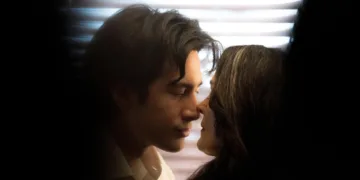
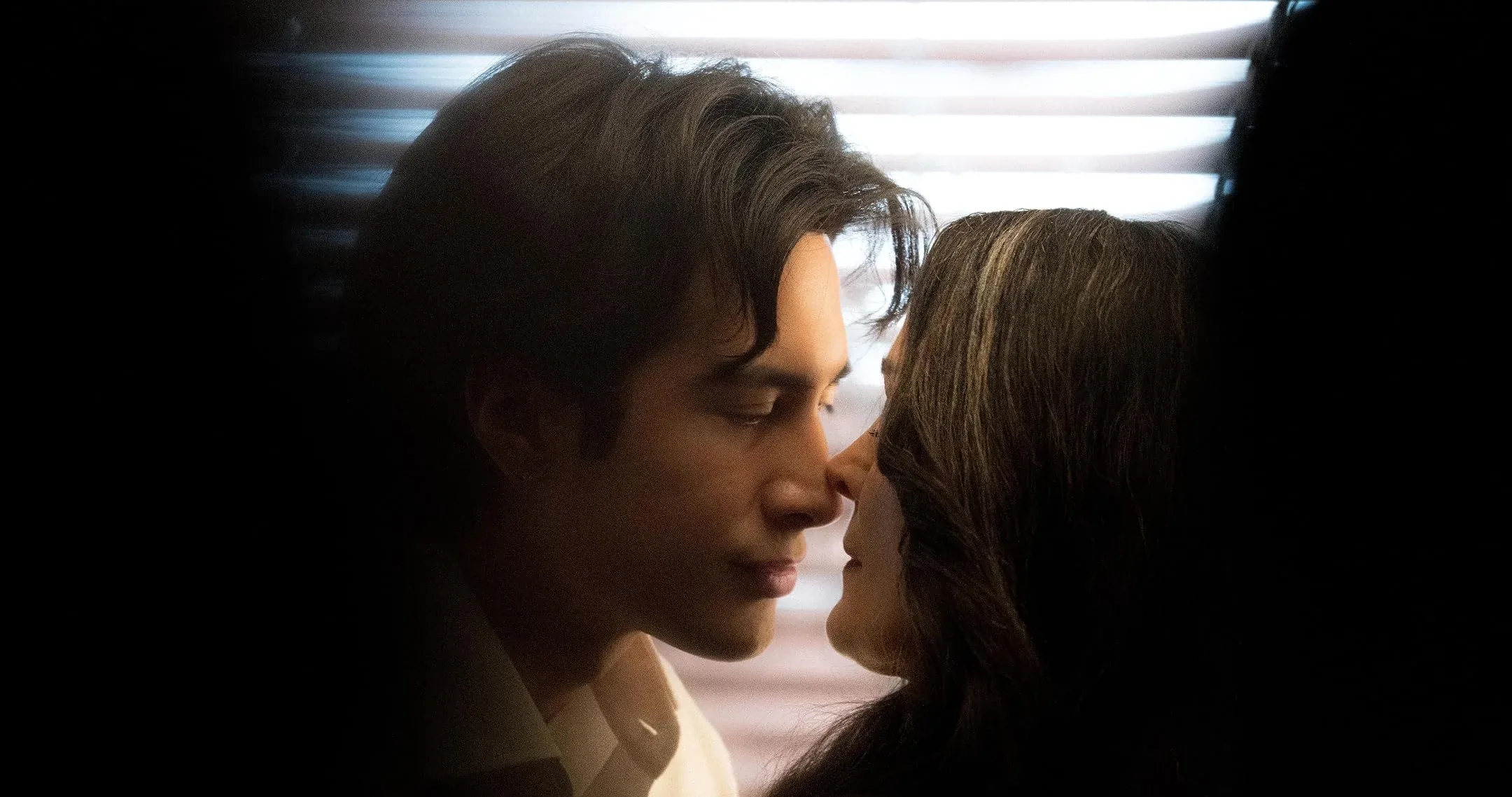
Carrie-Anne Moss’s Katherine Hargrove presents a different challenge to the investigators. A university professor associated with Henry, she meets Rapp’s flirtatious manner with a confidence that changes who appears to be in control of their exchanges. Moss lets Katherine register the appeal and the absurdity of him at once. The sexual charge in these scenes gives their conversations stakes beyond a routine suspect interview, and it exposes how readily others reduce Katherine to an age or a reputation. The series has not yet shown enough to settle her motives, which makes Moss’s refusal to play her as an answer especially valuable.
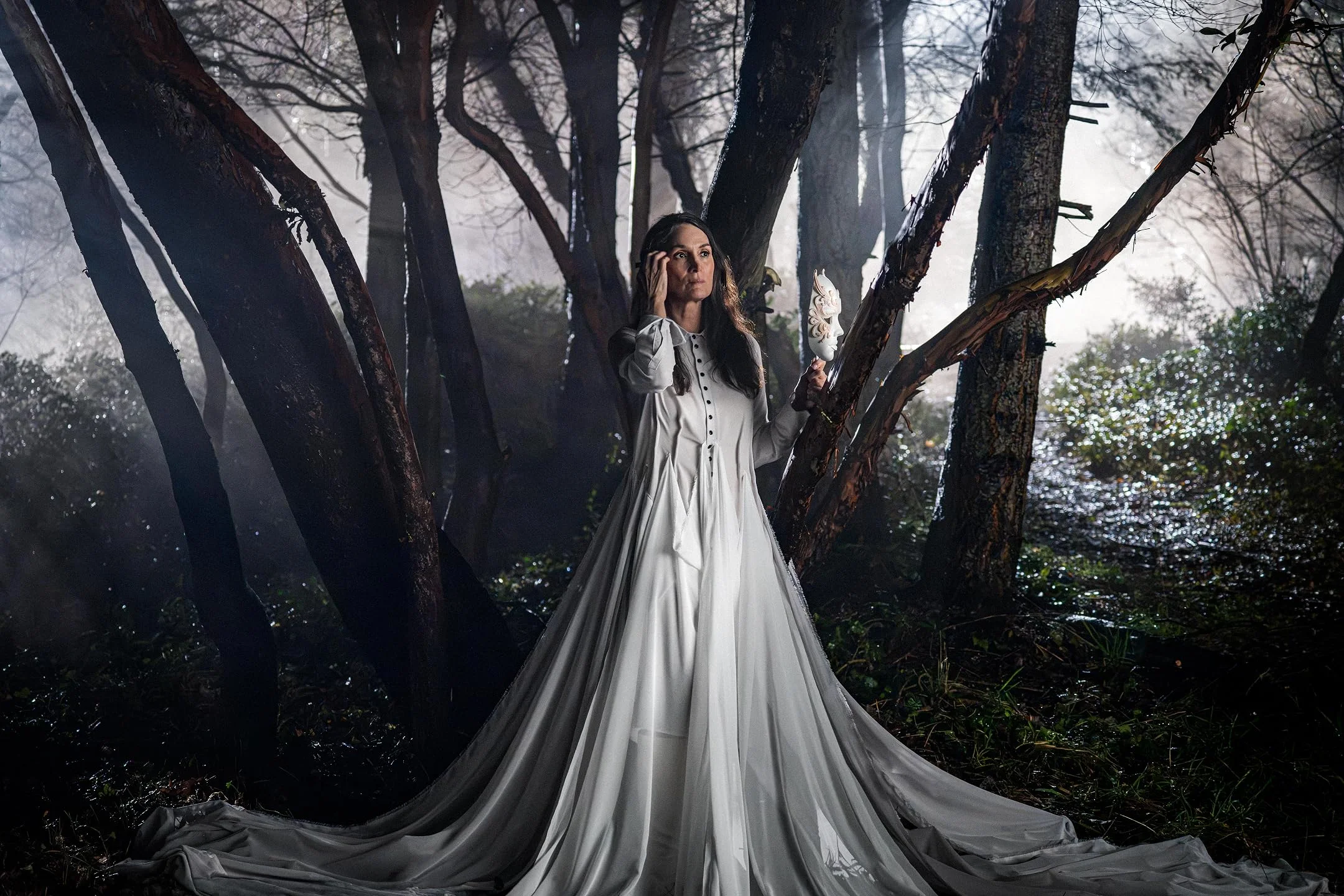
The supernatural details are similarly sparing at first. A burned rooster left on Rapp’s motel door makes the threat personal and turns an investigative lead into a grotesque warning. The later imagery grows more overt, but these episodes are stronger at disturbing the procedural than at explaining the folklore behind it. Foggy streets and surrounding forests give Whittock a sense of enclosure; Slavic-language covers of familiar pop songs and discordant folk sounds keep that setting slightly off balance even when the dialogue is having fun. The result is an elastic tone. The show can flirt, crack a joke, and then put something dreadful in the frame.
There is a lot to fit into episodes of roughly half an hour. Henry’s disappearance, a contentious partnership, Williams’s double role, Katherine’s arrival, and signs of something outside ordinary police work all compete for attention. Yaga moves briskly among them, and the changing tone helps prevent the case from becoming a procession of suspect introductions. That speed has a cost: at this stage, Henry is chiefly a mystery assembled by other people, and the supernatural threat has stronger images than rules. Those are reasonable things for an opening pair of episodes to leave open. They are also where the series will have to do its next piece of work.
The second episode’s cliffhanger leaves Rapp and Carson with a problem their usual routines cannot settle. A burned rooster is an awkward thing to enter into a case report. Yaga is most alive when it makes the detectives face that problem instead of letting them laugh it off.
Yaga premieres on Crave and AMC+ on October 23, 2026. The mystery thriller series follows a private investigator probing the disappearance of a young fishery heir in a coastal town, entangling him with enigmatic suspects and ancient folklore.
Where to Watch Yaga Online


Full Credits
Title: Yaga
Distributor: Crave, AMC+
Release date: October 23, 2026
Rating: TV-MA
Running time: 30 minutes per episode
Director: David Frazee, Rachel Talalay
Writers: Kat Sandler
Producers and Executive Producers: Mackenzie Donaldson, Andrew Miller, Carrie-Anne Moss, Charles Cooper
Cast: Carrie-Anne Moss, Noah Reid, Clark Backo, Hudson Williams, Ezra Franky, Patrick Gilmore, Sheila McCarthy, Megan Follows
The Review
Yaga
Across its first two episodes, Yaga gives a missing-person case excellent company: Reid and Backo’s prickly partnership, Moss’s commanding professor, and a town where the evidence grows steadily less fit for police paperwork. The brisk pace keeps comedy and dread in play, though Henry and the supernatural mystery still need room to develop. The detectives have a good routine. The case has other ideas.
PROS
- Reid and Backo’s sharp comic chemistry
- Moss’s assured, unsettling presence
- Brisk pacing and confident tonal shifts
CONS
- Henry remains thinly drawn so far
- Supernatural imagery outpaces explanation







